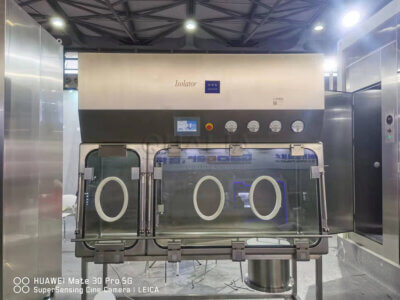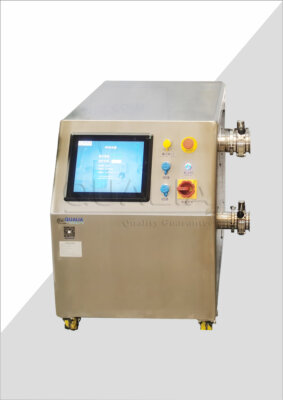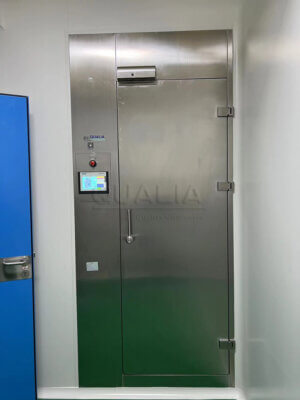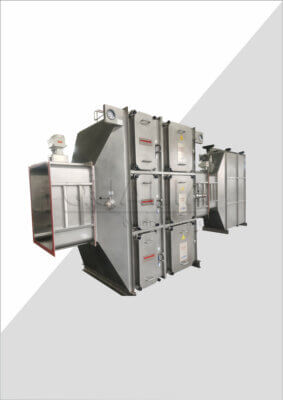

Les données de cycle fournies par le fournisseur qui ont passé avec succès l’examen interne peuvent tout de même échouer lors du premier audit si elles ont été élaborées dans des conditions qui ne correspondent pas à la configuration du site sur lequel le cycle de décontamination est effectivement exécuté. Cet échec a tendance à se manifester tardivement — lors de la mise en service ou du premier cycle de qualification — lorsque les équipes découvrent qu’une charge de transfert riche en cellulose a absorbé suffisamment de peroxyde d’hydrogène pour interrompre le cycle, ou que la géométrie de l’emballage a créé des zones d’ombre au niveau des positions des BI d’une manière que le cycle de développement initial n’avait jamais rencontrée. Le coût ne se limite pas à un retard de mise sur le marché ; il s’agit d’une lacune dans la documentation qui nécessite de reconstituer le dossier de preuves en fonction des conditions réelles de la charge et de la salle. Pour résoudre ce problème, il faut définir des critères d’acceptation spécifiquement liés à la recette du cycle, aux limites réelles de la chambre ou de la salle, aux capacités des capteurs, à la composition des matériaux et aux conditions de libération — tous ces éléments devant être confirmés avant le début de l’exécution.
Hypothèses relatives au cycle VHP liées à la configuration réelle
Un cycle mis au point sur un isolateur vide ou un sas de transfert chargé différemment ne constitue pas automatiquement une preuve d'acceptation valable en conditions d'utilisation courantes. La configuration dans laquelle le cycle est exécuté — densité de charge, géométries restreintes, zones d'ombre aérodynamique et voies de pénétration des vapeurs — doit être documentée et justifiée avant la collecte des preuves d'acceptation ; elle ne doit pas être déduite d'un essai de mise au point antérieur.
Deux chiffres tirés de la littérature scientifique aident à étayer la planification de la configuration. Une population de BI de 2,0 × 10⁴ spores par support est considérée comme adéquate pour un isolateur fonctionnant dans des environnements de classe ISO 8, et ce chiffre est plus utile qu’une hypothèse générale d’élimination de 100%, car il peut être directement comparé aux données réelles de charge microbienne environnementale. Le deuxième chiffre revêt une importance plus cruciale sur le plan opérationnel : à une concentration de peroxyde d’hydrogène de 500 ppm, la valeur D d’un organisme test varie d’environ 40 secondes à une saturation relative de 951 TP7T à environ 8 minutes à une saturation relative de 501 TP7T. Il s’agit d’un écart de huit fois en termes de létalité effective, entièrement dû aux conditions d’humidité, ce qui signifie qu’un cycle qui semble identique en termes de concentration peut présenter des performances réelles très différentes selon le niveau de saturation relative atteint en pratique dans la salle ou la chambre. Si le cycle a été développé à une saturation relative de 95% et que le site fonctionne à une saturation relative de 50%, la phase d’exposition nécessaire pour atteindre la réduction logarithmique cible doit être nettement plus longue — un décalage que les critères d’acceptation fondés uniquement sur les données de concentration ne permettront pas de détecter.
Les critères d'acceptation prédéfinis constituent le mécanisme de contrôle qui empêche une équipe de modifier les limites des paramètres après avoir constaté des résultats indiquant une tendance à l'échec. Si ces limites ne sont pas fixées avant l'exécution, les données peuvent être adaptées a posteriori pour correspondre à la configuration, plutôt que de la valider.
| Hypothèse relative au cycle | Risque en cas d'absence de validation par rapport à la réalité sur site | Exigences en matière de preuves |
|---|---|---|
| Configuration de charge la plus défavorable | Les données issues des essais en cycle peuvent ne pas refléter les conditions réelles, ce qui rendrait l'homologation caduque. | Densité de charge des documents, limites de pénétration, géométries restreintes et zones d'ombre aérodynamiques |
| Pop Be2 uir( ac,poo ×nIa0libl1ltu0⁴) | Allégation de stérilité irréaliste qui ne reflète pas la charge microbienne réelle | Vérifier que la dose n'est pas excessive par rapport à la charge microbienne réelle, et ne pas partir du principe général d'une élimination à 100 %. |
| Saturation relative pendant l'exposition | La valeur D varie d'environ 40 secondes (95 %RS) à environ 8 minutes (50 %RS) à une concentration de 500 ppm, ce qui modifie la létalité réelle. | Précisez les conditions d'humidité dans lesquelles le cycle se déroulera, dans la pièce ou la chambre concernée. |
| Critères d'acceptation prédéfinis | Les ajustements postérieurs à la mise en œuvre adaptent les données à la configuration | Appliquer les limites de paramètres définies au préalable, avant l'exécution du cycle |
Concrètement, cela signifie que la documentation relative à la configuration n'est pas une simple formalité administrative. C'est la condition préalable qui détermine si le cycle d'exécution permet de tester quelque chose de réel.
Placement des BI et CI pour les preuves d'acceptation
Le placement des indicateurs biologiques permet de déterminer si l'essai de réception porte réellement sur l'emplacement le plus défavorable du cycle, et pas seulement sur les emplacements les plus pratiques ou les plus accessibles. Un indicateur biologique placé près du point d'injection ou dans un espace ouvert fournit des données sur les conditions les plus favorables, ce qui n'a aucune valeur pour la réception.
Le placement doit privilégier les zones à faible débit d’air, les zones d’ombre situées derrière les équipements ou les emballages, les obstructions en aval, les emplacements les plus éloignés du point d’injection de vapeur et, le cas échéant, l’intérieur des lumières restreintes ou des géométries fermées. Une recommandation relative à la densité, issue de l’interprétation de la norme PDA TR34, suggère un minimum de 15 BI par mètre cube de volume de la chambre de travail, utilisés en trois exemplaires. Il s’agit d’un chiffre de référence pour la planification, et non d’un minimum réglementaire formellement codifié, mais il fournit un point de départ concret pour la planification de l’acceptation dans les chambres où le volume de travail et les emplacements de mise à l’épreuve ont été définis.
Le choix du type de BI comporte un risque d’échec que les équipes sous-estiment souvent. Les BI conditionnés sous Tyvek ne sont pas adaptés aux cycles où de la condensation se forme à la surface du support, car le substrat Tyvek empêche le H₂O₂ micro-condensé d’atteindre la surface des spores, contrairement à ce qui se passerait sur une surface non conditionnée. Les BI en ruban reflètent mieux l’état réel de la surface dans ces cycles. L’utilisation de BI emballés dans du Tyvek dans un cycle de condensation ne produit pas un résultat prudent — elle produit un résultat qui ne correspond pas à l’effet réel du VHP sur les surfaces réelles, ce qui signifie que les données étayent une condition qui n’existe pas dans le cadre d’une utilisation courante.
En utilisation courante, les BI indiquant une croissance positive doivent faire l’objet d’une analyse plutôt que d’être écartés, et un taux de croissance sporadique acceptable compris entre 0,5 et 21 TP7T peut être jugé acceptable après analyse — mais uniquement si celle-ci confirme que le résultat est indépendant des performances du système et ne constitue pas un indicateur systématique de sous-exposition. Considérer cette fourchette comme un seuil de conformité pré-approuvé plutôt que comme un constat issu de l’analyse constituerait une grave erreur d’application.
| Facteur d'acceptation | Exigence | Seuil clé / Règle |
|---|---|---|
| Lieux de placement | Les BI doivent se trouver dans les zones où le débit d'air est le plus faible, dans les zones d'ombre, en aval des obstacles, le plus loin possible du point d'injection et à l'intérieur des lumières rétrécies. | Garantit une représentation du scénario le plus défavorable, et non des cas favorables |
| Densité de BI | Au moins 15 BI par mètre cube de volume de la chambre de travail, utilisés en trois exemplaires (interprétation selon la norme PDA TR34) | Densité du béton pour la conception et la réception des travaux |
| Sélection du type de BI | BI en ruban pour les cycles où il y a condensation ; les BI conditionnés sous Tyvek ne conviennent pas, car le Tyvek bloque le H₂O₂ micro-condensé. | Empêche l'apparition de résultats faussement négatifs provenant d'un type de BI qui ne reflète pas les conditions réelles de la surface |
| BI « Rogue positive » | Considérez les BI présentant une croissance positive comme de véritables échecs ; après examen, un taux de croissance sporadique en service (SIG) acceptable compris entre 0,5 et 2 % peut être justifié s’il s’avère indépendant des performances du système. | Seuil de décision pour l'acceptation systématique des résultats positifs occasionnels |
L'erreur récurrente dans ce domaine consiste à implanter des dispositifs implantables (BI) dans des endroits faciles d'accès pour leur retrait, plutôt que dans des endroits difficiles à stériliser dans la pratique. Ces deux critères se recoupent rarement.
Point final d'aération et conditions de libération
L’aération n’est pas une période de refroidissement ajoutée au cycle de stérilisation : il s’agit d’une étape de processus validée, dotée de son propre critère de fin et de ses propres conditions de libération. Son objectif est de démontrer l’élimination du peroxyde d’hydrogène résiduel jusqu’à un niveau garantissant la sécurité du personnel lors de sa réentrée dans l’espace et compatible avec les matériaux présents dans celui-ci. Une aération insuffisante peut créer un risque chimique aigu, accélérer la dégradation des matériaux et, dans les environnements contenant des équipements sensibles ou des agents biologiques, entraîner un risque de contamination secondaire provenant de surfaces de confinement endommagées.
Le point final de l’aération doit être validé, et non supposé, car le temps nécessaire pour atteindre des niveaux résiduels sûrs dépend du volume de la pièce ou de la chambre, des paramètres du système de chauffage, de ventilation et de climatisation (CVC), de la surface et de la composition des matériaux de la charge. On ne peut pas supposer qu’un cycle mis au point dans une configuration donnée permettra d’obtenir le même profil d’aération dans une chambre reconfigurée ou chargée différemment. La condition de libération — le seuil de concentration spécifique en H₂O₂ en dessous duquel la réentrée ou le transfert est autorisé — doit être définie dans les critères d’acceptation avant l’exécution du cycle et doit être étayée par des données de capteurs qui enregistrent la concentration résiduelle réelle tout au long de la phase d’aération.
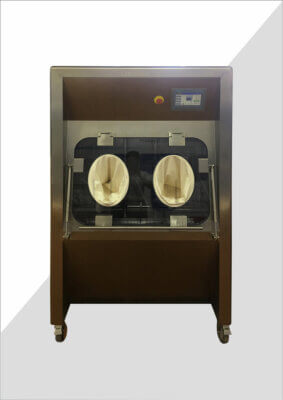
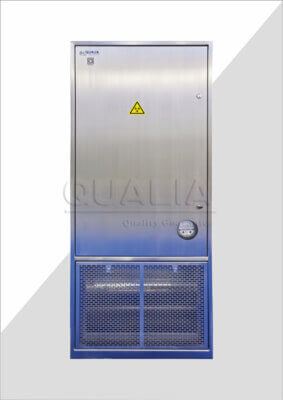
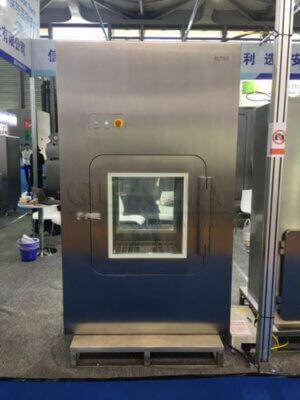
Pour les systèmes de transfert tels que les sas VHP, le point final d'aération constitue également une limite du processus : le produit ne peut être transféré tant que le rapport d'aération n'a pas confirmé que les conditions de mise en circulation sont remplies. C'est le lien établi entre les rapports relatifs au point final d'aération et l'autorisation de mise en circulation qui permet de justifier le registre de transfert en cas d'audit.
Un critère d'aération validé qui n'est pas lié à une condition de mise en circulation définie dans le dossier de lot entraîne une lacune dans la documentation, même si les analyses chimiques sont satisfaisantes. Le dossier doit démontrer à la fois que le critère a été atteint et que la décision de mise en circulation a été prise en fonction de celui-ci.
Registres d'étalonnage et d'écarts des capteurs
Le choix des capteurs est généralement considéré comme un détail d’approvisionnement dans la plupart des calendriers de projet, mais il a une incidence directe sur l’exhaustivité du dossier de preuves de réception. C’est là le compromis caché : un capteur qui mesure uniquement la concentration en H₂O₂ peut confirmer que la vapeur était présente au niveau cible, mais il ne peut pas prouver l’état de saturation relative qui détermine la létalité réelle. Si l’efficacité du cycle dépend d’un fonctionnement à 95% RS — et la différence de valeur D de huit pour un décrite précédemment montre pourquoi cela est important —, alors un capteur mesurant uniquement la concentration ne peut pas fournir de preuves permettant de distinguer la condition validée d’une condition nettement moins efficace.
Le Vaisala HPP272 mesure simultanément la concentration en H₂O₂, la saturation relative et la température, ce qui permet d’établir une corrélation complète entre les conditions enregistrées au cours du cycle et le modèle de létalité. Un capteur Draeger, qui ne mesure que la concentration, ne permet pas d’établir cette corrélation. Cela n’entraîne pas seulement une lacune au niveau de l’instrumentation, mais aussi une lacune dans le dossier de validation qui pourrait s’avérer difficile à justifier si un organisme de réglementation ou un auditeur demandait comment l’équipe s’est assurée que la condition de saturation relative correspondait bien à l’état validé.
| Modèle de capteur | Paramètres enregistrés | Conséquences pour les registres d'acceptation |
|---|---|---|
| Vaisala HPP272 | Concentration en H₂O₂, %RS, température | Fournit des données directes sur la saturation relative et la température, permettant ainsi une corrélation complète avec la létalité du cycle |
| Capteur Draeger | Concentration en H₂O₂ uniquement | Impossible de prouver la condition de saturation relative au cours du cycle, ce qui limite l'exhaustivité des preuves d'acceptation |
Les intervalles d’étalonnage doivent être déterminés de manière empirique à partir des données réelles de dérive des capteurs, et non fixés selon un calendrier générique qui pourrait ne pas refléter le comportement de l’instrument dans le cadre d’une utilisation régulière du VHP. La surveillance de la vitalité des capteurs constitue un mécanisme pratique pour garantir la stabilité à long terme : le remplacement d’un capteur lorsque sa vitalité tombe à 40% ou en dessous est une recommandation opérationnelle qui permet d’éviter la perte progressive de précision, laquelle, bien qu’elle ne déclenche pas nécessairement d’alarme de dépassement de tolérance, peut néanmoins affecter la qualité du dossier de lot. Toutes les données de lot doivent être enregistrées électroniquement et gérées conformément aux exigences en matière d’intégrité des données — non pas parce que les enregistrements électroniques sont intrinsèquement supérieurs, mais parce que les contrôleurs réglementaires considéreront les lacunes ou les modifications apportées après exécution comme des problèmes d’intégrité, quelle que soit la performance des analyses chimiques.
| Exigence | Ce qu'il faut vérifier |
|---|---|
| État d'étalonnage des instruments chez IQ | Vérifier que tous les capteurs ont été étalonnés et que ces opérations ont été consignées lors de la qualification de l'installation |
| Fréquences d'étalonnage déterminées de manière empirique | Définissez les intervalles en fonction des données réelles de dérive, et non selon des calendriers génériques. |
| Surveillance de l'état du capteur (à remplacer à ≤40 %) | Remplacer de manière proactive les capteurs lorsque leur niveau de vitalité atteint ou descend en dessous de 40 % afin de garantir une stabilité à long terme. |
| Enregistrement par lots des données et intégrité | Toutes les données relatives aux lots sont enregistrées électroniquement conformément aux exigences en matière d'intégrité des données |
L'état d'étalonnage des instruments dans le système IQ doit être documenté et ne doit pas être supposé. Si un capteur a été étalonné six mois avant son installation et n'a pas fait l'objet d'une nouvelle vérification lors de la mise en service, la chaîne d'étalonnage figurant dans le dossier IQ risque de ne pas être valide.
Éléments du site qui modifient la validité du cycle
Les données de cycle génériques obtenues sur des chambres sans charge ou normalisées ne sont pas transposables à un site où la charge contient un mélange de matériaux. C'est en raison de ce décalage entre les conditions de mise au point et la réalité du site que les cycles validés ne tiennent pas la route.
Les matériaux à base de cellulose — carton, emballages en papier, tampons absorbants — absorbent le peroxyde d’hydrogène et peuvent réduire la concentration de vapeur au point d’interrompre le cycle avant la fin de la phase d’exposition. Il ne s’agit pas d’un effet marginal ; c’est une interférence dans le processus, dépendante de la charge, qui peut se produire même lorsque les paramètres du cycle et les relevés des capteurs semblent se dérouler normalement. Les sachets en aluminium posent un problème différent : ils bloquent totalement la pénétration du peroxyde d’hydrogène, ce qui signifie que tout article se trouvant à l’intérieur d’un sachet en aluminium scellé n’est pas décontaminé, quelle que soit la concentration du cycle à l’extérieur. Le polyéthylène et le polypropylène non tissés permettent la pénétration et sont généralement compatibles avec les cycles au peroxyde d’hydrogène. Les liquides et les poudres sont également imperméables à la vapeur de peroxyde d’hydrogène, et leur présence dans une charge constitue un problème certain quant à la validité du cycle, et non un cas marginal.
| Matériau | Incidence sur le cycle VHP | Action sur le site |
|---|---|---|
| Cellulose (carton, papier) | Absorbe le H₂O₂, ce qui réduit la concentration de vapeur et peut entraîner l'interruption du cycle | Exclure du chargement |
| Foil pouches | Empêcher la pénétration du VHP | Exclure ou ouvrir avant le cycle |
| Non-tissé en polyéthylène / polypropylène | Autoriser la pénétration du VHP | Autorisé en cycle |
| Liquides et poudres | Le VHP ne peut pas pénétrer | Exclure du chargement |
Il en résulte que l'évaluation des matériaux doit être effectuée au niveau du site, pour chaque charge configurée, et doit être renouvelée lorsque la composition de la charge change. Un examen ponctuel de la compatibilité des matériaux réalisé lors du développement initial ne protège pas contre un changement futur de la charge qui introduirait de la cellulose ou une feuille scellée dans le transfert. Les équipes qui considèrent l’évaluation des matériaux comme une activité propre à la phase de conception plutôt que comme une obligation de planification continue ont tendance à rencontrer des anomalies de cycle — baisses de concentration, allongement des durées de cycle ou interruptions de processus — qui ne peuvent s’expliquer qu’en examinant ce qui se trouvait réellement dans la chambre pendant le cycle.
Pour les installations qui gèrent à la fois des systèmes de transfert au VHP et la décontamination des locaux, les contraintes liées aux matériaux varient en fonction de la configuration. Une boîte de transfert au VHP destinée à la manutention de produits emballés présente un profil de compatibilité des matériaux différent de celui d’un cycle de décontamination de locaux dans un espace équipé de mobilier et d’étagères fixes. Ces deux cas nécessitent une évaluation spécifique au site ; aucun ne peut s’appuyer sur les données de l’autre. Une analyse plus détaillée de l’interaction entre la configuration des équipements et les contraintes liées aux matériaux est disponible dans le Équipement et normes de décontamination VHP pour les installations BSL-3/4 référence.
Seuil d'autorisation pour l'utilisation systématique du VHP
L'autorisation d'utilisation de routine n'est pas une étape qu'une équipe franchit une fois pour toutes et conserve indéfiniment. Il s'agit d'un statut qui nécessite la présentation d'un dossier de justification initial répondant à des critères minimaux définis, et qui peut être révoqué — ou devoir être reconstitué — en cas de modifications apportées à l'équipement, à la configuration ou en cas d'écarts récurrents.
Le dossier minimal de justification requis pour l’homologation doit inclure un objectif défini d’assurance de stérilité, exprimé sous forme de SAL cible ou de réduction logarithmique, une configuration et des matériaux documentés correspondant au scénario le plus défavorable, des paramètres critiques de processus validés avec des limites dérivées des données de développement, ainsi que des critères d’acceptation prédéfinis établis avant l’exécution de tout essai de qualification. La norme ISO 14937 fournit un cadre permettant de structurer les exigences en matière de données relatives aux essais biologiques des procédés de stérilisation, tandis que la norme ISO 22441:2022 traite spécifiquement du peroxyde d’hydrogène vaporisé à basse température — ces deux normes constituent des références utiles pour organiser le dossier de données, bien qu’aucune d’entre elles ne prescrive mot pour mot chaque élément pour toutes les configurations de site.
| Élément de preuve | Ce qui doit être consigné par écrit |
|---|---|
| Objlt iees uné 'sifracderasa ltdcité | Objectif défini en matière d'assurance de stérilité (par exemple, SAL) |
| Objectif de réduction de la quantité de logs | Exigence spécifiée en matière de réduction logarithmique numérique |
| Configuration de charge la plus défavorable | Répartition de la charge, matériaux et emplacement documentés |
| Paramètres critiques du processus | Ensemble de paramètres dont les limites sont issues d'études de développement |
| Critères d'acceptation prédéfinis | Les seuils de réussite/échec sont fixés avant l'exécution et ne sont pas ajustés après l'obtention des résultats |
La revalidation est déclenchée par des événements spécifiques, et non par le simple écoulement du temps. Les opérations de maintenance majeures, les modifications apportées au système de contrôle, les réparations visant à garantir l’intégrité de la chambre, les changements de configuration de la charge et les tendances à des écarts répétés constituent autant de situations dans lesquelles l’état validé peut avoir été compromis. Un processus de contrôle des changements intégré au cycle de vie de la validation — et non superposé à celui-ci a posteriori — permet de maintenir à jour le dossier de preuves et d’empêcher les équipes de continuer à opérer selon des critères d’acceptation qui ne correspondent plus aux conditions réelles d’exploitation.
| Événement déclencheur | Motif de la nouvelle qualification |
|---|---|
| Entretien majeur | Cela pourrait altérer les performances du composant ou la répartition de la vapeur |
| Modifications apportées au système de contrôle | Une logique de commande modifiée peut s'écarter de l'état validé |
| Réparations visant à garantir l'intégrité de la chambre | Les réparations des joints d'étanchéité ou des systèmes CVC peuvent modifier le confinement et la dynamique des vapeurs |
| Changements apportés à la configuration de chargement | De nouveaux matériaux ou modèles de charge peuvent poser des problèmes de pénétration non validés |
| Tendances récurrentes en matière d'écarts | Les défaillances systématiques ou les alarmes indiquent une perte de contrôle validé |
L'analyse périodique des tendances relatives aux données des paramètres critiques, à la fréquence des écarts et aux événements d'alarme constitue le mécanisme de surveillance continue qui permet de confirmer que le système reste apte à l'utilisation courante. Sans cela, un système peut s'écarter progressivement de son état validé tout en continuant à produire des dossiers de lots conformes lors de cycles individuels. La structure IQ-OQ-PQ qui sous-tend l'homologation initiale est décrite en détail dans le Protocole de validation VHP : IQ, OQ et PQ pour les systèmes à base de peroxyde d'hydrogène document de référence, qui explique en quoi chaque phase de la qualification contribue au dossier d'homologation complet.
La position la plus défendable au moment de l'homologation est celle où chaque élément du dossier d'acceptation — recette de cycle, plan de placement des BI, seuil d'aération, registres d'étalonnage des capteurs et conditions de mise en service — reflète la configuration exacte qui sera utilisée en exploitation courante, et non la configuration qui s'est avérée la plus pratique pendant la phase de développement. Tout écart entre les conditions de développement et l'état opérationnel crée une lacune dans la documentation qui doit être comblée avant l'homologation, et non après.
Avant d’accorder le statut d’utilisation courante, il convient de vérifier que la composition des matières de la charge a fait l’objet d’une évaluation de compatibilité avec le VHP au niveau du site, que les capteurs enregistrant les paramètres critiques mesurent à la fois la concentration et la saturation relative, et que le point final de l’aération est lié à une condition de libération définie dans le dossier de lot. Tout changement concernant les matériaux de la charge, la configuration de la chambre ou le système de contrôle après l’approbation relance l’obligation de contrôle des modifications et peut nécessiter la reconstitution de certains éléments du dossier de preuves — considérer cela comme une simple contrainte procédurale plutôt que comme une exigence de validation est l’attitude la plus susceptible d’engendrer des risques lors d’un audit.
Questions fréquemment posées
Q : Qu'en est-il de la validité du cycle si la charge du site change après que le cycle d'acceptation initial a déjà été approuvé ?
R : L'homologation ne s'applique pas à une charge modifiée — la procédure de contrôle des modifications doit être relancée. Les modifications apportées à la configuration de la charge constituent un motif explicite de requalification, car les voies de pénétration des vapeurs, les effets d'absorption des matériaux et les emplacements présentant les conditions les plus défavorables peuvent tous différer des conditions de développement sur lesquelles reposait le dossier de justification initial. Si de nouveaux matériaux présentant des profils de compatibilité VHP différents sont intégrés à la charge, le dossier d'acceptation doit être reconstitué en fonction de la configuration mise à jour avant que l'utilisation courante ne puisse se poursuivre.
Q : Si un fournisseur de systèmes VHP fournit des données de cycle validées, ces éléments constituent-ils une preuve suffisante pour justifier l'acceptation sur site sans travaux de développement supplémentaires ?
R : Les données relatives au cycle du fournisseur constituent un point de départ, et non un document d’acceptation transférable. La difficulté réside dans l’établissement d’un lien entre les données fournies par le fournisseur et les matériaux spécifiques au site, la géométrie réelle de la chambre et les conditions de libération que le site prévoit d’utiliser. Si le cycle du fournisseur a été développé en se basant sur une densité de charge, des hypothèses de saturation relative ou des configurations de capteurs différentes de celles en vigueur sur le site, ces données ne permettent pas d’étayer l’allégation d’utilisation de routine du site et des essais de développement supplémentaires, réalisés selon la configuration réelle, seront nécessaires.
Q : À partir de quel moment une BI sporadique indiquant une croissance positive devient-elle le signe d'une insuffisance du cycle lui-même plutôt qu'une anomalie isolée ?
R : Un résultat de croissance positif doit être considéré comme un indicateur potentiel de performance du système jusqu’à ce qu’une enquête prouve le contraire — il ne doit pas être classé d’emblée comme acceptable au seul motif qu’il s’inscrit dans une fourchette de taux. Un taux de croissance sporadique en service compris entre 0,5 et 21 TP7T ne peut être justifié qu’après qu’une enquête a confirmé que ce résultat est indépendant de la performance du cycle. Si des résultats positifs se concentrent à un emplacement donné, font suite à un changement de charge ou coïncident avec une tendance à la dérive des paramètres critiques, l’enquête doit déterminer si le cycle atteint la réduction logarithmique cible dans les conditions d’exploitation actuelles avant que l’utilisation de routine ne reprenne.
Q : Un capteur mesurant uniquement la concentration est-il suffisant pour établir un procès-verbal de réception du VHP si le cycle atteint systématiquement le niveau cible en PPM ?
R : Non — les données de concentration à elles seules ne suffisent pas à trancher la question de la létalité. Étant donné que les valeurs D varient d’un facteur d’environ huit entre les saturations relatives 50% et 95% à une même concentration, un capteur qui n’enregistre que les ppm ne peut pas confirmer quelle condition de saturation le cycle a réellement atteinte. Si les critères d’acceptation reposent sur un modèle de létalité lié à une cible de saturation relative spécifique, l’instrumentation doit capturer ce paramètre directement. Un rapport d’acceptation ne comportant pas de données de saturation relative risque de ne pas résister à un examen réglementaire, même si toutes les mesures de concentration ont été jugées conformes.
Q : Une requalification périodique effectuée à intervalles réguliers satisfait-elle à l'exigence d'agrément continu, ou une requalification liée à un événement spécifique est-elle également nécessaire ?
R : Une requalification basée uniquement sur le temps n’est pas suffisante. Les opérations de maintenance majeures, les modifications apportées au système de contrôle, les réparations visant à garantir l’intégrité de la chambre et les tendances récurrentes de déviation constituent autant de conditions susceptibles de perturber l’état validé entre deux intervalles programmés. C’est un processus de contrôle des modifications intégré au cycle de vie de la validation — plutôt qu’un calendrier de requalification basé sur des dates fixes — qui permet de maintenir à jour le dossier de preuves. L’analyse des tendances des données relatives aux paramètres critiques et des événements d’alarme entre deux cycles de requalification constitue le mécanisme de surveillance permettant de détecter les dérives progressives avant qu’elles ne génèrent une lacune susceptible d’être mise en évidence lors d’un audit dans le registre d’utilisation courante.