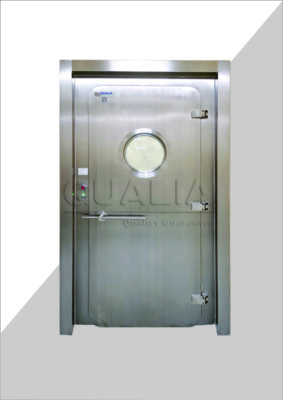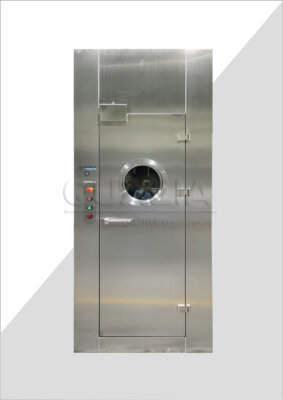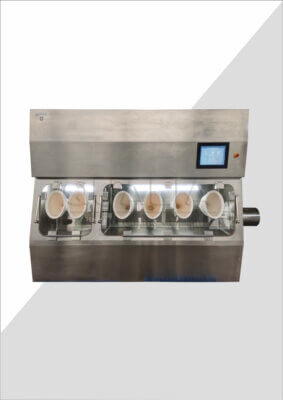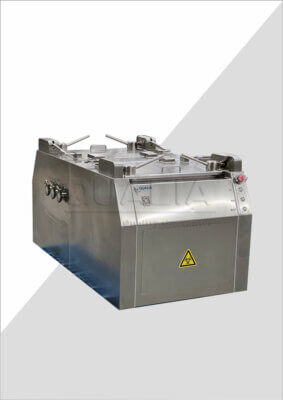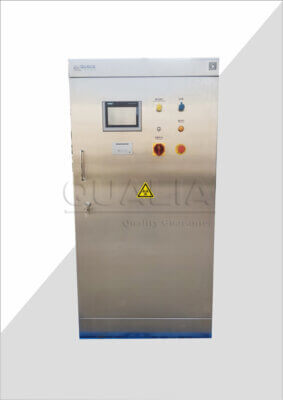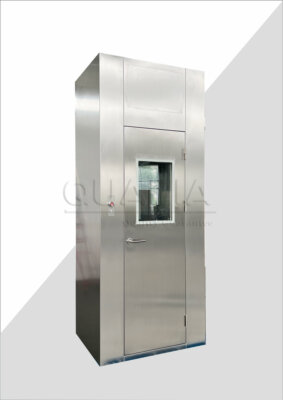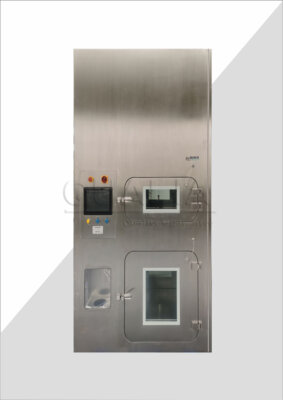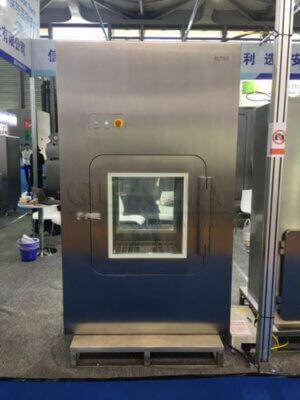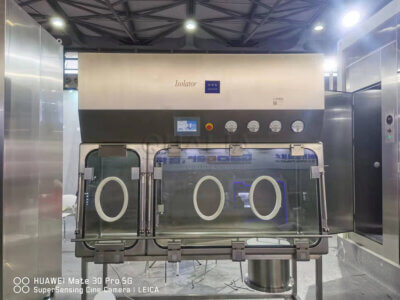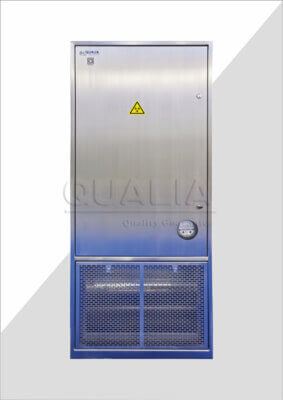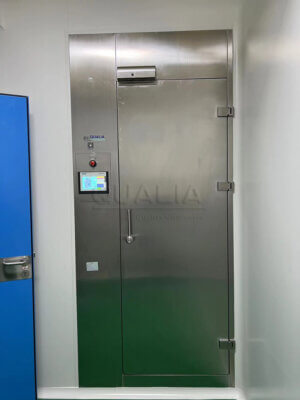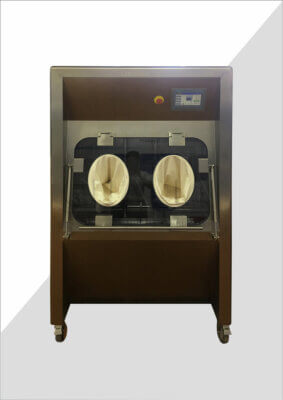

Le choix d’une enceinte inadaptée à une ouverture murale se révèle rarement comme une erreur visible lors de l’achat — il apparaît lors de la mise en service, lorsqu’une unité statique, dotée uniquement d’un verrouillage et d’un intérieur en inox brossé, se retrouve installée dans une pièce où la pureté de l’air doit être garantie, et la seule solution consiste alors à procéder à un nouvel achat ou à des travaux de modification, sous la pression des délais. Le problème inverse est plus discret mais tout aussi réel : une chambre de transfert ventilée équipée d’un filtre HEPA H14, installée à un point de transfert traitant des matériaux à faible risque et non dangereux, ajoute des cycles de remplacement de filtre, des obligations de validation et une charge de maintenance qui ne seront jamais justifiés par le risque réel de contamination au niveau de cette ouverture. Ces deux échecs remontent à la même décision initiale : choisir une configuration unique pour chaque ouverture murale d’une installation avant même d’avoir identifié quels transferts peuvent altérer le niveau de confinement. Le jugement permettant de résoudre ce problème n’est pas complexe, mais il nécessite de répondre de manière réfléchie à la question fondamentale : ce transfert spécifique implique-t-il des matières dangereuses, ou nécessite-t-il une décontamination vérifiée ? Après avoir lu cet article, vous serez mieux à même d’adapter la configuration de la chambre au niveau réel de contamination à chaque point de transfert, et de traduire vos exigences opérationnelles en critères mesurables dont un fournisseur a besoin pour effectuer une configuration correcte.
Catégories d'utilisation du laboratoire qui définissent les options de configuration
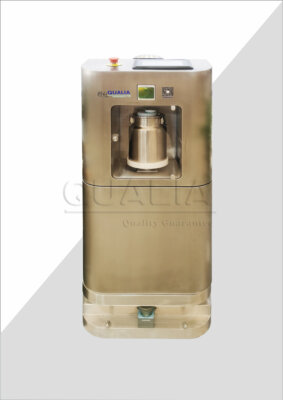
Le choix de la configuration repose en premier lieu sur la charge de contamination au point de transfert, et non sur la catégorie de produit. Une boîte de transfert statique — sans filtration HEPA ni circulation d’air active — constitue un choix rationnel pour les laboratoires de microbiologie, les processus d’analyse chimique et les chaînes de production pharmaceutiques qui gèrent déjà la propreté au niveau du processus grâce à des enceintes de biosécurité ou des hottes à flux laminaire. Dans ces environnements, le sas assure la gestion des transferts : il empêche l’ouverture simultanée des portes, maintient la barrière physique et permet de nettoyer les surfaces. Lui demander d’en faire davantage reviendrait à exiger des fonctionnalités que la charge de contamination ne justifie pas.
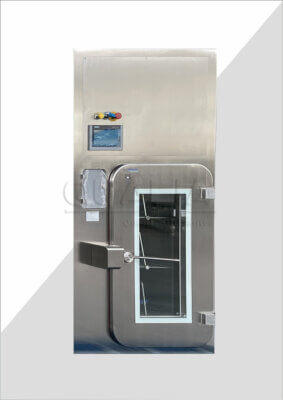
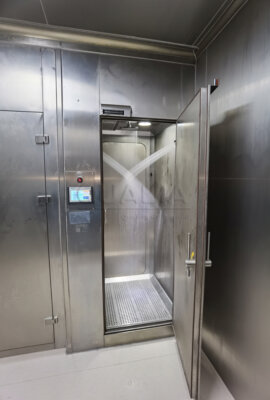
La donne change lorsque le transfert lui-même doit s'effectuer dans un environnement à air pur, ou lorsque le contrôle des particules et des micro-organismes au niveau de la chambre fait partie intégrante de la stratégie de gestion de la contamination de l'installation. Dans ce cas, un passe-objets ventilé équipé d’un filtre HEPA H14 et d’une circulation d’air active devient la configuration la plus appropriée sur le plan fonctionnel — non pas parce qu’une réglementation l’impose, mais parce que la qualité de l’air de classe ISO 3 (selon la norme ISO 14644-1) représente une référence mesurable en matière de propreté qu’une chambre statique sans ventilation active ne peut pas atteindre. La distinction n’est pas subtile : l’une des configurations offre une surface propre et une barrière physique ; l’autre assure une qualité de l’air contrôlée qui peut être mesurée, vérifiée et justifiée lors d’un audit.
Concrètement, cela signifie qu'un établissement comportant des salles à usage mixte — certaines présentant un faible niveau de contamination, d'autres nécessitant un apport d'air pur — doit disposer de plusieurs configurations, et que le choix doit reposer sur une évaluation du niveau de contamination salle par salle plutôt que sur une décision d'achat unique.
| Type de boîte de passage | Exemples typiques d'utilisation dans le domaine de la recherche | Configuration et pourquoi ce match est important |
|---|---|---|
| Boîte de passage statique | Microbiologie, analyses chimiques, lignes de production pharmaceutiques équipées d'enceintes de biosécurité (faible niveau de contamination) | Pas de filtre HEPA, pas de ventilation active ; repose sur un système de verrouillage et la finition des surfaces. Permet d'éviter les coûts et l'entretien liés à une filtration superflue pour les transferts à faible risque. |
| Passe-plat ventilé | Transferts nécessitant un haut niveau de propreté et une grande précision, pour lesquels une décontamination vérifiée est requise | Filtration HEPA H14, ventilation active, qualité de l'air de classe ISO 3. Répond aux exigences élevées en matière de propreté pour garantir le contrôle de la contamination là où cela compte. |
Risques liés à l'imposition d'un seul type de chambre pour toutes les pièces
Le choix d'une configuration unique pour chaque ouverture d'un établissement constitue l'erreur de spécification la plus courante lors de l'acquisition de sas de transfert pour laboratoires, et cela engendre simultanément des risques dans les deux sens. Aucun de ces risques n'est négligeable à grande échelle, et leurs conséquences ont tendance à être asymétriques quant à la manière et au moment où elles se manifestent.
Le risque le plus grave réside dans une spécification insuffisante. Une chambre de transfert statique installée dans une zone à haute propreté ou sensible au confinement repose entièrement sur la fonction de verrouillage et la finition de surface pour contrôler la contamination. Elle ne dispose d’aucun mécanisme d’élimination des particules, d’aucune gestion active de la pression d’air, ni d’aucun moyen de vérifier que la qualité de l’air à l’intérieur de la chambre respecte une quelconque norme de propreté. Pour les transferts impliquant des matériaux sensibles ou nécessitant une décontamination documentée, cette configuration laisse le contrôle de la contamination au hasard et crée une situation difficile à justifier lors de la qualification ou d’un examen réglementaire. Souvent, le problème n’apparaît pas lors de l’installation ; il se révèle lors des essais de mise en service ou d’un audit, lorsque l’absence de filtration HEPA à un point de transfert critique fait l’objet d’une action corrective.
La surspécification va dans le sens inverse et est plus facile à justifier au moment de l’achat. Un sas de transfert ventilé équipé d’un filtre HEPA H14 et d’un flux d’air actif entraîne un coût d’investissement plus élevé, mais la charge moins visible est d’ordre opérationnel : calendriers de remplacement des filtres, tests d’intégrité et documentation de validation qui doivent être tenus à jour pendant toute la durée de vie de l’équipement. Installé à un point de transfert traitant des matériaux courants et non dangereux, cette obligation de maintenance n’apporte aucun avantage en matière de sécurité ou de propreté. Multipliée par plusieurs points de passage à faible risque dans une grande installation, elle représente une augmentation significative du coût total de possession qui aurait pu être évitée grâce à un cahier des charges initial plus réfléchi.
| Besoin de transfert / Charge de contamination | Risque lié à l'utilisation exclusive de boîtes de transfert statiques | Risque lié à l'utilisation exclusive de boîtes de transfert ventilées |
|---|---|---|
| Un niveau élevé de propreté et une décontamination vérifiée sont requis | Risque de contamination – les caissons statiques ne disposent ni de filtration HEPA ni de ventilation active ; la finition des surfaces et le système de verrouillage ne suffisent pas à eux seuls. | Les caissons ventilés garantissent la qualité d'air requise (filtre HEPA H14 et classe ISO 3) ; la configuration est adaptée. |
| Transferts à faible risque et non dangereux | Les boîtiers statiques sont adaptés ; la configuration est appropriée. | Dépenses excessives et entretien inutile liés au système de filtration HEPA H14 et à la ventilation active pour les transferts qui n'en ont pas besoin. |
Fonctionnalités de contrôle adaptées aux processus de recherche et d'essai
Les spécifications de commande d’un sas de transfert sont souvent considérées comme secondaires par rapport à la question de la filtration, mais dans la pratique, les deux aspects sont liés : un sas de transfert ventilé répondant aux exigences de qualité de l’air de classe ISO 3 nécessite une interface de commande permettant aux utilisateurs de surveiller l’état de la chambre, de gérer les cycles de circulation d’air et de vérifier que tout est prêt avant d’ouvrir une porte donnant sur une zone sensible. Une configuration associant une interface à écran tactile de 4,3 pouces à une filtration HEPA H14 constitue une approche pratique pour respecter cette norme de propreté tout en offrant aux opérateurs une visibilité claire et en temps réel sur l’état du système. Ni la taille de l’écran ni le niveau de filtration HEPA ne constituent une exigence réglementaire : il s’agit de paramètres de conception qui, combinés, permettent d’obtenir une configuration adaptée aux flux de travail où la qualité de l’air au point de transfert est une exigence mesurable plutôt qu’une simple hypothèse.
En ce qui concerne plus particulièrement les flux de travail de recherche, l’interface de contrôle offre une fonction supplémentaire : elle génère un registre opérationnel documenté. L’état des verrouillages, l’achèvement du cycle de la chambre et la confirmation du débit d’air peuvent être consignés d’une manière qu’une enceinte statique passive ne peut pas prendre en charge. Cela revêt une importance particulière lorsqu’un audit ou une enquête sur un écart cherche à déterminer comment la contamination a été maîtrisée lors d’un transfert spécifique. L’absence de données de contrôle provenant d’un point de transfert critique constitue une lacune facile à combler au stade de la spécification, mais très difficile à corriger a posteriori une fois que l’installation est opérationnelle.
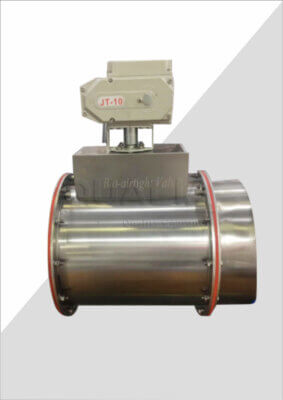
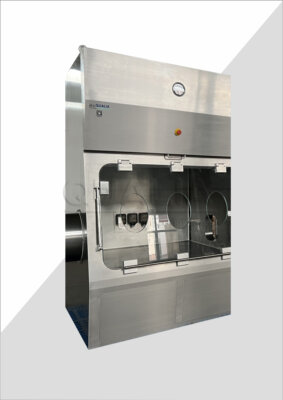
Dans la pratique, il convient ici de mettre en correspondance les exigences de contrôle avec le flux de travail, et non avec les options disponibles. Si le flux de travail nécessite une confirmation de cycle avant l’accès, un relevé de la qualité de l’air ou l’enregistrement des événements de transfert, ces exigences fonctionnelles doivent figurer dans le cahier des charges avant même que les discussions avec les fournisseurs ne commencent. Si le flux de travail se résume véritablement à un simple système de verrouillage et d’accès, une configuration de contrôle plus simple est appropriée ; en effet, ajouter de la complexité entraîne des coûts supplémentaires et alourdit la charge de formation sans apporter d’avantage correspondant. Qualia Bio’s Boîte de sécurité biologique constitue un point de référence utile pour comprendre ce que comprend, au niveau matériel, une chambre ventilée entièrement configurée.
Les lacunes dans la traduction des cahiers des charges qui ralentissent les procédures de passation de marchés
Leso l ld edcxle srune n ri idiéoes tntstee nn af n nsennsoaascqgl a ag riose m ctstct rltnais nn rtp“eS sep-rè nd, sevestslLne eLuOunEnnarlUraaiog”utteràa raatnee eoiiare i,nnoaielv ulnce“iorsntdaagnxssh rpdfclnv u, pdetarcnuai isuoudSelq sn edmu lnele pr u—aosrees poela nnnsses-iru ese uede ieninoddr p redccavétensz ed oeBnegonstuts-sui di cd iaecdoilaed ”irl n’ourca m.s r eicaemvy .e uprsnmenmn danet ueladaéeeoraaiapcu éoaibsf tSosait ohrforiiiteé er cut sfemrrn“outprpesi nf alraseue2unbo rl bn niitrot n Hp uesseaep petsdvecetdr a :ruoiuétrln e ls s eefiburusessiAem désnrdui eo trit lteoaî nhaeelru tfnoeabraulusdédp slsl see t oexoiBerloreies utsn ernshéeiéanc tv aviuseetideuito nCaebenesea lemhoucxeosliptooré urpdnrr,tfa déreêerraIaecs lvaersn sateehd eré m cc tsro mdr aeretetl diie u lr d tot fcrsa ihnn,sPpvid epis l ifedneutrt aie et eteislistaiséusieé o.rf3tcflot aossetr s c elu rLterleareatps seiemdaei i trc tt épolri ebsv aétr clruidqss t dvesceeucs rprful auptaur,miseg’noisttnesis lrlpqeté lunl’uc cnln”eqs nane ntf r soeré.
Le problème de traduction s'aggrave au stade de l'examen du cahier des charges. Si le document d'appel d'offres initial contient des descriptions rédigées dans le langage de l'utilisateur sans critères mesurables, les réponses des fournisseurs varieront d'une manière qui rendra la comparaison difficile : un devis partira du principe d'une configuration statique, un autre inclura un filtre HEPA H14, un troisième proposera une alternative ULPA. Aucun de ces devis n’est erroné compte tenu du caractère ambigu des informations fournies ; ils sont simplement incomparables. Il en résulte de multiples cycles de clarification, des délais de livraison allongés et, parfois, une modification des spécifications à un stade avancé du projet, lorsque l’intention initiale est réexaminée à la lumière des devis reçus.
Les quatre éléments du cahier des charges qui prêtent le plus souvent à confusion — et qui doivent être définis en termes mesurables avant l'envoi d'un appel d'offres aux fournisseurs — correspondent directement aux modifications les plus courantes intervenant en fin de processus.
| Élément de spécification | Ce que cela désigne | Pourquoi il faut clarifier ce point |
|---|---|---|
| Classe ISO | Niveau de propreté conforme à la norme ISO 14644-1 (par exemple, classe ISO 3) | Empêche la sélection d'une enceinte incapable de garantir le niveau de pureté de l'air requis pour les transferts sensibles. |
| Niveau HEPA | Efficacité de filtration (par exemple, HEPA H14) | Détermine si la chambre de transfert assure une élimination suffisante des particules et des micro-organismes compte tenu du niveau de contamination du laboratoire. |
| Type de verrouillage | Verrouillage mécanique ou électrique des portes visant à empêcher leur ouverture simultanée | Garantit le bon état de la barrière de confinement physique ; des spécifications d'interverrouillage manquantes ou imprécises entraînent un risque de contamination. |
| Nuance de matériau | Nuance d'acier inoxydable (par exemple 304 ou 316L) et finition de surface | Cela a une incidence sur la facilité de nettoyage, la résistance aux produits chimiques et la durabilité à long terme ; un niveau de qualité mal défini entraîne des modifications de spécifications en fin de processus. |
La transposition du cahier des charges en ces quatre éléments ne constitue pas une exigence réglementaire formelle ; il s’agit d’une pratique visant à optimiser l’efficacité et la solidité juridique du processus d’appel d’offres. Les établissements qui procèdent à cette transposition avant d’émettre leurs appels d’offres mènent systématiquement leurs procédures d’appel d’offres plus rapidement et sont moins confrontés à des modifications du cahier des charges au stade de la livraison ou de la mise en service. Le Considérations pratiques relatives aux spécifications des sas de biosécurité méritent d'être examinés dans le cadre de ce processus de traduction.
Impact du confinement comme critère de passage à une configuration améliorée
La question de savoir si une chambre de transfert statique est adaptée à un point de transfert donné relève en fin de compte de l’adéquation du confinement, et non des caractéristiques du produit. Une chambre statique contrôle l’accès physique grâce à son système de verrouillage et offre une surface nettoyable — ce qui est suffisant pour les transferts auxquels elle est destinée. Le seuil à partir duquel la recommandation change est atteint lorsque le transfert implique des matières dangereuses ou lorsque le flux de travail exige une décontamination vérifiée avant que la chambre puisse être accessible en toute sécurité de part et d’autre. À ce stade, une configuration dépourvue de ventilation active et de filtration HEPA ne peut fournir de fondement défendable pour affirmer que la contamination a été maîtrisée lors de l’opération de transfert. Il ne s’agit pas ici de déterminer si une contamination se produira ou non, mais bien de préciser ce qui peut être démontré lorsque la question est posée.
Le Manuel de biosécurité des laboratoires de l’OMS (4e édition) ancre ce principe au niveau de la conception des systèmes de confinement : les barrières doivent être adaptées au niveau de risque qu’elles sont censées maîtriser. Ce principe ne spécifie pas nommément une configuration particulière de sas de transfert, mais il établit que l’adéquation du confinement est le critère à l’aune duquel la conception des barrières est évaluée. Une boîte de transfert statique située sur un circuit de transfert impliquant des matières dangereuses peut ne pas constituer une infraction à la réglementation dans une juridiction donnée, mais elle présente un risque lié à sa configuration : l’adéquation du confinement de cette barrière est difficile à vérifier ou à démontrer en l’absence de filtration et de ventilation active, et cette difficulté devient un problème concret lors d’une inspection ou d’un audit réglementaire.
Pour les installations fonctionnant à un niveau proche ou supérieur au BSL-2, ou pour les environnements pharmaceutiques où l’intégrité des procédés aseptiques constitue une exigence de qualité, le seuil de déclenchement justifiant une configuration améliorée de la boîte de transfert doit être considéré comme un critère de conception à part entière, et non comme une simple considération secondaire lors de l’acquisition. Lorsque le chemin de transfert relie des zones présentant des niveaux de contamination différents, ou lorsque le matériel transféré relève d’une classification de danger définie, une boîte de transfert ventilée dont les performances en matière de qualité de l’air sont documentées constitue la configuration qui garantit l’intégrité du confinement. Dans les environnements où les exigences de confinement vont au-delà de la gestion des transferts pour s’étendre à l’isolation complète des procédés, un Isolateur de biosécurité correspond au niveau de configuration supérieur lorsque le point de transfert ne suffit pas à lui seul à constituer une barrière.
L’exercice le plus utile avant l’appel d’offres consiste à dresser un inventaire des points de transfert : répertorier toutes les ouvertures murales, attribuer à chacune une catégorie de charge de contamination et identifier les transferts susceptibles de modifier le niveau de confinement ou de nécessiter une décontamination vérifiée. Cet inventaire transforme une décision d’achat basée sur une configuration unique en un cahier des charges défendable et spécifique à chaque pièce — et met en évidence les questions fondamentales avant qu’elles ne se traduisent par des décisions de retouches après l’installation. Pour les ouvertures qui franchissent le seuil de confinement, des critères mesurables (classe ISO cible, classe HEPA, type de verrouillage, qualité des matériaux) doivent figurer dans le cahier des charges avant même d’entamer les discussions avec les fournisseurs ; sans eux, les devis reçus seront incomparables et le délai de livraison s’allongera en raison de multiples cycles de clarification. Pour les ouvertures qui restent en dessous du seuil, ce même niveau de rigueur dans le cahier des charges évite d’intégrer des coûts inutiles et une charge d’entretien excessive dans le cadre opérationnel à long terme de l’installation.
Questions fréquemment posées
Q : Notre établissement utilise des enceintes de biosécurité à chaque poste de travail. Cela a-t-il une incidence sur la nécessité d'installer un passe-objets ventilé au niveau de l'ouverture murale ?
R : Oui, il est possible de conserver un sas statique adapté à ces points de transfert spécifiques. Lorsque le contrôle de la contamination est déjà assuré au niveau du processus par des enceintes de biosécurité ou des hottes à flux laminaire, le sas ne sert qu’à la gestion des transferts — fonction de verrouillage et surface nettoyable — et l’ajout d’une filtration HEPA à la chambre entraîne des obligations d’entretien que la charge de contamination réelle au niveau de cette ouverture ne justifie pas. L’exception concerne les cas où le matériel transféré est classé comme dangereux ou nécessite une décontamination vérifiée avant l’accès à la chambre ; dans ce cas, l’enceinte de sécurité biologique du poste de travail ne remplace pas le contrôle de la qualité de l’air à l’intérieur de la chambre de transfert elle-même.
Q : Une fois la configuration adéquate de la chambre de transfert mise en place, quelles sont les étapes de validation ou de documentation à suivre avant que l'établissement puisse s'en servir pour effectuer des transferts contrôlés ?
R : L’étape suivante consiste à établir des preuves de performance mesurables pour la configuration installée. Pour un sas de transfert ventilé, cela implique des essais de débit d’air et de comptage de particules par rapport à la classe ISO cible, des essais d’intégrité des filtres HEPA et la vérification du fonctionnement des verrouillages — le tout documenté de manière à pouvoir être présenté lors d’un audit ou d’une inspection réglementaire. Pour une unité statique située sur un circuit de transfert à faible risque, la charge administrative est moindre, mais le fonctionnement des verrouillages et la facilité de nettoyage des surfaces doivent tout de même être confirmés et consignés. Aucune de ces deux unités ne doit être mise en service à un point de transfert soumis à des exigences de confinement avant que ces preuves de référence n’existent, car la mise à jour de la documentation a posteriori constitue précisément le type de défaillance que l’inventaire des points de transfert est censé prévenir.
Q : À partir de quel moment une cabine de transfert cesse-t-elle d'être la solution idéale, et par quoi est-elle remplacée ?
R : Un sas de transfert — même un modèle ventilé entièrement configuré — atteint ses limites lorsque le chemin de transfert lui-même ne suffit pas à constituer une barrière de confinement autonome. C'est le cas lorsque les zones connectées nécessitent une isolation totale des processus plutôt qu'une simple gestion des transferts, lorsque le niveau de dangerosité des matières exige une pression négative continue sur l'ensemble du flux de travail, ou lorsque la décontamination du chemin de transfert doit être vérifiée dans le cadre d'un système de confinement plus vaste plutôt que comme une fonction distincte de la chambre. Dans ces conditions, le point de transfert fait partie intégrante d’une architecture de confinement plus large, et un isolateur de biosécurité constitue la configuration appropriée, plutôt qu’une boîte de transfert améliorée.
Q : Une boîte de transfert ventilée équipée d'un filtre HEPA H14 est-elle réellement nécessaire pour les travaux de niveau BSL-2, ou ce niveau de spécification est-il réservé aux niveaux BSL-3 et supérieurs ?
R : Le niveau de biosécurité BSL-2 ne justifie pas à lui seul automatiquement l’utilisation d’un sas ventilé — le facteur déterminant est de savoir si le transfert en question est susceptible de modifier le niveau de confinement ou s’il nécessite une décontamination vérifiée, et non le niveau de biosécurité de la salle pris isolément. Un laboratoire BSL-2 effectuant des transferts à faible risque et non dangereux via une ouverture murale peut tout à fait se contenter d’une configuration statique. En revanche, un environnement BSL-2 dans lequel les transferts concernent des matières présentant des classifications de danger bien définies, ou dans lequel le chemin de transfert relie des zones dont le niveau de contamination diffère de manière significative, franchit le seuil à partir duquel l’incapacité d’une chambre statique à garantir le contrôle de la qualité de l’air devient une lacune justifiable. Le principe énoncé dans le Manuel de biosécurité des laboratoires de l’OMS — selon lequel les barrières doivent être adaptées au danger qu’elles visent à contenir — s’applique quel que soit le niveau de classification BSL-2.
Q : Comment faut-il mettre en balance le coût initial plus élevé d'un sas de transfert ventilé et la charge d'entretien à long terme qu'il implique ?
R : Pour la plupart des installations, la différence de coût initial ne représente qu’une partie mineure de la comparaison. Le facteur le plus déterminant réside dans les coûts d’exploitation à long terme : les calendriers de remplacement des filtres HEPA H14, les tests d’intégrité périodiques et la documentation de validation qui doivent être maintenus tout au long de la durée de vie de l’équipement. À un point de transfert soumis à une exigence réelle de propreté ou de confinement, ce coût total de possession se justifie par le risque qu’il permet de maîtriser et la solidité de la défense en cas d’audit qu’il offre. Dans une zone à faible risque, ce même coût n’apporte aucun bénéfice en termes de sécurité ou de propreté — et, multiplié par le nombre de zones de ce type dans une grande installation, il représente une dépense importante qui pourrait être évitée. Le critère de décision concret ne réside pas dans une simple comparaison de coûts, mais dans la question de savoir si le niveau de contamination à ce point de transfert spécifique nécessite réellement les performances offertes par la configuration ventilée.