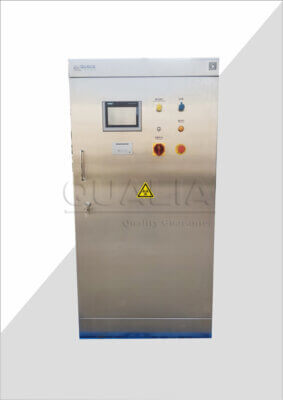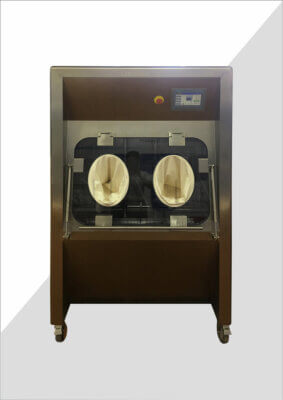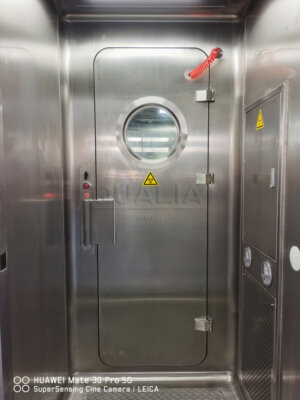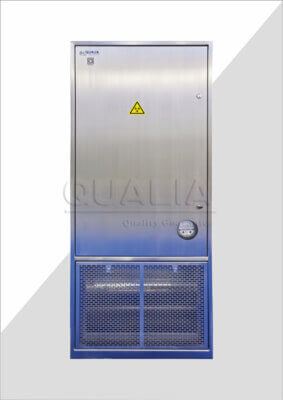

Lorsqu’un test de réception sur site révèle que le seuil de déclenchement d’une alarme n’a jamais été défini, le projet se heurte à un blocage majeur : le test ne peut pas prouver que l’alarme protège un état de confinement particulier, or l’équipement ne peut pas être mis en service sans cette preuve. L’équipe réécrit le protocole de test, revient au cahier des charges d’ingénierie (URS) pour reconstituer ce qui aurait dû être spécifié, et retarde la remise de plusieurs semaines tandis que l’intégrité du confinement reste non vérifiée. La décision qui détermine si les critères d’acceptation des alarmes et des verrouillages résistent aux essais consiste à vérifier si chaque condition d’alarme et chaque réponse de verrouillage sont définies par un seuil de déclenchement vérifiable, une réponse requise, une règle de réinitialisation et un enregistrement permanent avant l’approvisionnement. Cette définition doit résister non seulement au fonctionnement normal, mais aussi aux états anormaux auxquels les systèmes de confinement sont conçus pour résister.
Conditions de déclenchement des alertes que les acheteurs doivent définir
Lorsqu’un cahier des charges se contente d’indiquer qu’une alarme sera mise en place, l’équipe SAT se retrouve face à une page blanche : aucun seuil de déclenchement, aucun écart défini, et aucune certitude que l’alarme se déclenchera lorsque le confinement sera réellement compromis. L’acheteur doit définir la source du capteur, le point de consigne ou le changement d’état qui déclenche l’alarme, toute fenêtre de stabilité ou délai, ainsi que le niveau de priorité, afin que le protocole d’essai puisse reproduire exactement la condition visée. Sans cette définition, il est impossible de prouver de manière systématique que l’alarme détecte bien le mode de défaillance contre lequel elle est censée protéger.
| Source du déclencheur | L'acheteur doit préciser | Motif de la vérification du SAT |
|---|---|---|
| Par le capteur Interlock | Quelles positions des portes déclenchent l'alarme ? Délai d'entrée pour le passage | Vérifie que l'état de la porte n'entraîne pas de violation du confinement |
| Capteur de différence de pression | Valeur de consigne, fenêtre de stabilité et sens de l'écart | Garantit que le seuil d'alarme en cas de défaillance en cascade correspond à la conception du système de confinement |
| Verrouillage du cycle VHP | Restrictions de phase, signaux d'état de cycle valides | Empêche le transfert lorsque le produit n'est pas stérilisé |
Le tableau répertorie les sources de déclenchement courantes et les éléments que l'acheteur doit préciser pour chacune d'entre elles, ainsi que la raison pour laquelle SAT doit vérifier cette condition. Les capteurs de verrouillage des portes, par exemple, nécessitent non seulement de préciser quelles positions déclenchent l’alarme, mais aussi de définir un délai d’entrée pour le passage ; sans cela, l’alarme risque de se déclencher à tort ou, pire encore, de retarder la détection d’une véritable intrusion. Les capteurs de différence de pression nécessitent un point de consigne, une plage de stabilité et un sens de déviation défini, afin que le SAT puisse confirmer que le seuil d’alarme de défaillance en cascade correspond à la conception du confinement et ne passe pas à côté d’un renversement du flux vers l’extérieur. Dispositifs de verrouillage du cycle VHP dépendent des restrictions de phase et des signaux d'état de cycle valides ; une définition de déclenchement qui ne parvient pas à bloquer le transfert lors d'un état non stérilisé ne permet pas de garantir la validité de la limite de stérilisation.
Une alarme qui se déclenche à un seuil non défini n'est pas une mesure de sécurité de confinement ; c'est un espoir lié à la mise en service.
Du point de vue de la validation, Annexe 11 d'EudraLex prévoit que les conditions d'alarme des systèmes informatisés soient définies et vérifiables. Cette exigence ne prescrit pas quels capteurs installer, mais elle implique que les critères d'acceptation doivent traduire le choix d'un capteur en une condition d'alarme spécifique et vérifiable. Les acheteurs qui laissent cette question à la phase de mise en service découvrent souvent que la logique d'alarme intégrée au contrôleur de l'équipement ne correspond pas au scénario de risque de l'installation, et que la corriger après l'installation coûte plus cher en temps d'intégration que ce qu'elle permet d'économiser en efforts de spécification.
Réponses au système de verrouillage nécessitant des tests en présence d'un témoin
Les réponses des systèmes de verrouillage acceptées sur la base d'une description de conception plutôt que d'une exécution observée laissent de côté les modes de défaillance cachés. Un test SAT standard qui ne vérifie que le fonctionnement normal ne permettra pas de déterminer ce qui se passe lorsqu'un relais se bloque, en cas de coupure de courant ou lorsqu'une porte est ouverte en cours de cycle. Ce sont ces événements qui transforment un système de confinement, passant d'une barrière de protection à une brèche, et ils doivent être vérifiés dans des conditions simulant la défaillance, et non pas simplement décrits dans un cahier des charges fonctionnel.
| Événement Interlock | Réponse requise | Le test effectué en présence de témoins doit confirmer | Risque en l'absence de test |
|---|---|---|---|
| Coupure d'électricité | L'équipement atteint un état de sécurité défini | L'équipement passe en mode de sécurité et y reste jusqu'à ce qu'il soit réinitialisé manuellement. | Situation dangereuse en cas de coupure de courant réelle |
| Défaillance d'un composant (relais bloqué) | Fonction de sécurité maintenue ; défaillance signalée | La surveillance redondante déclenche une alarme et empêche le redémarrage | Défaillance cachée entraînant une perte de sécurité non détectée |
| Rupture du verrouillage de la porte pendant le fonctionnement | Arrêt contrôlé immédiat ou mise en confinement | Séquence d'arrêt et verrouillage de l'état jusqu'à la réinitialisation manuelle | Exposition de l'opérateur ou cas de contamination |
Le tableau établit une correspondance entre les événements de verrouillage, la réponse requise, ce que le test de vérification doit confirmer et le risque encouru si le test est omis. Constater une coupure d’alimentation électrique, par exemple, implique de vérifier que l’équipement passe dans un état de sécurité défini et y reste jusqu’à ce qu’une réinitialisation manuelle soit effectuée, et non pas simplement qu’il s’arrête. Il faut démontrer qu’une défaillance d’un composant, telle qu’un relais bloqué, déclenche une alarme et empêche le redémarrage grâce à une surveillance redondante, car un relais bloqué non détecté prive le système de toute fonction de sécurité. A par Interlock Toute défaillance survenant pendant le fonctionnement doit entraîner un arrêt contrôlé immédiat ou le maintien du confinement, et l'essai doit démontrer que cet état est verrouillé jusqu'à une réinitialisation délibérée ; dans le cas contraire, un opérateur pourrait éliminer le danger par inadvertance.
Une fonction de sécurité dont on ne peut pas prouver qu’elle fonctionne en mode « à sécurité intégrée » à la demande n’est pas une fonction de sécurité : c’est une hypothèse.
ASTM E2500 fournit un cadre pour la vérification, fondée sur les risques, des réponses des dispositifs de verrouillage, facilitant ainsi le choix des modes de défaillance nécessitant des essais en présence d’un témoin, en fonction du risque lié au processus. L’annexe 11 d’EudraLex exige en outre la preuve que les systèmes informatisés fonctionnent en toute sécurité dans des conditions anormales. Aucun de ces deux documents ne prescrit une liste fixe d’essais ; tous deux renvoient à l’URS comme source des réponses requises. Le défi pratique réside dans le fait que certains modes, tels qu’une véritable rupture du confinement lors d’un essai, ne peuvent pas être provoqués en toute sécurité. L’acheteur doit donc distinguer les modes de défaillance pouvant être entièrement testés lors des essais SAT de ceux qui doivent s’appuyer sur des essais partiels combinés à une assurance de conception documentée, et rédiger les critères d’acceptation en conséquence.
Réinitialiser la logique et contourner les restrictions
Un dispositif de verrouillage qui se réinitialise automatiquement dès que la condition de déclenchement disparaît réintroduit un risque avant même que l’opérateur n’ait pu en évaluer la cause. Si une variation de pression déclenche une alarme en cascade et que le système se réinitialise automatiquement dès que la valeur relevée revient au point de consigne, l’alarme peut se déclencher de manière répétée sans qu’aucune enquête sur la cause profonde ne soit menée, ce qui sape la confiance de l’opérateur et masque une situation instable. Une logique à verrouillage nécessitant une réinitialisation manuelle après un événement déclencheur, appliquée lorsque le dispositif de verrouillage protège une fonction critique pour le confinement, permet au personnel d’exploitation de s’assurer que la situation est sûre avant le redémarrage. Il ne s’agit pas d’une exigence réglementaire dans la plupart des textes relatifs aux BPF, mais c’est un critère de conception qui réduit le risque qu’un événement non examiné conduise à un incident de contamination plus grave.
Les restrictions de contournement impliquent un compromis similaire. Le personnel autorisé peut avoir besoin d’accéder à une zone contrôlée sans mettre hors service l’ensemble d’une ligne, et les fonctionnalités de contournement permettent cette flexibilité opérationnelle. Les critères d’acceptation doivent exiger que tout contournement soit soumis à une restriction d’accès (par exemple, via un code au clavier ou le passage d’une carte), limité dans le temps et consigné dans une piste d’audit. L’annexe 11 d’EudraLex va dans ce sens en mettant l’accent sur le contrôle d’accès et les pistes d’audit pour les modifications apportées aux systèmes informatisés, mais elle ne prescrit pas la méthode de contournement à utiliser. Si les critères d’acceptation ne mentionnent pas l’enregistrement des contournements, le SAT enregistrera un contournement réussi sans consigner la preuve que celui-ci était autorisé et temporaire, ce qui empêchera l’établissement de distinguer, des années plus tard lors d’une inspection, un contournement contrôlé d’un dysfonctionnement non détecté.
Une dérogation qui ne laisse aucune trace permanente transforme un contournement délibéré en une anomalie d'audit qui ne demande qu'à être mise au jour.
La configuration de la logique de réinitialisation et du contournement ne doit pas être considérée comme un réglage par défaut, mais comme un choix délibéré correspondant au niveau de risque de confinement de l’équipement. Pour les équipements de transfert de niveau BSL-3/4 ou OEB4/OEB5, la préférence doit aller aux réinitialisations à verrouillage et aux contournements strictement limités et entièrement consignés. Pour les équipements auxiliaires présentant un risque moindre, un comportement de réinitialisation plus simple peut se justifier, mais cette justification doit figurer dans la documentation de validation, et non dans une explication a posteriori, après la mise en service, expliquant pourquoi les essais ont validé un comportement que personne n’avait défini.
Commandes en fonction de la pièce ou uniquement en fonction des équipements
Un dispositif de verrouillage qui ne tient pas compte de l'état de la pression dans la salle peut protéger l'équipement, mais pas la cascade de pression de l'installation ; le choix des signaux sur lesquels repose ce dispositif de verrouillage détermine l'ensemble du plan d'interface SAT.
| Type de contrôle | Source du signal | Exemple typique | Principaux éléments à prendre en compte |
|---|---|---|---|
| Verrouillage lié uniquement à l'équipement | E/S du contrôleur local | Capteur de porte raccordé directement au contrôleur de l'équipement | Ne nécessite pas d'état de la salle ; validation plus simple |
| Verrouillage au niveau de la chambre | Contrôle de la pression ambiante, contrôle d'accès | Verrouillage de la trappe de transfert relié au système de régulation en cascade de la pression ambiante | Il faut assurer la coordination avec le système de gestion technique du bâtiment (GTB) et la certification des locaux |
| Verrouillage intégré au système BMS | Système de gestion technique des bâtiments | Arrêt général suite à une alarme incendie ou à un arrêt d'urgence | Il convient de définir le transfert entre systèmes et le comportement de sécurité en cas de défaillance |
Le tableau établit une distinction entre les verrouillages liés uniquement aux équipements, alimentés par les E/S d'un contrôleur local, les verrouillages au niveau des locaux qui reposent sur des capteurs de pression ou un système de contrôle d'accès, et les verrouillages intégrés au système de gestion technique du bâtiment (GTB) qui déclenchent des arrêts généraux. Un verrouillage de porte lié uniquement aux équipements, raccordé directement à un trappe de transfert Le contrôleur est plus simple à valider car son comportement ne dépend pas des états externes de la pièce. En revanche, un verrouillage au niveau de la pièce qui maintient la même trappe fermée lorsque la dépression de la pièce diminue doit être coordonné avec les capteurs de pression du bâtiment et le statut de certification de la pièce. Un verrouillage intégré au système de gestion technique du bâtiment (GTB) qui se déclenche en cas d’alarme incendie ajoute une complexité de transfert entre systèmes et un comportement de sécurité intégrée qui doivent être définis dès la phase de contrat d’interface, et non découverts lors des essais de réception (SAT) lorsque le mappage des signaux ne parvient pas à fermer le circuit attendu par l’automate programmable (PLC) de l’équipement.
Ce choix relève d’un compromis technique et non d’une hiérarchie de conformité. Le contrôle par les équipements seuls isole la logique de verrouillage et réduit l’empreinte de validation, mais il peut laisser une faille de confinement si l’évaluation des risques de l’installation montre que la condition dangereuse ne peut pas être détectée localement. L’intégration au niveau de la pièce comble cette faille, mais introduit des dépendances vis-à-vis de l’étalonnage des capteurs, de l’intégrité du réseau BMS et de la séquence de démarrage et d’arrêt entre plusieurs sous-systèmes. Manuel de biosécurité en laboratoire de l'OMS Les notes d’orientation indiquent qu’à certains niveaux de biosécurité, la conception du confinement peut nécessiter des verrouillages au niveau des locaux, mais il s’agit d’une recommandation liée à des profils de risque spécifiques, et non d’une exigence générale applicable à tous les équipements de transfert. La prise de décision se heurte à des difficultés lorsque le SAT révèle l’absence de protocoles de communication entre le contrôleur de l’équipement et les systèmes du bâtiment, ce qui oblige à procéder, à un stade avancé, à un recâblage, à une réécriture des protocoles et à une revalidation qui auraient pu être évités si l’architecture des verrouillages avait été convenue lors de l’examen de l’URS et liée à des critères d’acceptation d’interface clairs.
L'architecture de verrouillage retenue lors de la conception détermine le nombre de protocoles de communication SAT susceptibles d'échouer à un stade avancé de la mise en service.
Conditions du test SAT pour les états anormaux
Il est difficile de reproduire des états anormaux sans danger lors d’un SAT, alors qu’ils constituent le seul moyen de vérifier que les verrouillages fonctionnent correctement lorsque le confinement est le plus vulnérable. Il est rarement possible de simuler une perte soudaine de pression différentielle tout en maintenant le confinement biologique ou chimique effectif ; les conditions d’essai doivent présenter un défi suffisant pour tester la logique des alarmes et des verrouillages sans provoquer de rejet dangereux réel. Les critères d’acceptation doivent donc définir quels états anormaux doivent être testés, comment ils peuvent être simulés en toute sécurité et ce qui constitue une réponse acceptable.
La norme ASTM E2500 fournit le cadre de cette définition en exigeant que les conditions de mise à l'épreuve découlent d'évaluations des risques liés aux processus plutôt que d'une liste de contrôle fixe. L’URS doit identifier les scénarios de défaillance critiques, et le protocole SAT traduit ces scénarios en séquences d’essai pouvant inclure la simulation d’une défaillance de capteur, l’interruption d’un signal de communication ou l’induction d’un écart de pression contrôlé dans des limites de sécurité. L’annexe 11 d’EudraLex ajoute que le SAT des systèmes informatisés doit inclure des tests de mise à l’épreuve dans des conditions anormales et que les résultats doivent être documentés. La lacune à laquelle sont confrontés de nombreux projets n’est pas un manque de normes, mais l’absence d’une justification documentée des risques reliant les conditions anormales sélectionnées aux séquences spécifiques de défaillance du confinement que l’équipement a été conçu pour prévenir. En l’absence de cette justification, l’équipe chargée des SAT opte soit pour la prudence en recourant à des tests de mise à l’épreuve peu exigeants qui n’apportent que peu de preuves, soit s’aventure en terrain risqué sans dossier de sécurité clair ; aucun de ces deux résultats ne permet de prendre une décision de mise sur le marché en toute confiance.
Un essai qui ne s'aventure jamais au-delà des conditions normales de fonctionnement ne permet pas de démontrer la réaction de sécurité qui importe le plus.
La limite pratique tient aux ressources et à la sécurité : certains modes de défaillance, tels que la défaillance simultanée du verrouillage des deux portes dans un BSL-4 chambre de transfert, il peut s'avérer impossible de procéder à des essais physiques sans encourir de risques inacceptables. Dans ces cas-là, les critères d'acceptation doivent indiquer explicitement que certaines réponses sont vérifiées à la fois par des essais de mise en situation partiels et par une revue de conception, afin que le dossier rende compte fidèlement de ce qui a été démontré et de ce qui a été accepté sur la base d'une assurance technique. Cette approche, lorsqu'elle est documentée dès le départ, permet d'éviter toute allégation ultérieure selon laquelle les essais auraient été incomplets.
Seuil d'acceptation pour les enregistrements d'alarmes et de verrouillages
Une indication d’alarme en temps réel qui disparaît sans laisser de trace horodatée et identifiable prive l’installation de toute preuve objective qu’un événement de confinement s’est produit. Le seuil d’acceptation des alarmes et des verrouillages doit donc aller au-delà de la simple démonstration fonctionnelle pour inclure l’exhaustivité, l’intégrité et la permanence de l’enregistrement généré. Si le test SAT se contente de vérifier que la LED d’alarme s’est allumée, le journal des événements ne contiendra pas les preuves nécessaires en cas d’inspection réglementaire trois ans plus tard.
Les critères d’acceptation doivent définir ce qui constitue un enregistrement complet : horodatage avec la résolution requise, description de l’événement, priorité de l’alarme, accusé de réception par l’opérateur, action de réinitialisation et tout événement de contournement associé. L’annexe 11 d’EudraLex vient étayer ces exigences en imposant que les systèmes informatisés disposent d’enregistrements électroniques précis, complets et conservés. La norme ASTM E2500 préconise une détermination, fondée sur les risques, des enregistrements jugés critiques, ce qui permet au projet de concentrer les seuils stricts d’examen des enregistrements sur les alarmes critiques pour le confinement plutôt que sur l’ensemble des notifications du système. Ce seuil doit être défini lors de la planification de la validation, et non imposé rétroactivement après la mise en service, car une fois l’équipement en fonctionnement, il est rare de disposer d’une fenêtre de temps contrôlée pour réexaminer l’architecture des données et s’assurer que les bons paramètres sont bien capturés.
Le dossier est le seul témoin qui subsiste après l'événement ; des dossiers incomplets génèrent un déficit de conformité qui s'aggrave à chaque cycle d'audit.
Si le protocole SAT accepte une réponse fonctionnelle à une alarme sans vérifier que l'enregistrement correspondant figure bien dans le fichier d'historique avec tous les champs obligatoires, l'installation accepte un système de confinement qui fonctionne aujourd'hui mais qui ne pourra plus être justifié demain. Un seuil d'acceptation exigeant la vérification des enregistrements d'événements lors du SAT, et établissant un lien entre le contenu de l'enregistrement et la définition de l'alarme ainsi que la réponse du verrouillage spécifiées dans l'URS, garantit que l'état validé inclut la chaîne de preuves, et pas seulement la réaction de l'équipement.
Définir les critères d’acceptation des alarmes et des verrouillages ne consiste pas simplement à ajouter des détails à un cahier des charges ; c’est le critère déterminant qui permet de savoir si le SAT peut prouver que l’équipement garantit l’état de confinement prévu. La condition de déclenchement, la réponse, la logique de réinitialisation, les restrictions de contournement, les dépendances d’interface, les tests en état anormal et l’exhaustivité des enregistrements forment une chaîne interdépendante qui, soit tient bon lors des essais, soit se rompt au niveau de la définition la plus faible. Avant l’acquisition, vérifiez que le cahier des charges fonctionnel (URS) décrit chacun de ces éléments en termes testables, et avant le SAT, confirmez que le protocole peut les mettre à l’épreuve sans mettre l’installation en danger. Lorsque tous les maillons sont définis et démontrables, la décision d’acceptation repose sur des preuves objectives plutôt que sur l’hypothèse selon laquelle le concepteur a bien fait les choses.
Questions fréquemment posées
Q : Notre équipement de transfert est déjà sur site, mais l'URS indiquait simplement “ alarme fournie ”. La réception peut-elle tout de même avoir lieu sans entraîner de retard important dans le projet ?
R : Oui, mais pas sans une dérogation fondée sur les risques. L’équipe de projet doit se réunir immédiatement pour définir les conditions de déclenchement, les réponses, la logique de réinitialisation et les exigences d’enregistrement qui font actuellement défaut, puis compléter officiellement le protocole SAT. La passation de pouvoir sera suspendue jusqu’à ce que cette documentation soit approuvée et que les tests soient réécrits — le retard dépendra de la rapidité avec laquelle les critères manquants pourront faire l’objet d’un accord et de la capacité du matériel à les exécuter.
Q : Une fois que nous avons défini tous les critères d'alarme et de verrouillage dans l'URS, quelle est la prochaine étape immédiate avant que l'équipe SAT ne rédige le protocole de test ?
R : Associez chaque critère à une méthode de mise à l'épreuve sûre et à un point de témoin requis. Pour chaque événement déclencheur, documentez l'approche de simulation (par exemple, induire un écart de pression contrôlé, interrompre une boucle de capteur, simuler un relais bloqué via les diagnostics), la réponse attendue du système et les champs d'enregistrement précis qui doivent être capturés. Cette matrice constitue la structure de base du protocole SAT et évite à l'équipe de test d'avoir à reconstituer l'intention initiale lors de la mise en service.
Q : À partir de quel moment ces critères rigoureux de réception des systèmes d'alarme et de verrouillage deviennent-ils excessifs ? Peut-on alléger ces contraintes pour les sas de transfert OEB2 ou BSL-2 ?
R : La rigueur dépend du risque de dissémination, et non d’un niveau de biosécurité fixe. Si une évaluation formelle des risques liés au processus démontre qu’une défaillance ne conduirait pas de manière plausible à une perte de produit, à un préjudice pour le personnel ou à un rejet dans l’environnement, vous pouvez simplifier la procédure — par exemple, en acceptant une assurance de conception assortie d’essais réduits des modes de défaillance en présence d’un témoin pour certains verrouillages. Toutefois, des seuils de déclenchement définis et des enregistrements d’événements vérifiables restent exigés dans le cadre des BPF, même pour les applications à faible risque, car l’absence d’enregistrements ne laisse aucune trace probante défendable.
Q : Comment choisir entre conserver un dispositif de verrouillage fonctionnant uniquement de manière autonome et le relier à la pression ambiante ou aux signaux du système de gestion technique du bâtiment (GTB) ?
R : Optez pour un contrôle par l’équipement seul lorsque les capteurs propres à l’équipement peuvent détecter directement et de manière fiable le danger de confinement — par exemple, un verrouillage en cas d’ouverture de porte sur une trappe de transfert où le danger est limité aux limites de l’équipement. N’intégrez les signaux de pression ambiante ou du système de gestion technique du bâtiment (GTB) que lorsque le danger déclencheur ne peut pas être détecté localement, comme une perte de pression en cascade qui doit empêcher l’ouverture de la trappe afin de protéger l’enceinte. La décision doit être motivée par les scénarios de défaillance que le verrouillage est censé prévenir, et non par une préférence générale pour la simplicité ou l’intégration.
Q : Est-ce que cela vaut la peine de définir des tests de provocation détaillés et d'enregistrer des seuils pour un sas VHP standard, ou s'agit-il d'une conception trop sophistiquée ?
R : Pour un sas VHP protégeant une zone stérile, oui — un seul contournement non consigné du verrouillage ou une alarme non prise en compte lors d’une défaillance de cycle peut compromettre un lot entier, et le coût de l’enquête dépasse largement celui du travail de spécification initial. L’exception concerne les passages de matériaux non critiques pour lesquels l’évaluation des risques classe la défaillance du confinement comme négligeable ; dans ce cas, vous pouvez réduire les contrôles en présence d’un état anormal, mais vous devez tout de même définir des seuils d’exhaustivité des enregistrements afin de maintenir la conformité aux BPF en vue d’un audit.