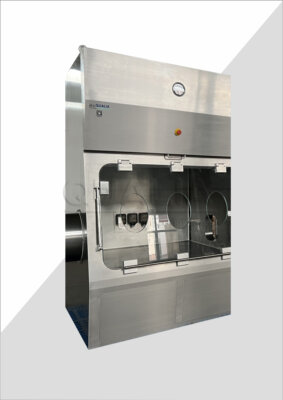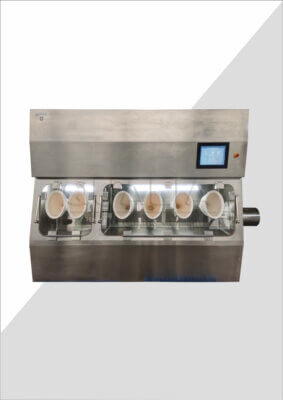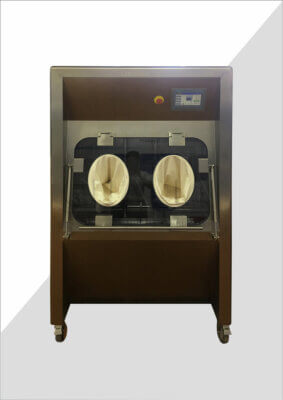

Positioning a Class III Biosafety Cabinet in a BSL-4 laboratory is a foundational architectural decision with zero margin for error. This placement dictates the facility’s operational workflow, defines its critical containment envelope, and commits to decades of complex, costly lifecycle management. A misstep here compromises safety, inflates operational costs, and can render a multi-million dollar facility inefficient before its first experiment. Professionals must move beyond viewing the cabinet as mere equipment and recognize it as the nucleus of maximum containment infrastructure.
The evolution of high-consequence pathogen research and stricter global biosafety standards demands a more rigorous integration strategy. Modular construction, advanced material transfer systems, and heightened scrutiny of validation protocols make early, strategic planning non-negotiable. Optimizing placement is no longer just about fitting a cabinet into a room; it’s about engineering a seamless interface between human operators, airtight containment, and building systems to ensure absolute safety and long-term operational resilience.
Core Placement Principles for Maximum Containment
Defining the Containment Envelope
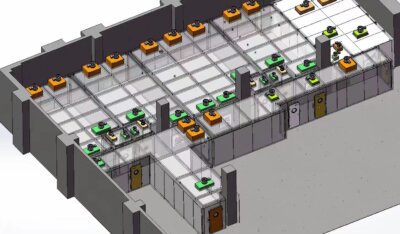
A Class III BSC is not installed; it is integrated. For BSL-4 work, risk assessment mandates its use as an absolute physical barrier. This requires permanent incorporation into the laboratory’s structural containment envelope, typically within a wall separating a “clean” cabinet lab from a “dirty” suit lab. This principle transforms the project from a procurement exercise into a major capital undertaking. It initiates facility-scale demands for structural penetrations, dedicated utility runs, and support systems that must be designed from the ground up.
Architectural and Infrastructure Drivers
Placement is primarily dictated by the need for hard-ducted connections to dedicated HVAC and integration of sealed material transfer pathways. Early engagement of architects and engineers is critical to coordinate these penetrations. The cabinet’s position becomes a fixed node that defines surrounding workflows and support spaces. In our planning, we’ve seen that delaying this integration leads to costly redesigns and compromises in containment integrity, as retrofitting such systems is rarely feasible.
The Risk Assessment Mandate
Every decision flows from a formal, documented risk assessment. This document mandates the use of Class III containment for BSL-4 procedures, locking in the requirement for absolute barrier protection. It drives all subsequent infrastructure choices, from HVAC design to decontamination methodology. The assessment provides the technical and regulatory justification for the significant investment, ensuring the design meets the stringent requirements outlined in foundational guidelines like the WHO Laboratory Biosafety Manual, 4th ed., 2020.
| Principle | Key Parameter / Requirement | Implementation Impact |
|---|---|---|
| Containment Envelope | Permanent structural integration | Major capital project |
| Pressure Cascade | Room-level negative pressure | Hard-ducted HVAC connections |
| Material Pathways | Integrated decontamination systems | Defines facility architecture |
| Risk Assessment | Mandates Class III for BSL-4 | Drives all infrastructure decisions |
Source: WHO Laboratory Biosafety Manual, 4th ed., 2020. This foundational guideline mandates the risk-based approach that requires Class III cabinets as absolute physical barriers for BSL-4 work, directly informing the principle of permanent integration into the containment envelope.
Integrating Class III BSCs with BSL-4 Laboratory HVAC
Pressure Cascade and Ductwork Design
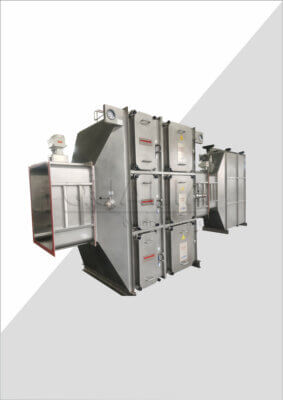
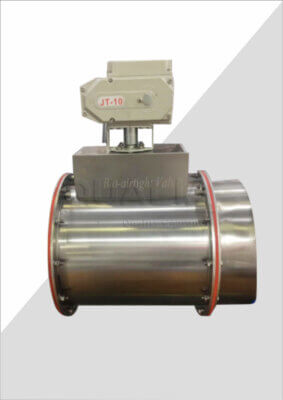
The cabinet’s performance is inseparable from the laboratory HVAC. The chamber operates under significant negative pressure (typically -125 Pa to -250 Pa), supported by a room-level pressure cascade. This requires 100% exhaust of cabinet air through redundant HEPA filters via dedicated, airtight ductwork. Placement must minimize duct run length and complexity to maintain pressure stability and reduce mechanical load, often favoring locations near external walls or mechanical shafts.
Avoiding Disruptive Air Currents
Strategic placement is critical to avoid airflow conflicts. The cabinet should be positioned away from doors, high-traffic aisles, and other supply air diffusers. Disruptive air currents can challenge the stability of the cabinet’s negative pressure, potentially compromising containment. This consideration often places the cabinet in a dedicated, low-traffic area of the lab wall, with clear space maintained in front.
Integration with Building Management
The BSC becomes a monitored node within the building management system (BMS). This enables real-time tracking of pressure differentials, filter status, and blower performance for compliance and predictive maintenance. However, this integration necessitates robust data infrastructure and cybersecurity protocols to protect critical system controls. The specifications for this integration are guided by performance standards like NSF/ANSI 49-2022 Biosafety Cabinetry.
| Integration Factor | Technical Specification / Range | Design Consideration |
|---|---|---|
| Cabinet Pressure | -125 Pa to -250 Pa | Dedicated, airtight ductwork |
| Airflow Path | 100% HEPA-filtered exhaust | Redundant blowers required |
| Ductwork Design | Minimize length & complexity | Proximity to external walls |
| Air Currents | Avoid disruptive drafts | Away from doors, diffusers |
| System Monitoring | Node in Building Management System | Requires data infrastructure |
Source: NSF/ANSI 49-2022 Biosafety Cabinetry. This standard sets the benchmark for construction and performance, including requirements for HEPA filtration and pressure integrity, which dictate the hard-ducted HVAC integration and pressure specifications.
Optimizing Workflow Between Suit and Cabinet Labs
The Cabinet as a Critical Interface
In facilities housing both suit and cabinet labs, the Class III BSC serves as the primary interface between containment zones. Its placement in a shared wall is strategic, enabling secure material and sample transfer. This design establishes a one-way workflow from the cabinet lab (clean side) to the suit lab (contained side), preventing backflow and cross-contamination.
Enabling Advanced Transfer Protocols
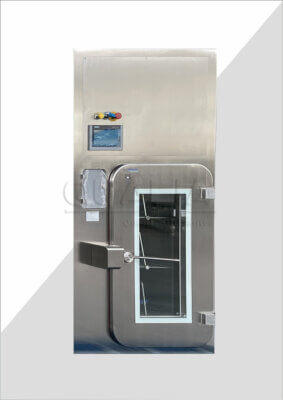
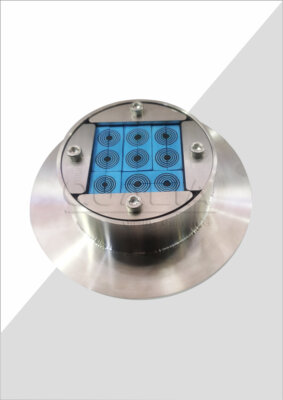
Strategic placement must accommodate systems like Rapid Transfer Ports (RTPs). These allow hermetically sealed docking of transport carts from the suit lab side directly to the cabinet, which is essential for procedures like aerobiology challenges. The location must provide sufficient clearance on both sides for operating these mechanisms and for the carts themselves.
Impact on Protocol Development
This configuration represents a fundamental shift from the flexibility of Class II BSCs. All manipulation occurs through glove ports, which increases procedural time and complexity. Protocol development and staff training must account for this slower, more rigid process, directly impacting study design timelines and personnel productivity. Workflow efficiency is now locked into the cabinet’s physical placement.
Material Transfer and Decontamination Pathways
Integrating Sealed Entry and Exit
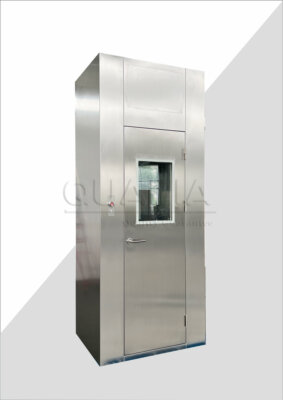
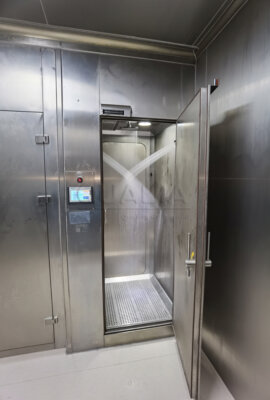
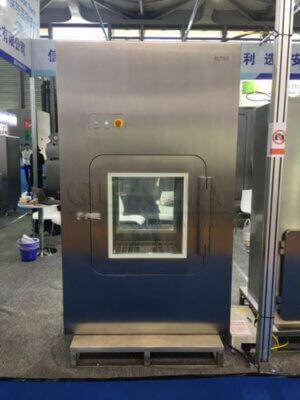
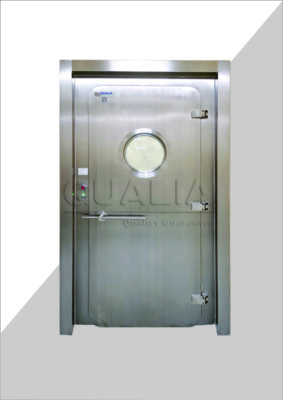
Every item moving in or out of the cabinet must follow a validated, sealed pathway. Placement must accommodate integrated decontamination systems, typically a double-door pass-through autoclave attached directly to the cabinet chamber. The BSC’s position must allow the autoclave’s interior to be accessible from within the cabinet while its exterior door opens to a clean retrieval area. The leak-tightness of these pathways is classified under standards such as ISO 10648-2:1994 Containment enclosures — Part 2: Classification.
The Dunk Tank and Gaseous Decontamination Nexus
For liquid disinfectant dunk tanks, placement must ensure ergonomic access for safe submersion procedures. These pathways, however, create the critical bottleneck for laboratory uptime. The mandatory, multi-day validated gaseous decontamination of the entire cabinet chamber—required before any internal maintenance or certification—directly influences research scheduling and operational resilience. Planning for this downtime is a core operational consideration.
| Pathway Type | Key Process | Operational Impact |
|---|---|---|
| Pass-through Autoclave | Double-door, direct attachment | Validated sealed entry/exit |
| Chemical Dunk Tank | Liquid disinfectant submersion | Ergonomic access required |
| Gaseous Decontamination | Whole-chamber sterilization | Multi-day process |
| Rapid Transfer Ports (RTP) | Hermetically sealed docking | For aerobiology challenges |
Source: ISO 10648-2:1994 Containment enclosures — Part 2: Classification. This standard’s classification of containment enclosure leak tightness is foundational for validating the integrity of sealed material transfer pathways like pass-through autoclaves and RTPs.
Ergonomics, Training, and Operational Safety Protocols
Designing for Human Factors
Operational safety is deeply influenced by ergonomic placement. The arrangement and height of glove ports must prevent operator fatigue during extended procedures. Ample clear floor space in front of the cabinet is non-negotiable. This space is required for seated work, for training exercises where new staff practice maneuvers, and for executing emergency protocols like safe glove replacement under supervision.
Validation as an Operational Imperative
Placement must allow technicians safe and practical access to install biological indicators throughout the cabinet interior to validate gaseous decontamination cycles. This is a strict compliance requirement. This validation mindset extends to all supporting systems. For example, labs must conduct in-use testing of chemical shower disinfectants with surrogate agents to meet licensing standards, moving beyond reliance on manufacturer claims alone.
The Training Reality
The constrained, glove-port-only operation requires a higher degree of staff proficiency and patience. Training must be conducted in the actual workspace to acclimate users to the real spatial and tactile limitations. The cabinet’s placement directly affects how effectively this training can be delivered and how readily emergency procedures can be rehearsed.
Validation, Maintenance, and Emergency Access Planning
The True Cost of Certification
The total cost of ownership diverges radically from Class II cabinets. Annual certification is more complex and costly, involving non-standardized validation protocols like pressure decay tests. Placement must facilitate physical access for specialized technicians to all sides of the cabinet and its ductwork connections. The expertise required is part of a fragile, niche supply chain, posing a significant operational risk.
Lifecycle and Contingency Planning
Dependence on a limited pool of qualified service providers makes contingency planning and vendor relationship management critical for resilience over the cabinet’s 15-20 year lifespan. Furthermore, while engineered to prevent releases, cabinet placement must not impede emergency response. Clear access for facility engineers and safety officers to address alarms, system failures, or power losses is essential, even during a containment event.
| Lifecycle Phase | Key Consideration | Risk / Cost Factor |
|---|---|---|
| Annual Certification | Non-standardized validation protocols | Higher complexity & cost |
| Technician Access | Specialized, niche expertise | Fragile service supply chain |
| System Lifespan | 15-20 years | Long-term contingency planning |
| Emergency Response | Unimpeded access for alarms | Critical for system failures |
| Pressure Decay Test | Field verification method | Part of certification suite |
Source: ANSI/ASSP Z9.14-2021 Testing and Performance Verification of Biosafety Cabinets. This standard establishes the requirements for field certification and performance verification, including tests like pressure decay, which directly relate to the complex, costly annual validation protocols.
Special Considerations for Modular BSL-4 Facilities
Integration Within a Constrained Envelope
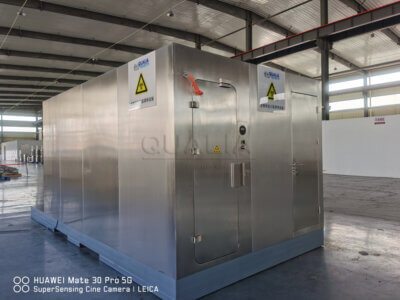
In mobile or modular facilities, core integration principles remain, but implementation occurs within a pre-engineered, constrained footprint. Placement requires meticulous coordination to ensure all hard-ducting, utility penetrations, and transfer systems align perfectly within the modular envelope. The BSC and its support infrastructure must be designed as a single integrated containment unit from the earliest planning stages.
Scrutiny of Supporting Processes
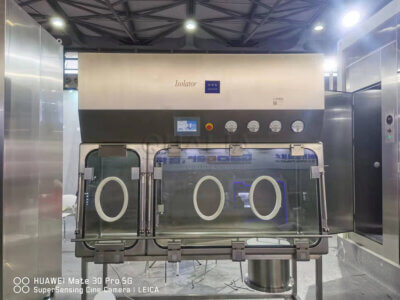
The modular environment intensifies scrutiny of all ancillary processes. For instance, the selection of shower and dunk tank disinfectants faces pressure from evolving environmental regulations, pushing labs to innovate towards effective, greener chemistries. Every component, including the OEB4-OEB5 Isolator, must be evaluated for compatibility within the sealed, interdependent system of a modular lab, where space for secondary containment or spill mitigation is extremely limited.
A Decision Framework for BSC Placement and Integration
Starting with the Mandate
A successful strategy begins with the formal risk assessment, which mandates Class III containment. This document provides the unassailable foundation for all subsequent infrastructure demands and capital requests. It moves the discussion from “if” to “how,” aligning all stakeholders on the non-negotiable requirement for absolute containment.
Evaluating Cabinet Type Selection
The framework must critically assess specialized options like convertible Class II/III cabinets. Their promise of flexibility is often outweighed by doubled validation burdens, increased mechanical complexity, and a higher risk of user error during conversion. For dedicated BSL-4 work, a purpose-built, optimized Class III isolator typically offers more reliable long-term containment and simpler compliance.
Balancing Requirements with Sustainability
The final placement decision is a strategic exercise balancing technical safety requirements with long-term operational and financial sustainability. It must address architectural integration, HVAC dependency, workflow rigor, and a 20-year lifecycle management plan simultaneously.
| Framework Component | Critical Question / Criterion | Strategic Outcome |
|---|---|---|
| Risk Assessment | Mandates Class III containment? | Dictates all infrastructure |
| Architectural Integration | Accommodates penetrations, support? | Early architect engagement |
| HVAC Dependency | Enables pressure cascade? | Dedicated ductwork design |
| Lifecycle Management | Plans for 15-20 year operation? | Financial sustainability |
| Cabinet Type Selection | Dedicated vs. convertible (II/III)? | Optimized containment vs. flexibility |
Source: WHO Laboratory Biosafety Manual, 4th ed., 2020. The manual’s risk-based approach provides the foundational logic for the decision framework, starting with the formal assessment that mandates containment level and guides all subsequent integration and lifecycle planning.
Optimal Class III BSC placement is achieved when the cabinet ceases to be a distinct piece of equipment and becomes an intrinsic, flawlessly integrated component of the containment architecture. The decision hinges on three priorities: enabling the uncompromised pressure cascade through dedicated HVAC, facilitating secure and efficient material transfer workflows, and planning for the full lifecycle of validation and maintenance. This integration locks in safety and operational efficiency for the facility’s lifetime.
Need professional guidance on designing and integrating maximum containment systems for your high-consequence research? The experts at QUALIA specialize in the strategic planning and implementation of BSL-4 and high-containment laboratory infrastructure, ensuring your project meets the highest standards of safety and operational excellence from concept through certification.
For a detailed consultation on your specific containment requirements, you can also Contact Us.
Frequently Asked Questions
Q: What are the primary technical drivers for positioning a Class III BSC in a BSL-4 lab?
A: The cabinet’s location is dictated by its role as a permanent part of the containment envelope, requiring integration into a structural wall to separate clean and dirty zones. This placement must facilitate hard-ducted connections to dedicated HVAC systems and accommodate integrated material transfer pathways like pass-through autoclaves. This means facilities must engage architects and engineers at the earliest project stage to plan for these structural and utility penetrations, as it initiates a major capital project.
Q: How does HVAC design specifically constrain Class III BSC placement?
A: The cabinet must be positioned to support stable, significant negative pressure (typically -125 Pa to -250 Pa) within its chamber, which depends on dedicated supply and exhaust ductwork. Placement should minimize duct length and avoid areas near doors, high traffic, or supply diffusers that create disruptive air currents. For projects where mechanical space is limited, expect to prioritize locations near external walls or mechanical shafts to ensure efficient, stable airflow integration with the building management system.
Q: What workflow challenges arise from using a Class III cabinet instead of a Class II BSC?
A: A Class III cabinet enforces a slower, rigidly controlled process where all material manipulation occurs through glove ports, eliminating the open-front flexibility of a Class II. Strategic placement in a shared wall is critical to enable efficient material transfer via sealed systems like Rapid Transfer Ports. If your operation requires high-throughput sample processing, plan for increased procedural time and significant adjustments to both staff training protocols and overall study design to maintain productivity.
Q: Why does material transfer pathway design directly impact BSL-4 lab uptime?
A: All items entering or exiting the sealed cabinet must use validated, integrated decontamination systems like a double-door autoclave or chemical dunk tank, which become operational bottlenecks. The cabinet’s placement must allow ergonomic access to these systems. Furthermore, the entire chamber requires a multi-day gaseous decontamination cycle for validation or maintenance. This means facilities must meticulously schedule research activities and build operational resilience around these mandatory, time-consuming containment procedures.
Q: What are the key differences in validating and maintaining a Class III versus a Class II BSC?
A: Annual certification for a Class III cabinet involves more complex, non-standardized protocols like pressure decay tests to verify absolute containment integrity, as outlined in NSF/ANSI 49-2022. Maintenance relies on a niche supply chain of specialized technicians, creating a significant operational risk. For long-term resilience over the cabinet’s 15-20 year lifespan, you should develop contingency plans and actively manage vendor relationships as part of your total cost of ownership model.
Q: How should modular BSL-4 facilities approach Class III BSC integration differently?
A: While the core integration principles remain unchanged, implementation must occur within a constrained, pre-engineered footprint. Placement requires meticulous coordination to ensure all hard-ducting, utility penetrations, and transfer systems align perfectly within the modular envelope from the outset. This means you must treat the BSC and its supporting infrastructure as a single, integrated containment unit during the design phase, leaving no room for on-site improvisation.
Q: What is the first step in a formal decision framework for BSC placement?
A: The process must begin with a documented risk assessment, which mandates the use of Class III containment for BSL-4 work and dictates all subsequent infrastructure decisions, a foundational principle supported by the WHO Laboratory Biosafety Manual. This assessment provides the justification for the architectural, HVAC, and workflow requirements. This means your project team cannot proceed with any design discussions until this risk assessment is formally completed and approved.
Related Contents:
- Class III Biosafety Isolators: Ultimate Protection
- Class III Biosafety Cabinet vs Class II BSC: 12 Critical Differences for BSL-3 and BSL-4 Containment Selection
- Class III Biosafety Cabinets for Maximum Protection
- Class II Type B2 Biosafety Cabinets: Total Exhaust
- Class I Biosafety Cabinets: Features & Uses
- When to Upgrade from Class II to Class III Biosafety Cabinet: BSL-4 Risk Assessment Criteria
- Class III vs Class II Biosafety Cabinet Airflow Performance: CFM and Containment Data Comparison
- Biosafety Cabinet Sizes: Finding the Perfect Fit
- Biological Safety Cabinet Selection for BSL 2/3/4 Labs: Class I, II, III Comparison & NSF/ANSI 49 Compliance Requirements