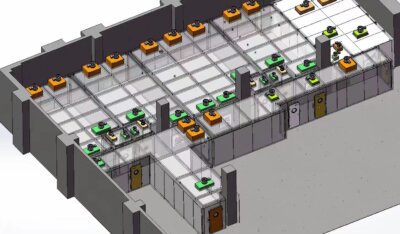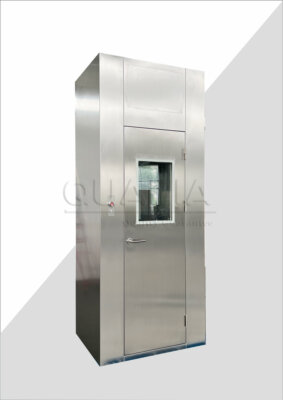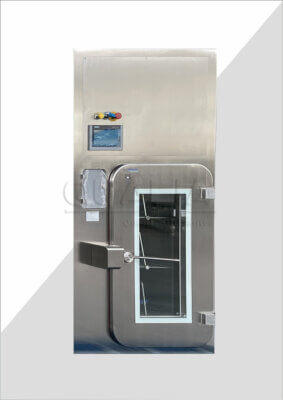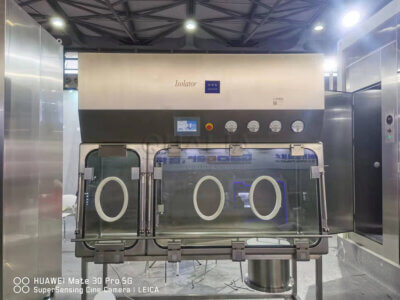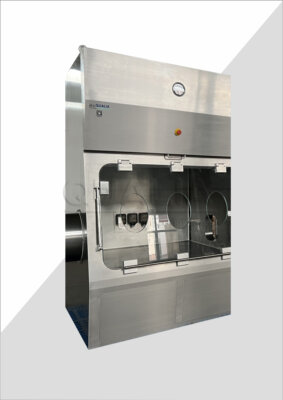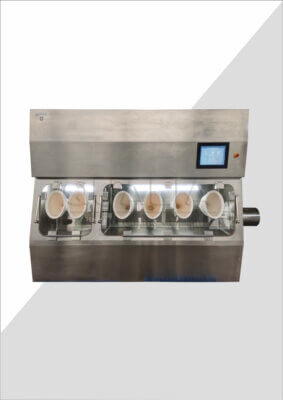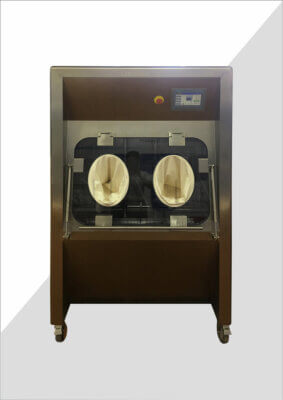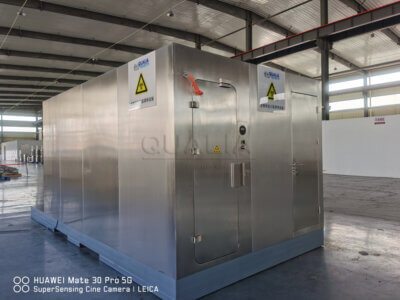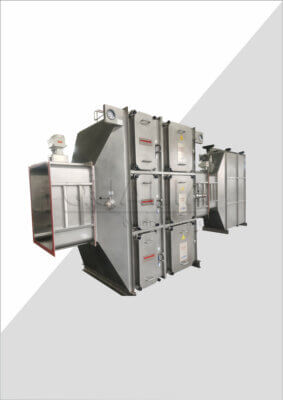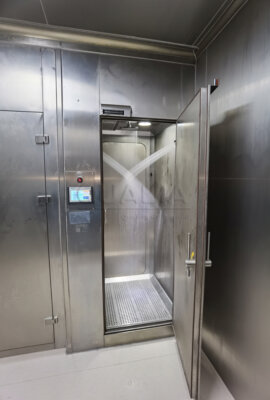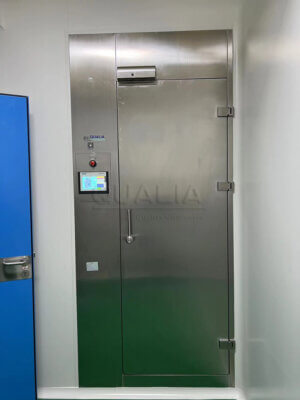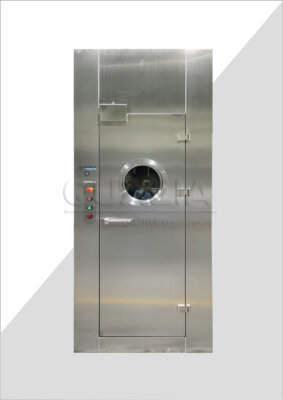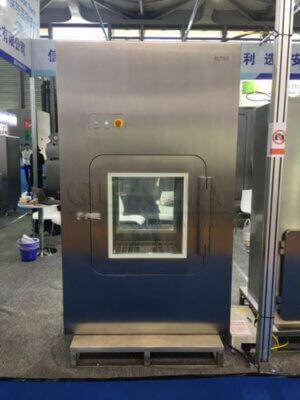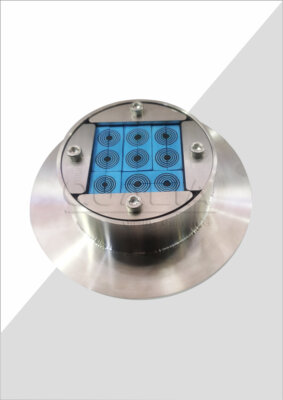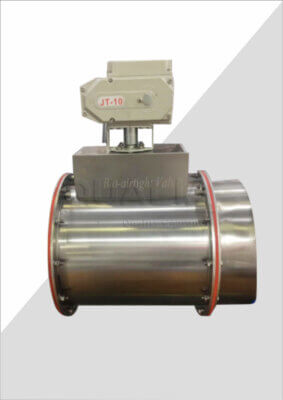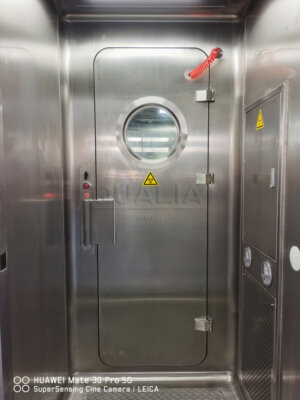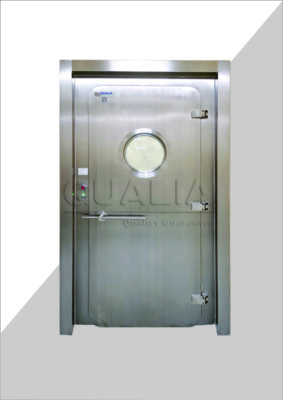
In high-containment facilities where personnel safety and environmental protection are paramount, APR door pressure control systems represent the critical barrier between hazardous materials and safe working environments. These sophisticated mechanical seal systems face constant challenges from pressure differentials, contamination risks, and the demanding requirements of industries like pharmaceuticals, biotechnology, and chemical processing.
The consequences of inadequate pressure control can be catastrophic – from exposing workers to dangerous substances to compromising entire production batches worth millions of dollars. Research indicates that over 60% of containment failures in controlled environments stem from inadequate door sealing and pressure management systems. When pressure control fails, facilities face not only immediate safety risks but also regulatory violations, production downtime, and potential legal liabilities.
This comprehensive guide explores the engineering principles, safety protocols, and practical considerations that make QUALIA Bio-Tech APR door systems effective solutions for critical containment applications. We’ll examine the technical mechanisms, selection criteria, and optimization strategies that ensure reliable pressure control in your most demanding environments.
What is APR Door Pressure Control and Why Does It Matter?
APR (Air Pressure Relief) door pressure control represents a sophisticated approach to managing differential pressures across containment barriers while maintaining critical seal integrity. These systems actively monitor and regulate pressure differentials to prevent both overpressure conditions and unwanted air infiltration that could compromise containment effectiveness.
Understanding the Fundamental Mechanics
The core principle behind mechanical seal pressure control involves creating multiple sealing zones that respond dynamically to pressure changes. Unlike traditional door seals that rely purely on physical compression, APR systems incorporate pressure-responsive elements that adjust their sealing force based on differential pressure conditions. This adaptive response ensures optimal sealing performance across varying operational pressures.
Modern APR door systems typically maintain pressure differentials between 0.05 to 0.15 inches of water column, depending on the specific containment requirements. This precision control is achieved through integrated pressure sensors, automated adjustment mechanisms, and fail-safe protocols that engage when pressure thresholds are exceeded.
Critical Applications and Industry Requirements
Pharmaceutical manufacturing facilities represent the most demanding application environment for APR door safety systems. In these settings, maintaining proper containment prevents cross-contamination between different drug compounds while protecting personnel from exposure to active pharmaceutical ingredients (APIs). A recent study by the International Society for Pharmaceutical Engineering found that facilities using advanced APR door systems experienced 40% fewer contamination incidents compared to those using conventional sealing methods.
| Application Type | Typical Pressure Range | Safety Classification |
|---|---|---|
| Pharmaceutical Clean Rooms | 0.05-0.10 in. WC | Class II-III |
| Biotechnology Labs | 0.08-0.15 in. WC | BSL-2 to BSL-3 |
| Chemical Processing | 0.10-0.25 in. WC | Hazardous Materials |
The biotechnology sector presents unique challenges where mechanical seal APR doors must maintain sterile conditions while managing pressure differentials that prevent airborne contaminant migration. In our experience working with major biotech facilities, the ability to maintain consistent pressure differentials during high-traffic periods proves critical for maintaining validation status with regulatory agencies.
Economic Impact of Proper Pressure Management
Beyond safety considerations, effective pressure control systems deliver significant economic benefits. Facilities with optimized APR door systems typically reduce energy consumption by 15-25% compared to conventional HVAC-dependent pressure management approaches. This efficiency gain results from the doors’ ability to maintain containment without requiring excessive air changes, reducing both energy costs and equipment wear.
How Do Mechanical Seal APR Doors Control Pressure Effectively?
The engineering behind effective pressure control systems involves multiple integrated components working in harmony to maintain precise containment conditions. Understanding these mechanisms helps facility managers optimize performance while ensuring compliance with stringent safety requirements.
Multi-Stage Sealing Architecture
Advanced APR door systems employ a multi-stage sealing approach that creates redundant barriers against pressure equalization. The primary seal responds to normal operational pressures, while secondary sealing elements engage during pressure excursions or emergency conditions. This layered approach ensures that seal failure at one level doesn’t compromise overall containment integrity.
The mechanical seal components typically include inflatable gaskets that adjust their compression based on pressure differential readings. When higher containment pressures are detected, these gaskets automatically increase their sealing force, creating tighter barriers against air infiltration. Conversely, during low-pressure conditions, the seals reduce compression to prevent unnecessary wear while maintaining adequate sealing performance.
Pressure Monitoring and Response Systems
Modern APR pressure management systems integrate sophisticated monitoring technology that continuously tracks pressure differentials across the door assembly. These systems typically sample pressure conditions at rates of 10-50 readings per second, enabling rapid response to pressure changes that could compromise containment.
According to Dr. Sarah Chen, a containment systems specialist at the American Institute of Chemical Engineers, “The key to effective pressure control lies not just in the mechanical sealing components, but in the intelligence of the monitoring and response systems. The most effective installations we’ve evaluated demonstrate response times under 2 seconds for pressure excursion events.”
Integration with Facility HVAC Systems
Effective APR door safety extends beyond the door assembly itself to encompass integration with broader facility pressure management systems. The most successful installations coordinate door-level pressure control with zone-specific HVAC controls, creating comprehensive containment strategies that optimize energy efficiency while maintaining safety requirements.
In practice, this integration allows facilities to reduce air change rates in certain areas while maintaining necessary pressure differentials through localized door-level control. A pharmaceutical facility in Switzerland reported 30% energy savings after implementing integrated APR door systems that communicated with their building automation system to optimize pressure management across multiple containment zones.
What Are the Key Safety Principles Behind APR Door Systems?
Safety in door seal safety applications extends far beyond basic containment to encompass fail-safe operation, personnel protection, and emergency response capabilities. These principles guide both system design and operational protocols that ensure reliable protection under all operating conditions.
Fail-Safe Design Philosophy
The foundation of APR door safety lies in fail-safe design principles where system failures default to maximum containment rather than compromised protection. This approach ensures that power failures, component malfunctions, or control system disruptions automatically engage maximum sealing force and alert operators to the condition change.
Emergency sealing systems typically engage within 3-5 seconds of detecting failure conditions, using stored energy systems like compressed air or mechanical springs to maintain seal integrity even during extended power outages. These backup systems can maintain full sealing capability for 4-8 hours depending on door size and pressure requirements.
Personnel Safety Protocols
Beyond containment effectiveness, APR door systems must protect personnel who interact with these systems during normal operations. Safety interlocks prevent door operation when unsafe pressure differentials exist, while visual and audible indicators alert users to system status and potential hazards.
Validation and Compliance Requirements
Regulatory compliance represents a critical aspect of APR door safety, particularly in pharmaceutical and biotechnology applications. FDA guidelines require comprehensive validation protocols that demonstrate consistent performance across operational ranges, with documented evidence of containment effectiveness under various failure scenarios.
| Validation Parameter | Test Frequency | Acceptance Criteria |
|---|---|---|
| Pressure Differential | Daily | ±5% of setpoint |
| Seal Integrity | Monthly | <0.01% leakage rate |
| Emergency Response | Quarterly | <5 second activation |
| Calibration Verification | Semi-annually | ±2% accuracy |
In our experience with pharmaceutical facilities, the most successful validation programs combine automated monitoring with periodic manual verification to ensure ongoing compliance with regulatory requirements. This dual approach provides the documentation needed for regulatory inspections while maintaining confidence in system performance.
How to Select the Right APR Pressure Management System?
Selecting appropriate pressure control systems for containment applications requires careful evaluation of operational requirements, environmental conditions, and long-term performance expectations. The most effective approach involves systematic assessment of multiple technical and operational factors.
Operational Requirements Assessment
The selection process begins with comprehensive analysis of pressure requirements, including normal operating ranges, emergency conditions, and integration needs with existing facility systems. Facilities must consider not only current requirements but also future expansion plans that might affect containment needs.
Pressure differential requirements vary significantly based on containment classification and materials being handled. Pharmaceutical facilities typically require tighter control tolerances (±0.02 inches water column) compared to general laboratory applications where ±0.05 inches may be acceptable. Understanding these requirements early in the selection process prevents costly modifications later.
Environmental and Installation Considerations
Installation environment significantly impacts system selection, particularly regarding temperature ranges, chemical exposure, and physical space constraints. APR door systems designed for chemical processing environments require different materials and sealing compounds compared to those used in pharmaceutical clean room applications.
A biotechnology facility in California discovered this principle when their initial APR door selection proved inadequate for their steam sterilization protocols. The replacement system, specifically designed for high-temperature/high-humidity conditions, demonstrated 99.8% availability over two years of operation compared to 85% for the original installation.
Performance Monitoring and Maintenance Requirements
Long-term success with APR pressure management depends heavily on ongoing maintenance requirements and monitoring capabilities. Systems with extensive diagnostic capabilities enable predictive maintenance approaches that minimize unplanned downtime while ensuring consistent performance.
The most effective installations incorporate remote monitoring capabilities that allow facility managers to track system performance trends and identify potential issues before they affect operations. According to industry data, facilities using predictive maintenance approaches experience 45% fewer unplanned maintenance events compared to those relying on reactive maintenance strategies.
What Challenges Should You Expect with Door Seal Safety?
While APR door systems offer exceptional containment performance, facility managers should understand potential challenges and limitations that can affect system effectiveness. Awareness of these factors enables proactive management strategies that maximize system reliability.
Maintenance Complexity and Costs
One significant challenge involves the complexity of maintaining multi-component pressure control systems. Unlike simple mechanical seals, APR door systems require specialized knowledge for calibration, component replacement, and troubleshooting. This complexity can increase maintenance costs by 25-40% compared to conventional door systems, though improved containment effectiveness typically justifies these additional expenses.
Training requirements represent another consideration, as maintenance personnel need specialized knowledge of pressure control principles, electronic systems, and safety protocols. Facilities often find that partnering with experienced suppliers for maintenance programs provides more consistent results than attempting to develop internal expertise from scratch.
Integration Challenges with Legacy Systems
Existing facilities face particular challenges when integrating advanced APR door systems with legacy HVAC and control systems. Communication protocols, power requirements, and physical interfaces may require significant modifications to existing infrastructure. A chemical processing facility in Texas reported integration costs that exceeded the door system purchase price by 60% due to necessary control system upgrades.
However, modern APR systems increasingly offer flexible communication options and adapter interfaces that simplify integration with older control systems. The key lies in thorough compatibility assessment during the selection process rather than attempting to resolve integration issues during installation.
How to Optimize Pressure Control Systems for Maximum Performance?
Maximizing mechanical seal pressure control effectiveness requires ongoing attention to system tuning, operational procedures, and performance monitoring. The most successful facilities implement comprehensive optimization strategies that address both technical and operational aspects of system performance.
Calibration and Tuning Strategies
Optimal performance begins with precise calibration of pressure sensors, control algorithms, and response parameters. Regular calibration ensures that systems respond appropriately to pressure changes while avoiding oversensitive operation that can cause unnecessary cycling and component wear.
Advanced APR door systems offer multiple tuning parameters that can be adjusted based on operational experience and changing requirements. Response time settings, pressure deadbands, and alarm thresholds can be optimized to match specific facility needs rather than relying on generic factory settings.
Performance Data Analysis
Systematic analysis of performance data reveals optimization opportunities that may not be apparent during casual observation. Trend analysis of pressure differentials, cycle counts, and energy consumption can identify operational patterns that suggest adjustment opportunities.
A pharmaceutical facility in Germany implemented data-driven optimization that reduced energy consumption by 18% while improving pressure control accuracy by 25%. Their approach involved analyzing six months of operational data to identify optimal control parameters for different production scenarios.
Preventive Maintenance Optimization
Effective maintenance programs balance component reliability with operational efficiency, avoiding both premature component replacement and unexpected failures. The most successful programs use condition-based maintenance approaches that monitor component performance and schedule maintenance based on actual wear rather than arbitrary time intervals.
| Maintenance Task | Frequency | Performance Impact |
|---|---|---|
| Pressure Sensor Calibration | Monthly | ±2% accuracy |
| Seal Inspection | Quarterly | 95% reliability |
| Control System Backup | Semi-annually | <1 hour recovery |
| Complete System Validation | Annually | Regulatory compliance |
Performance optimization also involves regular review of operational procedures to ensure that personnel interactions with APR door systems support rather than compromise containment objectives. Training programs that emphasize proper operating techniques can significantly impact long-term system effectiveness.
Conclusion
Effective APR door pressure control represents a critical investment in facility safety, regulatory compliance, and operational efficiency. The integration of mechanical seal technology with intelligent pressure management creates robust containment solutions that protect both personnel and processes from contamination risks.
The key insights from this analysis demonstrate that successful implementation requires careful attention to system selection, proper integration with facility infrastructure, and ongoing optimization of performance parameters. While challenges exist regarding maintenance complexity and initial costs, the benefits of reliable containment far outweigh these considerations in critical applications.
Modern APR pressure management systems offer unprecedented capabilities for maintaining precise containment conditions while optimizing energy efficiency. Facilities that invest in comprehensive system selection, proper installation, and ongoing optimization typically achieve containment effectiveness levels exceeding 99.5% while reducing energy costs compared to conventional approaches.
Looking forward, emerging technologies including IoT integration, predictive analytics, and advanced materials will continue to enhance APR door system capabilities. Facilities planning new installations or upgrades should consider these technological trends to ensure long-term performance and compatibility.
For organizations seeking reliable containment solutions, advanced mechanical seal APR door systems provide the engineering sophistication and proven performance needed for critical applications. The investment in proper pressure control technology delivers both immediate safety benefits and long-term operational advantages that justify the commitment to excellence in containment design.
What specific pressure control challenges does your facility face, and how might advanced APR door technology address your unique containment requirements?
Frequently Asked Questions
Q: What are mechanical seals in APR doors, and how do they contribute to pressure control?
A: Mechanical seals in APR doors are designed to create an airtight barrier using physical compression. They rely on precise alignment and consistent pressure distribution to maintain their effectiveness. By compressing gaskets against the door frame, these seals ensure that no air or contaminants can pass through, maintaining the integrity of the controlled environment. This is crucial for applications where precise pressure control is essential.
Q: How do mechanical seal APR doors ensure safety in high-containment environments?
A: Mechanical seal APR doors ensure safety by providing a fail-safe sealing mechanism that does not rely on compressed air. In the event of a power loss, these doors remain sealed, preventing any potential breaches. The use of strong, flexible gaskets and manual compression mechanisms ensures that the door remains sealed even under adverse conditions.
Q: What maintenance is required for mechanical seal APR doors to ensure they remain effective?
A: To maintain the effectiveness of mechanical seal APR doors, regular inspection and maintenance are necessary. This includes:
- Gasket Inspection: Regular checks for wear and damage, with periodic replacement as needed.
- Locking Mechanism Maintenance: Ensure consistent pressure distribution by lubricating and aligning the locking mechanism.
- Door Frame and Hinges: Regularly inspect for damage or misalignment and adjust hinges as necessary.
Q: How do mechanical seal APR doors compare to pneumatic seal APR doors in terms of pressure control and safety principles?
A: Mechanical seal APR doors and pneumatic seal APR doors differ in their sealing mechanisms. Mechanical seals rely on physical compression for sealing, providing a fail-safe option in power-out situations. Pneumatic seals, on the other hand, use compressed air to inflate gaskets, offering precise control over pressure but requiring continuous power supply. While both types ensure airtight seals, they cater to different needs based on safety and operational requirements.
Q: What are the key principles for ensuring effective pressure control in mechanical seal APR doors?
A: Effective pressure control in mechanical seal APR doors hinges on a few key principles:
- Precise Alignment: Ensure the door is perfectly aligned with the frame to prevent gaps.
- Consistent Pressure: Maintain uniform pressure across the sealing surface to prevent leaks.
- Regular Maintenance: Regularly inspect and maintain the gaskets, locking mechanisms, and door frames to ensure long-term performance.
External Resources
- Understanding Pneumatic APR Door Seal Technology – BioSafe – This article discusses pneumatic and mechanical seal technology for APR doors, focusing on pressure control, airtight containment, and safety principles in high-containment environments.
- Pneumatic Seal APR Doors & Mechanical Seal APR Doors – The page explains the differences between mechanical and pneumatic seals in APR doors, with emphasis on mechanisms, pressure distribution, sealing efficiency, and maintenance requirements related to safety.
- Pneumatic Seal APR Doors – Presray Corp. – Detailed overview of pneumatic seal APR doors, their role in maximum pressure containment, and applications in biosafety settings with pressure control as a core safety principle.
- Biosafety Airtight Doors: Mastering Air Pressure Control – Focuses on airtight seal mechanisms in biosafety doors, emphasizing the integration of pressure control, sealing technology, and monitoring systems for optimal safety.
- Cleanroom Door Sealing Guide – Cleanroom Technology – This guide covers airtight door design, including mechanical and inflatable seals, and details essential pressure control and safety practices in containment environments.
- Laboratory Containment Doors and Sealing – ASHRAE Journal – Technical document reviewing laboratory door sealing strategies, comparing mechanical and pneumatic seals, and outlining pressure safety principles in bio-containment facility design.
Related Contents:
- Understanding APR Door Sealing Technology | Types & Applications
- What Are APR Door Pneumatic Seals and How They Work
- What Are Mechanical Seal APR Doors | Basic Components & Functions
- Understanding Pneumatic APR Door Seal Technology
- Manufacturing APR Door Seal Systems | Industrial Applications
- Mechanical Seal APR Door Systems | Installation Guide & Setup
- Industrial APR Door Seals | Purchase Guide | Specification Comparison
- Food Industry APR Door Sealing | Sanitary Design | Compliance
- Best APR Door Pneumatic Seal Suppliers | Vendor Selection Guide