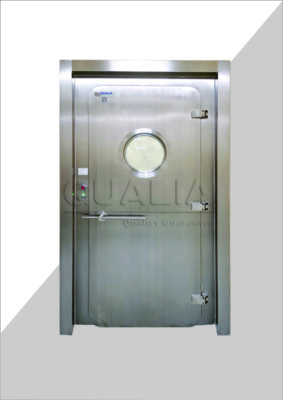
Vaporized Hydrogen Peroxide decontamination cycles demand absolute containment. The integration of these cycles with inflatable seal door systems is a critical engineering challenge, not a simple installation. A failure in seal integrity or control synchronization compromises the entire decontamination process, risking contamination and regulatory non-compliance. Professionals must navigate material compatibility, validation protocols, and lifecycle costs to implement a system that is both effective and sustainable.
The shift towards flexible, scalable containment solutions makes this integration increasingly relevant. Unlike fixed chambers, inflatable seal doors allow for the creation of temporary decontamination zones within existing facilities. This modularity solves space constraints and adapts to evolving workflows. However, achieving reliable performance requires a meticulous approach to component selection, system design, and rigorous validation.
Key Components for a Successful VHP-Seal Door Integration
The Foundation: Seal Integrity and Material
The inflatable seal is the primary containment barrier. Its performance is non-negotiable. The seal, typically EPDM or silicone with a hardness of 60±5° Shore A, must create an airtight closure against the door frame when inflated. This prevents VHP leakage and maintains the critical vapor concentration required for effective decontamination. Performance is quantified through pressure decay tests; leading systems demonstrate integrity at ±2000 Pa with leakage rates below 0.5% volume per hour. This metric is the cornerstone of compliance for high-containment applications like BSL-3/4, making it a specification that should never be compromised for cost.
System Connectivity and Distribution
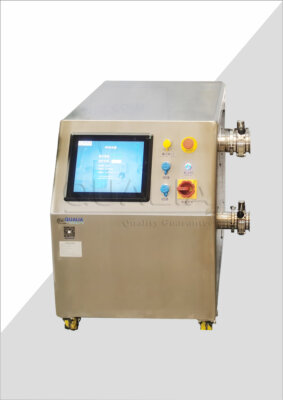
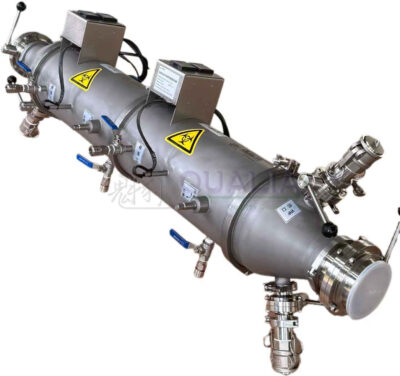
Hardware synergy extends beyond the seal. The physical connection between the door system and the VHP generator is typically achieved via camlock fittings, ensuring an airtight link. Internally, uniform vapor distribution is paramount. Without it, dead zones can harbor contaminants. Integrated stirrer fans within the sealed enclosure actively circulate the VHP, ensuring all surfaces receive the required concentration. This integrated approach represents a strategic shift from fixed, space-consuming chambers to adaptable barriers that can be embedded directly into cleanroom workflows.
Core Hardware Specifications
Selecting components based on proven specifications de-risks the integration. The following table outlines the critical hardware and its performance benchmarks.
| Component | Key Specification | Performance Metric |
|---|---|---|
| Inflatable Seal Material | EPDM or Silicone | 60±5° Shore A hardness |
| Seal Integrity Pressure | ±2000 Pa | Leakage rate <0.5% vol/hour |
| VHP Generator Connection | Camlock fittings | Airtight physical link |
| Vapor Distribution | Internal stirrer fans | Ensures uniform concentration |
Source: ISO 14644-7:2022 Cleanrooms and associated controlled environments — Part 7: Separative devices. This standard specifies the minimum requirements for the design and testing of separative devices like isolators, providing the foundational criteria for seal integrity and containment performance that these specifications must meet.
Control System Synchronization and PLC Requirements
The Orchestrating Intelligence
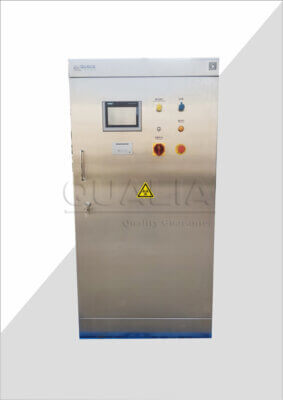
The Programmable Logic Controller is the central nervous system. It does not merely trigger events; it orchestrates the entire decontamination sequence. This includes managing door interlocks, commanding seal inflation and deflation, and communicating with the building’s HVAC system to isolate the enclosure. Crucially, it dialogues with the VHP generator to execute the cycle phases—conditioning, gassing, dwelling, aeration—in a precise, repeatable sequence. This automation eliminates human error and is fundamental to both safety and process validation.
Data, Compliance, and Future-Proofing
The PLC’s role extends beyond operation to documentation. Advanced systems enable remote monitoring, detailed data logging, and integration with Building Management Systems. This connectivity is evolving from a premium feature to a regulatory expectation. Auditors increasingly demand digitized, auditable proof of every decontamination cycle, especially under frameworks like 21 CFR Part 11. Consequently, the choice of a capable PLC with robust software support is a direct investment in compliance strategy and operational transparency.
Defining Operational Parameters
In our projects, we specify PLCs that allow for the programming of not just standard cycles, but also contingency protocols for pressure deviations or sensor failures. This level of control granularity transforms the system from automated to intelligent.
Validating Your Integrated System for Compliance
The Two-Stage Validation Imperative
Validation confirms both biological efficacy and physical containment. It is a two-stage process that begins with factory acceptance testing of components but culminates in mandatory site commissioning. Factory tests, including biological indicator (BI) challenge tests using Geobacillus stearothermophilus spores to demonstrate a log 6 reduction, verify component functionality. However, they cannot account for installation variables like structural alignment or site-specific pressure differentials.
On-Site Commissioning: The Ultimate Test
Final site validation is non-negotiable. This phase tests the installed system in its actual operating environment to confirm “no leakage.” It involves repeating BI challenges at critical locations and performing rigorous pressure decay tests on the sealed enclosure with the specific VHP generator operational. This stage de-risks the entire project but requires significant time allocation in the project plan. The entire validation dossier hinges on the proven integrity of the inflatable seals under real-world conditions, transforming technical data into regulatory approval.
Material Compatibility and Seal Durability Considerations
Surface and Seal Material Selection
All interior surfaces exposed to VHP must be compatible to prevent degradation and off-gassing. Grade 316L electropolished stainless steel is the standard for its resistance and cleanability. The inflatable seal material itself is a critical longevity factor. Vendor comparisons reveal a significant lifecycle disparity directly tied to material choice and design.
Analyzing Lifecycle and Maintenance Impact
A seal’s service life dictates maintenance schedules and total cost of ownership. EPDM seals, with features like concealed inflation tubing, are typically rated for ≥5 years. Some silicone variants may last only 1-3 years due to material properties and susceptibility to wear at stress points. Designs with precision corner radii (e.g., R95) reduce these wear points. Investing in durable materials and designs with quick-change hinge systems is strategically sound, as it minimizes both lifecycle costs and operational disruption from downtime.
Comparative Material Performance
The choice of seal material has a direct, quantifiable impact on operational budgets and planning. The table below compares key durability factors.
| Material/Component | Specification | Expected Service Life |
|---|---|---|
| Interior Surfaces | 316L Electropolished Stainless Steel | VHP compatible, standard |
| Inflatable Seal (EPDM) | Concealed inflation tubing | ≥5 years |
| Inflatable Seal (Silicone) | Precision corner radii (e.g., R95) | 1-3 years |
| Maintenance Design | Quick-change hinge systems | Minimizes downtime |
Source: Technical documentation and industry specifications.
Cost Analysis and ROI for Integrated vs. Retrofit Systems
Capital Expenditure vs. Total Cost of Ownership
Financial analysis must extend far beyond initial purchase price. Integrated, turnkey systems from a single vendor offer convenience and optimized performance but can create long-term dependencies for parts and service. A best-of-breed approach using interoperable components from specialized suppliers provides greater customization and potential vendor flexibility. The true ROI calculation must incorporate durability (seal life), operational efficiency (cycle time), and validation certainty.
Operational Efficiency as a Cost Driver
Cycle time is a major operational cost factor. A VHP generator capable of complete dry vaporization enabling 30-minute cycles drastically increases facility throughput compared to a 120-minute fogging system. This impacts scheduling, capacity, and labor costs. The strategic choice between integration for optimized performance and a modular approach for flexibility will define the project’s financial and operational trajectory for years.
Financial Decision Framework
To structure the evaluation, consider the following comparative analysis of the two primary procurement paths.
| Factor | Integrated (Turnkey) System | Best-of-Breed (Retrofit) |
|---|---|---|
| Initial Capital Expenditure | Typically higher | Potentially lower |
| Vendor Flexibility | Single-source dependency | Multi-vendor options |
| Operational Efficiency | Optimized for performance | Customizable components |
| Cycle Time Impact | Fast cycles (e.g., 30 min) | Varies by generator choice |
| Long-term Maintenance | Defined by OEM | Greater service flexibility |
Source: Technical documentation and industry specifications.
Note: ROI must factor in seal durability, cycle time efficiency, and validation certainty.
Maintenance Protocols and Downtime Minimization
Proactive Schedule vs. Reactive Repair
Proactive maintenance is the key to system reliability and sustained validation. Inflatable seals are wear items. Establishing a scheduled replacement protocol based on manufacturer ratings and operational cycle counts prevents catastrophic, unplanned failures that breach containment. Designs that facilitate seal changes without full door removal are essential for minimizing downtime. This planning directly protects the facility’s containment integrity.
Beyond the Seal: Supporting Systems
Maintenance extends to the control and support systems. The PLC and HMI require regular checks and software updates to ensure reliability. The VHP generator’s independent air supply and exhaust ducts must be maintained to prevent room pressure disruption, which could lead to leakage. A comprehensive protocol, often outlined in standards like ANSI/AAMI ST98:2022, ensures the validated state of the entire decontamination process is maintained.
Maintenance Action Plan
A systematic approach to upkeep is non-negotiable for critical containment systems. The following table outlines essential maintenance actions and their goals.
| Component | Maintenance Action | Critical Goal |
|---|---|---|
| Inflatable Seals | Periodic inspection & replacement | Prevent unexpected failure |
| Seal Change Design | No full door removal required | Minimize operational downtime |
| PLC & HMI | Regular checks & software updates | Ensure control system reliability |
| VHP Generator Ducts | Independent supply/exhaust maintenance | Prevent room pressure disruption |
Source: ANSI/AAMI ST98:2022 Containment devices for reusable medical device sterilization. This standard provides requirements for the maintenance of containment devices to ensure they continue to provide a safe barrier, directly relevant to maintaining the integrity of inflatable seal door systems.
Choosing Between Pass-Through Chambers and Room Decontamination
Application-Defined Configuration
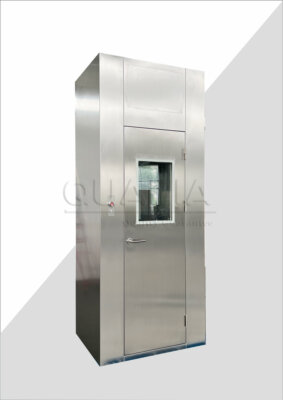
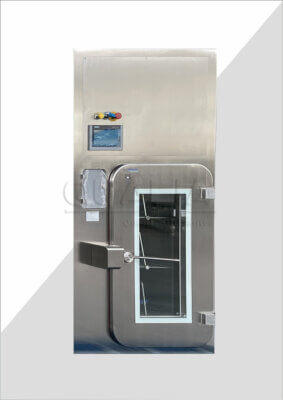
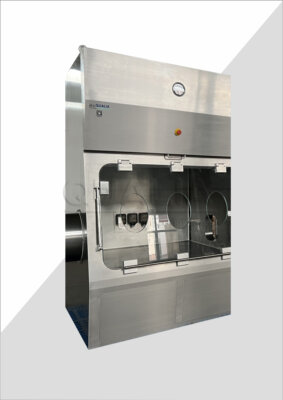
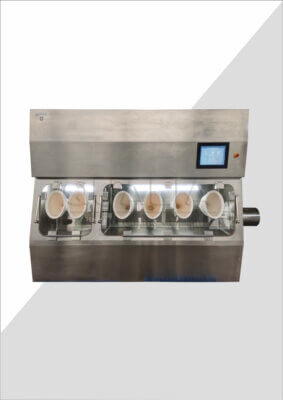
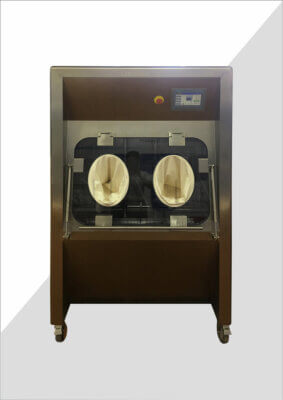
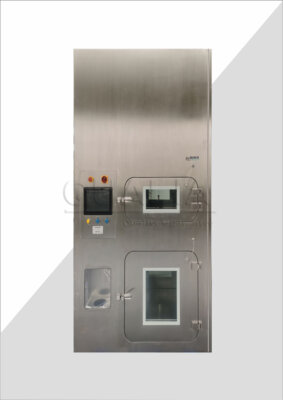
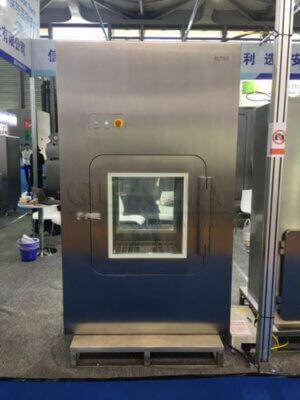
The integration serves two primary configurations, each with distinct strategic uses. Self-contained VHP Pass-Through Chambers are ideal for high-frequency, routine material transfer between cleanrooms or biosafety levels. They offer a compact, dedicated decontamination volume with a fast turnaround. For decontaminating large equipment, entire workstations, or room interiors, the Room/Lobby Decontamination approach is necessary.
The Flexible Barrier Advantage
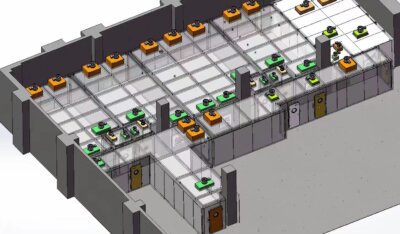
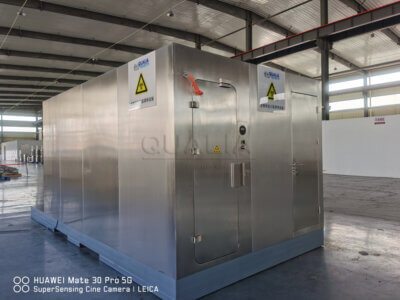
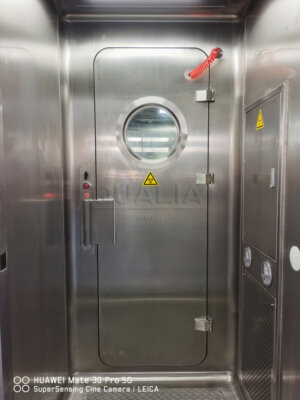
In the Room Decontamination model, inflatable seal doors hermetically seal a space (like a lobby or equipment room) to create a temporary chamber. This modular design is particularly valuable for retrofitting high-level decontamination into legacy facilities, as it uses existing walls without major structural modification. The choice fundamentally hinges on workflow, material size, transfer frequency, and facility layout. The trend is toward using both configurations to embed precise containment at multiple transfer points within a dynamic facility.
Next Steps: Planning Your Integration and Vendor Selection
Defining Strategic Requirements
Effective planning starts with unambiguous need definition. Quantify required throughput, map facility spatial and utility constraints, and decide on the desired level of system integration versus component flexibility. This initial framework will immediately split the vendor market between those offering full ecosystems and those specializing in best-of-breed, interoperable components like specialized pneumatic seal containment doors.
Specification and Engagement
Develop specifications that prioritize evidence-based performance metrics: seal integrity pressure test results, certified material lifecycle data, generator cycle time validation, and PLC connectivity capabilities. Engage shortlisted vendors early in the design phase. This collaboration ensures all spatial, utility, and interoperability requirements are identified and met before procurement.
Project Timeline with Validation Focus
Finally, develop a detailed project timeline that allocates ample, uninterrupted time for the crucial site validation and commissioning phase. This is often the most underestimated part of the schedule. As industry standards evolve toward stricter specifications, selecting components based on best-in-class metrics today is the most effective strategy for future-proofing your investment.
Successful integration hinges on three priorities: specifying and validating seal integrity above all else, choosing a control architecture that ensures both automation and auditability, and calculating ROI based on total lifecycle cost, not initial price. This approach transforms the project from a technical installation into a strategic asset for containment assurance.
Need professional guidance on designing a validated VHP decontamination barrier for your facility? The engineering team at QUALIA specializes in integrating high-performance seal door systems with leading VHP technologies. We can help you navigate specification, compliance, and implementation. Contact Us to discuss your project parameters and validation requirements.
Frequently Asked Questions
Q: What are the critical performance metrics for an inflatable seal door in a VHP decontamination system?
A: The seal must maintain airtight integrity under operational pressure differentials, with performance validated by pressure decay tests. Leading systems achieve containment at ±2000 Pa and demonstrate leakage rates under 0.5% volume per hour. This quantifiable integrity is the foundation for compliance in high-containment applications. For projects where biosafety level 3/4 validation is required, you should prioritize these specific metrics over initial cost during vendor selection.
Q: How does the control system architecture impact compliance for an integrated VHP and seal door setup?
A: A dedicated PLC is essential for automating the sequence, managing door interlocks, and communicating with the VHP generator and HVAC. This ensures repeatable, safe cycles and enables remote monitoring and data logging. Modern regulatory expectations increasingly demand digitized, auditable proof of each cycle. This means facilities subject to 21 CFR Part 11 or similar standards must plan for a PLC with advanced connectivity and data integrity features from the outset.
Q: What is the two-stage validation process for an integrated VHP decontamination system?
A: Validation combines biological efficacy testing with physical containment verification. It starts with factory testing of components, followed by mandatory on-site commissioning using biological indicators like Geobacillus stearothermophilus to prove a log 6 reduction and confirm zero leakage in the final installation. This process de-risks the project but requires significant time. If you are retrofitting a legacy facility, you must allocate substantial project timeline for this critical on-site testing phase.
Q: How does seal material choice affect the total cost of ownership for an inflatable seal door system?
A: Seal durability varies significantly by material; EPDM typically offers a service life of five years or more, while some silicone designs may last only 1-3 years. This disparity directly impacts maintenance schedules, replacement part costs, and associated facility downtime. For operations where minimizing operational disruption is paramount, you should invest in higher-durability materials and designs that facilitate quick seal changes, even at a higher initial capital cost.
Q: When should we choose a pass-through chamber versus a room decontamination setup with inflatable seals?
A: Pass-through chambers are optimal for routine, high-frequency material transfers between defined zones. For decontaminating large equipment or entire room interiors, you would use inflatable seals to temporarily convert an existing space into a sealed chamber. The choice hinges on workflow, item size, and facility layout. This means facilities with dynamic workflows and space constraints should consider the flexible barrier approach to embed containment at multiple transfer points.
Q: What are the key differentiators when selecting a vendor for a VHP and seal door integration?
A: Your choice centers on prioritizing a fully integrated, single-vendor ecosystem for optimized performance versus a best-of-breed approach using interoperable components for greater customization and service flexibility. Specifications must focus on evidence-based metrics: seal pressure integrity, material lifecycle data, generator cycle time, and PLC capabilities. If long-term maintenance independence and customization are critical, plan to engage specialized component vendors early in the design phase to ensure interoperability.
Q: Which international standards are most relevant for validating an isolator system using VHP and inflatable seals?
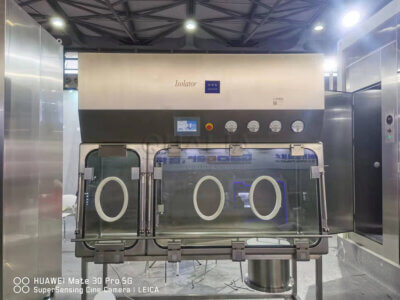
A: ISO 14644-7:2022 provides the foundational requirements for separative devices like isolators, covering design, construction, and testing. For aseptic healthcare processing, ISO 13408-6:2021 specifically governs isolator systems and their decontamination processes. This means your validation protocol must align with these standards to demonstrate both physical containment and biological efficacy for regulatory approval.
Related Contents:
- Inflatable Seal Door vs Compression Seal: 8 Critical Performance Differences for Cleanroom Applications
- Inflatable Seal Cycle Life vs Compression Seal Durability: Real-World Testing Data
- Understanding Pneumatic APR Door Seal Technology
- How Inflatable Seals Reduce Energy Costs by 60-80% Compared to Traditional Door Gaskets
- Mechanical Seal APR Door Systems | Installation Guide & Setup
- Mechanical Seal APR Door Cost Analysis | ROI Calculator & Pricing
- What Are APR Door Pneumatic Seals and How They Work
- Manufacturing APR Door Seal Systems | Industrial Applications
- Biosafety Level (BSL) Inflatable Seal Door Design: BSL-2, BSL-3 & BSL-4 Containment Standards