

Before cRABS retrofit shutdown installation planning can become a supplier schedule, the buyer and supplier need to separate site constraints from supplier work assumptions. A supplier can propose installation activities, but it cannot define when production is released, which routes remain open, or who approves restart unless the project assigns those decisions. The useful output is a constraint register and a dependency chain, not a universal outage duration.
Map Production Windows and Site Access Constraints
Capture permitted outage windows, line and room availability, material and personnel routes, lifting or staging limits known to the site, access-control constraints, and activities that cannot overlap. Treat these as buyer-supplied constraints, not universal shutdown durations or installation methods.
| Constraint group | Buyer-provided condition | Project decision affected |
|---|---|---|
| Production availability | Permitted outage windows and activities that cannot overlap | When site work may be scheduled |
| Room and line access | Authorized entry routes, work zones, and access restrictions | How equipment and personnel can reach the installation area |
| Staging and movement | Known delivery, staging, and handling limits | Whether the proposed installation path needs further study |
| Tie-in readiness | Availability of confirmed utility, air, control, and structural interfaces | Which connections can be planned within the outage |
| Release conditions | Site-defined cleaning, checks, records, and approvals | What must be completed before return to use |
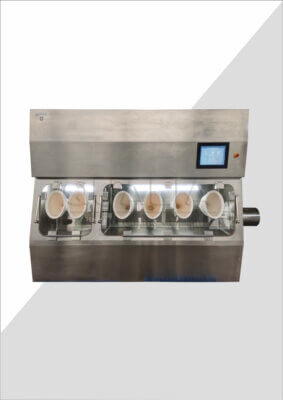
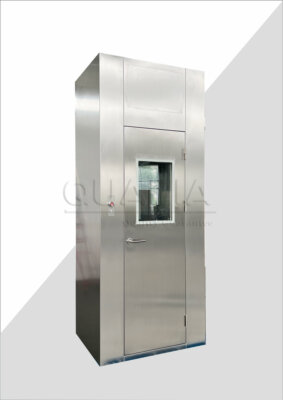
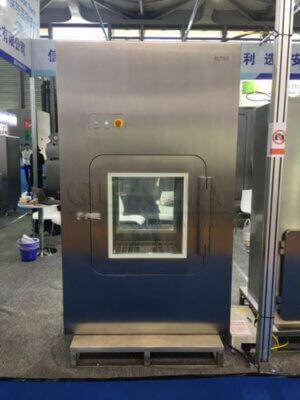
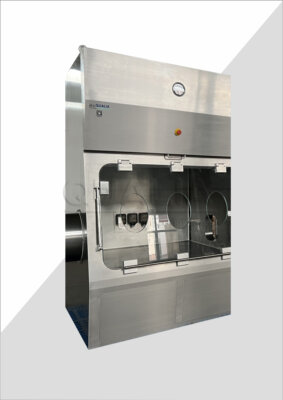
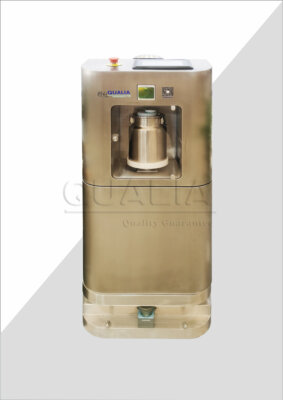
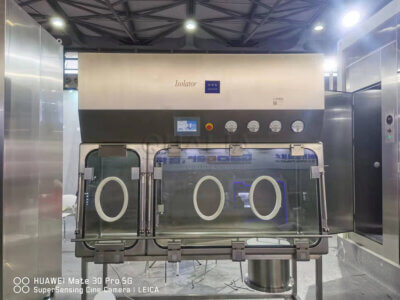
The relevant equipment reference for the project scope is the Closed Restricted Access Barrier System – cRABS; that link is navigation, not a schedule, method statement, or installation guarantee. Installation-stage dependencies described in cRABS Installation: Expert Services for Pharma may help buyers identify what to convert into shutdown and access constraints, but the site still supplies the actual permitted windows.
Link Installation Activities to Cleanroom and Equipment Change Impact
For each proposed cRABS retrofit activity, identify whether it could affect the cleanroom, line, air movement, surfaces, controls, or monitored state. EU GMP Annex 1 states that equipment, facility, process, and HVAC changes may trigger change assessment and appropriate requalification; that makes the impact question project-specific rather than a universal validation package.
Proposed work that crosses cleanroom boundaries or alters air movement, surfaces, controls, or monitored state should be routed through the site’s change process, with the impact assessment defining whether requalification is appropriate. Annex 1 does not prescribe a cRABS installation sequence, shutdown duration, contractor method, project test package, responsibility split, or restart approval.
Sequence Installation, Reassembly, and Required Confirmation
Build a dependency chain from site release and incoming access through installation, connection, reassembly, cleaning, project-defined checks, and authorized return to use. EU GMP Annex 1 notes that maintenance and repairs should be considered in equipment installation and that reassembly, cleaning, disinfection, monitoring, and return-to-use impacts may matter.
The sequence is not a universal method statement; it is a way to expose which predecessor, evidence, and release decision gates the next activity. If tie-in readiness or cleaning decisions remain open, the installation schedule can only be conditional. Existing-line integration planning in Integrating cRABS: Upgrade Your Pharma Production Line should be reconciled with this chain, because the supplier’s installation activities may depend on line conditions and site release steps that the supplier does not control.
Turn Schedule Assumptions Into Supplier Boundaries
State who supplies access, isolation, permits, drawings, tie-in readiness, cleaning decisions, test support, records, and release decisions. A supplier schedule can define activities and durations within the supplier’s work scope, but it cannot allocate site decisions or authorize line restart unless the project explicitly gives that authority.
ASTM E2500-25 supports linking intended use with specification, design, installation, operation, performance, and verification when changes are made to existing pharmaceutical manufacturing systems. Its summary does not define outage planning, construction controls, FAT/SAT allocation, acceptance criteria, or authority to return a line to service. Use it to organize verification questions around intended use, not as a responsibility matrix or restart approval. The boundary record should distinguish information provider, decision owner, work executor, and release approver for each constraint; where those are unresolved, schedule assumptions remain provisional.
Frequently Asked Questions
Q: What should we provide before requesting a retrofit installation schedule?
A: Provide the permitted outage windows, room and line availability, access routes, staging limits, and activities that cannot overlap. Include the readiness of air, utility, control, and structural interfaces so the supplier can distinguish available work windows from unresolved dependencies.
Q: Can we plan production restart around the end of installation work?
A: The schedule also needs to account for the site’s return-to-use conditions. Reassembly, cleaning, required checks, records, and release decisions can remain after physical installation, so identify those dependencies before fixing the production restart date.
Q: How do changes to the room or line affect shutdown planning?
A: They can add project-specific assessment and confirmation work. Identify effects on equipment, surfaces, air movement, HVAC, controls, and monitoring so the site can determine what change assessment or requalification is appropriate and include it in the schedule.
Q: How can we prevent a supplier schedule from relying on unspoken site assumptions?
A: Make each enabling condition explicit and agree its responsibility boundary. List who will provide access, isolation, permits, drawings, tie-in readiness, cleaning decisions, test support, records, and release decisions rather than assuming they are all included in the installation scope.