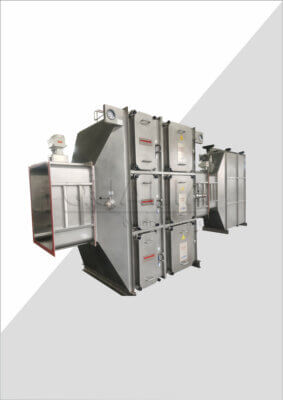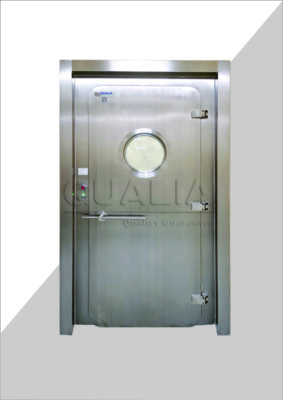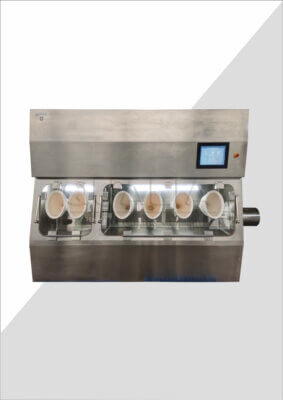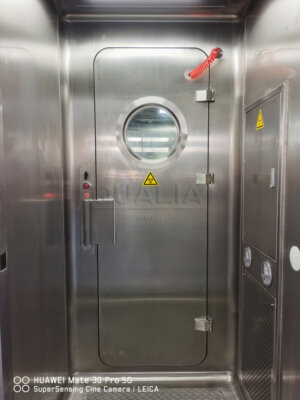

In the intricate world of biosafety and biotechnology, the commissioning process is the linchpin that guarantees every system functions flawlessly and safely. At the forefront of this critical phase is QUALIA, a renowned name in the industry, known for its meticulous and comprehensive commissioning services.
The Commissioning Process: A Cornerstone of Quality
Commissioning is more than just a final check; it is a systematic process that verifies and documents every aspect of a biosafety system. QUALIA’s commissioning process begins at the design phase and extends through at least one year of operation, ensuring that each component meets the intended design criteria set by both QUALIA and its clients.
Key Stages in Commissioning
The commissioning journey at QUALIA is divided into several key stages, each designed to ensure seamless functionality and compliance.
- Verification and Documentation: Every step, from design to operation, is meticulously verified and documented to provide a transparent and traceable record.
- Quality Assurance: QUALIA adheres to the highest standards of quality, ensuring every system surpasses expected performance criteria through rigorous inspection and testing routines.
Adherence to International Standards
QUALIA’s commitment to excellence is reflected in its strict adherence to international standards such as ISO and local regulations. This ensures that each project not only meets but exceeds compliance requirements, providing clients with the assurance of superior quality and safety.
Safety and Risk Assessment
Safety is paramount in the biosafety realm, and QUALIA takes this very seriously. Early identification of potential hazards and robust safety protocols are integral to their ethos. By implementing stringent risk management strategies, QUALIA minimizes risks and ensures a safe working environment, reducing the likelihood of operational disruptions.
Performance Testing and Validation
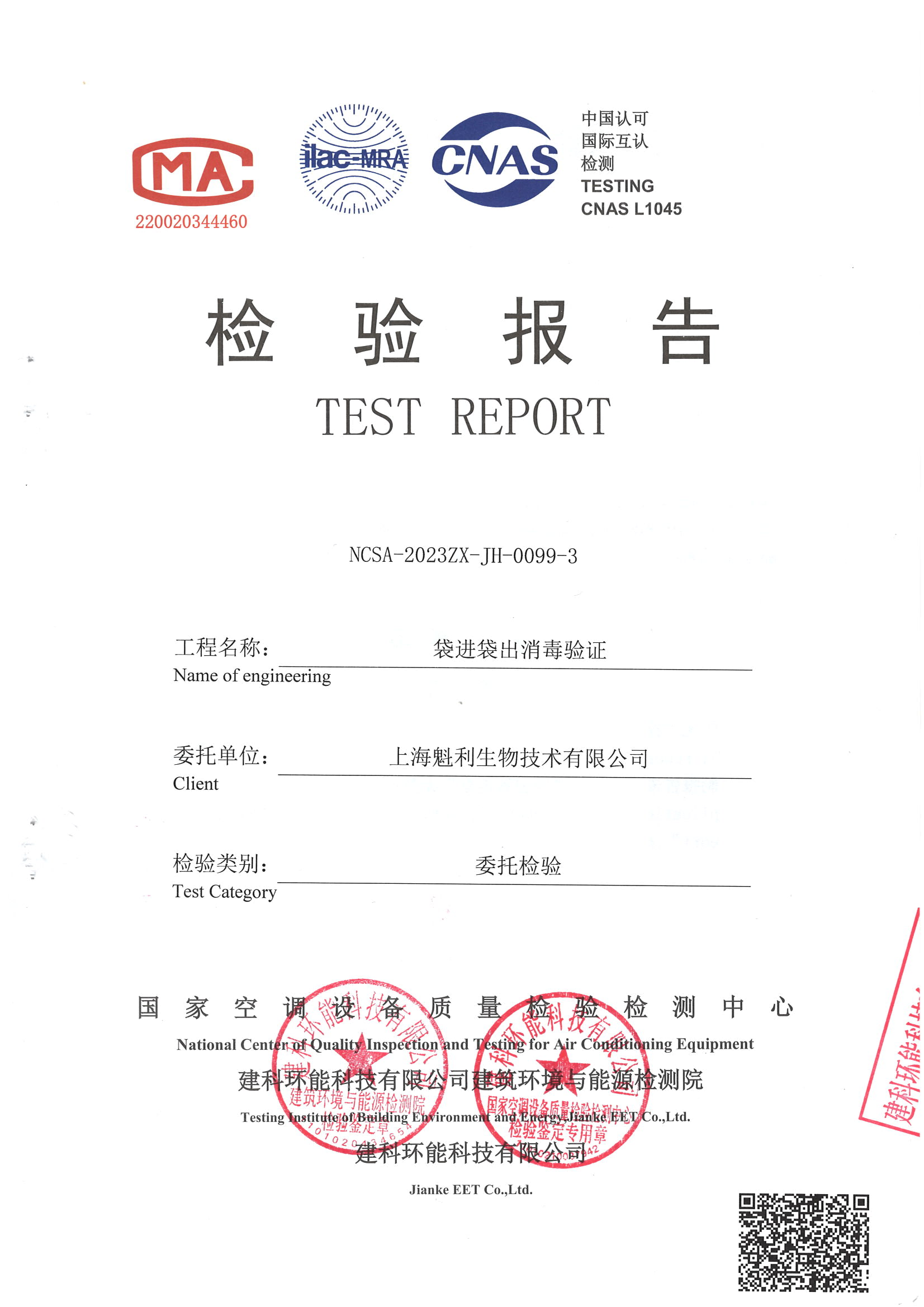
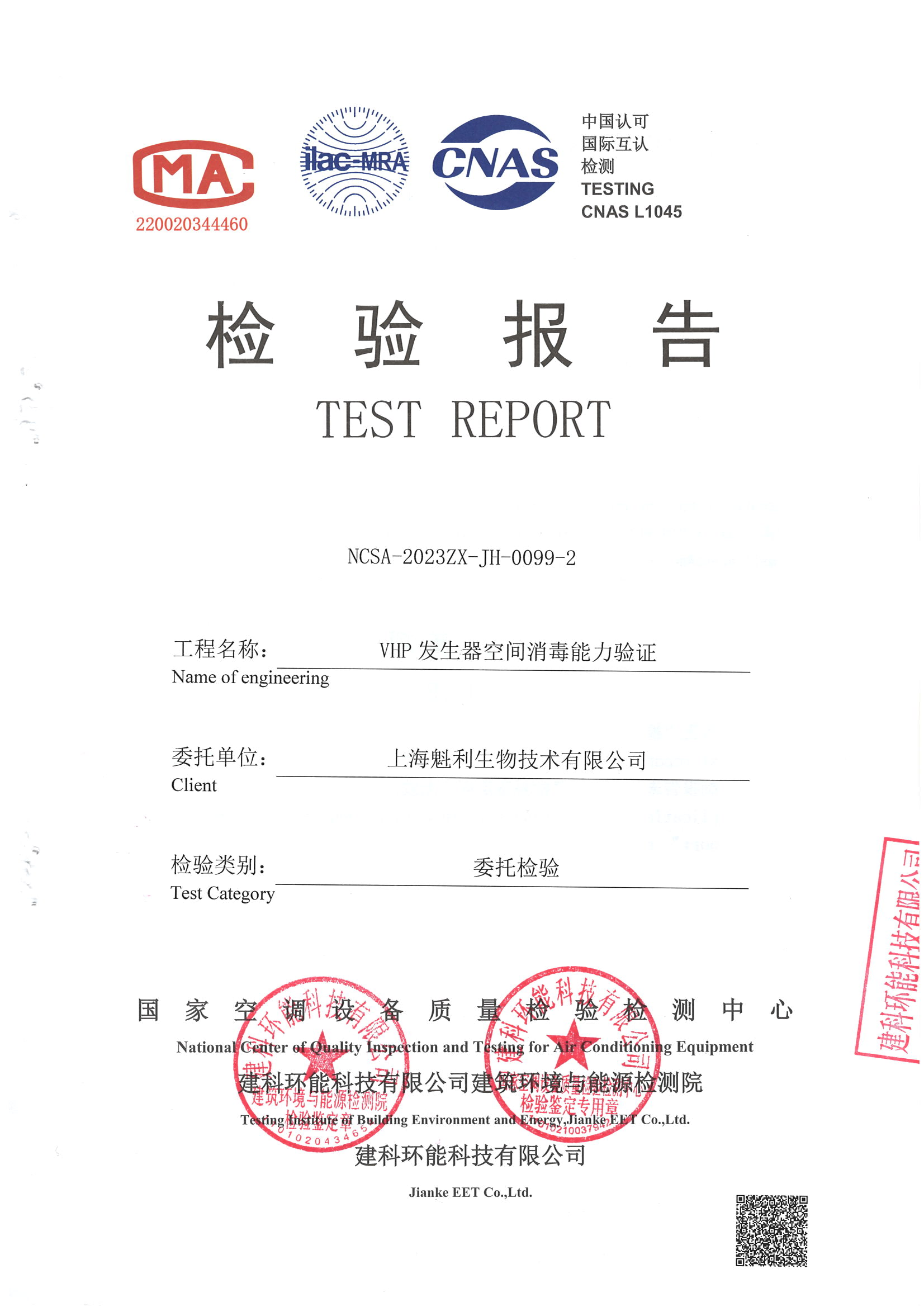
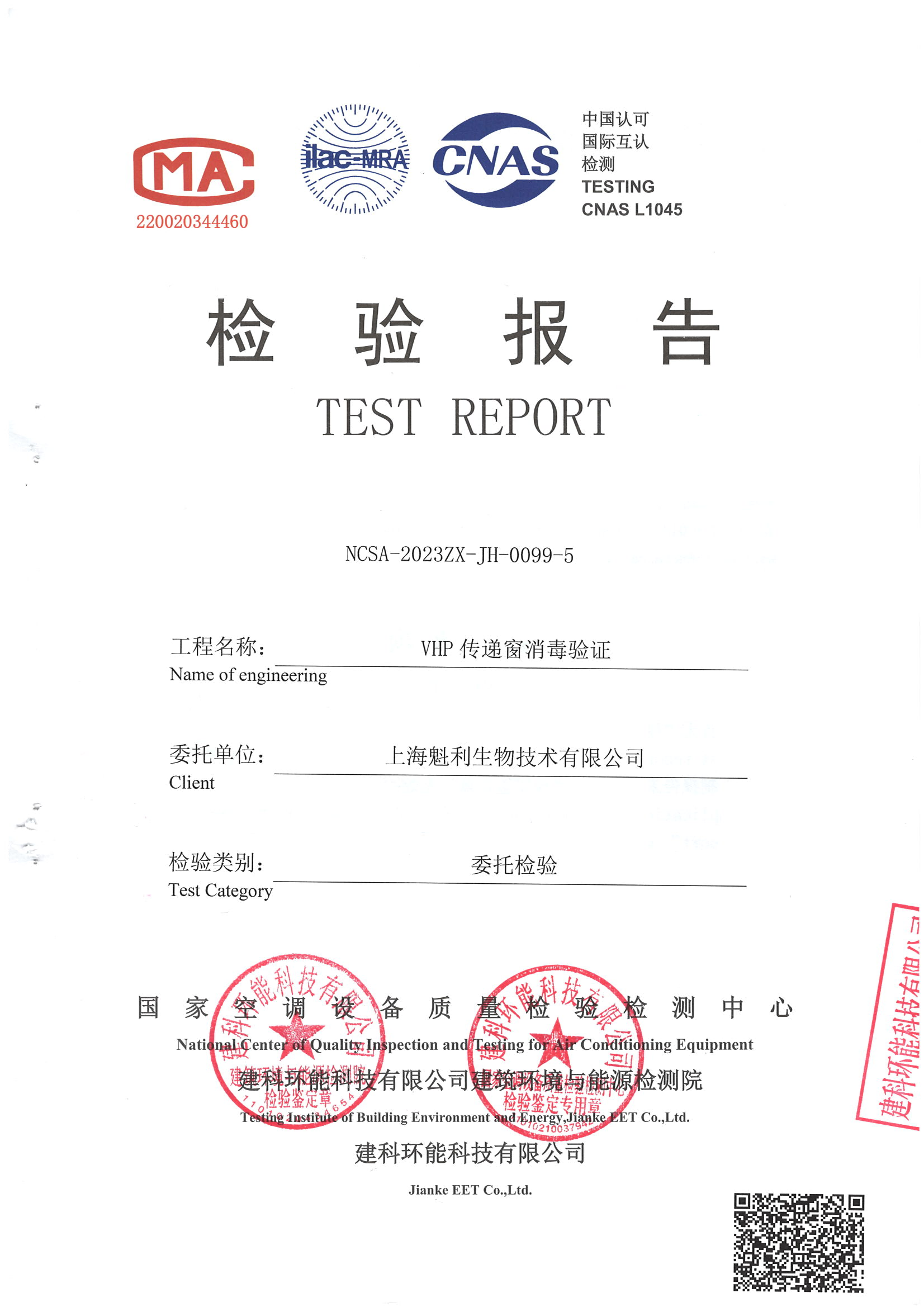
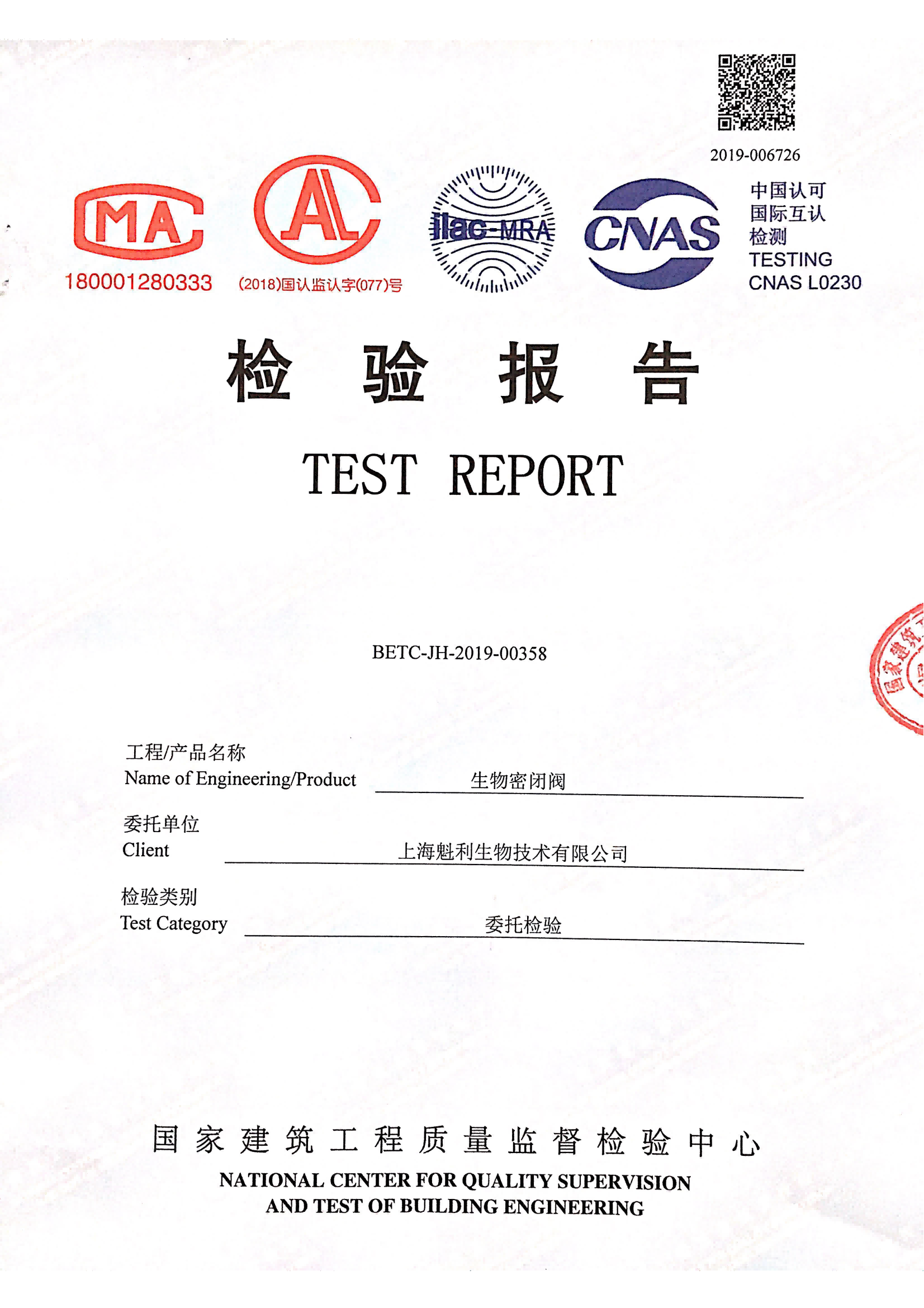
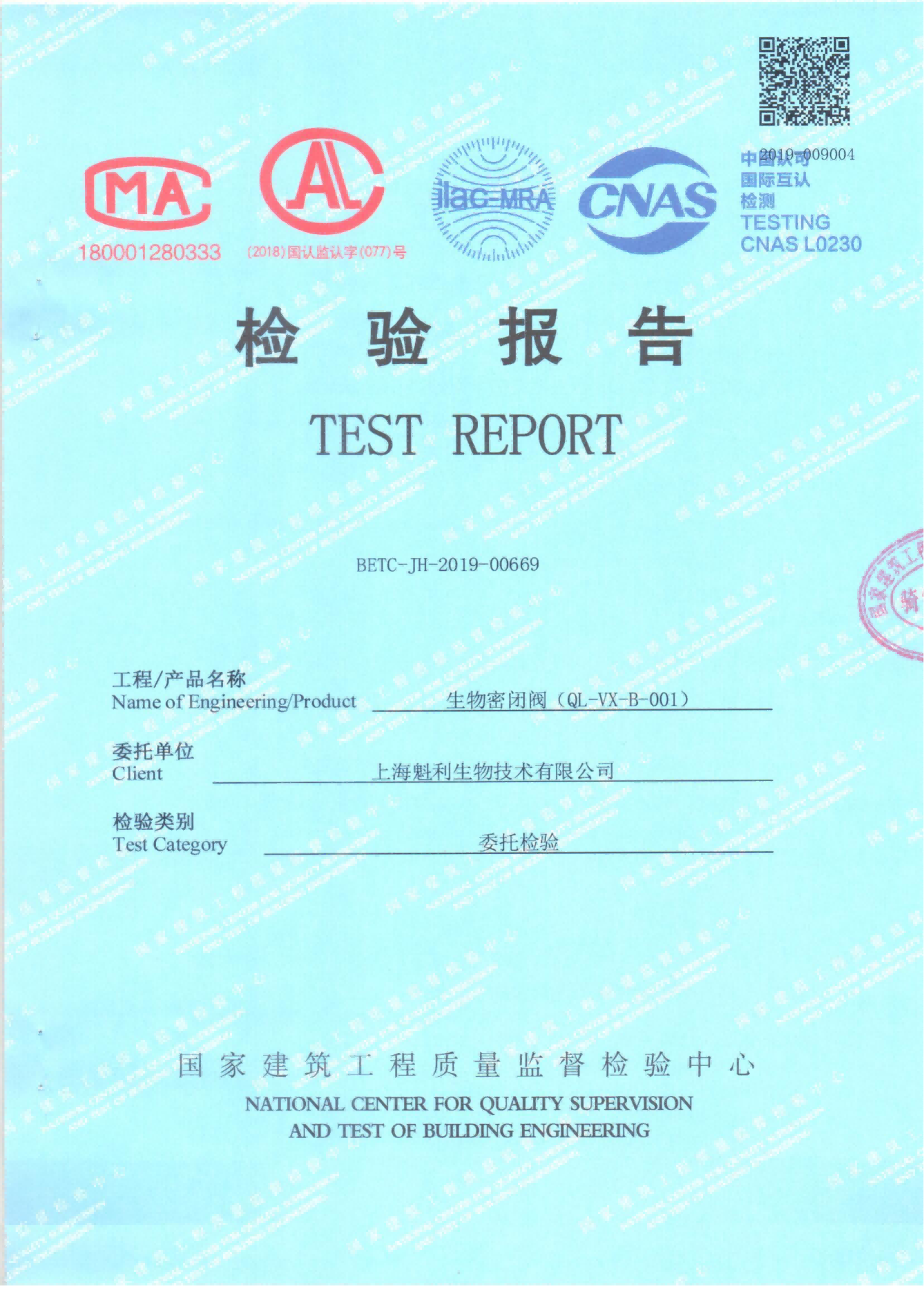
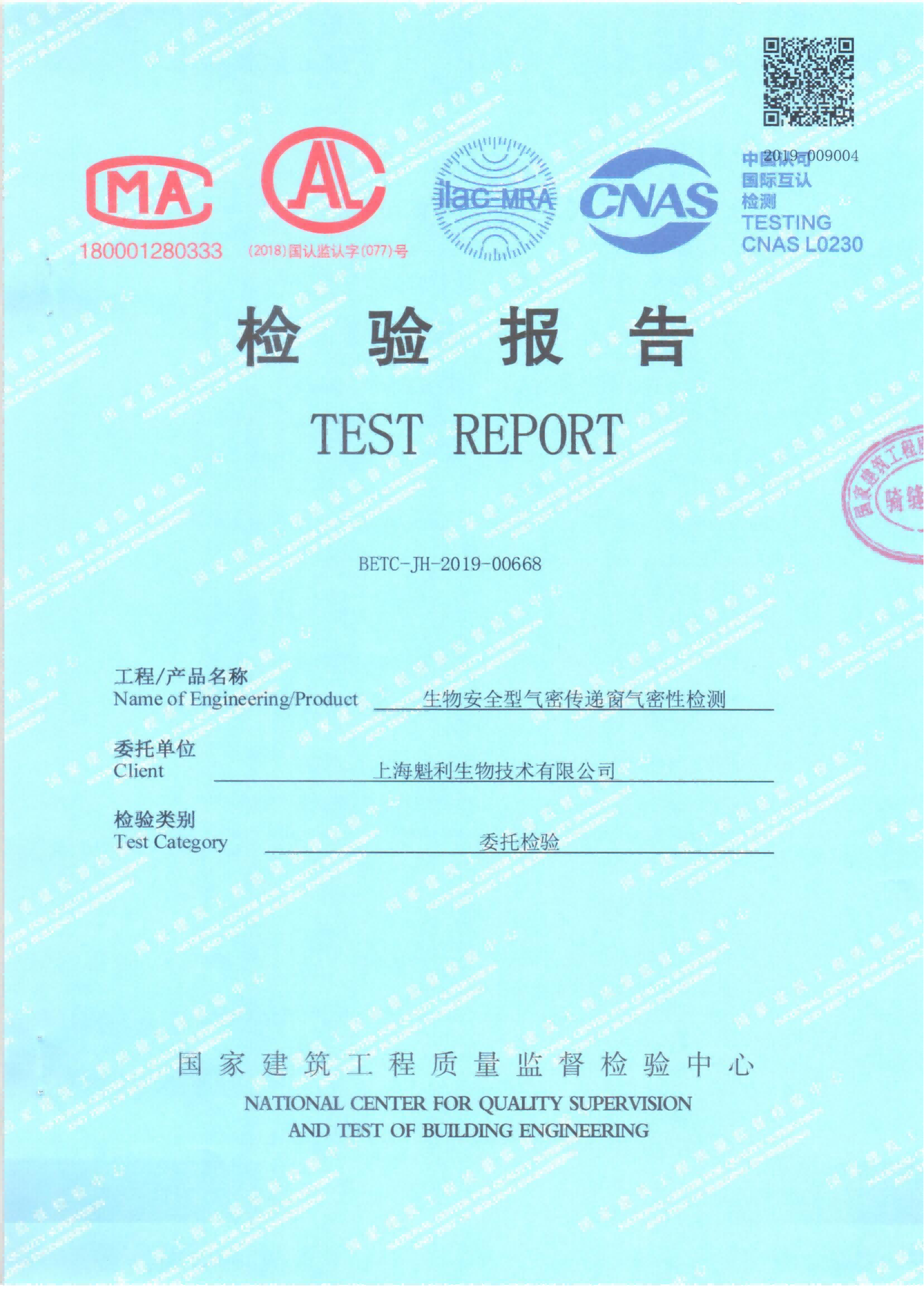
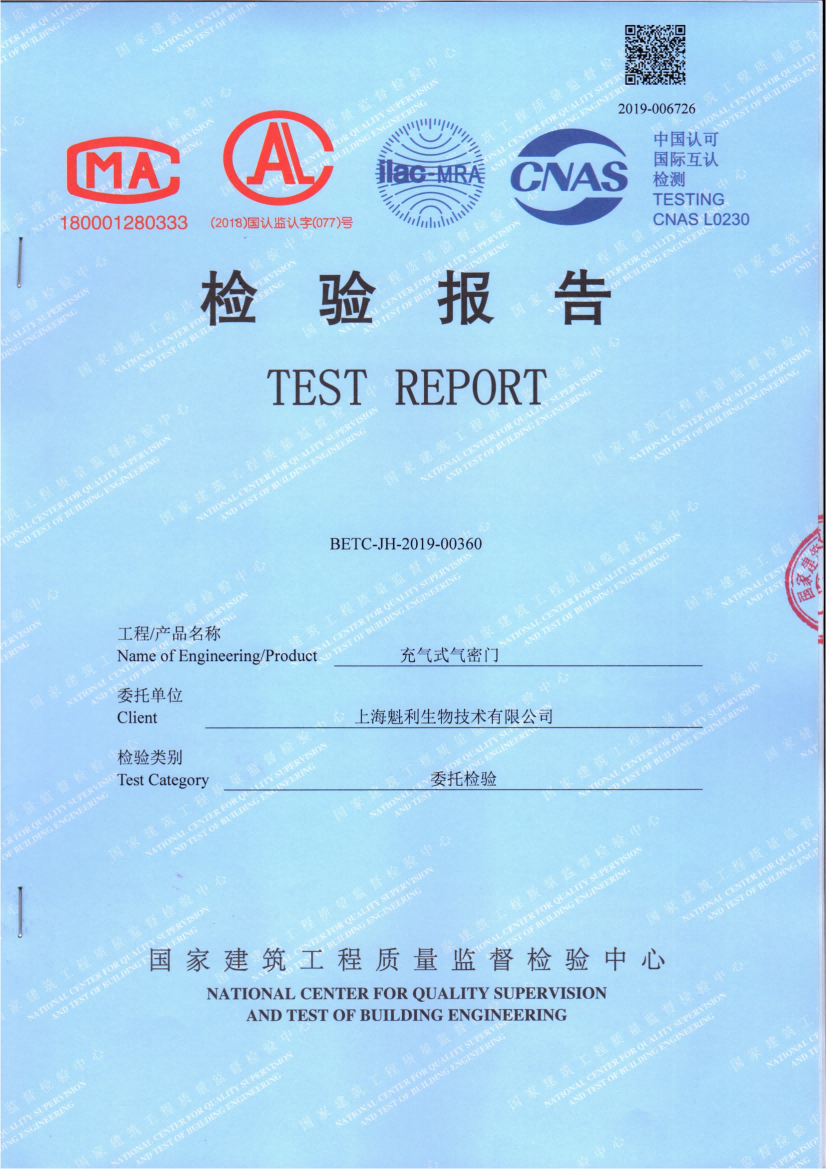
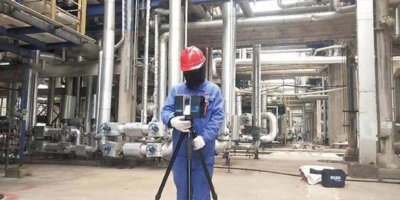
Before any system is handed over, it undergoes extensive performance testing to meet agreed-upon benchmarks. Functional testing procedures are conducted to ensure immediate and future operational reliability. Additionally, system validation confirms that the installed systems comply with qualitative and quantitative performance data, guaranteeing they operate within established limits and tolerances.
Client Training and Handover
The final stage of commissioning involves comprehensive training for client personnel and a smooth handover process. QUALIA prepares detailed training materials to facilitate understanding of the system’s operation and maintenance. Complete documentation and client training ensure that the transition is seamless and efficient.
Why Choose QUALIA?
QUALIA’s EPC (Engineering, Procurement, and Construction) capabilities, combined with their rigorous commissioning services, make them a trusted partner in the biosafety and biotechnology industries. With a focus on safety, quality, and compliance, QUALIA delivers turnkey solutions that are ready to use and fully compliant with industry standards.
In a world where precision and safety are non-negotiable, QUALIA stands out as a leader in ensuring that every biosafety system operates flawlessly and safely. Their commitment to quality, adherence to international standards, and robust safety protocols make them the go-to choice for any organization seeking top-tier commissioning services.