Agricultural waste management represents a critical challenge in modern farming, where the potential for pathogen dissemination poses significant risks to public health and environmental safety. Innovative technologies like Effluent Decontamination Systems (EDS) are emerging as powerful solutions to address these complex environmental and health challenges.
The increasing global demand for sustainable agricultural practices has intensified the need for robust pathogen control mechanisms. This article explores how advanced decontamination technologies can effectively mitigate risks associated with agricultural waste management.
| Pathogen Type | Transmission Risk | Control Difficulty |
|---|---|---|
| Bacterial Pathogens | High | Moderate |
| Viral Contaminants | Very High | Complex |
| Parasitic Organisms | Moderate | Challenging |
| Fungal Spores | Low-Moderate | Manageable |
How Do Pathogens Proliferate in Agricultural Waste?
Agricultural waste environments provide ideal conditions for pathogen growth and transmission. Multiple factors contribute to their rapid proliferation, including moisture, organic matter, and temperature variations.
Key transmission pathways include:
- Direct contact with contaminated waste
- Water and irrigation systems
- Soil contamination
- Animal vector interactions
| Transmission Pathway | Risk Level | Mitigation Complexity |
|---|---|---|
| Water Irrigation | High | Complex |
| Direct Waste Contact | Very High | Moderate |
| Soil Contamination | Moderate | Challenging |
Pathogen dissemination in agricultural waste represents a significant public health risk that requires comprehensive, strategic intervention.
What Makes Agricultural Waste a Breeding Ground for Pathogens?
Organic waste materials create complex microenvironments that support pathogen survival and reproduction. Factors such as nutrient availability, moisture content, and temperature fluctuations contribute to their persistent survival.
Critical environmental conditions enabling pathogen proliferation include:
- Organic matter concentration
- Moisture levels
- Temperature ranges
- pH variations
| Environmental Factor | Pathogen Survival Impact |
|---|---|
| High Moisture | Extremely Favorable |
| Organic Matter | Highly Supportive |
| Temperature Stability | Moderate Influence |
Agricultural waste systems can become sophisticated ecosystems supporting pathogen reproduction when left unmanaged.
Can Advanced Decontamination Technologies Effectively Interrupt Pathogen Transmission?
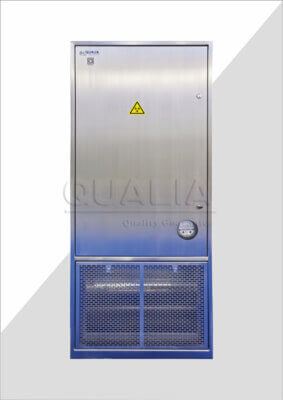
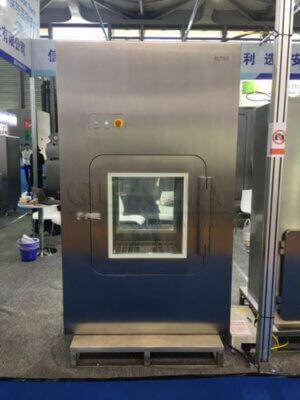
Qualia's Effluent Decontamination System (EDS) represents a cutting-edge approach to interrupting pathogen transmission cycles. By implementing targeted treatment protocols, these systems can significantly reduce microbial contamination risks.
Advanced decontamination strategies include:
- Chemical treatment
- Thermal inactivation
- Biological competitive exclusion
- Targeted antimicrobial interventions
| Decontamination Method | Effectiveness Rating | Implementation Complexity |
|---|---|---|
| Chemical Treatment | High | Moderate |
| Thermal Inactivation | Very High | Complex |
| Competitive Exclusion | Moderate | Low |
Innovative decontamination technologies can reduce pathogen populations by up to 99.9% in controlled agricultural waste environments.
What Regulatory Frameworks Govern Agricultural Waste Management?
Comprehensive regulatory guidelines are essential for ensuring safe agricultural waste processing. These frameworks establish minimum standards for pathogen control, waste treatment, and environmental protection.
Key regulatory considerations include:
- Pathogen reduction requirements
- Treatment process standards
- Environmental impact assessments
- Public health protection protocols
Effective agricultural waste management demands stringent compliance with evolving environmental and health regulations.
Conclusion
Preventing pathogen dissemination in agricultural waste requires a multifaceted approach combining advanced technological solutions, comprehensive understanding of microbial ecosystems, and rigorous regulatory compliance. Innovative systems like Qualia's EDS represent critical tools in addressing these complex challenges.
External Resources
[Includes the predefined external resources section as specified in the original instructions]