
A dunk tank that functions correctly during normal use can still fail compliance requirements if the solution it contains has degraded beyond its effective range, if the concentration has never been formally verified against a documented limit, or if the mechanical components that hold containment during cleaning were never subject to a pass/fail inspection criterion. The practical consequence is not abstract: a facility may have logged hundreds of transfers against a solution that had drifted out of range, and only discover that during an audit, at which point every one of those records becomes a traceability liability. The decisions that prevent this are not primarily operational — they are structural, made during commissioning and SOP development, before the first solution change and before the first out-of-range result arrives unexpectedly. What follows is intended to help biosafety officers, QA teams, and laboratory engineers identify where those structural decisions need to be made and what criteria should govern them.
Solution Life Based on Use and Organic Load
Disinfectant solutions in dunk tanks do not degrade on a fixed calendar schedule. They degrade in proportion to use volume, the organic load carried in by transfer items, and the intrinsic stability of the disinfectant chemistry at working dilution. A tank supporting low-frequency transfers in a BSL-3 space where materials enter with minimal surface contamination will behave differently from one that handles multiple transfers per shift with items that carry biological matrix or culture residue. Treating both tanks with the same scheduled change interval — for example, a weekly replacement regardless of use — will either over-replace solution in the first case or allow progressive efficacy loss in the second.
The underlying principle is well established: organic load consumes active disinfectant by competing with the target microorganisms for reactive chemical capacity. The WHO Laboratory Biosafety Manual (4th Edition) addresses this in its decontamination and waste management guidance, making clear that organic material is a significant source of disinfectant failure and that preparation and application conditions must account for it. For a dunk tank, that translates directly into a change trigger framework based on cumulative use and visible contamination indicators, not only elapsed time.
The decision a facility must make at commissioning — or during SOP review if it was deferred — is how to define the triggers. At minimum, this means specifying a maximum number of transfer cycles or a maximum volume of material passed through before an automatic change is required, alongside a calendar backstop that applies even when use volume is low. A secondary trigger should cover visible turbidity or discoloration, which in practice signals organic load accumulation that concentration testing alone may not catch quickly enough. Without that layered framework, the first sign that the solution was exhausted may be a concentration check that fails during a routine interval — or, more often, during an external inspection.
Concentration Check Method Interval and Limits
Defining a check interval without defining an acceptance range and a documented response procedure is the most common structural gap in dunk tank concentration monitoring programs. Both elements are necessary; without the acceptance range, the check produces a number rather than a compliance decision, and without a response procedure, the first out-of-range result triggers improvisation rather than a controlled response.
The method used to verify concentration should be appropriate to the disinfectant in use. Colorimetric test strips are common for peracetic acid and hydrogen peroxide-based formulations, but their precision varies between product lines and they are sensitive to temperature and exposure conditions. For high-containment applications, particularly those supporting BSL-3/4 transfer routes, a titrimetric method or validated colorimetric assay with a recorded result and traceable reagent lot will produce a more defensible data point. Whatever method is selected, the SOP should specify it by name, describe the procedure in enough detail to support consistent execution across operators, and state the acceptance range as a concentration window rather than a single lower limit.
The interval between checks should reflect both solution stability and use frequency. For active high-containment operations, a pre-shift or per-session check is a reasonable planning criterion; for lower-frequency use, a defined interval tied to transfer events is more proportionate. The more consequential design decision is what happens when a result falls outside the acceptance range. If the SOP defines no immediate response — no hold on transfers, no investigation trigger, no re-check protocol — then the interval is functionally decorative. Out-of-range results that arrive without a defined response procedure create a gap between every previous transfer and the record of adequate decontamination, which is precisely the audit exposure that a functioning monitoring program is meant to prevent.
Cleaning Residue and Debris Removal Controls
Debris accumulates at the bottom of a dunk tank through normal use: particulate matter shed from transfer items, residue from disinfectant chemistry, and biological material carried in with transfers. If allowed to accumulate over multiple solution cycles, this debris can interfere with item immersion, accelerate organic load buildup, and complicate the interpretation of concentration check results. Periodic cleaning of the tank interior is therefore a necessary maintenance activity, not an optional housekeeping task.
The containment risk during cleaning is not always treated with the same rigor as the containment risk during operation, and this is where the failure pattern most often appears. When a dunk tank is drained for cleaning, the interior surfaces still carry residue from the solution and any biological material it has contacted. If the lid seal or mechanical locking mechanism is compromised at the time of cleaning, the drained tank presents a containment breach scenario: staff are working in proximity to potentially contaminated surfaces inside an enclosure that cannot be confirmed airtight. This makes the condition of the lid seal and locking mechanism a prerequisite check before cleaning begins, not a parallel or follow-up inspection.
Cleaning procedure itself should address how residue is removed without generating aerosols or splash exposure. The use of appropriate PPE consistent with the risk group of materials handled in the tank is a baseline requirement; the cleaning method should be documented in the SOP and should specify the rinse sequence and confirmation that residue has been cleared before new solution is prepared. ISO 35001:2019 frames biorisk management as a structured process covering operational procedures and their associated risks — the cleaning step fits within that process scope because the exposure risk it introduces is real and specific, not theoretical. An empty, drained tank with a functional airtight seal is a controlled maintenance state; an empty drained tank with a degraded seal is a containment liability that is harder to manage than the organic load being removed.
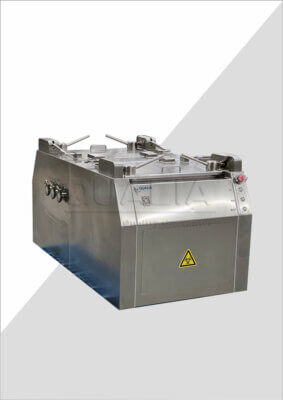
For facilities that use the QUALIA Biosafety Dunk Tank, understanding how the effluent pathway and tank interior interact during draining is also relevant to cleaning control — the effluent filter maintenance procedure is a related maintenance domain that should be coordinated with solution change scheduling rather than managed independently.
Lid Seal Drain and Fixture Inspection
Mechanical components on a dunk tank — lid, hinges, drain, and locking mechanism — are frequently treated as hardware items maintained on a general inspection schedule rather than as containment-critical components with defined pass/fail criteria. The consequence of that framing is that wear accumulates gradually and without a threshold to trigger a response. By the time a seal degradation is visually obvious, the question of how many transfer cycles occurred with a compromised seal becomes a traceability problem rather than a maintenance problem.
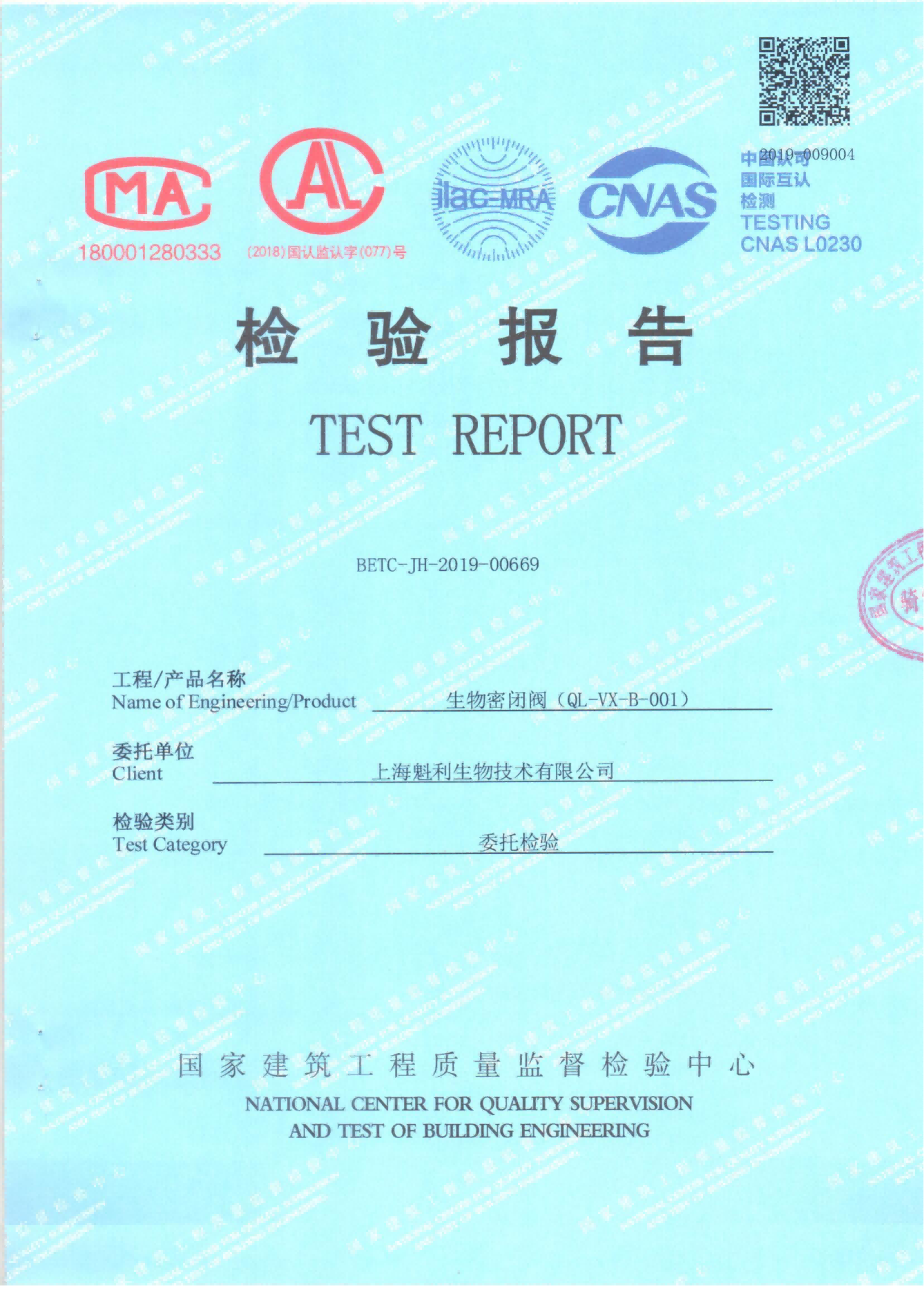
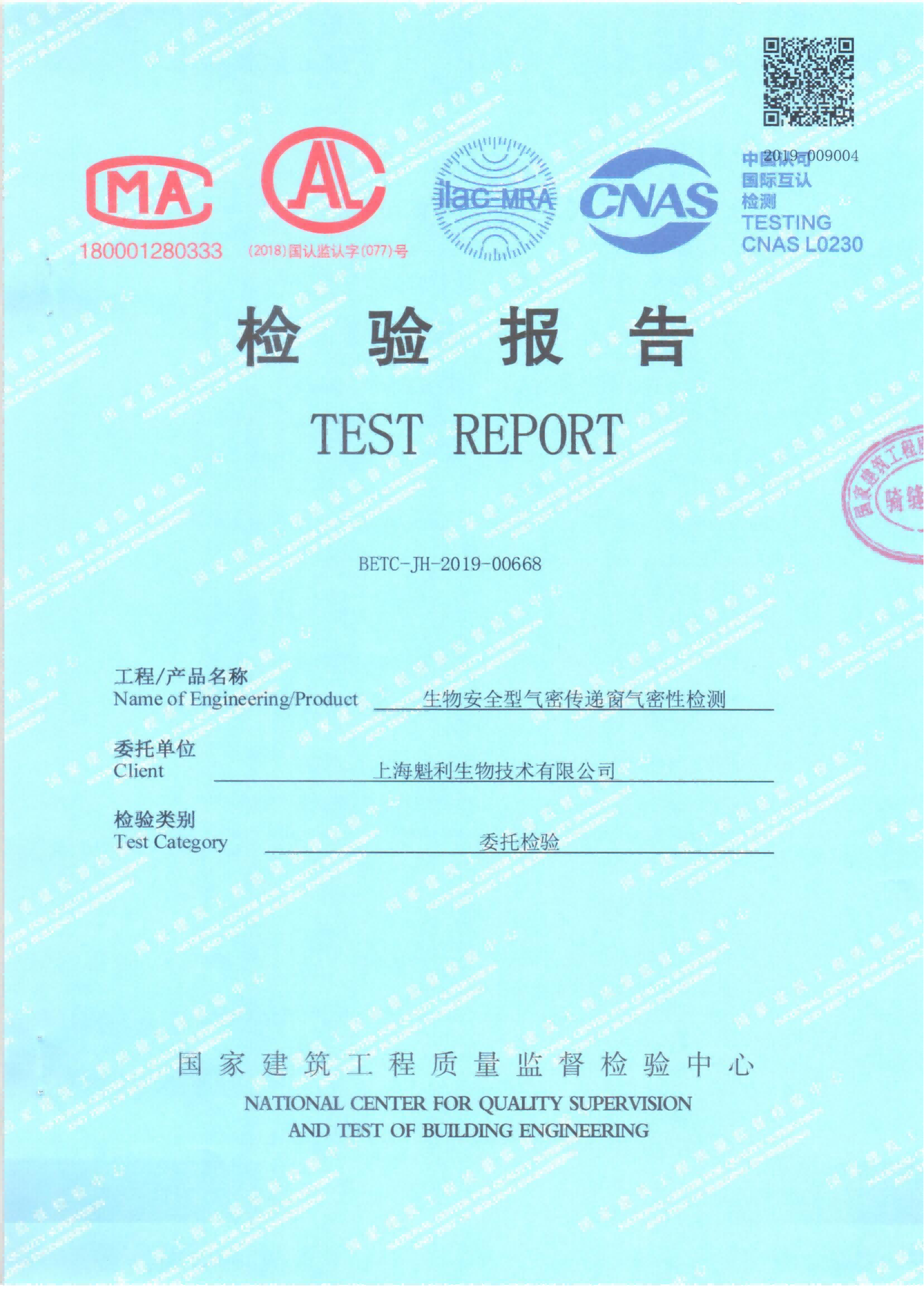
The inspection logic for these components should be structured. Seal integrity, locking mechanism engagement, and hinge condition each address a different failure mode, and each requires a different verification approach. The pressure leak test threshold — a maximum loss of 80 Pa over 30 minutes from a 500 Pa starting pressure — provides the kind of objective, measurable criterion that makes a maintenance inspection auditable rather than judgement-based. This figure is appropriate to the tank design described here and should be treated as a design-specific acceptance criterion; it should be confirmed against equipment documentation at commissioning and written into the IQ/OQ qualification protocol before it is needed in routine maintenance.
Hinge condition is a less obvious inspection point than the seal itself, but hinge wear directly affects whether the lid returns to the same position and engagement geometry on every closure. Cast stainless steel hinges resist corrosion, but mechanical wear over repeated open-close cycles can introduce enough play to prevent repeatable seal engagement — particularly relevant in high-frequency operations where the lid is opened and closed many times per shift. Catching this at periodic inspection is straightforward; catching it only after a pressure test failure means a decontamination barrier has already been compromised for an unknown number of cycles.
| Inspection Point | What to Verify | Acceptance Criterion | Why It Matters |
|---|---|---|---|
| Manual locking mechanism | Secure barrier seal when tank is drained and empty | Lock engages fully; no visible gaps or bypass | Prevents containment loss during cleaning or maintenance |
| Pressure leak test | Seal and fixture integrity | Pressure loss ≤ 80 Pa over 30 minutes from 500 Pa | Provides an objective, measurable pass/fail threshold |
| Cast stainless steel hinges | Wear and mechanical condition | No excessive play, corrosion, or deformation | Hinge degradation can compromise repeatable lid seal engagement |
Integrating these inspection points into a scheduled maintenance record — with the pressure test result, hinge condition assessment, and locking mechanism check each documented as pass/fail — is the minimum structure needed to support an audit. A maintenance log that records only “inspected” against a date without a defined criterion or result provides no defensible compliance basis.
Preparation Verification and Release Records
Before a freshly prepared dunk tank solution is returned to active use, the record that accompanies it needs to establish three things: that the solution was prepared correctly, that a verification check confirmed it met the acceptance criterion, and that a named, authorized individual released the tank for use. If any one of those elements is absent, the record does not support a decontamination claim — it only documents that a solution was prepared.
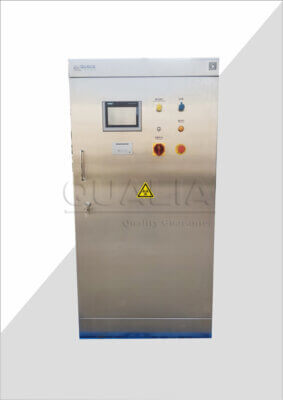
PLC-logged immersion times address a specific compliance gap that manual records often miss: they confirm not just that a transfer occurred, but that the item was immersed for the required duration. This distinction matters because a dunk tank SOP typically specifies a minimum contact time, and without a timestamped record, there is no auditable evidence that the requirement was met for any individual transfer. Card swipe authorization linked to PLC controls extends this by associating a user identity with both the transfer event and the release decision, creating a chain of accountability that is difficult to reconstruct after the fact from operator memory or paper log entries.
These are implementation-specific features of the equipment design described here, not universal requirements applicable to all dunk tank configurations. Their compliance value is that they produce an auditable record automatically, without depending on consistent manual documentation practices across shifts or operators. For facilities subject to GMP inspection or biosafety authority review, the difference between a PLC-generated timestamped log and a handwritten entry is not merely a matter of format — it affects whether the record can be relied upon as evidence of cycle compliance or only as evidence that someone recorded something.
| Record Element | Recording Method | Compliance Purpose |
|---|---|---|
| Immersion duration | PLC timestamp log | Confirms required decontamination time was met |
| User identity and release authorization | Card swipe integrated with PLC | Provides audit trail of who authorized item release |
The preparation verification result itself — the concentration check or decontamination cycle test result that confirms the new solution meets the acceptance criterion — should be recorded before the release authorization is documented. Sequencing these in the record makes it clear that the release decision was based on a confirmed result, not made in parallel with or prior to the check.
Change Control for High-Containment Dunk Tanks
The decision of how to change solution in a high-containment dunk tank is rarely made deliberately at commissioning. More often it is made under time pressure during an active operation, which means the team doing it may default to the quickest method — draining and refilling — without formally evaluating the exposure risk that approach introduces. Draining a tank that has been in active BSL-3 or BSL-4 service requires that the drained tank maintain containment integrity throughout the process; the drain event itself is a transition state where the containment barrier shifts from liquid submersion to physical seal, and if the seal does not hold, the change event creates a breach more serious than the depleted solution it was intended to correct.
The live liquid change option, which allows solution replacement while maintaining the containment barrier without opening or draining the tank, is the appropriate design response to this risk. The overflow/top-up pipe extends this by enabling controlled addition of fresh solution without introducing uncontrolled pressure or level changes. These features exist precisely because the standard drain-and-refill approach is not always compatible with the containment requirements of the environment where the tank is installed. The time to specify which method will be used — and to train staff on it — is during commissioning and SOP development, not at the point where a solution change is overdue and the laboratory is mid-operation. ISO 35001:2019’s biorisk management process framework supports the principle that change events of this kind require documented authorization and verification; the specific method selected should be written into the change control procedure before the first change is required.
What the change control record must demonstrate is a coherent narrative: the reason the change was triggered, the condition of the old solution at the time of change, the preparation and verification of the new solution, and the authorized release back to service.
| Record Item | What It Documents | Why It Matters |
|---|---|---|
| Old solution status | Concentration, volume, or observed condition before change | Establishes baseline and reason for change |
| New preparation details | Disinfectant concentration, batch, and preparation verification | Confirms correct new solution formulation |
| Verification result | Pass/fail outcome of concentration or decontamination cycle test | Demonstrates the new solution meets acceptance criteria |
| Release authorization | User identity and timestamp releasing tank for use | Ensures accountable return to service |
Without that complete record, a change event that appeared operationally routine becomes a documentation gap. For facilities where dunk tanks form part of a validated transfer route — for example, a route described in a URS or qualified under IQ/OQ/PQ protocols — a change event without a complete change control record creates a validation status question: whether the tank is operating within its qualified parameters or in a post-change state that has not been formally returned to service.
The practical implication that runs across all of these areas is that most dunk tank compliance failures are not equipment failures — they are planning failures that became visible at the wrong moment. Concentration monitoring without a defined acceptance range, cleaning without a prior seal check, change events without a full change control record, and mechanical inspection without a pass/fail criterion each represent a decision that should have been made in the SOP or commissioning protocol and was not. The consequence is not immediate operational failure; it is latent audit exposure that arrives when records are reviewed against requirements they were never designed to meet.
Before the next solution change or the next scheduled inspection, the decisions worth confirming are: whether the acceptance range for concentration checks is documented and paired with a response procedure; whether seal and hinge inspection criteria are written as pass/fail rather than narrative observations; whether the change method — live liquid change or drain-and-refill — is specified and proceduralized; and whether the release record for each solution batch is structured to demonstrate preparation, verification, and authorization in sequence. Those are the elements that determine whether the dunk tank’s operating history is auditable or merely recorded.
Frequently Asked Questions
Q: Does this change control framework still apply if our dunk tank is used only once or twice a week at BSL-2, rather than in daily high-containment operations?
A: Yes, but the trigger thresholds and check intervals will differ. Lower-frequency use reduces organic load accumulation per unit time, so a calendar backstop rather than a per-shift concentration check may be proportionate — but the structural requirements remain the same: a documented acceptance range, a defined response procedure, and a complete change control record are necessary regardless of use frequency. The consequences of missing them are identical at audit; only the point at which the solution actually degrades differs.
Q: After a new solution batch passes its concentration check and is released for use, what is the first operational step the team should take before transfers resume?
A: Confirm that the pressure leak test has been performed and passed before the first transfer cycle begins. The concentration check verifies the solution chemistry; it does not confirm that the containment seal is intact following any cleaning or maintenance that preceded the solution change. Running a pressure test — maximum 80 Pa loss over 30 minutes from a 500 Pa starting pressure — closes that gap and ensures the release record reflects both the chemical and mechanical condition of the tank at the point of return to service.
Q: At what point does a drain-and-refill change approach become incompatible with the containment requirements of the installation?
A: Once the tank is installed on an active BSL-3 or BSL-4 transfer route, drain-and-refill introduces a transition state where containment depends entirely on the physical seal rather than liquid submersion. If the seal condition has not been formally verified before that transition, or if the facility’s URS or qualification protocol specifies a validated transfer route, a drain-and-refill event may take the tank outside its qualified operating parameters. The live liquid change method avoids this by maintaining the containment barrier throughout the solution replacement, making it the appropriate default for high-containment environments rather than a premium option.
Q: How does PLC-logged immersion time compare to a manually maintained transfer log for the purpose of supporting a GMP or biosafety authority inspection?
A: PLC-generated records are materially stronger for inspection purposes because they are created automatically at the time of the event and cannot be reconstructed retrospectively. A handwritten log entry documents that someone recorded a transfer; a PLC timestamp with card swipe authorization documents that a specific user completed a transfer of a defined duration at a specific time. For facilities where contact time is a specified decontamination requirement, the PLC record provides direct evidence of cycle compliance, while a manual entry provides evidence only that the log was filled in.
Q: Is it worth investing in a dunk tank with live liquid change and PLC controls for a facility that currently manages changes with a manual drain-and-refill procedure and paper records?
A: The value depends on the regulatory exposure and operational frequency of the installation. For a low-throughput BSL-2 application with infrequent changes and minimal audit scrutiny, manual procedures with well-designed paper records may be sufficient if the SOPs meet the structural requirements described above. For BSL-3/4 operations, validated transfer routes, or facilities subject to GMP inspection, the gap between a manually documented change and an automatically logged, PLC-controlled one is not a matter of convenience — it directly affects whether the change control record can serve as defensible compliance evidence. In those environments, the engineering controls justify their cost by removing the dependency on consistent manual documentation practices across operators and shifts.