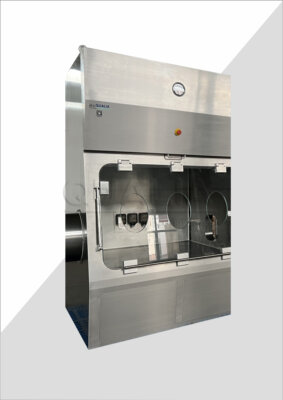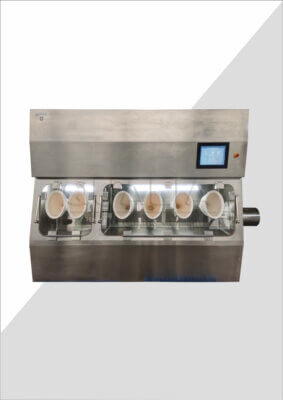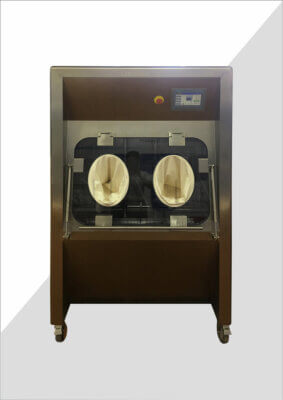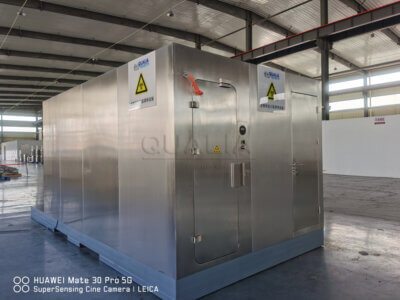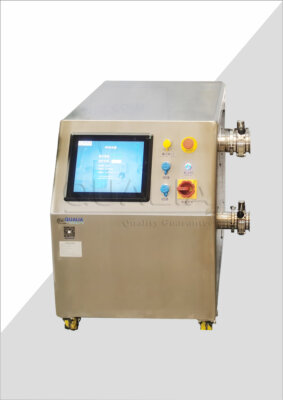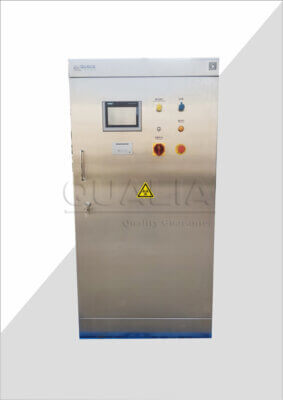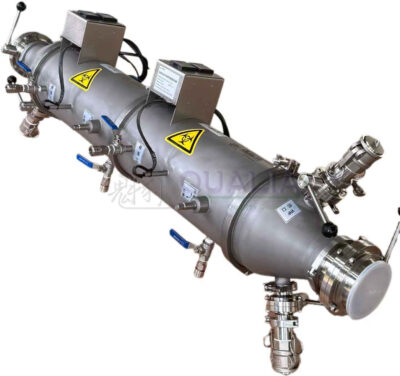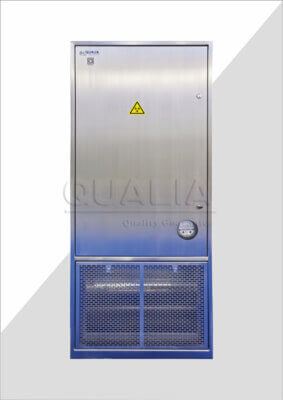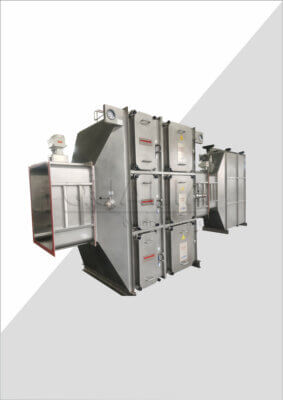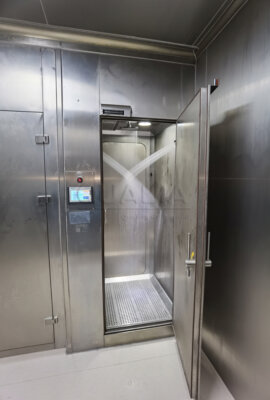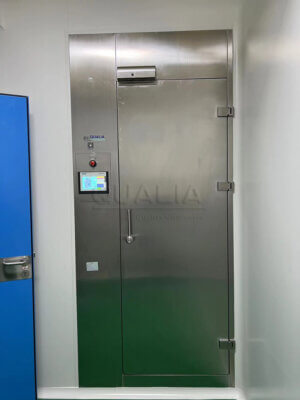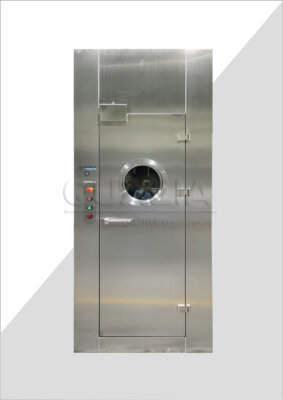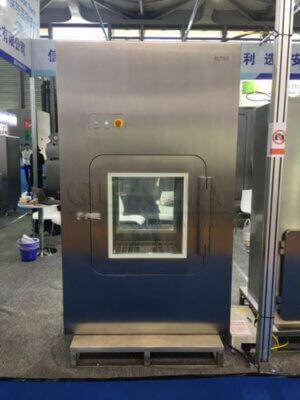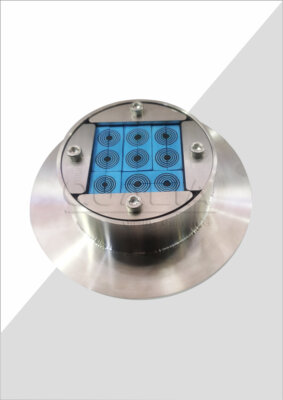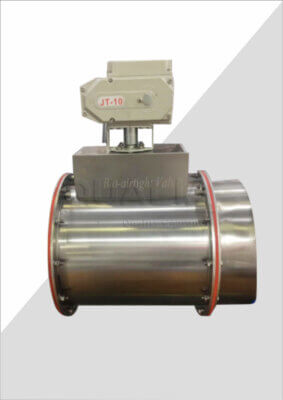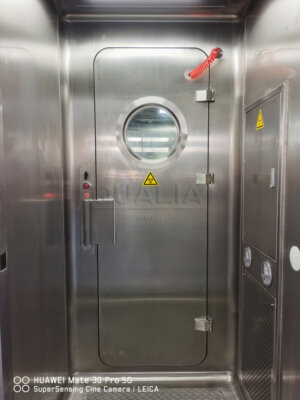

For biosafety professionals, the exhaust system design for a Class III Biosafety Cabinet is not merely an accessory—it is the defining engineering control. The cabinet’s gas-tight integrity and absolute containment hinge on a meticulously engineered exhaust architecture. A common misconception is viewing this system as a simple extension of the facility’s HVAC. In reality, it is a dedicated, hardened containment pathway with non-negotiable performance thresholds for pressure, filtration, and redundancy.
Attention to this design is critical now, as research involving high-consequence pathogens and advanced biologics expands. Regulatory scrutiny intensifies, and the cost of a containment failure—whether operational, financial, or reputational—is catastrophic. Selecting, validating, and maintaining a compliant Class III exhaust system is a foundational decision that dictates long-term laboratory safety, operational viability, and research continuity.
Core Design Principles for Class III BSC Exhaust Systems
The Mandate of Absolute Containment
The primary function of a Class III BSC exhaust is unambiguous: to prevent any release of biohazardous material. This transforms the cabinet from a workspace into a primary containment vessel. The design philosophy mandates total external exhaust—all effluent air is discharged outdoors without recirculation. This establishes a clear containment hierarchy, fundamentally separating Class III requirements from lower-containment cabinets and committing the facility to significant, dedicated infrastructure.
Engineering for Pressure and Purge
Two interlocked parameters define system performance: negative pressure and airflow. The exhaust must maintain a minimum cabinet negative pressure of 0.5 inches of water gauge to ensure inward leakage is physically impossible. Simultaneously, it must provide sufficient exhaust flow to achieve a minimum of one air change every three minutes. This dual requirement ensures both static containment integrity and dynamic hazard purge. The system must also dilute any flammable agents used within the cabinet to below 20% of their lower explosive limit, integrating personnel safety directly into the engineering design.
Integration as a System Node
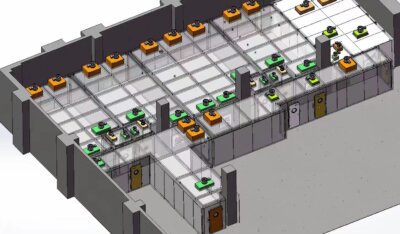
A Class III cabinet does not operate in isolation. It is a primary containment device nested within the laboratory’s secondary containment envelope. In BSL-3/4 facilities, room exhaust is also considered contaminated. Therefore, the facility’s HVAC must be sized to handle the combined load of the cabinet’s dedicated exhaust and the room’s general exhaust, with adequate supply air to maintain directional airflow. This integration means the cabinet increasingly functions as a node within a smart building ecosystem, with data from its sensors feeding into centralized facility management platforms.
HEPA Filtration Standards: Redundancy and Configuration
The Redundancy Imperative
High-Efficiency Particulate Air (HEPA) filtration, defined by 99.97% retention efficiency for 0.3-micron particles, is the cornerstone. For Class III cabinets, a single filter is a single point of failure. Standards like NSF/ANSI 49-2022 mandate a redundant filtration approach, requiring two HEPA filters in series or a HEPA filter followed by incineration. This dual-barrier philosophy is a codified engineering control, ensuring that a leak or compromise in one stage does not result in a release.
Primary vs. Secondary Function
The two filtration stages serve distinct purposes. The primary filter captures aerosols generated within the work zone during procedures. The secondary filter acts as a fail-safe containment barrier, capturing any material that might bypass the first. This configuration is critical for protecting the exhaust ductwork and the external environment. Industry experts recommend treating the secondary filter as the ultimate containment boundary, with its integrity testing held to the highest scrutiny.
Configuration Decision: Filtration vs. Incineration
The choice between dual-HEPA and HEPA-incineration hinges on the agent’s characteristics and facility risk assessment. Incineration offers definitive destruction of heat-stable hazards but requires significant energy input and complex maintenance. Dual-HEPA is more common but generates contaminated filter waste that requires validated decontamination. We compared both and found the decision often reduces to the agent’s heat stability and the institution’s capacity for handling either high-temperature systems or biologically contaminated filter modules.
HEPA Filtration Standards: Redundancy and Configuration
| Filtration Stage | Retention Efficiency | Key Function |
|---|---|---|
| Primary HEPA Filter | 99.97% at 0.3µm | Captures work zone aerosols |
| Secondary HEPA Filter | 99.97% at 0.3µm | Fail-safe containment barrier |
| HEPA-Incineration Option | Agent-dependent | Thermal destruction of hazards |
Source: NSF/ANSI 49-2022. This standard mandates the redundant filtration approach for Class III cabinets, requiring two HEPA filters in series or a HEPA filter followed by incineration to ensure containment is not compromised by a single point of failure.
Exhaust System Redundancy and Alarm Requirements
Beyond Mechanical Redundancy
Redundancy extends beyond filtration to the entire exhaust system’s operational integrity. When a cabinet is connected to an external exhaust duct, an audible and visual alarm system is required to signal a loss of exhaust flow or a drop in cabinet negative pressure. This alarm is a critical administrative control that immediately notifies personnel of a failure, triggering safe work cessation and emergency protocol activation. This requirement underscores that operational safety extends beyond mechanical function, integrating human procedural response with engineering controls.
The Liability Shift at Installation
A frequently overlooked detail is the transfer of liability. Once the cabinet is installed and connected to the facility exhaust, the responsibility for maintaining the integrated alarm system and exhaust blower performance shifts significantly from manufacturer to facility manager. The institution becomes solely responsible for ensuring alarms are functional, calibrated, and that personnel are trained to respond appropriately. This makes the handover documentation and training process a critical milestone.
Alarm Integration and Testing
Alarms must be tested regularly as part of the facility’s biosafety manual protocols. They should be hard-wired with battery backup and positioned for unambiguous visibility and audibility within the lab. Easily overlooked details include ensuring the alarm sensor is placed in a representative location in the exhaust duct and that its setpoint accounts for normal system fluctuations to avoid nuisance alarms, which can lead to alarm fatigue and disregard.
Testing and Certification for Exhaust System Integrity
The Annual Compliance Mandate
Annual certification by a qualified technician is a legal and operational requirement, not a recommendation. This process validates the entire containment system. Testing includes quantitative HEPA filter integrity scanning, airflow measurement, and negative pressure verification. The trend in standards evolution reveals a risk-averse trajectory toward stricter requirements, making it prudent to select equipment and service partners that exceed current minimums.
The Narrow Window of HEPA Integrity
The quantitative integrity test for HEPA filters is exceptionally sensitive. The passing criteria require detecting particle penetrations exceeding a mere 0.005%, with any result over 0.03% constituting a failure. This creates an exceptionally narrow performance window that demands ultra-sensitive aerosol challenge equipment (like photometers) and highly trained technicians. Laboratories must vet certification providers on their equipment calibration records and technician certification, not just cost.
Testing and Certification for Exhaust System Integrity
| Test Parameter | Performance Threshold | Consequence |
|---|---|---|
| HEPA Filter Leak Test | ≤ 0.005% penetration | Required passing criteria |
| HEPA Filter Leak Test | > 0.03% penetration | Constitutes a failure |
| Cabinet Negative Pressure | ≥ 0.5″ water gauge | Minimum containment requirement |
| Airflow Measurement | Annual verification | Legal compliance requirement |
Source: NSF/ANSI 49-2022. The standard defines the exceptionally narrow performance window for quantitative HEPA filter integrity testing and mandates annual certification, including airflow and pressure verification, to validate containment.
Documentation as a Quality Record
The certification report is a legal document and a quality assurance record. It must detail all test results, equipment used, serial numbers, and technician credentials. Institutions should implement a internal tracking system to ensure certifications are never lapsed, as operating an uncertified Class III cabinet voids containment assurances and carries significant regulatory risk.
Integrating Cabinet Exhaust with Facility Biosafety
Balancing Static and Dynamic Loads
The facility’s HVAC design must account for the static pressure drop of the exhaust system (filters, ductwork) and the dynamic load of the exhaust airflow. Inadequate supply air can make it impossible to maintain room negative pressure or can cause doors to be difficult to open. The supply must be balanced to accommodate the cabinet’s exhaust volume while maintaining the laboratory’s required directional airflow from clean to potentially contaminated areas.
Redundancy at the Facility Level
For maximum containment labs, redundancy considerations extend to the facility exhaust blowers. A secondary (backup) exhaust blower, often with automatic switchover, may be required to maintain cabinet containment in the event of a primary blower failure. This decision is based on a facility-specific risk assessment but is considered a best practice for BSL-4 and high-containment BSL-3 operations involving non-localized agents.
Interoperability and Data Monitoring
Modern lab design prioritizes interoperability. Data from cabinet pressure sensors, exhaust flow monitors, and HEPA filter differential pressure gauges should feed into a centralized building management system (BMS) or laboratory information management system (LIMS). This allows for real-time monitoring, trend analysis for predictive maintenance, and centralized alarm logging, creating a holistic containment monitoring strategy.
Key Operational Parameters: Airflow and Negative Pressure
The Interdependence of Parameters
Sustained performance hinges on maintaining precise, interlinked operational parameters. The exhaust airflow rate (purge) and the cabinet negative pressure (containment) are not independent. A drop in exhaust flow will inevitably cause a drop in negative pressure, compromising both safety functions. The exhaust system must be tuned to simultaneously satisfy both minimum requirements under all expected operating conditions, including filter loading.
Setting and Monitoring Control Points
The operational setpoints for airflow and pressure should be documented in the cabinet’s standard operating procedures (SOP). They must be monitored regularly, not just during annual certification. Many facilities implement monthly or quarterly checks using calibrated magnehelic gauges for pressure and balometers for airflow. The specialization fragmenting the BSC vendor landscape means selecting a supplier with deep expertise in integrating and tuning these parameters within complex, bespoke systems is crucial for reliable operation.
Key Operational Parameters: Airflow and Negative Pressure
| Parameter | Minimum Requirement | Primary Purpose |
|---|---|---|
| Exhaust Airflow Rate | 1 change / 3 minutes | Hazard purge rate |
| Flammable Agent Dilution | < 20% of LEL | Safety requirement |
| Cabinet Negative Pressure | 0.5″ water gauge | Containment integrity |
Source: NSF/ANSI 49-2022. This standard establishes the critical operational parameters for Class III cabinets, including minimum negative pressure and airflow rates necessary to maintain containment and personnel safety.
Responding to Parameter Drift
Gradual drift in pressure or flow often indicates filter loading or a developing leak in the ductwork. A sudden change signals an immediate problem, such as a blower failure or duct disconnection. Personnel must be trained to recognize these signs and to follow SOPs that mandate stopping work and initiating an incident response if parameters fall outside validated ranges.
Selecting the Right Exhaust System for Your BSL Lab
Driven by Hazard Analysis
Selection begins with a rigorous, documented risk assessment of the agents and procedures. For confirmed Class III work, the exhaust path is predefined as total external exhaust. The critical decisions then focus on filtration method (dual-HEPA vs. incineration), the scale of supporting HVAC, and the level of facility-level redundancy. This process creates a powerful economic incentive to minimize the biosafety level, as Class III infrastructure costs are orders of magnitude higher.
Evaluating Total Infrastructure Impact
The capital and operational costs extend far beyond the cabinet itself. Dedicated, sealed ductwork running to the roof, explosion-proof exhaust blowers, and massive HVAC systems to provide tempered make-up air represent significant investments. The facility must also consider space for exhaust equipment on the roof, vibration isolation, and weatherproofing. Financial planning for these infrastructure elements must be integrated at the earliest stages of project design.
Partner Selection for Complex Integration
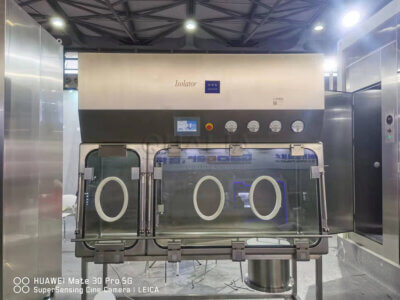
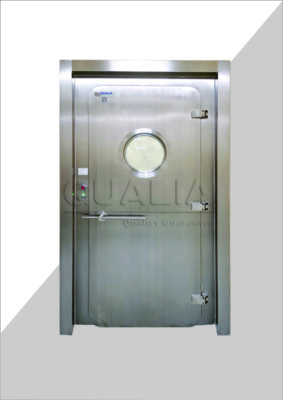
Given the complexity, selecting the right partners is a strategic decision. This includes the cabinet manufacturer, HVAC design engineers, and installation contractors, all with proven experience in maximum containment projects. Look for partners who provide detailed submittals, interface control documents, and clear demarcation of responsibilities. For laboratories integrating multiple primary containment devices, a dedicated isolator system for handling high-potency compounds may offer a more streamlined solution, as seen in advanced pharmaceutical containment isolators.
Maintenance, Validation, and Long-Term Operational Costs
The Funded Lifecycle Program
Long-term reliability demands a robust, pre-funded program for maintenance, validation, and parts replacement. Beyond annual certification, this includes scheduled preventive maintenance: gasket and seal inspections, glove integrity tests, decontamination port verification, and performance checks of alarms and gauges. Decontamination using validated methods (e.g., vaporized hydrogen peroxide) is required before any internal maintenance, adding time and cost.
Understanding Total Cost of Ownership (TCO)
The total cost of ownership heavily favors lower containment levels. Class III systems incur high recurring costs: specialized HEPA filter replacements (both primary and secondary), energy-intensive operation of exhaust blowers 24/7, and premium fees for annual certification by highly specialized technicians. Internal quality assurance programs to manage documentation, training, and audit readiness add ongoing administrative overhead.
Maintenance, Validation, and Long-Term Operational Costs
| Cost Category | Characteristic | Impact on TCO |
|---|---|---|
| Specialized Filter Replacement | High cost | Major recurring expense |
| Annual Certification | Premium service fees | Mandatory compliance cost |
| Exhaust System Operation | Energy-intensive | Significant utility burden |
| Internal QA Programs | Required documentation | Ongoing administrative overhead |
Source: Technical documentation and industry specifications.
Managing the Asset and Its Liability
The institution must implement internal controls, treating these cabinets as critical, liability-sensitive assets. This includes maintaining a complete lifecycle file with all certifications, maintenance records, decontamination reports, and SOPs. The ongoing performance and regulatory compliance are the direct responsibility of the facility manager, making diligent record-keeping and a culture of procedural adherence non-negotiable components of operational safety.
The core decision points for a Class III BSC exhaust system revolve around a containment-first philosophy: mandating redundant HEPA filtration, integrating fail-safe alarms, and committing to a rigorous, funded lifecycle management program. Implementation priorities must start with a hazard analysis that justifies the containment level, followed by selecting partners with deep expertise in integrating these complex mechanical systems with facility infrastructure. Financial planning must account for the order-of-magnitude higher capital and operational costs compared to lower containment levels.
Need professional guidance on designing or validating a maximum containment system for your facility? The engineering and compliance nuances require specialized experience. For consultative support on integrating primary containment with your laboratory’s safety envelope, explore the technical resources and solutions available at QUALIA. Contact our engineering team to discuss your specific BSL requirements and infrastructure challenges.
Frequently Asked Questions
Q: What are the mandatory HEPA filter requirements for a Class III biosafety cabinet exhaust system?
A: Standards mandate a redundant, two-stage filtration approach, requiring either two HEPA filters in series or a HEPA filter followed by incineration. This dual-barrier design ensures a leak in the primary stage does not cause a release, as a secondary, independent containment stage remains intact. For projects handling heat-sensitive agents, the dual-HEPA configuration is typically the default choice over incineration.
Q: How do you test and certify the integrity of a Class III cabinet’s exhaust system?
A: Annual certification is required, involving quantitative HEPA filter integrity testing with equipment sensitive enough to detect penetrations exceeding 0.005%. This creates an exceptionally narrow performance window where any result over 0.03% constitutes a failure, as defined in standards like NSF/ANSI 49-2022. This means you must select certification providers with proven precision and ultra-sensitive aerosol challenge equipment.
Q: What are the critical operational parameters for maintaining Class III cabinet containment?
A: The system must sustain a cabinet negative pressure of at least 0.5 inches of water gauge while providing sufficient exhaust flow for an air change rate of one per three minutes or to keep flammable agent concentrations below 20% of the LEL. These interlinked parameters are fundamental to the cabinet’s performance as a gas-tight containment vessel. If your operation uses volatile solvents, you must calculate and verify the flow rate needed for safe dilution.
Q: Who is responsible for the exhaust system alarm and its integration after the cabinet is installed?
A: While the cabinet manufacturer supplies the alarm, the facility assumes full liability for its functional integration and personnel training post-installation. An audible and visual alarm signaling loss of exhaust flow is a required administrative control. This means your institution’s biosafety program must have documented procedures for alarm response and regular functional checks to ensure this critical safety link remains active.
Q: How does selecting a Class III cabinet impact overall facility HVAC design and cost?
A: A Class III cabinet’s requirement for total external exhaust creates a powerful economic incentive to minimize the biosafety level where possible. The dedicated ductwork, blowers, and massive HVAC make-up air needed represent capital and operational costs orders of magnitude higher than for lower containment levels. For new BSL-3/4 lab planning, you must integrate the cabinet’s exhaust load into facility HVAC sizing from the earliest design phase.
Q: What long-term operational costs should we budget for with a Class III biosafety cabinet?
A: Beyond high initial capital costs, expect significant recurring expenses for specialized HEPA filter replacements, energy-intensive exhaust operation, and premium annual certification services. The total cost of ownership heavily favors lower containment levels. This means your financial planning must include a robust, permanently funded program for maintenance, validation, and decontamination to treat these cabinets as critical, liability-sensitive assets.
Related Contents:
- Class III Biosafety Isolators: Ultimate Protection
- Class I Biosafety Cabinets: Features & Uses
- Class II Type B2 Biosafety Cabinets: Total Exhaust
- Class III Biosafety Cabinets for Maximum Protection
- Class III Biosafety Cabinet vs Class II BSC: 12 Critical Differences for BSL-3 and BSL-4 Containment Selection
- Class III vs Class II Biosafety Cabinet Airflow Performance: CFM and Containment Data Comparison
- Biosafety Cabinet Installation: What You Need to Know
- Class II Type A2 Biosafety Cabinets Explained
- Biosafety Cabinet Sizes: Finding the Perfect Fit