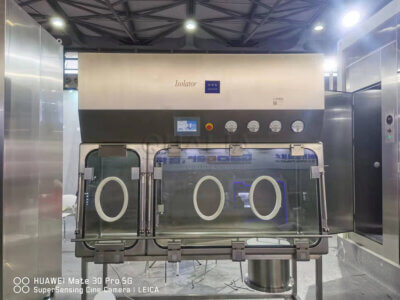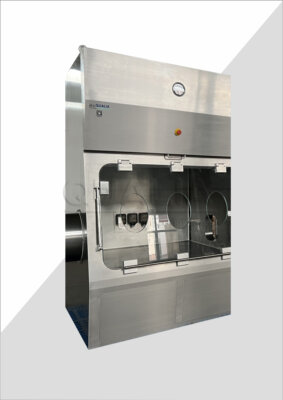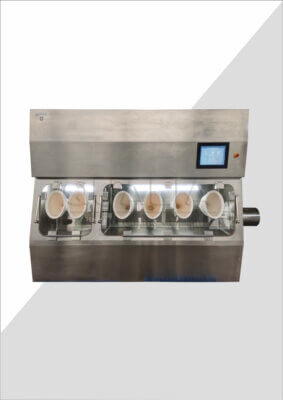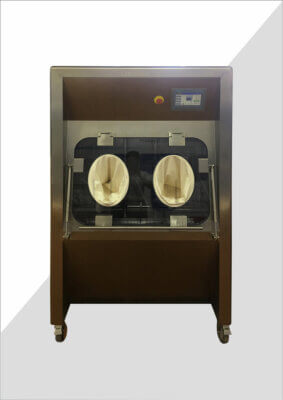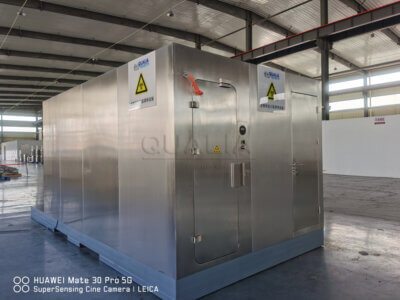

A Class III Biological Safety Cabinet’s primary function is absolute containment. The integrity of its sealed envelope is non-negotiable, yet verifying this integrity presents a persistent operational challenge. The pressure decay leak test, commonly called the bubble test, is the definitive method for this verification. Misconceptions persist, however, that this is a simple pass/fail check. In reality, it is a rigorous, standardized procedure with precise performance benchmarks that directly link to biosafety compliance and risk management.
Attention to this protocol is critical now due to heightened regulatory scrutiny and the increasing complexity of high-containment research. A failed leak test can halt operations, incur significant remediation costs, and expose facilities to compliance violations. Understanding the methodology, criteria, and integration of this test into a full validation protocol is essential for any facility manager, biosafety officer, or engineer responsible for maintaining maximum containment infrastructure.
What Is a Class III BSC Bubble Test and Why Is It Critical?
Defining the Test and Its Objective
The Class III BSC bubble test is a qualitative pressure decay leak test designed to verify the gas-tight integrity of the cabinet’s primary containment boundary. Unlike quantitative tests for HEPA filters, it assesses the physical structure: welded seams, glove port rings, gasket seals, and all service penetrations. The objective is to confirm there are no leaks that could compromise the negative pressure envelope and allow pathogen escape.
The Critical Role in Biosafety Compliance
This test is a cornerstone of biosafety compliance because it validates the cabinet’s fundamental safety function. Mandated after installation, relocation, and major maintenance—and at least annually—it creates an auditable lifecycle record. Industry experts emphasize that for Class III cabinets, verifying containment integrity takes precedence over airflow metrics, making this test the paramount safety verification. A formal, scheduled testing program is not optional; it is a core biosafety obligation integrated into facility risk management plans.
Consequences of Neglecting Integrity Testing
Overlooking or inadequately performing leak testing introduces unacceptable risk. Even a minor, undetected leak can defeat the purpose of a Class III cabinet, potentially exposing personnel to high-risk aerosols. The operational consequence of a failure is severe: immediate shutdown of the cabinet, costly decontamination, repair, and recertification. From experience, the downtime and expense associated with a failure far exceed the cost of proactive, routine testing by certified professionals.
Core Principles of the Pressure Decay Leak Test
The Fundamental Challenge Principle
The test’s core principle is to challenge the cabinet’s integrity by creating a significant pressure differential. The interior is pressurized to 500 Pascals above ambient, forcing air to seek any escape path through imperfections. This pressure is substantial—roughly equivalent to the force exerted by a 2-inch column of water—ensuring even minute flaws are detected. Monitoring the decay of this pressure over time provides a quantitative measure of leak tightness.
Evaluating the Complete Containment Boundary
A proper test evaluates the entire sealed envelope as a single system. This includes fixed structural welds, removable components like glove rings and pass-through door gaskets, and dynamic seals around the HEPA filter housings and viewing windows. The methodology’s specificity underscores a critical insight: testing procedures vary fundamentally by cabinet class. Technicians require specific expertise for Class III protocols; a one-size-fits-all approach for a mixed fleet of cabinets is inadequate and risky.
Distinction from Other Performance Tests
It is vital to distinguish this containment integrity test from other validation pillars. It does not measure airflow velocity, HEPA filter efficiency, or air change rates. Those are separate, equally mandatory tests. The bubble test answers one question: is the box itself leak-tight? This clear distinction ensures that a comprehensive validation protocol addresses all independent performance criteria required by standards like NSF/ANSI 49-2022.
Standard Pass/Fail Criteria: The 500 Pa to 450 Pa Benchmark
The Universal Performance Threshold
Regulatory standards establish a stringent, performance-based pass/fail criterion to ensure consistency and safety. The cabinet is pressurized to an initial test pressure of 500 Pa, sealed, and monitored. The definitive benchmark requires the cabinet to maintain a pressure of at least 450 Pa after a standard 30-minute duration. This allows a maximum decay of only 50 Pa, or 10% of the initial pressure.
Implications of the Decay Limit
A decay exceeding 50 Pa constitutes a failure, mandating immediate action to identify and repair the leak source. This precise threshold creates a universal, measurable standard, similar to the 0.03% penetration limit for HEPA filters. It transforms containment verification from a subjective assessment into a quantitative, auditable metric. Procurement and service contracts must explicitly require providers to execute tests against this specific criterion, not just a general “leak check.”
The following table outlines the definitive parameters for the pressure decay test:
Quantitative Test Parameters
| Test Parameter | Benchmark Value | Pass/Fail Threshold |
|---|---|---|
| Initial Test Pressure | 500 Pascals (Pa) | Mandatory starting point |
| Minimum Hold Pressure | 450 Pa | After 30 minutes |
| Maximum Pressure Decay | 50 Pa | 10% of initial pressure |
| Test Duration | 30 minutes | Standard monitoring period |
| Failure Consequence | >50 Pa loss | Mandatory repair & retest |
Source: ISO 10648-2:1994. This international standard defines the classification of containment enclosures based on leak tightness and specifies the associated test methods, including pressure decay principles. The 500 Pa test pressure and allowable decay rate are foundational to verifying the integrity of sealed systems like Class III BSCs.
Step-by-Step Procedure for Performing a Bubble Test
Pre-Test Preparation and Safety
The procedure begins with non-negotiable safety preparations. The cabinet must undergo full decontamination, typically via a validated gaseous method like vaporized hydrogen peroxide, before any internal access for testing. All cabinet ports, pass-throughs, and openings are then securely sealed with appropriate gaskets or plugs. This preparatory phase is the critical bottleneck that dictates the service schedule and carries significant safety considerations for personnel.
The Pressurization and Monitoring Sequence
A calibrated pressure gauge and controlled air supply are connected to a designated service port. The interior is gently pressurized to the 500 Pa test point, then the supply is isolated. Pressure is recorded at time zero and monitored continuously for the 30-minute duration. If pressure remains at or above 450 Pa, the cabinet passes the quantitative pressure decay portion of the test.
Leak Identification and Visual Inspection
If pressure falls below 450 Pa, the qualitative “bubble” method is employed. A soap solution is meticulously applied to all seams, gaskets, and penetrations while the cabinet remains under positive pressure. Escaping air forms visible bubbles at the leak source. This systematic visual inspection covers common failure points, guiding targeted repairs before a full retest is conducted.
The sequence of key actions is standardized, as shown below:
Procedural Workflow
| Step | Key Action | Critical Parameter / Tool |
|---|---|---|
| 1. Preparation | Full cabinet decontamination | Gaseous method (e.g., VHP) |
| 2. Sealing | Close all ports & openings | Gaskets, plugs |
| 3. Pressurization | Connect air supply & gauge | Calibrated pressure gauge |
| 4. Isolation | Reach 500 Pa, then seal | Service port |
| 5. Monitoring | Record pressure for 30 min | Timer, data logger |
| 6. Identification (if fail) | Apply soap solution | Visual bubble inspection |
Source: Technical documentation and industry specifications.
Integrating the Bubble Test with Full BSC Validation
The Four Pillars of Class III Validation
The bubble test is one essential component of a comprehensive validation suite. It must be integrated with three other mandated performance tests to provide a complete safety profile. First, airflow and negative pressure verification ensures the cabinet maintains an inward airflow of at least -125 Pa. Second, air change rate measurement confirms a minimum flushing rate of 20 changes per hour. Third, quantitative HEPA filter integrity testing challenges filters with a 0.3µm aerosol, with a maximum allowable penetration of 0.03%.
Systemic Safety and Modern Capabilities
Modern cabinets enhance this integrated approach with embedded systemic safety features. Integrated alarms for pressure loss and airflow failure create a real-time monitoring feedback loop that complements periodic certification. Furthermore, advanced BSCs with data logging and remote monitoring capabilities can streamline the validation process, turning the cabinet into a connected asset for digital oversight and predictive maintenance scheduling.
The Validation Framework
A holistic view of the required tests and their performance thresholds is necessary for planning and compliance.
Comprehensive Test Matrix
| Validation Test | Performance Criteria | Quantitative Threshold |
|---|---|---|
| Pressure Decay (Bubble) Test | Containment integrity | Max 50 Pa decay in 30 min |
| Negative Pressure Verification | Cabinet inward airflow | ≥ -125 Pa (-0.5″ WG) |
| Air Change Rate | Containment flushing | Minimum 20 changes/hour |
| HEPA Filter Integrity Test | Aerosol penetration | Max 0.03% at 0.3µm |
Source: NSF/ANSI 49-2022. This primary standard for biosafety cabinetry establishes critical performance criteria and testing protocols, including for containment and HEPA filter integrity. The 0.03% penetration limit for HEPA filters is a key quantitative benchmark alongside pressure decay criteria.
Common Leak Sources and Troubleshooting Failed Tests
Typical Failure Points in the Containment Envelope
A failed pressure decay test requires systematic troubleshooting focused on known vulnerabilities. Common leak sources include perished or cracked glove gauntlets, the most frequently replaced consumable. Door gaskets on pass-through chambers degrade and compress over time. Seals around viewing windows and HEPA filter housings can crack or become unseated. Imperfections in welded seams or loose fittings at utility penetrations (for electrical, plumbing, or ducting) are also frequent culprits.
The Diagnostic and Repair Process
The soap bubble solution is applied to these suspect areas during pressurization; the formation of bubbles provides a visual pinpoint of the leak source. Corrective actions are component-specific: replacing consumable gloves and gaskets, resealing fixed components with manufacturer-approved compounds, or, for weld defects, engaging professional weld repair services. Every repair must be followed by a complete retest to verify integrity is restored.
Operational and Financial Implications
The costs associated with these repairs, coupled with the mandatory recertification, represent significant recurring operational expenses. A failed test underscores the necessity of a total cost of ownership model that proactively budgets for these inevitable maintenance events over the cabinet’s operational lifespan, rather than treating them as unexpected failures.
The table below catalogs common issues and their resolutions:
Leak Source and Correction Guide
| Common Leak Source | Typical Component | Corrective Action |
|---|---|---|
| Perished Gauntlets | Glove ports | Replace consumable gloves |
| Degraded Seals | Door gaskets (pass-through) | Replace or reseal gasket |
| Cracked Seals | HEPA filter housing | Reseal with approved compound |
| Imperfect Seams | Cabinet welds | Professional weld repair |
| Loose Fittings | Utility penetrations | Tighten or apply sealant |
Source: Technical documentation and industry specifications.
Safety and Decontamination Protocols for Testing
The Pre-Test Bottleneck
Decontamination is the critical, non-negotiable prerequisite for any test requiring interior access, including connecting pressure lines for the bubble test. This is typically achieved via gaseous methods like vaporized hydrogen peroxide (VHP), which is complex, time-consuming, and carries inherent safety risks for personnel handling the equipment and chemicals. This process dictates the entire service schedule and logistical planning for certification events.
Validating the Decontamination Cycle
Regulatory scrutiny is expanding beyond just the performance test results to include validation of the decontamination process itself. Facilities must now document cycle parameters (concentration, temperature, humidity, exposure time) and demonstrate efficacy with biological indicators. This requires the same rigor in record-keeping as the certification results, potentially necessitating new monitoring equipment and specialized operator training to meet evolving compliance demands.
Integrating Safety into the Test Plan
A comprehensive test plan must therefore begin with a validated decontamination protocol. Personnel must be trained in both the decontamination system operation and the specific safety procedures for the leak test equipment setup. This integrated safety approach ensures that the act of verifying containment does not itself become a source of exposure risk.
Maintaining Compliance: Documentation and Testing Frequency
The Regulatory Cadence and Triggers
Compliance is maintained through a disciplined cycle of scheduled and event-driven testing. Regulatory mandates, such as those in the California Code, require annual certification as a minimum, with records retained for at least five years. This annual cadence forms the baseline, but additional tests are triggered by specific events: after any cabinet relocation, following internal maintenance that could affect integrity, or after any incident that might have compromised the containment barrier.
The Auditable Lifecycle Record
Meticulous documentation creates an auditable paper trail for the cabinet’s entire service life. Each certification report, decontamination record, and repair log must be systematically filed and easily retrievable. This documentation is not merely administrative; it is direct evidence of due diligence and a functional safety management system during inspections or audits.
Strategic Planning for Long-Term Compliance
Maintaining compliance requires strategic integration of the cabinet’s operational calendar with certified service provider availability, decontamination resource scheduling, and meticulous record-keeping. Forward-looking planning should also consider how emerging technologies, such as flexible film isolators, might influence future standards and testing requirements for containment devices.
The framework for scheduling and documentation is outlined below:
Compliance Schedule Framework
| Compliance Requirement | Minimum Frequency | Record Retention Period |
|---|---|---|
| Routine Certification | Annually | At least 5 years |
| Post-Relocation Test | After every move | Permanent asset record |
| Post-Maintenance Test | Following internal work | Linked to service report |
| Incident-Based Test | After potential compromise | Part of incident report |
Note: Annual testing is a regulatory minimum; more frequent testing may be required by risk assessment.
Source: Technical documentation and industry specifications.
The integrity of a Class III BSC hinges on a rigorous, standardized leak testing protocol with clear pass/fail benchmarks. Prioritize the integrated validation approach, ensuring the bubble test is performed in conjunction with airflow, air change, and HEPA filter tests. Proactively budget for the total cost of ownership, accounting for consumable replacements and the inevitable recertification costs following repairs or cabinet relocation.
Need professional validation services or a containment integrity solution for your high-containment workflow? The experts at QUALIA specialize in the certification and support of advanced biosafety equipment, including sophisticated OEB4 and OEB5 containment isolators designed for potent compound handling. Contact our team to discuss your specific containment validation requirements or to schedule a consultation.
Frequently Asked Questions
Q: What is the definitive pass/fail criterion for a Class III BSC bubble test?
A: The cabinet must maintain a pressure of at least 450 Pascals after 30 minutes, starting from a test pressure of 500 Pa. This allows a maximum pressure decay of 50 Pa, or 10%. A greater drop constitutes a failure, requiring immediate leak identification and repair. This benchmark, detailed in standards like ISO 10648-2:1994, provides a universal, auditable performance threshold. This means your service contracts must explicitly require testing against this specific numeric criterion, not just a general integrity check.
Q: How does the bubble test integrate with a full Class III BSC validation protocol?
A: The bubble test is one critical component of a multi-part validation. It must be performed alongside airflow and negative pressure verification, air change rate measurement, and quantitative HEPA filter integrity testing. Modern cabinets with integrated alarms and data logging create a real-time feedback loop that complements these periodic tests. For projects planning high-containment operations, you should budget for and schedule this full suite of tests annually, as each pillar verifies a distinct aspect of the safety system.
Q: What are the most common sources of leaks identified during a failed bubble test?
A: Typical failure points include perished glove gauntlets, cracked or compressed door gaskets on pass-through chambers, and degraded seals around viewing windows or HEPA filter housings. The soap bubble solution is applied to these areas under pressure to visually pinpoint escaping air. Addressing leaks often requires replacing consumables or resealing fixed components. This underscores the need for a total cost of ownership model that budgets for these recurring repair and recertification expenses over the cabinet’s lifespan.
Q: Why is decontamination a critical bottleneck before performing a bubble test?
A: Before any internal testing, the cabinet must undergo full decontamination, typically via gaseous methods like vaporized hydrogen peroxide. This complex, time-consuming process dictates the entire service schedule and carries significant safety risks. Regulatory scrutiny is expanding to validate the decontamination cycle itself. This means your facility must document decontamination parameters and efficacy with the same rigor as certification results, potentially requiring new equipment and specialized training to meet compliance demands.
Q: What testing frequency is mandated for Class III BSC containment integrity?
A: Regulatory standards mandate at least annual testing, with records retained for a minimum of five years to create an auditable trail. Additional tests are required after cabinet relocation, internal maintenance, or any incident that could compromise integrity. This creates a non-negotiable operational cadence linked to a formal lifecycle management program. For facility planning, you must integrate this schedule with certified service providers and decontamination resources for the cabinet’s entire service life.
Q: How do testing procedures differ between Class III and Class II biosafety cabinets?
A: Procedures vary fundamentally by cabinet class due to their different containment principles. The Class III bubble test pressurizes the entire gas-tight enclosure to 500 Pa, while Class II tests focus on inward airflow and HEPA filter integrity for operator protection. Technicians require specific expertise for Class III protocols. This means labs with mixed fleets cannot assume a one-size-fits-all approach and must maintain accurate records of each cabinet’s classification to ensure the correct NSF/ANSI 49-2022 or EN 12469:2000 test protocol is applied.
Related Contents:
- Class III Biosafety Isolators: Ultimate Protection
- Class III Biosafety Cabinet vs Class II BSC: 12 Critical Differences for BSL-3 and BSL-4 Containment Selection
- Leak Testing OEB4/OEB5 Isolators: Proven Methods
- Class III Biosafety Cabinets for Maximum Protection
- Biosafety Cabinet Installation: What You Need to Know
- Biosafety Cabinet Sizes: Finding the Perfect Fit
- Class I Biosafety Cabinets: Features & Uses
- Class II Type B2 Biosafety Cabinets: Total Exhaust
- When to Upgrade from Class II to Class III Biosafety Cabinet: BSL-4 Risk Assessment Criteria