

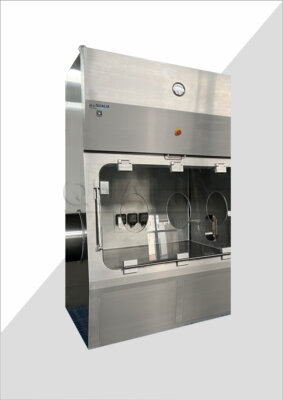
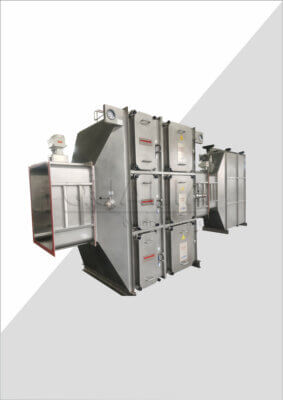
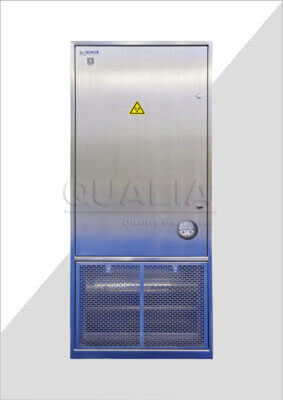

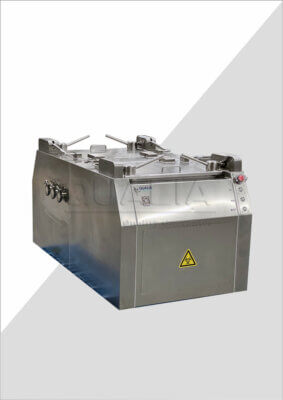
The quote revision that belongs on a purchase order is the one the buyer explicitly approved—identified by its revision letter or number, its date, and the issuing supplier entity. That sounds obvious until a project has accumulated four or five rounds of negotiation and each round has spawned its own attachments. The commercial pressure point is real: late-stage changes to scope, delivery terms, or included accessories often travel in a revised quote without a clear signal that something substantive has shifted, and the purchase order locks in whichever version the buyer names.
Identify the quote and attachments
The goal of this section is a precise, stable reference that both parties can reconstruct independently after the order is placed.
A quote number alone rarely identifies a specific offer. Suppliers frequently issue multiple revisions under the same root number—R0, R1, R2, or Rev A, Rev B—and each revision may carry a different date, a different list of included items, and sometimes a different issuing entity if the project has been reassigned internally. Recording only the quote number leaves the order basis open to dispute the moment a question arises at delivery or during qualification.
Related Products
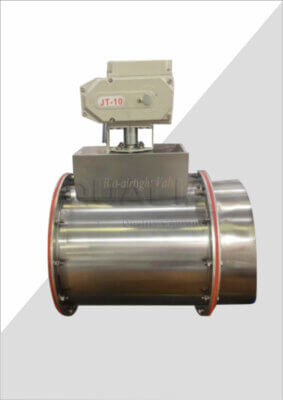
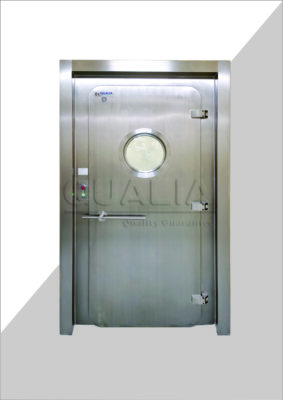
- Mechanical Seal APR Doors — If the order covers mechanical seal doors, reconcile the equipment family on the order line with the exact revised quotation.
- Pneumatic Seal APR Doors — For a pneumatic door bid, verify that the revised quote and purchase order both name the pneumatic version before sending the order.
- Vacu-Pass Cord and Cable Port — If cable ports are separately priced, check that the latest revision carries the port as its own line or unambiguously lists it in the assembly scope.
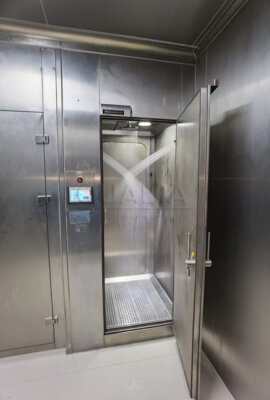
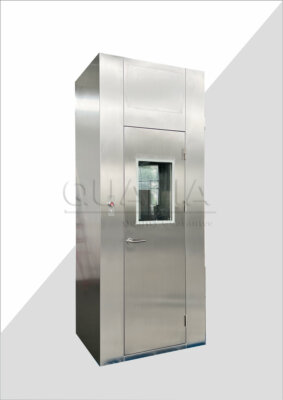
- Air Shower — For an air shower order, match the ordered unit or variant to the line the supplier actually priced in the selected revision.
- Closed Restricted Access Barrier System – cRABS — For a barrier retrofit, match the priced barrier assembly and its referenced scope attachments to the purchase order.
- Aseptic Isolator/ Sterility Test Isolators — For an isolator order, write the quoted isolator variant into the line description so a competing variant cannot be mistaken for the accepted offer.
- Bag in Bag out — If a filter housing appears in the quote, confirm that the accepted revision identifies the housing and explicitly resolves any separately priced accessories.
The minimum reference on the purchase order is the quote number, the specific revision identifier, the issue date, and the full legal name of the supplier entity. For capital equipment projects—isolators, barrier systems, filter housings, decontamination systems—the scope described in the quote is itself a deliverable, so the version that describes it must be pinned.
Attachments complicate this further. A revised quote frequently incorporates drawings, specifications, or service-scope documents that carry their own independent revision numbers. A folder link in the order record is not a stable reference; the contents of a shared folder can change after the order is issued. The correct approach is to list each incorporated file by name and version in the order body or a schedule attached to it, so that both parties reviewed the same set of documents on the same date.
The order reference should name every document, not just the folder that contains them.
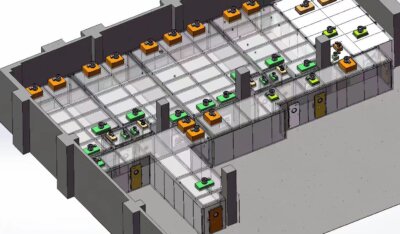
For projects involving modular laboratory systems, barrier equipment, or integrated decontamination trains, the attachment list commonly includes a technical specification, a drawing register, a scope-of-supply schedule, a list of exclusions, and any agreed qualification or documentation deliverables. Each of these may have been revised independently of the main quote.
Resolve conflicting commercial terms
Conflicting terms between a supplier’s quote and a buyer’s standard purchase terms are more common than most project teams expect, and the resolution—not the existence of the conflict—is what the order record must show.
| What disagrees | Compare | Record before issue |
|---|---|---|
| Previously priced accessory | Old price line and latest scope schedule | Include or exclude the accessory on the applicable order line |
| Delivery and service under one price | Quote bundle and order schedule | Identify each commitment and its schedule reference |
| Qualified supplier term | Supplier qualification and buyer term | Record the agreed wording and which document takes precedence |
The sequence matters. A supplier quote typically carries the supplier’s standard conditions of sale. A buyer’s purchase order typically carries the buyer’s standard terms. When these are issued in sequence without explicit reconciliation, the last document issued can appear to govern, but that “battle of the forms” outcome is often not what either party intended. The productive approach is to identify every clause where the two sets of terms diverge, agree on wording for each, and record that agreed wording in the final order or in a signed addendum.
Priced accessories are a specific source of risk. Consider a project where an earlier revision of the quote included a VHP generator interface kit as a priced line item, and a later revision restructured the scope and dropped that line without explanation. If the buyer reuses the price from the earlier revision without checking the current scope schedule, the order may allocate budget for something the supplier no longer considers included. Before the order is issued, every priced item in the order should be traceable to the current revision’s scope schedule, not to any prior version.
Bundled commitments require the same discipline. When a quote combines equipment supply with a purchased service—installation, commissioning, or qualification support—each commitment needs its own identifiable promise in the order. A single lump sum that covers both equipment and site services becomes difficult to manage when the two streams proceed on different schedules or are invoiced separately. Marking each deliverable and its associated terms in the order schedule, rather than leaving them implied by the quote narrative, gives the project team a clear basis for tracking and payment.
Where a supplier qualification or proposed clause conflicts with the buyer’s terms, the resolution must be explicit. Recording that a dispute existed and was discussed is not enough; the order record needs to show which wording prevailed and why. A negotiation summary in a project file is useful context, but the controlling text belongs in the order or its addendum, because that is the document both parties sign.
Record the agreed order basis
The order basis is the set of documents that together define what the buyer is purchasing, at what price, on what schedule, and subject to which terms.
Assembling that set before the order is issued—rather than trusting that the quote package is complete—catches the category of problems that only appear later: a delivery lead time referenced in the quote body but not carried into the order schedule, a qualification document commitment buried in a footnote, or a payment milestone tied to a site-readiness event that the buyer controls.
A practical order basis for a capital equipment purchase typically includes:
- The purchase order itself, with the precise quote reference (number, revision, date, supplier entity)
- A scope-of-supply schedule listing included equipment, options, and services, versioned to match the final quote
- A list of exclusions, so both parties agree on what is not included
- A drawing and document register, naming each technical document and its current revision
- A delivery and milestone schedule, with clear ownership of each trigger event
- A payment schedule referenced to milestones, not to calendar dates alone
- Any agreed qualifications, deviations from standard terms, or special conditions recorded as numbered clauses
The order basis does not need to repeat content that is already clear in one of its constituent documents. Its job is to identify each document, establish precedence among them if they conflict, and confirm that the version the buyer reviewed is the version on record.
Precedence clauses deserve attention here. When the order body, the scope schedule, and an attached technical specification all carry terms, they may contradict each other on a specific point. A precedence clause names which document controls in the event of a conflict—typically the order body, then the schedule, then the technical specification. Without it, a later dispute requires the parties to infer intent, which is an expensive exercise on a constrained project timeline.
Where documents conflict, the order states which one governs; where they agree, the schedule carries the detail.
Related Reading
- Budget Quote or Binding Bid? Evidence to Request at Each Stage — Distinguish the indicative price from the binding offer you intend to reference in the purchase order.
- Buy Mechanical Seal APR Doors | Quote Request & Pricing Comparison — For a mechanical seal door bid, identify the priced items you need to trace across successive quote revisions.
- High-Containment Equipment RFQ Checklist: Documents, Tests, Utilities and Supplier Responsibilities — Use the equipment bid checklist to identify document and responsibility attachments that should be reconciled with the signed order.
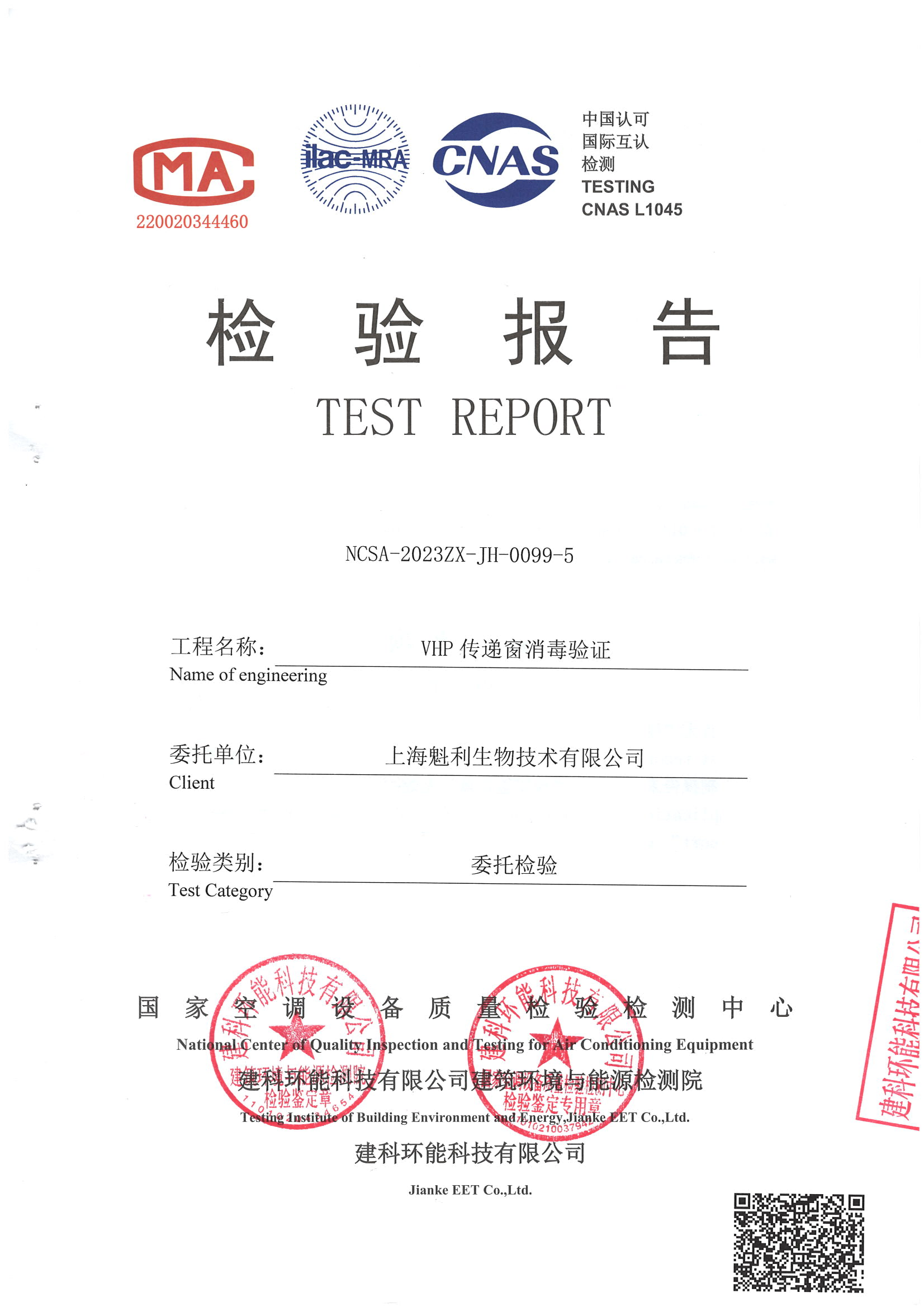
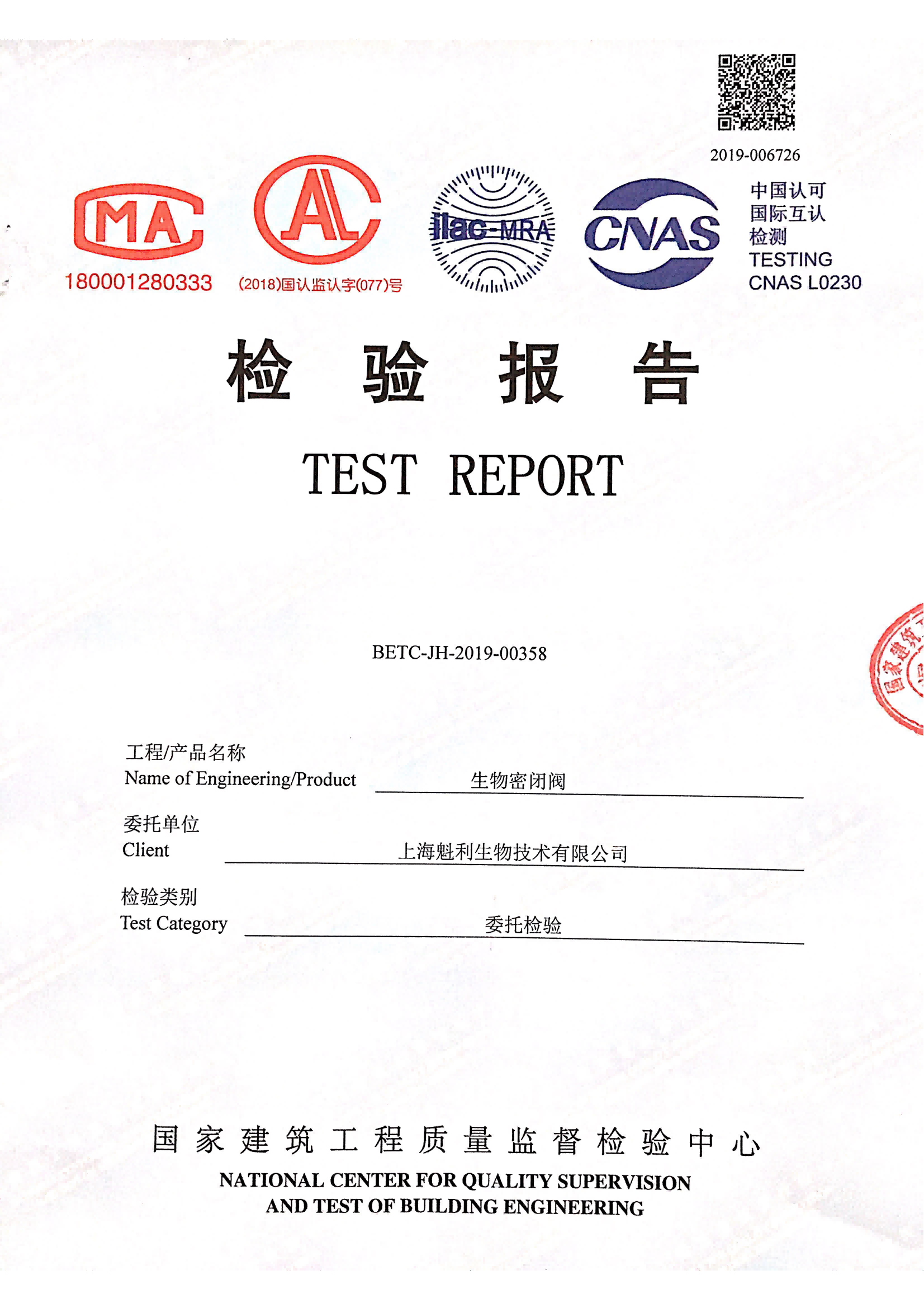
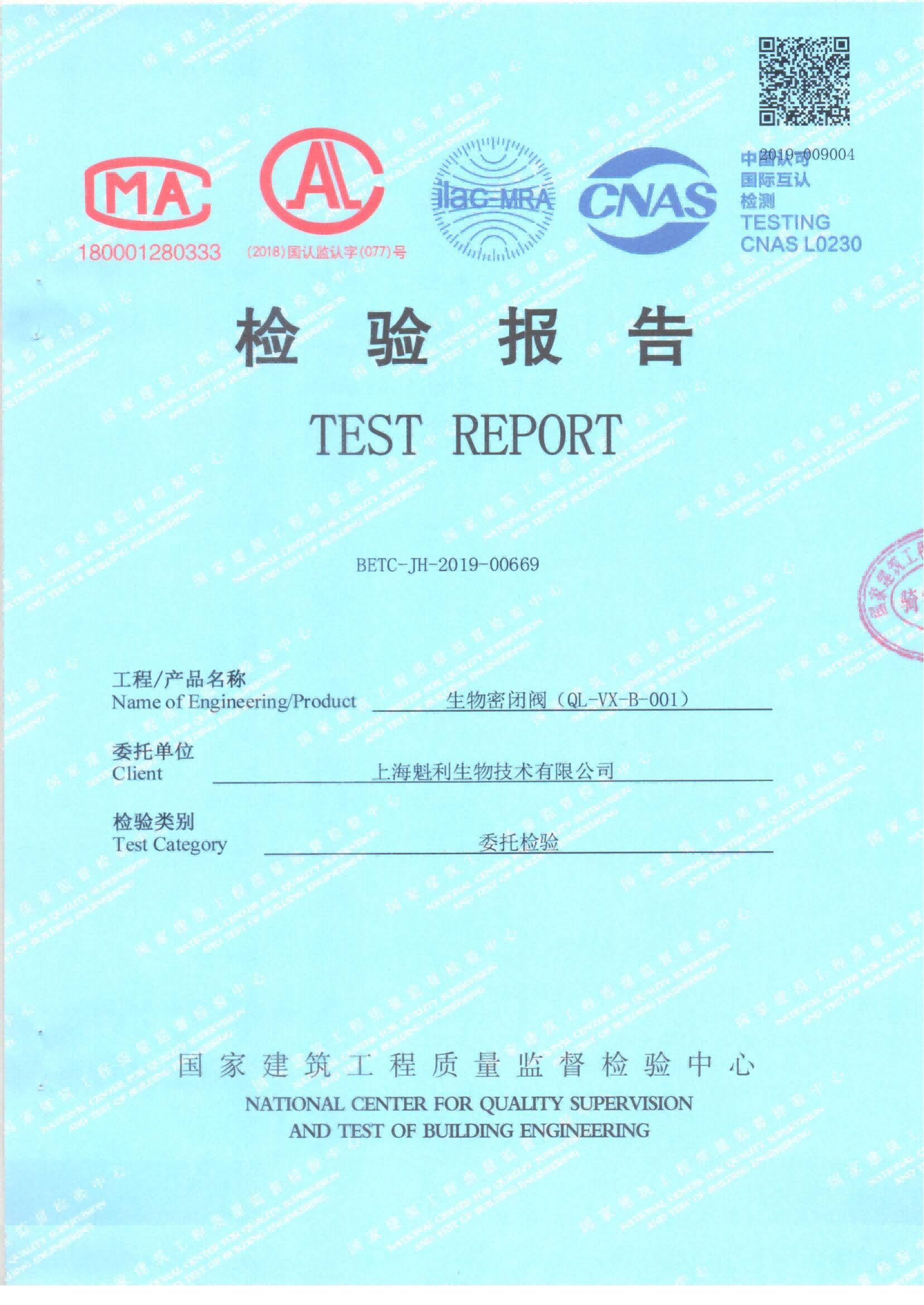
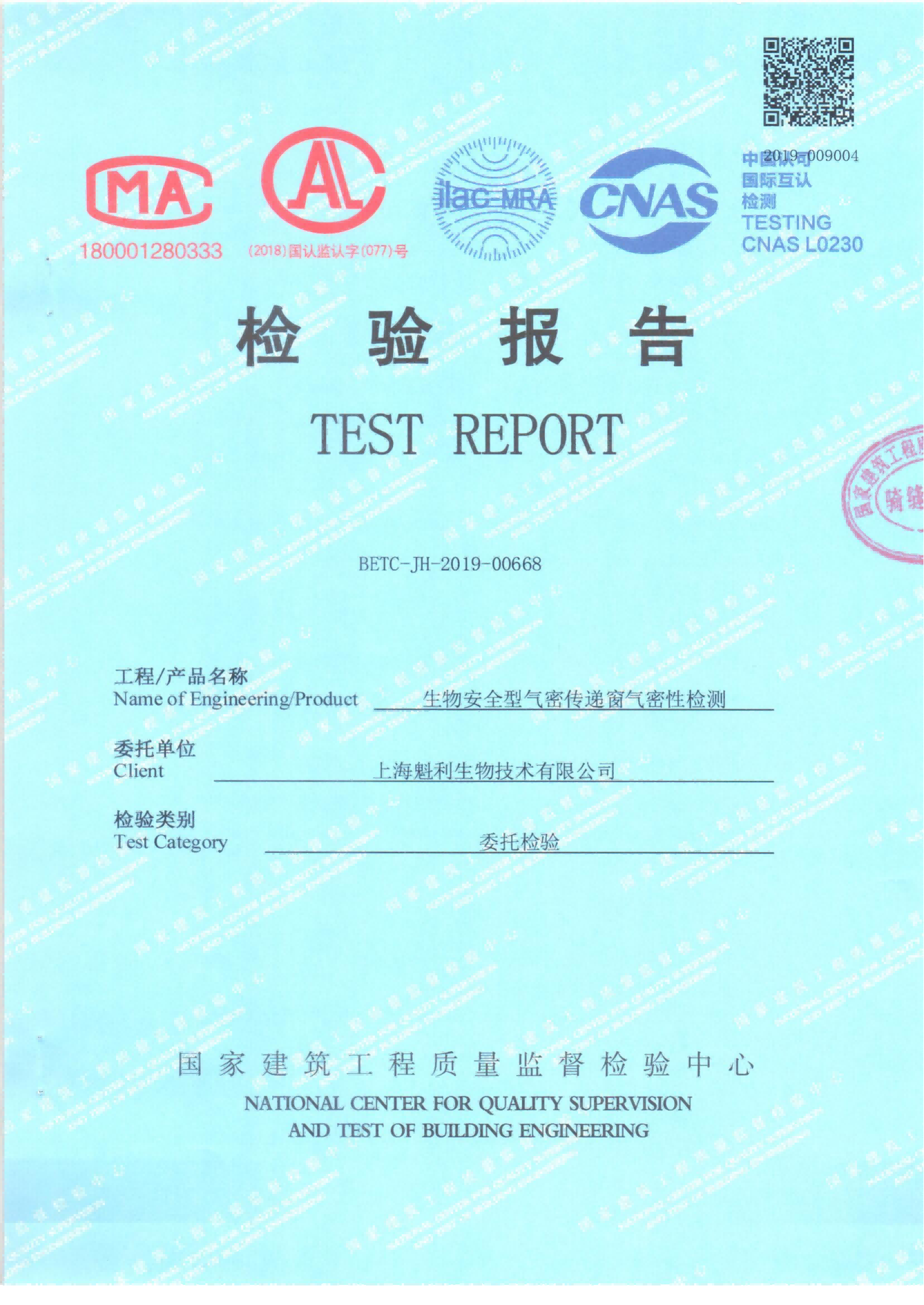
- How to Verify Certificates, Test Reports, and Reference Projects — Check supplier evidence referenced in the accepted bid before filing it with the purchase order.
- How to Compare Spares, Training, Warranty, and Service in Containment Bids — Reconcile any separately priced training, spares or service in the final offer with the corresponding order lines.
Check the supplier acknowledgment
The supplier acknowledgment is the last step before the order basis is considered agreed, and it is the step most often treated as a formality.
A supplier acknowledgment serves a specific function: it confirms that the supplier has received the purchase order, understood its terms, and accepts the stated scope, price, and schedule. What it must not do is introduce a different revision number, a different scope reference, or a qualification that contradicts what the buyer recorded. When an acknowledgment cites a revision that differs from the one on the purchase order—even by a single letter—the order basis is contested until that difference is resolved.
The practical response is straightforward. If the acknowledgment references the correct revision and raises no new qualifications, file it and proceed. If it cites a different revision or introduces a new condition, request a corrected acknowledgment before treating the order as confirmed. Routing the difference for agreement at this stage takes far less time than resolving a scope dispute at factory acceptance or during site qualification.
This check applies to the attachments as well. If the acknowledgment incorporates or references documents by version, verify that those versions match what the order records. A supplier system that auto-populates the acknowledgment from its own quote database may carry forward the revision the supplier used internally, which may not be the revision the buyer approved.
For projects where QUALIA is supplying equipment under a formal project scope—barrier systems, filter housings, decontamination equipment, or modular laboratory structures—the acknowledgment review is part of the order-closeout sequence that sets up the downstream qualification record. The document version confirmed at order stage is the version that will be referenced in design review, factory acceptance, and installation qualification. A mismatch found after FAT is a corrective action; a mismatch found before the order is confirmed is a two-day email exchange.
Before the order is issued, have the following ready: the final quote with its revision identifier and date, the complete attachment list with individual file versions, a reconciled list of any terms that required negotiation and their agreed resolution, and a clear scope schedule that traces each priced item to the current revision. When the acknowledgment arrives, check the revision reference first.
References
- ADB Plant Procurement Guide — Compare the ordered equipment and service scope against the quote schedules.
- World Bank Model Goods Procurement Document — Check whether the tender model separates related services from the equipment being purchased.
- US Federal Acquisition Regulation, Contract Order of Precedence — Compare a public contract clause for resolving conflicts between the schedule and attachments.
- US Federal Acquisition Regulation, Purchase Order Acceptance — See an example of documenting written supplier acceptance of the order before performance starts.
- West of England Combined Authority Purchase Order Terms — See how one public buyer defines the specification and referenced documents that form part of its purchase order.
- New Zealand Government Procurement, Negotiating With a Preferred Supplier — Use the guidance on checking supplier assumptions and recording agreed departures before signing.
Frequently Asked Questions
Q: Can I use a quote whose validity date has passed?
A: Ask for written renewal or replacement of the quoted offer before relying on it. Capture any changes to price, dates or inclusions in the order basis.
Q: How do I handle an addendum that changes only one line?
A: Identify the quote it amends and the line it replaces. Ask the supplier to confirm whether the rest of that offer remains applicable.
Q: What if the buyer and supplier use different identifiers for the same item?
A: Put both identifiers on the line or in a cross-reference and confirm which item description controls. That keeps the mapping intact when the order enters both systems.