In the meticulous world of clean rooms, maintaining a sterile environment is not just a preference, but a necessity. For industries where even the slightest contamination can be catastrophic, adhering to strict safety standards is paramount. At the forefront of this stringent regime are the guidelines set by the Occupational Safety and Health Administration (OSHA). In this article, we will delve into the OSHA requirements for clean rooms, highlighting the crucial role that innovative solutions, such as those offered by QUALIA, play in ensuring compliance.
The Importance of Clean Rooms
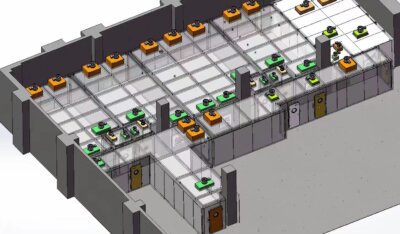
Clean rooms are controlled environments designed to minimize the presence of airborne particles, dust, and other contaminants. These spaces are vital in industries like pharmaceuticals, biotechnology, and electronics, where product integrity is paramount. However, maintaining such environments is a complex task that requires meticulous planning and adherence to strict regulations.
OSHA Minimum Requirements
OSHA's General Industry Standard, 29 CFR 1910, outlines the minimum requirements for clean room facilities. Here are some key mandates:
- OSHA Poster and Logs: Every clean room facility must display the "Job Safety and Health: It’s the Law" poster and maintain the OSHA 300 log to record work-related injuries and illnesses.
- Medical Services and First Aid: Employers must ensure that medical personnel are readily available or that employees are trained in first aid. Emergency facilities for flushing corrosive materials must also be provided.
- Exit Routes and Emergency Plans: Clear exit routes and comprehensive emergency action plans, including fire prevention plans, are essential.
Ventilation and Air Quality
Proper ventilation is a cornerstone of clean room safety. OSHA stipulates that an exhaust ventilation system must be in place to remove contaminated air. This system should include elements such as enclosures or hoods, ductwork, dust collecting equipment, exhausters, and discharge stacks.
Personal Protective Equipment (PPE)
PPE is critical in clean rooms to protect employees from hazards such as chemical exposure and mechanical irritants. Employers must provide and maintain PPE in a sanitary and reliable condition. This includes protective clothing, respiratory devices, and shields or barriers.
Toxic and Hazardous Substances
Clean rooms often involve the use of hazardous chemicals. OSHA requires that employee exposure to these substances be limited according to the permissible exposure limits (PELs) outlined in Tables Z-1, Z-2, and Z-3 of 29 CFR 1910.100 Subpart Z. Administrative or engineering controls must be implemented, and when these are not feasible, protective measures such as respirators must be used.
QUALIA's Innovative Solution
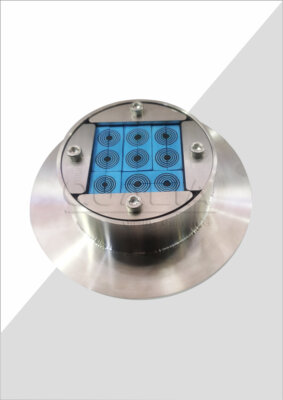
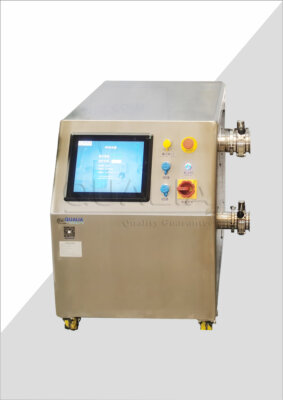
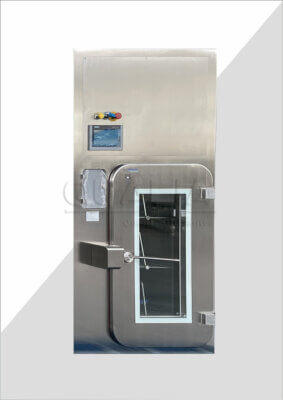
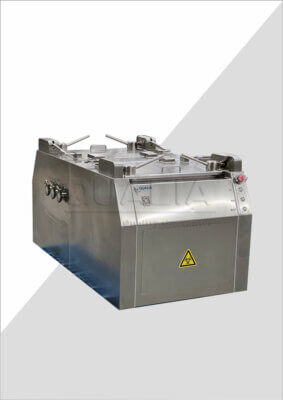
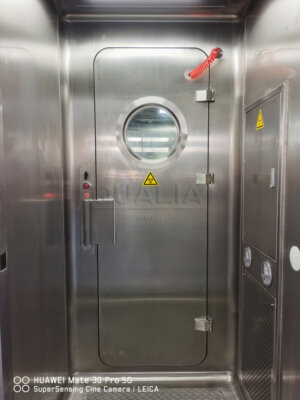
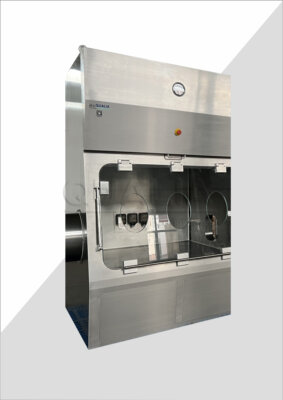
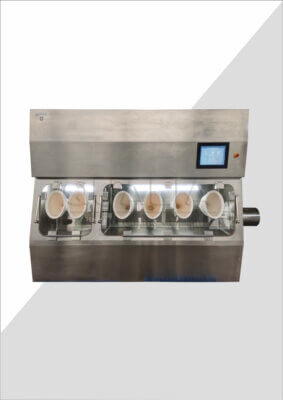
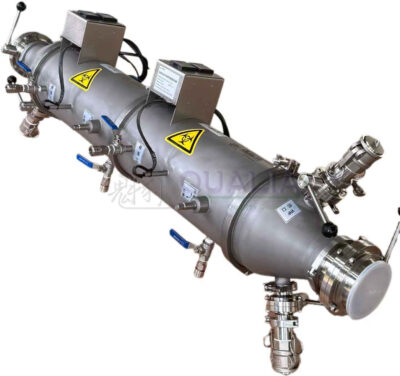
In the context of these stringent OSHA requirements, QUALIA's Stainless Steel Sealed Continuous Bag Transfer Cylinders stand out as a vital tool. These cylinders are designed for use in Occupational Exposure Band (OEB) room workshops, facilitating the transfer and collection of protective clothing and waste materials without compromising the cleanliness of the clean room.
- Corrosion Resistance and Durability: Constructed from stainless steel, these cylinders are resistant to corrosion, durable, and easy to clean.
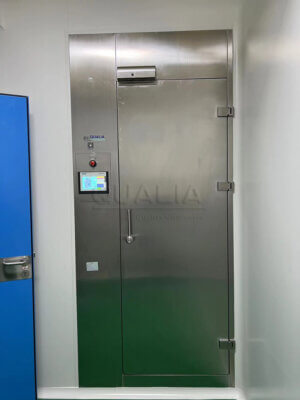
- Mechanical Press-Sealed Door: The mechanical press-sealed door port enhances safety during the transfer process, ensuring minimal risk of contamination.
- Continuous Bagging Design: This design allows for the transfer of items without external contact, significantly reducing the risk of cross-contamination.
- Customizable Options: QUALIA's cylinders offer high flexibility with customizable options to meet different clean room design requirements.
Conclusion
Maintaining a clean room environment that meets OSHA standards is a multifaceted challenge. By understanding and adhering to these regulations, and by leveraging innovative solutions like QUALIA's Stainless Steel Sealed Continuous Bag Transfer Cylinders, facilities can ensure both the safety of their employees and the integrity of their products. In the world of clean rooms, compliance is not just a requirement; it is a commitment to excellence and safety.