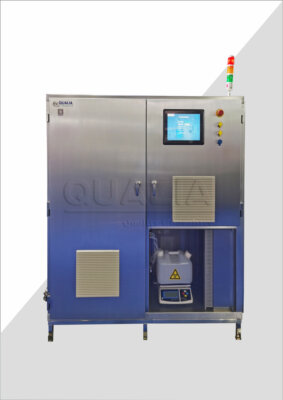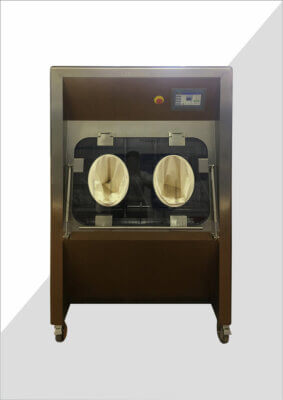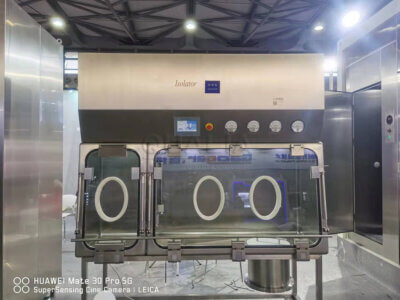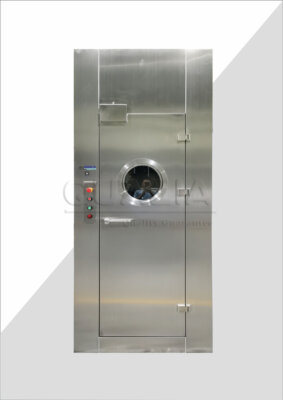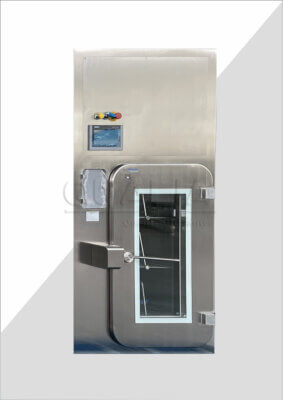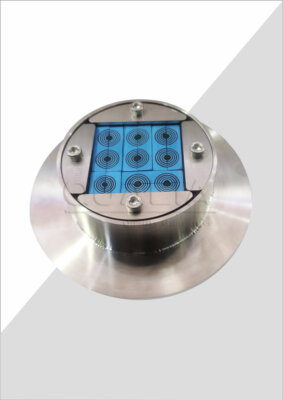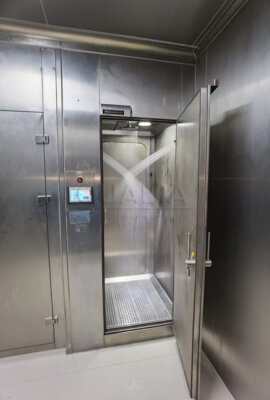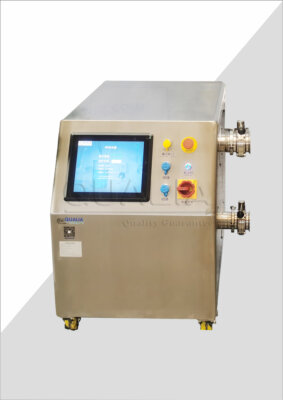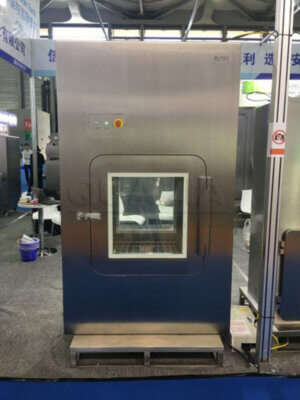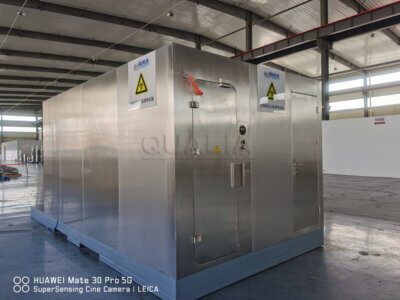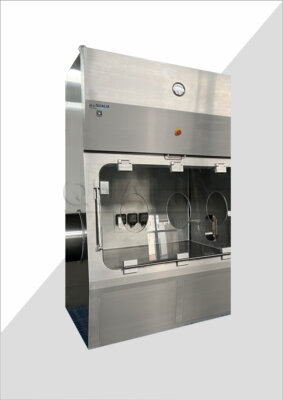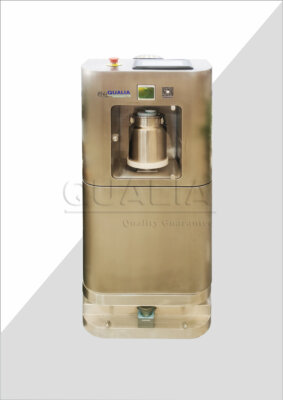

What is the Double in Situ Filtration System?

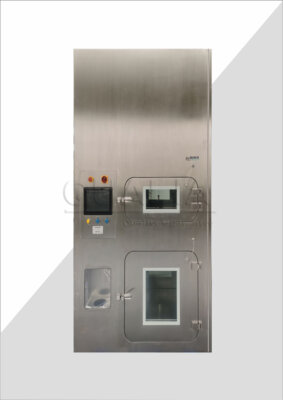
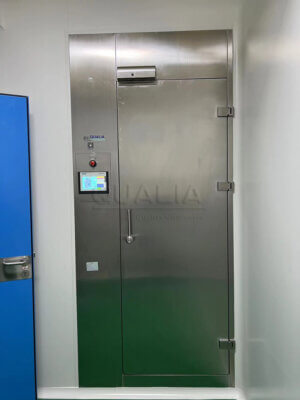
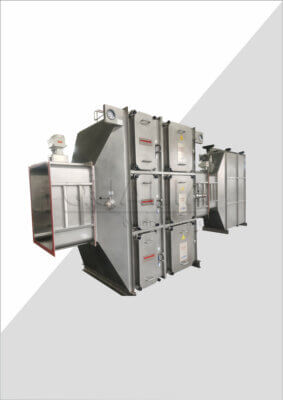
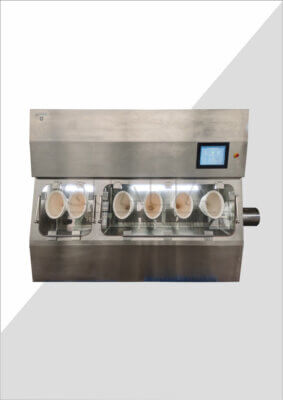
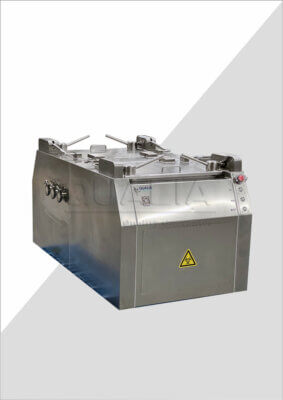
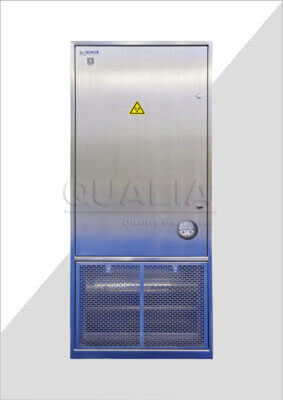
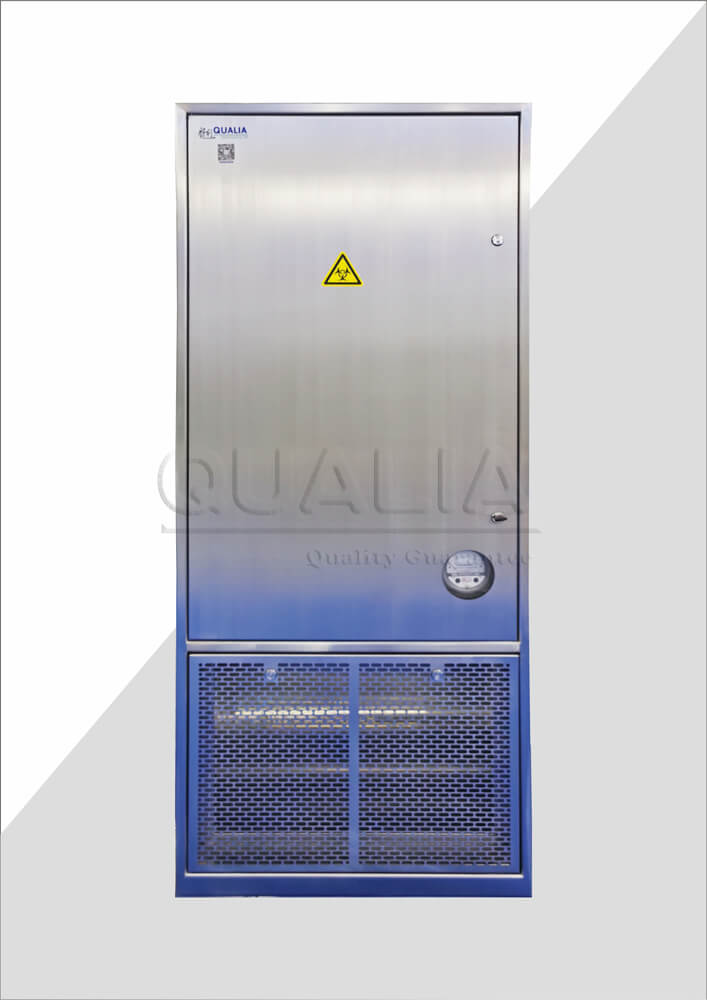
The Double in Situ Filtration System is a high-efficiency filtration device at the exhaust section of a cleanroom, primarily used for the filtration of return/exhaust air in negative pressure cleanrooms. They come equipped with high-efficiency filters and disinfection and sterilization units capable of effectively isolating toxic and harmful gases as well as dust, preventing polluted indoor air from entering the return/exhaust systems and contaminating the environment.
The working principle: Polluting gases generated by production activities within a negative pressure cleanroom pass through the intake grille of the high-efficiency exhaust outlet into the body of the device. After being purified by the high-efficiency filter, the air is directed through an outlet connected to the exhaust duct, entering the return air system or being directly discharged outdoors.
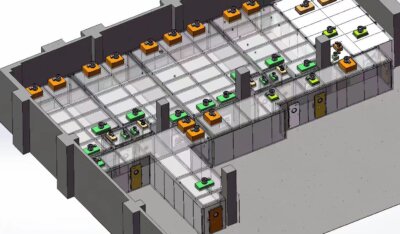
The main application areas include pharmaceutical, food, biological laboratories, hospitals, and other industries that utilize negative pressure cleanrooms for air filtration in the return air section.
Product Features

- Structural Design:
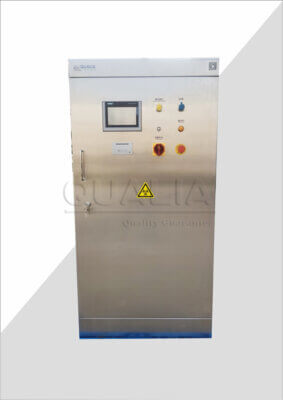
- Comprises a static pressure body, high-efficiency filter, exhaust panel, and control box.
- The chassis is made from high-quality stainless steel featuring seamless full welding, ensuring good airtightness and resistance to acids, alkalis, and corrosion.
- Central Interface Box:
- To ensure airtightness and ease of operation, all interfaces are centrally installed in one place, known as the central interface box.
- Includes internal elements such as a scanning handle, dusting/testing port, and disinfection port.
- In Situ Disinfection:
- Equipped with a disinfection cover, which, when used in conjunction with the disinfection port inside the central interface box, allows for in situ disinfection of the interior of the high-efficiency exhaust port, ensuring convenience and safety.
- Filter In Situ Scan Leak Detection:
- Features a scanning section; by turning the handle inside the interface box, the filter inside the high-efficiency exhaust port can be scanned for leaks in situ without the need for movement, allowing for on-site testing that is straightforward and highly accurate.
- Equipped with Differential Pressure Gauge:
- Monitors the pressure differential before and after the filter, indicating when the filter requires replacement.
- Airtightness:
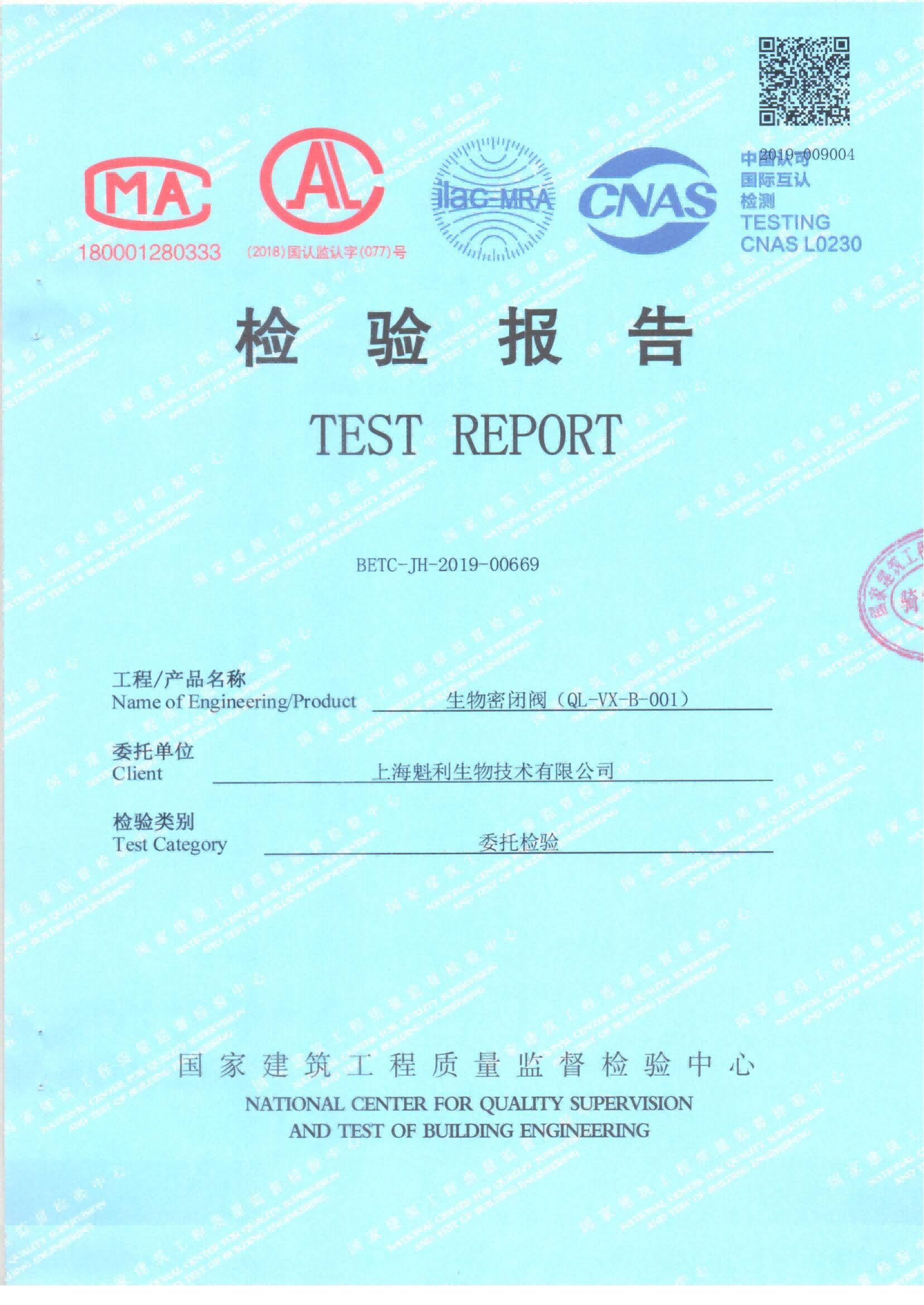
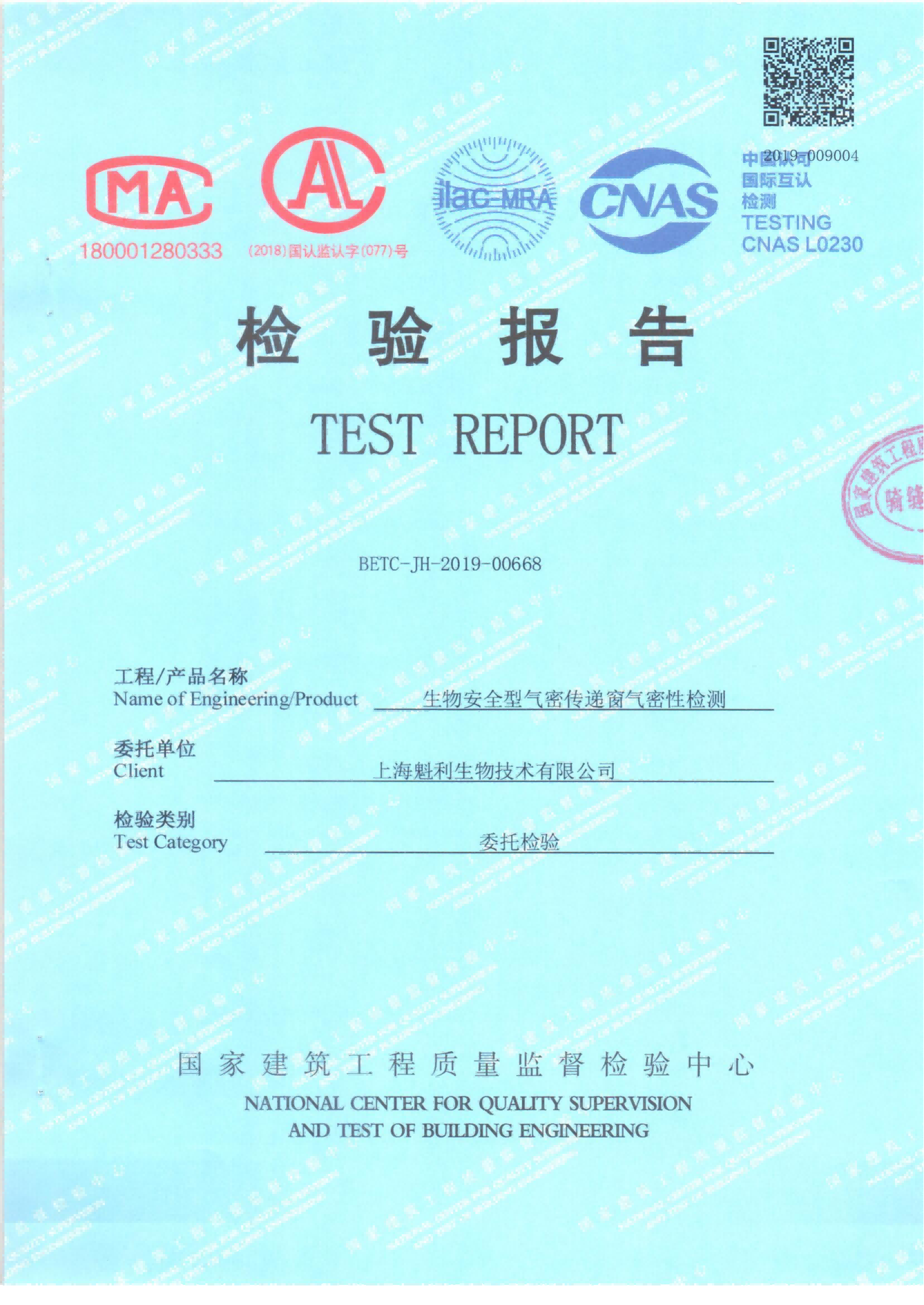
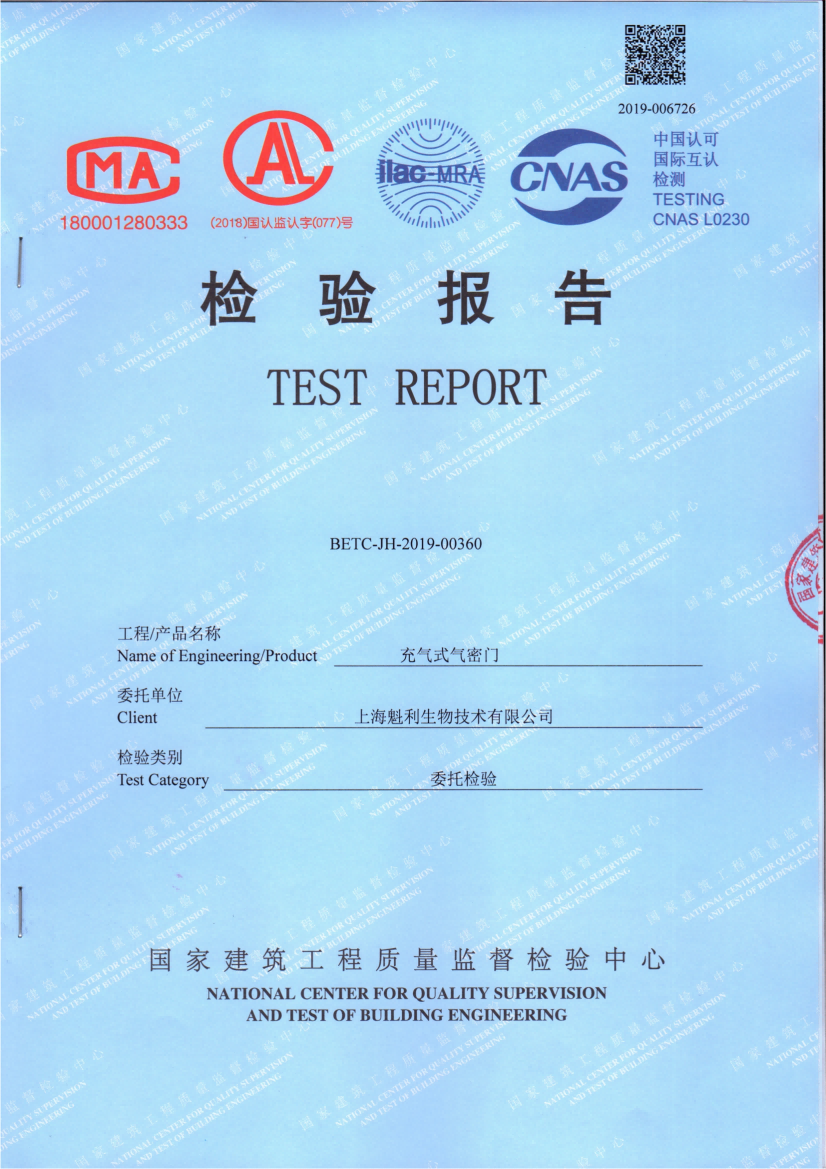
- Centralizing interfaces within the box and through triple-party testing, the high-efficiency exhaust port meets the requirements for technical specifications and exhaust device standards at pressures no less than -1000Pa (with a leak rate of less than 0.1% of the net volume of the device per minute).
- Installation Methods:
- Offers ceiling and sidewall installation options: typically, in hospital negative pressure wards, the high-efficiency exhaust port is side-mounted beneath the bedside on the far side from air inlets, with the lower edge above the ground by 0.1m.
- In other negative pressure cleanrooms, the exhaust port can be mounted on the sidewall or ceiling, depending on the exhaust location.
- Optional Accessories:
- Can be equipped with a bio-seal valve to temporarily block airflow in the duct, meeting the need for filter replacement without stopping the machine.
- Optional exhaust panel styles: perforated plate, louvered plate, waist-round perforated plate, etc.
- Filter efficiency levels can be chosen based on cleanliness requirements.
- Can be fitted with ultraviolet germicidal lamps to meet special requirements.
Technical Specifications

- Chassis Airtightness: At +1000Pa pressure, the unit leakage rate is ≤0.1% per minute.
- Chassis Pressure Resistance: Tested at pressures of ≥±2500Pa and maintained for 10 minutes with no significant deformation observed.
- Filter Leak Detection Method: Allows for manual scanning leak detection on-site.
- High-Efficiency Filter Efficiency: Achieves ≥99.99% efficiency at (0.3~0.5) μM particle size.
- Rated Air Volume: Ranges from 250m³/h to 2500m³/h, varying according to the model.
- Filter Resistance: The initial resistance of the high-efficiency filtering stage at the rated air volume is ≤250Pa.
- Resistance Monitoring Method: Mechanical differential pressure gauge.