
What is the Closed Restricted Access Barrier System ?
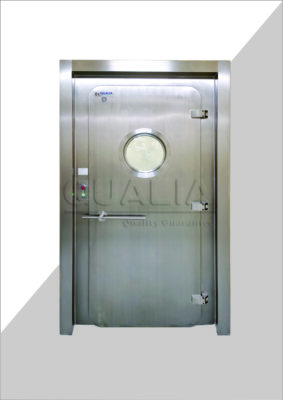
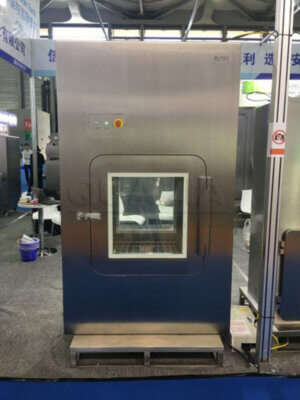
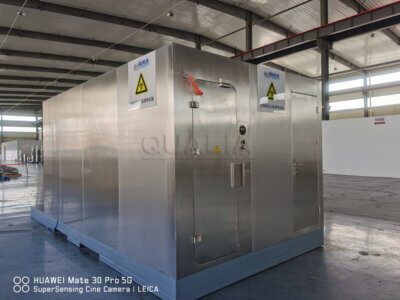
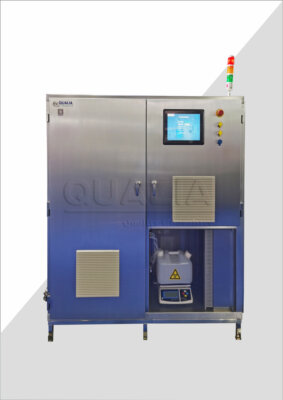
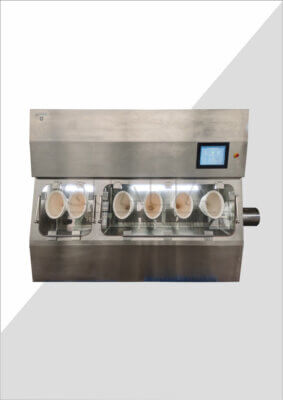
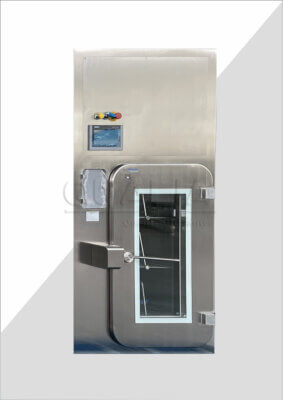
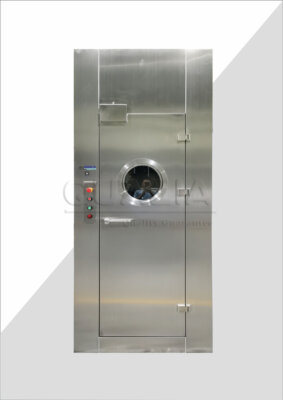
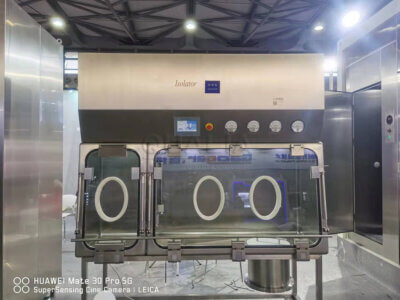
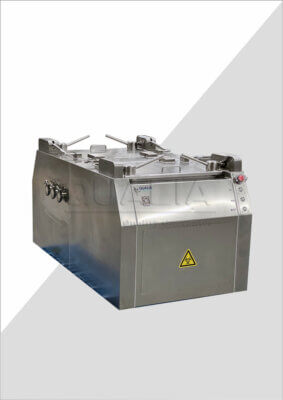
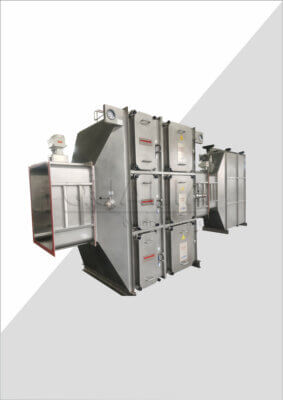
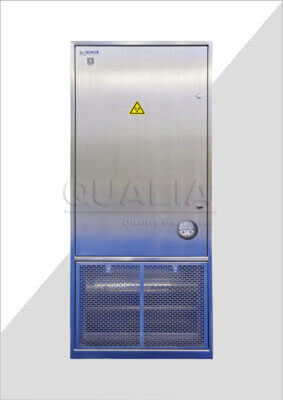
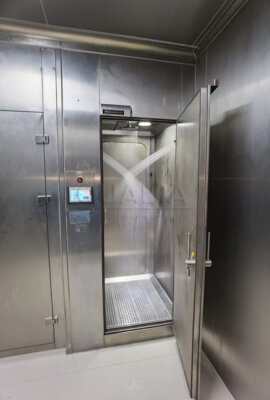
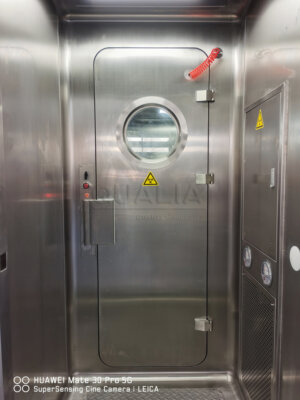
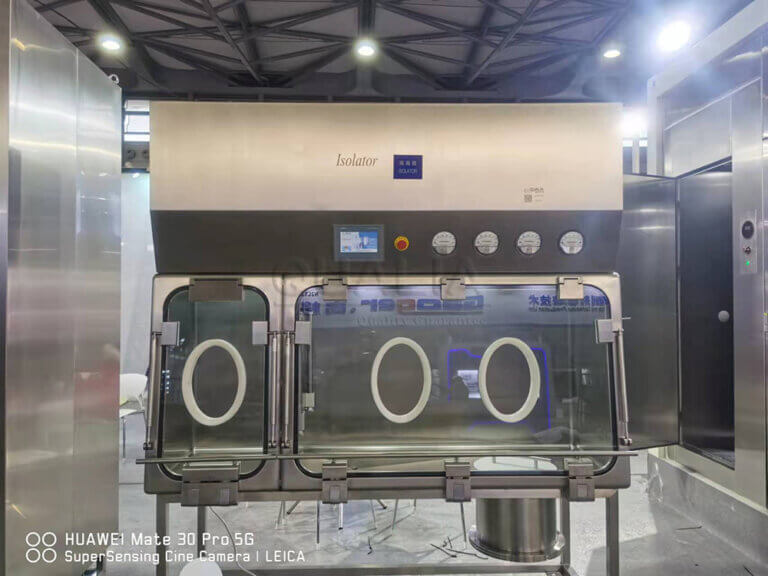
The Closed Restricted Access Barrier System (cRABS) designed by Shanghai QUALIA is a state-of-the-art aseptic processing solution that creates a highly controlled, enclosed environment to protect sterile or minimally toxic product production. The system maintains a positive pressure regime, employing advanced air filtration systems that deliver air cleanliness at high levels, in accordance with air quality standards. The integrity of the sterile environment is preserved by keeping the system’s doors sealed during operation.
Features of Shanghai QUALIA's Closed Restricted Access Barrier System (cRABS)
- Air Filtration: HEPA filters installed in QUALIA’s cRABS ensure maintenance of ISO Class 5 air purity. The airflow is expertly engineered to prevent contamination and sustain a pristine environment within the system.
- Physical Barrier: A solid barrier prevents direct operator-product contact, safeguarding product sterility.
- Controlled Environment: All critical environmental parameters, such as temperature, humidity, and pressure, are meticulously managed to suit sensitive pharmaceutical handling.
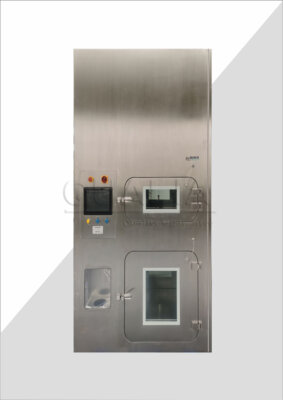
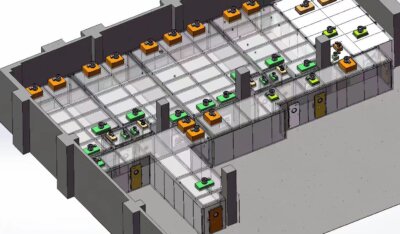
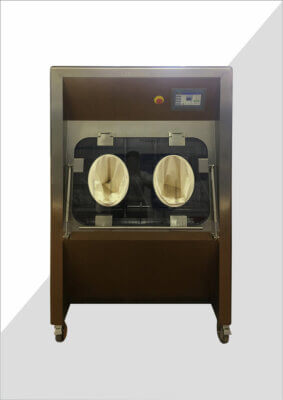
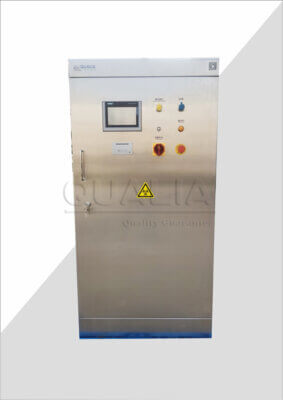
- Design Versatility: The systems are inherently versatile, designed to be adapted to varied production needs and facility configurations. They can include features like integrated glove ports, state-of-the-art LED illumination, and comprehensive control systems for precise monitoring and automation.
Different Types of Closed Restricted Access Barrier System (cRABS)
Shanghai QUALIA’s cRABS is available in multiple configurations to cater to diverse operation requirements, including:
- Passive cRABS: These utilize the facility’s existing HVAC airflow, leveraging centrally supplied HEPA-filtered air for maintaining a clean atmosphere.
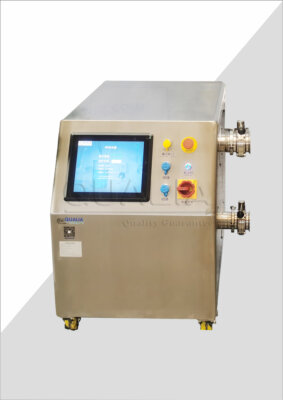
- Active cRABS: Featuring an autonomous air handling unit, this variant enables complete environmental control and may include advanced options for automated decontamination and specialized material transfer systems.