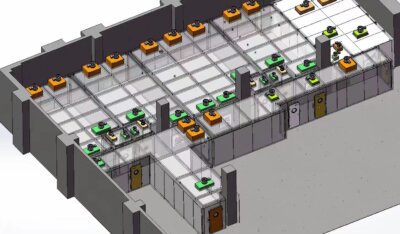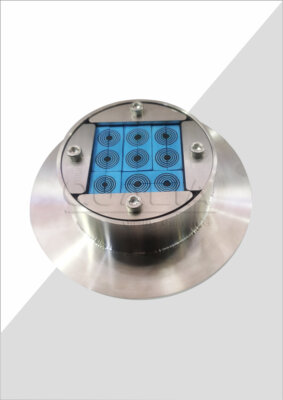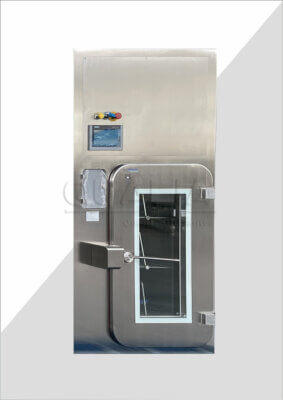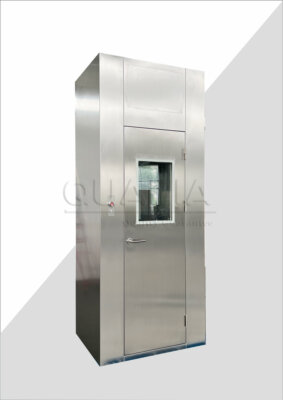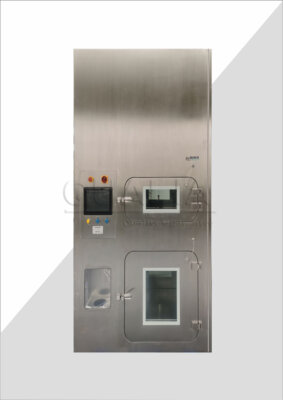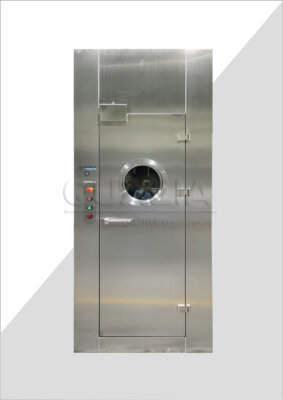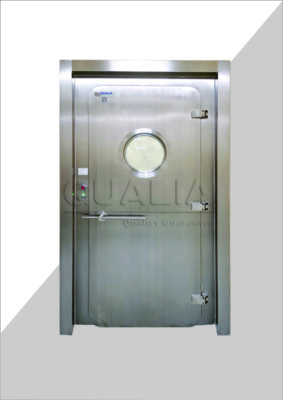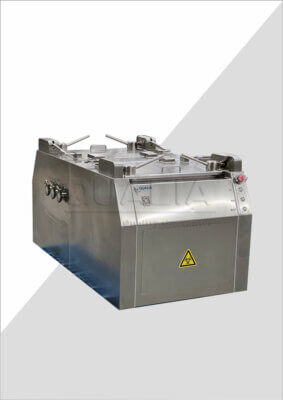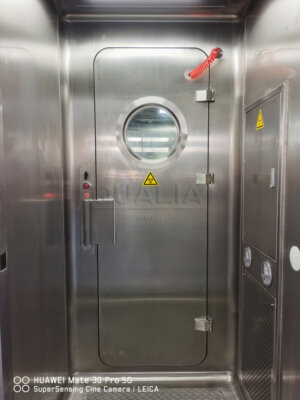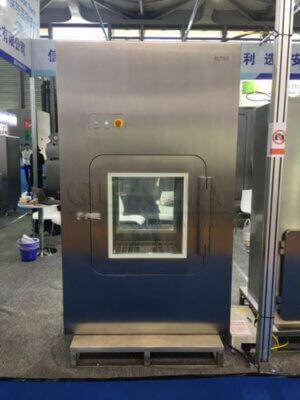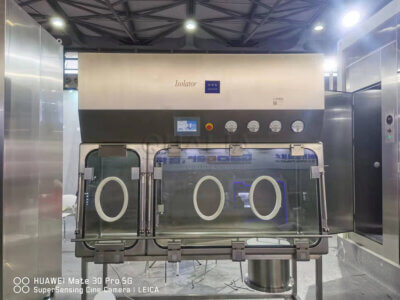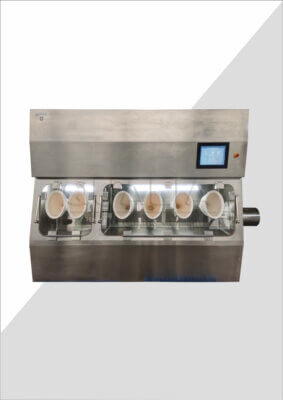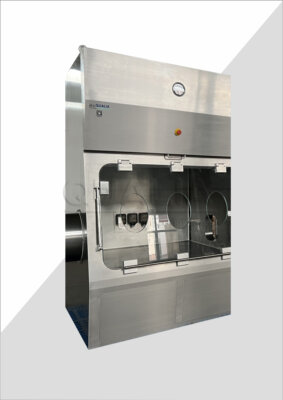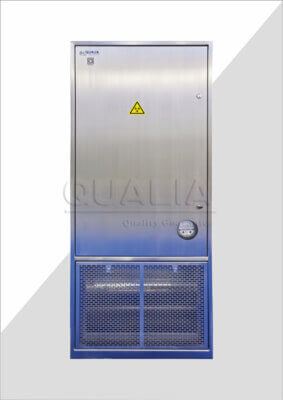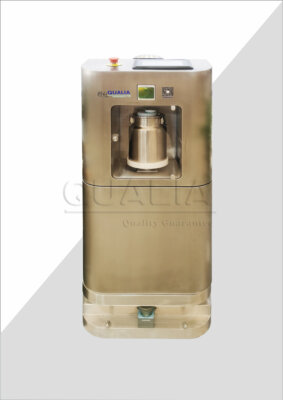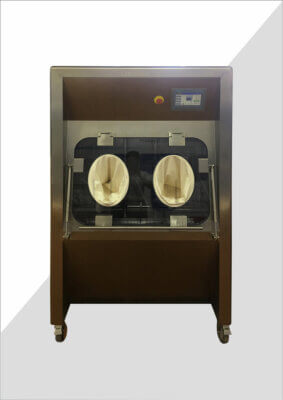

Учет размещения дезинфекционного резервуара на поздних этапах проектирования лаборатории уровня BSL-3 или BSL-4 зачастую приводит к обнаружению того, что самый большой поддон или контейнер, используемый в лаборатории, не проходит через проем для доступа, либо что расположение резервуара приводит к тому, что траектория слива дезинфицирующего средства проходит непосредственно через неконтролируемую границу. Обе эти проблемы сложно устранить после завершения строительства. Это влечет за собой дополнительные затраты в виде доработки проходов в конструкции, повторной аттестации точки передачи или пересмотра оценки рисков, что задерживает ввод объекта в эксплуатацию. Решения, позволяющие избежать подобных ситуаций, принимаются с учётом совокупности таких факторов, как уровень биологической защиты, перечень физических нагрузок, ограничения, связанные со средствами индивидуальной защиты, и маршрут отвода дезинфицирующего средства — а не только на этапе закупки оборудования. Читатели этой статьи должны получить более чёткое представление о том, какие вопросы необходимо прояснить до окончательного утверждения технических характеристик погружной ванны.
Размер резервуара, обеспечивающий максимальную загрузку и пространство для маневрирования
Внутреннее пространство резервуара должно вмещать самый крупный предмет, который может пройти через него, но это лишь первый параметр. Более часто недооцениваемым ограничением является рабочий зазор, необходимый для полного погружения, ориентации и извлечения этого предмета, при этом руки и предплечья должны оставаться внутри дезинфицирующей ванны, не нарушая герметичности. Резервуар, размеры которого рассчитаны строго по максимальным габаритам загрузки без дополнительного запаса, вынуждает оператора наклонять, поворачивать или переориентировать контейнер, упирая его в стенки резервуара, что повышает риск разбрызгивания жидкости и снижает контроль в самый критический с точки зрения воздействия момент перемещения.
Отправной точкой для определения размеров служит физическая инвентаризация самых крупных предметов, которые регулярно перемещаются: колбы для культивирования, роторы центрифуг, образцы во вторичной упаковке и любые герметичные контейнеры для отходов. Наибольшие размеры по длине и ширине определяют размеры отверстия и внутреннюю планировку, а самый высокий предмет в сочетании с требуемой глубиной погружения — объем жидкости и внутреннюю глубину. Контейнер должен находиться над уровнем дезинфицирующего раствора, чтобы обеспечить надлежащий слив перед извлечением; увеличение глубины для обеспечения этого обходится дешевле, чем перепроектирование.
На последующих этапах объём резервуара напрямую влияет на управление концентрацией дезинфицирующего средства. Более вместительный резервуар требует пропорционально большего запаса химиката, более длительного времени первоначального наполнения и более сложной процедуры замены раствора. Если в ходе проектного анализа не будут одновременно определены как диапазон нагрузки, так и рабочий объём, то один из этих параметров будет подрывать эффективность другого.
Конструкция уплотнения крышки и смотрового отверстия
Герметизация крышки — это не просто удобство при сборке, а часть защитного барьера. В условиях BSL-4 эталонным показателем герметичности для биологического шкафа безопасности класса III является газонепроницаемый корпус с герметичными смотровыми окнами, которые нельзя открывать во время работы. Хотя погружной резервуар не является биологическим шкафом безопасности (BSC), уплотнение его крышки должно соответствовать эквивалентному стандарту при интеграции с инфраструктурой шкафа класса III: выброс аэрозоля через неисправное или частично прилегающее уплотнение крышки во время загрузки или извлечения представляет собой прямой путь воздействия на оператора и потенциальный источник загрязнения окружающего воздуха.
Геометрия проемного отверстия создает противодействующее давление на конструкцию. Отверстие должно быть достаточно большим, чтобы обеспечить беспрепятственное прохождение груза, однако более крупное отверстие подвергает сжатию большую площадь уплотняющей поверхности и усугубляет последствия любого локального нарушения герметичности. При наличии систем контроля направления воздушного потока уровня BSL-3 или BSL-4 уплотнение крышки должно обеспечивать непрерывность отрицательного давления во всём резервуаре. Уплотнение, которое является адекватным в статических условиях, но деформируется под воздействием повторяющихся усилий при ручном открывании или теряет уплотняющую способность после воздействия химических веществ, может не выдерживать нагрузки в динамических условиях эксплуатации.
Выбор материала уплотнителя тесно связан с химической совместимостью с дезинфицирующими средствами. Силиконовые и EPDM-составы различаются по своей стойкости к хлорсодержащим дезинфицирующим средствам, альдегидам и окислителям. Выбор уплотнителя без подтверждения его совместимости с фактически применяемым на объекте протоколом дезинфекции приводит к возникновению проблем с техническим обслуживанием, которые проявляются уже после монтажа, а не до него.
Меры контроля за дренажем и удалением дезинфицирующих средств
Сливная вода из изолированной ванны для погружения не может сбрасываться без предварительной очистки. Раствор дезинфицирующего средства, в который погружались загрязненные предметы, необходимо рассматривать как потенциально опасные жидкие отходы. Сливная линия должна быть подключена к системе обеззараживания сточных вод или к утвержденному пункту сбора жидких отходов — а не к общему напольному сливу или канализационной системе здания без явного разрешения, предусмотренного в оценке рисков данного объекта.
Конструкция клапана или сливного механизма имеет большое значение для безопасности оператора. Слив, управляемый снаружи резервуара — без необходимости для оператора запускать руку внутрь ванны для открытия или перемещения пробки — снижает риск воздействия при замене раствора. Устройства управления сливом также должны предотвращать случайное открытие во время работы; клапан, который может быть непреднамеренно приведен в действие при манипуляциях с грузом, создает путь неконтролируемого вытекания в процессе перекачки.
Если на объекте используется система обеззараживания жидких стоков (EDS), необходимо убедиться, что подключение слива бака для погружения соответствует пропускной способности и расходу системы. Слив из большого бака в резервуар EDS с недостаточным объемом или сливная линия без контроля уровня жидкости создают риск перелива в системе EDS или неполной очистки объема отходов. Это взаимодействие должно быть определено в техническом задании (URS) и подтверждено в ходе приемочных испытаний (FAT) и проверки качества на объекте (IQ). Данное Руководство ВОЗ по биобезопасности в лабораториях, монография «Деконтаминация и обращение с отходами» регулирует требования к обращению с жидкими стоками при высоких уровнях локализации и обеспечивает нормативную основу для контроля путей оттока в рамках оценки рисков объекта.
Рабочий диапазон оператора с учетом веса средств индивидуальной защиты и груза
Операторы лабораторий уровня BSL-4 работают в костюмах полного покрытия с избыточным давлением, оснащённых интерфейсами для рук в перчатках и ограниченным периферическим обзором. Операторы уровня BSL-3, как правило, работают в респираторах с принудительной подачей очищенного воздуха, в двойных перчатках и с ограниченной подвижностью запястий. В обоих случаях ловкость рук, необходимая для захвата мокрого, тяжёлого контейнера, погружённого в жидкость, значительно ниже, чем при стандартной работе за рабочим столом. Это имеет значение для открывания крышки, ориентации предмета и захвата при извлечении.
До завершения монтажа необходимо проверить радиус действия оператора с учетом фактической геометрии резервуара, а не полагаться на теоретические модели. Совокупность таких факторов, как глубина резервуара, зазор при открытии крышки, вес предмета, пропитанного дезинфицирующим средством, и положение тела при наклоне над резервуаром, создает эргономическую нагрузку, которую трудно предсказать без физического макета. Предмет, вес которого в сухом состоянии составляет 2 кг, под водой может фактически весить больше из-за сопротивления воды и необходимого неудобного угла захвата, а выскальзывание предмета при извлечении из резервуара является случаем загрязнения, а не просто эргономическим инцидентом.
Если резервуар для погружения установлен на уровне пола в целях интеграции в шкаф класса III, геометрия зоны досягаемости изменяется ещё больше: операторам может потребоваться доступ к резервуару через отверстие в дне шкафа, что ограничивает как угол наклона манипулятора, так и визуальную проверку размещения контейнера. Такую конфигурацию следует согласовать с производителем шкафа и командой, отвечающей за планировку лаборатории, до составления технического задания на резервуар, а не после завершения строительных работ.
Замена моющего раствора и обслуживание уплотнений
Концентрация дезинфицирующих растворов в погружных резервуарах снижается в результате разбавления, поступления органических веществ и фотохимического разложения. Контроль концентрации — с использованием соответствующих методов испытаний для конкретного применяемого дезинфицирующего средства — должен входить в протокол планового технического обслуживания, который должен содержать четкие критерии замены раствора. В резервуаре, где частота замены раствора не определена или где концентрация не подтверждается, раствор, как правило, используется в концентрациях, не обеспечивающих достаточную эффективность, что приводит к появлению задокументированного пробела в отчёте об утверждении процедуры деконтаминации на объекте.
Сама по себе процедура замены раствора сопряжена с риском утечки. Слив, промывка, повторное наполнение и проверка концентрации требуют доступа к резервуару, в котором ранее находился загрязненный материал. Процедура должна быть разработана до ввода в эксплуатацию, а не придумываться на ходу. Для лабораторий уровней BSL-3 и BSL-4 внутренние поверхности — включая корпус резервуара, крышку, седло уплотнения и сливной узел — должны выдерживать полный цикл дезактивации, применяемый в помещении, который может включать обработку паром перекиси водорода (VHP) или фумигацию формальдегидом. Совместимость материалов, из которых изготовлены компоненты резервуара, с дезактивирующими веществами, используемыми в помещении, должна быть подтверждена в технических условиях и задокументирована для проведения вводной проверки (IQ).
Проверка уплотнений должна проводиться в рамках планового технического обслуживания, а не в экстренном порядке. Сжатое эластомерное уплотнение, подвергавшееся многократным циклам воздействия химических веществ и механических нагрузок, со временем изнашивается, причем признаки износа могут оставаться незаметными до тех пор, пока во время перекачки не произойдет отказ уплотнения. Периодичность проверок и критерии замены должны быть определены в стандартной операционной процедуре (SOP) по техническому обслуживанию и указаны в протоколе операционной квалификации (OQ), чтобы утверждение о целостности системы локализации оставалось обоснованным на протяжении всего срока эксплуатации оборудования. Руководство ВОЗ по биобезопасности в лабораториях, 4-е издание, «Проектирование и эксплуатация лабораторий» определяет регулярное техническое обслуживание и мониторинг в качестве важнейших элементов обеспечения устойчивой целостности системы локализации, что напрямую относится к управлению уплотнениями и растворами в точках перекачки.
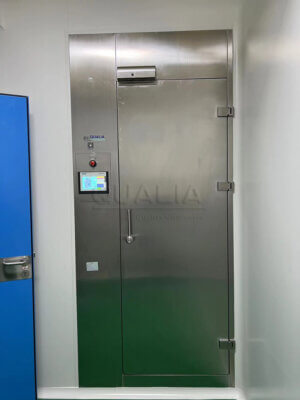
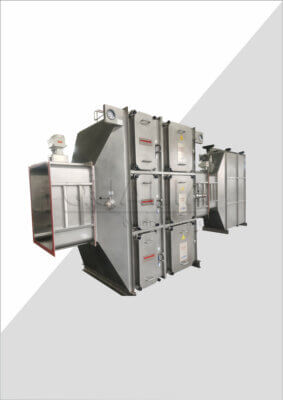
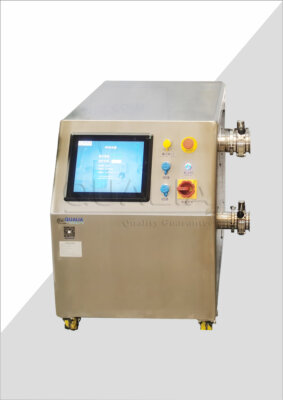
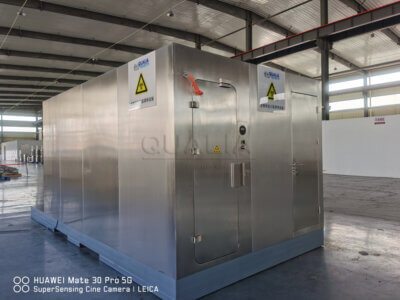
Подробную информацию о том, как резервуар для погружения «Qualia Biosafety Dunk Tank» настроен с учетом этих ограничений, можно найти в страница продукта в котором рассматриваются технические характеристики и конструкция резервуаров. Дополнительная информация о принятии решений относительно точек перекачки на объектах уровня BSL-3 приведена в Обзор требований к проходным ящикам в зависимости от уровня BSL.
Вопросы по проектированию точек перехода для лабораторий уровня BSL-3/4
Размещение резервуара для погружения в комплексе BSL-3 или BSL-4 — это не только вопрос планировки помещения, но и решение, касающееся интеграции системы локализации. При использовании резервуара для погружения в сочетании с биологическим шкафом безопасности класса III необходимо убедиться в физическом совмещении пола шкафа и отверстия для доступа к резервуару, включая тип фланца, материал прокладки и конструктивную нагрузку на основание шкафа. Неправильное совмещение или недостаточно герметичное соединение между шкафом и резервуаром представляет собой брешь в системе локализации, которая влияет не только на рабочие характеристики резервуара, но и на классификацию герметичности шкафа.
Выбор между погружной камерой и двухдверной проходной камерой для переноса — например, настенным автоклавом — также требует принятия решения с учетом рисков, а не выбора по умолчанию. Автоклав обеспечивает полную деконтаминацию между переносами и может быть предпочтительным вариантом в тех случаях, когда объем переносимого материала совместим с продолжительностью цикла автоклава и размером загрузки. Окунательная ванна работает быстрее и обеспечивает непрерывный режим, но требует активного управления дезинфицирующими средствами и не обеспечивает конечной стерилизации. Если промежуточная деконтаминация между каждой перегрузкой является требованием нормативных органов или комитета по биобезопасности, проходной шкаф может оказаться более обоснованным вариантом, даже если это влечет за собой ограничения по времени цикла. Этот компромисс должен быть четко отражен в оценке рисков объекта.
Здесь приведены три основных вопроса, на которые необходимо получить ответы до окончательного утверждения технических требований к резервуару для погружения на пункте передачи уровня BSL-3/4:
| Вопрос по проектированию | Почему это важно | Что прояснить |
|---|---|---|
| Как резервуар для погружения физически соединяется с полом BSC класса III, чтобы обеспечить безопасный вынос материалов? | Расположение и размеры зависят от механического совмещения уровней защитной оболочки, что позволяет избежать облучения. | Уточните необходимые размеры отверстия в резервуаре, тип фланца и материал прокладки, которые позволяют сохранить целостность дна шкафа. |
| Какой метод переноса следует использовать: бассейн для погружения или проходную камеру с двойными дверцами (например, автоклав)? | Этот выбор влияет на технологический процесс дезинфекции, продолжительность цикла и возможность полной дезинфекции между использованием. | Укажите, требуется ли промежуточная дезактивация и может ли соединительная коробка заменить погружную камеру при оценке рисков. |
| Как бассейн для погружения в воду интегрируется с системами контролируемого доступа и специальной вентиляцией лаборатории? | Возможность доступа для монтажа и технического обслуживания зависит от планировки помещения, отрицательного давления в системе вентиляции и зон контроля доступа. | Определить ограничения по размещению, необходимый свободный пространство для технического обслуживания, а также обеспечить соединение с вытяжной/вентиляционной системой лаборатории без нарушения направленности воздушного потока. |
Интеграция с системой вентиляции объекта создает дополнительное ограничение. Резервуар для погружения не должен нарушать направленность воздушных потоков, обеспечивающих отрицательное давление в обслуживаемых им зонах лаборатории. Доступ для технического обслуживания — смены раствора, замены уплотнений и обслуживания сливной системы — должен быть обеспечен без необходимости пересечения персоналом границ локализации или прерывания непрерывности вентиляции. Такое планирование доступа проще всего решить на этапе разработки проекта, а после ввода вентиляционной системы в эксплуатацию его очень сложно осуществить в рамках модернизации.
Проблемы с резервуарами для погружения в условиях BSL-3/4 чаще всего возникают не из-за выбора некачественного оборудования. Их можно решить, проверив перечень загрузок до определения внутренних размеров, подключив дренаж к соответствующей системе очистки сточных вод еще на этапе проектирования, а также разработав процедуры технического обслуживания и дезактивации до ввода оборудования в эксплуатацию, а не после. Каждое из этих решений имеет последующие последствия при квалификации: резервуар, размеры которого не были проверены с учетом фактического перечня нагрузок или канализация которого не была определена в техническом задании (URS), приведет к выявлению несоответствий во время квалификации установки (IQ) или операционной квалификации (OQ), что потребует либо пересмотра процедур, либо физической модификации.
До начала закупок или завершения разработки технического задания необходимо уточнить следующие конкретные вопросы: каков максимальный размер груза, который будет проходить через этот резервуар, и были ли его размеры измерены на практике? Куда будет осуществляться слив, и был ли маршрут очистки сточных вод учтен в оценке рисков объекта? Какие средства индивидуальной защиты будут носить операторы, и была ли проверена их доступность с учетом геометрии резервуара? Ответы на эти три вопроса определяют, будет ли установка проходить квалификацию без задержек или потребует доработки в сжатые сроки.
Часто задаваемые вопросы
Вопрос: Что произойдет, если на нашем объекте нет биологической безопасности класса III — значительно ли изменятся технические требования к бассейну для погружения?
A: Да, требования к интеграции существенно меняются. При отсутствии биологической защиты класса III ограничения по физическому совмещению между полом шкафа и отверстием для доступа к резервуару не применяются, однако границы зоны локализации, которую обеспечивает погружной резервуар, по-прежнему должны быть четко определены в оценке рисков объекта. Требования к герметичности крышки, маршруту отвода воды и непрерывности воздушного потока остаются в силе, однако этапы проверки конструкционного фланцевого соединения и нагрузки на шкаф исключаются из контрольного списка технических требований. Остальные вопросы проектирования — перечень нагрузок, место отвода воды, доступ оператора — применяются независимо от наличия шкафа класса III.
Вопрос: После установки и ввода в эксплуатацию бассейна для погружения в воду какую первую операцию по техническому обслуживанию следует официально включить в график?
A: Проверка уплотнений и контроль концентрации дезинфицирующего средства должны быть первыми двумя мероприятиями планового технического обслуживания, причем письменные критерии должны быть установлены до ввода оборудования в эксплуатацию. Оба этих аспекта требуют оперативного реагирования: отклонение концентрации может произойти в течение нескольких дней в зависимости от органической нагрузки и частоты использования, а износ уплотнений под воздействием повторяющихся химических циклов может быть незаметен визуально до тех пор, пока не произойдет сбой во время перекачки. Определение критериев замены и периодичности осмотров в стандартной операционной процедуре (SOP) по техническому обслуживанию до ввода в эксплуатацию позволяет обосновать заявление о целостности системы сдерживания, начиная с первого эксплуатационного цикла.
Вопрос: При каком времени цикла автоклава использование сменного контейнера становится более выгодным, чем погружной резервуар?
A: Когда частота перемещений настолько высока, что время цикла автоклава создает «узкое место» в рабочем процессе, непрерывная готовность к работе дезинфекционной ванны становится решающим преимуществом. Использование переходного контейнера более оправдано в тех случаях, когда конечная дезинфекция после каждой перекачки является требованием нормативных органов или комитета по биобезопасности, а объем перекачки настолько невелик, что время цикла не прерывает рабочий процесс. Если на объекте перекачка материала осуществляется несколько раз за смену и невозможно выделить время на цикл автоклавирования продолжительностью от 45 до 90 минут между каждым проходом, погружная ванна является операционно целесообразным вариантом — при условии, что для активного управления дезинфицирующими средствами и контроля их концентрации выделены соответствующие ресурсы.
Вопрос: Действительно ли необходим физический макет геометрии резервуара, или для проверки досягаемости оператора в костюмах уровня BSL-4 достаточно CAD-модели?
A: Физический макет необходим в случаях, когда речь идет об ограничениях, связанных с использованием полнотелых костюмов уровня BSL-4 — CAD-модель не может воспроизвести сочетание ограниченного периферического зрения, потери ловкости рук в перчатках и фактического увеличения веса груза из-за сопротивления и неудобного угла захвата при извлечении. Причина сбоя заключается не в погрешности измерений, а в эргономических условиях, которые становятся очевидными только тогда, когда оператор в реальной конфигурации СИЗ пытается переориентировать насыщенный контейнер на глубине. Обнаружение этого факта после завершения монтажа конструкции вынуждает либо применять процедурный обходной путь, который необходимо обосновать в оценке рисков, либо вносить физические изменения в глубину размещения резервуара или геометрию доступа к нему.
Вопрос: Если система обеззараживания сточных вод на объекте была рассчитана до того, как был окончательно определен объем резервуара для погружения, существует ли надежный способ оценить, сможет ли она справиться с дополнительной нагрузкой?
A: Сравните рабочий объем системы EDS и максимальную скорость потока с полным объемом слива резервуара для погружения и предполагаемым временем слива, а затем проверьте, не превышает ли совокупная пиковая нагрузка — с учетом других подключенных источников, осуществляющих слив одновременно — пропускную способность системы EDS в какой-либо момент цикла. Если при расчете мощности системы EDS не учитывалась емкость погружной ванны, наиболее распространённым видом отказа является перелив из накопительного резервуара во время полной замены раствора, а не во время планового слива небольших объемов. Это взаимодействие следует повторно подтвердить в техническом задании (URS) и проверить в ходе приемочных испытаний (FAT) до монтажа на объекте, поскольку модернизация мощности системы EDS после ввода в эксплуатацию влечёт за собой повторную аттестацию всей системы очистки сточных вод.