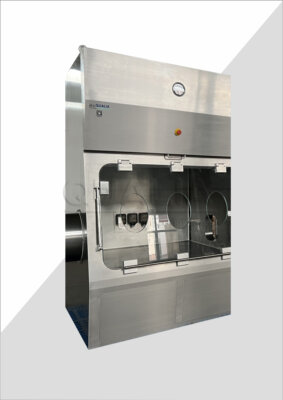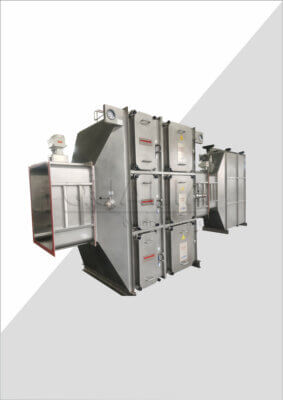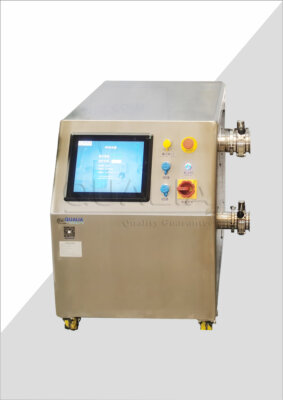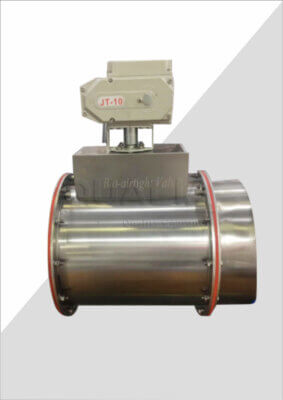

Planurile de calificare pentru sistemele de izolare de nivel înalt tind să fie finalizate într-o etapă timpurie a proiectului, adesea înainte ca procedurile standard de operare (SOP) să fie completate și înainte ca fluxurile de lucru operaționale să fie clar definite. Atunci când acest domeniu de aplicare este stabilit pe baza unor condiții de testare „goale” sau statice, sistemul poate îndeplini toate criteriile de acceptare și totuși să prezinte defecțiuni în timpul utilizării de rutină — deoarece modurile reale de defectare apar abia atunci când brațele operatorului se mișcă prin mănuși, când sunt inițiate cicluri de trecere sau când ciclurile de sterilizare cu vapori de hidrogen (VHP) sunt rulate pe configurații realiste ale recipientelor. Consecința nu este întotdeauna vizibilă la punerea în funcțiune; aceasta tinde să apară ulterior sub forma unor abateri de proces, a unor afirmații contestate privind izolarea sau a unor constatări de audit în care dovezile de calificare nu pot susține afirmațiile privind funcționarea. Concluzia practică pe care o susține acest articol este aceea de a ști când condițiile reale de funcționare modifică conținutul calificării de performanță (PQ) și ce înseamnă acest lucru pentru domeniul de aplicare, selecția surogatelor, gradul de pregătire al SOP-urilor și decizia de a efectua calificarea în condiții statice sau în condiții de funcționare.
Condiții reprezentative de funcționare care modifică domeniul de aplicare
Testarea SMEPAC oferă un punct de referință controlat pentru evaluarea performanței dispozitivelor de izolare, dar ghidul ISPE precizează în mod explicit că este vorba de un test realizat în condiții de laborator. Acesta nu reprezintă un proces anume sau un mediu real de producție. Considerarea rezultatelor SMEPAC drept dovezi de calificare reprezentative pentru proces constituie o eroare de planificare cu o consecință specifică în etapele ulterioare: dacă o decizie de achiziție sau de acceptare se bazează exclusiv pe datele SMEPAC, sistemul poate fi acceptat pentru un mediu de producție în care nu a fost testat niciodată în realitate.
Criteriul principal al PQ este dacă echipamentul îndeplinește cerințele de performanță cu produsul instalat și în condiții care reflectă utilizarea reală. Aceasta nu reprezintă o interpretare mai strictă a SMEPAC — ci o categorie de dovezi complet diferită. Principiile generale de calificare a echipamentelor farmaceutice definesc PQ ca etapa în care funcționarea după instalare și calibrare (OQ) face loc performanței demonstrate în condiții reprezentative pentru proces. Pentru sistemele cu grad ridicat de izolare, această distincție este importantă, deoarece izolarea se poate comporta diferit atunci când este prezentă o încărcătură, când este activ un ciclu de trecere sau când un operator lucrează fizic printr-un port pentru mănuși.
Merită să se sublinieze în mod explicit contrastul structurat dintre testele de referință efectuate în laborator și verificarea calității (PQ) specifică procesului, deoarece cele două sunt adesea considerate interschimbabile în faza inițială de planificare.
| Tip de test | Condiții | Ce demonstrează acest lucru | Limitare |
|---|---|---|---|
| Testarea SMEPAC (laborator) | Mediu de laborator, fără materiale de proces reale | Performanța dispozitivului de izolare în condiții standardizate de laborator | Nu reprezintă un proces anume sau un mediu real de producție |
| Calificarea performanței (PQ) | Sarcină specifică procesului, operatori reprezentativi, produs real sau substituent | Echipamentul îndeplinește cerințele de performanță atunci când produsul este instalat și utilizat în condiții reprezentative | Necesită coordonarea cu procedurile standard de operare (SOP), personal instruit și condiții de substituție sigure |
Coloana „limitare” din acea comparație nu reprezintă o rezervă minoră. Dacă domeniul de aplicare nu este extins de la condițiile standardizate de laborator la condițiile reale de proces, dosarul de calificare va fi greu de apărat în fața oricărei contestări a afirmației privind izolarea operațională — în special în cazul sistemelor în care utilizarea dinamică face parte din baza de funcționare acceptată.
Modele de încărcare și fluxuri de lucru ale operatorilor în planificarea PQ
Testarea OQ în stare de repaus evaluează funcționalitatea sistemului instalat. Aceasta nu surprinde ceea ce se întâmplă atunci când brațele unui operator perturbă fluxul de aer prin orificiul pentru mănuși, când o secvență de manipulări manuale afectează comportamentul presiunii sau când intervențiile repetate introduc modele ergonomice cu care testul pe sistem gol nu s-a confruntat niciodată. Pentru orice sistem de izolare în care operațiunile manuale fac parte din fluxul de lucru de rutină, trecerea de la OQ la PQ reprezintă o etapă de reducere a riscului de defectare, nu o simplă formalitate de documentare.
Aceasta este o analogie directă cu practica de calificare din celulele fierbinți din radiofarmacie, unde ghidul EANM face o distincție explicită între testarea în repaus pentru OQ și testarea în timpul funcționării pentru PQ — deoarece mișcările brațelor prin mănuși pot modifica modelele fluxului laminar în moduri care nu sunt vizibile în timpul testării în stare de repaus. Aceeași logică se aplică oricărui izolator, cutie cu mănuși sau incintă de izolare în care intervențiile operatorului fac parte din procesul normal de producție. Testele de calificare care nu reproduc aceste intervenții pot accepta un sistem care funcționează bine atunci când nimeni nu lucrează în interiorul acestuia.
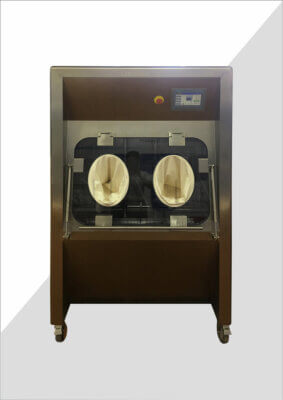
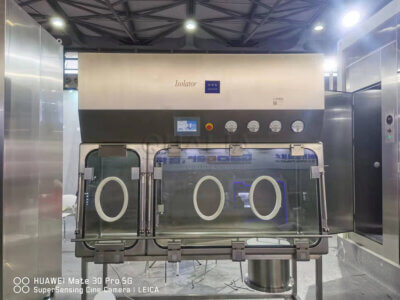
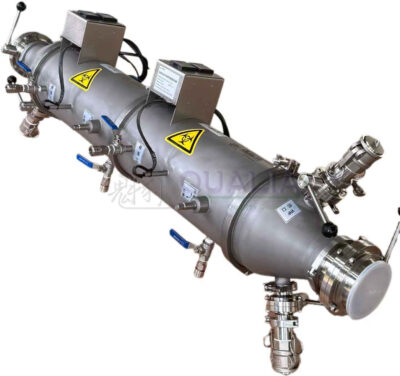
ICH Q9(R1) oferă un cadru de gestionare a riscurilor util în acest context: amploarea testelor de calificare trebuie adaptată în funcție de consecințele unei defecțiuni a sistemului de izolare și de frecvența intervențiilor operatorului, nu în funcție de un număr fix de cicluri de testare sau de un scenariu standardizat de caz extrem. Atunci când operațiunile manuale sunt frecvente, limitate din punct de vedere ergonomic sau dependente de secvențe — cum ar fi schimbarea filtrelor BIBO, manipularea portului pentru mănuși în incintele de izolare OEB4/5 sau ciclurile de trecere cu încărcătură — aceste tipare ar trebui să se reflecte în proiectarea PQ.
| Faza de testare | Stare | Implicarea operatorului | Riscul de dispersie nu este luat în considerare în cadrul testelor efectuate pe starea de repaus |
|---|---|---|---|
| OQ (în repaus) | Echipamentul este oprit, operatorul nu își mișcă brațele prin mănuși | Nici unul | Perturbarea fluxului laminar cauzată de mișcarea brațului, impactul asupra productivității din punct de vedere ergonomic |
| PQ (în funcțiune) | Flux de lucru normal, operațiuni manuale efectuate cu mănuși | Mișcările operatorilor, la fel ca în producția reală | Zonele de risc rămase identificate în cadrul unui flux de lucru reprezentativ |
Riscul care nu este abordat în coloana „OQ” reprezintă sursa din care tind să provină defectele reale de fabricație. Un sistem care trece testele în stare de repaus, dar care nu a fost niciodată testat în condiții reprezentative de funcționare, poate crea o breșă ascunsă de izolare care devine vizibilă abia în timpul unei investigații privind abaterile sau la solicitarea unui inspector de date privind calificarea în condiții de funcționare.
Condiții surogat sau de utilizare în condiții de siguranță pentru testele cu nivel ridicat de izolare
Definirea condițiilor de funcționare reprezentative pentru PQ generează o constrângere practică imediată: API-ul real, agentul biologic sau compusul activ nu pot fi întotdeauna utilizați în timpul calificării. Testul trebuie să utilizeze un substitut care să reprezinte suficient de fidel materialul real pentru ca rezultatele să fie semnificative, fără a introduce riscul biologic, chimic sau de producție care face ca agentul real să fie inadecvat pentru un ciclu de calificare.
Ghidul SMEPAC identifică mai multe opțiuni de placebo cu dimensiuni diferite ale particulelor și limite de detectare. Ghidul precizează, de asemenea, că alegerea placebo-ului este importantă: un sistem testat cu un substitut ușor de detectat poate îndeplini criteriile de acceptare și totuși să eșueze atunci când este supus unui test cu un compus a cărui dimensiune a particulelor, caracteristici de manipulare sau limită de detectare diferă de cele ale materialului de testare. Acesta este un risc ascuns de eșec care poate persista pe parcursul punerii în funcțiune și până în etapa de producție de rutină.
Uniformitatea efectului placebo la diferiți furnizori agravează acest risc în contextul achizițiilor.
| Luare în considerare | Ce trebuie clarificat | Riscul în cazul în care nu se iau măsuri |
|---|---|---|
| Relevanța placebo pentru API-ul propriu-zis | Confirmați care dintre placebo se apropie cel mai mult de dimensiunea particulelor, de limita de detectare și de caracteristicile de manipulare ale ingredientului activ real | Un sistem poate trece testul cu un placebo ușor de detectat, dar poate eșua atunci când este supus unui test cu compusul real |
| Uniformitatea efectului placebo la diferiți furnizori | Întrebați dacă fiecare producător de echipamente a utilizat același placebo pentru SMEPAC sau pentru testele de calificare | Comparațiile de performanță între diferiți furnizori devin nesigure, ceea ce afectează negativ deciziile de achiziție |
Atunci când se compară performanța de reținere a sistemelor concurente în cadrul procesului de achiziție, o comparație relevantă presupune utilizarea aceluiași placebo în condiții de testare comparabile. Dacă un furnizor a efectuat testele cu un substitut mai grosier, mai ușor de detectat, iar altul a folosit un material mai fin, cu o limită de detectare mai scăzută, datele privind performanța nu sunt direct comparabile — iar o decizie de achiziție luată pe această bază ar putea conduce la alegerea sistemului care a produs rezultatul de testare mai favorabil, și nu a celui care va funcționa mai bine cu compusul real.
Înainte de a accepta orice set de date de calificare ca dovadă a performanței de reținere, verificați ce substanță surogat a fost utilizată, dacă aceasta este relevantă pentru API-ul sau agentul dumneavoastră specific și dacă comparațiile efectuate de furnizor au fost realizate în condiții de testare uniforme.
Compromisul dintre nivelul de încredere și complexitatea calificării
Extinderea domeniului de aplicare al PQ pentru a include fluxuri de lucru reprezentative, condiții de încărcare și testarea în prezența operatorului sporește încrederea în performanța operațională a sistemului. De asemenea, aceasta crește semnificativ efortul de coordonare. Un PQ reprezentativ necesită proceduri operaționale standard (SOP) finalizate, personal instruit, materiale surogat validate și o secvență de testare definită, suficient de reproductibilă pentru a genera dovezi de acceptare justificabile. Niciuna dintre aceste condiții nu este îndeplinită automat la momentul la care este programată, de obicei, executarea PQ.
Greșeala de planificare constă în tratarea acestei chestiuni ca pe o alegere binară — fie se efectuează un test PQ simplu, fie unul cuprinzător. O abordare mai utilă, în concordanță cu gândirea bazată pe risc din ICH Q9(R1), este aceea că complexitatea ar trebui adaptată la gravitatea consecințelor. Pentru un sistem în care o defecțiune a sistemului de izolare în timpul funcționării de rutină ar expune operatorul la un compus cu potență ridicată sau la un agent select, argumentele în favoarea unor teste mai ample în timpul funcționării sunt solide, indiferent de efortul suplimentar de coordonare. Pentru un sistem în care conformitatea cu cerințele de izolare depinde doar de funcționarea mecanismelor instalate, iar fluxul de lucru operațional este simplu și are o frecvență redusă, un domeniu de aplicare mai limitat poate fi justificat.
Criteriile de decizie nu sunt arbitrare. Trei factori tind să determine extinderea domeniului de aplicare: frecvența cu care operatorii interacționează cu sistemul în timpul utilizării de rutină, gradul de sensibilitate al câmpului de izolare la aceste interacțiuni și gradul de dificultate în a demonstra retrospectiv că dovezile de calificare au acoperit modul real de defectare. Sistemele cu acces frecvent la porturile pentru mănuși, cicluri secvențiale de trecere sau încărcături de decontaminare cu VHP care variază în funcție de campanie ar trebui, în general, să fie calificate în condiții care să reflecte această variabilitate. Sistemele în care riscul principal îl reprezintă defectarea mecanică a unei bariere statice pot să nu necesite aceeași extindere a domeniului de aplicare.
Consecința ulterioară a unei evaluări insuficiente a domeniului de aplicare este clară: dacă o afirmație privind izolarea este contestată — în cadrul unui audit, al unei investigații privind o abatere sau în urma unui incident de expunere — dovezile de calificare care nu reflectă condițiile reale de funcționare vor fi greu de apărat. Dosarul de calificare va arăta că sistemul a îndeplinit cerințele, dar nu va demonstra că a făcut acest lucru în condițiile care au dus la producerea evenimentului supus analizei.
Verificarea respectării procedurilor standard de operare (SOP) înainte de executarea activității
Executarea unui PQ pe un sistem care nu este încă acoperit de proceduri operaționale standard (SOP) finalizate reprezintă un risc de reproductibilitate, nu doar o lacună în documentație. Dacă operatorul care execută o secvență de testare se bazează pe proceduri provizorii, îndrumări neoficiale sau instrucțiuni verbale, testul nu poate confirma că sistemul funcționează conform așteptărilor în condiții de funcționare de rutină — deoarece funcționarea de rutină nu a fost încă definită într-o formă care să poată fi urmată în mod consecvent.
Acesta este unul dintre cele mai frecvente puncte de fricțiune din etapele finale ale proiectului în cadrul validării sistemelor de înaltă izolare. PQ este adesea programată în funcție de calendarul de punere în funcțiune, iar procedurile standard de operare (SOP) se află adesea încă în curs de revizuire atunci când începe perioada de calificare. Rezultatul este o presiune de a efectua PQ cu documentația incompletă și de a finaliza revizuirea SOP-urilor ulterior — moment în care orice modificare procedurală efectuată în timpul finalizării SOP-urilor poate necesita, din punct de vedere tehnic, o evaluare a impactului asupra calificării sau o recalificare parțială.
Verificarea practică înainte de executarea testului de performanță (PQ) ar trebui să includă confirmarea faptului că procedurile standard de operare (SOP) relevante sunt aprobate și disponibile, că manualele de instrucțiuni pentru echipamente sunt finalizate și se află la fața locului și că operatorii care vor efectua testul sunt înregistrați ca fiind instruiți în conformitate cu aceste proceduri.
| Element de document/înregistrare | Ce ar trebui să cuprindă Protocolul PQ | De ce este important |
|---|---|---|
| Proceduri standard de operare (SOP) și referințe din manual | Lista procedurilor operaționale standard (SOP), a manualelor de instrucțiuni și a procedurilor de curățare relevante | Asigură că secvențele de testare corespund modului în care echipamentul va fi utilizat în realitate |
| Dosarele de formare profesională ale personalului | Numele operatorilor-cheie, programele lor de formare și competențele dovedite | Confirmă faptul că personalul care execută PQ este calificat și că abaterile nu se datorează operatorilor neexperimentați |
| Definirea responsabilităților | Stabilirea clară a persoanelor responsabile de efectuarea fiecărei etape, de aprobarea rezultatelor și de gestionarea excepțiilor | Previne transferurile ambigue care ar putea duce la condiții de testare nereprezentative sau nereproductibile |
Elementul de definire a responsabilităților din cadrul respectiv este adesea insuficient specificat. Atunci când nu este clar cine aprobă rezultatele intermediare, cine are autoritatea de a întrerupe o secvență de testare sau cum sunt escaladate abaterile în timpul execuției, condițiile de testare pot suferi abateri care fac ca rezultatele să fie greu de reprodus sau de justificat. Transferurile ambigue de responsabilitate în timpul unei execuții PQ în condiții reale reprezintă un risc de eșec al reproductibilității care nu apare în protocoalele de calificare a echipamentelor — dar apare în constatările de audit atunci când protocolul este revizuit.
Ghidul FDA privind validarea proceselor susține principiul conform căruia procedurile documentate și personalul calificat reprezintă condiții prealabile pentru desfășurarea eficientă a procesului de calificare, și nu activități paralele care pot fi finalizate simultan. Abordarea gradului de pregătire a procedurilor standard de operare (SOP) ca pe o etapă de verificare prealabilă execuției, mai degrabă decât ca pe un document care trebuie finalizat ulterior, este atitudinea care asigură integritatea dosarului de calificare.
Condiție de declanșare PQ pentru cererile de despăgubire privind izolarea non-statică
Nu orice sistem de izolare necesită o evaluare PQ completă în condiții de funcționare. Criteriul de declanșare nu este determinat doar de categoria echipamentului sau de clasificarea normativă — ci de faptul dacă performanța de izolare a sistemului depinde de condiții dinamice care nu pot fi verificate prin teste în stare de repaus.
În cazul sistemelor în care operațiunile manuale fac parte din utilizarea de rutină — accesul prin portul pentru mănuși într-un izolator, schimbarea filtrelor BIBO într-o incintă de izolare cu conducte, secvențele de transfer dependente de operator într-un sistem de trecere BSL-3 — afirmația privind izolarea nu este statică. Modelele fluxului de aer, cascadele de presiune și integritatea barierei în aceste condiții pot diferi de comportamentul din starea de repaus. Atunci când performanța de izolare depinde de acțiunile operatorului și de modul în care sistemul răspunde la aceste intervenții, dovezile obținute în urma calificării operaționale (OQ) nu sunt suficiente pentru a susține această afirmație. Analogia cu celula fierbinte din practica de calificare a radiofarmaciei ilustrează direct acest aspect: ghidurile fac distincția între calificarea operațională (OQ) în stare de repaus și calificarea de performanță (PQ) în timpul funcționării, tocmai deoarece mișcările brațelor prin mănuși pot modifica câmpul de izolare în moduri care nu sunt vizibile în timpul testării în stare de repaus.
Absența testelor PQ în condiții de funcționare pentru afirmațiile non-statice nu reprezintă doar un set incomplet de teste — ci o afirmație nevalidată. Dacă baza de funcționare a sistemului presupune că izolarea este menținută în timpul intervențiilor de rutină ale operatorului, iar calificarea nu a fost niciodată efectuată în aceste condiții, afirmația nu a fost fundamentată. Această lacună capătă importanță atunci când o abatere de la proces implică un eveniment în prezența operatorului sau când un inspector întreabă ce dovezi susțin nivelul de izolare în timpul utilizării active.
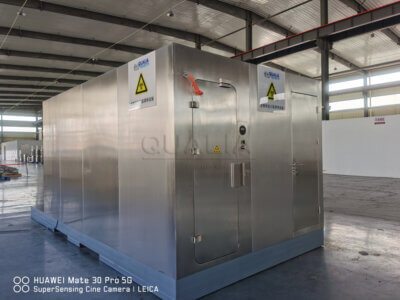
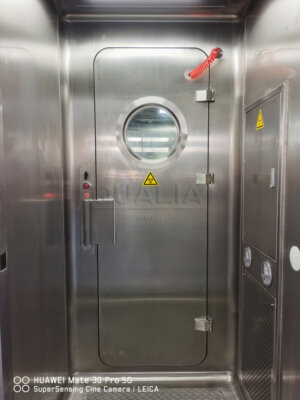
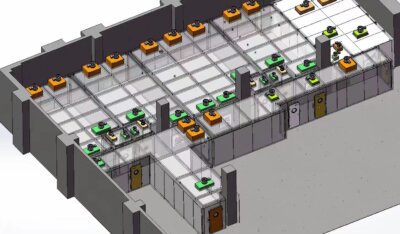
Criteriul practic de declanșare este simplu: dacă afirmația privind acceptabilitatea ar fi diferită sau, eventual, mai puțin favorabilă atunci când un operator este prezent și operează sistemul, comparativ cu momentul în care sistemul este inactiv, PQ trebuie să includă condiții de funcționare pentru a susține acea afirmație. Pentru sistemele de izolare integrate în Laboratoare modulare de nivel BSL-3/BSL-4 în cazul în care fluxurile de lucru ale operatorilor sunt continue și variate, sau pentru Sisteme VHP de transfer și decontaminare în cazul în care performanța ciclului depinde de configurația sarcinii, condiția de declanșare este aproape întotdeauna prezentă. Cu cât această condiție de declanșare este identificată mai devreme în faza de planificare a proiectului, cu atât extinderea domeniului de aplicare va avea un impact mai redus atunci când va începe execuția PQ.
Pentru echipele care elaborează domeniul de aplicare al calificării în materie de decontaminare, Protocol de validare VHP care acoperă IQ, OQ și PQ pentru sistemele cu peroxid de hidrogen oferă o referință utilă cu privire la modul în care sunt structurate, de obicei, limitele de fază și criteriile de acceptare pe parcursul etapelor de calificare.
Dovada de calificare care contează cel mai mult într-un context de izolare ridicată nu este aceea că sistemul a trecut testele în condiții controlate, fără încărcătură sau în repaus, ci aceea că sistemul a funcționat în condițiile care vor fi efectiv prezente în timpul utilizării de rutină. Înainte de finalizarea domeniului de aplicare al calificării (PQ), cele mai importante confirmări sunt: dacă cerința de acceptare este dinamică sau statică, care substanță surogat reprezintă cel mai fidel materialul real pe care sistemul îl va conține și dacă procedurile standard de operare (SOP) și personalul instruit sunt pregătite înainte de începerea primei serii de teste. Aceste trei verificări vor determina dacă dosarul de calificare întocmit poate susține cerința de izolare în cazul în care aceasta este contestată vreodată în condiții operaționale.
Un risc mai puțin evident îl reprezintă selecția surogatului. O calificare obținută cu un placebo grosier, ușor de detectat, dar care nu a fost niciodată pusă la încercare cu un material care să reflecte dimensiunea reală a particulelor API-ului sau caracteristicile sale de manipulare, nu a demonstrat ceea ce pare să demonstreze. Confirmarea relevanței placebo-ului și a consecvenței furnizorului înainte de acceptarea datelor comparative de calificare reprezintă o etapă a procesului de achiziție și validare care protejează atât dosarul de calificare, cât și decizia de achiziție care a precedat-o.
Întrebări frecvente
Î: Sistemul nostru de izolare de înaltă securitate este complet automatizat și nu implică acces manual de rutină prin portul pentru mănuși sau intervenții ale operatorului. Recomandarea de a include verificarea performanței (PQ) în timpul funcționării mai este valabilă?
R: Nu neapărat. Dacă cerința privind izolarea se bazează exclusiv pe integritatea barierei statice și pe procese automatizate care nu sunt influențate de prezența operatorului, o calificare operațională (OQ) în stare de repaus poate fi suficientă. Cu toate acestea, trebuie să verificați totuși dacă alte condiții dinamice — precum configurații variabile ale încărcăturii, cicluri de trecere sau decontaminarea cu vapori de hidrogen (VHP) cu încărcături diferite ale vasului — nu afectează performanța în moduri care să necesite testarea în timpul funcționării.
Î: Am stabilit că domeniul de aplicare al testelor noastre de calitate (PQ) trebuie să includă fluxuri de lucru reprezentative ale operatorilor și condiții de încărcare. Care este următorul pas imediat înainte de a începe executarea testelor?
R: Asigurați-vă că toate procedurile operaționale standard (SOP) relevante sunt finalizate și aprobate și că operatorii care vor efectua testele au fost instruiți în mod oficial cu privire la aceste proceduri. Efectuarea procesului de calificare a performanței (PQ) pe baza unor ghiduri provizorii sau neoficiale prezintă un risc de reproductibilitate; în cazul în care SOP-urile se modifică după efectuarea testelor, dovezile de calificare ar putea să nu mai susțină afirmația privind funcționalitatea.
Î: Există un anumit nivel de biosiguranță sau o anumită categorie OEB pentru care autoritățile de reglementare impun în mod automat efectuarea testelor PQ în timpul funcționării, indiferent de fluxul de lucru specific?
R: Nu există un prag universal. Cerințele de reglementare sunt determinate de risc, nu de o clasificare fixă. Cu toate acestea, în cazul sistemelor BSL-3/4 sau cu OEB ridicat, în care o defecțiune a sistemului de izolare are consecințe grave, se așteaptă de obicei efectuarea unei PQ solide în timpul funcționării, deoarece atât riscul, cât și interacțiunea cu operatorul sunt inerent ridicate. În toate cazurile, ghidul ICH Q9(R1) susține adaptarea domeniului de aplicare al testării la probabilitatea și consecințele unei defecțiuni în timpul utilizării efective.
Î: Cum putem găsi un echilibru între alegerea unui compus de substituție care să reprezinte cât mai fidel compusul nostru real și necesitatea de a evita introducerea de contaminanți sau apariția unor riscuri de siguranță în timpul procesului de calificare a produsului (PQ)?
R: Alegeți cel mai sigur substitut care corespunde în continuare API-ului sau agentului dvs. real în ceea ce privește dimensiunea particulelor, caracteristicile de manipulare și limita de detectare. Ghidul SMEPAC oferă mai multe opțiuni de placebo; documentați fundamentul științific al alegerii dvs. Dacă comparați furnizori, asigurați-vă că toți au utilizat același substitut în condiții de testare comparabile; în caz contrar, datele privind performanța nu pot fi comparate în mod semnificativ.
Î: Este întotdeauna justificată coordonarea suplimentară și timpul suplimentar necesar pentru o verificare a performanței (PQ) reprezentativă, efectuată în timpul funcționării, sau o verificare a calității (OQ) bine executată în stare de repaus poate trece la fel de bine de audituri?
R: Nu este întotdeauna justificat. Dacă afirmația privind izolarea este în esență statică — cum ar fi o barieră sigilată permanent, fără acces de rutină al operatorului — iar intervențiile operatorului sunt rare și prezintă un risc redus, o calificare inițială (OQ) în stare de repaus, însoțită de o justificare documentată a riscului, poate fi justificabilă. Cu toate acestea, atunci când fluxurile de lucru ale operatorului, variabilitatea încărcăturii sau intervențiile frecvente definesc performanța de izolare, costul calificării de performanță (PQ) în timpul funcționării este minor în comparație cu riscul legat de audit și de siguranță asociat unei afirmații nefondate.