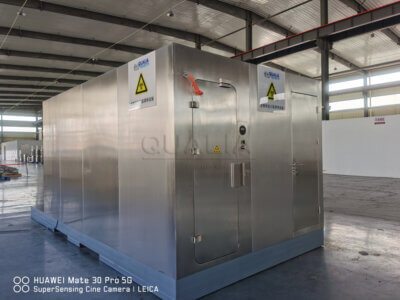

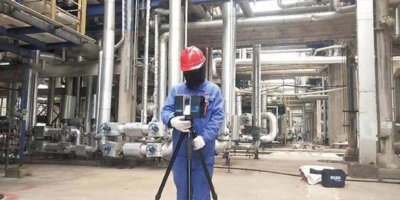
A maioria dos protocolos SMEPAC que chegam ao campo é elaborada com base na operação em estado estacionário. Essa escolha de projeto raramente é deliberada — é o padrão que surge quando o protocolo é elaborado por pessoas que pensam no funcionamento do equipamento, e não no que acontece quando ele para, quando uma porta de luva se rompe ou quando um saco de resíduos é removido. Os eventos de exposição que resultam dessas transições não são acidentais; muitas vezes, são os momentos de maior emissão em todo o ciclo da tarefa, e um protocolo que nunca foi planejado para lidar com eles não os detectará. A decisão que resolve isso não é aumentar a amostragem — é comprometer-se com uma sequência de tarefas definida, um conjunto de evidências fundamentado e uma meta de desempenho de contenção fixada antes do início do primeiro teste, para que cada resultado possa ser avaliado em relação a um critério pré-definido, em vez de ser reconstruído a posteriori.
Sequência de tarefas que o Protocolo SMEPAC deve testar
A sequência de tarefas é a espinha dorsal estrutural do protocolo, e cometer um erro nela antes do início da amostragem significa que o conjunto de evidências não poderá ser corrigido posteriormente. O principal problema de concepção é o escopo: um protocolo elaborado em torno de um único componente isoladamente deixará de detectar emissões que só surgem quando unidades adjacentes interagem. Para linhas de produção integradas — do carregamento à mistura, da mistura à descarga do compartimento de contenção, do compartimento de contenção ao manuseio de resíduos —, o guia SMEPAC da ISPE deixa claro que o protocolo deve levar em conta as emissões de cada componente e as perturbações decorrentes da interação entre elas. Essa exigência não se aplica uniformemente a todas as configurações de equipamentos, e tratá-la como se fosse o caso desperdiça tempo de teste sem agregar valor diagnóstico.
Para dispositivos mais simples — uma única porta de transferência isolada, uma estação de dosagem contida —, as orientações passam a se concentrar nos pontos críticos de emissão, em vez de traçar um percurso completo pelo sistema. A questão fundamental é se o fluxo de tarefas que está sendo testado enfatiza os momentos em que a contenção está genuinamente em risco: carregamento, transferência e descarga de material, bem como as transições entre eles. Uma sequência de tarefas que capture apenas o estado estacionário no meio da operação e ignore esses eventos de transição produzirá dados “limpos” que não representam o desempenho real do sistema de contenção.
Três variáveis são comuns tanto às configurações integradas quanto às simples: o método de manuseio do material, o ambiente da sala e o estado da ventilação, e a técnica do operador. Essas não são condições de fundo que devem ser apenas observadas e ignoradas — são variáveis de teste que devem ser padronizadas e documentadas, com variação deliberada apenas quando o protocolo for especificamente projetado para avaliar a robustez sob diferentes condições.
| Critério de planejamento | Por que é importante | Implicações no projeto do protocolo |
|---|---|---|
| Analisar as emissões de cada componente e as interferências nas linhas de produção integradas | A falta de análise das operações combinadas pode fazer com que se deixem de identificar emissões que ocorrem apenas quando as unidades interagem entre si | A sequência de tarefas deve incluir etapas simultâneas envolvendo várias unidades, e não execuções isoladas de um único componente |
| No caso de dispositivos simples, concentre-se apenas nos pontos críticos de emissão | Aumenta a eficiência do exame, mantendo o valor diagnóstico | Defina o fluxo mínimo de tarefas que ainda coloque em evidência as transferências, o abastecimento e a descarga de alto risco |
| Controle o manuseio do material, o ambiente da sala, a qualidade do ar, a ventilação e a técnica do operador como variáveis do teste | Esses fatores afetam diretamente o desempenho da contenção | Padronize esses controles e documente-os, planejando variações deliberadas apenas nos casos em que for necessário comprovar a robustez |
Pacote de evidências de amostras substitutas, amostras de ar e esfregaços de superfície
A seleção de substitutos é a decisão mais frequentemente tratada como administrativa, quando, na verdade, é técnica. A escolha do material substituto determina se os resultados dos testes são transferíveis para o API real, e uma incompatibilidade no tamanho das partículas, na solubilidade ou na propensão à formação de poeira invalida silenciosamente o conjunto de evidências antes mesmo do início da amostragem. O guia SMEPAC da ISPE recomenda a avaliação explícita dessas propriedades — substitutos como lactose, paracetamol, manitol e naproxeno são citados como opções, sendo que a seleção deve ser orientada pelo material que melhor corresponda ao comportamento de propagação do aerossol do API, tanto no estado sólido quanto no líquido, e pelo limite de detecção alcançável nas concentrações de exposição esperadas.
A identificação do equipamento de amostragem é uma decisão de especificação separada que o protocolo deve fixar. Modelos diferentes de amostradores produzem resultados consideravelmente distintos em condições de teste que, de resto, são idênticas. Se o protocolo especificar apenas um tipo geral de amostrador, em vez do modelo e da configuração exatos, uma substituição feita por motivos de disponibilidade ou custo em campo pode tornar os resultados de diferentes execuções de teste incomparáveis — e, se essa substituição ocorrer entre o teste inicial e um acompanhamento ou novo teste, os dados não poderão ser usados para demonstrar a consistência do desempenho.
A padronização da massa do substituto segue a mesma lógica. O guia SMEPAC fornece uma faixa de pesos aceitáveis para o placebo, mas utilizar essa faixa sem definir uma massa única para cada série de testes introduz uma variável que torna a comparação entre séries pouco confiável. Um protocolo que permita ao operador usar “aproximadamente X gramas” sem especificar uma tolerância produzirá uma variação na concentração no ar que será indistinguível de diferenças reais no desempenho da contenção.
| Elemento de especificação | O que proteger | Risco, caso não seja especificado |
|---|---|---|
| Comportamento de materiais substitutos | Avaliar a solubilidade, a formação de poeira e a estabilidade para confirmar se a propagação do aerossol corresponde ao API, tanto no estado sólido quanto no líquido | A incompatibilidade da mãe substituta invalida os resultados do exame |
| Tipo de substituto | Escolha entre lactose, paracetamol, manitol ou naproxeno, com base no tamanho das partículas e no limite de detecção | Diferenças no tamanho das partículas ou na detectabilidade prejudicam a transferibilidade para o API real |
| Identificação do equipamento de amostragem | Indique o modelo e a configuração exatos do amostrador | Diferentes amostradores produzem resultados significativamente diferentes em condições idênticas, o que obscurece o verdadeiro desempenho de contenção |
| Relevância do placebo | Escolha um placebo de teste que seja o mais relevante possível em relação ao API real utilizado em produção | Se forem irrelevantes, os resultados dos testes podem não refletir a contenção real |
| Padronização de massa substituta | Defina um valor único; evite usar um intervalo sem justificativa | A variação nos volumes leva a dados inconsistentes e prejudica a comparabilidade entre as execuções |
Eventos de desconexão, limpeza e movimentação de luvas que devem ser registrados
A lacuna nas emissões na maioria dos conjuntos de dados SMEPAC concluídos não está nos dados de estado estacionário — está nas transições. Eventos de desconexão, entrada e saída da porta de luvas, procedimentos de uso de luvas duplas, sequências rigorosas de limpeza e remoção de sacos de resíduos são momentos em que a integridade do limite de contenção se altera, a proximidade do operador à fonte de emissão é máxima e a concentração no ar pode apresentar picos breves, mesmo em um sistema bem projetado. Se esses eventos não forem registrados na sequência de tarefas e vinculados a um registro de eventos com data e hora, os dados das amostras de ar coletados durante esses momentos não poderão ser correlacionados com o que realmente estava ocorrendo no equipamento.
A exigência prática de registro é específica: o registro de eventos deve capturar o momento da colocação das luvas duplas, o início e a conclusão de cada procedimento de limpeza, o momento em que o manuseio de resíduos começa, o ponto de desconexão para operações de transferência e qualquer desvio da sequência planejada de tarefas. Não se trata de documentação apenas por documentar. Quando uma amostra de ar apresenta um valor elevado, a única maneira de determinar se isso reflete uma falha na contenção, um problema na técnica do operador ou uma lacuna no procedimento é comparar o carimbo de data e hora da amostra com o registro de eventos e identificar o que estava acontecendo naquele momento. Sem o registro, os dados sustentam apenas uma conclusão geral — e não uma conclusão localizada que possa orientar a modificação de equipamentos ou a correção de procedimentos.
O princípio de projeto que decorre disso é a cobertura em todas as etapas em que a exposição do operador seja plausível, não apenas durante as fases em que o equipamento está em modo de produção ativo. Transições durante a limpeza no local (CIP), descarte de resíduos ao final da campanha, abertura da porta de luva na troca de turno — essas são etapas de exposição. Se o protocolo não atribuir pontos de amostragem e requisitos de registro de eventos a cada uma delas, o conjunto de dados resultante parecerá mais limpo do que o perfil de risco real da operação.
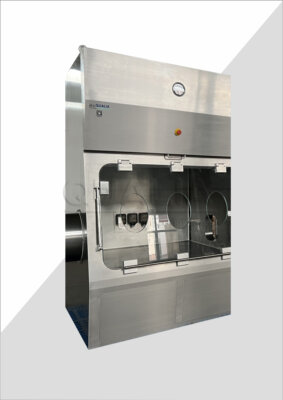
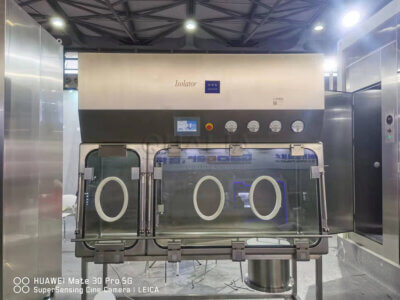
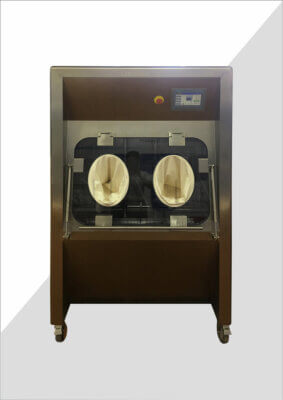
Para sistemas de contenção que operam nos níveis OEB4 ou OEB5 — nos quais o Isolador OEB4/OEB5 é a principal barreira de proteção do operador — as consequências das lacunas no registro são agravadas: um resultado aprovado no SMEPAC que excluiu eventos de desconexão e limpeza pode não representar o desempenho de contenção nos momentos de maior potencial de exposição.
Profundidade da amostragem versus carga de trabalho na execução em campo
A adição de pontos de amostragem e requisitos de registro de eventos a um protocolo SMEPAC melhora a resolução diagnóstica. Isso também aumenta a probabilidade de falha na execução em campo — não porque o pessoal seja inadequado, mas porque sincronizar os IDs das amostras com a postura do operador e o estado do equipamento em tempo real é uma tarefa de coordenação que se torna mais complexa a cada ponto de dados adicional. Esse é o compromisso que as equipes subestimam constantemente ao elaborar protocolos em suas mesas, e é ele que, na maioria das vezes, resulta em um conjunto de dados tecnicamente denso, mas internamente inconsistente.
A terceira edição do SMEPAC da ISPE fornece métodos para estimar dados abaixo do limite de quantificação, o que amplia o alcance analítico de um teste sem exigir instrumentação de maior sensibilidade. Ela também inclui procedimentos estruturados para avaliar dados de amostragem de superfície e lidar com resultados fora de conformidade. Essas ferramentas permitem uma análise mais aprofundada das causas-raíz e respostas regulatórias mais fundamentadas — mas aumentam a extensão do protocolo e a complexidade do gerenciamento de dados, o que deve ser absorvido pela equipe responsável pela execução do teste.
A perspectiva do ciclo de vida também é importante neste contexto. Os testes do SMEPAC não são uma atividade de qualificação única; mudanças no pessoal, nos procedimentos operacionais e no desgaste do equipamento afetam o desempenho da contenção ao longo do tempo. O guia aborda a frequência das reavaliações ao longo do ciclo de vida do sistema de contenção, o que significa que a decisão entre profundidade e carga de trabalho não se refere apenas ao teste inicial — trata-se de determinar se o protocolo pode ser executado de forma consistente em reavaliações periódicas, sem degradação na qualidade dos dados. Um protocolo abrangente que uma equipe executa de forma confiável uma vez, mas não consegue repetir de maneira consistente, é menos útil do que um protocolo mais enxuto que gera dados comparáveis ao longo da vida útil do sistema.
| Fator | Abordagem de amostragem profunda | Abordagem de amostragem enxuta | Principais considerações |
|---|---|---|---|
| Detecção de traços | Inclui métodos estatísticos para dados abaixo do LOQ, aumentando a sensibilidade a emissões baixas | Limitado a leituras acima do LOQ; pode deixar de detectar liberações pequenas, mas relevantes | Dados mais detalhados auxiliam nas investigações das causas-raíz, mas aumentam a complexidade dos dados |
| Gerenciamento de resultados de superfície | Avaliação estruturada e procedimentos de não conformidade do guia do SMEPAC | Pode recorrer a um julgamento ad hoc para excursões | Uma resposta formal garante a defensabilidade regulatória, mas aumenta a extensão do protocolo |
| Monitoramento do ciclo de vida | Define a frequência das reavaliações e leva em conta as mudanças relacionadas ao pessoal, às atividades e ao desgaste dos equipamentos | Frequentemente, testes pontuais, sem nova amostragem programada | A reavaliação periódica detecta desvios no desempenho; a abordagem enxuta não garante a validade a longo prazo |
| Carga de trabalho na execução em campo | Maior número de pontos de amostragem, tempo de execução mais longo, maior carga de coordenação | Um número menor de pontos de amostragem e uma documentação simplificada reduzem a carga de trabalho | Cada amostra adicionada aumenta as exigências logísticas e o risco de erros por parte do operador |
Para RABS fechado Em configurações em que o acesso à amostragem é mais restrito do que em sistemas abertos, a carga de trabalho na execução em campo é particularmente relevante — o acesso a pontos de amostragem específicos pode exigir intervenções planejadas que aumentam o tempo e a complexidade da coordenação de um protocolo já bastante exigente.
Verificação da versão do protocolo antes da primeira execução de teste
Uma meta de desempenho de contenção definida após a obtenção dos resultados é a razão mais comum pela qual um conjunto de dados SMEPAC concluído se torna difícil de justificar na aprovação do comissionamento. A CPT deve ser definida antes do início dos testes, com sua derivação documentada. O guia SMEPAC da ISPE sugere que uma CPT tão baixa quanto um décimo do limite de exposição ocupacional mais baixo aplicável ao API é um valor de projeto razoável — enquadrando isso como uma referência que o protocolo pode adotar, e não como um limite universalmente obrigatório. Seja qual for o valor selecionado, ele deve ser fixado com uma justificativa documentada antes da coleta de qualquer amostra, pois revisá-lo após a obtenção dos dados compromete a credibilidade de todo o conjunto de evidências.
A liberação do protocolo deve estar condicionada a duas verificações relativas à forma do material. Primeiro, confirme se o substituto de teste é um pó — a metodologia SMEPAC não se aplica a líquidos, vapores ou sólidos que se sublimam, e o uso de uma forma inadequada do material invalida os resultados para fins de avaliação de contenção. Em segundo lugar, confirme se a quantidade de API, a configuração do equipamento e a duração da atividade utilizadas nos testes correspondem às condições reais de produção com precisão suficiente para que se possa afirmar que os resultados dos testes representam a operação na vida real. Um protocolo que testa um lote menor em uma sala limpa, em vez da quantidade de produção no ambiente operacional, gera dados que são analiticamente corretos, mas operacionalmente irrelevantes.
A exigência de uma equipe multidisciplinar para a aprovação do protocolo não é uma mera formalidade processual. Engenheiros locais, operadores, fornecedores de tecnologia, higienistas do trabalho e representantes de segurança de processos possuem, cada um, uma categoria de conhecimento que os demais não podem substituir totalmente. Uma revisão exclusivamente de engenharia tenderá a ignorar as variáveis relacionadas às técnicas operacionais; uma revisão exclusivamente operacional tenderá a ignorar as implicações analíticas da seleção do amostrador. A terceira edição do guia SMEPAC inclui uma lista de verificação sistemática para sistemas simples e complexos, projetada para identificar lacunas que uma revisão de uma única disciplina normalmente deixa passar.
A execução qualificada é um requisito distinto da revisão da equipe. Os testes devem ser realizados por um Higienista Industrial Certificado ou por um Higienista Ocupacional com experiência comprovada no SMEPAC. Erros de execução na amostragem de campo — momento incorreto da amostragem, manuseio inadequado do filtro, falha no registro de eventos — geram artefatos de dados que muitas vezes são invisíveis no conjunto de dados final e podem levar a um resultado de aprovação que não reflete o desempenho real da contenção. Contratar um testador qualificado é uma decisão que diz respeito à integridade dos dados, não uma formalidade de credenciamento.
| Verificar item | O que verificar | Risco se negligenciado |
|---|---|---|
| Meta de desempenho de contenção | Definir o CPT como ≤0,1× o OEL mais baixo do API | A avaliação “aprovado/reprovado” carece de referência; os resultados podem, inesperadamente, não estar em conformidade |
| Forma material | Confirme se o substituto de teste é um pó, e não um líquido, vapor ou sólido em sublimação | O SMEPAC perdeu a validade; os resultados não podem ser utilizados para a avaliação da contenção |
| Alinhamento da produção | Ajustar o valor da API, o equipamento e a duração da atividade às condições da vida real | Os dados de teste deixam de ser relevantes para as operações reais |
| Lista de verificação do sistema | Utilize a lista de verificação da terceira edição para sistemas simples ou complexos | Sem uma análise estruturada, lacunas críticas no protocolo podem passar despercebidas |
| Equipe multidisciplinar | Incluir engenheiros, operadores, fornecedores de tecnologia, especialistas em higiene do trabalho e segurança de processos | Uma análise desequilibrada pode gerar lacunas técnicas, operacionais ou de segurança |
| Testador qualificado | Contrate um higienista industrial certificado ou um higienista ocupacional com experiência em SMEPAC | Erros de execução ou interpretações incorretas comprometem a integridade dos dados |
As decisões protocolares que determinam se um teste SMEPAC produz dados defensáveis ocorrem quase inteiramente antes do próprio teste: a seleção do substituto, a especificação do amostrador, a massa do substituto, o nível de CPT, a estrutura do registro de eventos e o escopo da sequência de tarefas devem ser todos definidos antes que o primeiro operador entre no espaço de teste. Se qualquer um desses itens for deixado em aberto — massa do substituto tratada como um intervalo, modelo do amostrador não especificado, CPT adiado até que os resultados sejam revisados —, isso normalmente exige um novo teste completo para correção, e não apenas uma alteração nos dados.
Antes de liberar um protocolo para execução, a verificação mais útil é rastrear um evento hipotético de superexposição retroativamente pelo conjunto de dados e questionar se o protocolo, da forma como está redigido, geraria a documentação sobre o tempo de amostragem, a correlação com o registro de eventos e o estado do equipamento necessária para localizar a fonte de emissão e distinguir uma falha no sistema de contenção de um problema relacionado à técnica do operador. Se esse rastreamento falhar em qualquer ponto, a lacuna está no protocolo, não no sistema de contenção — e é mais fácil corrigir essa lacuna agora do que ter que explicá-la durante uma auditoria.
Perguntas frequentes
P: A metodologia SMEPAC se aplica caso o API se sublime ou exista principalmente na forma de vapor nas temperaturas de processamento?
R: Não — o SMEPAC não se aplica a líquidos, vapores ou sólidos em sublimação, e a realização de testes com um API ou substituto nesses estados invalida os resultados para a avaliação de contenção. Se o material passar do estado de pó para o de vapor durante o processamento, as condições de teste deixam de representar o comportamento real de propagação do aerossol que a metodologia se destina a medir, e um quadro de avaliação diferente deve ser selecionado antes de se planejar qualquer amostragem.
P: O que a equipe deve fazer imediatamente após um conjunto de dados SMEPAC concluído apresentar um resultado que exceda a meta de desempenho de contenção?
R: O primeiro passo é comparar o carimbo de data e hora da amostra com valor elevado com o registro de eventos para identificar quando ocorreu a excedência — durante a operação em estado estacionário, um evento de transição ou uma ação específica do operador. Sem essa correlação, o resultado permite apenas uma conclusão geral. O guia SMEPAC da ISPE inclui procedimentos estruturados para avaliar resultados não conformes, mas esses procedimentos dependem da existência de um registro de eventos com carimbo de data e hora que permita identificar o estado do equipamento e a atividade do operador no momento exato da leitura elevada. Se o registro estiver incompleto, não será possível distinguir se a causa raiz é uma falha de contenção ou uma lacuna técnica ou procedural.
P: Em que ponto a adição de mais pontos de amostragem deixa de melhorar o protocolo e passa a prejudicar a qualidade dos dados coletados?
R: O limite é atingido quando a demanda de coordenação necessária para sincronizar os IDs das amostras com a postura do operador e o estado do equipamento em tempo real excede o que a equipe de campo consegue executar de forma consistente. Um protocolo que gera dados internamente inconsistentes — seja porque o registro de eventos ficou atrasado, a etiquetagem das amostras foi feita às pressas ou houve desvio no tempo — produz um conjunto de dados mais denso que é menos defensável do que um conjunto mais enxuto executado de forma correta. A verificação prática consiste em verificar se o protocolo pode ser repetido em reavaliações periódicas com qualidade de dados comparável, e não apenas concluído uma única vez em condições controladas.
P: Como os testes do SMEPAC se comparam ao uso dos dados de desempenho de contenção publicados pelo fabricante para um isolador ou cRABS adquirido?
R: Os dados do fabricante geralmente refletem a capacidade de contenção do equipamento nas condições de teste utilizadas durante a qualificação — que podem não corresponder à sequência específica de tarefas, à massa simulada, à técnica do operador ou ao ambiente da sala onde o equipamento será utilizado. Os testes da SMEPAC no local de instalação colocam à prova o sistema de contenção tal como ele é realmente utilizado, incluindo eventos de desconexão, manuseio da porta de luvas e transições de limpeza que os testes do fabricante podem não ter reproduzido. Os dados de desempenho publicados são uma contribuição útil para o projeto, mas não podem substituir as evidências específicas do local, onde o CPT deve ser comprovado em relação a uma sequência de tarefas operacionais documentada.
P: Um único teste SMEPAC é suficiente para toda a vida útil do sistema de contenção, ou o protocolo precisa ser executado novamente após modificações no equipamento ou mudanças na equipe?
R: Um único teste não é suficiente. Mudanças no pessoal, nos procedimentos operacionais e no desgaste do equipamento afetam o desempenho da contenção ao longo do tempo, e o guia SMEPAC da ISPE aborda a frequência de reavaliação ao longo do ciclo de vida do sistema justamente porque os dados de qualificação inicial perdem validade à medida que essas variáveis se alteram. Um protocolo elaborado apenas para execução única — sem levar em conta se ele pode ser repetido de forma consistente — pode gerar dados iniciais robustos que não podem ser comparados com avaliações posteriores, deixando a equipe incapaz de demonstrar desempenho sustentado durante uma auditoria.