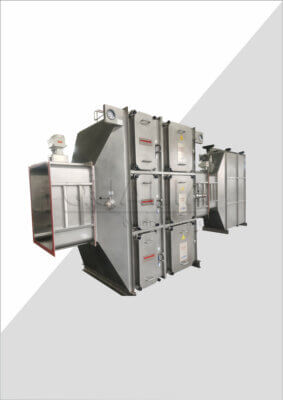
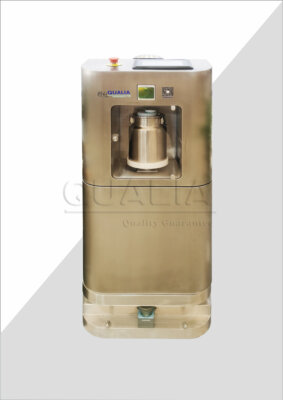
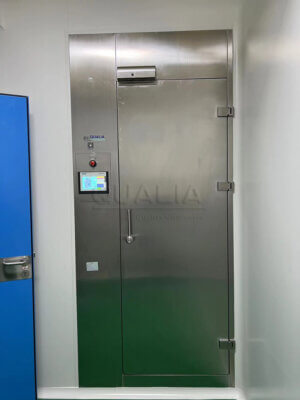
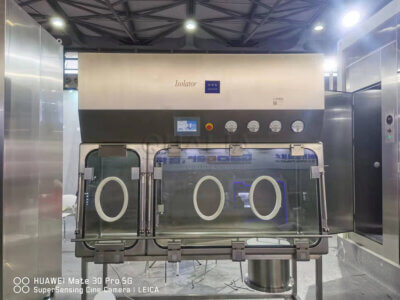
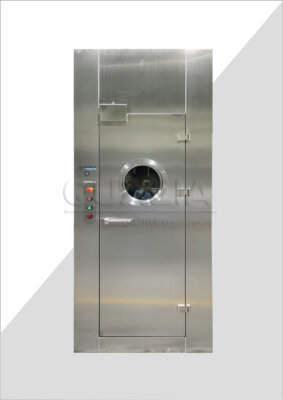
A escolha da arquitetura incorreta de descontaminação de efluentes para um laboratório BSL raramente fica evidente durante a revisão das especificações. Isso vem à tona durante o comissionamento, quando as equipes de validação descobrem que a prova de controle necessária para liberar os resíduos tratados difere substancialmente do que as especificações sugeriam — ou durante um evento anormal, quando os operadores precisam de uma decisão de retenção que a lógica do sistema não suporta de forma clara. O custo não é abstrato: estudos de tempo de residência que precisam ser refeitos, mapeamento de temperatura que não abrange partes extremas do fluxo ou um procedimento de isolamento para manutenção que exige a drenagem parcial de um recipiente contaminado. A escolha entre EDS em lote e contínuo depende do padrão de chegada dos resíduos, de como o sistema comprova a condição de eliminação para cada porção do líquido tratado e do que acontece quando algo dá errado. Analisar essas três dimensões antes de se fazer comparações de capacidade determinará qual configuração é mais adequada para o projeto.
Diferenças nos padrões de resíduos que determinam o tipo de EDS
O principal equívoco que gera problemas a jusante é tratar a seleção do EDS como um cálculo de capacidade de processamento, quando se trata, em primeiro lugar, de uma questão relacionada ao padrão de geração de resíduos. Um laboratório que gera volumes discretos e previsíveis — coletas de ralos de piso, condensado de autoclave, resíduos periódicos de processos — apresenta um desafio de tratamento fundamentalmente diferente daquele que gera um fluxo quase contínuo de baixo nível proveniente de instalações de alojamento de animais, bioprocessamento ou redes de drenagem de vários laboratórios. A aplicação de um sistema de lote com tanque único ao segundo cenário não falha apenas em termos de capacidade; ela falha porque o sistema não foi projetado para aceitar resíduos enquanto um ciclo está em andamento, o que cria um risco de acúmulo ou uma lacuna de contenção caso os resíduos não tenham um local seguro para onde ir durante a esterilização.
A escolha da configuração decorre diretamente desse padrão. Um sistema de tanque único realiza o enchimento e, em seguida, a esterilização sequencialmente, o que é adequado quando a chegada de resíduos é controlável e o intervalo de enchimento é longo em relação ao tempo de ciclo. Uma configuração de dois tanques (um em operação e outro em espera) lida com picos de carga e chegadas variáveis, mantendo um tanque em coleta enquanto o outro esteriliza — o mais próximo que uma arquitetura em lote chega da operação contínua sem abandonar os limites do ciclo. A adição de um tanque de retenção dedicado amplia ainda mais essa reserva para períodos de maior movimento, mas também acrescenta etapas de transferência, válvulas e superfícies de contenção que exigem suas próprias medidas de isolamento para manutenção. A incompatibilidade entre a configuração e o padrão é recuperável, mas a recuperação normalmente requer um projeto de modificação após a instalação, em um momento em que o laboratório já está parcialmente operacional e a pressão do cronograma torna o trabalho mais difícil.
As orientações do Manual de Biossegurança Laboratorial da OMS sobre o tratamento de resíduos líquidos enfatizam que a continuidade da contenção durante os ciclos de esterilização é um requisito de projeto, e não uma preferência operacional — razão pela qual as questões relativas à configuração e ao padrão de geração de resíduos devem ser respondidas em conjunto, e não sequencialmente.
| Configuração | Adequação do padrão de resíduos | Nível de redundância | Modo operacional |
|---|---|---|---|
| Tanque único | Discreto, de baixo volume, chegada em lotes | Nenhum (sequencial) | Encher e, em seguida, esterilizar, em um único ciclo |
| Dois tanques | Picos de carga e chegadas contínuas podem ser tratados em lotes | Redundância no nível do tanque (um em espera) | Operação em modo de espera: um coleta, outro esteriliza |
| Adicionamento de tanque de retenção | Períodos de maior movimento, cargas variáveis | Redundância de armazenamento durante a esterilização | Coletar no tanque de retenção e transferir para esterilização |
A tabela reflete valores de projeto e critérios de planejamento vinculados a configurações específicas do sistema, e não uma hierarquia regulatória. A consequência de selecionar um nível de redundância inferior ao exigido pelo padrão real de resíduos é que interrupções não planejadas — um ciclo com falha, uma intervenção de manutenção, uma falha no sensor — deixam os resíduos que chegam sem um caminho em conformidade, e a solução operacional alternativa geralmente envolve manuseio manual, o que aumenta o risco de exposição.
Evidências do ciclo do lote e controle de liberação
A lógica de lote produz um ciclo fechado com um início definido, uma condição de tratamento verificável e uma decisão de liberação discreta. Essa estrutura tem valor direto em contextos de auditoria e de eventos anormais, valor esse que é facilmente subestimado quando a seleção inicial é orientada pela produtividade ou pelo espaço ocupado.
A cadeia prática de controle de liberação em um sistema de lotes funciona porque cada ciclo é delimitado. O controle de nível por radar confirma o volume de enchimento antes do início do ciclo, garantindo que o tamanho do lote esteja dentro da faixa validada. Temperatura, pressão, tempo e nível de líquido são registrados ao longo da esterilização. O efluente tratado pode ser retido e amostrado antes da liberação. Um arquivo de ciclos que armazena até 5.000 registros completos — com conjuntos completos de parâmetros — fornece a trilha de auditoria que sustenta tanto as decisões rotineiras de liberação quanto a investigação retrospectiva, caso um ciclo seja sinalizado como anômalo. Esse número reflete uma especificação de projeto do produto, não um mínimo exigido universalmente; mas o ponto estrutural é que a profundidade de rastreabilidade disponível nos sistemas em lote os torna facilmente defensáveis em revisões e inspeções de controle de qualidade.
O estudo de validação biológica da PMC sobre sistemas de descontaminação química de efluentes ilustra como as evidências do ciclo se traduzem, na prática, em decisões de liberação: os testes de esterilidade do efluente tratado, vinculados a parâmetros de processo documentados, são o que transformam uma alegação do processo em uma prova defensável da condição de eliminação de microrganismos. Um ponto de amostragem no sistema de lote torna esse teste fisicamente possível sem interromper a tubulação a jusante. A decisão de liberação pode ser adiada até que o teste de esterilidade seja concluído, o que representa um nível de controle que os sistemas contínuos, por sua própria estrutura, não podem oferecer para qualquer parcela específica de líquido tratado.
A implicação para a auditoria decorre desse limite: quando um inspetor pergunta como a instalação pode comprovar que um determinado volume de resíduos foi tratado de acordo com as condições exigidas em uma data específica, um sistema por lotes responde a essa pergunta com um registro do ciclo. Um sistema contínuo responde com um registro de parâmetros de controle e um cálculo do tempo de permanência — o que é uma abordagem válida, mas requer uma estrutura de validação diferente e, normalmente, mais exigente para ser igualmente defensável.
| Mecanismo de Evidência | O que ele verifica | Benefício do Controle de Liberação |
|---|---|---|
| Arquivamento de ciclos (5.000 ciclos, parâmetros completos) | Registro completo de pressão, temperatura, tempo e nível de líquido | Rastreabilidade e registro de auditoria para cada lote |
| Controle de nível por radar | Volume de enchimento antes da esterilização | Garante a definição dos limites do ciclo e o tamanho adequado do lote |
| Ponto de amostragem para o teste de esterilidade | Condição de eliminação de microrganismos no efluente tratado | Evidências de validação direta para a decisão de liberação |
Uma consequência que as equipes às vezes deixam de considerar é que o arquivo do ciclo e o ponto de amostragem, em conjunto, permitem que os critérios de liberação sejam organizados em níveis. As liberações de rotina podem ocorrer com base apenas na conformidade dos parâmetros; os testes de esterilidade periódicos ou acionados fornecem a camada de confirmação biológica. Essa organização em níveis é mais difícil de implementar em sistemas contínuos, pois o fluxo não para em um ponto que permita a coleta de amostras “antes” e “depois” em condições de limpeza.
Tempo de permanência contínuo e prova de controle
Os sistemas EDS contínuos processam o líquido como um fluxo contínuo, em vez de em volumes discretos, o que altera completamente a natureza do problema de validação. A consistência na produtividade é o atrativo operacional — não há um ciclo de enchimento-espera-esterilização que crie um intervalo de manutenção ou um limite máximo de capacidade por ciclo. Mas essa consistência vem acompanhada de uma exigência de comprovação de controle que é mais difícil de satisfazer, e não menos.
O desafio da validação em um sistema contínuo consiste em demonstrar que cada porção do fluxo tratado — não uma amostra representativa em lote, mas cada parcela de líquido que passa pela zona de tratamento — foi exposta à condição de eliminação por tempo suficiente e sob temperatura adequada. Essa comprovação baseia-se na distribuição do tempo de residência, na uniformidade da temperatura ao longo da seção transversal do fluxo e em evidências do sistema de controle de que nenhuma porção do fluxo saiu do tratamento prematuramente ou contornou o intervalo total de exposição. Cada um desses elementos requer validação específica para o local; cálculos gerais de engenharia servem como dados de entrada para uma estratégia de validação, não como substitutos dela.
O problema da proximidade é real e merece ser mencionado diretamente. Em um sistema contínuo, o líquido tratado e o não tratado são separados no tempo e no percurso do fluxo, e não por um limite rígido de ciclo. Se a vazão aumentar transitoriamente, se a temperatura cair em uma seção da zona de tratamento ou se a mistura for inadequada na transição entre as correntes de entrada e as tratadas, o efeito pode não ser detectável nos registros de parâmetros sem que haja instrumentação posicionada especificamente para captá-lo. Essa estratégia de instrumentação — posicionamento dos sensores, frequência de registro, limites de alarme — torna-se parte da comprovação de controle validada, e projetá-la de forma defensável requer uma caracterização hidráulica e térmica detalhada do sistema específico sob condições operacionais representativas.
Para cargas em estado estacionário em laboratórios onde a geração de resíduos é genuinamente contínua e de alto volume, um sistema contínuo bem caracterizado pode atender melhor às necessidades operacionais do que qualquer configuração em lote. O critério de planejamento não é que os sistemas contínuos sejam mais difíceis de validar em termos absolutos, mas que a carga de trabalho da validação passa de demonstrar a conformidade do ciclo para demonstrar a cobertura do trajeto do fluxo — e as equipes que abordam o comissionamento sem estarem preparadas para essa distinção provavelmente enfrentarão trabalhos de qualificação inesperados.
Carga de validação decorrente da uniformidade da mistura e da temperatura
A uniformidade da temperatura em todo o volume de tratamento é o ponto em que se concentra a carga de validação em ambos os tipos de sistema, mas os mecanismos que a garantem diferem, e as evidências exigidas variam de acordo com isso.
Em sistemas de lote, a agitação melhora a distribuição de calor e evita a sedimentação de sólidos durante a fase de manutenção da esterilização. O aquecimento e o resfriamento da camisa proporcionam um ambiente térmico controlado ao redor do recipiente. Juntas, essas características contribuem para a uniformidade da temperatura em todo o lote — mas reduzem a carga de validação, em vez de eliminá-la. O mapeamento de temperatura do recipiente carregado, sob condições representativas de enchimento e nas temperaturas de manutenção validadas, ainda é necessário para demonstrar que nenhum ponto frio persiste ao longo do ciclo. A agitação e a camisa térmica são condições de implementação que aumentam as chances de sucesso do mapeamento; elas não são substitutos para ele. Os princípios de gestão de bioriscos da norma ISO 35001 reforçam por que a evidência de uniformidade é necessária como uma questão de controle de risco, e não simplesmente como uma formalidade de documentação: um ciclo que atinge a temperatura correta no local do sensor, mas não em todo o volume, não demonstrou a condição de inativação.
O limite que determina a mudança na abordagem de validação é a relação entre a temperatura de manutenção e o desafio biológico. Sistemas validados a 135 °C contra um indicador formador de esporos enfrentam um padrão de evidência diferente daquele aplicado a sistemas validados a 121 °C com tempos de retenção mais longos. Nenhuma das duas temperaturas é exigida universalmente para todas as instalações de BSL II/III; a escolha entre elas é uma decisão de risco específica do projeto que deve levar em conta o provável conteúdo biológico do fluxo de resíduos, a avaliação de risco de biossegurança da instalação e as exigências regulatórias aplicáveis à instalação específica.
Para sistemas contínuos, a comprovação da uniformidade da temperatura deve abranger a distribuição espacial ao longo da seção transversal do fluxo e a estabilidade temporal em toda a faixa de operação. A leitura de um sensor na saída da zona de tratamento confirma a temperatura de saída; ela não confirma se todas as partes do fluxo que chegaram a esse ponto tiveram exposição suficiente. Para demonstrar isso, é necessário realizar um mapeamento direto da temperatura em vários pontos sob condições de fluxo ou utilizar um modelo hidráulico validado, acompanhado de evidências físicas. Ambas as abordagens são tecnicamente defensáveis; nenhuma delas é simples, e a documentação de validação necessária para comprovar qualquer uma delas é substancialmente mais extensa do que a exigida para um registro de ciclo em lote.
A implicação prática para o planejamento do projeto é que as necessidades de recursos de validação para sistemas contínuos devem ser definidas de forma conservadora e confirmadas com a equipe de validação desde o início — e não estimadas com base em precedentes de sistemas em lote e ajustadas posteriormente.
Isolamento para manutenção e comportamento em caso de falha
O acesso para manutenção e a resposta a modos de falha são critérios de seleção aos quais a maioria das comparações de especificações não dá o devido peso, em grande parte porque não aparecem nas tabelas de capacidade ou rendimento. Eles se tornam visíveis durante a primeira manutenção programada após o comissionamento e assumem importância crítica durante uma falha não planejada.
A consequência de um isolamento inadequado durante a manutenção em um EDS não é apenas um problema de tempo de inatividade — é um problema de contenção. Se o isolamento de um componente para reparo exigir a drenagem de um reservatório que contenha resíduos tratados ou parcialmente tratados, o trajeto de drenagem, o ponto de recebimento e o procedimento de manuseio passam a fazer parte dos requisitos de contenção da operação de manutenção. Isso prolonga o período de manutenção, aumenta as etapas de exposição do operador e cria um desvio no processo que pode exigir documentação, dependendo da estrutura de biossegurança e de garantia de qualidade da instalação.
As características de projeto que abordam essa questão diretamente incluem o uso de válvulas duplas na linha de entrada do efluente, o que permite isolar a fonte de resíduos que chega sem a necessidade de esvaziar ou descontaminar previamente o vaso de esterilização. As conexões montadas na parte superior do vaso de pressão reduzem o risco de vazamentos durante a operação e permitem que reparos em conexões e sensores sejam realizados sem a necessidade de esvaziar o conteúdo do vaso. As bombas acionadas magneticamente eliminam a vedação mecânica como via de vazamento — não se trata da eliminação de todos os modos de falha da bomba, mas da redução daquele que tem maior probabilidade de causar um vazamento descontrolado de líquido. Os pontos de CIP (limpeza no local) na tubulação contaminada permitem a descontaminação a vapor antes do acesso físico, o que significa que um técnico que trabalhe na tubulação a jusante do vaso pode fazê-lo após uma etapa de descontaminação comprovável, em vez de depender do EPI como barreira primária.
| Recurso de design | Isolamento para manutenção / Benefício em caso de falha | Risco abordado |
|---|---|---|
| Válvula dupla na entrada do efluente | Isola a fonte de entrada para manutenção sem comprometer a contenção | Contaminação a montante |
| Todas as conexões na parte superior do recipiente | Reduz o risco de vazamento; evita a necessidade de esvaziar o recipiente para reparos | Vazamentos e exposição dos operadores |
| Bombas acionadas magneticamente | Minimiza a probabilidade de vazamentos nas vedações da bomba | Falha na vedação da bomba |
| Pontos CIP na tubulação | Permite a descontaminação a vapor da tubulação para fins de manutenção | Contaminação residual |
| Controle manual (protegido por senha) | Permite a intervenção do operador durante eventos anormais | Liberação não controlada ou desvio do processo |
O comando manual com proteção por senha permite a intervenção do operador durante eventos anormais — uma válvula emperrada, um sensor com falha, um ciclo que não atinge o ponto de ajuste. Na lógica de lote, essa intervenção tem um contexto claro: o ciclo está em andamento ou não está; o recipiente está na temperatura desejada ou não está; e a decisão do operador de suspender, reverter ou liberar pode ser documentada em relação a um estado específico do ciclo. Em sistemas contínuos, a decisão equivalente é tomada com base em uma condição de vazão e na tendência de um parâmetro, o que constitui uma base menos discreta para o registro da intervenção. Essa diferença é relevante durante a análise pós-evento e também na conversa de auditoria que possa se seguir.
O comportamento em caso de falha deve ser um item formal no URS de qualquer projeto de EDS, com perguntas específicas sobre o que o sistema faz se uma bomba falhar no meio do ciclo, se um sensor de temperatura sair da faixa de medição ou se houver interrupção no fornecimento de energia durante o tratamento. As respostas a essas perguntas, bem como as disposições de projeto que garantem a segurança em caso de falha, fazem parte do caso de contenção — e não são detalhes operacionais secundários.
Matriz de Seleção para Projetos de Laboratório do BSL
Os critérios de seleção só se tornam aplicáveis quando são organizados na sequência correta. O erro comum é comparar os números de capacidade antes de confirmar o padrão de chegada do desperdício e os requisitos de redundância, pois um sistema que atenda aos números de rendimento pode não se adequar à lógica operacional ou de validação que o projeto realmente exige.
A sequência prática começa com a caracterização do padrão de resíduos: a chegada é discreta ou contínua, previsível ou variável, e qual é a consequência de os resíduos não terem um caminho de tratamento em conformidade durante uma janela ou ciclo de manutenção? Essa resposta determina o tipo de configuração. A faixa de capacidade para sistemas em lote — de 1.000 a 6.300 litros por dia de 8 horas nas configurações disponíveis — abrange a maioria das escalas de laboratório BSL II e BSL III, mas a configuração que atinge essa capacidade (tanque único, tanque duplo ou tanque duplo com reservatório) altera o nível de redundância e as implicações de manutenção. Uma instalação que opte por um sistema de tanque único no limite superior de sua faixa de rendimento não possui capacidade de reserva; uma falha durante um período de grande movimento deixa todos os resíduos recebidos sem um caminho de tratamento até que a falha seja sanada.
A escolha da temperatura de esterilização — 121 °C ou 135 °C — é uma decisão de risco específica do projeto, e não uma configuração padrão. Temperaturas mais altas reduzem o tempo de retenção necessário e podem oferecer uma margem de segurança para fluxos de resíduos complexos, mas também afetam o consumo de energia, as classificações de pressão do recipiente e os parâmetros do ciclo que constam no protocolo de validação. Alterar a temperatura após a validação constitui um evento de revalidação, o que significa que a decisão sobre a temperatura deve ser tomada como parte da avaliação inicial de riscos e da URS, e não ajustada durante o comissionamento apenas porque um tempo de ciclo diferente é mais conveniente do ponto de vista operacional.
| Parâmetro de seleção | Gama disponível / Opções |
|---|---|
| Capacidade de produção | 1.000–6.300 litros por dia de 8 horas |
| Nível de BSL | BSL II, BSL III |
| Temperatura de esterilização | 121 °C ou 135 °C |
| Configuração do sistema | Tanque único, tanque duplo, gerador de vapor opcional, tanque de retenção |
O nível BSL é listado como um parâmetro de seleção porque interage com o padrão de desempenho de descontaminação esperado e, em alguns contextos regulatórios, com os requisitos de documentação para liberação. Instalações de BSL III geralmente enfrentam um escrutínio mais rigoroso nas inspeções dos registros de tratamento de efluentes do que as de BSL II, o que confere maior importância, nesse nível, aos recursos de trilha de auditoria e controle de liberação dos sistemas em lote. Tanto a estratégia de validação quanto as disposições de isolamento para manutenção devem ser revisadas em função da classificação BSL antes que a configuração seja finalizada, pois revisar qualquer uma delas após a instalação é um projeto à parte.
No caso de implantações de laboratórios BSL-3 móveis ou modulares — em que as interfaces de infraestrutura, as restrições de espaço e os requisitos de reimplantação aumentam a complexidade da integração do EDS —, as opções de configuração e as providências para situações de falha exigem uma análise mais antecipada e detalhada do que nas instalações em locais fixos. O Laboratório móvel com módulo BSL-3/BSL-4 O contexto acrescenta restrições relacionadas à conexão de serviços públicos, área ocupada e reimplantação que uma matriz de seleção de locais fixos pode não captar totalmente.
A etapa mais importante na seleção de um EDS é chegar a um consenso sobre o que o sistema deve comprovar antes de liberar o efluente tratado — e trabalhar de forma retroativa, partindo desse requisito de comprovação até chegar à configuração capaz de produzi-lo de maneira justificável. Para a maioria das instalações de BSL II e BSL III que geram volumes discretos de resíduos, os sistemas em lote oferecem uma estrutura de evidências mais clara, decisões de retenção e retratamento mais visíveis e disposições de isolamento para manutenção que são mais fáceis de documentar e inspecionar. O Sistema de descontaminação de efluentes para BSL 1–4 As configurações discutidas aqui vão desde tanques únicos até tanques duplos com reservatório de retenção, abrangendo a faixa de capacidade de processamento e redundância exigida pela maioria das especificações de projeto.
O que as equipes devem confirmar antes de finalizar a seleção: padrão de chegada de resíduos e volume de pico no pior cenário plausível; necessidade de redundância durante uma janela de manutenção; abordagem de validação para uniformidade de temperatura e comprovação das condições de eliminação; comportamento em caso de falha para os dois ou três modos de falha mais prováveis; e procedimento de isolamento para manutenção de cada componente principal passível de manutenção. Se algum desses itens ainda estiver em aberto no momento da elaboração da especificação técnica, a seleção ainda não está pronta para ser definida.
Perguntas frequentes
P: A decisão entre processo em lote e processo contínuo muda em uma instalação de nível BSL-4 em comparação com uma de nível BSL-3?
R: Sim, os argumentos a favor da lógica de lotes tornam-se mais sólidos no nível BSL-4. Classificações de contenção mais elevadas aumentam o escrutínio regulatório aplicado aos registros de liberação de efluentes, tornam mais rigorosos os requisitos de documentação para qualquer desvio ou evento anormal e agravam as consequências de uma falha na comprovação dos controles. A estrutura de evidências delimitada por ciclos de um sistema em lote — decisões de liberação discretas, um arquivo completo de parâmetros por ciclo, um ponto de amostragem para testes de esterilidade — é mais defensável nesse ambiente de inspeção do que o registro do tempo de permanência de um sistema contínuo. Se um projeto de BSL-4 também estiver considerando um EDS contínuo, a estrutura de validação necessária para alcançar uma defensabilidade de liberação equivalente deve ser definida e orçada antes que a configuração seja fixada.
P: Se o padrão de resíduos mudar após a instalação — por exemplo, se uma ampliação do laboratório gerar drenagem contínua de bioprocessamento —, um sistema EDS do tipo lote pode ser modificado para lidar com isso?
R: É possível realizar uma atualização da configuração, mas isso acarreta riscos reais em termos de custo e cronograma. Mudar de um sistema de lote com tanque único para um arranjo de tanques duplos ou de tanques duplos com tanque de retenção após a instalação significa modificar a tubulação, adicionar válvulas, atualizar o sistema de controle e revalidar a configuração alterada. Esse trabalho ocorre enquanto o laboratório está em operação, o que gera pressão no cronograma e um período em que a capacidade de tratamento pode ficar limitada. O caminho mais prático é caracterizar o pior cenário plausível de geração de resíduos — incluindo quaisquer expansões planejadas dentro do horizonte operacional da instalação — antes da finalização do URS, e dimensionar a configuração com base nesse cenário, em vez de se basear apenas na produtividade atual.
P: Em que momento o sistema EDS contínuo se torna realmente preferível a um sistema em batelada com dois tanques?
R: O EDS contínuo torna-se a opção mais viável quando a geração de resíduos é tanto de alto volume quanto genuinamente ininterrupta — o que significa que não há janela operacional em que o fluxo possa ser interrompido para permitir a delimitação de um ciclo em lote, e o volume excede o que uma configuração de tanque duplo com reservatório de retenção pode armazenar. Na prática, esse limite raramente é atingido em instalações laboratoriais padrão de BSL II ou III, mas pode se aplicar a instalações de bioprocessamento em grande escala ou redes de drenagem que abrangem vários edifícios. Abaixo desse limite, a carga adicional de validação para demonstrar a cobertura do trajeto do fluxo e a distribuição do tempo de residência em um sistema contínuo normalmente supera a conveniência em termos de rendimento, especialmente quando a instalação também exige evidências auditáveis de liberação no nível do ciclo.
P: Como se deve avaliar o comportamento do EDS em caso de falha ao comparar propostas de fornecedores, considerando que a maioria das fichas técnicas não aborda esse aspecto diretamente?
R: Exija que os fornecedores respondam por escrito a cenários específicos de falha como parte do processo de esclarecimento técnico, e não como uma discussão após a adjudicação. Os três cenários que mais revelam sobre o projeto do sistema são: falha da bomba no meio do ciclo, sensor de temperatura fora da faixa durante o tratamento e interrupção de energia durante a retenção de esterilização. Para cada um deles, pergunte para qual estado o sistema retorna por padrão, quais medidas de contenção impedem um vazamento descontrolado e qual é a sequência de ações do operador antes que o tratamento possa ser retomado. Propostas que respondem em termos gerais sobre sistemas de alarme, sem especificar os estados das válvulas, as posições padrão e a autoridade do operador durante a condição de falha, deixam em aberto a questão da contenção. Essa lacuna precisará ser resolvida durante a validação do comissionamento — a um custo mais alto e sob maior pressão de prazo do que se fosse resolvida na fase de especificação.
P: É necessário um programa de testes de esterilidade após o comissionamento para o EDS em lote, ou a conformidade com os parâmetros de temperatura e tempo é suficiente para as decisões de liberação contínuas?
R: A conformidade com os parâmetros, por si só, não é suficiente para comprovar a eliminação biológica; são necessários testes de esterilidade para estabelecer e confirmar periodicamente o caso de validação, embora a frequência desses testes seja uma decisão baseada no risco, e não um requisito universal fixo. A validação inicial de comissionamento deve incluir a confirmação biológica — testes de esterilidade do efluente tratado vinculados a parâmetros de ciclo documentados — para demonstrar que a temperatura, o tempo e as condições de mistura especificadas realmente alcançam a condição de eliminação exigida para o conteúdo biológico provável do fluxo de resíduos. Uma vez estabelecida essa base, as decisões de liberação de rotina podem prosseguir com base na conformidade dos parâmetros, tendo os testes de esterilidade periódicos ou acionados como camada de confirmação. O estudo de validação biológica do PMC sobre sistemas de descontaminação química de efluentes fornece uma referência metodológica para estruturar essa abordagem em camadas.