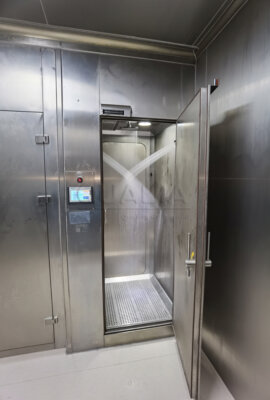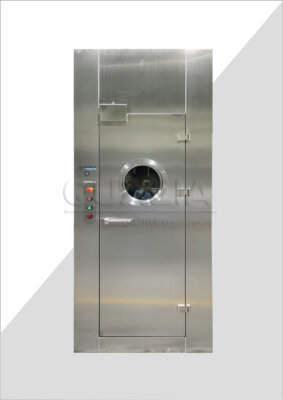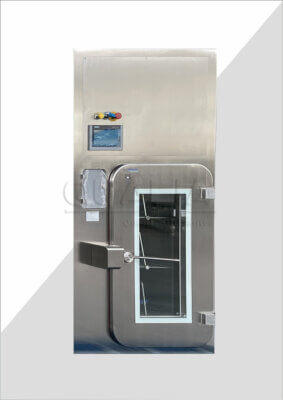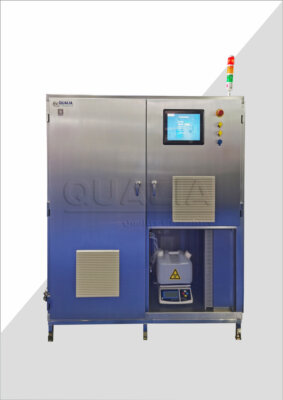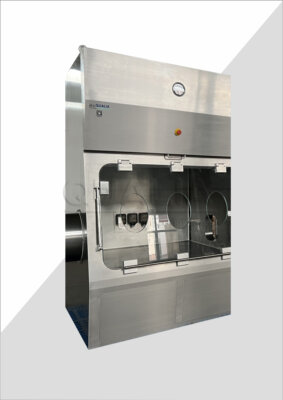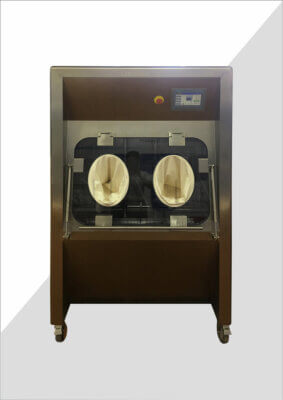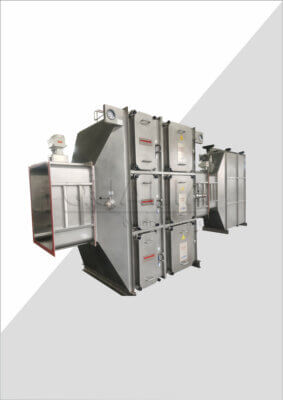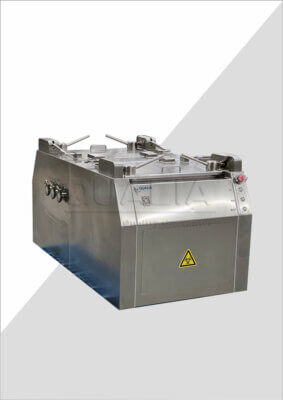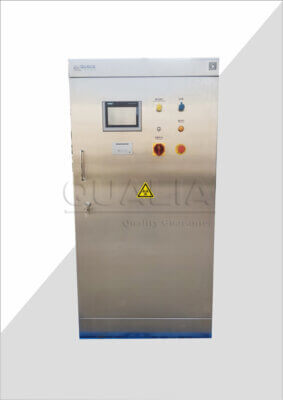

Większość zespołów ds. zamówień, które zwracają się z prośbą o ofertę na komorę przepustową typu VHP, określa objętość komory, konfigurację drzwi oraz wykończenie materiałowe — a w odpowiedzi otrzymuje od dostawcy informację, która odpowiada dokładnie na te pytania, pozostawiając jednak nierozwiązane szczegóły kluczowe dla procesu kwalifikacji. Ta luka rzadko ujawnia się aż do momentu przeprowadzenia testów FAT lub wczesnych testów kwalifikacyjnych, kiedy to planowany ładunek fizycznie pasuje do komory, ale rozkład cykli jest nieodpowiedni, system sterowania eksportuje dane w formacie, którego zakładowy system zarządzania danymi (DMS) nie akceptuje, lub matryca odpowiedzialności za walidację okazuje się pusta. Dostosowanie wymagań dotyczących danych cyklu po zbudowaniu architektury sterowania jest kosztowne i czasochłonne; ponowne zdefiniowanie logiki blokady drzwi po instalacji może wymagać pełnej ponownej kwalifikacji analizy bezpieczeństwa. Poniższa lista kontrolna skupia się na decyzjach, których najtrudniej jest naprawić po wybudowaniu urządzenia — tak aby specyfikacja zawarta w zapytaniu ofertowym odpowiadała rzeczywistym potrzebom zakładu w zakresie kwalifikacji, eksploatacji i obrony podczas kontroli.
Wymiary komory w zależności od zatwierdzonego obciążenia i prześwitu
Wybór wielkości komory jest jedną z pierwszych decyzji podejmowanych przy zakupie komory przepustowej VHP i jedną z najczęściej niedostatecznie określonych. Sposób, w jaki dochodzi do niepowodzenia, jest prosty: placówka podaje nominalną objętość wewnętrzną, dostawca wykonuje komorę zgodnie z tymi wymiarami, a komora fizycznie mieści przewidziany ładunek — jednak geometria ładunku ogranicza przepływ powietrza i dystrybucję H₂O₂ na tyle, że nie można zweryfikować wydajności cyklu w całym zakresie obciążenia. Urządzenie przechodzi kontrolę wzrokową i podstawowe testy uruchomieniowe, a problem ujawnia się dopiero podczas testów z użyciem wskaźników biologicznych, gdy skuteczność zabijania mikroorganizmów na powierzchniach ładunku jest nierównomierna.
Podstawowym problemem jest to, że nominalna objętość wewnętrzna nie mówi nic o tym, jak konkretny ładunek mieści się w komorze, ile pozostaje wolnej przestrzeni na odpowiednią cyrkulację gazu wokół wszystkich powierzchni, ani czy ładunek można wprowadzić i wyjąć bez naruszania granic pomieszczenia czystego. Komora, której wymiary są ustalane na podstawie największego zatwierdzonego ładunku powiększonego o przestrzeń niezbędną do jego bezpiecznego załadunku i rozładunku, podlega innym ograniczeniom projektowym niż komora zaprojektowana pod kątem objętości będącej zaokrągloną liczbą.
W zapytaniu ofertowym należy poprosić dostawcę o potwierdzenie maksymalnych, zweryfikowanych wymiarów ładunku, pod kątem których przetestowano komorę, dostępnej przestrzeni wolnej ze wszystkich stron tego ładunku oraz tego, czy geometria wózka lub stojaka została uwzględniona w pierwotnym zakresie walidacji. Jeśli ładunek danego obiektu nie został jeszcze zdefiniowany na etapie zapytania ofertowego, jest to pierwsza kwestia do rozwiązania — ponieważ parametry cyklu, rozmieszczenie czujników oraz pozycje wskaźników biologicznych zależą od ustalonego ładunku.
| Podejście do specyfikacji | Co się z niego widać | Co należy wyjaśnić |
|---|---|---|
| Wyłącznie nominalna objętość wewnętrzna | Nie uwzględnia geometrii ładunku ani prześwitu manewrowego | Proszę zapytać o największe dopuszczalne wymiary ładunku oraz wymaganą przestrzeń wolną, jaką może zapewnić komora |
| Wymiarowanie na podstawie obciążenia (największe zweryfikowane obciążenie + luz) | Zależy to od dokładnej dokumentacji ładunku | Należy potwierdzić maksymalny rozmiar ładunku, jaki można dostarczyć, z uwzględnieniem przestrzeni manewrowej dla wózków lub regałów |
Różnica przedstawiona w tabeli nie ma charakteru czysto teoretycznego. Komora dobrana wyłącznie na podstawie nominalnej objętości może wprawdzie spełniać wymagania określone w specyfikacji zakupowej, ale w praktyce może okazać się, że po wprowadzeniu rzeczywistego obciążenia konieczne będzie ponowne opracowanie programu kwalifikacyjnego.
Blokady drzwi w obszarze załadunku oraz wentylacji
Wymagania dotyczące blokady drzwi w komorze transferowej VHP obejmują trzy odrębne pod względem operacyjnym fazy, a ryzyko awarii w każdej z nich jest inne. Traktowanie ich jako jednej pozycji specyfikacji — “drzwi z blokadą, po obu stronach” — jest znanym źródłem powstawania architektur zabezpieczeń, które chronią przed jednym stanem, ale nie przed innym.
Podczas załadunku istotnym ryzykiem jest integralność przegrody pomieszczenia czystego oraz bezpieczeństwo personelu. Blokada musi uniemożliwiać otwarcie drzwi od strony pomieszczenia czystego, jeśli cykl został zainicjowany, jest w toku lub zakończył się bez doprowadzenia do końcowego punktu wentylacji. Konsekwencją wystąpienia luki w tym zakresie jest narażenie operatora na działanie resztek H₂O₂ lub niekontrolowane zmiany ciśnienia po obu stronach przegrody. W fazie ekspozycji ryzyko dotyczy integralności cyklu: każde otwarcie drzwi — nawet chwilowe — zakłóca profil stężenia i może unieważnić przebieg cyklu. Norma ISO 22441:2022 stanowi punkt odniesienia dla znaczenia kontrolowanego dostępu podczas aktywnych cykli VHP, a zapytanie ofertowe powinno zawierać konkretne pytanie o to, w jaki sposób logika blokady dostawcy radzi sobie z próbą obejścia blokady podczas ekspozycji oraz czy zdarzenie to jest rejestrowane wraz z tożsamością użytkownika i sygnaturą czasową.
Wentylacja stanowi trzeci i często niedostatecznie określony warunek. Blokada na drzwiach po stronie nieczystej nie powinna się zwolnić tylko dlatego, że faza ekspozycji dobiegła końca — powinna się zwolnić dopiero wtedy, gdy wentylacja osiągnie zatwierdzony punkt końcowy, co zazwyczaj potwierdza odczyt czujnika stężenia H₂O₂ poniżej określonego progu resztkowego. W zapytaniu ofertowym należy zapytać, jakie jest to kryterium punktu końcowego, w jaki sposób jest ono mierzone oraz co się stanie, jeśli czujnik nie potwierdzi osiągnięcia punktu końcowego w określonym przedziale czasowym. Blokada, która zwalnia na podstawie timera, a nie potwierdzonego odczytu czujnika, stanowi jakościowo odmienne podejście do bezpieczeństwa i zgodności z przepisami.
| Faza cyklu | System blokady musi zapewnić ochronę | Co należy potwierdzić |
|---|---|---|
| Ładowanie | Granice pomieszczeń czystych a bezpieczeństwo personelu | Drzwi można otworzyć tylko wtedy, gdy komora jest bezpieczna i nie trwa żaden cykl; w przypadku otwarcia drzwi w nieodpowiednim momencie uruchamia się alarm |
| Ekspozycja | Integralność cyklu i zabezpieczenie przed rozprzestrzenianiem się | Mechanizm blokujący uniemożliwia otwarcie podczas odkażania; każde obejście tej blokady wymaga uzasadnienia i jest rejestrowane jako zdarzenie |
| Napowietrzanie | Kontrolowane utrzymywanie w środowisku zamkniętym do osiągnięcia punktu końcowego | Blokada zostaje zwolniona dopiero po osiągnięciu i zweryfikowaniu punktu końcowego napowietrzania; określono konsekwencje przedwczesnego zwolnienia |
W dokumentacji dostawcy możliwość ręcznego obejścia jest czasami traktowana jako drugorzędna funkcja operacyjna, a nie jako zdarzenie związane z bezpieczeństwem i audytem. Zapytanie ofertowe powinno określać, że każde ręczne obejście podczas ekspozycji lub napowietrzania wymaga udokumentowanego uzasadnienia oraz że dostęp do informacji o takich zdarzeniach mają użytkownicy pełniące funkcje związane z zapewnieniem jakości bez konieczności angażowania działu IT lub dostawcy.
Czujniki danych cyklu, alarmy i dostęp użytkowników
Określenie wymagań dotyczących danych cyklu po zaprojektowaniu systemu sterowania należy do najdroższych działań naprawczych w ramach zamówienia na komorę transferową. Format danych, struktura pól, rozdzielczość znaczników czasu, rozmieszczenie czujników, konfiguracja rejestru alarmów oraz hierarchia uprawnień użytkowników to decyzje, które należy uwzględnić na wczesnym etapie projektowania architektury sterowania. Żądanie ich podczas testów FAT — lub stwierdzenie podczas testów IQ, że system eksportuje dane w zastrzeżonym formacie niezgodnym z infrastrukturą ścieżki audytu obiektu — zazwyczaj oznacza zlecenie zmiany w systemie sterowania, opóźnienie harmonogramu walidacji oraz konieczność ponownego przeprowadzenia przynajmniej części protokołu FAT.
Zapytanie ofertowe powinno określać konkretne wymagania dotyczące danych, a nie zawierać prośbę o “dane z pełnego cyklu”. Oznacza to określenie wymaganego formatu eksportu, minimalnej dokładności znacznika czasu akceptowalnej do celów przeglądu regulacyjnego oraz konkretnych pól danych, które muszą znajdować się w każdym zapisie cyklu. Norma ASTM E3116 stanowi przydatny punkt odniesienia w zakresie ram testowych, pozwalający zrozumieć, które pozycje czujników i punkty danych są istotne dla weryfikacji wydajności cyklu — a zapytanie ofertowe powinno zawierać prośbę skierowaną do dostawcy o dostarczenie schematu rozmieszczenia czujników wraz z uzasadnieniem każdej pozycji czujnika, a nie tylko informacje o liczbie zainstalowanych czujników.
Równie dużą uwagę należy poświęcić zapisom alarmów. Dziennik alarmów, który rejestruje rodzaj alarmu i czas jego wystąpienia, ale nie zawiera informacji o działaniach podjętych w celu usunięcia usterki ani o tożsamości operatora, który potwierdził alarm, spowoduje brak możliwości obrony podczas kontroli. W zapytaniu ofertowym należy zapytać o okres przechowywania, format eksportu oraz o to, czy zapis alarmu zawiera pola z tekstem swobodnym czy kodowane pola dotyczące usunięcia usterki.
| Pozycja | Zakres ubezpieczenia | O co należy poprosić w zapytaniu ofertowym |
|---|---|---|
| Format danych cyklu | Struktura, zawartość i eksport rekordów cykli | Należy określić wymagany format pliku, poziom szczegółowości znaczników czasu oraz pola danych, które muszą być rejestrowane |
| Rozmieszczenie czujników | Rozmieszczenie czujników temperatury, wilgotności i H₂O₂ | Proszę o przesłanie schematu rozmieszczenia czujników oraz uzasadnienia wyboru ich położenia |
| Zapisy alarmów | Rejestr alarmów zawierający godzinę, rodzaj i rozwiązanie | Należy sprawdzić okres przechowywania, możliwość eksportu oraz to, czy uwzględniono uzasadnienie alarmu |
| Poziomy uprawnień użytkowników | Role, uprawnienia i kontrola logowania | Należy określić wymagane poziomy dostępu (np. administrator, operator, konserwator) oraz oczekiwania dotyczące ścieżki audytu |
W etapie zapytania ofertowego (RFQ) wielopoziomowy dostęp użytkowników jest często określany zbyt ogólnikowo — np. “role administratora i operatora” bez sprecyzowania, jakie uprawnienia wiążą się z każdą z tych ról, czy dostęp w trybie konserwacji stanowi odrębny poziom, ani w jaki sposób zdarzenia logowania są rejestrowane w dzienniku audytowym. Obiekt, który po instalacji odkrywa, że dostęp w trybie konserwacji umożliwia modyfikację parametrów cyklu bez generowania zapisu o zmianie, boryka się z problemem integralności danych, który może wymagać nie tylko kontroli proceduralnej, ale także aktualizacji oprogramowania i ponownej kwalifikacji.
Dokumentacja dotycząca konstrukcji uszczelnień komorowych oraz konserwacji
Wybór materiału komory i konstrukcja uszczelnienia to kompromisy inżynieryjne, które mają bezpośredni wpływ na cykl życia urządzenia i jego konserwację, a często są one analizowane zbyt późno w procesie zaopatrzenia. Istotne pytania dotyczą nie tylko tego, czy dany materiał jest zasadniczo kompatybilny z dezynfekcją VHP, ale także tego, w jaki sposób wybrane wykończenie powierzchni i metoda wykonania wpływają na równomierność rozkładu H₂O₂, tempo spadku stężenia w trakcie cyklu oraz łatwość rutynowej dekontaminacji między kolejnymi cyklami pracy.
Wewnętrzne powierzchnie ze stali nierdzewnej poddanej elektropolerowaniu stanowią powszechny i uzasadniony wybór przy budowie komory VHP, jednak w zapytaniu ofertowym należy wyraźnie zapytać o sposób wykończenia spoin spawalniczych, geometrię narożników wewnętrznych oraz wszelkie wgłębienia lub martwe przestrzenie wewnątrz komory, które mogą powodować powstawanie cieni w procesie rozprowadzania H₂O₂. Nie są to abstrakcyjne obawy — decydują one o tym, gdzie należy umieścić wskaźniki biologiczne, aby odzwierciedlić najgorsze możliwe położenia podczas kwalifikacji, a jeśli dostawca nie scharakteryzował tych elementów, zadanie to spoczywa na zakładzie.
Projekt uszczelek stanowi obszar, w którym koncentruje się ryzyko związane z cyklem życia konserwacji. Uszczelki drzwiowe narażone na powtarzające się cykle dezynfekcji VHP ulegają z czasem degradacji, a tempo tego procesu zależy od materiału, z którego wykonano uszczelkę, zakresu stężenia H₂O₂ oraz częstotliwości cykli. Zapytanie ofertowe powinno zawierać pytanie o zalecany przez producenta okres między przeglądami uszczelek, procedurę ich wymiany oraz informację, czy wymiana uszczelek wymaga odesłania komory do dostawcy, czy też może zostać przeprowadzona na miejscu przez personel techniczny zakładu. Uszczelka, której wymiana wymaga specjalistycznego oprzyrządowania lub serwisu fabrycznego, powoduje uzależnienie od rutynowej konserwacji, co wpływa na ciągłość działania obiektu i powinno zostać uwzględnione w modelowaniu kosztów cyklu życia przed dokonaniem zakupu.
Dokumentacja serwisowa dostarczana wraz z urządzeniami — stan uszczelnień w momencie dostawy, kontrola wykończenia powierzchni, certyfikaty kalibracji czujników — ma znaczenie podczas kwalifikacji oraz przy każdym kolejnym przeglądzie okresowym. Urządzenia dostarczone bez tej dokumentacji początkowej powodują lukę w dokumentacji, którą dział kontroli jakości będzie musiał uzupełnić przed przystąpieniem do kwalifikacji funkcjonalnej (IQ), a w niektórych przypadkach nawet przed samym oddaniem urządzeń do użytku. Zapytanie ofertowe powinno określać, jakie dokumenty dotyczące konserwacji i kalibracji są wymagane w momencie dostawy, oraz potwierdzać, że zostaną one dostarczone wraz z urządzeniem, a nie jako zadanie do wykonania po dostawie.
Strategia BI/CI oraz dokumentacja FAT
Strategia dotycząca wskaźników biologicznych i chemicznych jest często domyślnie pozostawiana dostawcy, zamiast być określona przez zakład w zapytaniu ofertowym — a ta niejasność nieustannie prowadzi do sporów dotyczących odpowiedzialności na etapie kwalifikacji. W praktyce nie chodzi o to, czy badania wskaźników biologicznych i chemicznych (BI/CI) zostaną przeprowadzone, ale o to, kto wybiera rodzaj i dawkę wskaźników biologicznych, kto określa miejsca ich umieszczenia, kto interpretuje wyniki oraz kto jest odpowiedzialny za ponowne przeprowadzenie badań w przypadku niepowodzenia serii. Oferta dostawcy, która zawiera “badania wskaźników biologicznych”, ale nie określa tych obowiązków, nie rozwiązuje tej kwestii; odkłada ją na etap projektu, na którym presja terminów utrudnia renegocjacje.
Norma ASTM E3116 stanowi punkt odniesienia dla ram testowych dotyczących metodologii BI/CI oraz struktury testów FAT w urządzeniach do sterylizacji wysokociśnieniowej (VHP). W zapytaniu ofertowym należy poprosić dostawcę o opisanie, w jaki sposób wybierane są pozycje BI w odniesieniu do zatwierdzonej geometrii obciążenia — a konkretnie, czy pozycje odpowiadające najgorszemu scenariuszowi są identyfikowane na podstawie danych z mapowania rozkładu H₂O₂ czy też na podstawie ogólnego protokołu rozmieszczenia stosowanego we wszystkich konfiguracjach komory. Nie są to podejścia równoważne, a to rozróżnienie ma znaczenie podczas oceny programu kwalifikacyjnego.
Zakres dokumentacji FAT to kolejny powszechny przykład niedostatecznego określenia wymagań. Lista kontrolna FAT, która potwierdza działanie blokady drzwi, zakończenie cyklu oraz eksport danych, ale nie określa kryteriów odbioru powiązanych z konkretnymi parametrami eksploatacyjnymi obiektu, sprawia, że FAT staje się jedynie kontrolą sprzętu przeprowadzaną przez dostawcę, a nie weryfikacją wydajności istotną z punktu widzenia obiektu. Zapytanie ofertowe powinno określać, jakie kryteria akceptacji mają zastosowanie podczas testów FAT, czy zespół ds. zapewnienia jakości obiektu, czy też strona niezależna będzie świadkiem przeprowadzenia testów FAT oraz jaka dokumentacja jest wymagana przed zwolnieniem sprzętu do wysyłki. Sprzęt dostarczony na miejsce wraz z dokumentacją z testów FAT, która nie odnosi się do parametrów specyficznych dla danego obiektu, zazwyczaj będzie wymagał dodatkowych prac związanych z uruchomieniem, które mogłyby zostać wykonane w fabryce przy niższych kosztach i mniejszym nakładzie czasu.
Zakres weryfikacji dostawcy w zapytaniu ofertowym
Najpoważniejszym zaniedbaniem w zapytaniu ofertowym dotyczącym komory przepustowej VHP często nie jest brak specyfikacji technicznej — chodzi raczej o brak określenia, które czynności walidacyjne wchodzą w zakres obowiązków dostawcy, a za które odpowiedzialność ponosi zakład. Jeśli kwestia ta nie zostanie wyjaśniona na etapie zamówienia, zakład odkrywa tę lukę na takim etapie projektu, na którym jej usunięcie wymaga albo nieprzewidzianych w budżecie zasobów wewnętrznych, albo zmiany zamówienia, która powoduje wzrost zarówno kosztów, jak i wydłużenie harmonogramu.
Oferta dostawcy, która opisuje dostawę sprzętu, wsparcie przy instalacji oraz “pełny pakiet dokumentacji”, nie precyzując jednak, które działania kwalifikacyjne są w niej zawarte, które są dostępne za dodatkową opłatą, a które całkowicie wykraczają poza zakres, nie dostarcza zakładowi praktycznie żadnych informacji. Zespoły ds. zapewnienia jakości i walidacji, osoby odpowiedzialne za BHP i ochronę środowiska oraz kierownicy projektów w zakładzie powinni być w stanie zapoznać się z ofertą i dokładnie określić, za co są odpowiedzialni.
Niejasność co do zakresu prac w tym obszarze prowadzi do trzech powtarzających się scenariuszy niepowodzeń: obiekt, który nie zaplanował ani nie przeznaczył środków budżetowych na przeprowadzenie kwalifikacji operacyjnej (OQ), odkrywa to dopiero na etapie zamknięcia kwalifikacji instalacyjnej (IQ); obie strony zakładają, że odpowiedzialność za BI/CI spoczywa na drugiej stronie, dopóki nieudany przebieg testów nie zmusi ich do wyjaśnienia tej kwestii; lub dokumentacja z testów przyjęcia fabrycznego (FAT) zawiera luki, które wymagają od dostawcy powrotu na miejsce w celu wykonania dodatkowych prac uruchomieniowych, co wydłuża harmonogram o kilka tygodni.
| Działanie walidacyjne | O czym powinien mówić cytat | Ryzyko, jeśli niejasne |
|---|---|---|
| Kwalifikacja instalacji (IQ) | Kto przeprowadza badania IQ, przygotowanie terenu i zapewnienie gotowości infrastruktury? | Obiekt może nie być gotowy lub montaż może się opóźnić |
| Kwalifikacja operacyjna (OQ) | Parametry testów OQ, kryteria akceptacji i zakres odpowiedzialności | Cykl może nie zostać zatwierdzony pod kątem konkretnych wymagań obiektu |
| Badania wskaźników biologicznych i chemicznych (BI/CI) | Wskazania do wykonania badań BI/CI, interpretacja wyników oraz odpowiedzialność za powtórne badania | Niejasna struktura własnościowa może opóźnić wprowadzenie produktu na rynek i zapewnienie zgodności z przepisami |
| Dokumentacja z testów odbiorczych w zakładzie (FAT) | Zakres testów FAT, kryteria odbioru oraz wsparcie na miejscu w razie potrzeby | Sprzęt może zostać dostarczony, mimo że jego wydajność w warunkach eksploatacyjnych nie została jeszcze zweryfikowana |
W zapytaniu ofertowym należy zawrzeć wymóg, aby w odpowiedzi dostawcy zostały wyraźnie omówione wszystkie cztery działania walidacyjne wymienione w tabeli — nie w formie ogólnego oświadczenia o poparciu, lecz jako opis tego, co dostawca dostarczy, w jakim terminie oraz zgodnie z jakimi kryteriami akceptacji. W ofercie powinno być jednoznacznie określone, gdzie kończy się zakres obowiązków dostawcy, a zaczyna zakres obowiązków placówki, tak aby można było to dokładnie odzwierciedlić w planie generalnym walidacji placówki przed wystawieniem zamówienia.
W przypadku obiektów, które rozważają integrację generatora wraz z zakupem komory przekaźnikowej, Generator nadtlenku wodoru VHP typu I oraz Przenośny generator nadtlenku wodoru VHP (typ II, typ III) Strony te zawierają informacje dotyczące konfiguracji związane z dostosowaniem parametrów cyklu — zwłaszcza w przypadkach, gdy generator jest dostarczany oddzielnie od komory przepustowej, a zakres walidacji interfejsu należy określić w zapytaniu ofertowym.
Decyzje, od których zależy, czy zakup komory przekaźnikowej VHP zapewni system spełniający wymagania i gotowy do kontroli, są niemal w całości podejmowane przed wystawieniem zamówienia. Dopasowanie rozmiaru komory do zdefiniowanego i zatwierdzonego obciążenia, logika blokad określona dla wszystkich trzech faz cyklu, wymagania dotyczące danych cyklu i alarmów zdefiniowane przed skonstruowaniem układów sterowania, wybór materiałów i uszczelnień oceniony pod kątem cyklu życia konserwacyjnego, przypisanie odpowiedzialności za BI/CI konkretnej stronie oraz udokumentowanie zakresu walidacji bez żadnych założeń — są to elementy, które często ulegają pominięciu, gdy zapytanie ofertowe traktuje je jako szczegóły, a nie jako specyfikacje nadrzędne.
Przed wysłaniem lub oceną odpowiedzi dostawcy zespół ds. zamówień w zakładzie powinien być w stanie potwierdzić, że w ofercie znajduje się jasna odpowiedź dotycząca każdego z tych obszarów — nie w formie ogólnego oświadczenia o możliwościach, ale jako konkretny element dostawy z wyraźnie wskazanym podmiotem odpowiedzialnym. W przypadku zespołów przygotowujących sam dokument zapytania ofertowego, Jakie dokumenty potwierdzające należy wymagać od producentów VHP przed wysłaniem zapytania ofertowego określa minimalne wymagania dotyczące dokumentacji, która powinna towarzyszyć każdej wiarygodnej pod względem technicznym ofercie dostawcy.
Często zadawane pytania
Pytanie: Co zrobić, jeśli w momencie, gdy trzeba wysłać zapytanie ofertowe, zatwierdzone obciążenie obiektu nie zostało jeszcze określone?
O: Zapytania ofertowe nie powinny być wysyłane, dopóki obciążenie nie zostanie ustalone. Wymiarowanie komory, rozmieszczenie czujników, pozycje wskaźników biologicznych oraz opracowanie parametrów cyklu zależą od zdefiniowanej geometrii obciążenia — wysłanie zapytania ofertowego w oparciu o nieokreślone obciążenie skutkuje otrzymaniem oferty, której nie da się rzetelnie ocenić pod kątem gotowości do kwalifikacji. Jeśli presja związana z harmonogramem zamówień wymaga wczesnego nawiązania współpracy z dostawcami, zapytanie ofertowe powinno wyraźnie zaznaczać, że definicja ładunku jest w toku, oraz zawierać prośbę, aby dostawca opisał, w jaki sposób projekt uwzględnia późniejsze potwierdzenie ładunku bez konieczności wprowadzania zmian w systemie kontroli lub w komorze.
Pytanie: Czy wskazówki zawarte w tym artykule mają zastosowanie również w przypadku, gdy generator VHP pochodzi od innego dostawcy niż komora przekaźnikowa?
O: Konfiguracje z podziałem zasilania wprowadzają dodatkową granicę zakresu, której wytyczne zawarte w artykule nie wyjaśniają w pełni. W przypadku gdy generator i komora przekaźnikowa pochodzą od różnych dostawców, walidacja interfejsu — w tym dostarczanie stężenia, integracja czujników oraz routing alarmów między obydwoma systemami — musi zostać wyraźnie przypisana w obu zapytaniach ofertowych. Żaden z dostawców nie przejmie domyślnie odpowiedzialności za interfejs, a plan generalny walidacji, który nie wskazuje podmiotu odpowiedzialnego za walidację operacyjną (OQ) interfejsu, ujawni tę lukę na etapie, na którym opóźni to proces kwalifikacji, a nie sam proces zakupu.
Pytanie: W którym momencie dodawanie kolejnych czujników do komory przestaje poprawiać weryfikację cyklu, a zamiast tego staje się problemem związanym z zarządzaniem danymi?
O: Zwiększanie liczby czujników staje się niekorzystne, gdy generuje więcej danych, niż protokół kwalifikacji obiektu jest w stanie zinterpretować w oparciu o zdefiniowane kryteria akceptacji. Wartość każdej pozycji czujnika zależy od tego, czy odpowiada ona najgorszemu scenariuszowi dla zweryfikowanego obciążenia — dodatkowe czujniki umieszczone bez uzasadnienia opartego na mapowaniu rozkładu obciążenia powodują jedynie wzrost ilości surowych danych, nie zwiększając jednocześnie wiarygodności kwalifikacji. W zapytaniu ofertowym należy poprosić dostawcę o uzasadnienie każdej pozycji czujnika w odniesieniu do geometrii obciążenia, a nie tylko o maksymalizację liczby czujników.
Pytanie: Czy punkt końcowy napowietrzania określony na podstawie czasu jest dopuszczalny dla każdego obciążenia lub każdej klasy pomieszczenia czystego, czy też zawsze wymagany jest punkt końcowy potwierdzony przez czujnik?
O: Punkt końcowy oparty na liczniku czasu może być technicznie dopuszczalny w konfiguracjach o niższym ryzyku, ale stanowi słabsze podejście do zapewnienia zgodności w każdym środowisku podlegającym kontroli regulacyjnej. Licznik czasu zakłada, że wydajność napowietrzania jest stała niezależnie od obciążenia, warunków otoczenia i stanu uszczelnienia — są to założenia, których nie wymaga odczyt wartości resztkowej potwierdzony przez czujnik. W przypadku obiektów działających zgodnie z wymogami farmaceutycznych dobrych praktyk wytwarzania (GMP) lub zlokalizowanych w pobliżu pomieszczeń czystych, w których przebywają pracownicy, punkt końcowy potwierdzony przez czujnik stanowi standard, który można obronić przed zarzutami; zezwolenie oparte na zegarze powinno być wyraźnie uzasadnione w specyfikacji wymagań użytkownika (URS) i ocenie ryzyka, a nie akceptowane jako domyślna konfiguracja dostawcy.
Pytanie: W jaki sposób placówka powinna rozważyć ofertę tańszego dostawcy, w której pominięto wsparcie w zakresie walidacji, w porównaniu z ofertą droższą, obejmującą przeprowadzenie walidacji operacyjnej (OQ)?
O: Porównanie ma sens dopiero wtedy, gdy zakład sam oszacuje koszt tej luki. Oferta, która nie uwzględnia przeprowadzenia kwalifikacji operacyjnej (OQ), nie jest tańsza, jeśli zakład nie dysponuje wewnętrznymi zasobami do walidacji i będzie musiał zlecić to zadanie na zewnątrz — po stawkach i w terminach, które zazwyczaj są mniej korzystne niż te wynegocjowane przy zakupie sprzętu. Istotną kwestią jest to, czy zakład jest w stanie zapewnić zasoby i zaplanować przeprowadzenie OQ we własnym zakresie, nie wpływając na ogólne obciążenie pracą związane z walidacją w zakładzie. Jeśli nie jest to możliwe, różnica między ofertami nie odzwierciedla rzeczywistej różnicy w kosztach, a opcja tańsza wiąże się z ryzykiem opóźnień, które powinno zostać uwzględnione w analizie biznesowej przed złożeniem zamówienia.