Dla producentów urządzeń medycznych wybór metody sterylizacji końcowej jest fundamentalną decyzją strategiczną. Wybór między sprawdzoną technologią tlenku etylenu (EtO) a zaawansowaną technologią odparowanego nadtlenku wodoru (VH2O2) dyktuje nakłady inwestycyjne, wydajność produkcji, zgodność z przepisami i długoterminową rentowność operacyjną. Decyzja ta jest często przedstawiana jako prosty kompromis między kompatybilnością a szybkością, ale rzeczywistość jest bardziej zniuansowana, obejmując materiałoznawstwo, projektowanie obiektów i zmieniające się naciski regulacyjne.
Sytuacja się zmienia. Zwiększona kontrola emisji EtO i bezpieczeństwa pracowników, w połączeniu z formalnym uznaniem przez FDA VH2O2 za metodę o ustalonej kategorii A, przyspiesza strategiczną ponowną ocenę. Zrozumienie krytycznych różnic między tymi technologiami nie dotyczy już tylko walidacji procesu - chodzi o zabezpieczenie linii produkcyjnej i łańcucha dostaw na przyszłość przed siłami regulacyjnymi i rynkowymi.
Mechanizm i skuteczność: Porównanie VH2O2 i EtO
Definiowanie podstawowych mechanizmów zabijania drobnoustrojów
Podstawowe działanie każdego środka sterylizującego określa granice jego zastosowania. Tlenek etylenu działa poprzez alkilację, nieodwracalnie uszkadzając DNA, RNA i białka drobnoustrojów. Ta chemiczna zmiana zapewnia szerokie spektrum niezawodnej śmiertelności. Odparowany nadtlenek wodoru działa jako silny środek utleniający, generując rodniki hydroksylowe, które atakują składniki komórkowe, takie jak lipidy i DNA, aby osiągnąć wymaganą redukcję wielu log.
Krytyczna rola obciążenia biologicznego urządzenia
Kluczowe, oparte na dowodach spostrzeżenia podkreślają, że skuteczność sterylizacji jest zagrożona przez glebę organiczną w przypadku obu metod. Obecność materiału biologicznego, takiego jak surowica i sole, może tworzyć barierę ochronną, znacznie zmniejszając margines bezpieczeństwa, szczególnie w trudnych geometriach, takich jak wąskie prześwity. Sprawia to, że nienaganne czyszczenie wstępne i walidacja w najgorszych warunkach zabrudzenia - nie tylko przy użyciu czystych nośników - nie podlega negocjacjom w celu zapewnienia sterylności w świecie rzeczywistym.
Weryfikacja pod kątem rzeczywistych warunków
Eksperci branżowi zalecają, aby protokoły walidacji uwzględniały najtrudniejsze do sterylizacji lokalizacje urządzeń i najwyższe oczekiwane obciążenie biologiczne. Zgodnie z ogólnymi zasadami zawartymi w ISO 14937:2009, scharakteryzowanie środka sterylizującego wymaga wykazania skuteczności w określonych, trudnych warunkach. Poleganie wyłącznie na danych dotyczących czystego nośnika wprowadza niedopuszczalne ryzyko dla bezpieczeństwa pacjentów, niezależnie od wybranej metody.
| Środek sterylizujący | Podstawowy mechanizm | Kluczowe ograniczenia |
|---|---|---|
| Tlenek etylenu (EtO) | Alkilacja DNA/białek | Kompromitowane przez glebę organiczną |
| Odparowany nadtlenek wodoru (VH2O2) | Utlenianie przez rodniki hydroksylowe | Kompromitowane przez glebę organiczną |
Uwaga: Zapewnienie sterylności wymaga walidacji w najgorszych warunkach glebowych, a nie tylko czystych nośników.
Źródło: ISO 14937:2009. Norma ta ustanawia ogólne wymagania dotyczące charakterystyki środków sterylizujących i walidacji procesów, nakazując wykazanie skuteczności w określonych, trudnych warunkach, w tym w obecności gleby.
Analiza kosztów: Porównanie kosztów kapitałowych, operacyjnych i całkowitego kosztu posiadania
Podział inwestycji kapitałowych z góry
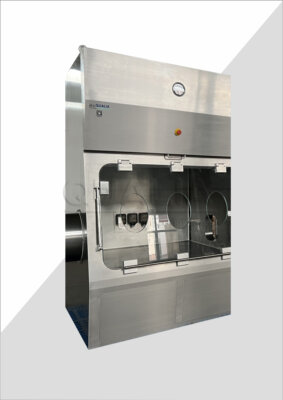
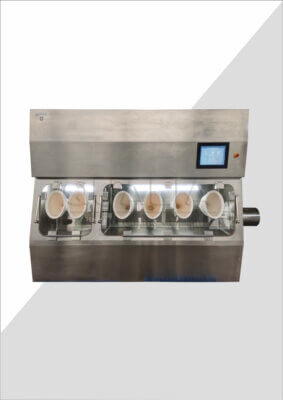
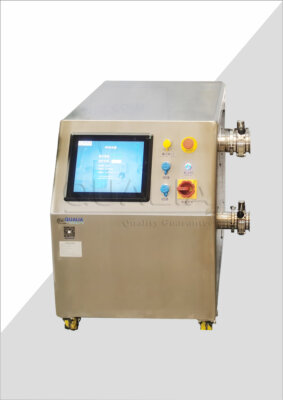
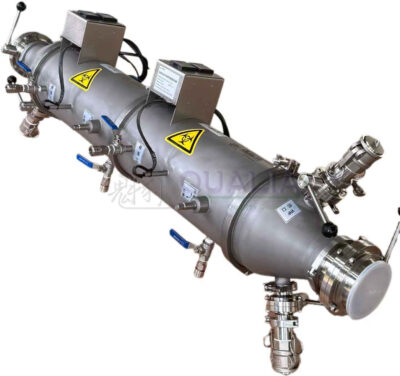
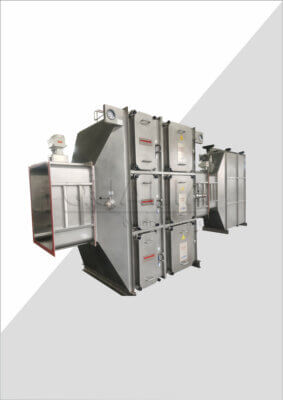
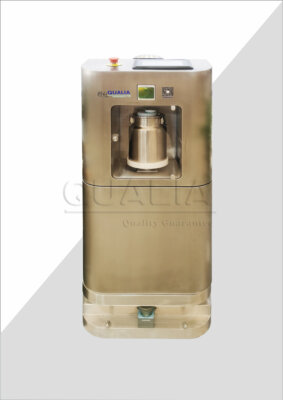
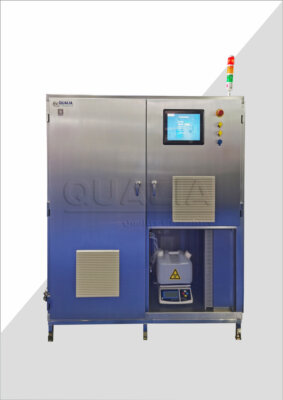
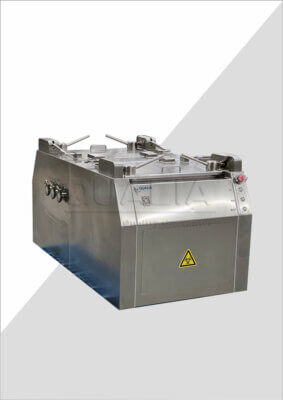
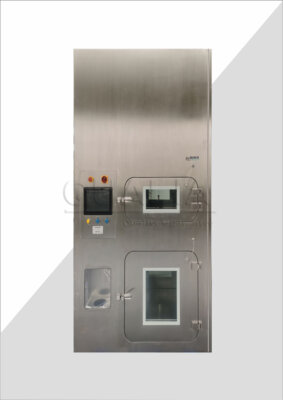
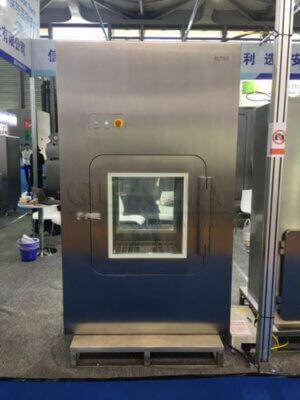
Profile finansowe różnią się natychmiast po instalacji. Systemy EtO wymagają wysokich nakładów kapitałowych na komory przeciwwybuchowe, złożone systemy obsługi gazów, oczyszczania i redukcji. Systemy VH2O2, takie jak nowoczesny Generator nadtlenku wodoru VHP, Zazwyczaj charakteryzują się niższymi kosztami początkowymi i prostszą instalacją, często wymagając jedynie standardowych połączeń elektrycznych i bez specjalistycznej infrastruktury gazowej.
Ukryte koszty eksploatacji i przepustowości
Koszty operacyjne ujawniają prawdziwe obciążenie. Koszty EtO są potęgowane przez zakup toksycznych gazów, utylizację niebezpiecznych odpadów, duże zużycie energii i próżni oraz pracę związaną z długimi cyklami. Koszty operacyjne VH2O2 przenoszą się na materiały eksploatacyjne (roztwór H2O2) i precyzyjną konserwację systemu. Obciążenie operacyjne EtO powoduje znaczną wadę przepustowości. Cykle przekraczające 14 godzin bezpośrednio zwiększają zapasy produkcji w toku i zmniejszają elastyczność produkcji, co jest kosztem często pomijanym w prostych porównaniach sprzętu.
Całkowity koszt posiadania i wartość strategiczna
Kompleksowa analiza TCO musi uwzględniać koszty obiektu i koszty środowiskowe. EtO wymaga kosztownych sklasyfikowanych obszarów, ciągłego monitorowania emisji i złożonej sprawozdawczości ESG. VH2O2 eliminuje potrzebę specjalnej wentylacji i zapewnia wymierne korzyści w zakresie zrównoważonego rozwoju poprzez usunięcie regulowanego źródła emisji substancji rakotwórczych. W naszej analizie presja na projektowanie obiektów i mandaty ESG przyspieszają przejście na VH2O2, ponieważ przekształcają zgodność z przepisami z centrum kosztów w strategiczną przewagę.
| Współczynnik kosztów | Tlenek etylenu (EtO) | Odparowany nadtlenek wodoru (VH2O2) |
|---|---|---|
| Inwestycje kapitałowe | Wysoki (komory przeciwwybuchowe, redukcja emisji) | Niższy (standardowy elektryczny często wystarczający) |
| Podstawowe koszty operacyjne | Gaz, usuwanie odpadów niebezpiecznych, media | Materiały eksploatacyjne H2O2, konserwacja systemu |
| Wpływ na czas cyklu | >14 godzin na cykl | 75-120 minut na cykl |
| Wydajność i zapasy | Wysoki WIP, niższa zwinność | Niski poziom WIP, krótszy czas wprowadzania produktów na rynek |
| ESG i koszt obiektu | Drogie obszary sklasyfikowane, raportowanie emisji | Bez specjalnej wentylacji, bez pozostałości |
Źródło: Dokumentacja techniczna i specyfikacje branżowe.
Kompatybilność materiałowa i ograniczenia urządzeń: Widok z boku
Szeroki zakres kompatybilności
Kompatybilność materiałowa dyktuje możliwy wszechświat urządzeń dla każdej metody. EtO oferuje wyjątkowo szeroką kompatybilność, bezpiecznie przetwarzając złożone zespoły zawierające większość tworzyw sztucznych, metali, szkła i wrażliwej elektroniki. VH2O2, jako silny utleniacz, jest kompatybilny z wieloma materiałami, ale może degradować elementy wrażliwe na utlenianie, takie jak niektóre kleje, miedź, mosiądz lub materiały na bazie celulozy. Wymaga to wczesnego przeglądu projektu pod kątem sterylizacji.
Penetracja jako definiujące ograniczenie
Kompatybilność materiałowa i penetracja określają granice zastosowań. Mała cząsteczka EtO zapewnia doskonałą dyfuzję do długich, wąskich prześwitów i gęstych opakowań, dzięki czemu jest niezbędna w przypadku niektórych złożonych geometrii, takich jak wielokanałowe endoskopy. Penetracja VH2O2 jest bardziej ograniczona przez stężenie, temperaturę i dynamikę dyfuzji, co ogranicza konstrukcję urządzenia i konfigurację ładunku. Ograniczenie to nie jest wadą technologii, ale parametrem, który musi zostać zaprojektowany.
Rozwidlenie rynków wschodzących
Prowadzi to do jasnego wniosku: pojawi się rozwidlony rynek sterylizacji. EtO wycofa się do niszy dla starszych urządzeń lub nowych produktów z niezastąpionymi ograniczeniami projektowymi, które wymagają jego unikalnego profilu penetracji. VH2O2 będzie dominować w nowych urządzeniach zaprojektowanych od samego początku z myślą o jego materiale i parametrach penetracji, oferując szybsze, czystsze i bardziej przyjazne dla obiektu przetwarzanie.
Czas cyklu i wydajność: Co jest lepsze dla linii produkcyjnej?
Analiza osi czasu cyklu
Czas trwania procesu jest głównym czynnikiem wpływającym na zdolność produkcyjną i elastyczność łańcucha dostaw. Pełny cykl EtO jest zdominowany przez obowiązkową 8-12-godzinną (lub dłuższą) fazę napowietrzania w celu desorpcji toksycznych pozostałości, w wyniku czego całkowity czas często przekracza 14 godzin. Tworzy to znaczące wąskie gardło. W przeciwieństwie do tego, końcowy cykl sterylizacji VH2O2 jest zwykle zakończony w ciągu 75-120 minut bez oddzielnej fazy napowietrzania, umożliwiając szybką realizację.
Kwantyfikacja przewagi w zakresie przepustowości
Dane z hali produkcyjnej pokazują, że systemy VH2O2 mogą przetwarzać 5-10 razy więcej ładunków tygodniowo w porównaniu z systemem EtO o podobnej wielkości komory. Dla producentów ta przewaga przepustowości przekłada się bezpośrednio na niższe zapasy produkcji w toku, mniejszą powierzchnię magazynową dla produktów etapowych, krótszy czas wprowadzania na rynek nowych produktów i zwiększoną zdolność reagowania na wahania popytu lub awarie partii.
Wpływ na strategię produkcji
Implikacje strategiczne są jasne. Przyjęcie VH2O2 tam, gdzie jest to możliwe, jest decyzją optymalizującą wydajność i przepływ pracy, która usprawnia cały łańcuch dostaw. Umożliwia model sterylizacji just-in-time, zmniejszając kapitał związany z zapasami i łagodząc ryzyko związane z długimi okresami kwarantanny. Taka elastyczność staje się konkurencyjną koniecznością.
| Faza procesu | Tlenek etylenu (EtO) | Odparowany nadtlenek wodoru (VH2O2) |
|---|---|---|
| Faza sterylizacji | Kilka godzin | 75-120 minut |
| Obowiązkowe napowietrzanie | Minimum 8-12 godzin | Niewymagane |
| Całkowity czas cyklu | Często przekracza 14 godzin | Typowy czas poniżej 2 godzin |
| Sterownik przepustowości | Wąskie gardło napowietrzania ogranicza obciążenia/tydzień | Szybka realizacja umożliwia duże obciążenia tygodniowo |
Źródło: Dokumentacja techniczna i specyfikacje branżowe.
Pozostałości i napowietrzanie: Bezpieczeństwo pacjentów i wpływ na proces
Charakter pozostałości po sterylizacji
Pozostałości po sterylizacji stanowią podstawowy czynnik różnicujący w zakresie bezpieczeństwa pacjentów i logistyki procesów. Pozostałości EtO - w tym sam gaz i produkty uboczne, takie jak chlorohydryna etylenowa - są toksyczne i rakotwórcze. Zarządzanie nimi nie jest opcjonalne, ale stanowi kluczowy element ISO 11135:2014 standard, wymagający przedłużonej, zatwierdzonej fazy napowietrzania zintegrowanej z cyklem. VH2O2 rozkłada się całkowicie na parę wodną i tlen, nie pozostawiając toksycznych pozostałości chemicznych.
Obciążenie związane z napowietrzaniem i testowaniem
Zarządzanie pozostałościami jest podstawowym czynnikiem różnicującym. Napowietrzanie EtO zajmuje dużo czasu, wymaga dedykowanej przestrzeni (komory lub pomieszczenia do napowietrzania) i wymaga rygorystycznych testów pozostałości zgodnie z normą ISO 10993-7, aby zapewnić, że poziomy są bezpieczne dla kontaktu z pacjentem. Dodaje to kolejne warstwy kontroli jakości, dokumentacji i odpowiedzialności. Urządzenia nie mogą zostać zwolnione do czasu zakończenia napowietrzania i testów. Urządzenia poddane obróbce VH2O2 są bezpieczne do natychmiastowej obsługi po zakończeniu cyklu, eliminując całą tę warstwę kontroli jakości i upraszczając łańcuch nadzoru.
Uproszczenie łańcucha dostaw
Od fabryki do pacjenta, brak toksycznych pozostałości eliminuje istotną zmienną. Upraszcza to wymagania dotyczące pakowania, przechowywania, procedur obsługi i logistyki wysyłki. Eliminuje również potencjalną odpowiedzialność i powtarzające się koszty związane z testowaniem pozostałości, dzięki czemu łańcuch dostaw jest bardziej niezawodny i mniej złożony.
| Czynnik | Tlenek etylenu (EtO) | Odparowany nadtlenek wodoru (VH2O2) |
|---|---|---|
| Pozostałości pierwotne | EtO, chlorohydryna etylenowa (toksyczna) | Para wodna, tlen (nietoksyczne) |
| Wymagania dotyczące napowietrzania | Obowiązkowe, zintegrowane 8-12+ godzin | Niewymagane |
| Obsługa po zakończeniu cyklu | Opóźnione, po zatwierdzeniu napowietrzania | Natychmiastowa, bezpieczna obsługa |
| Obciążenie związane z kontrolą jakości | Rygorystyczne testy resztkowe zgodnie z normą ISO 10993-7 | Brak testów pozostałości toksycznych |
Źródło: ISO 11135:2014 & ISO 22441:2022. Norma ISO 11135 reguluje kontrolę procesu EtO, w tym napowietrzanie i zarządzanie pozostałościami, podczas gdy norma ISO 22441 określa wymagania dotyczące VH2O2, które z natury obejmują rozkład na bezpieczne produkty uboczne.
Porównanie obiektów, przestrzeni i wymagań operacyjnych
Wymagania dotyczące infrastruktury i powierzchni
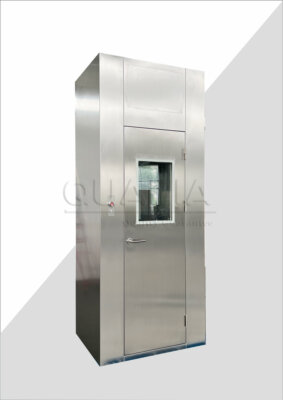
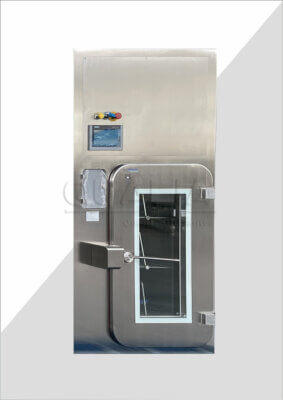
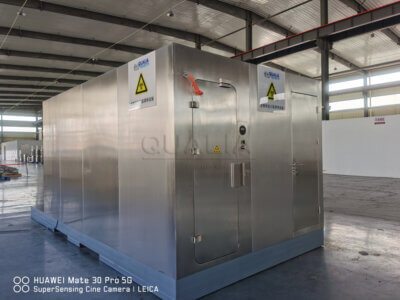
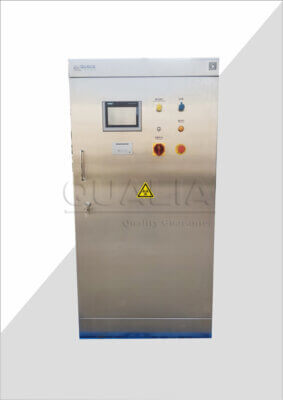
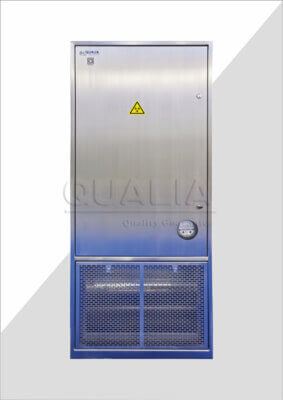
Potrzeby infrastrukturalne mają ogromny wpływ na wykonalność, koszty i wybór lokalizacji. EtO wymaga znacznej, dedykowanej powierzchni: często przeciwwybuchowych (ATEX) komór sterylizacyjnych i napowietrzających, złożonych systemów dostarczania i redukcji gazów oraz specjalistycznej wentylacji z ciągłym monitorowaniem powietrza w celu spełnienia surowych limitów narażenia OSHA (1 ppm TWA). Systemy VH2O2 są znacznie prostsze, często są to samodzielne szafy wymagające jedynie standardowego połączenia elektrycznego, co pozwala na elastyczne umieszczanie ich w pomieszczeniach produkcyjnych lub w pobliżu miejsca użytkowania.
Systemy bezpieczeństwa i ciągłe monitorowanie
Bezpieczeństwo operacyjne różni się drastycznie. Zakłady EtO muszą wdrożyć rygorystyczne kontrole inżynieryjne, ciągłe monitorowanie powietrza w otoczeniu, wykrywanie wycieków i rozbudowane protokoły dotyczące środków ochrony osobistej. Nieodpowiednie kontrole utrzymują się pomimo znanych zagrożeń związanych z EtO, a luki w zgodności stanowią poważne zobowiązania prawne i ubezpieczeniowe. Systemy VH2O2, choć wymagają bezpiecznego obchodzenia się ze stężoną cieczą, zazwyczaj nie wymagają specjalnej wentylacji pomieszczenia ani ciągłego monitorowania gazu, ponieważ podstawową pozostałością jest tlen.
Elastyczność instalacji i działania
To mniejsze obciążenie infrastruktury obniża koszty instalacji, przyspiesza wdrażanie i zapewnia skalowalność. System VH2O2 można dodać do istniejącej linii produkcyjnej przy minimalnej renowacji. Zwiększenie wydajności EtO często wymaga dużego projektu budowlanego, pozwoleń i znacznych nakładów kapitałowych poza samym sprzętem.
| Wymóg | Tlenek etylenu (EtO) | Odparowany nadtlenek wodoru (VH2O2) |
|---|---|---|
| Komora/Przestrzeń | Dedykowane, często przeciwwybuchowe | Samodzielna szafka |
| Gaz/wentylacja | Kompleksowa dostawa, redukcja, monitorowanie | Zazwyczaj brak specjalnej wentylacji |
| Połączenia użytkowe | Specjalistyczny gaz, wysoka moc, próżnia | Często tylko standardowa instalacja elektryczna |
| Kontrola bezpieczeństwa pracowników | Ciągłe monitorowanie powietrza (OSHA: 1 ppm TWA) | Minimalna kontrola ryzyka narażenia |
Źródło: Dokumentacja techniczna i specyfikacje branżowe.
Zgodność z przepisami i zabezpieczenie strategii na przyszłość
Zmieniająca się presja regulacyjna na EtO
Krajobraz regulacyjny jest potężnym motorem zmian. EtO podlega normie ISO 11135, ale spotyka się z coraz większą kontrolą ze strony EPA w zakresie emisji z obiektów i OSHA w zakresie bezpieczeństwa pracowników. Prowadzi to do zaostrzenia lokalnych przepisów, wyzwań związanych z wydawaniem pozwoleń oraz zagrożeń dla dostępności i kosztów usług sterylizacji na zlecenie. Niepewność regulacyjna stanowi namacalne ryzyko biznesowe dla producentów zależnych od EtO.
Formalne rozpoznanie i ścieżka dla VH2O2
Z drugiej strony, presja regulacyjna jest głównym motorem przyjęcia VHP. Uznanie przez FDA ISO 22441:2022 a w 2024 r. przeklasyfikowanie VH2O2 jako metody “Uznanej kategorii A” aktywnie zachęca do jej przyjęcia w celu zmniejszenia zależności od EtO. To formalne uznanie zapewnia jasną, znormalizowaną ścieżkę walidacji (ISO 22441) i zmniejsza przeszkody regulacyjne dla nowych zgłoszeń urządzeń, czyniąc VH2O2 pierwszorzędną, zatwierdzoną przez agencję opcją.
Strategiczne implikacje dla producentów urządzeń
Producenci muszą teraz traktować VH2O2 jako podstawową opcję w kontroli projektu. Proaktywne projektowanie urządzeń tak, aby były kompatybilne ze sterylizacją VH2O2, zabezpiecza produkty przed zaostrzeniem przepisów EtO, potencjalnymi zakłóceniami w łańcuchu dostaw usług kontraktowych EtO oraz zmieniającymi się preferencjami rynkowymi dotyczącymi zrównoważonych procesów bez pozostałości. Jest to strategiczne posunięcie ograniczające ryzyko.
Wybór właściwej metody: Ramy decyzyjne dla producentów
Ustanowienie podstawowych kryteriów decyzyjnych
Wybór jest specyficzny dla danego urządzenia, a nie uniwersalny. Solidne ramy decyzyjne muszą oceniać wiele osi: Konstrukcja i geometria urządzenia (czy VH2O2 może penetrować wszystkie krytyczne powierzchnie?), Kompatybilność materiałowa (czy jakieś komponenty są wrażliwe na utlenianie?), Potrzeby w zakresie przepustowości, Pozostałe wymagania oraz nadrzędna strategia regulacyjna i ESG. Ocena ta powinna rozpocząć się w początkowej fazie projektowania, a nie po zakończeniu prototypowania urządzenia.
Zastosowanie ram do kategorii urządzeń
Dla każdego kryterium pojawia się wyraźny sygnał kierunkowy. Urządzenia z długimi, wąskimi prześwitami lub gęstym opakowaniem mogą wymagać EtO. Produkty wymagające szybkiej sterylizacji just-in-time w celu wsparcia odchudzonej produkcji zdecydowanie preferują VH2O2. Ramy te wymuszają ustrukturyzowaną analizę kompromisów, przenosząc decyzję z intuicji na dowody. Producenci powinni domyślnie projektować dla VH2O2 tam, gdzie jest to technicznie wykonalne, rezerwując EtO dla przypadków, w których jego unikalne możliwości są niezastąpione.
Przewidywanie nadchodzących zmian technologicznych
Wdrożenie tych ram wymaga przewidywania zmian w branży. Technologia czujników i monitorowania staje się krytycznym rynkiem przyległym, ponieważ precyzyjna, oparta na danych kontrola cykli VH2O2 opiera się na zaawansowanych czujnikach stężenia i wilgotności w komorze. Podczas gdy luki w standaryzacji mogą tymczasowo utrudniać skalowalność VHP dla najbardziej złożonych urządzeń, wczesne inwestycje w walidację i zrozumienie procesu pomagają kształtować przyszłe standardy branżowe i zapewniają przewagę konkurencyjną.
| Kryteria decyzji | Tlenek etylenu (EtO) | Ulubiony odparowany nadtlenek wodoru (VH2O2) |
|---|---|---|
| Geometria urządzenia | Długi, wąski strumień świetlny; gęste opakowanie | Mniej wymagające ścieżki penetracji |
| Kompatybilność materiałowa | Elementy wrażliwe na utlenianie (np. miedź) | Kompatybilne tworzywa sztuczne, metale, elektronika |
| Wydajność produkcji | Toleruje wielodniowe czasy cyklu | Wymaga szybkich cykli poniżej 2 godzin |
| Pozostałe wymagania | Może zarządzać walidacją toksycznych pozostałości | Proces wolny od pozostałości ma kluczowe znaczenie |
| Obiekty i strategia ESG | Może instalować złożoną, kosztowną infrastrukturę | Ograniczona przestrzeń, ograniczenie stosowania niebezpiecznych substancji chemicznych |
Źródło: ISO 14937:2009. Norma ta określa ogólne zasady wyboru i charakterystyki czynnika sterylizującego, wymagając oceny projektu urządzenia, skutków materiałowych i bezpieczeństwa - wszystko to stanowi podstawę tych ram decyzyjnych.
Decyzja między sterylizacją EtO i VH2O2 zależy od trzech priorytetowych czynników: ograniczeń konstrukcyjnych urządzenia, wymaganej wydajności produkcji i tolerancji ryzyka regulacyjnego. W przypadku opracowywania nowych produktów, domyślnie należy projektować pod kątem kompatybilności z VH2O2, aby wykorzystać jego szybkość, bezpieczeństwo i zalety regulacyjne. Zarezerwuj EtO dla urządzeń, w których jego lepsza penetracja nie podlega negocjacjom. Proaktywna walidacja dla VH2O2, aby zmniejszyć ryzyko łańcucha dostaw związane ze zmieniającymi się przepisami środowiskowymi dotyczącymi emisji EtO.
Potrzebujesz profesjonalnych wskazówek, aby wdrożyć przyszłościową strategię sterylizacji niskotemperaturowej? Eksperci z firmy QUALIA zapewniamy konsultacje techniczne i technologię umożliwiającą przeprowadzenie tej krytycznej transformacji. Skontaktuj się z naszym zespołem inżynierów, aby przeanalizować portfolio urządzeń i ograniczenia zakładu.
Często zadawane pytania
P: W jaki sposób obecność gleby biologicznej wpływa na rzeczywistą skuteczność sterylizacji VH2O2 i EtO?
O: Obie metody wykazują zmniejszoną skuteczność, gdy obecny jest materiał organiczny, taki jak surowica lub sól, ponieważ może on chronić mikroorganizmy, zwłaszcza w wąskich prześwitach. To sprawia, że dokładne czyszczenie wstępne i walidacja w najgorszych, zabrudzonych warunkach - nie tylko z czystymi próbkami testowymi - jest absolutnym wymogiem dla zapewnienia sterylności. W przypadku projektów, w których geometria urządzenia zatrzymuje zabrudzenia, należy zaplanować bardziej rygorystyczne i częstsze testowanie urządzeń w celu utrzymania marginesu bezpieczeństwa.
P: Jakie są kluczowe różnice w obiekcie i infrastrukturze między instalacją systemu EtO a systemem VH2O2?
O: EtO wymaga znacznej, dedykowanej powierzchni z komorami przeciwwybuchowymi, złożonymi systemami obsługi i redukcji gazów oraz specjalistyczną wentylacją z ciągłym monitorowaniem powietrza w celu spełnienia surowych limitów narażenia OSHA. Systemy VH2O2 to zazwyczaj samodzielne szafy wymagające jedynie standardowego zasilania, bez specjalnych linii gazowych lub wentylacji, co pozwala na elastyczne rozmieszczenie. Oznacza to, że obiekty z ograniczeniami przestrzennymi lub modernizacyjnymi powinny priorytetowo traktować VH2O2, aby uniknąć większych obciążeń związanych z budową i ciągłym monitorowaniem zgodności.
P: Które normy ISO regulują walidację procesów sterylizacji tlenkiem etylenu i odparowanym nadtlenkiem wodoru?
O: Procesy sterylizacji EtO są opracowywane i walidowane zgodnie z wymaganiami określonymi w dokumencie ISO 11135:2014. Dla VH2O2 odpowiednią normą jest ISO 22441:2022. Oba standardy opierają się na ogólnych zasadach charakterystyki procesu sterylizacji zawartych w dokumencie ISO 14937:2009. Jeśli Twoja strategia obejmuje ocenę lub przełączanie się między tymi technologiami, musisz przydzielić zasoby walidacyjne, aby spełnić te odrębne, ale powiązane ramy regulacyjne.
P: Dlaczego czas cyklu jest krytycznym czynnikiem przy wyborze między EtO i VH2O2 dla wydajności produkcji?
O: Pełny cykl EtO, w tym obowiązkowe napowietrzanie, często przekracza 14 godzin, tworząc znaczące wąskie gardło produkcyjne. Cykle VH2O2 są zazwyczaj wykonywane w czasie poniżej 2 godzin bez oddzielnej fazy napowietrzania. Ta różnica operacyjna pozwala systemom VH2O2 przetwarzać znacznie więcej ładunków tygodniowo. Jeśli Twoja operacja wymaga dużej wydajności, szybkiego czasu wprowadzenia na rynek lub niskiego stanu zapasów w toku, VH2O2 zapewnia wyraźną przewagę przepustowości, pod warunkiem potwierdzenia kompatybilności urządzenia.
P: Czym różnią się te dwie metody sterylizacji pod względem wymagań dotyczących zarządzania pozostałościami?
O: EtO pozostawia toksyczne i rakotwórcze pozostałości, które wymagają przedłużonej, zatwierdzonej fazy napowietrzania i rygorystycznych testów zgodnie z normą ISO 10993-7, aby zapewnić bezpieczeństwo pacjenta. VH2O2 rozkłada się na wodę i tlen, nie pozostawiając toksycznych pozostałości chemicznych, więc urządzenia są bezpieczne do natychmiastowej obsługi. Oznacza to, że placówki korzystające z EtO muszą planować wydłużone cykle, dedykowaną przestrzeń do napowietrzania i ciągłą analizę pozostałości, podczas gdy VH2O2 upraszcza łańcuch dostaw i zmniejsza związaną z tym odpowiedzialność.
P: Jakie są strategiczne implikacje przeklasyfikowania przez FDA VH2O2 jako “uznanej metody sterylizacji kategorii A”?
O: Ta reklasyfikacja z 2024 r., wraz z uznaniem ISO 22441:2022, formalnie zachęca do przyjęcia poprzez zmniejszenie przeszkód w walidacji i sygnalizowanie wsparcia regulacyjnego dla odejścia od EtO. Wskazuje to na wyraźny nacisk regulacyjny w celu złagodzenia obaw EtO związanych z ochroną środowiska i bezpieczeństwem. Dla producentów przygotowujących swoją strategię na przyszłość oznacza to traktowanie VH2O2 jako podstawowej opcji w nowych kontrolach projektowania urządzeń, aby uniknąć przyszłej zgodności i ryzyka łańcucha dostaw związanego z EtO.
P: Kiedy producent powinien zdecydować się na sterylizację EtO pomimo jej wad?
O: EtO powinno być zarezerwowane dla urządzeń, w których jego unikalne możliwości są niezastąpione: w szczególności, gdy projekt obejmuje bardzo długie, wąskie prześwity lub gęste opakowanie, przez które VH2O2 nie może niezawodnie przeniknąć, lub gdy zespół urządzenia zawiera materiały bardzo wrażliwe na utlenianie. Jeśli urządzenie ma te niezastąpione ograniczenia projektowe, należy zaplanować wyższe koszty, dłuższe cykle i złożoną infrastrukturę EtO jako niezbędny kompromis dla zapewnienia sterylności.
Powiązane treści:
- VHP a tradycyjna sterylizacja: porównanie w 2025 r.
- Kompletny przewodnik po sterylizacji nadtlenkiem wodoru dla zakładów produkujących wyroby medyczne i farmaceutyczne: 2025 standardów i najlepszych praktyk
- Testowanie urządzeń medycznych w izolatorach sterylności
- Sterylizacja VHP w opiece zdrowotnej: 2025 najlepszych praktyk
- Proces sterylizacji VHP: Kompleksowy przewodnik 2025
- 10 największych zalet sterylizacji VHP w 2025 r.
- 8 Korzyści z nadtlenku wodoru w oparach w 2025 r.
- Jak działają generatory VHP | Proces sterylizacji nadtlenkiem wodoru
- Zatwierdzone SPO sterylizacji VHP | Lista kontrolna audytu zgodności z przepisami