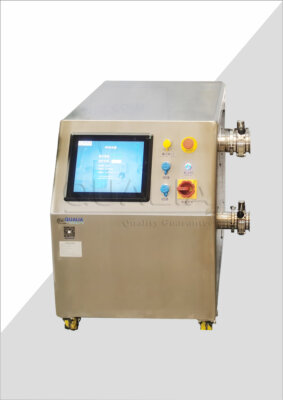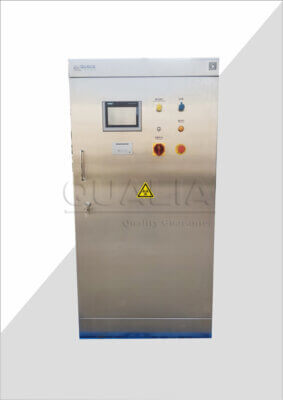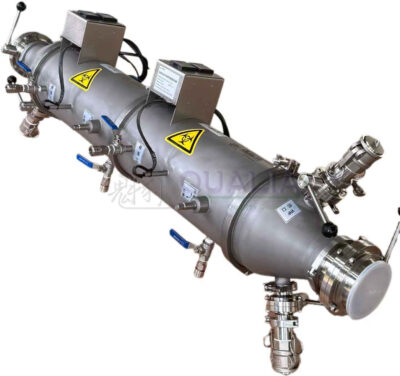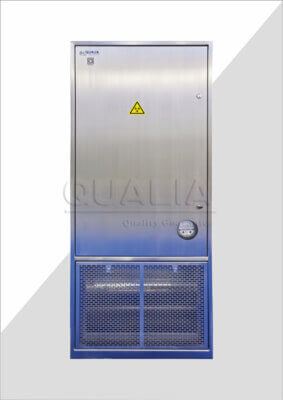

Prowadzenie laboratorium na poziomie bezpieczeństwa biologicznego 4 (BSL-4) wymaga bezkompromisowego zaangażowania w pierwotną hermetyzację. Sercem tego zobowiązania jest szafa bezpieczeństwa biologicznego klasy III (BSC), system, w którym awaria nie wchodzi w grę. Dla kierowników obiektów, specjalistów ds. bezpieczeństwa biologicznego i głównych badaczy wybór i integracja tego sprzętu jest decyzją techniczną o wysokiej stawce, mającą głęboki wpływ na bezpieczeństwo personelu, integralność badań i zgodność z przepisami.
Krajobraz maksymalnej hermetyzacji ewoluuje. Zaktualizowane międzynarodowe standardy, postępy w cyfrowym monitorowaniu i zwiększona kontrola podatności łańcucha dostaw wymagają rygorystycznego, świadomego podejścia. Zakup BSC klasy III nie jest już zwykłym zakupem sprzętu; jest to strategiczny projekt kapitałowy, który definiuje pułap operacyjny badań o wysokim stopniu hermetyzacji na dziesięciolecia.
Co to jest szafa bezpieczeństwa biologicznego klasy III? Podstawowa definicja i przeznaczenie
Niezbywalna bariera
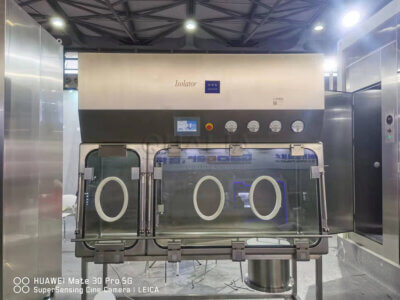
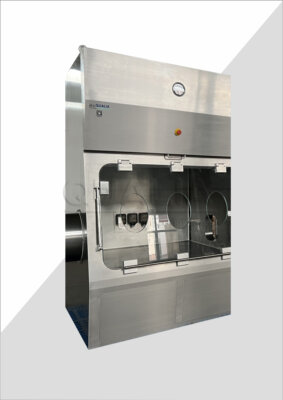
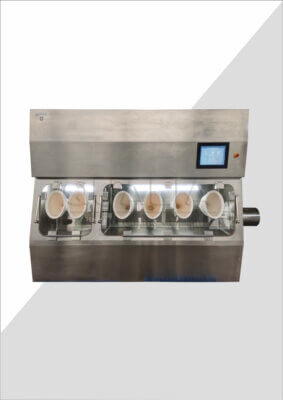
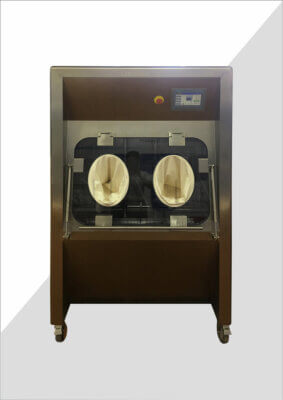
Szafa bezpieczeństwa biologicznego klasy III jest szczytowym osiągnięciem w dziedzinie hermetyzacji, zaprojektowanym wyłącznie do pracy z patogenami grupy ryzyka 4 i innymi czynnikami biologicznymi o wysokim stopniu zagrożenia. Działa jako w pełni szczelna, gazoszczelna i poddana ujemnemu ciśnieniu komora rękawicowa. Konstrukcja ta tworzy niezmienną barierę fizyczną i aerodynamiczną, zapewniając absolutną ochronę operatora, środowiska i, w wielu konfiguracjach, produktu eksperymentalnego. Jego głównym celem jest służenie jako podstawowa kontrola inżynieryjna, od której zależy całe bezpieczeństwo proceduralne w pakiecie BSL-4.
Poza izolacją: Architektura potrójnej izolacji
Bezpieczeństwo szafy nie wynika z jednej cechy, ale z warstwowej, potrójnej architektury hermetycznej. Pierwsza warstwa to spawana bariera fizyczna ze stali nierdzewnej. Drugą jest system przymocowanych rękawic z gumy butylowej o długości ramion, przez które wykonywane są wszystkie manipulacje. Trzecią, równie krytyczną warstwą jest kontrolowany przepływ powietrza: całe powietrze wylotowe musi przejść przez dwa filtry HEPA lub ULPA w szeregu, zanim zostanie bezpiecznie odprowadzone z budynku. Ta redundancja gwarantuje, że awaria pojedynczego filtra nie zagrozi hermetyzacji. Eksperci branżowi podkreślają, że ta zintegrowana konstrukcja sprawia, że BSC klasy III nie podlega negocjacjom w przypadku każdej procedury obejmującej działania generujące aerozol z maksymalnymi środkami hermetyzującymi.
Kluczowe zasady projektowania i specyfikacje techniczne
Inżynieria zapewniająca absolutną integralność
Konstrukcja BSC klasy III podlega zasadom redundancji i bezpieczeństwa w razie awarii. Szafa jest utrzymywana w znacznym podciśnieniu - zwykle co najmniej 120 Pa w stosunku do laboratorium - zapewniając, że wszelkie wycieki są skierowane do wewnątrz. Konstrukcja wykorzystuje bezszwową stal nierdzewną klasy 304 ze względu na jej odporność chemiczną i odporność na powtarzające się cykle odkażania. Wybór tego materiału bezpośrednio wpływa na długoterminową wydajność i bezpieczeństwo pracy. Co więcej, nowoczesne szafy integrują redundantne systemy bezpieczeństwa, w tym podwójne monitory ciśnienia i alarmy audiowizualne w przypadku awarii filtra lub odchylenia ciśnienia, aby zmniejszyć ryzyko awarii pojedynczego punktu podczas krytycznych, długotrwałych eksperymentów.
Krytyczna rola filtracji i wydajności
Specyfikacje przepływu powietrza i filtracji stanowią rdzeń funkcjonalny obudowy. Powietrze nawiewane jest przez filtr Ultra-Low Penetration Air (ULPA) o skuteczności 99,9995% dla cząstek 0,12 µm. Powietrze wylotowe jest oczyszczane przez dwa takie filtry połączone szeregowo. Specyfikacja ta nie jest arbitralna; jest to techniczna odpowiedź na rozmiar i zachowanie aerozoli wirusowych. Często pomijanym szczegółem jest włączenie zmywalnych filtrów wstępnych. Chronią one kosztowne filtry ULPA przed większymi cząsteczkami, znacznie wydłużając żywotność i zmniejszając całkowity koszt posiadania, co jest kluczowym czynnikiem przy budżetowaniu obiektu.
Poniższa tabela podsumowuje podstawowe parametry techniczne, które definiują kopertę wydajności BSC klasy III.
Podstawowe parametry techniczne
| Zasada projektowania | Parametry techniczne | Kluczowa specyfikacja |
|---|---|---|
| Ciśnienie w obudowie | Podciśnienie | ≥ 120 Pa |
| Filtracja powietrza (nawiew) | Wydajność filtra ULPA | 99.9995% @ 0.12µm |
| Filtracja powietrza (wydech) | Konfiguracja filtra | Podwójny szeregowy filtr HEPA/ULPA |
| Materiał konstrukcyjny | Materiał podstawowy | Bezszwowa stal nierdzewna 304 |
| Waga obudowy | Typowy zakres wagi | 450 - 480 kg |
| Zużycie energii | Średni remis | ~1300 W |
Źródło: NSF/ANSI 49. Norma ta ustanawia podstawowe wymagania projektowe, konstrukcyjne i wydajnościowe dla szaf bezpieczeństwa biologicznego, w tym krytyczne parametry integralności, przepływu powietrza i filtracji, które stanowią podstawę specyfikacji dla BSC klasy III.
Zgodność z 2025 normami: NSF/ANSI 49 vs. EN 12469
Konieczność certyfikacji przez stronę trzecią
Przestrzeganie uznanych standardów wydajności jest główną barierą rynkową dla legalnych BSC klasy III. W Ameryce Północnej punktem odniesienia jest NSF/ANSI 49, podczas gdy w Europie jest to EN 12469. Nie są to wytyczne, ale rygorystyczne, certyfikowane przez strony trzecie normy, które wymagają przeprowadzenia testów integralności obudowy, szczelności filtra, prędkości przepływu powietrza i poziomu hałasu. Zaopatrzenie musi zweryfikować listę certyfikatów producenta od organów takich jak NSF International lub TÜV Nord. Wybór niecertyfikowanego sprzętu wprowadza katastrofalne ryzyko związane z bezpieczeństwem, odpowiedzialnością i przepisami, na które żadna instytucja nie może sobie pozwolić.
Poruszanie się po rozdrobnionym krajobrazie dostawców
Istnienie tych rygorystycznych standardów zbiega się z krajobrazem dostawców obejmującym wielu globalnych producentów. Ta fragmentacja wymaga specjalistycznej wiedzy w zakresie zakupów. Nabywcy muszą wyjść poza ogólne kanały sprzętu laboratoryjnego, aby zapewnić wybór zgodny z przepisami. Decyzja często zależy od niuansowych różnic w certyfikowanych danych dotyczących wydajności i zintegrowanych funkcji bezpieczeństwa, a nie tylko od podstawowych specyfikacji. Z mojego doświadczenia w ocenie szaf do obiektów o wysokim stopniu hermetyczności wynika, że szczegółowość dokumentacji certyfikacyjnej producenta i jego wsparcie dla corocznej ponownej certyfikacji w terenie są wymownymi wskaźnikami długoterminowej niezawodności.
Poniższa tabela wyjaśnia kluczowe różnice między dwoma podstawowymi ramami zgodności.
Porównanie podstawowych standardów zgodności
| Aspekt zgodności | NSF/ANSI 49 (Ameryka Północna) | EN 12469 (Europa) |
|---|---|---|
| Organ zarządzający | NSF International | CEN (Komitet Europejski) |
| Jednostka certyfikująca | NSF International | np. TÜV Nord |
| Główny mandat | Wydajność i konstrukcja | Kryteria wydajności |
| Kluczowe obszary testowe | Integralność, nieszczelność, przepływ powietrza | Ochrona operatora/produktu/środowiska |
| Kontrola zamówień | Lista zweryfikowanych certyfikatów | Lista zweryfikowanych certyfikatów |
Źródło: EN 12469. Ta europejska norma definiuje kryteria wydajności i metody testowania mikrobiologicznych szaf bezpieczeństwa, w tym klasy III, i jest głównym punktem odniesienia zgodności dla rynku europejskiego, analogicznym do NSF/ANSI 49 w Ameryce Północnej.
Integracja BSC klasy III z zestawem laboratoryjnym BSL-4
Duży projekt inżynierii obiektu
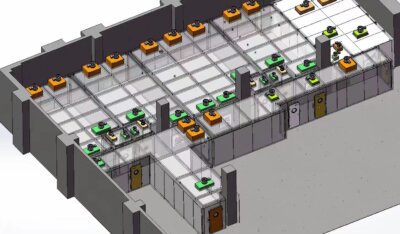
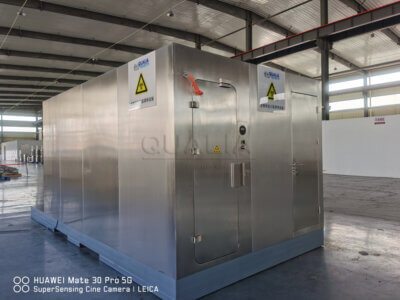
Udana integracja wykracza poza instalację szafy. Jest to złożony projekt inżynierii obiektu. Szafa BSC musi być podłączona do dedykowanego, redundantnego układu wydechowego laboratorium. Ta integracja jest znaczącym ukrytym czynnikiem kosztowym, wymagającym wzmocnionej podłogi dla znacznej masy szafy, precyzyjnego planowania logistycznego umieszczenia i potencjalnych modyfikacji infrastruktury budynku. Ciągły pobór mocy przez szafę i związane z tym obciążenie cieplne muszą być uwzględnione w projekcie HVAC obiektu, aby utrzymać temperaturę w pomieszczeniu i kaskady ciśnień.
Synchronizacja z kopertą obudowy
Skuteczna integracja zapewnia, że szafa działa jako spójny element szerszej powłoki zabezpieczającej. Protokoły awarii w przypadku utraty zasilania lub odchylenia ciśnienia w szafie muszą być zsynchronizowane z systemem zarządzania bezpieczeństwem w całym laboratorium. Myślenie systemowe ma kluczowe znaczenie. W tym przypadku Podręcznik bezpieczeństwa biologicznego dla laboratoriów WHO opowiada się za zintegrowanym podejściem do zarządzania ryzykiem, w którym podstawowe urządzenia zabezpieczające są częścią całościowej strategii. Zakres planowania potwierdza, że szafa jest elementem systemu, a nie samodzielnym urządzeniem.
Proces integracji obejmuje wiele krytycznych kwestii związanych z obiektem, jak opisano poniżej.
Kluczowe czynniki integracji obiektu
| Współczynnik integracji | Kluczowe aspekty | Typowa specyfikacja / wymagania |
|---|---|---|
| Układ wydechowy | Typ połączenia | Podłączony do dedykowanego systemu |
| Obciążenie strukturalne | Wymagane wzmocnienie podłogi | Dla szafy o wadze 450-480 kg |
| Obiekt HVAC | Dodatkowe obciążenie cieplne | Od ~1300 W poboru mocy |
| Integracja systemu | Synchronizacja protokołu awarii | Z systemami bezpieczeństwa obejmującymi całe laboratorium |
| Zakres instalacji | Klasyfikacja projektu | Inżynieria głównych obiektów |
Źródło: Podręcznik WHO dotyczący bezpieczeństwa biologicznego w laboratoriach, wydanie czwarte. Niniejszy podręcznik zapewnia nadrzędne ramy zarządzania ryzykiem w zakresie bezpieczeństwa biologicznego, kierując integracją podstawowych urządzeń hermetyzujących, takich jak BSC klasy III, w ramach ogólnej strategii hermetyzacji laboratorium.
Protokoły operacyjne, dekontaminacja i konserwacja
Obowiązkowe cykle dekontaminacji i certyfikacji
Solidne, zatwierdzone protokoły są niezbędne do bezpiecznej pracy. Odkażanie całego wnętrza szafy i filtrów, zwykle przy użyciu odparowanego nadtlenku wodoru (VHP), jest obowiązkowe przed jakąkolwiek konserwacją lub wymianą filtra. Konstrukcja szafy musi zawierać uszczelnione porty dla tego procesu. Ponadto coroczna ponowna certyfikacja przez wykwalifikowanych techników nie podlega negocjacjom. Obejmuje to testy zaniku ciśnienia w celu zweryfikowania integralności i testy prowokacyjne filtra (np. ftalan dioktylu lub podobny) w celu potwierdzenia wydajności filtra HEPA/ULPA. Nie są to najlepsze praktyki, ale wymagania określone w normach, takich jak NSF/ANSI 49.
Przejście na ograniczanie oparte na danych
Nowoczesne szafy z zaawansowanym sterowaniem cyfrowym zwiastują przejście w kierunku zarządzania hermetyzacją opartego na danych. Zdalne monitorowanie ciśnienia, przepływu powietrza i stanu filtra, w połączeniu z identyfikowalnymi dziennikami alarmów, tworzy podstawę do integracji wydajności szafy z systemami zarządzania informacjami laboratoryjnymi (LIMS). To cyfrowe prowadzenie dokumentacji jest coraz ważniejsze dla audytów zgodności i umożliwia predykcyjne strategie konserwacji. Analizując trendy wydajności, obiekty mogą proaktywnie planować konserwację, zwiększając odporność operacyjną i ograniczając nieplanowane przestoje.
Ustrukturyzowane podejście do faz operacyjnych zapewnia bezpieczeństwo i zgodność z przepisami.
Standardowe ramy operacyjne i konserwacyjne
| Faza operacyjna | Kluczowa aktywność | Podstawowa metoda / częstotliwość |
|---|---|---|
| Odkażanie | Wnętrze obudowy i filtry | Odparowany nadtlenek wodoru (VHP) |
| Certyfikacja | Walidacja wydajności | Coroczna ponowna certyfikacja |
| Testowanie | Kontrole integralności i filtrów | Spadek ciśnienia, wyzwanie związane z filtrem |
| Zarządzanie danymi | Rejestrowanie wydajności | Zintegrowane sterowanie cyfrowe |
| Strategia konserwacji | Analiza trendów | Dane konserwacji predykcyjnej |
Źródło: NSF/ANSI 49. Norma nakazuje certyfikację w terenie i wymagania dotyczące testowania wydajności, stanowiąc podstawę obowiązkowej corocznej ponownej certyfikacji i określonych protokołów testowych, takich jak spadek ciśnienia i kontrole integralności filtra.
Przenoszenie materiałów i ergonomia: Pokonywanie praktycznych wyzwań
Przelotowe wąskie gardło
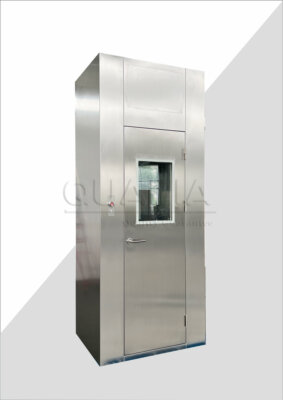
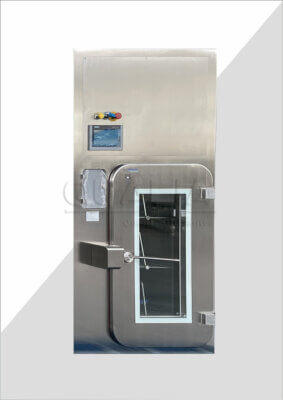
Praktyczna obsługa wiąże się z dwoma powiązanymi ze sobą wyzwaniami. Po pierwsze, wszystkie materiały muszą wchodzić i wychodzić przez zabezpieczony interfejs transferowy - zazwyczaj autoklaw z podwójnymi drzwiami przelotowymi lub zbiornik chemiczny z systemem blokady. Tworzy to określone wąskie gardło operacyjne. Standardowe procedury operacyjne (SOP) i modele zatrudnienia muszą uwzględniać znacznie wydłużony czas wymagany do bezpiecznego transferu materiałów i cykli sterylizacji. Niezaplanowanie tego ograniczenia może prowadzić do skrótów proceduralnych, zagrażających bezpieczeństwu.
Inwestowanie w ergonomiczną wierność
Po drugie, ergonomiczna konstrukcja ma bezpośredni wpływ na użyteczność i wierność procedur. Funkcje takie jak regulowana wysokość portów rękawic, intuicyjne elementy sterujące na ekranie dotykowym umieszczone w celu łatwego przeglądania oraz wewnętrzne oświetlenie przekraczające 1000 luksów nie są luksusem. Zmniejszają one zmęczenie operatora, zmęczenie oczu i potencjalne błędy podczas wykonywania złożonych mikromanipulacji w ograniczających rękawicach. Inwestowanie w te funkcje zorientowane na użytkownika jest bezpośrednią inwestycją w trwałe bezpieczeństwo operacyjne. Porównaliśmy przepływy pracy w szafach z zaawansowaną ergonomią i bez niej i stwierdziliśmy wymierne zmniejszenie zgłaszanego zmęczenia użytkownika i odchyleń od protokołu w tych pierwszych.
Wybór BSC klasy III: kluczowe kryteria decyzyjne dla laboratorium
Więcej niż arkusz specyfikacji
Wybór wymaga strategicznych ram oceny, które wykraczają poza podstawowe specyfikacje. Najważniejszym kryterium jest zweryfikowana zgodność z NSF/ANSI 49 lub EN 12469. Następnie należy ocenić dogłębność zintegrowanej inżynierii bezpieczeństwa: redundancję alarmów, obecność uszczelnionych portów odkażania i jakość systemów monitorowania ciśnienia. Kompatybilność obiektu jest równie ważna; przegląd inżynieryjny przed instalacją musi potwierdzić zgodność z wymiarami kanałów wydechowych, zasilaniem elektrycznym i interfejsami mediów.
Zabezpieczenie łańcucha dostaw
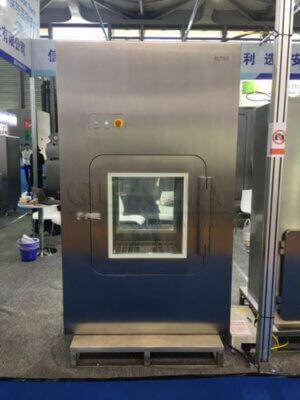
Specjalistyczny charakter materiałów eksploatacyjnych i części zamiennych - rękawic butylowych, filtrów ULPA, zastrzeżonych uszczelek - podkreśla ogromne znaczenie odporności łańcucha dostaw. Instytucje muszą ustanowić strategiczne zapasy części zamiennych i kultywować bezpośrednie, elastyczne relacje z producentami. Zmniejsza to ryzyko operacyjne wynikające z wydłużonych, wrażliwych globalnych łańcuchów dostaw, które mogą opóźnić krytyczne naprawy o miesiące, skutecznie unieruchamiając wielomilionowy pakiet izolacyjny. Zakup systemu zaprojektowanego z myślą o niezawodnej izolacji materiałów niebezpiecznych, takiego jak zestaw hermetyczny izolator przepustowy, Często wiąże się to z podobnymi kwestiami dotyczącymi łańcucha dostaw krytycznych komponentów.
Zdyscyplinowana ocena oparta na jasnych kryteriach zmniejsza ryzyko związane z zakupami.
Kryteria wyboru strategicznego
| Kryteria decyzji | Krytyczny punkt kontrolny | Wpływ/uwagi |
|---|---|---|
| Zgodność z przepisami | Weryfikacja certyfikatów | Lista NSF/ANSI 49 lub EN 12469 |
| Inżynieria bezpieczeństwa | Redundancja funkcji | Systemy alarmowe, podwójne monitory |
| Kompatybilność urządzeń | Interfejsy wydechowe i użytkowe | Przegląd techniczny przed instalacją |
| Użyteczność | Ergonomiczna konstrukcja | Regulowane porty, oświetlenie >1000 luksów |
| Odporność łańcucha dostaw | Strategiczne części zamienne | Do rękawic, filtrów ULPA |
Źródło: Dokumentacja techniczna i specyfikacje branżowe.
Przyszłe trendy i innowacje w zakresie maksymalnego bezpieczeństwa
Inteligentna, połączona szafka
Przyszłość zabezpieczeń klasy III zmierza w kierunku inteligentniejszych, bardziej zintegrowanych systemów. Trend cyfrowego sterowania będzie ewoluował w kierunku pełnej integracji z systemami zarządzania budynkiem (BMS) i platformami konserwacji predykcyjnej opartymi na sztucznej inteligencji. Standaryzowane dane wyjściowe z szaf ułatwią scentralizowane pulpity nawigacyjne wydajności hermetyzacji, zapewniając stan bezpieczeństwa w czasie rzeczywistym w całym obiekcie o wysokim stopniu hermetyzacji. Wzmacnia to kulturę bezpieczeństwa opartą na weryfikacji danych i umożliwia zdalny nadzór ekspertów.
Zaawansowane materiały i automatyzacja
Materiałoznawstwo będzie napędzać innowacje w technologii rękawic, dążąc do lepszej zręczności i odporności chemicznej bez uszczerbku dla właściwości barierowych. Wewnętrzne zarządzanie termiczne również będzie postępem, z bardziej wydajnymi systemami chłodzenia do zarządzania obciążeniami cieplnymi ze sprzętu umieszczonego wewnątrz szafy. Być może najbardziej znaczącą innowacją będzie integracja zautomatyzowanych robotów do przenoszenia materiałów. Systemy te mogą złagodzić wąskie gardło przejścia, automatyzując przenoszenie próbek lub płytek między wnętrzem szafy a przejściem, zmniejszając obciążenie operatora i potencjalne narażenie podczas sekwencji przenoszenia.
Wdrożenie szafy bezpieczeństwa biologicznego klasy III wymaga skupienia się na trzech niepodlegających negocjacjom priorytetach: zweryfikowanej certyfikacji strony trzeciej zgodnie z obowiązującymi normami, systemowym podejściu do integracji obiektu, które uwzględnia obciążenia strukturalne i HVAC, oraz ustanowieniu odpornych łańcuchów dostaw krytycznych części zamiennych. Szafy te są kamieniem węgielnym maksymalnej hermetyzacji, a ich wybór decyduje o bezpieczeństwie operacyjnym i możliwościach badawczych laboratorium BSL-4 przez cały okres jego eksploatacji.
Potrzebujesz profesjonalnego doradztwa w zakresie określania i integrowania rozwiązań zapewniających maksymalną hermetyczność dla swojego programu badawczego wysokiego ryzyka? Zespół inżynierów w QUALIA specjalizuje się w złożonym interfejsie między wydajnością szaf bezpieczeństwa biologicznego, wymaganiami obiektu i operacyjnym przepływem pracy. Skontaktuj się z nami, aby omówić konkretne wyzwania związane z hermetyzacją Twojego projektu.
Często zadawane pytania
P: Jakie są kluczowe specyfikacje techniczne, które definiują prawdziwą szafę bezpieczeństwa biologicznego klasy III?
O: Prawdziwy BSC klasy III to w pełni uszczelniona, gazoszczelna obudowa utrzymywana przy minimalnym podciśnieniu 120 Pa względem pomieszczenia. Wszystkie prace wykonywane są w rękawicach z gumy butylowej. Przepływ powietrza jest ściśle kontrolowany, przy czym powietrze nawiewane przechodzi przez filtr ULPA (o skuteczności 99,9995%), a powietrze wywiewane przechodzi przez dwa szeregowe filtry HEPA/ULPA. Oznacza to, że specyfikacja zakupowa obiektu musi wyraźnie wymagać tych parametrów wydajności jako podstawy bezpieczeństwa.
P: W jaki sposób normy NSF/ANSI 49 i EN 12469 wpływają na zakup szafy klasy III?
O: Są to podstawowe, niepodlegające negocjacjom standardy wydajności wymagające certyfikacji przez stronę trzecią w zakresie integralności obudowy, szczelności filtra i przepływu powietrza. NSF/ANSI 49 ma kluczowe znaczenie w Ameryce Północnej, podczas gdy EN 12469 reguluje rynek europejski. Zakup niecertyfikowanego sprzętu wiąże się z katastrofalną odpowiedzialnością w zakresie bezpieczeństwa i przepisów. W przypadku projektu należy zweryfikować aktualną listę certyfikatów dostawcy od organów takich jak NSF International jako obowiązkowy pierwszy krok w kwalifikacji dostawcy.
P: Jakie są główne wyzwania związane z integracją obiektu podczas instalacji BSC klasy III w zestawie BSL-4?
O: Integracja to poważny projekt inżynieryjny, a nie prosta instalacja. Wymaga twardego okablowania do dedykowanego, redundantnego laboratoryjnego systemu wydechowego, wzmocnionej podłogi, aby utrzymać 450-480 kg wagi, oraz regulacji HVAC dla poboru mocy szafy ~ 1300 W i obciążenia cieplnego. Ta synchronizacja z systemami obiektu zapewnia, że szafa działa jako część ogólnej powłoki zabezpieczającej. Podczas planowania należy zaplanować budżet na te ukryte koszty infrastruktury i zaangażować inżynierów obiektu od najwcześniejszej fazy projektowania.
P: Jakie protokoły operacyjne są obowiązkowe dla utrzymania integralności bezpieczeństwa szafy klasy III?
O: Obowiązkowe protokoły obejmują pełną dekontaminację wnętrza, zwykle przy użyciu odparowanego nadtlenku wodoru (VHP), przed jakąkolwiek konserwacją. Szafa musi mieć uszczelnione porty, aby to ułatwić. Coroczna ponowna certyfikacja przez wykwalifikowanych techników, obejmująca testy zaniku ciśnienia i testy filtrów, nie podlega negocjacjom. Oznacza to, że budżet operacyjny i harmonogramy muszą uwzględniać przestoje i specjalistyczne umowy serwisowe wymagane dla tego rygorystycznego cyklu konserwacji.
P: W jaki sposób przenoszenie materiałów i ergonomia wpływają na praktyczny przebieg pracy w BSC klasy III?
O: Wszystkie materiały muszą przejść przez dwudrzwiowy autoklaw lub zbiornik zanurzeniowy, tworząc określone wąskie gardło, które wydłuża czas wykonywania zadań. Jednocześnie słaba ergonomia wynikająca ze stałych portów rękawic i słabego oświetlenia zwiększa zmęczenie operatora i ryzyko błędów. Inwestowanie w funkcje takie jak regulowane porty i wewnętrzne oświetlenie przekraczające 1000 luksów bezpośrednio wspiera wierność procedur. Jeśli przepływy pracy obejmują złożone, długotrwałe manipulacje, podczas wyboru należy nadać priorytet tym cechom konstrukcyjnym zorientowanym na użytkownika, aby zmniejszyć ryzyko operacyjne.
P: Poza certyfikacją, jakie są kluczowe kryteria wyboru BSC klasy III?
O: Oceń zintegrowane funkcje bezpieczeństwa, takie jak redundancja alarmów i porty dekontaminacji VHP, zapewnij kompatybilność z interfejsem wydechowym obiektu i oceń ergonomiczną konstrukcję pod kątem konkretnych przepływów pracy. Co najważniejsze, przeanalizuj odporność łańcucha dostaw na krytyczne materiały eksploatacyjne, takie jak rękawice butylowe i filtry ULPA. Oznacza to, że należy ustanowić strategiczny zapas części zamiennych i kultywować bezpośrednie relacje z producentem, aby złagodzić ryzyko operacyjne wynikające z wydłużonego czasu naprawy.
P: W jaki sposób cyfryzacja zmienia obsługę i konserwację zabezpieczeń klasy III?
O: Nowoczesne szafy z cyfrowymi elementami sterującymi umożliwiają zdalne monitorowanie, rejestrowanie danych alarmów i integrację z laboratoryjnymi systemami zarządzania informacjami (LIMS). Zmiana ta tworzy podstawę dla opartej na danych hermetyzacji, konserwacji predykcyjnej i scentralizowanych pulpitów nawigacyjnych. W przypadku nowych instalacji należy zaplanować infrastrukturę IT niezbędną do wykorzystania tych cyfrowych zapisów, ponieważ stają się one niezbędne do przeprowadzania audytów zgodności i zwiększania ogólnej odporności operacyjnej.
Powiązane treści:
- Izolatory biologiczne klasy III: Najwyższa ochrona
- NSF/ANSI 49: Wyjaśnienie standardu szafy bezpieczeństwa biologicznego
- Instalacja szafy bezpieczeństwa biologicznego: Co należy wiedzieć
- Szafy bezpieczeństwa biologicznego klasy II typu B2: Wyciąg całkowity
- Certyfikacja szaf bezpieczeństwa biologicznego: Dlaczego jest to kluczowe
- Szafy bezpieczeństwa biologicznego klasy III zapewniające maksymalną ochronę
- Szafy bezpieczeństwa biologicznego klasy I: Cechy i zastosowania
- Wybór odpowiedniej szafy bezpieczeństwa biologicznego: 5 kluczowych czynników
- Rozmiary szaf bezpieczeństwa biologicznego: Znalezienie idealnego rozwiązania