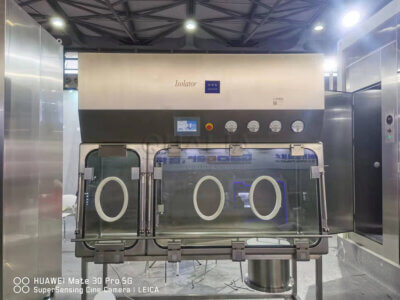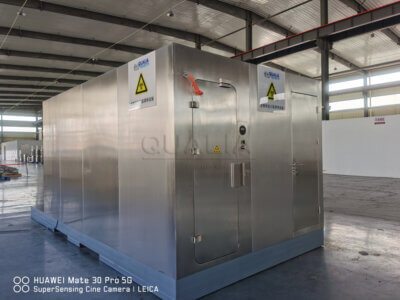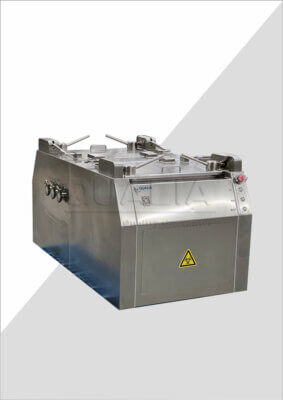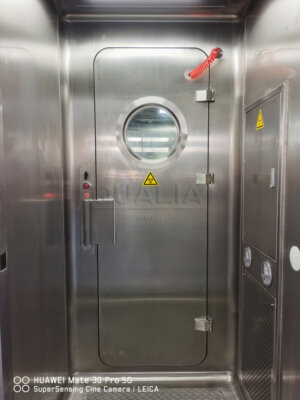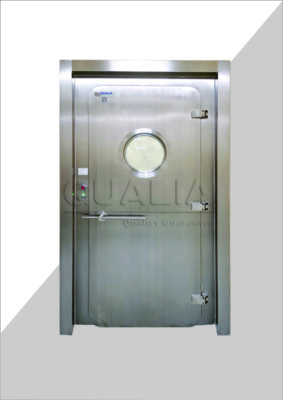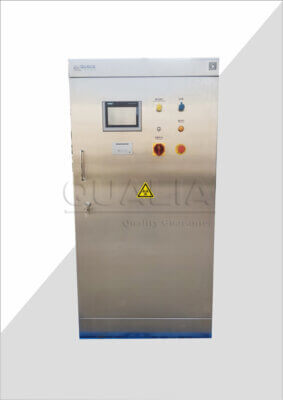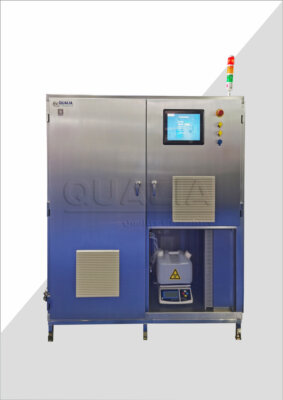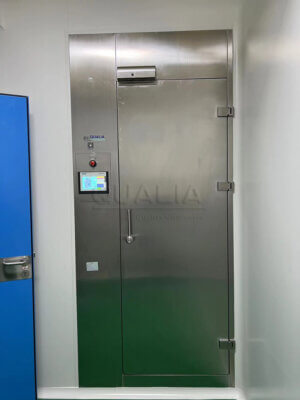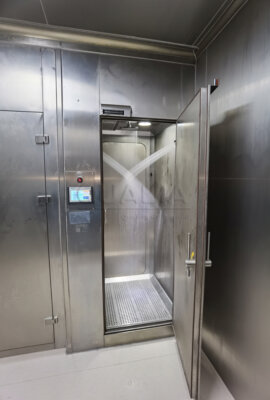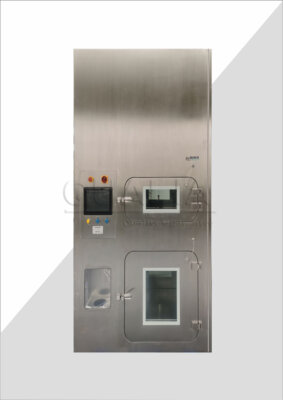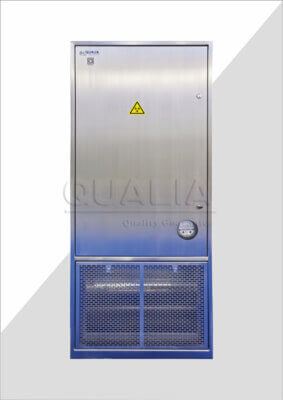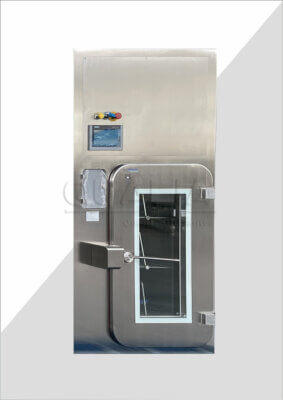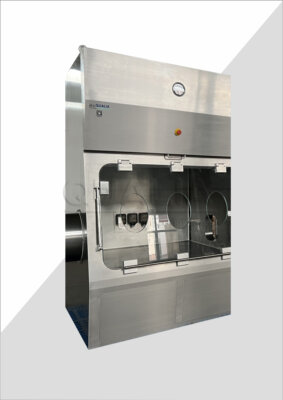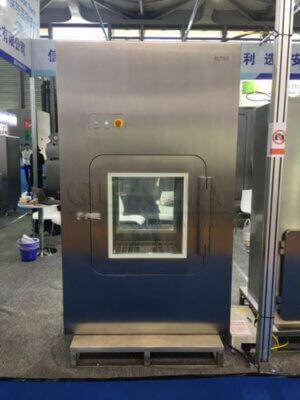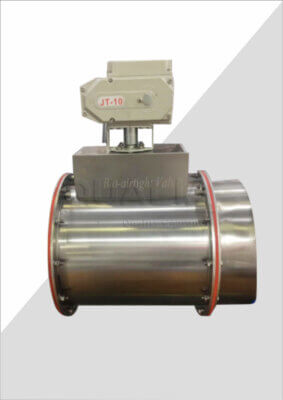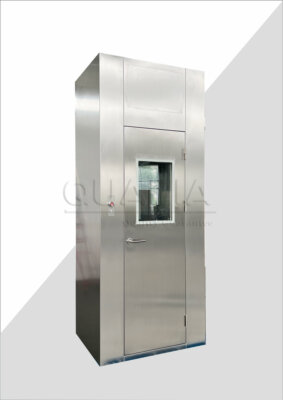

Zespoły odpowiedzialne za uruchomienie często dochodzą do etapu odbioru komory przekaźnikowej lub zbiornika zanurzeniowego, dysponując obszerną dokumentacją dotyczącą elementów konstrukcyjnych, ale niemal żadnymi informacjami na temat tego, w jaki sposób materiały faktycznie przemieszczają się przez barierę. Protokół z testów obejmuje działanie mechaniczne, ale gdy audytor zapyta, jaką sekwencję otwarcia drzwi zademonstrowano, jakie było stężenie zanurzenia lub jakie czynności użytkownika zaobserwowano, w protokole nie ma na ten temat żadnej wzmianki. Ta luka nie jest formalnością dokumentacyjną — stanowi różnicę między barierą, której szczelność została zweryfikowana w rzeczywistych warunkach transferu, a barierą, której istnienie zostało jedynie potwierdzone. O rozstrzygnięciu tej kwestii decyduje to, czy protokół odbioru został sporządzony w oparciu o ścieżkę transferu jako sekwencję, czy też w oparciu o sam sprzęt jako samodzielny obiekt. Poniższe informacje pomogą Państwu określić, co muszą zawierać protokoły odbioru, w jakich przypadkach założenia dotyczące dekontaminacji wymagają wyraźnych dowodów oraz kiedy zatwierdzenie należy traktować jako warunek okresowy, a nie jako kamień milowy projektu.
Ścieżka przepływu materiału przez granice obudowy zabezpieczającej
Każdy transfer materiału przez granicę bezpieczeństwa BSL przebiega po określonej ścieżce, a kryteria akceptacji muszą być sformułowane dla tej ścieżki — a nie dla sprzętu, który się na niej znajduje. Autoklaw przelotowy z podwójnymi drzwiami stanowi uznany standard biologicznej inaktywacji materiałów opuszczających strefy o wysokim poziomie bezpieczeństwa, a 6. wydanie wytycznych CDC BMBL wyraźnie określa ten wymóg dla środowisk BSL-4: materiały patogenne muszą być zamknięte między połączeniami RTP a autoklawem, a wszystkie opuszczające materiały muszą zostać poddane biologicznej inaktywacji przed spaleniem. Ta podstawa stanowi punkt odniesienia, w stosunku do którego każda alternatywna ścieżka transferu musi uzasadnić swoje własne kryteria akceptacji.
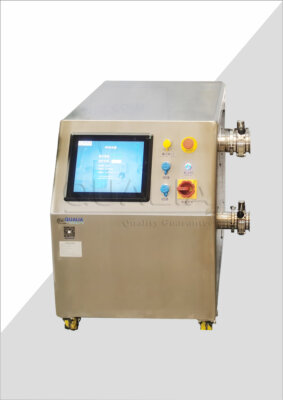
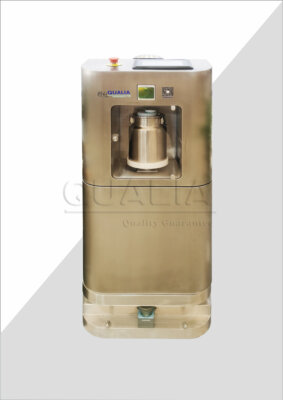
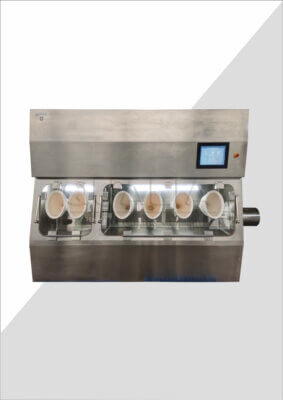
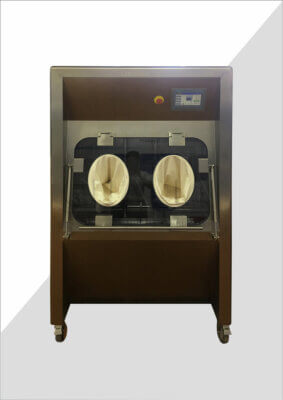
To rozróżnienie ma znaczenie, ponieważ alternatywne rozwiązania nie są równoważnymi substytutami. Komory parowe z nadtlenkiem wodoru oraz systemy transferowe RTP/DPTE zostały stworzone w celu rozwiązania konkretnych ograniczeń materiałowych — wrażliwości na ciepło lub wilgoć, dwukierunkowego, zabezpieczonego przemieszczania między izolatorami — a nie po to, by obniżyć poprzeczkę. Komora transferowa VHP wymaga własnej walidacji biologicznej. System RTP wymaga weryfikacji integralności dokowania i szczelności pojemnika. Przeładowki, w zależności od tego, czy są statyczne, półaktywne czy aktywne, wymagają dowodów dotyczących przepływu powietrza, różnicy ciśnień oraz integralności filtrów właściwych dla danego typu. Sporządzenie jednego protokołu odbioru, który ma zastosowanie do wszystkich tych rozwiązań bez rozróżnienia ścieżki transferu i typu sprzętu, stanowi błąd strukturalny, który ujawni się jako luka podczas przeglądu uruchomieniowego lub kontroli regulacyjnej.
W praktyce oznacza to, że przed opracowaniem jakichkolwiek kryteriów akceptacji należy sporządzić schemat ścieżki transferu: co jest wprowadzane, w jakim stanie fizycznym, przez jaką sekwencję punktów kontrolnych oraz jaka zasada odkażania ma zastosowanie na każdym etapie przejścia. Schemat ten określa, jakie metody badawcze są wymagane, które parametry muszą być utrzymywane zgodnie z zatwierdzonymi warunkami oraz które czynności użytkownika powinny zostać uwzględnione w protokole akceptacji jako obserwowane demonstracje, a nie pisemne odniesienia.
| Sprzęt do transferu | Typowa zasada odkażania | Kluczowe kryteria akceptacji, które należy potwierdzić |
|---|---|---|
| Autoklaw przelotowy z podwójnymi drzwiami | Sterylizacja parowa; inaktywacja czynników biologicznych przed opuszczeniem | Cykl walidacji biologicznej; integralność blokady drzwi; parametry ciśnienia i temperatury niezmienione w stosunku do stanu z walidacji (weryfikacja roczna) |
| Komora do przenoszenia nadtlenku wodoru w fazie gazowej | Odkażanie chemiczne przedmiotów wrażliwych na ciepło i wilgoć | Potwierdzono redukcję o ≥6 log za pomocą wskaźników biologicznych (np. G. stearothermophilus); zweryfikowano stężenie w cyklu, czas ekspozycji oraz rozkład |
| System transferu RTP/DPTE | Mechaniczne, szczelne połączenie; brak konieczności dekontaminacji wewnątrz komory | Sprawdzenie integralności stacji dokującej i uszczelnienia kontenera; szczelność mieści się w granicach specyfikacji |
| Komora przelotowa (statyczna, półaktywna, aktywna) | Wymiana powietrza filtrowanego przez filtry HEPA; kaskada ciśnieniowa zapewniająca czystość | Rozkład przepływu powietrza, różnica ciśnień, integralność filtra; blokada drzwi i dowody dotyczące stanu; parametry eksploatacyjne poszczególnych typów w podziale na klasy |
Blokada skrzynki przekaźnikowej i dowody dotyczące stanu drzwi
Awaria blokady komory przekaźnikowej rzadko objawia się jako usterka sprzętowa. Powoduje to natomiast sytuację, w której obie drzwi mogą zostać otwarte — kolejno, po krótkim zawahaniu użytkownika — bez wykrycia lub zapobieżenia temu przez system sterowania. Zanim sytuacja ta zostanie wykryta, granica zabezpieczenia została już wykorzystana w rutynowej eksploatacji bez zweryfikowania jej integralności. Testy odbiorcze, które potwierdzają działanie blokady w normalnych warunkach użytkowania, ale nie wykazują jej zachowania w warunkach wymuszonej próby lub awarii, pozostawiają to ryzyko całkowicie otwarte.
Wytyczne FSAP dotyczące weryfikacji obiektów klasy BSL-4 stanowią, że należy sprawdzić i przetestować kluczowe blokady, w tym zarówno mechaniczne, jak i elektroniczne blokady drzwi, a także zweryfikować działanie ręcznego obejścia. W kontekście odbioru oznacza to wykazanie, że blokada mechaniczna fizycznie uniemożliwia jednoczesne otwarcie drzwi, że elektroniczny system sterowania prawidłowo wykrywa stan drzwi i wymusza sekwencyjny dostęp, a także że ręczne obejście blokady uruchamia się, resetuje i ponownie uzbraja zgodnie z projektem. Każda z tych czynności stanowi odrębny test i dostarcza odrębnych dowodów. Traktowanie ich jako pojedynczej “kontroli blokady” w protokole odbioru powoduje, że zachowanie obejścia oraz stan po jego zastosowaniu pozostają nieudokumentowane.
Badanie spadku ciśnienia jest jedną z uznanych metod potwierdzania szczelności uszczelki drzwiowej i integralności komory w punkcie granicznym — zapewnia ono mierzalny zapis szczelności w warunkach nadciśnienia lub próżni, który można porównać z wartością graniczną dopuszczalną. Inne podejścia do weryfikacji szczelności mogą być uzasadnione w zależności od kontekstu obiektu, jednak zastosowana metoda powinna zostać odnotowana wraz z wartością graniczną dopuszczalną, a nie opisana w sposób ogólny. Konsekwencją braku odpowiednich dowodów dotyczących stanu drzwi jest nie tylko uwaga w raporcie z audytu, ale także brak uzasadnionej podstawy do twierdzenia, że komora transferowa stanowi zweryfikowaną barierę izolacyjną, a nie niezweryfikowaną przegrodę.
| Element blokujący / barierowy | Co należy sprawdzić podczas odbioru | Metoda badawcza / Dowody |
|---|---|---|
| Blokada mechaniczna (między drzwiami) | Mechanizm blokujący fizycznie uniemożliwia jednoczesne otwarcie obu drzwi; drzwi nie można otwierać w niewłaściwej kolejności | Test działania mechanicznego w warunkach normalnych oraz w sytuacjach prób wymuszonych |
| Logika blokady elektronicznej | System sterowania prawidłowo wykrywa stan drzwi i zapewnia ich sekwencyjne otwieranie; stan blokady jest wyświetlany i sygnalizowany alarmem | Weryfikacja logiczna poprzez kontrolę wejść i wyjść; symulacja stanów awaryjnych |
| Ręczne sterowanie awaryjne | Funkcja nadpisania działa prawidłowo, a blokada powraca do stanu normalnego po zakończeniu testu nadpisania; zachowanie funkcji nadpisania jest zgodne z projektem | Test nadpisania aktywacji i resetowania; sprawdzenie ponownego uzbrojenia lub alarmu |
| Test graniczny spadku ciśnienia | Uszkcoąz w c oćat eswri izoutcczacecirgrcken;kneyuorwlairwy izhpcndzbns nwimyea śąoneaienśiei eie yąakmb jarcgylocnżlzkedaśł cpn th iazych | Próba utrzymywania ciśnienia lub spadku próżni; należy zarejestrować zmiany ciśnienia w funkcji czasu i porównać je z wartością graniczną dopuszczalną |
Założenia dotyczące zanurzenia w zbiorniku do zanurzania lub odkażania
Najważniejszym założeniem przy zatwierdzaniu zbiorników zanurzeniowych i systemów przepływowych VHP jest to, że wybrana metoda odkażania faktycznie zapewnia wymagany poziom skuteczności w odniesieniu do transportowanych materiałów. Założenie to nie jest oczywiste i właśnie w tym zakresie dokumentacja zatwierdzająca najczęściej zawiera lukę: zainstalowano sprzęt, potwierdzono dostarczanie środków chemicznych, ale nie uzyskano żadnych dowodów biologicznych potwierdzających, że bariera zapewnia inaktywację w rutynowych warunkach transportu.
W przypadku komór transferowych VHP redukcja liczby przetrwalników bakteryjnych o ≥6 log — potwierdzona za pomocą Geobacillus stearothermophilus wskaźniki biologiczne — to wartość projektowa określająca próg skuteczności wymagany do zatwierdzenia wyników. Jest to mierzalny punkt odniesienia wywodzący się z praktyki walidacji systemów z wykorzystaniem nadtlenku wodoru, a nie uniwersalny minimalny poziom regulacyjny obowiązujący we wszystkich kontekstach dekontaminacji chemicznej. Jego wartość w testach akceptacyjnych polega na tym, że przekształca on założenie dotyczące skuteczności dekontaminacji w udokumentowany wynik powiązany z konkretnymi parametrami cyklu: stężeniem, czasem kontaktu oraz rozkładem przestrzennym w komorze. Jeśli parametry te nie zostaną zarejestrowane i powiązane z wynikami wskaźników biologicznych, protokół akceptacyjny nie wykazuje, że granica transferu działa na zakładanym poziomie.
To właśnie ograniczenia związane z autoklawem parowym w przypadku materiałów wrażliwych na ciepło i wilgoć sprawiają, że założenia dotyczące metod „dunk tank” i VHP są w ogóle konieczne — nie są to alternatywy ogólnego zastosowania, lecz rozwiązania dostosowane do konkretnych ścieżek przetwarzania dla materiałów, które nie mogą być poddane standardowej procedurze autoklawowej. Ograniczenie to ma bezpośredni wpływ na projekt protokołu odbioru: elementy zastępcze używane podczas testów powinny odzwierciedlać rzeczywiste materiały, które będą przekraczać granicę, ponieważ skuteczność dekontaminacji w przypadku owiniętego sztywnego pojemnika różni się od skuteczności w przypadku elastycznej torby lub opakowania porowatego. Wymóg wielowarstwowego owijania oraz wycierania sporobójczego — wycieranie zanieczyszczonego opakowania zewnętrznego przed wejściem do komory przejściowej — jest szczegółem sekwencji czynności użytkownika, który musi pojawić się w protokole odbiorczym jako wykazany etap, a nie jako odniesienie do SOP. Jeśli zostanie to jedynie zapisane, jego wkład w integralność granicy nie zostanie zweryfikowany.
| Założenie dotyczące odkażania | Dlaczego to ma znaczenie | Co musi znaleźć się w protokołach odbioru |
|---|---|---|
| Komora transferowa VHP zapewnia redukcję o ≥6 log | Określa mierzalny próg skuteczności wymagany do zatwierdzenia granicy transferu | Wyniki testów z wykorzystaniem wskaźnika biologicznego Geobacillus stearothermophilus; parametry cyklu (stężenie, czas kontaktu) dostosowane do zatwierdzonych warunków |
| System dostarczania wody do prysznica chemicznego (zbiornika zanurzeniowego) działa zgodnie z założeniami projektowymi | Niekompletne lub nieprawidłowo skierowane rozpylanie utrudnia odkażanie | Roczna weryfikacja potwierdza elementy dostawy, przewodność oraz monitorowanie alarmów; nie stwierdzono odchyleń od zatwierdzonych parametrów |
| Przed przeniesieniem przedmioty są pakowane i wycierane | Zanieczyszczenia powierzchniowe na opakowaniu mogą uniemożliwić skuteczne odkażenie, jeśli nie zostaną usunięte | Dokumentacja procedury operacyjnej (SOP) oraz wykazanie podczas testów odbiorczych, że przed wejściem przeprowadzane jest wielowarstwowe owijanie oraz wycieranie środkiem bakteriobójczym |
Odprowadzanie wody i sekwencja czynności użytkownika w protokołach odbioru
Protokoły odbioru pryszniców chemicznych i zbiorników zanurzeniowych często skupiają się na mechanicznych aspektach dostarczania środka chemicznego — działaniu dysz rozpylających, zasysaniu pomp oraz cyklu pracy zaworów. Rzadziej odnotowuje się natomiast dowody potwierdzające, że dostarczany środek chemiczny spełnia warunki niezbędne do biologicznej inaktywacji w rzeczywistej sekwencji transferu oraz że alarmy uruchamiałyby się przed rozpoczęciem transferu w warunkach niezgodnych ze specyfikacją.
Wytyczne dotyczące corocznej weryfikacji systemów pryszniców chemicznych określają, że podczas odbioru należy potwierdzić zgodność elementów dostawy, pomiar przewodności w zatwierdzonym zakresie oraz monitorowanie alarmów zarówno w przypadku niskiego przepływu, jak i stężenia wykraczającego poza specyfikację. Każdy z tych elementów stanowi odrębną pozycję weryfikacyjną, wymagającą odrębnych dowodów. Dokumentacja kalibracji czujnika przewodności potwierdza, że pomiar stężenia jest identyfikowalny. Protokoły testów alarmowych potwierdzają, że system przerwie lub zasygnalizuje transfer, jeśli dostarczanie substancji chemicznej wykracza poza zatwierdzone parametry. Kontrola elementów dostarczających potwierdza, że rozkład strumienia i zasięg nie uległy zmianie od czasu walidacji biologicznej. Jeśli którykolwiek z tych elementów nie figuruje w protokole odbiorczym, dokument ten potwierdza jedynie, że sprzęt został zainstalowany, a nie że zweryfikowano granice odkażania.
Kontrola parametrów operacyjnych — polegająca na potwierdzeniu, że objętość, ciśnienie i temperatura nie uległy zmianie w stosunku do warunków, w jakich przeprowadzono walidację biologiczną — nie jest jednorazowym elementem akceptacji. Stanowi ona warunek progowy: w przypadku odchylenia parametrów podstawa akceptacji traci ważność. Wiąże to wstępną akceptację bezpośrednio z bieżącą ponowną weryfikacją, co oznacza, że dokumentacja akceptacji musi określać zwalidowane wartości bazowe na tyle jasno, aby przyszłe coroczne kontrole mogły potwierdzić lub zasygnalizować odchylenie. Dokumentacja, która opisuje parametry w sposób jakościowy, zamiast podawać konkretne wartości w odniesieniu do zweryfikowanych warunków, nie może stanowić podstawy do takiego ciągłego porównywania.
| Pozycja weryfikacji | Wymóg przyjęcia | Dowody, które należy udokumentować |
|---|---|---|
| Elementy układu zasilającego (dysze rozpylające, pompy, zawory) | Wszystkie elementy działają zgodnie z przeznaczeniem; nie ma żadnych zatorów ani wycieków | Raport z kontroli i testów funkcjonalnych; certyfikat corocznej weryfikacji |
| Monitorowanie przewodności | Pomiar stężenia substancji chemicznej w zatwierdzonym zakresie; punkt alarmowy sprawdzony | Zapisy dotyczące kalibracji czujników przewodności; dziennik testów alarmów |
| Monitorowanie alarmów (przepływ, stężenie) | Uruchamiają się alarmy niskiego przepływu i stężenia poza zakresem dopuszczalnym, sygnalizowane dźwiękowo i wizualnie | Dane z testu alarmów; protokół przebiegu operacji |
| Parametry robocze (objętość, ciśnienie, temperatura) | Parametry nie uległy zmianie w stosunku do warunków potwierdzonych biologicznie | Porównanie aktualnych odczytów z referencyjnymi danymi walidacyjnymi; podpisane potwierdzenie |
Dostosowanie procedury operacyjnej standardowej (SOP) do działania sprzętu
Najczęstszym źródłem problemów na tym etapie jest stwierdzenie, że procedura operacyjna (SOP) została sporządzona przed zakończeniem testów odbiorczych i opisuje sekwencję operacji, której sprzęt w rzeczywistości nie wykonuje. Zarówno wytyczne CDC BMBL (6. wydanie), jak i FSAP stanowią, że parametry projektowe i procedury operacyjne muszą zostać udokumentowane i zweryfikowane przed rozpoczęciem eksploatacji — a nie równolegle z nią ani z mocą wsteczną. W praktyce wymóg ten oznacza, że procedury operacyjne (SOP) powinny być opracowywane zgodnie z zamierzeniami projektowymi, a następnie potwierdzane lub korygowane w oparciu o obserwowane zachowanie sprzętu podczas testów odbiorczych. Gdy ten cykl nie zostanie zamknięty, procedury operacyjne (SOP) i sprzęt zaczynają się rozbiegać, a brak widocznej awarii nie skłania do wprowadzenia korekty.
Konsekwencje są asymetryczne. Jeśli procedura operacyjna (SOP) opisuje sekwencję blokady drzwi, którą sprzęt realizuje w inny sposób, operatorzy opracują obejście dostosowane do sprzętu — a to obejście nie znajdzie się w SOP. Jeśli SOP określa czas kontaktu lub stężenie, które sprzęt osiąga w niektórych konfiguracjach obciążenia, ale nie w innych, transfery będą przebiegać w warunkach, które nigdy nie zostały poddane walidacji biologicznej. Żadnego z tych uchybień nie da się wykryć wyłącznie na podstawie przeglądu dokumentacji; wymagają one, aby podczas testów odbiorczych faktycznie przeprowadzono sekwencję przenoszenia zgodnie z opisem w SOP, a uzyskane wyniki posłużyły do potwierdzenia lub skorygowania procedury.
Kryteria weryfikacyjne należy traktować jako dynamiczne wyniki testów odbiorczych, a nie jako stałe dane wejściowe do tych testów. Jeśli testy odbiorcze wykażą, że zachowanie sprzętu odbiega od założeń projektowych zawartych w SOP, ustalenie to powinno zostać bezpośrednio uwzględnione w aktualizacji SOP, zanim granica zostanie zatwierdzona do rutynowego użytku. Norma ISO 35001:2019 określa zarządzanie ryzykiem biologicznym jako systematyczny proces wymagający ciągłego przeglądu i doskonalenia — weryfikacja zgodności procedury operacyjnej standardowej (SOP) z urządzeniami stanowi konkretny przykład zastosowania tej zasady na poziomie poszczególnych urządzeń granicznych. Podpisany protokół odbioru, który nie zawiera odniesienia do statusu aktualizacji SOP lub który został sporządzony przed wydaniem ostatecznej wersji SOP, nie może wykazać spójności między zachowaniem urządzenia a procedurą operacyjną.
Zatwierdzenie granicy transferu przed wprowadzeniem do rutynowego stosowania
Zatwierdzenie granicy transferu jest statusem okresowym, zależnym od warunków, a nie kamieniem milowym kończącym projekt uruchomienia. Coroczna walidacja biologiczna systemów dekontaminacji — autoklawów, komór VHP, pryszniców chemicznych — stanowi minimalny odstęp czasowy ustalony przez FSAP i odzwierciedlony w wytycznych BMBL, wydanie szóste. Ocena ryzyka lub polityka instytucjonalna mogą wymagać większej częstotliwości. Roczny odstęp czasowy nie oznacza, że zatwierdzenie następuje automatycznie przy każdym kolejnym przeglądzie; oznacza to, że baza dowodów biologicznych traci ważność i musi zostać odnowiona, a parametry operacyjne muszą zostać potwierdzone jako niezmienione w stosunku do warunków poddanych walidacji, zanim odnowienie będzie miało zastosowanie.
W tym przypadku praktycznym błędem jest schemat akceptacji, w którym brakuje kryterium wymagającego ponownego badania oraz wyznaczonej osoby odpowiedzialnej. Gdy nie zdefiniowano żadnego konkretnego warunku — zdarzenia konserwacyjnego, nieprawidłowego wyniku wskaźnika biologicznego, sygnału o odchyleniu parametrów — wymagającego ponownej weryfikacji, roczny cykl staje się raczej zadaniem planistycznym niż kontrolą opartą na ryzyku. Jeśli osoba odpowiedzialna za zainicjowanie ponownej weryfikacji zmieni stanowisko bez udokumentowanego przekazania obowiązków, luka ta może pozostać niewykryta do momentu, gdy podczas audytu okaże się, że ostatni zapis z weryfikacji ma ponad dwanaście miesięcy, a ponowna weryfikacja nie została zaplanowana.
Ponowna weryfikacja po wprowadzeniu istotnych modyfikacji stanowi kryterium planistyczne, które powinno zostać uwzględnione w samym protokole odbioru — nie jako sygnał ostrzegawczy, lecz jako warunek określony w momencie zatwierdzenia. Należy określić, co stanowi istotną modyfikację danego elementu wyposażenia transferowego: wymianę elementów przepływowych w zbiorniku zanurzeniowym, zmiany w dystrybucji gazu w komorze VHP, aktualizacje systemu sterowania wpływające na logikę blokad. Określenie tych czynników wyzwalających w momencie pierwotnego zatwierdzenia oznacza, że są one dostępne dla zespołów utrzymania ruchu i obsługi obiektów przed wprowadzeniem modyfikacji, a nie są oceniane z mocą wsteczną po zmianie, która mogła wpłynąć na wydajność danego elementu.
| Urządzenia do przenoszenia i wyznaczania granic | Działania weryfikacyjne | Minimalna częstotliwość powtarzania się | Kiedy należy przeprowadzić ponowną weryfikację wcześniej |
|---|---|---|---|
| Dwuprzedziałowy autoklaw z przejściem | Walidacja biologiczna cyklu inaktywacji; parametry eksploatacyjne pozostają bez zmian | Rocznie | Po wprowadzeniu istotnych zmian; podwyżka oparta na ocenie ryzyka w odniesieniu do każdej polisy |
| Komora transferowa VHP | Test z użyciem wskaźników biologicznych (redukcja o ≥6 log); kontrola parametrów cyklu | Rocznie | Po pracach konserwacyjnych związanych ze zmianą rozkładu gazów; nieprawidłowe wyniki testu BI |
| Prysznic chemiczny (zbiornik zanurzeniowy) | System dostarczania, przewodność, alarmy, objętość/ciśnienie/temperatura bez zmian | Rocznie | Po naprawie elementów układu hydraulicznego; jeśli uruchomienie alarmu wskazuje na dryft |
| Inne systemy odkażania (odpady płynne, urządzenia do rozkładu tkanek, odkażanie pomieszczeń) | Weryfikacja eksploatacyjna pod kątem zgodności ze specyfikacjami projektowymi | Rocznie | Po modyfikacji lub zmianie obciążenia/rodzaju materiału |
Najbardziej jednoznacznym kryterium przedpodejmowym dla każdego systemu akceptacji granic przenoszenia jest to, czy pozwala on odpowiedzieć na trzy pytania, popierając odpowiedzi udokumentowanymi dowodami: jaka sekwencja przenoszenia została wykazana podczas testów akceptacyjnych, jaka skuteczność dekontaminacji została potwierdzona i przy jakich parametrach oraz kto jest odpowiedzialny za zainicjowanie ponownej weryfikacji i na jakich warunkach. Jeśli którakolwiek z tych odpowiedzi znajduje się wyłącznie w standardowej procedurze operacyjnej (SOP), a nie w protokole akceptacji, oznacza to, że granica została opisana, ale nie zweryfikowana.
Przed zatwierdzeniem komory przekaźnikowej lub zbiornika zanurzeniowego do rutynowego użytku należy upewnić się, że protokół odbioru został sporządzony w formie sekwencji opisującej ścieżkę transferu — obejmującej dowody działania blokady drzwi, czynności użytkownika, w tym procedury owijania i wycierania, wartości bazowe parametrów dekontaminacji powiązane z wynikami walidacji biologicznej oraz weryfikację odprowadzania wody i alarmów. To właśnie ten protokół sprawia, że granica jest uzasadniona podczas audytu, a coroczna ponowna weryfikacja stanowi identyfikowalne porównanie, a nie powtórzenie testu, którego nikt nie jest w stanie zlokalizować.
Często zadawane pytania
Pytanie: Czy te wytyczne dotyczące dopuszczalności mają zastosowanie, jeśli komora transferowa lub zbiornik zanurzeniowy służą jako granica dla poziomu bezpieczeństwa biologicznego BSL-2 lub BSL-3, a nie BSL-4?
O: Podstawowe zasady mają zastosowanie na poziomie BSL-3, jednak szczegółowe wymagania dotyczące weryfikacji są dostosowane do poziomu bezpieczeństwa. Obiekty BSL-4 podlegają najbardziej szczegółowym obowiązkom wynikającym z FSAP i BMBL (6. edycja) — obejmują one obowiązkowe testy blokad, w tym ręczne obejście blokad, coroczną walidację biologiczną wszystkich systemów odkażania oraz normy dotyczące ścieżek transferu oparte na RTP. W przypadku poziomu BSL-3 obowiązuje ta sama logika strukturalna — akceptacja musi obejmować sekwencję transferu, a nie tylko sprzęt — jednak konkretne metody testowe, wymagania dotyczące wskaźników biologicznych oraz częstotliwość ponownej weryfikacji powinny wynikać z oceny ryzyka specyficznej dla danego obiektu oraz obowiązujących zasad instytucjonalnych, a nie być bezpośrednio dostosowane do progów obowiązujących dla poziomu BSL-4.
Pytanie: Po zakończeniu testów odbiorczych i zatwierdzeniu granicy, jaki jest najbliższy krok, który należy podjąć przed pierwszym przeniesieniem do środowiska produkcyjnego?
A: Należy upewnić się, że status aktualizacji procedury operacyjnej (SOP) jest aktualny i zgodny z zaobserwowanym zachowaniem sprzętu odnotowanym podczas odbioru. Protokół odbioru i ostateczna wersja SOP powinny być ze sobą powiązane i opatrzone spójnymi datami — każda zmiana SOP wynikająca z ustaleń testów odbiorczych musi zostać wdrożona, zweryfikowana i zatwierdzona przed przystąpieniem do pierwszego przekazania. Ponadto należy udokumentować wyznaczonego właściciela odpowiedzialnego za ponowną weryfikację, a czynniki wywołujące konieczność ponownej weryfikacji, określone w protokole odbiorczym, powinny zostać już przekazane zespołom ds. konserwacji i obiektów. Zatwierdzenie bez zapewnienia takiego przekazania oznacza, że roczny cykl ponownej weryfikacji od samego początku nie ma osoby odpowiedzialnej.
Pytanie: W którym momencie testy zastępcze przeprowadzane podczas odbioru stają się niewystarczające do weryfikacji rzeczywistej granicy transferu?
O: Testy z wykorzystaniem substytutów stają się niewystarczające, gdy właściwości fizyczne substytutów znacznie odbiegają od właściwości rzeczywistych materiałów, które będą przekraczać granicę. Skuteczność odkażania — zwłaszcza w przypadku VHP i zanurzenia w roztworze chemicznym — zależy od geometrii opakowania, porowatości i ułożenia warstw. Jeśli badania akceptacyjne przeprowadzono na sztywnych, owiniętych pojemnikach, ale w rutynowym użytkowaniu będą stosowane elastyczne worki lub opakowania porowate, wyniki wskaźników biologicznych uzyskane w tych warunkach zastępczych nie potwierdzają twierdzenia o zweryfikowanej skuteczności dla rzeczywistego ładunku transportowego. W takim przypadku przed uznaniem granicy za zweryfikowaną pod kątem zamierzonego zastosowania wymagana jest dodatkowa walidacja biologiczna z wykorzystaniem reprezentatywnych rzeczywistych materiałów lub zbliżonych fizycznie materiałów zastępczych.
Pytanie: Jak komora przepływowa typu VHP wypada w porównaniu ze zbiornikiem zanurzeniowym jako rozwiązanie w zakresie granicy transferu dla materiałów wrażliwych na ciepło i które z tych rozwiązań wiąże się z większym obciążeniem związanym z akceptacją?
O: Oba rozwiązania pozwalają rozwiązać ten sam problem — wyeliminowanie konieczności stosowania autoklawu parowego w przypadku materiałów wrażliwych na ciepło lub wilgoć — ale wiążą się z różnymi wymaganiami w zakresie akceptacji. Komora VHP wymaga walidacji biologicznej dla konkretnego cyklu, potwierdzającej redukcję zarodników o ≥6 log, dowodów na rozkład przestrzenny stężenia gazu na wszystkich powierzchniach w komorze w warunkach obciążenia oraz monitorowania parametrów powiązanych z walidowanymi wartościami cyklu. Zbiornik zanurzeniowy wymaga potwierdzenia stężenia podczas zanurzenia poprzez skalibrowany pomiar przewodności, weryfikacji czasu kontaktu, testów odprowadzania wody i alarmów oraz demonstracji sekwencji czynności użytkownika, w tym etapów wielowarstwowego owijania i wycierania środków sporobójczych. Wymagania dotyczące zatwierdzenia zbiornika zanurzeniowego w większym stopniu zależą od sekwencji czynności użytkownika; wymagania dotyczące zatwierdzenia komory VHP w większym stopniu zależą od parametrów cyklu i rozkładu. Żadne z tych rozwiązań nie jest kategorycznie łatwiejsze — właściwy wybór zależy od konkretnych ograniczeń materiałowych oraz zdolności zakładu do corocznej konserwacji i ponownej weryfikacji każdego systemu.
Pytanie: Czy jeden protokół odbioru wystarczy w przypadku komory transferowej, która będzie wykorzystywana zarówno do wprowadzania materiałów do strefy izolacyjnej, jak i do ich wyprowadzania z tej strefy?
O: Nie — użytkowanie dwukierunkowe wymaga odrębnych dowodów akceptacji dla każdego kierunku przepływu, ponieważ ryzyko rozprzestrzeniania się zanieczyszczeń, kolejność otwierania drzwi, zasada odkażania oraz czynności użytkownika różnią się w zależności od tego, czy materiał jest wprowadzany do strefy kontrolowanej, czy z niej wyprowadzany. Statyczna komora przesyłowa bez aktywnego przepływu powietrza może być odpowiednia dla jednego kierunku, ale nie dla drugiego. Aktywna komora przesyłowa zaprojektowana do utrzymywania różnicy ciśnień w jednym kierunku może zachowywać się inaczej przy odwróconej sekwencji transferu. Dokumentacja odbiorcza musi określać, które kierunki transferu zostały przetestowane, w jakich warunkach przepływu powietrza i ciśnienia oraz jakie etapy dekontaminacji zostały wykazane dla każdego kierunku. Pojedynczy test łączony, który nie rozróżnia wejścia od wyjścia, pozostawia integralność granicy kierunkowej niezweryfikowaną dla co najmniej jednego scenariusza operacyjnego.