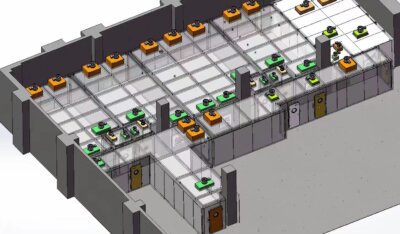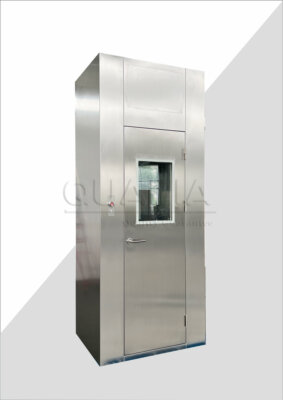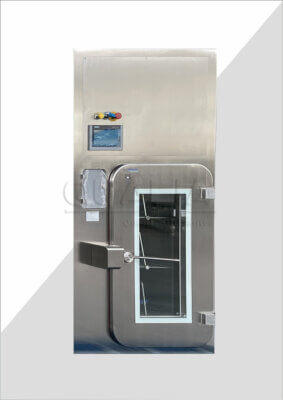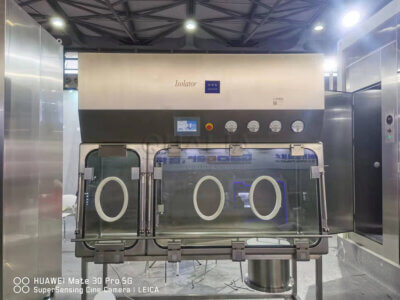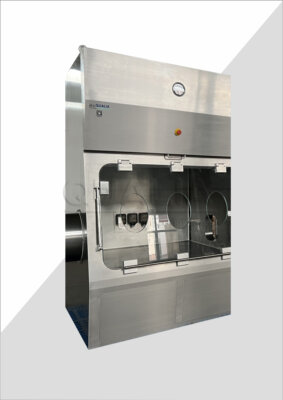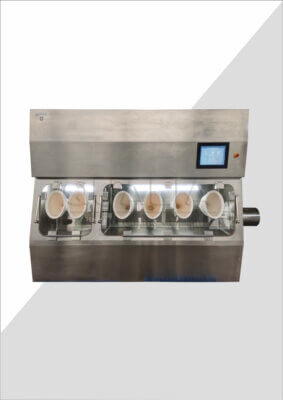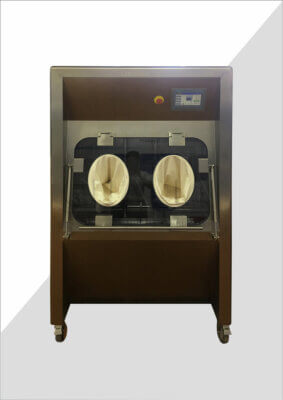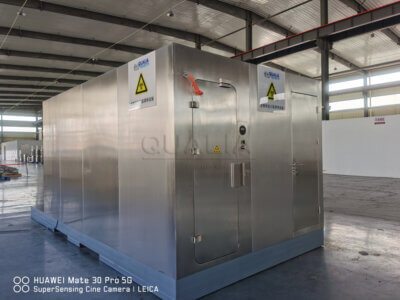
Budowa laboratorium bezpieczeństwa biologicznego to przedsięwzięcie o wysokiej stawce, w którym przewidywalność harmonogramu nie jest wygodą, ale krytycznym wymogiem operacyjnym. Opóźnienia w uruchomieniu obiektu BSL-3 lub BSL-4 mogą wstrzymać istotne badania, opóźnić możliwości diagnostyczne i zagrozić finansowaniu. Tradycyjny, liniowy model budowy często zwiększa to ryzyko dzięki nieprzewidywalnym harmonogramom i zmiennym na miejscu.
Zrozumienie pełnego harmonogramu budowy - od wstępnego projektu do ostatecznej certyfikacji - ma zasadnicze znaczenie dla planowania strategicznego i alokacji kapitału. Wybrana metodologia zasadniczo dyktuje profil ryzyka projektu, model finansowy i długoterminową elastyczność, dzięki czemu analiza porównawcza między podejściem modułowym a tradycyjnym jest niezbędnym pierwszym krokiem dla każdej organizacji.
Kluczowe różnice: Modułowa a tradycyjna konstrukcja BSL
Definiowanie strategicznej rozbieżności
Wybór pomiędzy budownictwem modułowym a tradycyjnym to strategiczna decyzja wpływająca na każdą fazę cyklu życia projektu. Tradycyjna budowa przebiega zgodnie z liniowym, sekwencyjnym procesem, w którym projektowanie, prace na miejscu, budowa i wykończenie odbywają się w dyskretnych, zależnych od siebie etapach. Budownictwo modułowe zmienia kolejność tej krytycznej ścieżki, przenosząc większość procesu tworzenia wartości do kontrolowanego środowiska fabrycznego, podczas gdy przygotowanie placu budowy odbywa się równolegle. Takie podejście przenosi główne ryzyko projektowe z nieprzewidywalnej realizacji na miejscu na wyczerpującą fazę planowania i projektowania.
Skutki finansowe i operacyjne
Poza harmonogramem, klasyfikacja finansowa różni się. Laboratoria modułowe są często zaliczane do kategorii sprzętu ruchomego, a nie nieruchomości trwałych. Odblokowuje to alternatywne mechanizmy finansowania, takie jak leasing sprzętu, które mogą poprawić przepływy pieniężne i zmienić wpływ na bilans - co ma kluczowe znaczenie dla planistów finansowych. Co więcej, nieodłączna konstrukcja umożliwiająca rekonfigurację, możliwa dzięki zintegrowanym napowietrznym nośnikom usług, pozwala na przyszłe zmiany układu bez inwazyjnych prac płytowych. Ta infrastruktura typu “plug-and-play” zabezpiecza inwestycję na przyszłość przed ewoluującymi protokołami badawczymi, co jest elastycznością rzadko spotykaną w tradycyjnych konstrukcjach.
Ramy podejmowania decyzji
Ta fundamentalna zmiana w metodologii dostarczania oznacza zmianę kryteriów sukcesu. W przypadku modułów, bezbłędne specyfikacje wymagań użytkownika i głęboka, wczesna współpraca z producentem nie podlegają negocjacjom. Projekt musi być zamrożony wcześniej i z większą ostatecznością. Z mojego doświadczenia wynika, że organizacje, które traktują dostawcę modułowego jako prawdziwego partnera integracyjnego od pierwszego dnia, osiągają znacznie płynniejsze przeglądy regulacyjne i mniej kosztownych zleceń zmian podczas produkcji.
Porównanie osi czasu: Modułowe i tradycyjne laboratoria
Mechanika kompresji osi czasu
Najbardziej wymierną zaletą konstrukcji modułowej jest radykalne skrócenie harmonogramu. Przyspieszenie to nie jest osiągane poprzez szybszą pracę na placu budowy, ale poprzez inteligentną współbieżność. Podczas gdy moduły o konstrukcji stalowej ze zintegrowanymi systemami MEP są wytwarzane w fabryce o kontrolowanym klimacie, plac budowy jest niezależnie wyrównywany, fundamenty wylewane, a odgałęzienia mediów instalowane. To rozdzielenie działań jest głównym czynnikiem wpływającym na wydajność.
Kwantyfikacja przyspieszenia
Dowody z ukończonych projektów pokazują przekonujący kontrast w całkowitym czasie trwania projektu. Równoległy postęp prac w fabryce i na miejscu może skrócić czas realizacji obiektu BSL-3 do 4-6 miesięcy, w porównaniu do 8-12 miesięcy lub więcej w przypadku tradycyjnej budowy - redukcja o 50-60%. Przyspieszenie to bezpośrednio przekłada się na wcześniejszą gotowość operacyjną do badań generujących przychody lub krytycznych funkcji w zakresie zdrowia publicznego.
Poniższa tabela ilustruje wyraźny kontrast w etapach i czasie trwania projektu między dwiema metodologiami.
| Faza projektu | Konstrukcja modułowa | Tradycyjna konstrukcja |
|---|---|---|
| Całkowity czas trwania | 4 do 6 miesięcy | 8 do 12+ miesięcy |
| Czas budowy na miejscu | 2 do 3 miesięcy | 8 do 12+ miesięcy |
| Skrócenie osi czasu | 50% do 60% | Linia bazowa |
| Kluczowy kierowca | Jednoczesna praca w fabryce/miejscu instalacji | Liniowy, sekwencyjny proces |
Źródło: Dokumentacja techniczna i specyfikacje branżowe.
Strategiczny wpływ wczesnych operacji
Skrócenie harmonogramu ma poważne konsekwencje finansowe. Przyspieszenie czasu realizacji o kilka kwartałów pozwala na znacznie wcześniejsze rozpoczęcie prac o krytycznym znaczeniu. W perspektywie dziesięciu lat to 4-6-miesięczne przyspieszenie może przyczynić się do 15-25% wyższego zwrotu z inwestycji w porównaniu z tradycyjną budową poprzez zmniejszenie kosztów i przyspieszenie działań finansowanych z przychodów lub dotacji. Zasadniczo zmienia to model projektu kapitałowego z centrum kosztów na strategiczny akcelerator.
Faza 1: Projektowanie, planowanie i dostosowanie przepisów
Krytyczna ścieżka planowania
W przypadku projektów modułowych, Faza 1 jest najbardziej krytyczna i niesie ze sobą największe ryzyko projektowe, trwające zazwyczaj 10 tygodni. Wymaga kompleksowej finalizacji wszystkich wymagań użytkownika i w pełni skoordynowanego, zamrożonego projektu. Obejmuje to zablokowanie systemów architektonicznych, strukturalnych i MEP u producenta. Wykorzystanie wstępnie zaprojektowanych, znormalizowanych modułów i komponentów jest tutaj kluczowym czynnikiem, ponieważ systemy te są dostarczane ze wstępnie zatwierdzoną inżynierią, która usprawnia przegląd agencji regulacyjnych.
Inżynieria dla długoterminowej elastyczności
Kluczową specyfikacją w tej fazie jest napowietrzny nośnik usług komunalnych. Inwestycja w ten wysokowydajny, dostępny system dystrybucji energii, danych, gazów i płynów jest niezbędna do osiągnięcia obiecanej długoterminowej rekonfigurowalności. Jest to infrastruktura, która umożliwia przyszłe modyfikacje ławek i ścian bez kosztownych, uciążliwych modernizacji. Faza ta stanowi również podstawę kontroli środowiska, z projektami ukierunkowanymi na określone klasyfikacje czystości powietrza, zdefiniowane w normach takich jak ISO 14644-1:2015 Pomieszczenia czyste i powiązane środowiska kontrolowane.
Projektowanie blokad i zarządzanie ryzykiem
Faza ta kończy się formalnym zamrożeniem projektu. Zmiany po zatwierdzeniu stają się wykładniczo trudne i kosztowne po rozpoczęciu produkcji fabrycznej. Podkreśla to konieczność wyczerpującej współpracy z interesariuszami i rygorystycznej kwalifikacji dostawców przed przystąpieniem do dalszych działań. Poniższa tabela przedstawia kluczowe działania i wyniki tej podstawowej fazy.
| Kluczowa aktywność | Czas trwania/oddziaływanie | Wyjście krytyczne |
|---|---|---|
| Czas trwania fazy | ~10 tygodni | Zamrożenie projektu |
| Koszt przeglądu regulacyjnego | Redukcja do 30% | Usprawnione zatwierdzanie przez agencję |
| Podstawowa funkcja inżynieryjna | Napowietrzny nośnik narzędzi | Umożliwia rekonfigurację w przyszłości |
| Główna lokalizacja ryzyka | Faza planowania i projektowania | Bezbłędne wymagania użytkowników |
Źródło: ISO 14644-1:2015 Pomieszczenia czyste i powiązane środowiska kontrolowane. Norma ta zapewnia podstawową klasyfikację czystości powietrza, która ma kluczowe znaczenie dla projektowania i walidacji modułowych laboratoryjnych systemów kontroli środowiska, bezpośrednio wpływając na fazę planowania i dostosowywania przepisów.
Faza 2: Fabryczna produkcja i zapewnienie jakości
Precyzja w kontrolowanym środowisku
Po zamrożeniu projektu, produkcja przenosi się do kontrolowanej fabryki. Środowisko to zapewnia stałą jakość, minimalizuje ilość odpadów materiałowych i jest odporne na opóźnienia pogodowe - istotny czynnik ryzyka w przypadku tradycyjnych lokalizacji. Moduły o konstrukcji stalowej są budowane do wymiarów transportowych, integrując uszczelnione panele ścienne, wstępnie zainstalowane kanały narzędziowe i obudowy filtrów HEPA z precyzją produkcji niedostępną w warunkach terenowych.
Systemy zintegrowane i testy przedwdrożeniowe
To ustawienie jest idealne do wstępnej instalacji zintegrowanych inteligentnych systemów laboratoryjnych, takich jak czujniki IoT i sterowanie automatyką budynku. Określenie tych wymagań z góry przekształca moduł w inteligentne laboratorium typu “plug-and-play” od pierwszego dnia, unikając skomplikowanych i uciążliwych modernizacji. Każdy ukończony moduł przechodzi następnie rygorystyczne testy akceptacji fabrycznej (FAT). FAT weryfikuje integralność hermetyzacji, funkcjonalność systemu i wydajność w stosunku do specyfikacji, generując kompleksową dokumentację, która ułatwia późniejszy przegląd regulacyjny.
Wartość certyfikacji fabrycznej
Ukończenie FAT jest kamieniem milowym projektu. Potwierdza, że moduł jest gotowy do wysyłki i reprezentuje standard jakości i wydajności trudny do osiągnięcia poprzez konsekwentną budowę na miejscu. Ta wstępna walidacja znacznie zmniejsza ryzyko związane z kolejnymi fazami instalacji i uruchomienia, zapewniając większą pewność co do ogólnego wyniku projektu.
Faza 3: Przygotowanie terenu i równoległe strumienie prac
Umożliwienie szybkiej instalacji
Równolegle z produkcją fabryczną, prace na placu budowy koncentrują się na przygotowaniu fundamentów gotowych do montażu modułów. Obejmuje to równanie terenu, wylewanie fundamentów lub filarów konstrukcyjnych oraz instalowanie wszystkich króćców mediów w precyzyjnych punktach połączeń. W przypadku instalacji na dachach lub wewnątrz budynków może to obejmować konstrukcję nadbudowy. Ten równoległy strumień prac jest mechanicznym czynnikiem wpływającym na ogólną kompresję osi czasu, eliminując sekwencyjną zależność oczekiwania na zakończenie prac na miejscu przed rozpoczęciem budowy.
Przewaga modelu hybrydowego
Faza ta często korzysta z pragmatycznego hybrydowego modelu budowy. Podczas gdy modułowe rdzenie hermetyzacji są wytwarzane, wysoce spersonalizowane lub ograniczone do miejsca przestrzenie pomocnicze - takie jak przedsionki, biura lub pomieszczenia pomocnicze - mogą być budowane na miejscu przy użyciu tradycyjnych metod. Podejście to pozwala organizacjom na optymalne zastosowanie metodologii modułowej w obszarach o krytycznym znaczeniu dla hermetyzacji, gdzie zapewnia ona największą wartość pod względem jakości i szybkości, przy jednoczesnym zachowaniu elastyczności projektowania dla innych przestrzeni.
Synchronizacja ścieżek równoległych
Efektywne zarządzanie projektem na tym etapie ma kluczowe znaczenie dla zsynchronizowania przygotowania placu budowy z dostarczeniem gotowych modułów. Każde opóźnienie w przygotowaniu placu budowy może zniweczyć korzyści harmonogramu uzyskane w fabryce, dlatego niezbędna jest ścisła koordynacja harmonogramu między wykonawcą placu budowy a producentem modułów.
Etapy 4 i 5: Instalacja, integracja i certyfikacja
Szybkie wdrożenie i połączenie
Te końcowe fazy stanowią szybką kulminację równoległych procesów. Po pomyślnym FAT i przygotowaniu terenu, moduły są transportowane i przenoszone dźwigiem na miejsce. Cała instalacja i zgrubna integracja - podłączenie mediów na miejscu, uszczelnienie połączeń między modułami - jest często zakończona w ciągu kilku tygodni, realizując strategiczną przewagę polegającą na zminimalizowaniu zakłóceń na miejscu i robocizny.
Uruchomienie i weryfikacja wydajności
Następnie zintegrowany obiekt przechodzi szczegółowe uruchomienie. Obejmuje to uruchomienie i zrównoważenie krytycznego systemu HVAC w celu uzyskania kierunkowego przepływu powietrza i wymaganych 10-15 wymian powietrza na godzinę. Luźny sprzęt, w tym szafy bezpieczeństwa biologicznego z certyfikatem NSF/ANSI 49-2022 Szafy bezpieczeństwa biologicznego, jest instalowany. Następnie obiekt przechodzi rygorystyczne testy akceptacji lokalizacji (SAT) i weryfikację wydajności, w tym testy szczelności w celu sprawdzenia integralności całego systemu.
Droga do certyfikowanej gotowości operacyjnej
Ze względu na zastosowanie wstępnie zatwierdzonych komponentów i systemów przetestowanych fabrycznie, ścieżka do ostatecznej certyfikacji regulacyjnej jest często bardziej usprawniona. Cały proces od przybycia modułu do certyfikowanej gotowości operacyjnej zwykle kończy się w przewidywalnym okresie 6-10 tygodni. Poniższa tabela podsumowuje kluczowe działania i czas trwania tych końcowych faz.
| Faza końcowa | Typowy czas trwania | Kluczowa aktywność |
|---|---|---|
| Instalacja i integracja | 6 do 10 tygodni | Rozmieszczenie modułów i podłączenie mediów |
| Uruchomienie HVAC | Ścieżka krytyczna | 10-15 wymian powietrza/godzinę |
| Weryfikacja końcowa | Testy SAT i wyzwania | Certyfikacja zabezpieczeń |
| Zakłócenia na miejscu | Znacznie zmniejszona | Tygodnie vs. miesiące |
Źródło: NSF/ANSI 49-2022 Szafy bezpieczeństwa biologicznego. Norma ta reguluje wydajność i certyfikację terenową szaf bezpieczeństwa biologicznego, które są krytycznymi komponentami instalowanymi i walidowanymi podczas końcowych faz integracji i certyfikacji projektu modułowego laboratorium.
Całkowity koszt posiadania i ekonomika projektu
Spojrzenie wykraczające poza wydatki kapitałowe
Podczas gdy początkowe koszty kapitałowe dla modułowych i tradycyjnych laboratoriów są często porównywalne, całkowity koszt posiadania (TCO) i ekonomika projektu znacznie się różnią. Skrócony harmonogram zmniejsza koszty finansowania i, co najważniejsze, przyspiesza generowanie przychodów lub uruchamianie operacji o znaczeniu krytycznym. Klasyfikacja aktywów wyposażenia laboratoriów modułowych umożliwia opcje leasingu, które mogą poprawić zarządzanie przepływami pieniężnymi i zaoferować potencjalne korzyści podatkowe.
Ekstremalna wydajność dla wysokiego stopnia ochrony
Przewaga ekonomiczna staje się wyraźna w przypadku projektów o bardzo wysokim stopniu hermetyzacji. Metodologie modułowe mogą osiągnąć radykalną redukcję kosztów dla obiektów BSL-4 - do 90% w porównaniu z tradycyjnymi metodami - poprzez standaryzację produkcji złożonych elementów hermetyzacji, takich jak spawane ściany ze stali nierdzewnej i zintegrowane systemy odkażania. Ta demokratyzacja kosztów może rozszerzyć dostęp do zaawansowanych badań nad hermetyzacją poza agencje krajowe na organizacje farmaceutyczne i zajmujące się obroną biologiczną.
Kompleksowa analiza TCO musi modelować te dynamiczne czynniki. Poniższa tabela przedstawia kluczowe finansowe czynniki różnicujące, które mają wpływ na długoterminową propozycję wartości.
| Czynnik finansowy | Modułowa przewaga | Wpływ ilościowy |
|---|---|---|
| Oś czasu projektu | Przyspieszone wdrożenie | Przyspieszenie o 4-6 miesięcy |
| 10-letni zwrot z inwestycji | Wyższy zwrot | Wzrost od 15% do 25% |
| Redukcja kosztów BSL-4 | Ekstremalna wydajność | Redukcja do 90% |
| Klasyfikacja aktywów | Leasing sprzętu | Lepszy przepływ środków pieniężnych |
Źródło: Dokumentacja techniczna i specyfikacje branżowe.
Wartość zdolności adaptacyjnych
Co więcej, projekt umożliwiający rekonfigurację obniża przyszłe koszty renowacji i związane z nimi przestoje. Zdolność do szybkiej modyfikacji układu laboratorium w odpowiedzi na nowe kierunki badań lub protokoły chroni długoterminową użyteczność inwestycji kapitałowej, czynnik często pomijany w tradycyjnych analizach typu "buduj i kupuj", które koncentrują się wyłącznie na pierwszych kosztach.
Wybór odpowiedniego podejścia do potrzeb projektu
Dostosowanie metodologii do czynników wpływających na projekt
Optymalne podejście konstrukcyjne zależy od konkretnych czynników projektowych. Konstrukcja modułowa jest strategicznie lepsza, gdy najważniejsza jest szybkość działania, przewidywalny harmonogram, zminimalizowane zakłócenia na miejscu, możliwość przyszłej rekonfiguracji lub dostęp do finansowania sprzętu. Jest to szczególnie atrakcyjne w przypadku laboratoriów o wysokim stopniu hermetyczności, potrzeb szybkiego wdrożenia w zakresie gotowości na wypadek pandemii oraz projektów, w których fabryczna precyzja i jakość przeważają nad indywidualną ekspresją architektoniczną.
Ocena opcji hybrydowej
Pojawienie się modeli hybrydowych pozwala na analizę opartą na komponentach. Organizacje mogą zastosować modułowe rdzenie w obszarach o krytycznym znaczeniu dla hermetyzacji, takich jak sam zestaw laboratoryjny BSL-3, gdzie zapewnia on największą wartość pod względem jakości, zapewnienia hermetyzacji i szybkości. Tradycyjne metody budowy mogą być następnie stosowane w obszarach pomocniczych, takich jak biura, korytarze i przestrzenie pomocnicze, oferując większą elastyczność projektowania dla tych mniej technicznie ograniczonych stref.
Wybór dostawcy i wsparcie w cyklu życia produktu
Ostatecznie wybór mobilne laboratorium modułowe BSL-3/BSL-4 dostawca wymaga oceny dostawców pod kątem technicznej wiedzy specjalistycznej w zakresie hermetyzacji, udokumentowanego doświadczenia regulacyjnego i możliwości wsparcia w całym cyklu życia, a nie tylko niskiego kosztu oferty. Dostawca staje się długoterminowym partnerem w zakresie konserwacji, ponownej certyfikacji i potencjalnej przyszłej rekonfiguracji. Liderzy powinni priorytetowo traktować partnerów, którzy wykazują dogłębne zrozumienie protokołów operacyjnych i bezpieczeństwa, które będą regulować korzystanie z laboratorium.
Decyzja między budownictwem modułowym a tradycyjnym ma znaczenie nie tylko techniczne, ale i strategiczne. Określa ona zwinność i odporność organizacji, określając, jak szybko można reagować na pojawiające się zagrożenia i jak skutecznie można dostosować się do przyszłych wyzwań naukowych. Laboratoria modułowe stanowią przejście w kierunku skalowalnej, wdrażalnej i inteligentnej infrastruktury badawczej.
Ustal priorytety czynników wpływających na projekt: jeśli przewidywalna szybkość, zminimalizowane zakłócenia operacyjne i długoterminowa zdolność adaptacji mają kluczowe znaczenie, metodologia modułowa oferuje atrakcyjne ramy. Współpraca z producentami na wczesnym etapie procesu planowania w celu wykorzystania ich wiedzy specjalistycznej w zakresie projektowania pod kątem możliwości produkcyjnych i zgodności z przepisami. Potrzebujesz profesjonalnych wskazówek, aby poruszać się po ścieżce projektowej, regulacyjnej i wdrożeniowej dla modułowego obiektu o wysokim stopniu hermetyczności? Zapoznaj się z rozwiązaniami inżynieryjnymi i podejściem konsultacyjnym na stronie QUALIA. W przypadku bezpośrednich zapytań można również Kontakt.
Często zadawane pytania
P: W jaki sposób konstrukcja modułowa pozwala osiągnąć o 50-60% krótszy czas dla laboratoriów BSL-3 w porównaniu z tradycyjnymi konstrukcjami?
O: Przyspieszenie wynika z fundamentalnej zmiany w kierunku współbieżnych strumieni pracy, a nie szybszego budowania na miejscu. Podczas gdy moduły o konstrukcji stalowej ze zintegrowanymi systemami MEP są wytwarzane w kontrolowanej fabryce, przygotowanie placu budowy, takie jak równanie terenu i podłączanie mediów, odbywa się niezależnie. Ten równoległy proces zmniejsza aktywność budowlaną na miejscu do zaledwie 2-3 miesięcy po przygotowaniu placu budowy. W przypadku projektów, w których szybkość działania ma kluczowe znaczenie, współbieżność ta może przyspieszyć badania generujące przychody o kwartały, zasadniczo zmieniając model zwrotu z inwestycji.
P: Jaki jest najbardziej krytyczny etap ryzyka w projekcie modułowego laboratorium bezpieczeństwa biologicznego i jak nim zarządzać?
O: Początkowa faza projektowania i planowania, trwająca zazwyczaj około 10 tygodni, wiąże się z najwyższym ryzykiem projektowym. Sukces wymaga wyczerpującej finalizacji wymagań użytkownika i w pełni skoordynowanego, zamrożonego projektu dla wszystkich systemów architektonicznych i MEP. Wykorzystanie wstępnie zaprojektowanych, znormalizowanych modułów może usprawnić przeglądy pod kątem standardów, takich jak ISO 14644-1:2015. Oznacza to, że każda zmiana po formalnym zamrożeniu projektu staje się trudna i kosztowna, co sprawia, że bezbłędna współpraca z interesariuszami i rygorystyczne kwalifikacje dostawców nie podlegają negocjacjom przed rozpoczęciem produkcji.
P: Dlaczego napowietrzny nośnik mediów jest nienegocjowalną cechą konstrukcyjną modułowych laboratoriów?
O: Inwestycja w wysokowydajny, dostępny napowietrzny system dystrybucji mediów jest niezbędna do osiągnięcia obiecanej długoterminowej rekonfigurowalności. Ta infrastruktura typu “plug-and-play” dla zasilania, danych i gazów umożliwia przyszłe modyfikacje układu stanowisk i ścian bez inwazyjnych prac płytowych lub poważnych przerw w świadczeniu usług. Jeśli Twoja działalność wymaga elastyczności, aby dostosować się do zmieniających się programów badawczych, powinieneś nadać priorytet tej funkcji na etapie projektowania, aby zabezpieczyć obiekt na przyszłość i uniknąć późniejszych kosztownych, uciążliwych modernizacji.
P: W jaki sposób produkcja fabryczna wpływa na zapewnienie jakości i integrację z inteligentnym laboratorium?
O: Budowanie w kontrolowanym środowisku fabrycznym konsoliduje tworzenie wartości z wyspecjalizowanymi producentami, umożliwiając rygorystyczne testy akceptacji fabrycznej (FAT) pod kątem integralności hermetyzacji i funkcjonalności systemu. Jest to również idealna natywna platforma do wstępnej instalacji zintegrowanych inteligentnych systemów laboratoryjnych, takich jak czujniki IoT i zautomatyzowane elementy sterujące. W przypadku projektów, w których priorytetem jest precyzja i gotowość cyfrowa, określenie tych wymagań z góry przekształca moduł w inteligentne laboratorium typu “plug-and-play” od pierwszego dnia, omijając złożone i uciążliwe modernizacje na miejscu.
P: Jakie korzyści finansowe oferuje budownictwo modułowe poza początkowymi kosztami kapitałowymi?
O: Całkowity koszt posiadania znacznie się różni ze względu na kompresję osi czasu i klasyfikację aktywów. Szybsze zakończenie inwestycji o 4-6 miesięcy zmniejsza koszty finansowania i przyspiesza generowanie przychodów. Klasyfikacja laboratorium jako sprzętu ruchomego odblokowuje opcje leasingu, poprawiając przepływy pieniężne. W przypadku projektów o ultrawysokiej hermetyczności standaryzacja może obniżyć koszty BSL-4 nawet o 90%. Oznacza to, że planiści finansowi powinni modelować wpływ przyspieszonego wdrożenia i elastycznego finansowania, a nie tylko wydatków na budowę, aby zrozumieć pełną korzyść ekonomiczną.
P: Jak dokonać wyboru pomiędzy w pełni modułową lub hybrydową konstrukcją?
O: Optymalny wybór zależy od konkretnych czynników związanych z projektem. W pełni modułowe podejście jest lepsze, gdy najważniejsza jest szybkość, przewidywalny harmonogram, minimalne zakłócenia w miejscu budowy i możliwość przyszłej rekonfiguracji. Model hybrydowy, polegający na zastosowaniu modułowych rdzeni w przestrzeniach zamkniętych, przy jednoczesnym wykorzystaniu tradycyjnych metod budowy w obszarach pomocniczych, takich jak biura, oferuje pragmatyczną elastyczność w przypadku projektów o ograniczonej lokalizacji. Liderzy powinni oceniać dostawców pod kątem specjalistycznej wiedzy technicznej i wsparcia w całym cyklu życia, stosując analizę opartą na komponentach w celu określenia, gdzie metodologia modułowa zapewnia największą wartość.
P: Jakie normy mają kluczowe znaczenie dla walidacji wentylacji i działania szafy bezpieczeństwa biologicznego w nowym laboratorium modułowym?
O: Ostateczna certyfikacja wymaga przestrzegania kluczowych standardów branżowych dotyczących wydajności systemu. Laboratoryjny system wentylacji musi zostać uruchomiony i zatwierdzony, aby zapewnić kierunkowy przepływ powietrza i 10-15 wymian powietrza na godzinę, zgodnie ze standardami klasyfikacji pomieszczeń czystych, takimi jak ISO 14644-1:2015. Ponadto, wszystkie szafy bezpieczeństwa biologicznego klasy II muszą być zainstalowane i certyfikowane zgodnie z wymaganiami przepisów dotyczących bezpieczeństwa biologicznego. NSF/ANSI 49-2022. Oznacza to, że plan oddania do użytku musi przewidywać czas i budżet na rygorystyczne testy akceptacji w miejscu instalacji w odniesieniu do tych wzorców.
Powiązane treści:
- Modułowe laboratoria BSL-4: Cięcie kosztów bez kompromisów
- Modułowe laboratorium bezpieczeństwa biologicznego a tradycyjna konstrukcja murowana: 8 krytycznych różnic w zakresie kosztów, harmonogramu i elastyczności
- Koszty modułowego laboratorium BSL-3: Kompleksowa analiza
- Instalacja modułowych laboratoriów BSL-3: Przewodnik eksperta
- Modułowe laboratoria BSL-3: Szybkie rozwiązania konstrukcyjne
- Konfigurowalne laboratoria BSL-3: Dostosowane konstrukcje modułowe
- Modułowe laboratoria BSL-3/4: Rozwiązania do szybkiego wdrażania
- Która metoda budowy zapewnia szybszą zgodność z GMP: Modułowe czy budowane na drążku pomieszczenia czyste dla projektów farmaceutycznych?
- Zarządzanie harmonogramem dla projektów pod klucz w branży farmaceutycznej 2025