Wybór właściwej konfiguracji sprzętu zapewniającego bezpieczeństwo biologiczne jest decyzją o wysokiej stawce dla kierowników laboratoriów. Wybór między systemami BSL 2, 3 i 4 ma bezpośredni wpływ na budżety kapitałowe, operacyjne przepływy pracy i, co najważniejsze, bezpieczeństwo personelu. Powszechnym błędem jest przekonanie, że poziom bezpieczeństwa biologicznego zależy wyłącznie od listy patogenów, co prowadzi do kosztownego nadmiernego lub niebezpiecznego niedostatecznego zabezpieczenia.
Zmieniający się krajobraz regulacyjny i potrzeba zarządzania pojawiającymi się patogenami o nieznanym ryzyku sprawiają, że strategiczne ramy oparte na ryzyku są niezbędne. Decyzja ta wymaga wyjścia poza prostą listę kontrolną do holistycznej analizy procedur, wymagań walidacyjnych i całkowitego kosztu posiadania.
BSL 2 vs BSL 3 vs BSL 4: Definiowanie podstawowych różnic
Eskalacja zasad ograniczania konkurencji
Podstawowe rozróżnienie między poziomami bezpieczeństwa biologicznego polega na eskalacji kombinacji praktyk, sprzętu bezpieczeństwa i zabezpieczeń obiektu wymaganych do ograniczenia rosnącego ryzyka. BSL-2 zarządza czynnikami umiarkowanego ryzyka, opierając się na właściwym użyciu szafy bezpieczeństwa biologicznego (BSC) i środków ochrony indywidualnej. BSL-3 jest przeznaczony dla poważnych, potencjalnie przenoszonych w aerozolu czynników, wymagających wzmocnionej kontroli inżynieryjnej, takiej jak podciśnienie powietrza i filtr HEPA. BSL-4 jest zarezerwowany dla najbardziej niebezpiecznych egzotycznych czynników, wykorzystujących albo szczelne BSC klasy III, albo kombinezony z nadciśnieniem dostarczanego powietrza.
Activity-Driven, a nie tylko Agent-Driven
Krytycznym, często pomijanym szczegółem jest to, że poziom BSL zależy od aktywności. Na przykład rutynowe testy diagnostyczne dla czynnika BSL-3 mogą być często wykonywane w BSL-2, podczas gdy hodowla wirusowa tego samego czynnika wymaga hermetyzacji BSL-3. To rozdzielenie oznacza, że decyzje muszą opierać się na solidnych, specyficznych dla danego miejsca ocenach ryzyka, oceniających potencjał aerozolu i konsekwencje narażenia, a nie tylko nazwy patogenów. Eksperci branżowi zalecają mapowanie każdej procedury, od pipetowania po sonikację, w celu określenia rzeczywistych wymagań dotyczących hermetyczności.
Strategiczne implikacje dla konfiguracji
Takie podejście proceduralne zapewnia strategiczną elastyczność. Wdrożenie zatwierdzonych metod inaktywacji próbek może działać jako brama proceduralna, umożliwiając bezpieczne analizowanie materiałów przy niższym poziomie BSL. Takie podejście może zapewnić dostęp do specjalistycznego sprzętu znajdującego się w standardowych laboratoriach bez narażania bezpieczeństwa, co jest kluczowym czynnikiem maksymalizacji użyteczności obiektu.
Porównanie kosztów: Analiza kosztów kapitałowych, operacyjnych i całkowitego kosztu posiadania
Zrozumienie eskalacji finansowej
Zaangażowanie finansowe rośnie dramatycznie z każdym BSL, wpływając na wydatki kapitałowe (CapEx), koszty operacyjne (OpEx) i całkowity koszt posiadania (TCO). BSL-2 obejmuje przede wszystkim BSC i podstawowe środki ochrony indywidualnej. BSL-3 wymaga znacznego remontu obiektu w celu zapewnienia kierunkowego przepływu powietrza i filtracji HEPA. BSL-4 stanowi monumentalną inwestycję w strukturalnie niezależną strefę z redundantnymi, złożonymi systemami. Zgodnie z analizą branżową, największy czynnik kosztowy przenosi się ze sprzętu w BSL-2 na inżynierię obiektu w BSL-3 i 4.
Strategiczne planowanie kapitałowe i elastyczność
Planowanie kapitałowe musi być zgodne z hierarchią kontroli inżynieryjnej, nadając priorytet podstawowym urządzeniom zabezpieczającym, takim jak BSC. Kluczowym strategicznym spostrzeżeniem jest projektowanie elastycznych przestrzeni BSL-2 z infrastrukturą, która może obsługiwać ulepszone protokoły - takie jak pojemność dla dodatkowych BSC lub potencjał kierunkowego przepływu powietrza. Może to opóźnić ogromne nakłady kapitałowe na pełną rozbudowę BSL-3, tworząc strategiczną strefę hybrydową do zarządzania badaniami nad nowymi patogenami lub skokami diagnostycznymi. Porównaliśmy podejścia do planowania i stwierdziliśmy, że projekt “BSL-2 plus” znacznie poprawia długoterminową zdolność adaptacji.
Porównawczy podział kosztów
Poniższa tabela przedstawia ogólne porównanie kluczowych składników kosztów na różnych poziomach bezpieczeństwa biologicznego, ilustrując zmianę obciążenia finansowego.
| Składnik kosztów | BSL-2 | BSL-3 | BSL-4 |
|---|---|---|---|
| Kapitał podstawowy (BSC) | BSC klasy I/II | Zaawansowane BSC klasy II | Linia BSC klasy III / laboratorium kombinezonów |
| Inżynieria obiektu | Podstawowe ławki, zlewozmywaki | Podciśnienie, wyciąg HEPA | Strefa niezależna strukturalnie |
| System odkażania | Dostęp do autoklawu | Zestaw autoklawów na miejscu | Nadmiarowe, zweryfikowane systemy |
| Złożoność operacyjna | Coroczna certyfikacja BSC | Ulepszone środki ochrony indywidualnej, rygorystyczne szkolenia | Specjalistyczna konserwacja kombinezonu |
Źródło: Dokumentacja techniczna i specyfikacje branżowe.
Podstawowa ochrona: Wymagania BSC porównane według BSL
Główna rola BSC
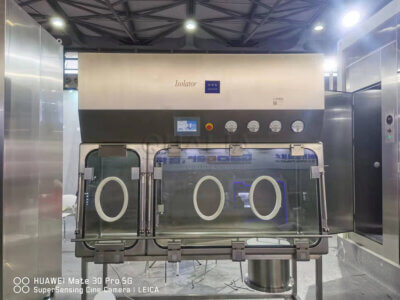
Podstawowym środkiem hermetyzacji jest szafa bezpieczeństwa biologicznego, a wymagania skalują się bezpośrednio z ryzykiem. W BSL-2, BSC klasy I lub II jest wymagane w przypadku aerozoli lub rozprysków. BSL-3 wymaga wszystko praca z materiałami zakaźnymi musi być prowadzona w BSC klasy II lub podobnym urządzeniu. BSL-4 oferuje dwa modele: absolutną hermetyzację poprzez linię BSC klasy III lub wykorzystanie BSC klasy II w środowisku kombinezonu nadciśnieniowego. Granicą wymagającą zastosowania BSC jest generowanie aerozoli.
Upoważnienia dotyczące konkretnych procedur
Procedury takie jak worteksowanie, pipetowanie lub sonikacja wymagają pierwotnego zamknięcia w BSC, niezależnie od nominalnej BSL. Częstym błędem jest zakładanie, że manipulowanie na otwartym stole jest dopuszczalne w BSL-2 dla etapów “niskiego ryzyka”; jest to zabronione w przypadku wszelkich czynności generujących aerozole. Jeśli BSC jest niedostępne, minimalnym wymogiem staje się połączenie szczelnej wtórnej hermetyzacji i wzmocnionej ochrony dróg oddechowych, bezpośrednio łącząc konfigurację sprzętu z mapowaniem ryzyka proceduralnego.
Wymogi BSC według procedury
Wymogi te są jasno określone w oficjalnych wytycznych. Poniższa tabela, oparta na Bezpieczeństwo biologiczne w laboratoriach mikrobiologicznych i biomedycznych (BMBL) Wydanie 6, porównuje wymagania BSC dla wspólnych procedur laboratoryjnych na różnych poziomach bezpieczeństwa biologicznego.
| Procedura pracy | Wymóg BSL-2 | Wymóg BSL-3 | Wymóg BSL-4 |
|---|---|---|---|
| Procedury generujące aerozol | W klasie I/II BSC | W klasie II BSC | W klasie III BSC / laboratorium garniturów |
| Manipulacja na otwartym stole | Zabronione dla aerozoli | Cała praca w BSC | Nie dotyczy |
| Wirowanie | Uszczelnione kubki bezpieczeństwa | Uszczelnione kubki bezpieczeństwa | Bezwzględna hermetyczność |
| Jeśli BSC jest niedostępne | Szczelne zamknięcie + respirator | Nie jest to standardowa praktyka | Niedopuszczalne |
Źródło: Bezpieczeństwo biologiczne w laboratoriach mikrobiologicznych i biomedycznych (BMBL) Wydanie 6. BMBL definiuje podstawowe bariery zabezpieczające wymagane dla każdego poziomu bezpieczeństwa biologicznego, określając typy szaf bezpieczeństwa biologicznego (BSC) i fizycznych urządzeń zabezpieczających niezbędnych do bezpiecznego działania.
Wtórne zabezpieczenie: Eskalacja kontroli obiektu i inżynierii
Obiekt jako bariera
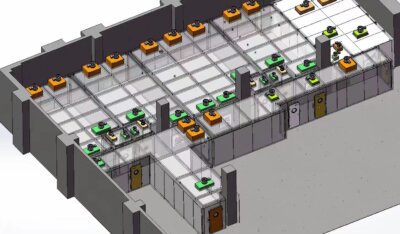
Wtórna hermetyzacja odnosi się do kontroli inżynieryjnej obiektu, która w przypadku BSL-3 ulega znacznej eskalacji. Laboratoria BSL-2 wymagają podstawowych funkcji, takich jak nieprzepuszczalne ławki i zlewy. BSL-3 wprowadza krytyczne zabezpieczenia: podciśnienie powietrza, filtr HEPA odprowadzany na zewnątrz i dostęp przez przedpokój. Obiekty BSL-4 są strukturalnie niezależne z dedykowanymi, redundantnymi systemami zasilania/wydechu i chemiczną dekontaminacją prysznicową. Z mojego doświadczenia wynika, że doposażenie istniejącej przestrzeni BSL-2 w te systemy jest często bardziej kosztowne i skomplikowane niż budowa nowej.
Specyfikacje kontroli inżynieryjnej
Szczegółowe wymagania dotyczące tych kontroli są skodyfikowane w normach bezpieczeństwa biologicznego. Poniższa tabela przedstawia eskalację kluczowych kontroli inżynieryjnych, jak wyszczególniono w dokumencie Bezpieczeństwo biologiczne w laboratoriach mikrobiologicznych i biomedycznych (BMBL) Wydanie 6.
| Kontrola inżynieryjna | BSL-2 | BSL-3 | BSL-4 |
|---|---|---|---|
| Ciśnienie powietrza | Brak szczególnych wymagań | Podciśnienie | Podciśnienie, zbędne |
| Powietrze wylotowe | Wentylacja ogólna | Filtr HEPA, na zewnątrz | Dedykowany, nadmiarowy filtr HEPA |
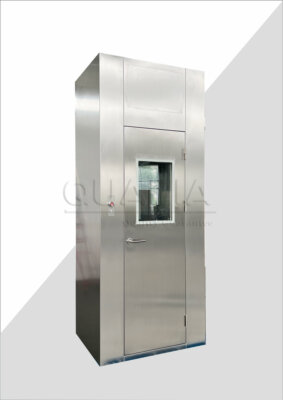
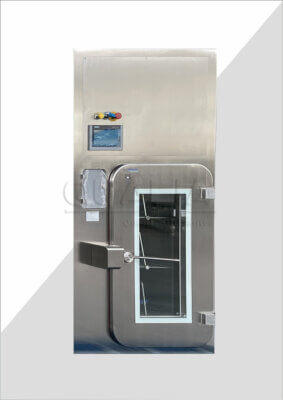
| Kontrola dostępu | Samozamykające się drzwi | Przedpokój lub śluza powietrzna | Śluza powietrzna, prysznic chemiczny |
| Wyjście odpadów | Niezawodny dostęp do odkażania | Autoklaw laboratoryjny | Wiele zatwierdzonych systemów odprowadzania ścieków |
Źródło: Bezpieczeństwo biologiczne w laboratoriach mikrobiologicznych i biomedycznych (BMBL) Wydanie 6. BMBL określa konkretne zabezpieczenia obiektu i bariery wtórne, takie jak kierunkowy przepływ powietrza i przepisy dotyczące dostępu, które rosną wraz ze wzrostem poziomu bezpieczeństwa biologicznego.
Przepływ pracy dyktowany przez strumienie odpadów
Kluczową implikacją strategiczną jest to, że zintegrowane zarządzanie strumieniem odpadów zasadniczo dyktuje układ laboratorium. Wymóg dekontaminacji wszystkich odpadów przed ich usunięciem tworzy krytyczne wąskie gardło przepływu pracy. Efektywny projekt musi być odwrotnie zaprojektowany od punktu wyjścia odpadów - autoklawu lub systemu oczyszczania ścieków - z powrotem do stanowiska pracy. Zapewnia to bezpieczny, logiczny przepływ materiałów, który utrzymuje zarówno ciągłość operacyjną, jak i integralność hermetyzacji, zapobiegając zanieczyszczeniu krzyżowemu i opóźnieniom proceduralnym.
Wymagania dotyczące środków ochrony indywidualnej i personelu: Przegląd porównawczy
Ostatnia linia obrony
Środki ochrony indywidualnej służą jako ostateczna ochrona osobista, a wymagania rosną wraz z poziomem BSL. BSL-2 wymaga fartuchów laboratoryjnych, rękawic i ochrony oczu. BSL-3 wymaga fartuchów lub kombinezonów z pełnym przodem, często z podwójnymi rękawicami i ochroną dróg oddechowych (od N95 do PAPR). BSL-4 wymaga kombinezonu nadciśnieniowego na całe ciało lub jego odpowiednika. Wymagania dotyczące personelu również rosną, a BSL-3/4 wymaga rygorystycznego, specjalistycznego szkolenia i wyższych wskaźników nadzoru. Łatwo przeoczone szczegóły obejmują potrzebę formalnych testów dopasowania respiratorów i kontroli integralności kombinezonów.
Hierarchia poziomów w ramach każdego BSL
Wybór środków ochrony indywidualnej odbywa się według hierarchii w ramach każdej BSL. Prace wysokiego ryzyka BSL-2, takie jak manipulowanie skoncentrowanymi zapasami, mogą wymagać fartuchów pełnych i respiratorów N95. I odwrotnie, procedury BSL-3 o niższym ryzyku z zatwierdzoną hermetyzacją mogą nie wymagać PAPR. Ta podklasyfikacja oznacza, że zaopatrzenie musi wykraczać poza uniwersalne podejście, dostosowując zestawy ŚOI do konkretnych zagrożeń proceduralnych zidentyfikowanych w ocenie. Międzynarodowe standardy, takie jak ISO 15190:2020 zapewniają ramy dla tej selekcji opartej na ryzyku.
Przegląd porównawczy PPE i personelu
Eskalacja wymagań dotyczących ochrony osobistej i personelu jest systematyczna. Poniższa tabela porównuje te kluczowe wymagania na różnych poziomach bezpieczeństwa biologicznego.
| Wymóg | BSL-2 | BSL-3 | BSL-4 |
|---|---|---|---|
| Strój podstawowy | Fartuch laboratoryjny, rękawice | Fartuch z pełnym przodem, podwójne rękawiczki | Kombinezon nadciśnieniowy na całe ciało |
| Ochrona dróg oddechowych | Ochrona oczu/twarzy | Respirator N95 do PAPR | Zintegrowany dopływ powietrza do kombinezonu |
| Poziom szkolenia | Standardowe bezpieczeństwo w laboratorium | Rygorystyczne, specjalistyczne szkolenie | Obszerne szkolenie dostosowane do kombinezonu |
| Nadzór nad personelem | Współczynniki standardowe | Wyższe wskaźniki nadzoru | Stały, specjalistyczny nadzór |
Źródło: ISO 15190:2020 Laboratoria medyczne - Wymagania dotyczące bezpieczeństwa. Norma ta zapewnia ramy dla opartego na ryzyku wyboru środków ochrony indywidualnej (ŚOI) i ustanawia wymagania dotyczące kompetencji i szkolenia personelu, które skalują się wraz z ryzykiem operacyjnym.
Dekontaminacja i postępowanie z odpadami: Sprzęt według poziomu bezpieczeństwa biologicznego
Skalowanie protokołów odkażania
Protokoły odkażania i sprzęt są skalowane wraz z poziomem hermetyzacji. BSL-2 wymaga niezawodnego dostępu do autoklawu. BSL-3 wymaga autoklawu w laboratorium, z potencjalną potrzebą oczyszczania ścieków. BSL-4 wymaga redundantnych, zweryfikowanych systemów dla wszystkich strumieni odpadów. Następuje krytyczna zmiana w regulacjach prawnych: od zakładania wydajności do żądania dowodów empirycznych. Zmienia to dekontaminację z czynności pomocniczej w podstawową funkcję zgodności.
Imperatyw walidacji
Organy regulacyjne coraz częściej wymagają badań walidacyjnych autoklawów, chemicznych środków dezynfekujących i fumigantów. Laboratoria muszą budżetować i przeprowadzać regularną walidację przy użyciu wskaźników biologicznych, traktując to jako niepodlegające negocjacjom działanie w zakresie zgodności. Nacisk na sprawdzone metody umożliwia również strategiczne bramki przepływu pracy. Na przykład zwalidowana inaktywacja próbek pozwala na bezpieczne przenoszenie materiałów do niższych poziomów BSL w celu analizy przy użyciu specjalistycznych środków dezynfekujących. wysokowydajny sprzęt analityczny, odblokowując większe możliwości badawcze lub diagnostyczne bez uszczerbku dla bezpieczeństwa.
Wymagania sprzętowe według strumienia odpadów
Specyficzne zapotrzebowanie na sprzęt do zarządzania różnymi strumieniami odpadów znacznie wzrasta. Poniższa tabela przedstawia typowe wymagania.
| Strumień odpadów | BSL-2 | BSL-3 | BSL-4 |
|---|---|---|---|
| Odpady stałe | Na miejscu/dostęp do autoklawu | Autoklaw w zestawie laboratoryjnym | Nadmiarowe, zwalidowane autoklawy |
| Odpady płynne | Dezynfekcja chemiczna | System oczyszczania ścieków płynnych | Zatwierdzone odkażanie ścieków |
| Odpady gazowe | Wentylacja ogólna | Filtracja HEPA na wylocie | Pełna dekontaminacja gazowa |
| Koncentracja na walidacji | Zakładana wydajność | Wymagany dowód empiryczny | Podstawowe działania w zakresie zgodności |
Źródło: Dokumentacja techniczna i specyfikacje branżowe.
Która konfiguracja jest odpowiednia dla konkretnego przypadku użycia?
Rozpocznij od formalnej oceny ryzyka
Wybór właściwej konfiguracji to systematyczny proces oparty na ryzyku. Rozpoczyna się on od zidentyfikowania czynnika i każdej konkretnej procedury, po czym następuje formalna ocena ryzyka. Ocena ta musi obejmować potencjał aerozolu, konsekwencje narażenia i dostępność profilaktyki poekspozycyjnej. Wynik mapuje każdą procedurę do podstawowych potrzeb w zakresie hermetyzacji i definiuje sprzęt pomocniczy, taki jak szczelne wirówki lub fermentory w systemie zamkniętym.
Poruszanie się po dynamice regulacyjnej
Menedżerowie muszą być świadomi, że status regulacyjny może zmienić wymagania w trakcie procesu. Identyfikacja czynnika selektywnego lub toksyny powoduje natychmiastowe zmiany w protokole i hermetyzacji. Laboratoria potrzebują wstępnie zatwierdzonych planów transferu czynników i jasnych, konserwatywnych procedur postępowania z próbkami o nieokreślonym ryzyku. Ten dynamiczny krajobraz zgodności wymaga systemu zarządzania, który jest zarówno udokumentowany, jak i elastyczny.
Wykorzystanie bramek proceduralnych
Najskuteczniejsza strategia często obejmuje tworzenie bramek proceduralnych przy użyciu zwalidowanej inaktywacji. Takie podejście do zarządzania ryzykiem pozwala pojedynczemu laboratorium działać na wielu skutecznych poziomach hermetyczności w oparciu o etap przepływu pracy. Optymalizuje jednocześnie wykorzystanie zasobów i bezpieczeństwo, zapewniając, że najwyższa hermetyczność jest zarezerwowana tylko dla procedur o niezminimalizowanym ryzyku.
Wdrażanie decyzji: Ramy zamówień krok po kroku
Najpierw należy zweryfikować możliwości obiektu
Wdrożenie wymaga ustrukturyzowanego podejścia. Pierwszym, niepodlegającym negocjacjom krokiem jest weryfikacja możliwości obiektu. Nie można wdrożyć praktyk BSL-3 w przestrzeni BSL-2. Należy potwierdzić, że kierunkowy przepływ powietrza, wydajność oczyszczania spalin i infrastruktura dekontaminacji są fizycznie obecne i zatwierdzone pod względem operacyjnym. Ten krok zapobiega krytycznemu błędowi polegającemu na zakupie sprzętu dla poziomu hermetyczności, którego obiekt nie jest w stanie obsłużyć.
Specyfikacje dokumentów i plany walidacji
Następnie należy formalnie udokumentować ocenę ryzyka i wynikające z niej specyfikacje wydajności sprzętu. Jednocześnie należy ustanowić plany walidacji dla tego sprzętu - protokoły wskaźników biologicznych dla autoklawów, coroczną certyfikację dla BSC i testy skuteczności środków dezynfekujących. Zakup sprzętu, który jest zgodny z poziomem hermetyzacji, nadając priorytet podstawowym kontrolom inżynieryjnym nad rozwiązaniami wtórnymi lub administracyjnymi.
Szkolenie specyficzne dla protokołu instytutu
Wreszcie, należy ustanowić rygorystyczne, specyficzne dla protokołu szkolenie. Przyszły trend wskazuje na wytyczne BSL dotyczące konkretnych protokołów, a nie całego laboratorium. Personel musi rozumieć “dlaczego” kryje się za każdym elementem wyposażenia i wymogiem dotyczącym środków ochrony indywidualnej dla ich konkretnych zadań. Wymaga to narzędzi cyfrowych do zarządzania dynamicznymi ocenami ryzyka dla każdego przepływu pracy, wykraczających poza statyczne certyfikaty obiektu w celu wykazania zgodności i kompetencji w czasie rzeczywistym w oparciu o procedury.
Kluczowe punkty decyzyjne zależą od oceny ryzyka proceduralnego, a nie od statycznej listy czynników. Priorytetem jest walidacja podstawowych metod hermetyzacji i dekontaminacji, ponieważ stanowią one podstawę bezpieczeństwa. Zaprojektuj przepływy pracy z wyraźnymi bramkami dezaktywacji, aby zmaksymalizować elastyczność operacyjną przy jednoczesnym zachowaniu integralności.
Potrzebujesz profesjonalnych wskazówek, aby poruszać się po specyficznych wymaganiach dotyczących konfiguracji i walidacji bezpieczeństwa biologicznego? Eksperci z firmy QUALIA zapewnienie wsparcia konsultacyjnego w celu przełożenia ocen ryzyka na zgodne z przepisami, wydajne systemy laboratoryjne. Kontakt aby omówić wymagania dotyczące projektu.
Często zadawane pytania
P: Jak ustalić, czy agent BSL-3 wymaga pełnego laboratorium BSL-3, czy też możemy pracować w BSL-2?
O: Poziom bezpieczeństwa biologicznego zależy od konkretnej procedury, a nie tylko od czynnika. Testy diagnostyczne, takie jak ELISA dla patogenu BSL-3, mogą być często wykonywane w BSL-2, podczas gdy działania generujące aerozole, takie jak hodowla wirusów, wymagają hermetyzacji BSL-3. Należy przeprowadzić ocenę ryzyka dla konkretnego miejsca, oceniając potencjał aerozolu i konsekwencje narażenia. Oznacza to, że konfiguracja sprzętu powinna opierać się na proceduralnej mapie ryzyka, pozwalającej na opłacalne operacje BSL-2, gdy pozwalają na to zatwierdzone metody, jak określono w podstawowych zasadach zarządzania ryzykiem w ISO 15190:2020.
P: Jaki jest najważniejszy czynnik wpływający na koszty podczas planowania uaktualnienia hermetyzacji z BSL-2 do BSL-3?
O: Największą przeszkodą finansową jest remont wtórnej hermetyzacji i kontroli inżynieryjnej, a nie sprzętu podstawowego. Przejście do BSL-3 wymaga zainstalowania kierunkowego podciśnienia powietrza, systemów wydechowych z filtrem HEPA, a często także przedpokoju lub śluzy powietrznej. Te modyfikacje obiektu znacznie przekraczają koszt dodania bardziej zaawansowanych szaf bezpieczeństwa biologicznego lub środków ochrony indywidualnej. W przypadku projektów, w których kapitał jest ograniczony, należy najpierw zainwestować w elastyczną infrastrukturę BSL-2, która może później obsługiwać ulepszone protokoły, aby opóźnić pełną rozbudowę BSL-3.
P: Kiedy szafka bezpieczeństwa biologicznego jest bezwzględnie wymagana i jakie są alternatywy, jeśli nie jest ona dostępna?
O: BSC jest obowiązkowe dla każdej procedury z potencjalnym aerozolem lub rozpryskiem, takiej jak pipetowanie, worteksowanie lub sonikacja, niezależnie od nominalnego poziomu bezpieczeństwa biologicznego. Jeśli BSC jest niedostępne, minimalny wymóg zmienia się na stosowanie szczelnych wtórnych urządzeń zabezpieczających, takich jak bezpieczne kubki wirówkowe, w połączeniu ze zwiększoną ochroną dróg oddechowych (np. PAPR). To bezpośrednie powiązanie między procedurą a sprzętem oznacza, że ocena ryzyka musi wyraźnie identyfikować wszystkie etapy generujące aerozol, aby określić prawidłową kombinację podstawowej hermetyzacji lub ŚOI.
P: Jak powinniśmy zaprojektować przepływ pracy w laboratorium, aby skutecznie obsługiwać dekontaminację odpadów BSL-3?
O: Efektywny projekt musi zostać opracowany od punktu wyjścia odpadów. Wymóg autoklawowania odpadów w laboratorium przed ich usunięciem tworzy krytyczne wąskie gardło w przepływie pracy. Należy zaplanować układ laboratorium tak, aby odpady logicznie przepływały od stołu do autoklawu na miejscu, zachowując hermetyczność przez cały czas. Oznacza to, że obiekty planujące modernizację muszą nadać priorytet lokalizacji i wydajności sprzętu do odkażania na wczesnym etapie projektowania, aby zapewnić ciągłość operacyjną i bezpieczeństwo.
P: Na co kładziony jest obecnie nacisk w zakresie zgodności urządzeń do odkażania, takich jak autoklawy, w laboratoriach o wysokim stopniu hermetyczności?
O: Organy regulacyjne kładą obecnie nacisk na empiryczną walidację skuteczności odkażania, a nie na zakładaną wydajność. Należy regularnie przeprowadzać i dokumentować badania walidacyjne z wykorzystaniem wskaźników biologicznych dla autoklawów i weryfikować protokoły dotyczące chemicznych środków dezynfekujących. Jest to podstawowe działanie w zakresie zgodności, a nie opcjonalna kontrola. Jeśli Twoja operacja wymaga obsługi materiałów podlegających regulacjom, zaplanuj budżet na bieżącą walidację i traktuj te badania jako krytyczne bramki przepływu pracy, które umożliwiają bezpieczne przenoszenie inaktywowanych próbek do obszarów o niższym poziomie BSL.
P: Czy możemy wdrożyć praktyki pracy BSL-3 w istniejącej przestrzeni laboratoryjnej BSL-2?
O: Nie, nie można w pełni wdrożyć praktyk BSL-3 w obiekcie BSL-2. Dodatkowe kontrole inżynieryjne są zasadniczo różne. BSL-3 wymaga zweryfikowanego podciśnienia powietrza, wyciągu z filtrem HEPA i kontroli dostępu przez przedpokój, których zwykle nie ma w przestrzeniach BSL-2. Oznacza to, że pierwszym krokiem wdrożeniowym musi być weryfikacja i potencjalna modernizacja infrastruktury obiektu przed zakupem sprzętu BSL-3 lub rozpoczęciem prac, zgodnie z definicją zawartą w sekcjach projektu obiektu w dokumencie Bezpieczeństwo biologiczne w laboratoriach mikrobiologicznych i biomedycznych (BMBL) Wydanie 6.
P: Jak powinniśmy podchodzić do zamówień środków ochrony indywidualnej dla różnych procedur w ramach tego samego poziomu bezpieczeństwa biologicznego?
O: Wyjdź poza uniwersalne podejście, dostosowując ŚOI do konkretnych zagrożeń proceduralnych. Prace związane z wysokim ryzykiem BSL-2 mogą wymagać pełnych fartuchów i respiratorów N95, podczas gdy niektóre procedury BSL-3 o niższym ryzyku mogą nie wymagać zasilanych respiratorów oczyszczających powietrze (PAPR). Ta podklasyfikacja wymaga, aby ocena ryzyka mapowała wymagania dotyczące środków ochrony indywidualnej bezpośrednio na potencjał aerozolowy każdego przepływu pracy i konsekwencje narażenia. W przypadku laboratoriów o zróżnicowanych protokołach należy spodziewać się magazynowania i zarządzania wieloma poziomami ŚOI, aby dopasować je do ocenionego ryzyka każdego działania.
Powiązane treści:
- Badania aerozoli BSL-3: Bezpieczne praktyki badawcze
- BSL-3 vs BSL-4: kluczowe różnice w poziomach bezpieczeństwa laboratoriów
- Wirówki BSL-3: Zaawansowane funkcje bezpieczeństwa
- Inspekcje bezpieczeństwa BSL-3/4: Kompleksowa lista kontrolna
- Badania na zwierzętach BSL-4: Zapewnienie bezpieczeństwa obsługi
- Zarządzanie odpadami BSL-3: Najnowocześniejszy sprzęt
- Sterylizacja odpadów BSL-4: Zapewnienie bezpiecznej utylizacji
- Zarządzanie odpadami BSL-4: Protokoły bezpiecznej utylizacji
- Zarządzanie odpadami BSL-4: Protokoły bezpiecznej utylizacji