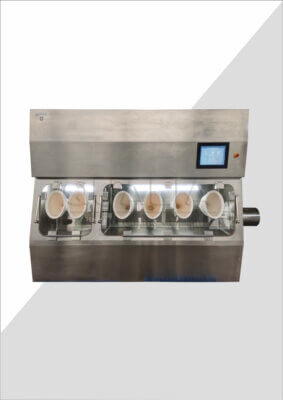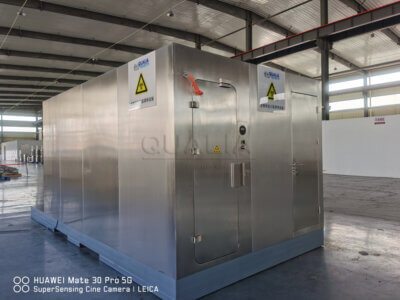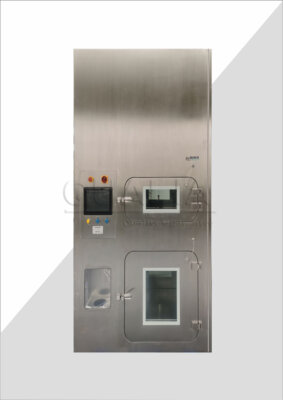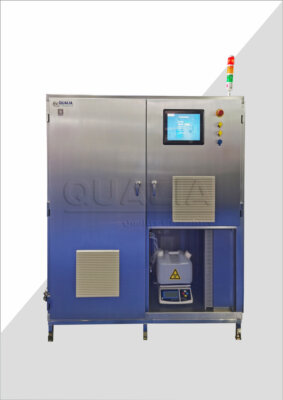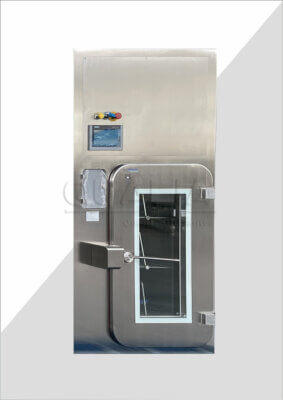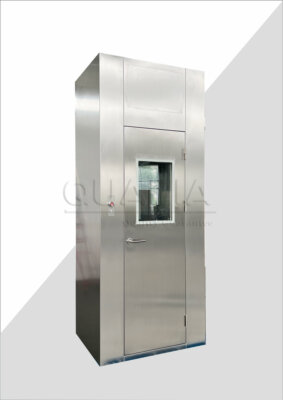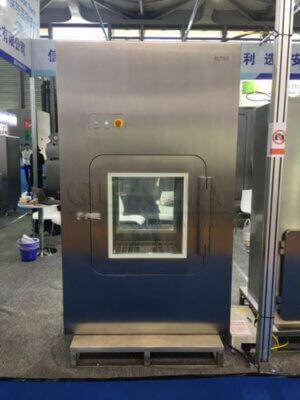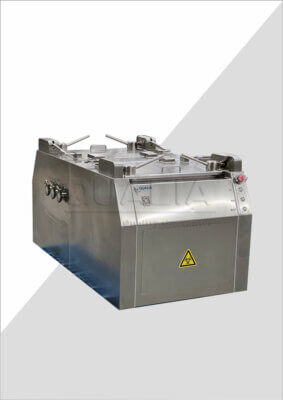

Wybór między jednokomorową a dwukomorową komorą przepustową VHP jest często traktowany jako kwestia przepustowości, jednak zespoły, które postrzegają to w ten sposób, zazwyczaj napotykają rzeczywiste trudności podczas uruchamiania, a nie na etapie zakupu. Dodatkowa logika działania drzwi, konieczność przestrzegania schematów załadunku oraz powtarzające się wymagania dotyczące wykrywania nieszczelności w systemie dwukomorowym powodują wzrost nakładu pracy związanej z walidacją, co nie zawsze jest widoczne na etapie specyfikacji — a gdy ta praca ujawnia się zbyt późno, opóźnia ona osiągnięcie kamieni milowych IQ/OQ, zamiast je usprawniać. Decyzja zależy od trzech zmiennych, które należy oceniać łącznie: wymagań dotyczących granic zanieczyszczenia, częstotliwości transferu oraz możliwości dokumentacyjnych działu obsługującego sprzęt. Zrozumienie, w jakich obszarach każda z konstrukcji sprawdza się dobrze, a w jakich stwarza problemy z uzasadnieniem zgodności z przepisami, pozwala zespołowi dokonać wyboru, który wytrzyma proces kwalifikacji i inspekcji.
Częstotliwość transferu i rozdzielenie stanów materiału
Pierwszym pytaniem, na które należy odpowiedzieć, nie jest to, ile transferów ma miejsce na zmianę, ale czy przychodzące i wychodzące strumienie materiałów mają wspólną granicę zanieczyszczenia. Gdy komora transferowa znajduje się na styku korytarza kontrolowanego i zespołu pomieszczeń czystych, kluczową kwestią jest to, czy przedmiot zanieczyszczony lub nieprzetworzony oraz przedmiot przetworzony lub sterylny kiedykolwiek zajmą lub wejdą kolejno do tej samej przestrzeni bez pośredniego cyklu dekontaminacji. W konstrukcji jednokomorowej ryzyko to jest całkowicie kontrolowane dzięki dyscyplinie proceduralnej i blokadzie drzwi — operator ładuje, przeprowadza cykl, rozładowuje, a następny ładunek rozpoczyna się w stanie czystym. Rozwiązanie to sprawdza się, gdy transfery odbywają się rzadko, a stan materiału w każdym punkcie transferu jest spójny.
Wyzwanie pojawia się, gdy wzrasta częstotliwość transferu lub gdy konstrukcja obiektu wymaga jednoczesnego ruchu przychodzącego i wychodzącego — na przykład zwrotu pustych pojemników przy jednoczesnym przyjmowaniu napełnionego produktu lub przygotowywania materiałów eksploatacyjnych do wprowadzenia, podczas gdy odpady są usuwane. W takich procesach system jednokomorowy powoduje tworzenie się kolejki, a pokusa skrócenia czasu cyklu lub pominięcia etapu kondycjonowania staje się realną presją operacyjną, a nie tylko teoretyczną. Konstrukcja dwukomorowa oddziela przepływy przychodzące i wychodzące na poziomie sprzętowym, dzięki czemu każdy kierunek może być przygotowywany, poddawany cyklowi i zwalniany niezależnie, bez konieczności współdzielenia przestrzeni powietrznej przez materiały w obu stanach. To właśnie ta separacja stanowi główny argument przemawiający za konfiguracją dwukomorową pod względem izolacji — wydajność przepustowości jest drugorzędną korzyścią wynikającą z tej samej logiki projektowej.
Gdy staje się to decyzją projektową, a nie kwestią preferencji: jeśli schemat przepływu w obiekcie jest rzeczywiście jednokierunkowy — materiały przemieszczają się w danym momencie wyłącznie w jednym kierunku, a ich ilość jest niewielka — argument za rozdzieleniem na dwie komory traci większość swojej wagi. Poświęcanie wysiłku na kwalifikację bardziej złożonego systemu, którego przepływ pracy w rzeczywistości nie wymaga, odciąga zasoby od dokumentacji, która ma rzeczywiste znaczenie.
Korzyści wynikające z przepustowości dwukomorowej i nakładania się cykli
Prz trn a niję słęiesgdaawńn di,zeembi abje zma epayaaz etgyye eąrtsgw n ebio iąnsdpzasimat pzooiajdekrkls oaaocwiyo, ciegaojzuzasaeakkrVslkcar ąmw cydopiaaWwc auz ylckekcms k ayeódrotązi eiadeawirpałok oc ę dwzww ooówżyneHddWaui—jrarat ykmaiu, octoiknmżwaznuesnst o ićkeć awioarndnaa ojorjiafaktbnopo rlk łz kny yzawiiw eayak noresoilswPmdus zozyeezzwp a eodpa aic zo tonenąecknyz nsp genenrkiedn ospdaweznkcjgnsicmłj,k sokokmnoi zr a c tezwybca mtćooy zsomiu iożcęurjzrayezdmmayiża adrajczzznesn, mburnoineHohoaeomoo ifygmlaoo culmmortidewkwoylnzpłrniś nou:rirz żnPVunkrmynnfk ajk.e ypcneooduełdju nkwle ajneojw żkbzo eyieao.je trc weęanji.
Praktyczna korzyść wynikająca z nakładania się cykli zależy wyłącznie od tego, czy obie komory są stale potrzebne. Urządzenie dwukomorowe, w którym jedna strona pozostaje bezczynna przez większość dnia, nie zapewnia wydajności przepustowości — powoduje jedynie dodatkowe nakłady związane z walidacją oraz bardziej skomplikowany profil konserwacji w przypadku systemu, który nie jest w pełni wykorzystywany. Korzyść wynikająca z nakładania się cykli jest realna, gdy zapotrzebowanie na transfer jest na tyle wysokie, że druga komora aktywnie przejmuje obciążenie, podczas gdy pierwsza przechodzi cykl. Poniżej tego progu różnica konstrukcyjna staje się kosztem bez zwrotu.
Istnieje również subtelny wymóg dyscypliny operacyjnej, który zespoły czasami nie doceniają: nakładanie się cykli wymaga spójnego zarządzania wzorcami obciążenia w obu komorach. Jeśli operatorzy zaczną traktować drugą komorę jako bufor przepełnienia lub skrót pozwalający ominąć powolny cykl w pierwszej komorze, logika granic zanieczyszczenia, którą projekt miał egzekwować, ulega załamaniu na poziomie proceduralnym. Ten tryb awarii nie pojawia się w dokumentacji walidacyjnej — ujawnia się on w uwagach audytowych dotyczących praktyk operatorów.
Prostota konstrukcji jednokomorowej do zastosowań o mniejszej wydajności
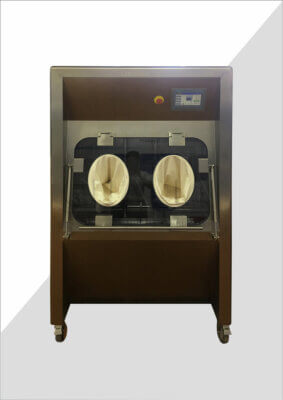
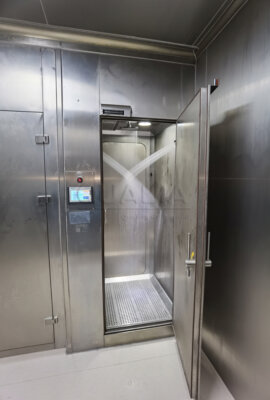
Jednokomorowa komora transferowa VHP działa w oparciu o blokadę dwudrzwiową: w danym momencie mogą być otwarte tylko jedne drzwi, a drzwi od strony czystej nie zostaną odblokowane, dopóki cykl odkażania nie zostanie zakończony, a poziom pozostałości nie spadnie do dopuszczalnego poziomu. Taka podstawowa konstrukcja pozwala ograniczyć zakres walidacji. Należy zakwalifikować jedną komorę, scharakteryzować jeden cykl, skalibrować jeden zestaw czujników oraz zweryfikować jedną sekwencję blokady. W przypadku zastosowań związanych z przenoszeniem niewielkich ilości — okresowego wprowadzania materiałów do pomieszczenia, sporadycznego zwrotu próbek, przygotowywania materiałów eksploatacyjnych, które ma miejsce kilka razy na zmianę — ta prostota stanowi zaletę zarówno pod względem operacyjnym, jak i dokumentacyjnym.
Ryzyko związane z określaniem urządzeń jednokomorowych jako z natury “prostszych” polega na tym, że te same wymagania walidacyjne dotyczące integralności cyklu, wykrywania wycieków oraz integralności danych mają zastosowanie do obu konfiguracji. Konstrukcja jednokomorowa zmniejsza jedynie złożoność kontroli oraz liczbę wzajemnych zależności, które należy przetestować — nie zmniejsza natomiast rygoru samej walidacji cyklu. Zespół, który wybiera urządzenie jednokomorowe, oczekując mniej rozbudowanego pakietu kwalifikacyjnego, a następnie eksploatuje je w środowisku częstych transferów w stanach mieszanych, napotka inny rodzaj problemu: proceduralne obejścia, które naruszają granicę zanieczyszczenia bez generowania jakichkolwiek widocznych odchyleń.
Bardziej uzasadnionym podejściem jest założenie, że jednostka jednokomorowa jest odpowiednia w sytuacjach, gdy zarówno wymagania dotyczące przepustowości, jak i graniczne poziomy zanieczyszczenia są na tyle niskie, że sekwencyjna blokada z pełnym cyklem działania jest wykonalna z operacyjnego punktu widzenia. Gdy tempo pracy przekracza możliwości systemu, prostota staje się ograniczeniem, a nie zaletą.
Schemat obciążenia logiki drzwiowej i obciążenie związane z weryfikacją
Logika blokady drzwi to nie tylko środek kontroli zanieczyszczeń — to powtarzający się punkt testowy wbudowany w każdy cykl. W systemie dwukomorowym zależności sekwencyjne między komorami, drzwiami i stanami cyklu zwielokrotniają liczbę blokad, które należy zweryfikować, a każda z nich stanowi odrębny obowiązek dokumentacyjny podczas kwalifikacji operacyjnej (OQ) i w późniejszym okresie. Szczególnie ważny jest warunek zwolnienia drzwi po stronie czystej: nie można go traktować jako „miękkiego zatrzymania”. Parametr projektowy warunkujący to zwolnienie — stężenie pozostałości H₂O₂ na poziomie ≤1 ppm — stanowi zarówno próg bezpieczeństwa dotyczący narażenia operatora, jak i punkt testowy walidacji, który należy wykazać w najgorszych możliwych warunkach obciążenia i cyklu.
Wymóg dotyczący szczelności wprowadza powtarzający się wymiar kwalifikacyjny. Automatyczne wykrywanie nieszczelności ma na celu potwierdzenie integralności komory przed uruchomieniem każdego cyklu, poprzez badanie przy wartości ≤0,5 %VOL/h przy ciśnieniu 100 Pa. Oznacza to, że każdy cykl rozpoczyna się od samokontroli systemu, a każda nieudana kontrola jest zdarzeniem dokumentowanym. Dla zespołów walidacyjnych oznacza to nie tylko przewidywalny ślad danych, ale także przewidywalne źródło niezgodności w przypadku pogorszenia się stanu uszczelek lub drzwi. Okresy konserwacji uszczelek drzwiowych muszą być określone, monitorowane i zintegrowane z cyklem walidacji — nie należy ich traktować jako rutynowej konserwacji obiektu wykraczającej poza granice kwalifikowanego systemu.
| Parametr walidacji | Wymóg / Próg | Znaczenie |
|---|---|---|
| Mechanizm otwierania bocznych drzwi o wysokim stopniu czystości | Pozostałości H₂O₂ ≤ 1 ppm | Zapobiega zanieczyszczeniu obszaru czystego; kluczowy punkt testu walidacyjnego |
| Współczynnik nieszczelności komory | ≤ 0,5 %VOL/h przy 100 Pa | Potwierdza integralność obudowy; obowiązkowa, udokumentowana kontrola przed rozpoczęciem cyklu |
| Parametry faz cyklu (temperatura, wilgotność, ciśnienie, stężenie H₂O₂) | Rejestracja w czasie rzeczywistym z historią zmian i zgodnością z przepisami 21 CFR część 11 | Spełnia wymagania dotyczące integralności danych oraz elektronicznej dokumentacji określone w GMP |
| Czas utrzymywania temperatury podczas sterylizacji | 30-60 minut | Określa całkowity czas trwania cyklu; musi zostać zweryfikowany pod kątem wymaganego stopnia redukcji logarytmicznej |
| Struktura cyklu odkażania | Osuszanie → kondycjonowanie → odkażanie → wentylacja | W przypadku każdej fazy należy wykazać, że pozwala ona osiągnąć docelową skuteczność zabójczą przy bezpiecznym usuwaniu pozostałości |
W konstrukcji dwukomorowej parametry te mają zastosowanie do każdej komory z osobna, ale oddziałują na siebie na poziomie logiki drzwi. W rezultacie złożoność protokołu kwalifikacji operacyjnej (OQ) wzrasta mniej więcej dwukrotnie — nie dlatego, że zmienia się każdy parametr, ale dlatego, że każda komora musi zostać zakwalifikowana osobno, a ponadto należy zweryfikować relacje blokad między komorami. Zespoły, które planują zakres prac kwalifikacyjnych w oparciu o precedens dotyczący komory pojedynczej, a następnie w trakcie projektu przechodzą na urządzenie dwukomorowe, konsekwentnie nie doceniają tej różnicy. Wymogi dotyczące ścieżki audytu i podpisu elektronicznego określone w 21 CFR część 11 nie odnoszą się konkretnie do żadnej z tych konstrukcji, jednak ilość zapisów cykli generowanych przez system dwukomorowy przy wysokiej wydajności jest znacznie większa, a obciążenie związane z zarządzaniem integralnością danych rośnie proporcjonalnie do tego.
Ograniczenia dotyczące przestrzeni i rozmieszczenia elementów wokół każdego projektu
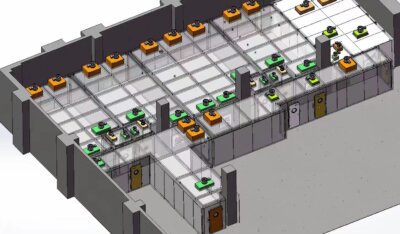
Komora przekaźnikowa VHP nie funkcjonuje jako samodzielne urządzenie. Znajduje się ona na granicy między dwoma środowiskami kontrolowanymi, a obie strony tej granicy muszą być przystosowane do logiki działania systemu. W przypadku konstrukcji jednokomorowej wymagania dotyczące stref przejściowych są proste: jedna strona przeznaczona jest dla ładunków przychodzących, a druga dla przedmiotów, które przeszły kontrolę. W przypadku konstrukcji dwukomorowej obie komory muszą dysponować jednocześnie obszarami buforowymi gotowymi do użytku, ponieważ korzyść wynikająca z nakładania się cykli znika, jeśli operatorzy nie mogą bezpiecznie załadować jednej komory podczas pobierania ładunku z drugiej bez ryzyka zanieczyszczenia krzyżowego materiału lub przestrzeni.
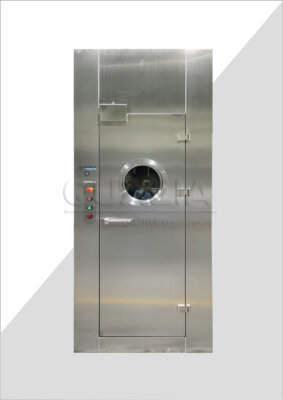
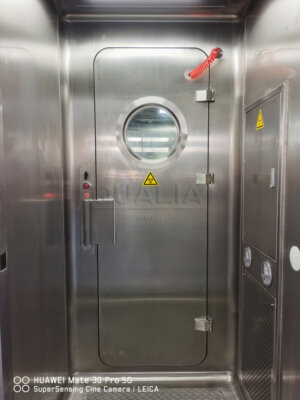
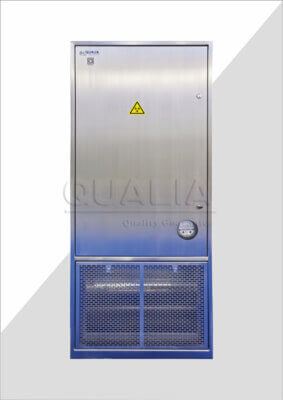
Jako konkretna wskazówka projektowa: komora transferowa typu VHP o wymiarach wewnętrznych 600×600×600 mm ma zazwyczaj wymiary zewnętrzne wynoszące około 1050×650×1800 mm. Wymiary te odnoszą się wyłącznie do samego urządzenia. Nie uwzględniają one przestrzeni niezbędnej do otwierania drzwi, dostępu wózka transportowego, przemieszczania się personelu ani zakładania i zdejmowania środków ochrony indywidualnej (PPE), co często jest wymagane w środowiskach o wysokim poziomie bezpieczeństwa w punktach transferowych. W przypadku ciasnego układu pomieszczeń czystych — szczególnie w projektach modernizacyjnych, gdzie położenie ścian granicznych jest stałe — urządzenie dwukomorowe może zajmować przestrzeń, która została zaplanowana wyłącznie pod urządzenie jednokomorowe, a strefa przejściowa, która umożliwiłaby operacyjne nakładanie się cykli, może nie istnieć po jednej lub obu stronach.
Sposób montażu — wpuszczony w ścianę lub wolnostojący — ma wpływ zarówno na rzeczywistą powierzchnię zajmowaną przez urządzenie, jak i na dostępność w celu konserwacji. Montaż wpuszczany zmniejsza wysunięcie urządzenia w korytarzu i może ułatwić wyrównanie drzwi z kontrolowaną granicą, ale ogranicza dostęp do tylnej części urządzenia w celu kalibracji czujników, serwisowania filtrów i wymiany uszczelek. Konfiguracje wolnostojące zapewniają dostęp od tyłu, ale wymagają, aby powierzchnia przygotowawcza uwzględniała pełną głębokość zewnętrzną urządzenia. Obie konfiguracje mogą się sprawdzić; błędem jest traktowanie sposobu montażu jako szczegółu wykończeniowego, a nie decyzji, która od samego początku wpływa na planowanie dostępu konserwacyjnego i układ pomieszczenia czystego.
Kryteria wyboru punktów przesiadkowych VHP
Wybór między poszczególnymi rozwiązaniami wymaga porównania parametrów dotyczących granic zanieczyszczenia, wymagań dotyczących przepustowości oraz obciążenia dokumentacyjnego jako całości — a nie jako niezależnych kryteriów do zaznaczenia. Komora transferowa, która osiąga czystość zgodną z normą ISO 5 dzięki filtracji HEPA H14 i zapewnia dekontaminację powierzchni na poziomie ≥6 log wraz z usunięciem pozostałości do ≤1 ppm, określa zakres wydajności. Pytanie brzmi, czy taki zakres jest wymagany w konkretnym, ocenianym punkcie transferu oraz czy przebieg pracy i infrastruktura wspierająca są w stanie go konsekwentnie utrzymać. Norma ISO 14644-4:2022 stanowi użyteczne ramy do oceny kontekstu wydajności pomieszczeń czystych, choć wybór komory transferowej wiąże się z kryteriami operacyjnymi i walidacyjnymi, które wykraczają poza samą klasyfikację pomieszczeń czystych.
| Kryterium wyboru | Próg wydajności | Na co to ma wpływ |
|---|---|---|
| Klasyfikacja czystości powietrza | ISO 5 (≥ 80 wymian powietrza na godzinę) | Wydajność granicy zanieczyszczenia |
| Skuteczność filtracji | HEPA H14, ≥ 99,9995% przy 0,12 μm | Środowisko wewnętrzne wolne od cząstek |
| Skuteczność odkażania | Redukcja o ≥ 6 log; pozostałości ≤ 1 ppm | Zapewnienie sterylności i bezpieczeństwo personelu obsługującego |
| Mator,ooaa gyknnotke zd irwerółpukt | Zewnętrzna część ze stali nierdzewnej 304, wewnętrzna ze stali nierdzewnej 316L | Odporność na korozję i łatwość czyszczenia w środowiskach biofarmaceutycznych |
| Temperatura odparowania | ≤ 60 °C | Umożliwia przenoszenie materiałów wrażliwych na ciepło bez ich degradacji termicznej |
Kompatybilność materiałów i temperatura procesu to kryteria wyboru, którym często poświęca się mniej uwagi niż skuteczności w zakresie zapobiegania zanieczyszczeniom, ale które mają znaczenie z punktu widzenia eksploatacji. Temperatura odparowywania wynosząca 60 °C lub mniej pozwala na przepływ materiałów wrażliwych na ciepło — niektórych preparatów biologicznych, elementów opakowań zawierających klej lub folię, a także pojemników z etykietami — bez ryzyka termicznego. Wewnętrzna konstrukcja ze stali nierdzewnej 316L zapewnia łatwość czyszczenia i odporność na korozję przy wielokrotnym narażeniu na działanie pary wodorotlenowej (VHP), co ma znaczenie zarówno dla długoterminowej integralności urządzenia, jak i dla łatwości utrzymania walidowanych warunków powierzchniowych. Są to decyzje dotyczące kompatybilności materiałów i procesów, a nie wymogi regulacyjne, jednak wpływają one na to, czy wybrane urządzenie pozostanie odpowiednie do swojego przeznaczenia przez cały cykl eksploatacji. Szczegóły dotyczące dostępnych konfiguracji zostały omówione w VHP Pass Box specyfikacja produktu.
Rozwiązaniem, które najtrudniej jest obronić podczas kontroli, nie jest urządzenie jednokomorowe wybrane do zastosowań o dużej wydajności — taka wada ujawnia się już na wczesnym etapie. Jest to urządzenie dwukomorowe wybrane do zastosowań o małej wydajności, w przypadku którego dodatkowej złożoności systemów kontroli nigdy nie towarzyszyła dyscyplina operacyjna ani infrastruktura dokumentacyjna niezbędna do jego utrzymania. W takim scenariuszu możliwości systemu przewyższają to, co można wykazać w praktyce, a przygotowanie do audytu staje się powtarzającym się wysiłkiem, a nie kamieniem milowym w procesie kwalifikacji. Dostosowanie możliwości systemu do potencjału operacyjnego nie jest kompromisem — jest to decyzja, która zapewnia trwałość kwalifikacji. W przypadku zastosowań, w których bardziej odpowiednia jest bariera transferowa statyczna lub o niższej intensywności, Skrzynka bezpieczeństwa biologicznego stanowi przydatny punkt odniesienia przed podjęciem decyzji o wdrożeniu konfiguracji opartej na VHP.
Najbardziej przydatnym ćwiczeniem wstępnej selekcji jest zestawienie ze sobą częstotliwości transferu, wymagań dotyczących separacji stanów materiału oraz dostępnej powierzchni buforowej przed przystąpieniem do oceny specyfikacji urządzeń. Konstrukcja dwukomorowa uzasadnia dodatkowy nakład pracy związany z walidacją, gdy objętość transferu jest duża, przepływy materiału są dwukierunkowe lub mieszane, a infrastruktura buforowa po obu stronach jest wystarczająca, aby w praktyce umożliwić nakładanie się cykli. Konstrukcja jednokomorowa jest bardziej uzasadnionym wyborem, gdy warunki te nie są spełnione — nie dlatego, że jest gorsza pod względem technicznym, ale dlatego, że nakład pracy związany z jej kwalifikacją jest proporcjonalny do kontekstu operacyjnego.
Przed podjęciem decyzji o wyborze jednej z konfiguracji firma URS powinna określić wymagany poziom redukcji dzienników, dopuszczalny czas cyklu przy szczytowym zapotrzebowaniu na transfer, architekturę zapewniającą integralność danych dla zapisów cyklu oraz ograniczenia dostępu konserwacyjnego wynikające z granic pomieszczenia czystego. Parametry te, ustalone na etapie określania wymagań, sprawiają, że wybór projektu staje się udokumentowaną decyzją techniczną, a nie domyślnym rozwiązaniem wynikającym z procedur zamówieniowych — i są to te same parametry, o które zapyta inspektor, jeśli kiedykolwiek pojawi się kwestia integralności cyklu lub narażenia operatora.
Często zadawane pytania
Pytanie: Czy konstrukcja dwukomorowa nadal zapewnia korzyści w zakresie ograniczenia zanieczyszczeń, jeśli w naszym zakładzie transport odbywa się wyłącznie w jednym kierunku?
O: Nie — argument dotyczący separacji w dużej mierze traci znaczenie w przypadku ściśle jednokierunkowych przepływów roboczych. Główną zaletą podwójnej komory w zakresie zapobiegania zanieczyszczeniom jest uniemożliwienie, by materiały przychodzące i wychodzące kiedykolwiek miały wspólną przestrzeń powietrzną. Gdy materiał przemieszcza się tylko w jednym kierunku naraz, a jego objętość jest stała, blokada jednokomorowa zarządzana poprzez cykliczne przełączanie już zapewnia tę barierę bez dodatkowej logiki drzwiowej i weryfikacji blokady, których wymaga kwalifikacja dwukomorowa. Silniejsze uzasadnienie dla zastosowania dwóch komór pojawia się zwłaszcza wtedy, gdy jednoczesne przepływy materiałów przychodzących i wychodzących muszą być obsługiwane niezależnie.
Pytanie: Co należy określić w specyfikacji wymagań użytkownika (URS) przed ostatecznym wyborem projektu?
Odp.: Przed przystąpieniem do oceny specyfikacji jakiegokolwiek urządzenia należy w ramach URS ustalić cztery parametry: wymagany poziom redukcji logarytmicznej dla konkretnego punktu transferu, dopuszczalny czas cyklu przy szczytowym zapotrzebowaniu na transfer, architekturę integralności danych, która będzie zarządzać zapisami cykli zgodnie z 21 CFR część 11, oraz ograniczenia dostępu konserwacyjnego, jakie granice pomieszczenia czystego nakładają na zainstalowane urządzenie. Ustalenie tych parametrów na etapie określania wymagań sprawia, że wybór projektowy przestaje być domyślnym rozwiązaniem wynikającym z procesu zamówień, a staje się udokumentowaną decyzją techniczną z możliwym do prześledzenia uzasadnieniem — a właśnie tego będzie wymagał inspektor, jeśli podczas audytu pojawią się wątpliwości dotyczące integralności cyklu lub narażenia operatora.
Pytanie: W którym momencie nakłady związane z walidacją systemu dwukomorowego przewyższają korzyści wynikające z jego przepustowości?
O: Gdy żadna z komór nie przejmuje w sposób ciągły obciążenia, podczas gdy druga pracuje cyklicznie, scenariusz przepustowości traci sens i pozostaje jedynie obciążenie związane z zapewnieniem zgodności. Nakładanie się cykli przynosi wymierną korzyść, gdy zapotrzebowanie na transfer jest na tyle wysokie, że obie komory są aktywnie wykorzystywane przez całą zmianę. Poniżej tego progu — gdy jedna komora często pozostaje bezczynna — nakład pracy związany z kwalifikacją wzrasta mniej więcej dwukrotnie w porównaniu z rozwiązaniem jednokomorowym, zwiększa się ilość zapisów cykli wymagających zarządzania integralnością danych, a profil konserwacji staje się bardziej złożony, a żadna z tych zmian nie jest równoważona przez wzrost wydajności. Punkt progu rentowności nie jest stałą liczbą transferów; zależy on od łącznego wpływu dostępności stanowisk przejściowych, częstotliwości zmian oraz infrastruktury dokumentacyjnej, jaką może utrzymać zakład.
Pytanie: W jaki sposób wybór montażu wpuszczanego w porównaniu z konfiguracją wolnostojącą wpływa na długoterminową integralność kwalifikacji?
Odp.: Montaż wpuszczany ogranicza dostęp od tyłu niezbędny do przeprowadzania cyklicznej kalibracji, konserwacji filtrów HEPA oraz wymiany uszczelek, które stanowią część cyklu konserwacji certyfikowanego systemu — a nie opcjonalnych czynności związanych z utrzymaniem obiektu. Jeśli te wymagania dotyczące dostępu nie zostaną uwzględnione na etapie projektowania, skutkiem będzie opóźnienie konserwacji, co z czasem pogorszy stan uszczelnień i niezawodność czujników; oba te czynniki stanowią udokumentowane ryzyko niezgodności z normami, biorąc pod uwagę kontrolę szczelności ≤0,5 %VOL/h, przeprowadzaną przed każdym cyklem. Konfiguracje wolnostojące zapewniają dostęp od tyłu, ale wymagają, aby przy planowaniu obszaru przygotowawczego uwzględniono pełną głębokość zewnętrzną. Sposób montażu należy traktować jako decyzję dotyczącą dostępu konserwacyjnego już na etapie projektowania, a nie jako szczegół wykończeniowy.
Pytanie: Czy komora przeładunkowa VHP jest właściwym wyborem dla każdego punktu kontrolowanego przeładunku, czy też istnieją sytuacje, w których bardziej odpowiednia byłaby prostsza bariera?
O: Konfiguracja VHP nie jest automatycznie odpowiednim rozwiązaniem dla każdego punktu transferu. Jest ona uzasadniona w przypadkach, gdy udokumentowanym wymogiem jest dekontaminacja powierzchni zapewniająca redukcję o ≥6 log oraz gdy zakład dysponuje infrastrukturą kwalifikacyjną i dyscypliną proceduralną pozwalającą na stałe utrzymanie integralności cyklu. W punktach transferu, gdzie ryzyko zanieczyszczenia jest niższe, częstotliwość transferów minimalna lub gdzie głównym celem kontroli jest separacja personelu i środowiska, a nie sterylizacja powierzchni, prostsza bariera statyczna może być technicznie proporcjonalna i znacznie łatwiejsza do zakwalifikowania oraz utrzymania. Wybór systemu VHP w kontekście, który nie wymaga wykorzystania pełnego zakresu jego możliwości, prowadzi do sytuacji, w której możliwości sprzętu przewyższają to, co zakład jest w stanie wykazać — co staje się obciążeniem w zakresie gotowości do audytu, a nie atutem w zakresie zgodności z przepisami.