Praca z patogenami przenoszonymi przez aerozole wymaga precyzyjnej strategii sprzętowej. Ogólna lista kontrolna BSL-3 jest niewystarczająca. Krytycznym błędem jest wybór hermetyzacji wyłącznie w oparciu o grupę ryzyka patogenów, a nie konkretne procedury generujące aerozol, które będą wykonywane. Prowadzi to do niebezpiecznego niedostatecznego zabezpieczenia lub marnotrawstwa nadmiernej inżynierii, zagrażając zarówno bezpieczeństwu, jak i budżetowi.
Krajobraz się zmienia. Nowe standardy kładą nacisk na ciągłą weryfikację wydajności zamiast statycznej certyfikacji. Bezpieczniejsze i szybsze technologie odkażania zastępują te niebezpieczne. Decyzje dotyczące sprzętu muszą teraz uwzględniać całkowitą integrację systemu, przejrzystość łańcucha dostaw krytycznych komponentów oraz rosnące koszty specjalistycznego szkolenia operatorów. Właściwa specyfikacja jest podstawą zarówno bezpieczeństwa operacyjnego, jak i długoterminowej rentowności finansowej.
Ograniczenie pierwotne: Porównanie BSC klasy II i klasy III
Definiowanie granic proceduralnych
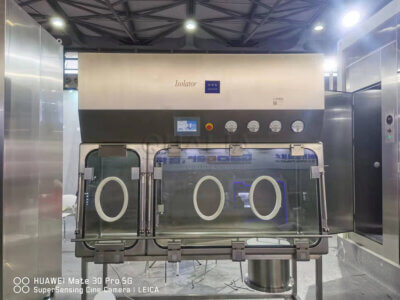
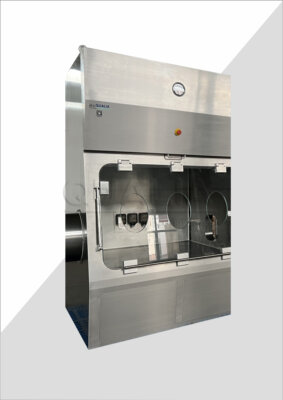
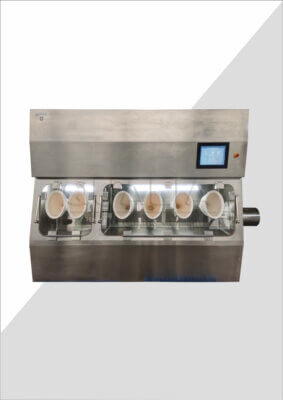
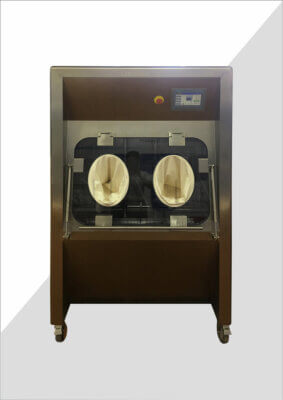
Wybór między szafą bezpieczeństwa biologicznego klasy II i klasy III nie jest podyktowany wyłącznie stopniem zagrożenia patogenami. Jest on podyktowany fizycznym charakterem wykonywanej pracy. BSC klasy II są zaprojektowane do manipulacji z otwartymi naczyniami - pipetowania, wirowania, sonikowania - gdzie ochrona personelu i produktu jest osiągana dzięki wewnętrznemu przepływowi powietrza i filtrowi wydechowemu HEPA. Stanowią one podstawową przestrzeń roboczą. Szafy klasy III (komory rękawicowe) zapewniają absolutną, gazoszczelną izolację dzięki podciśnieniu, podwójnej filtracji HEPA i dołączonym rękawicom. Ich użycie jest wymagane w przypadku procedur, których nie można ograniczyć przepływem powietrza klasy II, takich jak przechowywanie specjalistycznego sprzętu do generowania aerozoli do badań narażenia zwierząt.
Aplikacja dyktuje specyfikację
To skupienie się na procedurach sygnalizuje zmianę na rynku. Sprzęt staje się coraz bardziej modułowy i dostosowany do konkretnych zastosowań. Laboratorium badające kinetykę wirusów poprzez pipetowanie wymaga wysokowydajnego BSC klasy II. Laboratorium przeprowadzające Mycobacterium tuberculosis Wyzwania związane z aerozolami u gryzoni wymagają zintegrowanych systemów klasy III. Według ekspertów branżowych, częstym niedopatrzeniem jest brak mapowania przyszłych potrzeb badawczych podczas zakupów, co prowadzi do kosztownych modernizacji. Porównaliśmy schematy przepływu pracy z kilku instytutów i stwierdziliśmy, że zdefiniowanie “najgorszego przypadku” procedury aerozolowej przed określenie BSC zapobiega temu.
Imperatyw walidacji
Niezależnie od klasy, wydajność BSC nie jest gwarantowana przez zakup. Jest ona potwierdzana poprzez rygorystyczną coroczną certyfikację zgodnie z normami takimi jak NSF/ANSI 49 Szafy bezpieczeństwa biologicznego: Projektowanie, budowa, wydajność i certyfikacja w terenie. Certyfikacja ta testuje hermetyczność, prędkość przepływu powietrza i integralność filtra HEPA. Z mojego doświadczenia wynika, że laboratoria, które traktują to jako zwykłe pole wyboru zgodności, często odkrywają subtelne awarie wydajności podczas audytów, które istniały od miesięcy, stanowiąc trwałe, nieokreślone ryzyko.
| Zastosowanie | Podstawowe urządzenie zabezpieczające | Kluczowy parametr wydajności |
|---|---|---|
| Manipulacje na otwartych naczyniach | Klasa II BSC | Ochrona personelu i produktów |
| Sprzęt do wytwarzania aerozoli | Klasa III BSC | Absolutna izolacja, gazoszczelność |
| Roczna certyfikacja | Oba typy BSC | Przepływ powietrza i integralność filtra |
| Oczyszczanie powietrza wylotowego | Oba typy BSC | Wyciąg z filtrem HEPA |
Źródło: NSF/ANSI 49 Szafy bezpieczeństwa biologicznego: Projektowanie, budowa, wydajność i certyfikacja w terenie. Norma ta ustanawia rygorystyczne protokoły testowania hermetyczności, przepływu powietrza i integralności filtra HEPA wymagane do certyfikacji szaf bezpieczeństwa biologicznego zarówno klasy II, jak i klasy III, które są niezbędne do pracy z aerozolami BSL-3.
Specyfikacje podstawowych urządzeń i systemów wentylacji
Laboratorium jako drugorzędna bariera
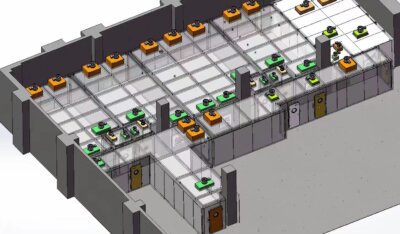
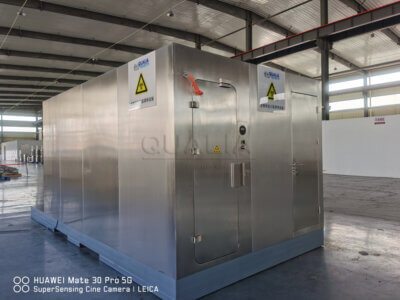
Sam obiekt jest dynamicznym urządzeniem zabezpieczającym. Jego działanie zależy od zaprojektowanej wentylacji i absolutnego fizycznego uszczelnienia. Kierunkowy przepływ powietrza z czystych korytarzy do laboratorium musi być utrzymywany i stale monitorowany. Całe powietrze wylotowe musi przechodzić przez filtry HEPA zasilające budynek lub wylotowe z szafy, certyfikowane co roku. Zasada jest prosta: ograniczaj, a następnie filtruj.
Weryfikacja wydajności jest ciągła
Zapewnienie bezpieczeństwa jest obecnie procesem dynamicznym. Normy takie jak ANSI/ASSP Z9.14 nakazują ciągłą weryfikację wydajności. Oznacza to testowanie różnic ciśnień, integralności filtracji i reakcji systemu na awarie w różnych scenariuszach. Wymaga to zintegrowanej sieci czujników i udokumentowanych protokołów reakcji. Powoduje to znaczne przesunięcie budżetów operacyjnych w kierunku ciągłego testowania i szkolenia personelu, który może interpretować te dane, a nie tylko je gromadzić.
Projektowanie dla nowoczesnego odkażania
Wszystkie powierzchnie, szwy i przejścia (przewody, rury) muszą być uszczelnione do poziomu szczelności obiektu, określonego przez ISO 10648-2 Obudowy kontenerowe - Część 2: Klasyfikacja według szczelności i powiązane metody kontroli. Jest to krytycznie testowane podczas fumigacji. Rosnąca preferencja dla oparów nadtlenku wodoru zamiast rakotwórczego formaldehydu ma bezpośredni wpływ na projektowanie obiektów. Systemy H2O2 mogą być skuteczne w mniej uszczelnionych przestrzeniach i oferują szybsze napowietrzanie, ale osiągnięcie sprawdzonej, równomiernej dystrybucji nadal wymaga skrupulatnej dbałości o uszczelnienie podczas budowy lub renowacji.
| Składnik systemu | Specyfikacja | Wymóg weryfikacji |
|---|---|---|
| Laboratoryjny przepływ powietrza | Kierunkowy, do wewnątrz | Ciągłe monitorowanie |
| Powietrze wylotowe | Filtr HEPA | Roczna certyfikacja |
| Różnice ciśnień | Utrzymany wynik ujemny | Ciągła weryfikacja wydajności |
| Penetracje powierzchniowe | W pełni uszczelniony | Kontrola zgodności z fumigacją |
Źródło: ISO 10648-2 Obudowy kontenerowe - Część 2: Klasyfikacja według szczelności i powiązane metody kontroli. Norma ta zapewnia ramy dla klasyfikacji i testowania szczelności obudów i barier, bezpośrednio związanych z weryfikacją integralności zamkniętych obiektów BSL-3 i ich systemów wentylacyjnych.
Środki ochrony indywidualnej (PPE) do pracy z aerozolami
Trzeciorzędna warstwa obrony
Środki ochrony indywidualnej są istotnym uzupełnieniem, a nie substytutem technicznych środków kontroli. Kompletny program ochrony dróg oddechowych jest obowiązkowy. Rozpoczyna się on od przetestowanych pod kątem dopasowania, zatwierdzonych przez NIOSH półmasek przeciwpyłowych (N95) do pracy poza BSC. W przypadku procedur wysokiego ryzyka lub personelu z ograniczeniami dopasowania, zasilane respiratory oczyszczające powietrze (PAPR) z filtrami HEPA zapewniają większą pewność i komfort. Łatwo pomijanym szczegółem jest zarządzanie programem: zwolnienie lekarskie, testy dopasowania i dokumentacja szkoleniowa są równie ważne jak sam sprzęt.
Zintegrowana ochrona ciała
Ochrona ciała wymaga pełnych, owijanych fartuchów lub kombinezonów. Podwójne rękawice są zalecane w przypadku manipulacji wysokiego ryzyka, z określonymi protokołami bezpiecznego usuwania. Ochrona oczu i twarzy musi być współmierna do ryzyka rozprysków; połączenie szczelnych okularów ochronnych z osłoną twarzy jest powszechne w przypadku pracy z aerozolami. Eksperci branżowi zalecają traktowanie zakładania i zdejmowania środków ochrony indywidualnej jako procedury o wysokiej konsekwencji, praktykowanej do osiągnięcia biegłości.
Ewolucja treningu
W miarę jak systemy stają się coraz bardziej złożone, szkolenia operatorów ewoluują. Biegłość wymaga obecnie specjalistycznych, akredytowanych programów w zakresie zaawansowanego stosowania środków ochrony indywidualnej, reagowania w sytuacjach awaryjnych (np. protokołów naruszenia rękawic) oraz zintegrowanego stosowania środków ochrony indywidualnej z inżynieryjnymi środkami kontroli. Ma to wpływ na kryteria zatrudniania i tworzy powtarzającą się linię budżetową na szkolenia, która jest często niedoszacowana w początkowym planowaniu operacyjnym.
Analiza kosztów: Koszty kapitałowe, operacyjne i całkowity koszt posiadania
Spojrzenie poza cenę zakupu
Kompleksowa analiza finansowa musi obejmować trzy warstwy. Koszty kapitałowe obejmują podstawową hermetyzację (BSC, szczelne wirówki), systemy obiektu (HVAC, EDS) i sprzęt do dekontaminacji (autoklawy, systemy fumigacji). Wydatki operacyjne są znaczne i powtarzalne: coroczna certyfikacja, wymiana filtrów HEPA, chemikalia walidacyjne, zużycie mediów na podciśnienie i specjalistyczne szkolenia.
Strategiczny wpływ na TCO
Na całkowity koszt posiadania (TCO) duży wpływ mają strategiczne wybory. Wybór fumigacji nadtlenkiem wodoru zamiast formaldehydu zmniejsza koszty obsługi materiałów niebezpiecznych i przestoje w laboratorium, bezpośrednio obniżając koszty operacyjne w okresie 10 lat. I odwrotnie, niepowodzenie w mapowaniu regulacyjnym może dramatycznie podnieść TCO. Postępowanie z wybranym środkiem wymaga określonych terminów niszczenia i raportowania, co bezpośrednio wpływa na wymagany zestaw sprzętu (np. na miejscu, zwalidowane autoklawy) i powiązane przepływy pracy.
| Kategoria kosztów | Przykłady | Strategiczny wpływ |
|---|---|---|
| Koszty kapitałowe | BSC, HVAC, autoklawy | Określa początkową inwestycję |
| Koszty operacyjne | Coroczna certyfikacja, wymiana filtra | Główny powtarzający się czynnik budżetowy |
| Całkowity koszt posiadania (TCO) | Wszystkie koszty cyklu życia | Duży wpływ na wybór fumigacji |
| Koszty zgodności | Protokoły Select Agent | Wymaga określonego zestawu urządzeń |
Źródło: Dokumentacja techniczna i specyfikacje branżowe.
Systemy odkażania: Autoklawy, EDS i fumigacja
Niezbywalna triada
Skuteczna dekontaminacja dotyczy wszystkich stanów odpadów. Dwudrzwiowy, przelotowy autoklaw w laboratorium jest wymagany dla odpadów stałych, z cyklami walidowanymi przy użyciu wskaźników biologicznych (np, Geobacillus stearothermophilus). System odkażania ścieków (EDS) musi oczyszczać wszystkie odpady płynne, w tym ścieki ze zlewu i prysznica, do zweryfikowanej redukcji logarytmów przed odprowadzeniem do kanalizacji.
Zmiana sposobu fumigacji
Do fumigacji pomieszczeń i sprzętu niezbędna jest zwalidowana metoda gazowa. Następuje znacząca zmiana strategiczna: nadtlenek wodoru w aerozolu (AHP) wypiera rakotwórczy formaldehyd. AHP osiąga wymaganą redukcję 6 log, przenika przez złożone urządzenia, takie jak filtry BSC HEPA, działa w mniej uszczelnionych przestrzeniach i oferuje szybsze napowietrzanie. To przejście podkreśla szerszy ruch w kierunku zautomatyzowanego odkażania, przenosząc ryzyko z błędu ludzkiego w ręcznym czyszczeniu na poleganie na sprawdzonych, zaprogramowanych systemach.
| Metoda odkażania | Aplikacja podstawowa | Kluczowe kwestie operacyjne |
|---|---|---|
| Autoklaw przelotowy | Odpady stałe | Walidacja cyklu za pomocą wskaźników biologicznych |
| System odkażania ścieków (EDS) | Odpady płynne | Oczyszczanie przed odprowadzeniem do kanalizacji |
| Fumigacja nadtlenkiem wodoru (AHP) | Pomieszczenia, kompleksowe wyposażenie | Szybsze napowietrzanie, mniejsze zagrożenie |
| Fumigacja formaldehydem | Pokoje, wyposażenie | Rakotwórcze, dłuższy czas przestoju |
Źródło: Dokumentacja techniczna i specyfikacje branżowe.
Procedury kontrolne i ocena ryzyka przy pracy z aerozolami
Podstawa bezpiecznej pracy
Inżynieryjne środki kontroli są skuteczne tylko przy rygorystycznych zabezpieczeniach proceduralnych. Podstawowym wymogiem jest ocena ryzyka związanego z bezpieczeństwem biologicznym dla danego miejsca i czynności, przeprowadzana przed rozpoczęciem jakichkolwiek prac. To dostosowane do ryzyka podejście ocenia patogen, procedurę, personel i sprzęt w celu uzasadnienia poziomów hermetyczności i dyktuje praktyki robocze mające na celu zminimalizowanie tworzenia aerozoli, takie jak stosowanie pojemników w systemie zamkniętym.
Bezpieczeństwo zintegrowanego sprzętu
Umieszczenie sprzętu ma kluczowe znaczenie. Zautomatyzowane platformy powinny znajdować się wewnątrz BSC lub być używane wyłącznie z inaktywowanymi próbkami. Zasada warstwowej hermetyzacji jest doskonałym przykładem bezpieczeństwa wirówek. Nowoczesne jednostki łączą w sobie bariery pierwotne (uszczelnione wirniki), wtórne (aerozoloszczelne uszczelki komory z uszczelkami) i trzeciorzędne (HVAC obiektu). Zamówienia muszą oceniać te mechaniczne i elektroniczne funkcje bezpieczeństwa, takie jak uszczelki aktywowane ciśnieniem i wyłączniki awaryjne, jako ujednolicony system. Według badań przeprowadzonych na podstawie raportów z incydentów, traktowanie funkcji bezpieczeństwa jako opcjonalnych dodatków, a nie zintegrowanych elementów systemu, jest częstą przyczyną niepowodzeń w zakresie hermetyzacji.
Walidacja sprzętu, konserwacja i rejestrowanie zgodności
Udokumentowany dowód wydajności
Zgodność z przepisami i zapewnienie bezpieczeństwa opierają się na udokumentowanych dowodach. Kompleksowy system rejestrowania jest obowiązkowy w przypadku corocznej certyfikacji BSC i HEPA, cykli walidacji autoklawów, ciągłych danych dotyczących przepływu powietrza/ciśnienia, zapisów kalibracji sprzętu aerozolowego, danych walidacji fumigacji i dokumentacji personelu. To nie jest biurokracja; to możliwy do skontrolowania dowód hermetyzacji.
Kontrola rozciąga się na łańcuch dostaw
Nacisk na ciągłą weryfikację, zgodnie z normami takimi jak ISO 10648-2, rozciąga się teraz na łańcuch dostaw sprzętu. Krytyczne komponenty - filtry HEPA, czujniki ciśnienia, uszczelki drzwi - wymagają zatwierdzonego, identyfikowalnego pochodzenia i dokumentacji wydajności, aby spełnić standardy zapewnienia hermetyczności. Producenci z solidnymi, przejrzystymi łańcuchami dostaw zyskują przewagę konkurencyjną. Nabywcy muszą kontrolować te praktyki podczas zakupów, prosząc o rodowody certyfikacji komponentów.
| Typ rekordu | Sprzęt/system | Częstotliwość rejestrowania |
|---|---|---|
| Certyfikacja | Filtry BSC i HEPA | Roczny |
| Dane walidacyjne | Cykle autoklawu | Na cykl |
| Weryfikacja wydajności | Przepływ powietrza, różnice ciśnień | Ciągły |
| Zapisy kalibracji | Sprzęt do wytwarzania aerozoli | Zgodnie z harmonogramem |
Źródło: ISO 10648-2 Obudowy kontenerowe - Część 2: Klasyfikacja według szczelności i powiązane metody kontroli. Nacisk normy na powiązane metody sprawdzania integralności hermetyzacji stanowi podstawę potrzeby rygorystycznej, udokumentowanej walidacji i dzienników konserwacji dla wszystkich krytycznych urządzeń hermetyzacji BSL-3.
Wybór odpowiedniego sprzętu BSL-3: Ramy decyzyjne
Zacznij od ryzyka i regulacji
Najpierw należy przeprowadzić szczegółową ocenę przepisów i ryzyka. Należy określić dokładne patogeny, procedury generujące aerozole i wymagane poziomy hermetyczności. Określa to podstawową potrzebę: Klasa II dla otwartych zbiorników, klasa III dla absolutnej izolacji sprzętu lub procedur wysokiego ryzyka. Ten krok zapobiega podstawowemu błędowi, jakim jest niewłaściwe zastosowanie technologii hermetyzacji.
Ocena interoperacyjności systemu
Po drugie, należy ocenić interoperacyjność sprzętu. Przyszła wydajność laboratorium zależy od płynnego przepływu pracy. Sprzęt powinien mieć znormalizowane interfejsy - porty danych do monitorowania, porty szybkiego transferu (RTP) do przesyłania materiałów - w celu integracji z systemami zarządzania hermetyzacją w całym obiekcie. Odizolowane “wyspy sprzętu” tworzą wąskie gardła przepływu pracy i zwiększają ryzyko obsługi. Na przykład, wybór wirówki, która integruje dane z systemem platforma monitorowania bezpieczeństwa zapewnia wydajność w czasie rzeczywistym.
Analiza całkowitego kosztu posiadania i wsparcia producenta
Po trzecie, należy przeanalizować rzeczywisty całkowity koszt posiadania. Uwzględnij funkcje automatyzacji, które zmniejszają narażenie personelu, ale mogą zwiększać złożoność konserwacji i koszty szkoleń. Wreszcie, zweryfikuj wsparcie producenta. Priorytetowo traktuj dostawców, którzy zapewniają kompleksowe wsparcie w zakresie walidacji, przejrzyste dane dotyczące łańcucha dostaw krytycznych komponentów oraz akredytowane programy szkoleniowe dla operatorów. Taka infrastruktura wsparcia jest czynnikiem decydującym o długoterminowej zgodności i bezpieczeństwie.
Podstawowe punkty decyzyjne są jasne: niech procedura dyktuje pierwotną hermetyzację, projektowanie pod kątem weryfikacji i nowoczesnej dekontaminacji oraz opieranie modeli finansowych na całkowitym koszcie cyklu życia, a nie nakładach kapitałowych. Wdrożenie wymaga wielofunkcyjnego zespołu - ds. bezpieczeństwa biologicznego, obiektów, zaopatrzenia i badań - w celu dostosowania specyfikacji technicznych do rzeczywistości operacyjnej.
Potrzebujesz profesjonalnych wskazówek, aby określić i zintegrować system hermetyzacji BSL-3, który będzie zgodny z Twoimi dokładnymi protokołami badawczymi i środowiskiem zgodności? Eksperci z firmy QUALIA może pomóc w podjęciu decyzji, od oceny ryzyka po zatwierdzoną instalację.
Często zadawane pytania
P: Jak wybrać między szafą bezpieczeństwa biologicznego klasy II a szafą bezpieczeństwa biologicznego klasy III do pracy z patogenami w aerozolu?
O: Wybór zależy od oceny ryzyka związanego z konkretnymi procedurami generującymi aerozol, a nie tylko od listy patogenów. Używaj BSC klasy II, certyfikowanych zgodnie z NSF/ANSI 49, do standardowych manipulacji na otwartych naczyniach. W pełni szczelne szafy klasy III należy zarezerwować dla procedur wysokiego ryzyka, takich jak obsługa specjalistycznego sprzętu do wytwarzania aerozoli. Oznacza to, że placówki prowadzące badania narażenia zwierząt lub wykorzystujące złożone aerozole powinny uwzględnić w budżecie wyższe koszty kapitałowe i operacyjne hermetyzacji klasy III, aby zapewnić absolutną izolację.
P: Jakie są krytyczne wymagania dotyczące wentylacji obiektu w celu utrzymania hermetyczności BSL-3?
O: Ciągły kierunkowy przepływ powietrza do wewnątrz i wydech z filtrem HEPA nie podlegają negocjacjom. Zapewnienie szczelności jest dynamicznym procesem wymagającym ciągłej weryfikacji różnic ciśnień i integralności systemu, zgodnie z zasadami weryfikacji wydajności. Ta zmiana operacyjna wymaga zintegrowanych sieci czujników i udokumentowanych protokołów testowych. W przypadku projektów planujących nowe konstrukcje lub modernizacje należy spodziewać się przydzielenia znacznej części budżetu operacyjnego na specjalistyczne szkolenia personelu i powtarzające się działania walidacyjne w celu spełnienia tych ciągłych standardów wydajności.
P: Jaki jest całkowity koszt posiadania zestawu BSL-3 i co wpływa na koszty operacyjne?
O: Całkowity koszt posiadania wykracza daleko poza zakup sprzętu i obejmuje znaczne powtarzające się koszty operacyjne. Kluczowymi czynnikami są coroczne certyfikaty, wymiana filtrów HEPA, zużycie mediów na podciśnienie, materiały eksploatacyjne do walidacji i specjalistyczne szkolenia techników. Strategiczne wybory, takie jak wybór nadtlenku wodoru zamiast fumigacji formaldehydem, mają bezpośredni wpływ na przestoje i koszty obsługi materiałów niebezpiecznych. Jeśli Twoja firma obsługuje środki podlegające regulacjom prawnym, które wymagają określonego niszczenia, zaplanuj wyższe nakłady inwestycyjne na zgodny z przepisami sprzęt, taki jak autoklawy na miejscu, aby uniknąć kosztownych awarii.
P: Dlaczego fumigacja nadtlenkiem wodoru zastępuje formaldehyd w odkażaniu pomieszczeń BSL-3?
O: Nadtlenek wodoru w aerozolu (AHP) oferuje bezpieczniejszą, szybszą i często bardziej skuteczną alternatywę. Osiąga wymaganą redukcję 6 log, przenika przez złożony sprzęt, działa w mniej uszczelnionych przestrzeniach i ma krótszy czas napowietrzania w porównaniu z rakotwórczym formaldehydem. Przejście to stanowi krok w kierunku zautomatyzowanej dekontaminacji, zmniejszając ryzyko błędu ludzkiego. Oznacza to, że obiekty modernizujące istniejące systemy powinny zweryfikować kompatybilność z AHP i zaplanować budżet na szkolenie techników w zakresie nowych protokołów walidacji i konserwacji, których wymagają te zautomatyzowane systemy.
P: W jaki sposób kontrole proceduralne integrują się ze sprzętem inżynieryjnym do zarządzania ryzykiem związanym z aerozolami?
O: Inżynieryjne środki kontroli działają tylko w połączeniu z rygorystycznymi, specyficznymi dla danej czynności zabezpieczeniami proceduralnymi. Podstawowa ocena ryzyka w zakresie bezpieczeństwa biologicznego musi uzasadniać wybór sprzętu i dyktować praktyki minimalizujące wytwarzanie aerozoli, takie jak stosowanie pojemników w systemie zamkniętym. Bezpieczeństwo jest wielowarstwowe; na przykład protokoły wirówek obejmują uszczelnione wirniki, uszczelnienia komór nieprzepuszczające aerozoli i HVAC obiektu. Jeśli twoje zamówienie koncentruje się na zautomatyzowanych platformach, priorytetowo traktuj modele zaprojektowane do integracji z BSC lub upewnij się, że są one ograniczone do stosowania z inaktywowanymi próbkami, aby zapobiec wewnętrznemu zanieczyszczeniu.
P: Jaka dokumentacja jest obowiązkowa w przypadku zgodności i walidacji sprzętu BSL-3?
O: Wymagany jest kompleksowy system rejestrowania w celu zapewnienia udokumentowanego dowodu działania wszystkich krytycznych systemów. Obejmuje to coroczne certyfikaty BSC i filtrów HEPA, wyniki wskaźników biologicznych autoklawu, zapisy ciągłego przepływu powietrza/ciśnienia, dane kalibracji sprzętu, cykle walidacji fumigacji i zapisy szkoleń personelu. Normy kładące nacisk na ciągłą weryfikację rozszerzają teraz kontrolę na sam łańcuch dostaw sprzętu. Wybierając dostawców, priorytetowo traktuj tych, którzy dostarczają zwalidowane, identyfikowalne dokumentacje komponentów dla części takich jak filtry HEPA i uszczelki, aby usprawnić audyty zgodności.
P: Jakich ram powinniśmy użyć do wyboru i integracji sprzętu BSL-3?
O: Zastosuj strategiczne, wieloczynnikowe ramy decyzyjne. Po pierwsze, zdefiniuj dokładne wymagania poprzez ocenę ryzyka regulacyjnego i proceduralnego. Po drugie, należy ocenić interoperacyjność sprzętu - przyszła wydajność zależy od płynnej integracji przepływu pracy za pośrednictwem standardowych interfejsów, aby uniknąć tworzenia wysp sprzętowych. Po trzecie, należy przeanalizować całkowity koszt posiadania, biorąc pod uwagę fakt, że automatyzacja zmniejsza narażenie, ale może zwiększyć potrzeby szkoleniowe. Wreszcie, należy zweryfikować wsparcie producenta w zakresie walidacji, przejrzystości łańcucha dostaw i programów szkoleniowych dla operatorów. Oznacza to, że zespół ds. zaopatrzenia musi od samego początku ściśle współpracować ze specjalistami ds. bezpieczeństwa biologicznego.
Powiązane treści:
- Badania aerozoli BSL-3: Bezpieczne praktyki badawcze
- Szafa bezpieczeństwa biologicznego klasy III a BSC klasy II: 12 krytycznych różnic przy wyborze kontenerów BSL-3 i BSL-4
- Kiedy uaktualnić szafę bezpieczeństwa biologicznego z klasy II do klasy III? Kryteria oceny ryzyka BSL-4
- Jakie są kluczowe etapy przepływu pracy w zarządzaniu ryzykiem związanym z aerozolami w laboratoriach BSL-3 dla zwierząt?
- Jak wybrać odpowiednią konfigurację sprzętu BSL 2 vs BSL 3 vs BSL 4? Ramy decyzyjne oparte na ryzyku dla kierowników laboratoriów
- Przewodnik po zakupach sprzętu BSL 2/3/4: Kompletne rozwiązania w zakresie bezpieczeństwa, zgodności z przepisami i wydajności kontenerów laboratoryjnych 2025
- Jaki sprzęt BSL-2 jest wymagany do obsługi środków umiarkowanego ryzyka w diagnostyce klinicznej?
- Wirówki BSL-3: Zaawansowane funkcje bezpieczeństwa
- Jak certyfikowane są tłumiki izolacji bezpieczeństwa biologicznego?