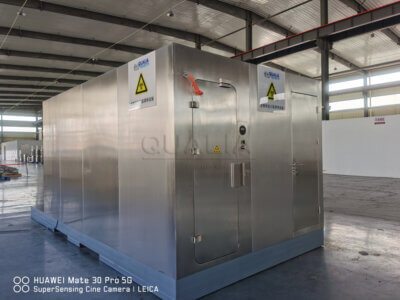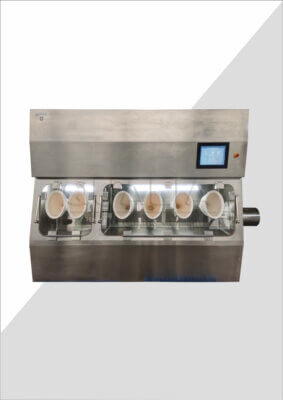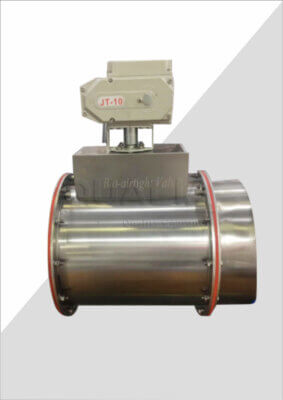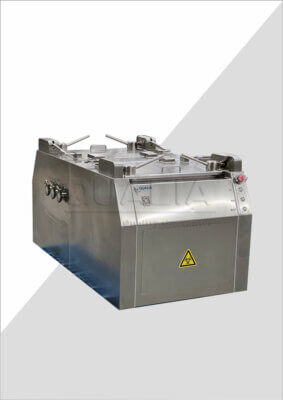


A kabina prysznicowa zostaje dodany do schematu projektu, okucia drzwiowe są dobierane na podstawie wymiarów kabiny prysznicowej, a kwestia granicy strefy bezpieczeństwa nigdy nie zostaje formalnie rozstrzygnięta. To przeoczenie ujawnia się podczas uruchamiania, gdy logika blokad wskazuje, że nikt nie określił, które drzwi stanowią granicę podczas aktywnego cyklu prysznicowego — ani w jakim stanie muszą się one znajdować przed zakończeniem cyklu i zezwoleniem na wyjście. Koszt poprawek nie ogranicza się jedynie do przeprogramowania sterownika PLC; zazwyczaj wiąże się to z ponownym przeanalizowaniem rozmieszczenia uszczelnień, weryfikacją założeń dotyczących kaskady ciśnieniowej oraz przepisaniem logiki zezwoleń blokady pod presją czasu. Rozwiązanie pozwalające tego uniknąć jest proste: należy zdefiniować granica obszaru zabezpieczonego oraz logikę uszczelnienia drzwi przed doborem jakiegokolwiek osprzętu prysznicowego, a integrację należy zaakceptować dopiero wtedy, gdy stan drzwi, intencja ciśnienia, uprawnienia blokady oraz status cyklu prysznicowego są w sposób możliwy do udowodnienia zsynchronizowane we wszystkich scenariuszach ruchu operatora.
Ograniczenie przestrzeni ma pierwszeństwo przed okuciami drzwiowymi
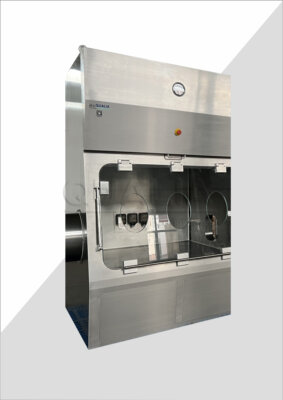
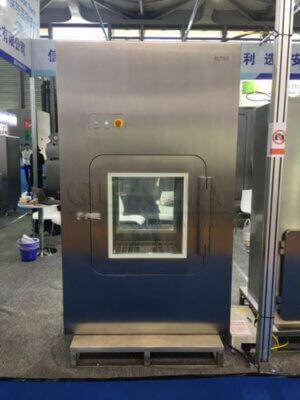
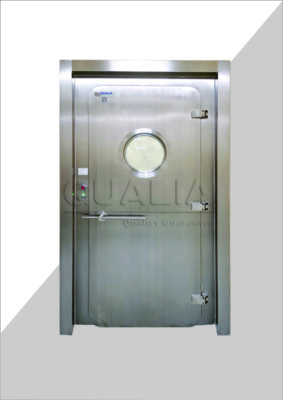
Drzwi APR w strefa izolacji Ścianę kabiny prysznicowej najlepiej traktować jako główną granicę wyodrębnienia zgodnie z zamysłem projektowym — a nie jako domyślne rozwiązanie wynikające wyłącznie z konfiguracji okuć lub samego rozmieszczenia drzwi. To rozróżnienie ma znaczenie, ponieważ gdy zespół projektowy określa kabinę prysznicową i otaczającą ją obudowę bez rozstrzygnięcia kwestii granicy, okucia drzwiowe są montowane zgodnie z układem przestrzennym, a nie zgodnie z określoną logiką wyodrębnienia. Koszt odwrócenia tej kolejności podczas oddawania obiektu do użytku jest zawsze wyższy niż koszt uwzględnienia tej kwestii na etapie ocena projektu.
W praktyce należy sprawdzić, czy przed rozpoczęciem jakichkolwiek prac produkcyjnych w specyfikacji URS oraz w opisie procedur kontrolnych wyraźnie określono granice strefy bezpieczeństwa. Jeśli dokumentacja projektowa nie precyzuje, które drzwi stanowią granicę strefy bezpieczeństwa na poszczególnych etapach cyklu prysznicowego, brak tych informacji przełoży się na spór podczas odbioru technicznego dotyczący uprawnień do blokad.
W poniższej tabeli przedstawiono, które drzwi stanowią granicę w trzech kluczowych fazach cyklu, oraz wskazano, co należy potwierdzić na każdym etapie.
| Fazck zrnwcyyloau pisego | Drzwi głównej komory zabezpieczającej | Co należy potwierdzić |
|---|---|---|
| Przed prysznicem (wprowadzenie operatora, wstrzymanie przed prysznicem) | Drzwi od strony strefy izolacyjnej (drzwi APR) pozostają zamknięte i stanowią granicę | Ciągłość uszczelnienia drzwi, stan blokady oraz fakt, że drzwi od strony prysznica są zamknięte, ale nie pełnią funkcji bariery zabezpieczającej |
| Podczas aktywnego prysznica | Te same drzwi APR stanowią granicę strefy bezpieczeństwa; drzwi od strony prysznica mogą być zamknięte, ale nie stanowią tej granicy | Ciągłe sygnalizowanie stanu uszczelki drzwi, potwierdzenie utrzymania ciśnienia oraz brak aktywnego obejścia blokady |
| Po prysznicu (faza wysuszania po zakończeniu cyklu lub faza wyjściowa) | Należy wyjaśnić, czy drzwi APR pozostają granicą aż do momentu uszczelnienia drzwi po stronie wyjściowej i potwierdzenia wyrównania ciśnienia | Logika przekazywania granic, stan sygnału ciśnieniowego oraz sekwencja blokady zapobiegająca jednoczesnemu otwarciu obu drzwi granicznych |
Wiersz “Po prysznicu” wiąże się z największym ryzykiem związanym z uruchomieniem. Niezależnie od tego, czy Drzwi APR Kwestia, czy granica pozostaje ważna do momentu uszczelnienia drzwi po stronie wyjściowej i potwierdzenia wyrównania ciśnienia, powinna zostać rozstrzygnięta podczas przeglądu projektu, a nie po raz pierwszy poruszona w trakcie kwalifikacji operacyjnej (OQ). Jeśli logika przenoszenia granicy nie jest w tym momencie zdefiniowana, sekwencji blokad nie da się przetestować w oparciu o jasne kryterium akceptacji. Jest to wyjaśnienie intencji projektowej, a nie powszechna praktyka branżowa, a odpowiedź może się różnić w zależności od projektu, klasyfikacji ryzyka oraz układu kaskadowego ciśnienia.
Logika zamykania musi być zgodna ze stanem cyklu prysznica
Nieprawidłowy stan uszczelnienia — w którym uszczelnienie drzwi APR zwalnia się przed potwierdzeniem zakończenia cyklu prysznicowego — nie zawsze powoduje natychmiastowe, widoczne naruszenie szczelności. Może to spowodować krótkotrwałe zaburzenie ciśnienia lub niewielki epizod przepływu wstecznego, których ani system sterowania, ani operator nie zauważają w czasie rzeczywistym. Zdarzenia te zwiększają ryzyko, nie pozostawiając przy tym wyraźnej ścieżki audytowej, co jest jednym z powodów, dla których ten rodzaj awarii pozostaje zazwyczaj niewykryty aż do momentu planowej kontroli lub wizyty organu nadzorczego.
Uwolnienie uszczelnienia przed potwierdzeniem cyklu nie zawsze jest widoczną awarią — może to być niezauważalne zdarzenie związane z ciśnieniem, które ujawnia się dopiero podczas audytu.
Wymagana zależność między logiką uszczelnienia a stanem cyklu prysznica stanowi element kontroli ryzyka związanego z bezpieczeństwem eksploatacyjnym. Poniższa tabela przedstawia trzy stany, które wymagają wyraźnej koordynacji, oraz wskazuje ryzyko związane z niedopasowaniem logiki.
| Stan cyklu prysznica | Wymagana logika działania uszczelki drzwi | Ryzyko w przypadku niedopasowania |
|---|---|---|
| Przed prysznicem (okres kwarantanny przed wejściem) | Potwierdzono szczelność i zablokowanie uszczelki drzwi APR; brak zezwolenia na odblokowanie, dopóki utrzymuje się różnica ciśnień w komorze zabezpieczającej | Naruszenie szczelności i spadek ciśnienia przed rozpoczęciem cyklu prysznicowego |
| Prysznic włączony | Uszczelka drzwi APR pozostaje zablokowana i uszczelniona; wszystkie uprawnienia do obejścia zostały zablokowane | Niekontrolowane obejście, awaria systemu utrzymywania ciśnienia lub wyciek poza granice obudowy zabezpieczającej podczas zraszania |
| Po prysznicu (cykl zakończony, suszenie/wyrównanie) | Uwolnienie uszczelki nastąpi dopiero po osiągnięciu wymaganego ciśnienia, potwierdzeniu stanu cyklu prysznicowego oraz zabezpieczeniu drzwi na dalszym odcinku | Przedwczesne otwarcie powodujące zaburzenia ciśnienia, potencjalny przepływ wsteczny lub utratę gwarancji szczelności |
W przypadku gdy do potwierdzenia prawidłowości działania blokad cyklu uszczelniania konieczne jest powołanie się na odpowiedni akt prawny, ISO 35001 stanowi punkt odniesienia dla ram testowych w zakresie zarządzania ryzykiem biologicznym, choć nie narzuca konkretnego schematu logicznego. Korzyścią z przechodzenia przez każdy stan cyklu podczas uruchamiania jest to, że wymusza to aktywne przetestowanie każdego scenariusza niezgodności, zamiast zakładać, że został on rozwiązany przez konfigurację blokad. Wszelkie możliwości obejścia – niezależnie od tego, czy zostały zainstalowane w celu zapewnienia dostępu awaryjnego, czy też dla wygody konserwacji – powinny zostać wyraźnie zweryfikowane w odniesieniu do sekwencji po zakończeniu cyklu, ponieważ zezwolenia na obejście aktywne podczas zakończenia cyklu stanowią ścieżkę awarii o najwyższym prawdopodobieństwie utraty gwarancji szczelności na wyjściu.
Drzwi hermetyczne zwiększają poczucie bezpieczeństwa i ułatwiają prace kontrolne
Zastosowanie drzwi hermetycznych w przegrodzie pomieszczenia prysznicowego zwiększa pewność szczelności, ale wiąże się to nie tylko z kwestią kosztów. Drzwi hermetyczne wymagają skoordynowanych systemów sterowania, aby działały zgodnie z przeznaczeniem, a także rutynowych kontroli uszczelnień oraz udokumentowanego planu awaryjnego otwierania, czego nie wymagają drzwi standardowe. W projektach, w których przewidziano zastosowanie drzwi hermetycznych bez uwzględnienia tych wymagań eksploatacyjnych na etapie projektowania, luka ta często ujawnia się podczas opracowywania procedur konserwacyjnych lub planowania przeglądu dróg ewakuacyjnych — co w obu przypadkach może opóźnić oddanie obiektu do użytku.
Wzrost pewności jest rzeczywisty. Szczelne drzwi w stanie potwierdzonego uszczelnienia zapewniają bardziej niezawodną barierę izolacyjną podczas przejść między cyklami prania niż standardowe drzwi oparte na bardziej miękkim uszczelnieniu. Integralność barier na granicach wyjściowych stanowi uznany problem w ramach systemów zarządzania bezpieczeństwem biologicznym, w tym w wytycznych CDC BMBL oraz w Podręczniku bezpieczeństwa biologicznego w laboratoriach WHO dotyczących barier laboratoryjnych, choć żaden z tych dokumentów nie określa rodzaju uszczelnienia ani częstotliwości badań dla tego zastosowania.
Specyfikacja dotycząca szczelności drzwi zwiększa pewność co do skuteczności izolacji, jednak pewność ta zależy całkowicie od systemu konserwacji i kontroli, który ją wspiera.
Czynnikiem decydującym o zmianie zalecenia jest późniejsze zaangażowanie operacyjne. Jeśli obiekt nie posiada określonej procedury okresowej kontroli uszczelnień, metody badania szczelności uwzględnionej w planie konserwacji oraz jasnej procedury awaryjnego uwolnienia, która nie narusza logiki granic zabezpieczenia, wówczas drzwi hermetyczne nie zapewniają obiecanej pewności — stanowią dodatkowe obciążenie konserwacyjne bez odpowiedniego zwrotu w postaci zapewnienia bezpieczeństwa. Nakład pracy związany z kontrolami nie stanowi powodu do rezygnacji z drzwi hermetycznych; jest to warunek, który należy uwzględnić i udokumentować przed sfinalizowaniem specyfikacji.
Nacisk, stan drzwi i ruch napędu muszą być ze sobą zsynchronizowane
Problem nie polega tutaj na tym, że ciśnienie, stan drzwi i ruch napędu są osobno nieprawidłowe — chodzi o to, że są one niezależnie prawidłowe, ale nieskoordynowane. Różnica ciśnień może mieścić się w zamierzonym zakresie, podczas gdy drzwi znajdują się w przejściowym stanie uszczelnienia, a napęd jest w trakcie otwierania. Żadna z tych pojedynczych sytuacji nie wyzwala alarmu, ale ich połączenie może spowodować odwrócenie ciśnienia lub powstanie niekontrolowanej ścieżki obejściowej, do obsługi której system sterowania nie został zaprojektowany. Jest to kwestia priorytetowa podczas weryfikacji uruchomienia, a nie normatywny standard blokady.
Zasady działania kaskady ciśnieniowej w projektowaniu laboratoriów z obudową zabezpieczającą — cytowane w WHO LBM oraz CDC BMBL jako wytyczne dotyczące zamierzeń projektowych — należy określić, że kierunkowy przepływ powietrza i relacje podciśnienia powinny być utrzymywane podczas wszystkich normalnych przejść operacyjnych, w tym podczas opuszczania pomieszczenia przez personel. W przypadku gdy prysznic jeśli znajduje się pomiędzy strefą zabezpieczającą a korytarzem, zamierzony rozkład ciśnienia w tej strefie musi pozostawać stabilny pod względem kierunkowym przez cały cykl prysznica. Ryzyko pojawia się, gdy dopuszcza się zmiany stanu drzwi bez upewnienia się, że zamierzony rozkład ciśnienia jest stabilny i utrzymywany na stałym poziomie.
Praktyczna kontrola uruchomieniowa polega na zestawieniu każdego scenariusza ruchu operatora — wejście, zatrzymanie, aktywna prysznic, wyjście po zakończeniu cyklu — z oczekiwanym stanem drzwi i stanem ciśnienia w każdym punkcie. Jeśli którykolwiek scenariusz ujawni moment, w którym zamierzona zależność ciśnienia mogłaby zostać zakłócona przez zmianę stanu drzwi, scenariusz ten wymaga zdefiniowanej reakcji układu sterowania przed przystąpieniem do kontroli kwalifikacyjnej operacyjnej (OQ). Potwierdzenie utrzymania ciśnienia podczas przejść między cyklami, a nie tylko w stanie ustalonym, jest konkretną kontrolą wymaganą w przypadku tego wzorca awarii.
Przyjęcie integracji wymaga skoordynowanych uprawnień do blokad
Przyjęcie integracji nie powinno opierać się na testach funkcjonalnych poszczególnych elementów. Drzwi, które przeszły test szczelności, kabina prysznicowa, która przeszła test cykliczny, oraz układ ciśnieniowy, który przeszedł test różnicy ciśnień – wszystkie te elementy razem nie dowodzą, że cała integracja działa poprawnie. Awaria podczas odbioru prawie zawsze wynika z logiki przejść — czyli z uprawnień blokad, które określają, jakie warunki muszą być spełnione jednocześnie, zanim zostanie zezwolone na odblokowanie drzwi.
Norma ISO 35001, jako ramy testowania w zakresie zarządzania ryzykiem biologicznym, wspiera koncepcję skoordynowanej walidacji blokad bezpieczeństwa, nie narzucając jednak dokładnej sekwencji logicznej. Poniższe warunki akceptacji stanowią raczej kontrole weryfikacyjne wynikające z oceny ryzyka, a nie obowiązkowe kryteria zaliczenia lub odrzucenia wynikające z jednej normy. Najlepiej traktować je jako ustrukturyzowaną listę kontrolną do uruchomienia, służącą do weryfikacji każdego parametru zarówno w scenariuszach testowych pozytywnych, jak i negatywnych.
| Parametr koordynacyjny | Warunek akceptacji do sprawdzenia | Co należy potwierdzić |
|---|---|---|
| Stan uszczelki drzwi | Sygnał uszczelnienia potwierdza, że uszczelnienie jest zamknięte i w dobrym stanie, i jest powiązany z statusem cyklu prysznica | Należy sprawdzić sygnał zwrotny z uszczelki, upewnić się, że stan drzwi jest częścią łańcucha blokad, oraz zweryfikować, czy nie występują fałszywie pozytywne sygnały dotyczące uszczelki |
| Zamiar wywarcia nacisku | Wartość zadana ciśnienia oraz różnice ciśnienia między strefami są stabilne i mieszczą się w zamierzonym zakresie, zanim zostanie zezwolone na odblokowanie drzwi | Należy sprawdzić odczyty przetwornika ciśnienia, reakcję pętli regulacyjnej oraz utrzymanie ciśnienia podczas przejść między cyklami |
| Uprawnienia blokady | Uprawnienia zezwalają na otwarcie drzwi tylko wtedy, gdy spełnione są wszystkie wymagane warunki (uszczelnienie, ciśnienie, cykl) oraz w odpowiedniej kolejności | Należy przeanalizować logikę uprawnień systemu blokady, przetestować sekwencje scenariuszy pozytywnych i negatywnych oraz upewnić się, że żadne obejście nie może unieważnić ustalonych warunków |
| Stan cyklu prysznica | Raporty o stanie cyklu wskazują na zakończenie bez aktywnych alarmów i potwierdzają, że warunki wyjścia są bezpieczne | Należy zweryfikować protokół cyklu prysznica, stan terminala oraz wszelkie sygnały zezwalające, które mają wpływ na odblokowanie drzwi |
Przed zatwierdzeniem należy zwrócić szczególną uwagę na dwa parametry zawarte w tabeli. Po pierwsze, sygnał zwrotny uszczelnienia: należy upewnić się, że odzwierciedla on rzeczywisty stan uszczelnienia, a nie założenie systemu sterowania. Fałszywie pozytywny sygnał uszczelnienia — sytuacja, w której system zgłasza, że uszczelnienie jest sprawne, mimo że jest częściowo uszkodzone lub nie jest w pełni osadzone — stanowi rzeczywisty tryb awarii, który przechodzi rutynowe kontrole, ale zawodzi pod obciążeniem. Po drugie, obejście blokady: należy sprawdzić każdy łańcuch zezwoleń blokad pod kątem wszelkich obejść, które można aktywować bez pozostawienia trwałego zapisu audytowego. Jeśli obejście może zostać wykorzystane podczas uruchamiania w celu rozwiązania trudności związanych z sekwencjonowaniem, a następnie pozostawione w stanie aktywnym lub półaktywnym, podczas kontroli regulacyjnej pojawi się ono w logice zezwoleń jako niekontrolowany wyjątek.
Integracja, która przechodzi testy poszczególnych komponentów, ale nie posiada skoordynowanego testu przejściowego, nie jest akceptowaną integracją.
Proces testów odbiorczych powinien obejmować co najmniej jedną pełną sekwencję uszczelnienia drzwi, utrzymania ciśnienia i cyklu prysznicowego w warunkach testowych z jednym czynnikiem negatywnym — czyli w scenariuszu, w którym jeden warunek jest celowo niespełniony — w celu potwierdzenia, że logika blokady prawidłowo zapobiega zwolnieniu drzwi. Bez tego wyniki uruchomienia pokazują jedynie, że system działa, gdy wszystko jest w porządku, a nie że odmawia zwolnienia drzwi, gdy nie powinien.
Przed sfinalizowaniem specyfikacji okuć drzwiowych należy na piśmie potwierdzić, które drzwi stanowią granicę hermetycznej komory na każdym etapie cyklu prysznicowego, oraz sprawdzić, czy logika uszczelniania, uprawnienia blokad oraz wymagania dotyczące utrzymania ciśnienia zostały uwzględnione w opisie systemu sterowania, a nie pozostawione do interpretacji podczas uruchomienia. Te trzy elementy — przypisanie granic, koordynacja cyklu uszczelniania oraz logika przełączania blokad — są źródłem błędów integracyjnych, a ich usunięcie po zakończeniu produkcji jest znacznie droższe niż przed jej rozpoczęciem.
W momencie odbioru nie należy zatwierdzać integracji wyłącznie na podstawie jej działania w stanie ustalonym. Skoordynowany test przejściowy — w ramach którego stan uszczelnienia, zadane ciśnienie oraz status cyklu prysznicowego są weryfikowane łącznie poprzez pełną sekwencję ruchów operatora, obejmującą co najmniej jeden scenariusz celowej awarii — stanowi podstawę dowodową, która zapewnia dokumentacji odbiorczej solidne uzasadnienie podczas kontroli. Jeśli protokół z tego testu nie istnieje, integracja jest uznana za warunkowo sprawną, a nie za przyjętą.
Często zadawane pytania
Pytapyyzedwś oąwccdyzdcanaedjuoi znwtizwi,yedihaaaz ytiyśahwzieid m iuisueze cnprrkiczl: e jk o piwr k pr ljpg ljaodso siybcpcdyccthzyd r arrzm iybopyydiapznkiwknAeryya on j wjiwfacw oerecpipinoewsoj—nznzze owej?
O: Tak, ale logika się upraszcza. Pojedyncze drzwi przez cały czas stanowią granicę izolacyjną, więc kluczowym punktem kontroli staje się zapewnienie, by uszczelnienie zostało zwolnione dopiero po potwierdzeniu zakończenia cyklu prysznicowego i ustabilizowaniu się wyrównania ciśnienia. Bez drugich drzwi nie ma potrzeby koordynowania przekazywania granicy, ale ryzyko związane ze stanem uszczelnienia podczas kończenia cyklu pozostaje niezmienne.
Pytanie: Jakie pierwsze konkretne działanie powinien podjąć zespół projektowy po przeczytaniu tego artykułu, aby uniknąć niepowodzeń związanych z integracją?
A: Należy określić w specyfikacji wymagań użytkownika oraz w opisie systemu sterowania, które drzwi stanowią granicę strefy izolacyjnej na każdym etapie cyklu prysznica — przed, w trakcie i po zakończeniu prysznica — zanim zostaną określone jakiekolwiek drzwi lub elementy wyposażenia prysznica. Ten pojedynczy krok pozwala uniknąć najbardziej kosztownych prac poprawkowych podczas uruchomienia, które zazwyczaj wynikają z niejasności dotyczących logiki wyznaczania granic.
Pytanie: Przy jakim poziomie bezpieczeństwa biologicznego lub klasyfikacji ryzyka opisana powyżej ścisła koordynacja blokad staje się nadmierna?
O: W przypadku obiektów klasy BSL-2, w których nie pracuje się z czynnikami przenoszonymi drogą powietrzną, pełna sekwencja walidacji uszczelnienia drzwi, utrzymania ciśnienia oraz blokady po negatywnym wyniku testu może wykraczać poza wymagania wynikające z profilu ryzyka. Często dopuszczalne jest przeprowadzenie prostszej weryfikacji, czy podczas procesu opuszczania obiektu utrzymywany jest kierunkowy przepływ powietrza, choć w przypadku każdego obejścia, które mogłoby doprowadzić do naruszenia szczelności, nadal musi istnieć określona procedura reagowania. Zalecenia te są ograniczone, ale nie znikają całkowicie.
Pytanie: Jak powinienem zdecydować, czy w przegrodzie oddzielającej kabinę prysznicową zastosować drzwi hermetyczne, czy standardowe?
O: Należy wybrać drzwi hermetyczne tylko wtedy, gdy obiekt jest w stanie zapewnić udokumentowaną okresową kontrolę szczelności, określoną metodę badania szczelności oraz jasną procedurę awaryjnego otwarcia, która zachowuje logikę granicy zabezpieczenia. Jeśli nie da się w sposób niezawodny spełnić tych zobowiązań operacyjnych, standardowe drzwi z odpowiednim systemem blokad i stabilną różnicą ciśnień stanowią w praktyce bardziej uzasadnioną granicę zabezpieczenia niż drzwi hermetyczne bez odpowiedniego systemu konserwacji.
Pytanie: Czy podejście oparte na ryzyku może ograniczyć zakres badań przeprowadzanych w ramach skoordynowanego odbioru blokad bezpieczeństwa bez naruszania wymogów regulacyjnych?
O: Tak, ocena ryzyka pozwala określić niezbędny zakres scenariuszy testów negatywnych, co umożliwia skupienie się na ścieżkach awarii o największych konsekwencjach. Jednak zasada testowania przejść pozostaje niepodważalna: należy wykazać, że logika blokady prawidłowo zapobiega odblokowaniu drzwi, gdy celowo nie spełniony jest warunek krytyczny. Można dostosować liczbę permutacji testowych, ale nie można pominąć wymogu udowodnienia, że system nie zezwala na odblokowanie, gdy nie powinien.