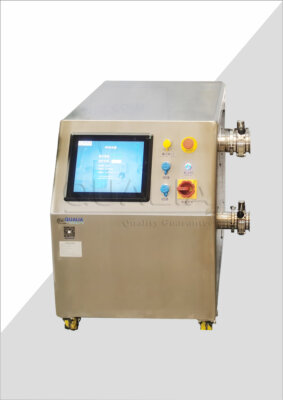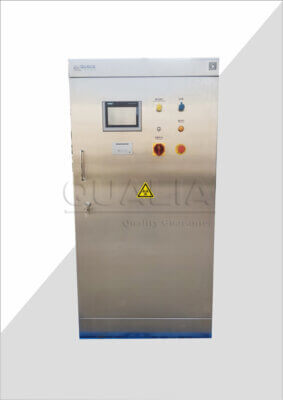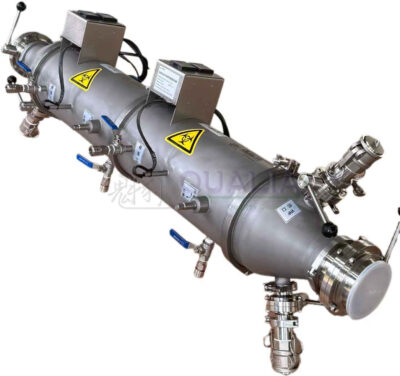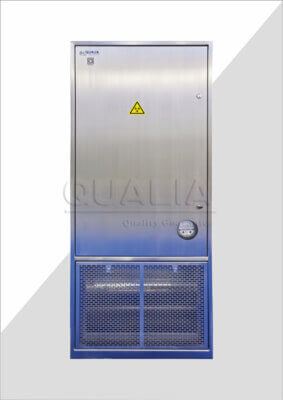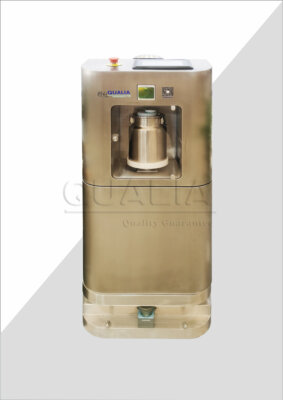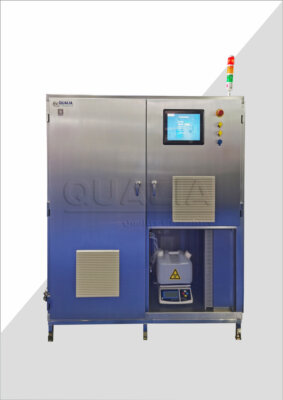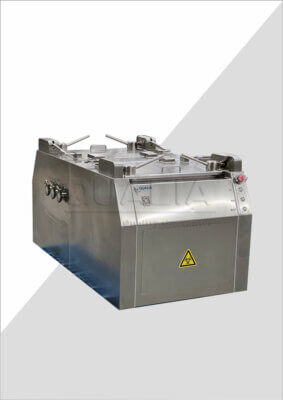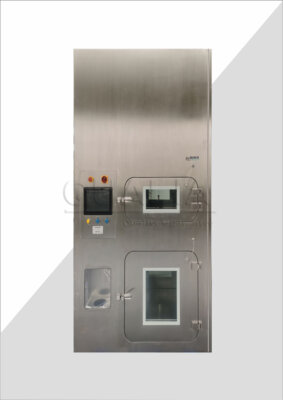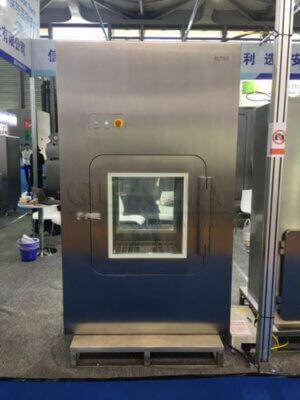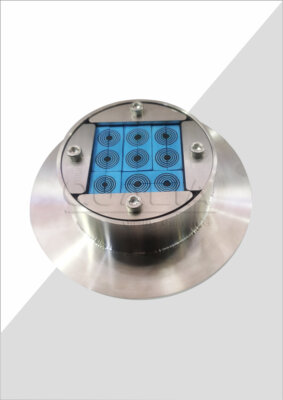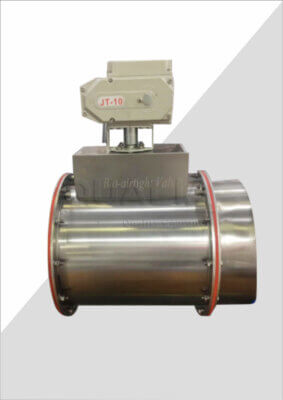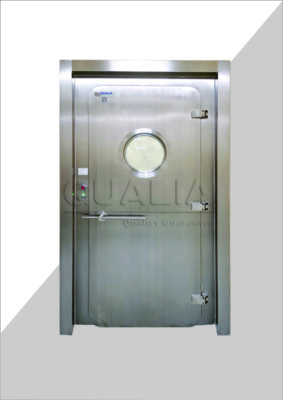

L'évolution de l'industrie pharmaceutique vers des ingrédients pharmaceutiques actifs très puissants (HPAPI) crée un défi critique en matière de confinement. La sélection et la mise en œuvre du système de confinement de la bande d'exposition professionnelle (OEB) n'est pas simplement un achat d'équipement ; c'est une décision stratégique qui a un impact sur la conception de l'installation, la sécurité opérationnelle et la conformité aux réglementations. Une erreur à ce niveau risque d'exposer l'opérateur, d'entraîner des retards coûteux dans le projet et de faire échouer les audits.
Ce guide aborde l'ensemble du processus de mise en œuvre, depuis la sélection au niveau de la CEO jusqu'à la validation des performances. Le paysage évolue, les politiques de sécurité des entreprises favorisant de plus en plus les contrôles techniques par rapport aux EPI. Cette évolution rend essentielle la compréhension du spectre complet des technologies de confinement, de leur intégration et de leur coût total de possession pour construire une opération de fabrication à l'épreuve du temps.
Comprendre les niveaux OEB et les principes de base du confinement
Définition du cadre des bandes d'exposition professionnelle
Le système de bandes d'exposition professionnelle (OEB) classe les IPA en fonction de leur toxicité et de leur concentration atmosphérique admissible sur une moyenne pondérée dans le temps de 8 heures. Cette classification détermine directement les contrôles techniques requis. Les niveaux OEB les plus élevés, tels que 5 (0,1-1 µg/m³) et 6 (nanogrammes), imposent un confinement rigoureux à barrières multiples pour des composés tels que les médicaments oncologiques. La détermination précise du BEO par une évaluation toxicologique est la première étape non négociable ; une sous-estimation met en péril la sécurité de l'opérateur, tandis qu'une surestimation entraîne des dépenses d'investissement inutiles.
L'évolution stratégique vers des normes de référence plus élevées
Une tendance significative se dessine : La norme OEB 5 est en train de devenir une nouvelle référence de conception pour les installations modernes. Cette évolution n'est pas uniquement due à la réglementation, mais aussi aux politiques de sécurité proactives des entreprises, qui donnent la priorité à la sécurité inhérente grâce à des contrôles techniques plutôt qu'à des contrôles administratifs et à l'EPI. La conception de nouvelles lignes selon les normes OEB 5 permet de protéger l'installation à l'avenir, en anticipant les augmentations de puissance dans le pipeline et en simplifiant les protocoles de sécurité. Les experts de l'industrie notent que cette adoption volontaire de produits moins puissants signale un mouvement ascendant qui pourrait se cristalliser en attentes plus formelles, faisant de l'investissement précoce un avantage stratégique en matière de conformité.
Classification OEB et contrôles correspondants
Le tableau suivant présente les principaux niveaux de la CEO et leurs implications, fournissant ainsi une référence claire pour l'évaluation initiale des risques et les conversations sur la conception.
| Niveau OEB | Concentration admissible dans l'air (8 heures) | Classe de composé typique |
|---|---|---|
| OEB 6 | Niveaux en nanogrammes | IPA les plus puissants |
| OEB 5 | 0,1 - 1 µg/m³ | Médicaments oncologiques |
| OEB 4 | 1 - 10 µg/m³ | Des hormones puissantes |
| OEB 3 | 10 - 100 µg/m³ | API standard |
Source : Documentation technique et spécifications industrielles.
Technologies de confinement du noyau : Guide comparatif
La hiérarchie des contrôles techniques
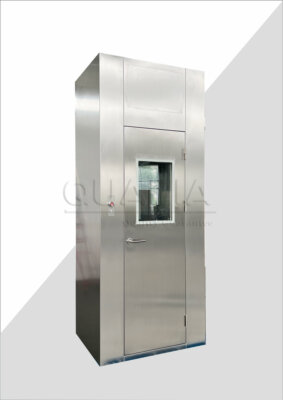
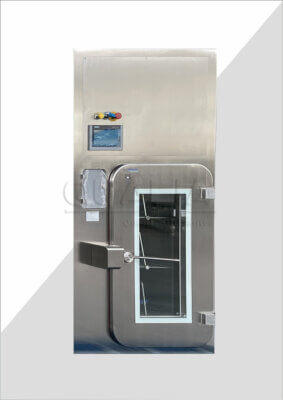
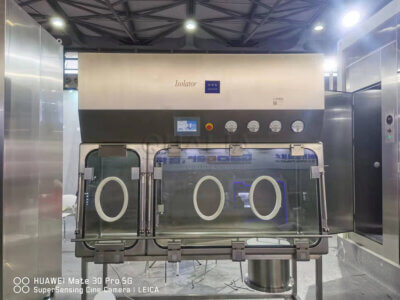
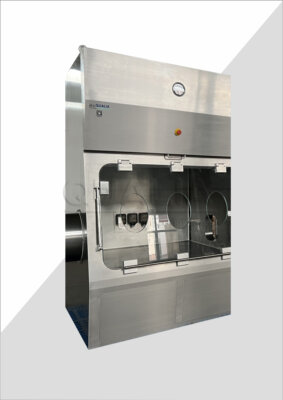
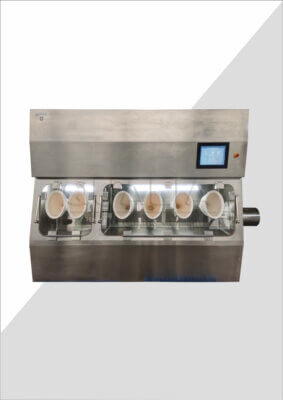
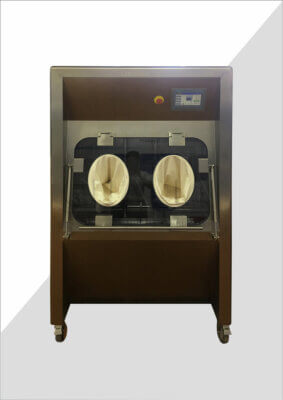
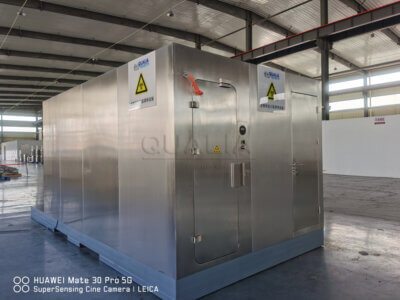
Les solutions de confinement existent sur un spectre allant des systèmes à couche unique aux systèmes à barrières multiples. Pour les tâches de manipulation directe telles que le pesage et la distribution à l'OEB 5/6, les isolateurs scellés avec des cascades de pression négative et des conceptions à double chambre sont fondamentaux. Pour le mouvement des matériaux, les systèmes fermés de transfert de poudre, tels que les transporteurs sous vide avec filtration HEPA secondaire, sont essentiels pour les opérations telles que le chargement des réacteurs. L'intégrité de l'ensemble du système dépend souvent des points de connexion, d'où l'importance des interfaces confinées telles que les systèmes d'amarrage à vannes divisées pour les connexions étanches.
Le rôle économique et opérationnel de l'usage unique
L'utilisation stratégique de barrières dédiées aux produits constitue une évolution cruciale. Les doublures à usage unique et les grands récipients pour vrac souples (GRVS) s'attaquent directement à deux facteurs de coût majeurs : la validation du nettoyage et les dépenses d'investissement. En fournissant une couche jetable en contact avec le produit, ils éliminent la nécessité de protocoles de nettoyage complexes entre les campagnes et réduisent le nombre requis d'isolateurs fixes à parois rigides. Cela permet d'obtenir un modèle de “confinement élevé dans une boîte” qui est particulièrement utile dans les installations polyvalentes. D'après mon expérience, la flexibilité opérationnelle ainsi obtenue l'emporte souvent sur le coût récurrent des consommables.
Comparaison des solutions de confinement primaire
Pour choisir la bonne technologie, il faut adapter le système au profil de risque spécifique de l'exploitation. Le tableau ci-dessous compare les principales technologies et leurs principaux avantages.
| Technologie | Application primaire | Avantage principal |
|---|---|---|
| Isolateurs scellés (OEB 5/6) | Pesée, distribution | Cascade de pression négative |
| Transfert de poudre en circuit fermé | Chargement du réacteur | Filtration secondaire HEPA |
| Accostage d'une vanne à clapet | Connexions étanches | Définit le niveau de confinement du système |
| Sacs à usage unique/FIBC | Installations polyvalentes | Élimine la validation du nettoyage |
Source : ISO 14644-7 : Dispositifs de séparation. Cette norme définit les exigences en matière de conception et de classification des dispositifs de séparation tels que les isolateurs et les boîtes à gants, qui sont essentiels aux technologies répertoriées.
Choisir le bon système : Isolateurs ou transfert fermé
Adapter la technologie au fonctionnement de l'unité
La décision n'est pas un choix entre isolateurs et systèmes de transfert fermés. Il s'agit d'une question d'intégration pour chaque opération unitaire spécifique. Les isolateurs offrent un environnement scellé et manipulable pour les tâches nécessitant une interaction humaine directe, telles que le pesage manuel, l'échantillonnage ou la distribution. Les systèmes de transfert fermés, y compris les convoyeurs à vide et les systèmes d'amarrage des conteneurs, sont conçus pour le déplacement automatisé de matériaux entre deux points de traitement scellés, par exemple d'une trémie de déchargement à un réacteur.
Le passage critique du matériel à l'intégration
À mesure que les composants standardisés se banalisent, le principal facteur de différenciation entre les fournisseurs passe du matériel lui-même à l'expertise en matière d'intégration. La valeur stratégique la plus élevée réside dans l'ingénierie d'une interaction transparente et sûre entre les isolateurs, les systèmes de transfert et l'infrastructure existante de l'usine. Un maillon faible - une interface de transfert mal conçue - définit le niveau de confinement global de l'ensemble du train de traitement. C'est pourquoi l'approvisionnement doit donner la priorité aux partenaires ayant des capacités éprouvées d'ingénierie des systèmes et de soutien à la validation plutôt qu'à ceux qui se contentent d'un catalogue de produits complet.
Un cadre pratique pour la sélection
Un cadre pratique commence par la cartographie des processus : il s'agit d'identifier chaque point où le matériel est exposé, transféré ou manipulé. Pour les points de manipulation ouverts, un isolateur est généralement nécessaire. Pour les points de transfert entre cuves confinées, un système fermé est nécessaire. Le niveau OEB requis dicte ensuite le niveau de performance spécifique de chaque composant, en se référant à des normes telles que ISO 10648-2 : Enceintes de confinement pour la classification de l'étanchéité.
Mise en œuvre et intégration dans les processus pharmaceutiques
Adapter le confinement à des opérations spécifiques
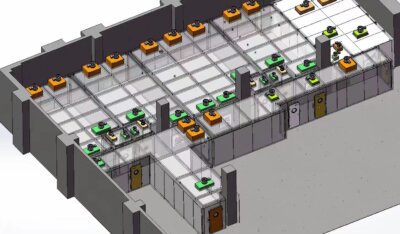
Pour une mise en œuvre réussie, il faut adapter l'approche du confinement à chaque opération unitaire. Cela peut impliquer l'installation d'un isolateur à haut niveau de confinement pour la distribution d'API, l'intégration d'un système de broyage confiné dans une ligne de chargement ou l'utilisation d'un isolateur flexible sur une décharge de mélangeur existante. L'objectif est d'encapsuler la source d'émission sans créer un flux de travail peu pratique. La nettoyabilité est primordiale, ce qui nécessite des procédures validées de lavage en place (WIP) pour les systèmes à parois dures ou, de plus en plus, l'adoption de composants à usage unique pour réduire entièrement la charge de validation.
Le facteur humain dans l'efficacité du confinement
Les détails facilement négligés comprennent la conception ergonomique et les facteurs humains. Un système de confinement n'est efficace que s'il est utilisé correctement et régulièrement. Des procédures complexes ou physiquement exigeantes dans les ports de gants peuvent conduire à des raccourcis et compromettre la sécurité. Impliquer les opérateurs dans les études de maquettes et placer stratégiquement des ports ergonomiques est un investissement proactif. Cela permet de réduire les erreurs humaines et d'améliorer l'adhésion au protocole à long terme, ce qui réduit directement le risque d'exposition. Nous avons comparé les flux de travail avec et sans apport ergonomique et avons constaté une réduction mesurable des écarts de procédure.
Intégration aux systèmes d'installations et de qualité
L'intégration va au-delà des connexions physiques. Le système de confinement doit s'aligner sur les pressions CVC de l'installation, les services publics et les procédures de traitement des déchets. Il doit également s'intégrer au système de qualité, avec des procédures opératoires normalisées claires pour le fonctionnement, la surveillance et la maintenance. Les procédures de contrôle des modifications doivent tenir compte de l'état validé du système de confinement. Cette vision globale garantit que le contrôle technique fonctionne comme un élément fiable du processus de fabrication, et non comme une pièce d'équipement isolée.
Validation des performances, essais et conformité
Le mandat de la preuve empirique
La conception théorique n'est pas synonyme de performance prouvée. La validation est obligatoire pour démontrer qu'un système atteint l'objectif OEB prévu dans des conditions de processus simulées. Cela implique des essais normalisés d'émission de poussières à l'aide de matériaux de substitution tels que les mélanges naproxène-lactose, avec un échantillonnage de l'air à des endroits stratégiques pour détecter les fuites potentielles. Pour le BEO 6, les méthodes d'analyse doivent avoir des limites de détection extrêmement basses (niveaux ng). L'approvisionnement doit privilégier les fournisseurs qui fournissent des données de validation indépendantes et tierces, spécifiques à l'opération envisagée.
Documentation et alignement réglementaire
La démonstration de la conformité repose sur une documentation rigoureuse alignée sur des protocoles établis tels que la méthodologie SMEPAC de l'ISPE. Cette documentation est essentielle pour les audits concernant Annexe 1 des BPF de l'UE et les réglementations de l'OSHA. Le rapport de validation doit clairement retracer l'évaluation des risques par la CEO, le protocole de test, les résultats et la qualification finale des performances. Cette trace écrite transforme le système de confinement d'une pièce d'équipement en un contrôle vérifié dans le cadre du système de gestion de la qualité.
Principaux éléments d'un protocole de validation
Une approche de validation complète couvre de multiples facettes de la performance du système. Le tableau suivant présente les composants essentiels et leurs exigences critiques.
| Composante de validation | Méthode/Norme | Exigence critique |
|---|---|---|
| Essai d'émission de poussières | Matériaux de substitution (par exemple, naproxen-lactose) | Simulation d'opérations réelles |
| Échantillonnage de l'air | Suivi des sites stratégiques | La preuve que l'objectif de la CEO a été atteint |
| Sensibilité analytique (OEB 6) | limites de détection au niveau de l'ong | Méthodes dédiées requises |
| Protocole de documentation | Alignement ISPE SMEPAC | Démontrer la conformité aux BPF/OSHA de l'UE |
Source : Guide de bonnes pratiques de l'ISPE : Évaluation de la performance du confinement des particules. Ce guide présente la méthodologie normalisée (SMEPAC) permettant de tester et de vérifier que les équipements pharmaceutiques satisfont aux niveaux de performance requis en matière de confinement.
Gestion de la fabrication de produits de haute puissance dans des installations polyvalentes
La complexité des équipements partagés
La mise en œuvre d'un haut niveau de confinement dans une usine polyvalente introduit une complexité significative en matière de programmation, de nettoyage et de contrôle de la contamination croisée. Les limites de résidus autorisées pour les composés OEB 5/6 sont exceptionnellement basses, ce qui exige des protocoles de nettoyage robustes et validés, ainsi que des méthodes d'analyse des écouvillons très sensibles. Le fardeau de la validation du nettoyage peut devenir la principale contrainte pesant sur la capacité de production des installations. Cela oblige à un calcul critique des risques : dédier l'équipement à un seul produit, utiliser des gaines à usage unique dédiées à un produit dans des isolateurs partagés, ou accepter des changements complexes et prolongés.
Gestion stratégique des risques pour les CDMO
Pour les organisations de développement et de fabrication sous contrat (CDMO), la planification de la production se transforme en une fonction stratégique de gestion des risques. Le choix de la stratégie de confinement a un impact direct sur la flexibilité des installations, les délais d'exécution des campagnes et, en fin de compte, la compétitivité. Une stratégie de confinement éprouvée à l'échelle d'un site est désormais un critère de sélection essentiel pour les promoteurs des HPAPI. Les CDMO doivent donc développer des compétences holistiques et vérifiables en matière de confinement, qui peuvent être mises en œuvre de manière fiable dans le cadre de plusieurs projets simultanés, faisant ainsi de la stratégie de confinement un atout essentiel pour l'entreprise.
Exploiter les filières à usage unique et les filières dédiées
L'utilisation stratégique de gaines à usage unique dédiées aux produits dans les isolateurs et les systèmes de transfert fermés est une tactique clé. Elle minimise le contact de l'IPA avec les surfaces fixes de l'équipement, ce qui simplifie considérablement la vérification du nettoyage et réduit les temps d'arrêt liés au changement. Pour les composés les plus puissants, l'établissement d'une suite ou d'un train de production dédié et séparé peut être la seule option viable pour gérer efficacement les risques. Le cadre décisionnel doit mettre en balance le coût de l'isolement et le risque et le coût d'une validation intensive du nettoyage pour les équipements partagés.
Coût total de possession (TCO) et considérations relatives au retour sur investissement (ROI)
Au-delà des dépenses d'investissement
L'évaluation des systèmes de confinement nécessite une analyse complète du coût du cycle de vie. Les facteurs clés du coût total de possession vont bien au-delà du prix d'achat initial et incluent les coûts de validation du nettoyage, les temps d'arrêt liés au changement, les consommables (par exemple, les revêtements à usage unique, les filtres HEPA), la maintenance préventive et la formation continue de l'opérateur. Un système dont le coût d'investissement est faible mais dont le fonctionnement ou la validation est très complexe peut avoir un coût total de possession nettement plus élevé sur cinq ans.
Quantification des stratégies de réduction des coûts
Les systèmes à usage unique offrent un modèle de retour sur investissement convaincant en échangeant des dépenses d'investissement contre des dépenses d'exploitation. Ils réduisent considérablement les charges de validation du nettoyage et les temps de changement, augmentant ainsi l'utilisation des installations. De même, l'adoption de la norme OEB 5 comme base de conception pour les nouvelles lignes représente un investissement pour l'avenir, qui permet d'éviter des mises à niveau coûteuses et perturbatrices par la suite. Le retour sur investissement le plus élevé est souvent obtenu en sélectionnant des systèmes qui garantissent une validation immédiate et une intégration transparente, évitant ainsi des retards opérationnels coûteux et des échecs de mise en conformité.
Analyse des facteurs de coût total
Une bonne compréhension des facteurs de coût permet une planification financière et une comparaison des fournisseurs plus éclairées. Le tableau ci-dessous présente des scénarios à coûts élevés et des stratégies d'atténuation efficaces.
| Pilote TCO | Scénario à coût élevé | Stratégie de réduction des coûts |
|---|---|---|
| Validation du nettoyage | Protocoles complexes, longs temps d'arrêt | Manchons à usage unique |
| Temps d'arrêt pour le changement de format | Temps d'inactivité prolongé de l'installation | Équipement dédié |
| Dépenses en capital | Élevé pour les isolateurs rigides | “Modèles ”High containment in a box |
| Rénovations futures | Coûts des mises à niveau majeures | OEB 5 comme référence de conception |
Source : Documentation technique et spécifications industrielles.
Remarque : Seuls les tableaux des sections H2 contenant suffisamment de données quantitatives, de spécifications techniques ou de cadres comparatifs clairs selon les critères de sélection ont été générés.
Créer une stratégie de confinement des OEB à l'épreuve du temps
Intégrer les prévisions techniques et commerciales
Une stratégie à l'épreuve du temps fusionne les spécifications techniques avec la prévoyance opérationnelle et commerciale. Elle commence par l'adoption de la norme OEB 5 comme base de conception pour les nouvelles installations, dans la mesure du possible, en tenant compte de la tendance de l'industrie à augmenter la puissance. La planification de la capacité OEB 6 doit être traitée comme un investissement spécialisé et de niche pour des actifs pipeliniers spécifiques. La stratégie doit donner la priorité à l'intégration des systèmes dès le départ, en veillant à ce que toutes les liaisons de transfert soient validées et compatibles, car c'est la connexion la plus faible qui définit le système.
Flexibilité et conception centrée sur l'homme
La stratégie doit adopter activement des solutions flexibles telles que les composants à usage unique pour gérer la complexité des installations à usages multiples et réduire les risques liés à la validation du nettoyage. En outre, elle doit être centrée sur l'homme. L'intégration d'une conception ergonomique et d'une formation pratique complète permet de s'assurer que les contrôles techniques sont utilisés efficacement et en toute sécurité au quotidien. Cela réduit la dépendance à l'égard des contrôles procéduraux et de l'EPI, créant ainsi une opération plus sûre et plus fiable. Une stratégie qui néglige l'interaction avec l'opérateur est fondamentalement erronée.
Construire une compétence de base vérifiable
Enfin, la stratégie de confinement doit être documentée, vérifiable et communiquée comme une compétence essentielle. Pour les CDMO, il s'agit d'un impératif de marketing. Pour tout fabricant de produits pharmaceutiques, il s'agit d'une démonstration du contrôle d'un attribut essentiel de la qualité et de la sécurité. La stratégie doit être un document évolutif, revu régulièrement en fonction des nouvelles molécules en cours de développement, de l'évolution des directives réglementaires et des avancées technologiques en matière de solutions de confinement, telles que les solutions de confinement avancées. Systèmes d'isolation OEB4 et OEB5.
La mise en œuvre d'une stratégie efficace de confinement des OEB repose sur trois priorités : une évaluation initiale précise des OEB pour définir les exigences, la sélection de technologies basées sur les performances d'un système intégré plutôt que sur des composants isolés, et l'engagement d'une validation empirique comme preuve de conformité. Cette approche garantit que la sécurité est intégrée au processus et non pas ajoutée après coup.
Vous avez besoin de conseils professionnels pour prendre les décisions qui s'imposent pour votre établissement ? Les experts de QUALIA sont spécialisés dans la traduction des exigences de confinement en une réalité opérationnelle validée. Contactez-nous pour discuter de vos défis spécifiques en matière de fabrication de produits à haute puissance.
Questions fréquemment posées
Q : Comment valider qu'un système de confinement répond à un objectif de performance spécifique de la CEO ?
R : La validation nécessite des essais normalisés d'émission de poussières avec des matériaux de substitution tels que le naproxen-lactose, suivis d'un échantillonnage de l'air à des endroits critiques pour mesurer les concentrations dans l'air. La documentation doit être conforme à des protocoles tels que le Guide de bonnes pratiques de l'ISPE : Évaluation des performances de confinement des particules des équipements pharmaceutiques. Cela signifie que les acheteurs doivent donner la priorité aux fournisseurs qui proposent des données d'essai empiriques de tiers dans des conditions de processus simulées afin de garantir une conformité immédiate et d'éviter des échecs coûteux.
Q : Quel est l'avantage stratégique de concevoir les nouvelles lignes en fonction d'un niveau de référence OEB 5 plutôt que d'un niveau inférieur ?
R : L'adoption de la norme OEB 5 (0,1-1 µg/m³) comme norme de conception protège les installations contre les augmentations de puissance et s'aligne sur les politiques de sécurité des entreprises qui favorisent les contrôles techniques plutôt que les EPI. Cette approche volontaire et prudente est en train de devenir une norme stratégique qui pourrait devancer des réglementations plus strictes. Pour les projets de nouvelles installations, cet investissement proactif simplifie les protocoles de sécurité et évite des mises à niveau ultérieures coûteuses, offrant ainsi un avantage évident en termes de conformité et d'exploitation.
Q : Lors du choix entre les isolateurs et les systèmes de transfert fermés, quels devraient être les principaux critères de sélection des fournisseurs ?
R : Le choix est dicté par l'opération de l'unité, mais le principal facteur de différenciation est l'expertise d'un fournisseur en matière d'intégration, et pas seulement le matériel. À mesure que les composants se banalisent, la valeur la plus élevée réside dans l'ingénierie d'une interaction transparente et sans faille entre les isolateurs, les systèmes de transfert et votre infrastructure existante. Vous devez donner la priorité à vos partenaires en fonction de leurs capacités éprouvées en matière d'ingénierie des systèmes et de leur soutien à la validation pour garantir la fiabilité du flux de travail et l'intégrité du confinement.
Q : Pourquoi le passage du confinement OEB 5 au confinement OEB 6 est-il considéré comme un changement de paradigme ?
R : Le passage à la norme OEB 6 (niveaux de nanogrammes) n'est pas une mise à niveau progressive, mais une refonte complète du système. Elle exige des couches de protection secondaires, des méthodes d'analyse spécialisées avec des limites de détection extrêmement basses et souvent un changement fondamental de l'intégrité de l'enceinte. Les ISO 10648-2 : Enceintes de confinement - Partie 2 : Classification selon l'étanchéité et méthodes de contrôle associées fournit les critères d'étanchéité pour ce niveau. Si votre pipeline comprend des composés à ultra-haute puissance, prévoyez un investissement spécialisé et de niche plutôt que d'adapter les lignes OEB 5 existantes.
Q : Comment les installations polyvalentes peuvent-elles gérer la lourde charge de validation du nettoyage pour les composés OEB 5/6 ?
R : Les limites de résidus autorisées exceptionnellement basses pour les IPA très puissants font de la validation du nettoyage un goulot d'étranglement majeur. Une solution stratégique consiste à utiliser des doublures à usage unique dédiées aux produits dans les isolateurs, ce qui minimise le contact avec l'équipement fixe et réduit considérablement la complexité de la validation. Cela oblige à un calcul de risque critique : vous devez choisir entre dédier des équipements, utiliser des barrières à usage unique ou accepter des changements complexes qui ont un impact direct sur le débit et la sécurité de l'installation.
Q : Quel rôle la conception ergonomique joue-t-elle dans l'efficacité du confinement des OEB ?
R : La conception ergonomique est un facteur silencieux mais essentiel de l'efficacité du confinement à long terme. Des procédures complexes ou maladroites à l'intérieur des ports de gants peuvent entraîner la fatigue de l'opérateur et des erreurs, compromettant ainsi les protocoles de sécurité. Impliquer les opérateurs dans les études de maquette pour l'emplacement des ports et le flux de travail est un investissement proactif. Pour votre mise en œuvre, cette attention portée aux facteurs humains réduit le risque d'exposition en améliorant le respect des protocoles et en minimisant le potentiel d'erreur humaine pendant les opérations de routine.
Q : Quelles sont les normes les plus pertinentes pour qualifier les enceintes physiques utilisées dans le confinement des OEB ?
R : La conception et la qualification des isolateurs et des boîtes à gants sont régies par les règles suivantes ISO 14644-7 : Salles propres et environnements maîtrisés apparentés - Partie 7 : Dispositifs de séparation, qui précise les exigences relatives à ces dispositifs de séparation. En outre, les attentes réglementaires en matière de contrôle de la contamination dans la fabrication stérile, qui sous-tendent les principes de confinement, sont décrites dans le document Annexe 1 des BPF de l'UE : Fabrication de médicaments stériles. Cela signifie que votre stratégie de validation doit tenir compte à la fois des normes internationales en matière d'équipement et des directives régionales en matière de bonnes pratiques de fabrication.
Contenu connexe :
- Comment choisir le bon isolateur OEB : Guide de l'expert
- Isolateurs OEB dans la fabrication de produits pharmaceutiques : Guide
- Isolateurs de biosécurité OEB4/OEB5 : Guide complet de protection
- 5 erreurs courantes des isolateurs OEB et comment les éviter
- Quel est le niveau de confinement offert par un isolateur OEB5 ?
- Progrès dans la technologie des isolateurs OEB4 et OEB5
- Garantir la conformité : Normes relatives aux isolateurs OEB4 et OEB5
- Isolateurs de confinement : Sauvegarde des processus de laboratoire
- Chambres de transfert dans les isolateurs de tests de stérilité