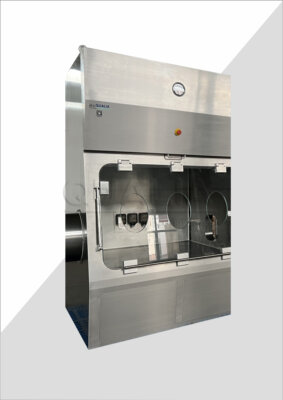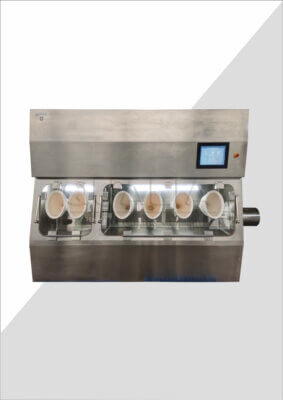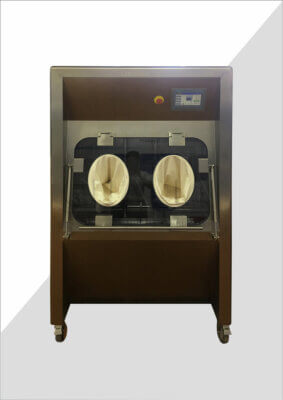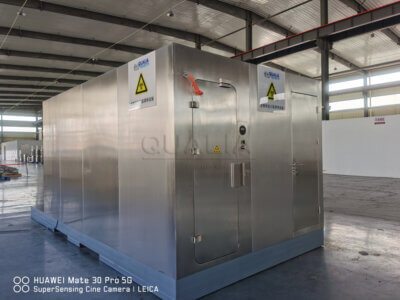

La certification sur le terrain d'une enceinte de sécurité biologique de classe III est une validation à fort enjeu de l'intégrité de son confinement primaire. Le processus ne pardonne pas ; un seul oubli dans la préparation peut entraîner une défaillance immédiate, une reprogrammation coûteuse et un temps d'arrêt opérationnel. Il ne s'agit pas simplement d'une case à cocher réglementaire, mais d'une vérification critique de la barrière de sécurité technique qui protège votre personnel et votre environnement contre les agents biologiques à haut risque. Le succès dépend de la transformation de la visite du technicien d'une session de diagnostic et de dépannage en une simple vérification des performances.
La complexité des normes de biosécurité modernes et le paysage fragmenté des fournisseurs de services font qu'une préparation proactive n'est pas négociable. Les cycles de certification étant souvent annuels, l'efficacité et le résultat ont un impact direct sur le statut de conformité et le profil de risque de votre laboratoire. Un protocole de préparation structuré et piloté par le propriétaire est le levier le plus efficace pour garantir la réussite du premier passage, en protégeant à la fois votre investissement et votre programme de sécurité.
Liste de contrôle avant le test : Ce qu'il faut vérifier avant l'arrivée du technicien
Définition du champ d'application de la pré-certification
La liste de contrôle pré-test est votre plan stratégique. Elle permet de passer d'une résolution réactive des problèmes au cours de la certification à une validation proactive au préalable. Le champ d'application s'étend au-delà de l'armoire elle-même pour inclure les dépendances et la documentation de l'installation. Cette phase consiste à confirmer que toutes les conditions relevant de la responsabilité du propriétaire sont remplies, car il s'agit de points de défaillance courants que le certificateur n'est pas en mesure de rectifier.
Exécution des actions critiques préalables à la visite
Deux actions sont primordiales et non négociables. Premièrement, exécuter un cycle complet de décontamination conformément aux procédures opératoires normalisées validées de votre laboratoire, impliquant généralement des désinfectants chimiques et un traitement UV. Une armoire présentant une contamination résiduelle échouera automatiquement aux tests d'intégrité du filtre. Deuxièmement, vérifiez le circuit électrique dédié. Selon la recherche de NSF/ANSI 49, l'armoire nécessite une alimentation stable de 110V/9A avec une résistance de terre de ≤0,10 Ω. Une source d'alimentation instable peut invalider les tests de débit d'air et de performance du moteur avant même qu'ils ne commencent.
L'impact de la vérification approfondie
Un contrôle préalable approfondi se traduit directement par l'efficacité et la rentabilité de la certification. Il empêche le technicien d'arriver dans un état de non-conformité, ce qui aurait pour effet d'interrompre le service ou d'entraîner un rapport d'échec nécessitant une nouvelle visite coûteuse. D'après mon expérience de la coordination de ces visites, le retard le plus fréquent est dû à un problème électrique non documenté que les installations doivent s'empresser de résoudre. Le tableau ci-dessous présente les principaux éléments de vérification.
Paramètres de vérification du noyau
La liste de contrôle suivante regroupe les vérifications fondamentales à effectuer par le propriétaire et le responsable avant l'arrivée du certificateur. Ces paramètres sont directement dérivés des exigences standard.
| Article à vérifier | Paramètre critique / Action | Exigence clé |
|---|---|---|
| Décontamination des armoires | Exécuter les modes opératoires normalisés (SOP) du laboratoire | Traitement chimique et UV |
| Fourniture d'électricité | Circuit dédié | 110V / 9A |
| Résistance à la terre | Maximum autorisé | ≤0.10 Ω |
| État physique | Extérieur et intérieur | Pas de dégâts, propre |
| Panneaux de service | Contrôle de sécurité | Tous les panneaux sont sécurisés |
Source : NSF/ANSI 49-2022. Cette norme établit les exigences fondamentales en matière de performance des enceintes de sécurité biologique et de certification sur le terrain, en exigeant que les enceintes soient décontaminées et en bon état de fonctionnement avant les tests, afin de garantir la validité des résultats.
Outils et matériel essentiels pour une certification réussie sur le terrain
Distinction entre les responsabilités du fournisseur et celles du propriétaire
Pour que la certification se déroule sans accroc, il faut que les outils et le matériel soient clairement délimités. Le prestataire de certification apporte des équipements spécialisés et étalonnés : anémomètres thermiques, photomètres pour les tests d'étanchéité HEPA et générateurs de fumée pour la visualisation du flux d'air. Votre responsabilité consiste à fournir un accès et une documentation spécifiques au site. Cela comprend une échelle stable pour accéder à la grille d'extraction, le manuel d'utilisation original de l'armoire et tous les rapports d'essai antérieurs. Si ces documents ne sont pas fournis, le processus peut être interrompu.
La valeur stratégique de la documentation préparée
Le fait d'avoir à disposition le dossier de cycle de vie de l'armoire est un multiplicateur de force. Il doit contenir le rapport de certification initiale du fabricant, les certifications antérieures sur le terrain et les enregistrements d'étalonnage pour toutes les jauges embarquées. En fournissant ces éléments au technicien, on lui offre un contexte historique crucial. Cela lui permet d'identifier plus rapidement les tendances ou les écarts de performance, transformant la certification en une session plus analytique plutôt qu'en un simple instantané.
Principaux contrôles de sécurité et de fonctionnement de votre BSC
Problème : Performances de base instables
L'échec opérationnel le plus fréquent est le test d'une armoire qui n'a pas atteint l'équilibre thermique et aérodynamique. La mise sous tension de la BSC au moment où le technicien arrive invalide les relevés initiaux. Le moteur de la soufflerie et la dynamique du flux d'air nécessitent une période de stabilisation pour produire des données cohérentes et certifiables.
Solution : Exécuter un protocole opérationnel avant le test
Lancer un protocole formel de pré-test au moins 15 minutes avant la certification prévue. Mettez l'armoire et tous ses systèmes sous tension. Vérifiez que la guillotine se déplace en douceur jusqu'à sa hauteur certifiée - souvent 8 ou 10 pouces - car cette position sert de référence pour les tests de vitesse frontale. Testez manuellement chaque alarme : défaillance du flux d'air, position de la guillotine et durée de vie du filtre. Ces protections électroniques sont des indicateurs de confinement critiques validés lors de la certification.
Validation par un contrôle systématique des composants
Un contrôle global est obligatoire car la certification juge le système dans son ensemble. Une seule jauge défectueuse ou une lampe UV inopérante constitue un échec. L'étape de validation implique un examen final de toutes les fonctions accessibles à l'utilisateur. Le tableau suivant fournit un cadre structuré pour ces contrôles opérationnels.
Cadre de vérification opérationnelle
Ce cadre garantit que chaque composant opérationnel critique est évalué avant les tests de certification officiels, ce qui permet d'éviter les défaillances simples et évitables.
| Composant | Contrôle / Test | Critères de réussite |
|---|---|---|
| Fonctionnement de l'ouvrant | Mouvement fluide | Hauteur certifiée (par exemple, 8″, 10″) |
| Stabilisation du système | Temps d'exécution avant le test | Minimum 15 minutes |
| Alarmes | Défaut d'écoulement de l'air, position de la guillotine | Toutes les fonctions |
| Soufflerie et jauges | Contrôle opérationnel | Fonction normale |
| Feux (UV, intérieur) | Test fonctionnel | Toutes les opérations |
Source : NSF/ANSI 49-2022. La norme spécifie des critères de performance opérationnelle pour les enceintes de sécurité biologique, y compris la dynamique des guillotines, la fonctionnalité des alarmes et le fonctionnement des ventilateurs, qui sont validés au cours du processus de certification sur le terrain.
Exigences en matière de documentation et de tenue de registres
La piste d'audit de conformité
La documentation est votre défense juridique et opérationnelle. Elle fournit une piste d'audit continue pour votre programme de confinement. Au-delà des certifications précédentes, rassemblez les procédures opératoires normalisées du laboratoire pour l'utilisation de la BSC, la décontamination et l'intervention en cas d'urgence. Le fait de les mettre à la disposition du certificateur témoigne d'une culture de conformité et d'un fonctionnement éclairé, ce qui permet de contextualiser l'état de l'armoire.
Permettre une surveillance basée sur l'état des lieux
Des enregistrements méticuleux sont la base des stratégies de maintenance avancées. La tenue d'un dossier complet sur le cycle de vie - y compris les rapports d'entretien, les remplacements de pièces et les changements de filtres - permet d'analyser les tendances. Ces données sont essentielles pour l'évolution progressive de l'industrie vers une surveillance basée sur l'état, où les données historiques de performance pourraient justifier l'extension des intervalles de recertification, en s'éloignant des calendriers rigides basés sur le temps.
Les échecs les plus courants en matière de précertification et la manière de les éviter
Identification des modes de défaillance récurrents
La plupart des échecs de certification sont prévisibles et évitables. Les principales catégories comprennent les armoires contaminées (annulées par le respect strict des procédures opératoires normalisées), les préfiltres obstrués entraînant un faible débit d'air (traités par une maintenance programmée) et l'intégrité compromise des joints (repérée par des inspections visuelles trimestrielles). Les défaillances des alarmes et des capteurs sont également fréquentes, souvent en raison de l'absence de tests fonctionnels réguliers.
Mise en œuvre d'une stratégie d'atténuation proactive
Pour éviter ces écueils, mettez en place une liste de contrôle interne trimestrielle qui reprend les points clés des tests de certification. Cette pratique proactive permet d'identifier les dérives de performance bien avant la recertification annuelle. En outre, il faut reconnaître que l'écosystème des services est bifurqué : les fabricants se concentrent sur la conception de l'équipement, tandis que des spécialistes indépendants fournissent une validation impartiale. Votre stratégie doit définir clairement les responsabilités en matière de maintenance (éventuellement avec le fabricant) et de certification (avec une tierce partie accréditée).
Préparer l'espace et le personnel de votre laboratoire à la visite de certification
Logistique et sécurité du site
La préparation du site garantit la sécurité du technicien et la précision du test. Dégagez un périmètre de 3 à 5 pieds autour de la BSC pour permettre un accès sûr à tous les côtés, à l'arrière et à la grille d'échappement située au-dessus. Programmer la visite pendant les périodes de faible activité afin de minimiser les courants d'air perturbateurs dus à la circulation dans la pièce et aux ouvertures de portes, qui peuvent affecter les tests sensibles de visualisation du flux d'air.
Coordination du personnel et sensibilisation aux risques
Informer l'ensemble du personnel du laboratoire du programme de la visite, des cordons de sécurité établis et de l'importance de réduire au minimum les déplacements dans la zone. Cette coordination permet de réduire les temps d'arrêt et d'éviter les violations accidentelles de la zone de travail. Tenez compte du fait que les caractéristiques de conception de l'armoire, telles qu'un panneau de service avant à charnières, Les systèmes de décontamination de l'eau, de l'air et du sol permettent de réduire directement les risques et les coûts à long terme en simplifiant et en sécurisant le processus de décontamination avant les activités à haut risque telles que les changements de filtres.
Calendrier : Combien de temps à l'avance devez-vous commencer à vous préparer ?
Planification stratégique de l'approvisionnement
La véritable préparation commence des années à l'avance, lors de la phase d'approvisionnement. Les spécifications telles que la hauteur de la guillotine, les ratios de débit d'air et les raccords d'évacuation sont fixées lors de la fabrication et dictent tous les futurs paramètres de certification. La collaboration entre les planificateurs de laboratoires, les vendeurs et les certificateurs lors de l'achat est essentielle pour éviter les goulets d'étranglement fondamentaux en matière de conformité qui ne pourront pas être corrigés ultérieurement.
Exécution tactique pour la recertification
Dans le cas d'une recertification annuelle, il convient de procéder à des examens internes et à des contrôles de maintenance quatre à six semaines à l'avance. Cela laisse suffisamment de temps pour commander les pièces de rechange, programmer la décontamination interne et résoudre les problèmes mineurs constatés. Dans le cas d'une nouvelle installation, coordonnez-vous avec la gestion des installations plusieurs mois à l'avance pour vous assurer que toutes les exigences en matière d'électricité et de conduits - les dépendances les plus courantes et les plus critiques pour le propriétaire - sont satisfaites bien avant la date de certification.
Calendrier de préparation par étapes
Une approche échelonnée et progressive permet de ne négliger aucun élément du chemin critique. Le calendrier ci-dessous indique les délais pour les différentes phases de préparation.
| Phase de préparation | Délai d'exécution recommandé | Objectif principal |
|---|---|---|
| Approvisionnement stratégique | Des années à l'avance | Spécifications (vantail, flux d'air) |
| Recertification annuelle | 4-6 semaines avant | Examen interne et maintenance |
| Nouvelle installation | Coordonner en amont | Achèvement des travaux d'électricité et de tuyauterie |
| Coordination des installations | Bien avant la date | Dépendances entre propriétaires et responsables |
Source : Documentation technique et spécifications industrielles.
Prochaines étapes : Programmation et coordination avec le prestataire de certification
Finalisation de l'engagement technique
Lors de la prise de rendez-vous, indiquez d'emblée la marque, le modèle et le numéro de série de l'armoire. Confirmez que le technicien est accrédité pour les normes NSF 49 et discutez en toute transparence de tout problème connu concernant l'armoire. Cette communication préalable permet au fournisseur d'apporter les pièces et les outils appropriés, transformant ainsi un scénario potentiel de deux visites en un engagement unique et efficace.
Évolution de la relation avec les fournisseurs
Considérez votre fournisseur de certification comme une source d'intelligence opérationnelle, et non comme un simple technicien de la conformité. Profitez de l'interaction pour discuter de l'évolution du paysage, comme le potentiel des armoires numériques avec surveillance en temps réel pour soutenir les futurs modèles de certification basés sur l'état. Un résultat positif est le fruit de votre préparation et d'un partenariat stratégique avec votre fournisseur de services.
Une certification NSF de terrain réussie pour une BSC de classe III n'est pas un événement mais le résultat d'un processus discipliné et mené par le propriétaire. Donner la priorité à la vérification électrique et à la décontamination complète en tant que conditions préalables non négociables. Mettez en place une liste de contrôle opérationnelle trimestrielle pour détecter rapidement toute dérive des performances, et tenez à jour un dossier de documentation méticuleux sur le cycle de vie de l'appareil. Cette approche structurée transforme la certification d'un centre de coûts en une validation à valeur ajoutée de l'intégrité de votre confinement.
Vous avez besoin de conseils professionnels pour la spécification, la maintenance ou la certification de vos systèmes d'isolation à haut niveau de confinement ? Les experts de QUALIA peut fournir l'assistance technique et l'équipement certifié nécessaires pour garantir une sécurité et une conformité sans compromis. Pour une consultation directe sur vos besoins spécifiques, vous pouvez également Nous contacter.
Questions fréquemment posées
Q : Quelles sont les dépendances propriétaires-responsables les plus critiques à vérifier avant une certification BSC de classe III ?
R : Vous devez vous assurer que vous disposez d'un circuit électrique dédié et stable de 110V/9A avec une résistance de terre inférieure ou égale à 0,10 Ω, car les problèmes d'alimentation peuvent interrompre l'ensemble du processus. Assurez-vous également que tous les conduits externes sont correctement installés et accessibles, car ils sont souvent exclus de l'achat de l'armoire. Pour les projets où la gestion des installations est séparée des opérations de laboratoire, prévoyez de coordonner ces vérifications des services publics plusieurs semaines à l'avance afin d'éviter d'être le principal goulot d'étranglement le jour de la certification.
Q : Quel est l'impact d'une décontamination adéquate avant la visite du technicien sur le résultat de la certification ?
R : L'exécution de l'ensemble des procédures de décontamination chimique et UV de votre laboratoire est une condition préalable non négociable, car une armoire contaminée échouera immédiatement aux tests d'intégrité des filtres et de visualisation du flux d'air. Cette étape transforme la visite d'une session de dépannage en une véritable validation des performances. Cela signifie que les installations dont les enregistrements de décontamination sont incohérents doivent mettre en œuvre et vérifier leur adhésion aux procédures d'utilisation normalisées dans le cadre de la préparation à la pré-certification, en commençant 4 à 6 semaines avant la date prévue.
Q : Quelle documentation devons-nous préparer pour la certification NSF sur le terrain afin de démontrer une culture de la conformité ?
R : Préparez le rapport de test d'usine original de l'armoire, tous les documents de certification de terrain antérieurs et les certificats d'étalonnage pour toutes les jauges embarquées. Préparez également les modes opératoires normalisés de votre laboratoire pour l'utilisation de la BSC, la décontamination et l'intervention en cas d'urgence, afin qu'ils puissent être examinés. Le maintien de ce dossier complet sur le cycle de vie est essentiel pour les audits et permet de passer à une surveillance basée sur l'état. Si vos activités sont soumises à des audits rigoureux, vous devriez centraliser cette documentation afin de fournir une trace juridique et opérationnelle claire de votre programme de confinement.
Q : Pourquoi la vérification de la hauteur de l'ouvrant et de la fonction d'alarme est-elle obligatoire avant la certification ?
R : La hauteur certifiée de la guillotine, généralement de 8 ou 10 pouces, est une spécification de fabrication fixe qui constitue le principal point de référence pour la vitesse du flux d'air vers l'intérieur pendant les essais. Simultanément, les alarmes fonctionnelles en cas de défaillance du flux d'air et de position incorrecte de la guillotine sont des indicateurs électroniques non négociables pour l'assurance d'un confinement continu validé par la norme. Si votre armoire a des antécédents d'alarmes, prévoyez une vérification opérationnelle globale de tous les capteurs et jauges bien avant la visite, car une seule défaillance entraîne l'échec de la certification globale.
Q : Comment devons-nous préparer l'espace du laboratoire pour garantir une visite de certification efficace et sûre ?
R : Dégagez un périmètre de 3 à 5 pieds autour de l'armoire pour pouvoir accéder en toute sécurité à tous les côtés et à la grille d'extraction supérieure. Planifiez la visite pendant les périodes de faible activité afin de minimiser les courants d'air perturbateurs provenant de la circulation et de l'ouverture des portes. Informez l'ensemble du personnel de l'horaire et des cordons de sécurité établis. Cela signifie que les installations à forte fréquentation doivent gérer de manière proactive les horaires et les aménagements physiques afin de minimiser les temps d'arrêt des opérations et les risques pendant le travail du technicien.
Q : Quel est l'avantage stratégique de faire appel à un certificateur tiers indépendant plutôt qu'au fabricant d'armoires ?
R : L'écosystème des fournisseurs se fragmente, les fabricants se concentrant sur l'innovation des produits tandis que des spécialistes indépendants fournissent une validation impartiale. Un certificateur indépendant agit comme une source de renseignements opérationnels, offrant une analyse impartiale, sans parti pris pour le soutien des produits. Pour les opérations où des preuves de conformité impartiales sont essentielles pour les audits, vous devriez gérer la maintenance et la certification comme des stratégies distinctes avec une responsabilité claire, en sélectionnant un fournisseur accrédité pour NSF/ANSI 49-2022.
Q : Quelles sont les normes internationales pertinentes pour comprendre les critères de performance d'une enceinte de biosécurité de classe III ?
R : Pendant que NSF/ANSI 49-2022 est la norme américaine de base, la familiarité avec le ISO 10648-2:1994 est crucial car il classifie l'étanchéité des enceintes de confinement telles que les armoires de classe III. L'équivalent européen, EN 12469:2000, La norme de confinement de l'Union européenne établit également des critères de performance clés. Cela signifie que les installations internationales ou celles qui s'approvisionnent à l'étranger doivent s'assurer que leur prestataire de certification comprend ces normes complémentaires afin de garantir une validation complète du confinement.
Contenu connexe :
- Châssis de l'armoire de biosécurité : Utilisation correcte pour la sécurité
- Installation d'une armoire de biosécurité : Ce qu'il faut savoir
- Dimensions des enceintes de biosécurité : Trouver la taille idéale
- Problèmes courants liés aux enceintes de biosécurité et solutions
- Fonctionnement d'une armoire de biosécurité : Guide de formation essentiel
- Certification des enceintes de biosécurité : Pourquoi c'est crucial
- Débit d'air des enceintes de biosécurité : La clé du confinement
- Protocoles de sécurité des enceintes de biosécurité : Conseils indispensables
- Test de débit d'air pour les cabines de biosécurité : Contrôles clés