The decision to upgrade laboratory containment from BSL-2 to BSL-3 is a critical inflection point for any research institution. It’s a complex, high-stakes judgment call that balances regulatory compliance, scientific necessity, and significant capital investment. Missteps here—either upgrading prematurely or delaying a necessary transition—carry profound consequences, from financial waste to compromised safety and regulatory censure.
This assessment is more urgent than ever. The post-pandemic landscape has intensified regulatory scrutiny and expanded research into high-consequence pathogens. Institutions must now navigate a nuanced risk matrix where agent classification, procedural hazards, and facility capabilities intersect. A clear, evidence-based framework for this upgrade decision is not just a compliance exercise; it’s a strategic imperative for safe, sustainable research operations.
Core Differences: BSL-2 vs. BSL-3 Laboratory Standards
Defining the Containment Hierarchy
The shift from BSL-2 to BSL-3 represents a fundamental transition in biosafety philosophy. BSL-2 operates on a foundation of procedural and administrative controls, designed for agents where the primary risks are ingestion, mucous membrane exposure, or percutaneous injury. Containment relies on trained personnel following strict protocols, using personal protective equipment (PPE), and employing primary containment devices like Biological Safety Cabinets (BSCs) for specific aerosol-generating tasks. The facility itself provides basic support but is not the primary barrier.
BSL-3, in contrast, is defined by integrated, fail-safe engineering controls that create a physical containment envelope. This is mandated for work with indigenous or exotic agents that pose a serious or lethal threat via inhalation. Here, the facility becomes an active participant in containment. The cornerstone is directional airflow, maintaining a verified negative pressure cascade so air flows from clean areas into the lab, with all exhaust air HEPA-filtered before release. This engineering-centric approach systematically contains aerosols, the most challenging exposure route to control.
From Procedural to Engineered Safety
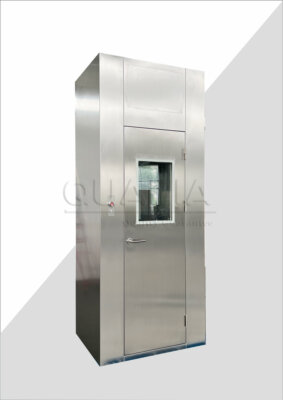
This evolution from procedural to engineered safety transforms every aspect of laboratory operation. In BSL-2, access is restricted but often managed informally. In BSL-3, access is strictly controlled and logged via a double-door anteroom or airlock. While BSL-2 requires lab coats and gloves, BSL-3 mandates solid-front, dedicated gowns and often respiratory protection. Most critically, in BSL-3, all manipulations of open infectious materials must occur within a BSC—it’s not an option for select procedures.
The operational culture shifts accordingly. Decontamination of all waste and equipment must be performed within the lab suite, typically via an autoclave, before removal. This layered defense—combining stringent protocols with robust engineering—creates a redundant system. In my experience reviewing containment designs, the most common oversight is underestimating the cultural and workflow transformation required to operate a BSL-3 lab effectively; the engineering is futile without the corresponding operational rigor.
Comparative Standards at a Glance
The table below crystallizes the operational and facility distinctions between the two levels, highlighting the escalation in controls.
| Feature | BSL-2 Standard | BSL-3 Standard |
|---|---|---|
| Primary Hazard | Ingestion, percutaneous exposure | Inhalation of aerosols |
| Example Agents | Salmonella species | Mycobacterium tuberculosis, SARS-CoV-2 |
| Airflow & Pressure | General ventilation | Negative pressure, directional airflow |
| Exhaust Air | Typically not filtered | HEPA filtration mandatory |
| Facility Access | Restricted, signage | Strictly controlled, logged, anteroom |
| Primary Containment | BSC for aerosols | All open work in BSC |
Source: Biosafety in Microbiological and Biomedical Laboratories (BMBL). The BMBL provides the foundational definitions and requirements for each Biosafety Level, including the specific engineering controls, practices, and agent risk groups that distinguish BSL-2 from BSL-3.
Key Regulatory Triggers for a BSL-3 Upgrade
The Primacy of Agent Risk Group
The most unambiguous trigger for a BSL-3 upgrade is the intent to work with a pathogen classified as Risk Group 3 (RG3) by authoritative guidelines like the CDC/NIH Biosafety in Microbiological and Biomedical Laboratories (BMBL) or the WHO Laboratory Biosafety Manual. RG3 agents are defined as those that can cause serious or lethal disease via the inhalation route, for which effective treatments or preventive measures may exist. Compliance with these guidelines is non-negotiable for institutional licensing and funding. If the BMBL specifies BSL-3 containment for an agent, the upgrade pathway is clear.
The Nuance of Agent-Specific Risk Assessment
Regulatory triggers are not always a simple checklist. The definitive classification in a guideline is the starting point, but the final determination is made through a detailed, evidence-based risk assessment. A compelling example is the Rickettsia parkeri Atlantic Rainforest strain. Despite causing lethal disease in a mouse model, a comprehensive review of its transmission data, virulence, and specific research protocol (intravenous inoculation, not aerosol) allowed an Institutional Biosafety Committee (IBC) to approve work at BSL-2. This exception underscores that the upgrade trigger is a multi-variable optimization problem, evaluating transmissibility, severity, treatment availability, and procedural risk.
Navigating the Regulatory Framework
Understanding the hierarchy and intent of key biosafety documents is crucial for navigating upgrade decisions. The BMBL and WHO LBM provide the foundational risk classifications and containment recommendations. These are operationalized through a management system framework like ISO 35001:2019, which mandates a systematic process for biorisk assessment and control. The following table outlines the primary categories that can mandate an upgrade, moving from strict regulatory mandates to nuanced institutional decisions.
| Trigger Category | Key Criterion | Example / Implication |
|---|---|---|
| Agent Classification | CDC/NIH Risk Group 3 | Mandatory BSL-3 per BMBL guidelines |
| Transmission Route | Primary hazard: inhalation | Aerosol-transmissible pathogens |
| Regulatory Document | BMBL or WHO LBM specification | Compliance is non-negotiable |
| Risk Assessment Outcome | IBC mandates higher containment | Based on multi-variable optimization |
| Agent-Specific Exception | Evidence-based lower virulence | R. parkeri strain at BSL-2 |
Source: Biosafety in Microbiological and Biomedical Laboratories (BMBL) and WHO Laboratory Biosafety Manual (LBM). These core guidelines define the risk groups and containment levels, establishing the primary regulatory triggers. The final decision is formalized through an institutional risk assessment process aligned with standards like ISO 35001.
When Research Procedures Mandate BSL-3 Containment
Procedures That Amplify Risk
The experimental protocol itself can be the decisive factor, even for an agent typically handled at BSL-2. Procedures that intentionally generate high-concentration aerosols, involve large-volume cultures (typically >10 liters), or conduct studies on the environmental stability of pathogens in an aerosolized state fundamentally alter the risk profile. The potential for exposure escalates beyond what BSL-2 procedural controls can reliably mitigate. In these cases, the BSL-3 engineering controls—specifically, directional airflow and HEPA filtration—become necessary to protect the researcher and prevent environmental release.
The Animal Model Imperative
Research involving animal infection models with aerosol-transmissible, high-consequence pathogens requires an Animal Biosafety Level 3 (ABSL-3) facility. The challenges of containing infected animals, their bedding, and associated aerosols are substantial. The containment requirements for ABSL-3 are even more stringent than for standard BSL-3, often including specialized caging, shower-out protocols, and dedicated effluent decontamination systems. Planning for animal work is a critical path item in any upgrade timeline and budget.
IBC Scrutiny on “Bridge” Protocols
Institutional Biosafety Committees are increasingly vigilant about “bridge” procedures—work that pushes the boundaries of BSL-2 containment. Activities like high-speed centrifugation of infectious materials, sonication, or vortexing of large volumes may trigger a BSL-3 requirement if the IBC’s risk assessment deems the aerosol exposure potential unacceptable. The burden of proof lies with the researcher to justify the safety of their protocol or to accept the mandate for higher containment. This procedural scrutiny makes meticulous Standard Operating Procedure (SOP) development a non-negotiable precursor to approval.
The Role of Institutional Risk Assessment (IBC)
The IBC as the Final Arbiter
The Institutional Biosafety Committee is the authoritative body that translates national and international guidelines into site-specific, actionable mandates. Its role extends beyond checkbox compliance; it conducts a holistic risk assessment that synthesizes the agent’s characteristics, the exact procedures, personnel competency, and the existing facility controls. This assessment has the formal authority to approve work at a given biosafety level or to mandate an upgrade. The IBC’s decision is the definitive institutional trigger.
Conducting a Evidence-Based Assessment
A robust IBC assessment moves beyond the agent’s name. It requires researchers to submit detailed protocols, including concentrations, volumes, equipment used, and decontamination methods. The committee evaluates the worst-case scenario for exposure and the consequences thereof. As seen in the R. parkeri case, providing strong, published data on the specific strain’s lower virulence and transmission potential can successfully justify a containment exception. This process underscores that the final decision is a function of a comprehensive risk assessment, not the agent name alone.
Building a Case for the Committee
Researchers must approach the IBC with a consultant’s mindset, building an evidence-based case for their proposed work. This includes a thorough literature review on the agent’s behavior under conditions mirroring the planned experiments, a clear rationale for the procedures, and a demonstration of team expertise. Proactive engagement with the biosafety officer during the protocol development phase can identify potential red flags early and shape a submission that facilitates a clear, defensible decision by the committee.
BSL-3 Engineering Controls: Facility Requirements
The Imperative of Airflow Management
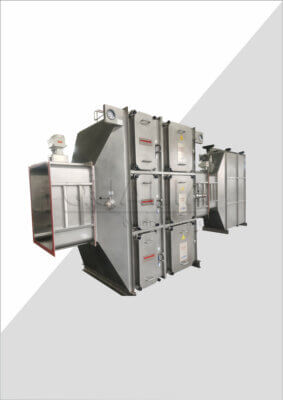
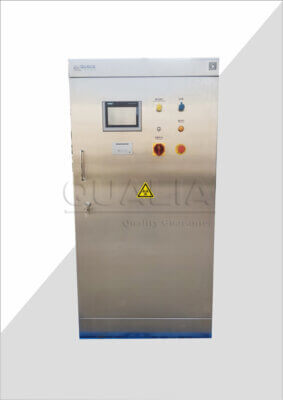
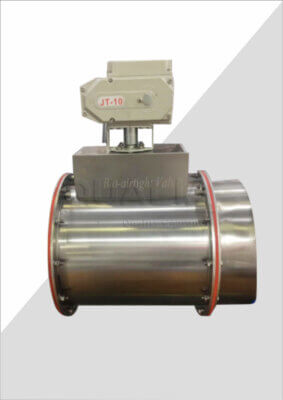
The defining engineering control of a BSL-3 laboratory is its managed airflow system. The facility must maintain a negative pressure gradient relative to adjacent corridors and spaces, ensuring directional airflow into the lab at all times. This gradient must be continuously monitored with audible and visual alarm systems to alert personnel of any loss of containment. All exhaust air from the lab must be discharged through dedicated HEPA filters, which trap infectious aerosols, before being released to the outside. This system is non-negotiable and represents the most significant engineering gap between BSL-2 and BSL-3 facilities.
Constructing the Containment Envelope
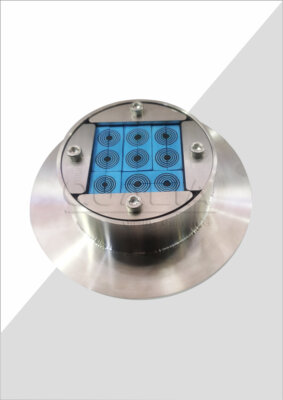
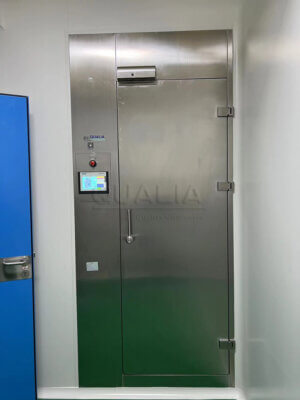
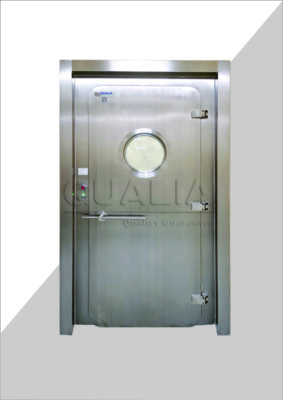
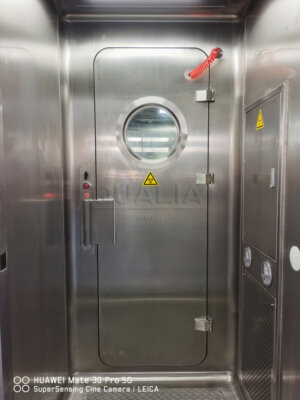
The laboratory must be a physically sealed, impermeable envelope to allow for gaseous or vapor decontamination. This requires sealed penetrations for pipes, ducts, and electrical conduits, as well as airtight seals on windows, doors, and wall surfaces. A double-door anteroom (airlock) is mandatory to serve as a physical and air pressure buffer zone between the lab and the clean corridor. Surfaces—walls, floors, ceilings—must be smooth, impermeable, and resistant to chemicals used for decontamination. These features transform a standard lab room into a secure containment zone.
Integrated Systems for Decontamination
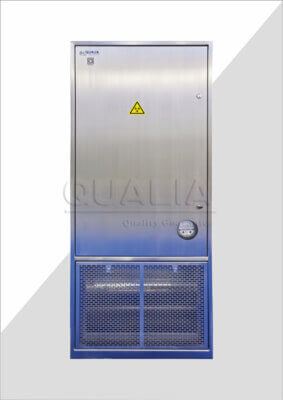
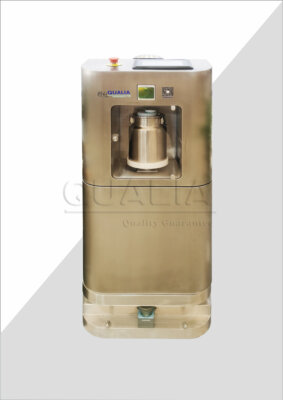
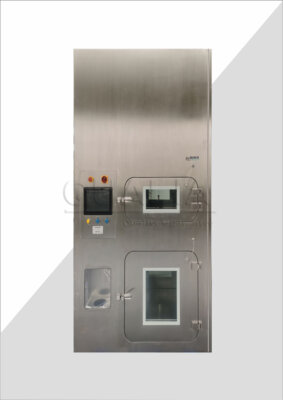
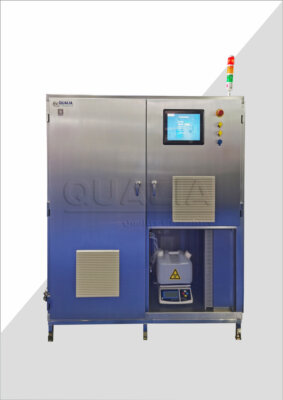
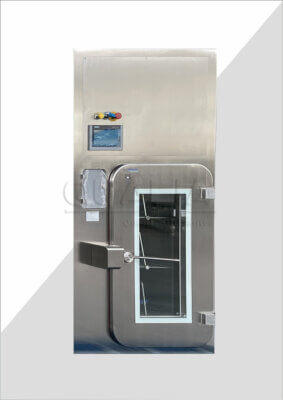
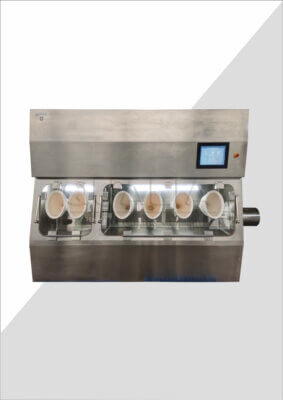
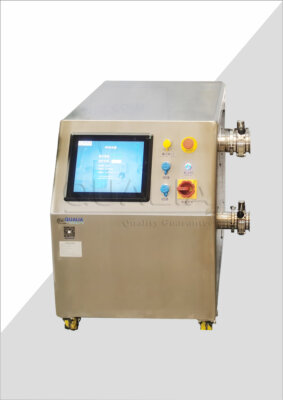
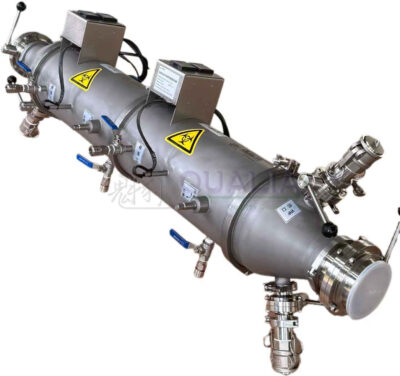
BSL-3 operations require integrated decontamination pathways. This typically includes a double-door autoclave (pass-through) for sterilizing waste and equipment before removal. Depending on the research, a chemical effluent decontamination system for liquid waste may also be required. For institutions considering an upgrade, exploring a prefabricated mobile high-containment laboratory can be a strategic solution, as these units are designed and validated to integrate all these complex systems into a single, compliant package, potentially accelerating deployment.
Quantifying the Engineering Gap
The table below details the core engineering systems that must be addressed in any BSL-3 upgrade, highlighting the objective facility capabilities that must be met.
| Control System | Core Requirement | Key Component |
|---|---|---|
| Airflow Management | Negative pressure, monitored | Directional inward airflow |
| Exhaust Treatment | HEPA filtration mandatory | Filtered before release |
| Physical Separation | Sealed containment envelope | Double-door anteroom (airlock) |
| Surface Construction | Sealed for decontamination | Impermeable walls, floors, ceiling |
| Effluent Decontamination | Waste sterilization on-site | Autoclave, chemical treatment |
Source: Biosafety in Microbiological and Biomedical Laboratories (BMBL). The BMBL details the specific, non-negotiable engineering controls for BSL-3 facilities, including precise specifications for ventilation, filtration, and construction to create a defined containment barrier.
BSL-3 Operational Protocols and Safety Culture
Elevating Personal and Procedural Controls
Engineering controls are only as effective as the protocols and people that operate within them. BSL-3 mandates a strict access control policy with maintained logs, limiting entry to specifically trained and authorized personnel. PPE requirements escalate to include solid-front, wrap-around gowns or coveralls, gloves, and often respiratory protection—either fit-tested N95 respirators or Powered Air-Purifying Respirators (PAPRs) for higher-risk procedures. A foundational rule is that all work with open infectious materials must occur within a Class II or III BSC.
The Decontamination Discipline
Decontamination protocols are exhaustive and non-negotiable. All solid and liquid waste, as well as reusable equipment, must be sterilized within the lab suite before removal for disposal or washing. This usually requires the use of an in-lab autoclave. Surfaces are decontaminated after every procedure. This operational rigor fundamentally changes laboratory workflow, requiring meticulous planning of materials movement and significant time allocated to decontamination cycles. Evidence-based research on pathogen environmental stability directly informs these protocols, enabling risk-based efficiency.
Cultivating a Shared Safety Ethos
Ultimately, BSL-3 safety depends on a deeply ingrained culture of shared responsibility. This culture is built on continuous, hands-on training that goes beyond theory to include emergency drills (e.g., spill response, power failure). It requires a “two-person rule” for high-risk procedures and a non-punitive reporting system for near-misses and protocol deviations. Leadership must visibly prioritize safety over schedule. The table below contrasts the operational rigor required at BSL-3 with standard BSL-2 practices.
| Protocol Area | BSL-3 Requirement | BSL-2 Comparison |
|---|---|---|
| Access Control | Logged, authorized personnel only | Restricted, but less formal |
| Respiratory Protection | N95 or PAPR standard | Typically not required |
| Work Location | All open work in BSC | BSC for aerosol-generating procedures |
| Protective Clothing | Solid-front, dedicated gowns | Lab coats |
| Waste Decontamination | Sterilized in-lab before removal | Decontaminated per protocol |
Source: Biosafety in Microbiological and Biomedical Laboratories (BMBL). The BMBL outlines the stringent standard practices and procedures required for safe BSL-3 operation, which are more rigorous than those for BSL-2 and are essential for mitigating risk.
Cost and Timeline for a Modular BSL-3 Laboratory
Understanding the Capital Investment
Transitioning to BSL-3 is a major capital project. Costs are driven by complex, redundant engineering systems: specialized HVAC with alarm systems, HEPA filtration units, airtight construction with sealed penetrations, autoclaves, and potentially chemical effluent treatment systems. Traditional renovation of an existing space is fraught with challenges—integrating these systems into an old building envelope, managing construction disruptions, and navigating lengthy validation processes. This path can take several years from initial design to operational certification.
The Modular Value Proposition
Modular laboratories, constructed off-site in controlled factory conditions, present a strategic alternative. These prefabricated containment modules arrive with integrated mechanical, electrical, and plumbing systems already installed and tested. This can significantly compress the overall project timeline, as site work (foundation, utilities) proceeds in parallel with module fabrication. The primary challenge shifts from construction integration to rigorous vendor qualification, ensuring the provider can deliver a fully validated, performance-guaranteed containment system that meets all regulatory requirements.
Evaluating the Strategic Return
The investment must be evaluated through a strategic lens, not just as a compliance cost. A BSL-3 capability is a critical research infrastructure asset that enables work on pressing public health threats. It enhances institutional competitiveness for grants and partnerships. The modular approach, in particular, offers scalability and potential redeployment. The following table compares the key considerations for traditional versus modular upgrade pathways.
| Consideration | Traditional Renovation | Modular Laboratory |
|---|---|---|
| Primary Cost Drivers | Complex HVAC, airtight construction | Prefabricated, validated modules |
| Timeline | Years (design to certification) | Potentially compressed schedule |
| Key Challenge | Integrating systems in-situ | Vendor qualification for integration |
| Strategic Value | Major capital investment | Scalability, faster deployment |
| Long-term View | Critical research infrastructure | Risk mitigation, future capability asset |
Source: Technical documentation and industry specifications. While authoritative biosafety guidelines (BMBL, WHO LBM) define the performance requirements, cost and timeline estimates are derived from project case studies and vendor specifications for modular and traditional high-containment construction.
Developing Your BSL-2 to BSL-3 Transition Plan
Phase 1: Definitive Justification and Design
The plan must begin with an incontrovertible justification, formalized by the IBC’s risk assessment mandate. Following this, assemble a multidisciplinary design team including the biosafety officer, facility engineers, architects, and end-user researchers. The design phase must produce detailed specifications for all engineering controls (HVAC, sealing, alarms, decontamination). For a modular route, this phase includes developing a stringent request for proposal (RFP) and conducting thorough vendor audits to select a partner with proven performance validation data.
Phase 2: SOP Development and Personnel Readiness
Parallel to facility design or construction, develop the comprehensive suite of BSL-3 Standard Operating Procedures. These must cover access, entry/exit, work practices, waste handling, emergency response, and decontamination. Initiate a personnel training program that includes didactic instruction, hands-on drills in a mock-up or similar facility, and rigorous competency assessments. Establishing the safety culture begins here, with clear communication from leadership about the
Frequently Asked Questions
Q: What are the definitive engineering controls that separate a BSL-3 lab from a BSL-2 facility?
A: The defining BSL-3 controls are a sealed, negatively pressurized environment with monitored directional airflow, HEPA filtration of all exhaust, and physical separation via a double-door anteroom. These are non-negotiable engineering specifications that create a containment envelope, moving beyond procedural safeguards to an integrated system. This means any upgrade plan must first verify the facility can meet these concrete engineering gaps for HVAC, sealing, and decontamination pathways.
Q: Can our Institutional Biosafety Committee (IBC) approve work with a Risk Group 3 agent at BSL-2?
A: Yes, an IBC can authorize BSL-2 work for a Risk Group 3 agent based on a comprehensive, evidence-based risk assessment. This assessment evaluates specific strain virulence, transmission routes, and procedural details, not just the agent’s name. For projects where the primary hazard is not aerosol inhalation, you should prepare robust data for the IBC to justify the exception, as this can be a strategic cost-avoidance measure.
Q: When do experimental procedures themselves trigger a BSL-3 requirement, regardless of the agent’s standard classification?
A: Procedures that intentionally generate high-concentration aerosols or involve large-volume cultures mandate BSL-3 containment due to the amplified exposure risk. This includes research on pathogen stability in aerosols or animal infection models for respiratory pathogens. If your protocols involve these “bridge” activities, plan for the IBC to require BSL-3 engineering controls, making detailed Standard Operating Procedure (SOP) design critical for the risk assessment.
Q: How does the WHO’s risk-based approach influence the decision to upgrade containment levels?
A: The WHO Laboratory Biosafety Manual promotes a continuous, evidence-based risk assessment over rigid prescriptive levels. This framework means an upgrade is triggered by a systematic evaluation of specific hazards, procedures, and local context. For institutions, this requires implementing a formal biorisk management system, like ISO 35001:2019, to document and justify containment decisions.
Q: What is the strategic value of considering a modular BSL-3 laboratory versus traditional construction?
A: Modular labs integrate complex engineering systems like specialized HVAC and sealed construction into a prefabricated, validated package, which can significantly compress the project timeline. This approach demands rigorous vendor qualification to ensure all components perform as a unified containment barrier. For projects with urgent timelines or needing scalability, you should budget for this integrated solution while viewing the cost as a strategic investment in future research capability.
Q: What operational culture shift is required when moving from BSL-2 to BSL-3 containment?
A: BSL-3 operations require a culture of strict procedural adherence, with mandatory access controls, respiratory protection, and the rule that all open work occurs within a Biological Safety Cabinet. Decontamination protocols become exhaustive, requiring on-site sterilization of all waste. This means your transition plan must budget for continuous, rigorous training to instill shared responsibility, as engineering controls are ineffective without this foundational safety culture.