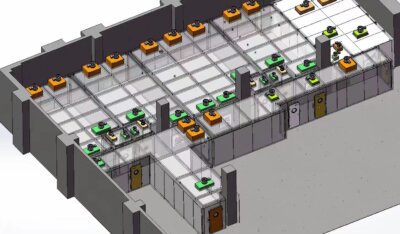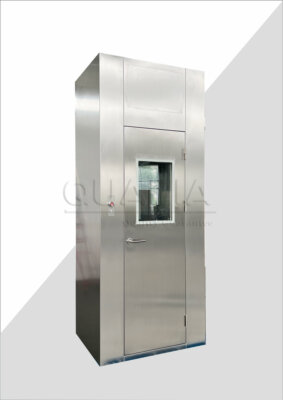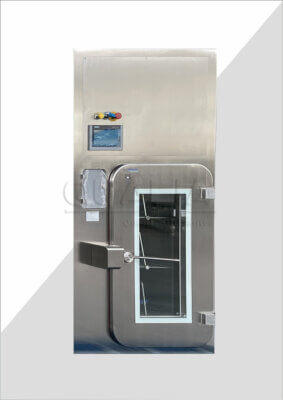

The choice between isolators and Restricted Access Barrier Systems (RABS) is a critical capital and operational decision for any high-potency API facility. The wrong selection can lock in excessive operational costs, create compliance hurdles, or, most critically, fail to adequately protect operators from potent compounds. Many organizations approach this decision with outdated cost models or an incomplete understanding of how modern regulatory expectations have shifted.
This decision is no longer just about sterility assurance; it’s a strategic calculation balancing containment, total cost of ownership, and regulatory alignment. With increasing focus on operator safety for low OEL compounds and sustainability goals pushing for energy-efficient designs, the technical and financial calculus has evolved. A clear, evidence-based framework is essential to navigate this complex landscape.
Isolators vs. RABS: Defining the Core Difference
The Fundamental Design Philosophy
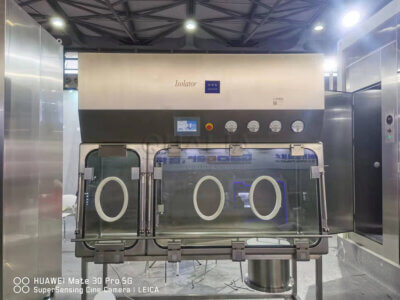
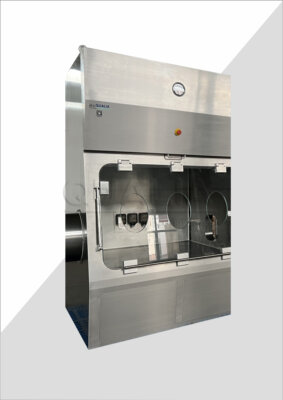
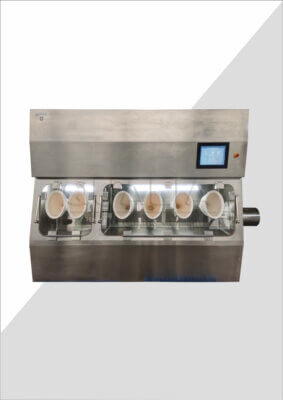
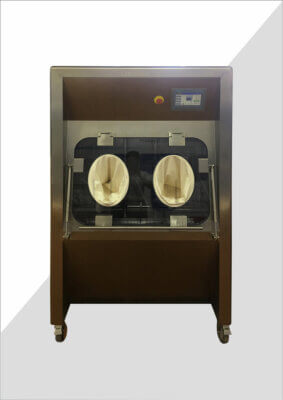
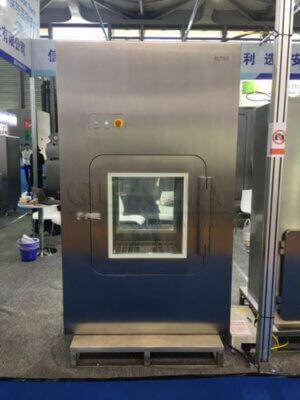
The divergence begins with a core design principle. RABS function as partial barrier enclosures installed within a higher-grade cleanroom, such as ISO 5 within an ISO 7 (Grade B) environment. They rely on that room’s HVAC for environmental control and permit restricted, procedural access during operations via rapid transfer ports or glove sleeves. Isolators, in contrast, are fully sealed, leak-tight enclosures providing complete physical separation via glove ports or half-suits. They incorporate their own independent air handling and decontamination systems, creating a self-contained critical zone.
The Paradigm Shift in Operator Role
This core difference initiates a fundamental shift in operational philosophy. The isolator’s closed design moves the operator from a direct actor within the aseptic zone to a system overseer who monitors automated processes and integrated data streams. RABS retains more traditional, hands-on intervention possibilities, which can offer flexibility but inherently ties sterility assurance and containment efficacy to operator technique and procedural adherence. This shift fundamentally alters personnel skill and training requirements for each system.
Impact on Process Design and Risk
The choice dictates process design from the outset. Isolators demand investment in highly automated material handling, such as robotics and closed transfer systems, to minimize breaches. RABS allow for more manual transfer and setup, which can be advantageous in development or multi-product facilities. In our experience evaluating both systems, the most easily overlooked detail is how the barrier choice dictates the entire workflow, material flow, and even the facility’s staffing model, not just the enclosure itself.
Cost Comparison: CAPEX vs. OPEX and Total Cost of Ownership
Understanding the Initial Investment
Financially, the decision presents a classic trade-off. Isolators require a higher initial capital expenditure due to the complex leak-tight enclosure, integrated vaporized hydrogen peroxide (VHP) decontamination system, and the rigorous validation required for both containment and sterility. RABS have a lower upfront cost and are generally easier to retrofit into existing cleanroom infrastructure, making them attractive for upgrades or pilot-scale operations.
The Long-Term Operational Reality
The total cost of ownership analysis reveals a different picture. The critical factor is the required background environment. Isolators maintain their ISO 5 condition independently, allowing installation in an ISO 8 (Grade C/D) background. RABS must operate within a Grade B cleanroom. This single difference drastically reduces lifetime HVAC energy consumption, gowning supplies, and environmental monitoring labor and testing costs for isolator-based lines.
A Framework for Financial Justification
Industry experts recommend moving beyond simple CAPEX comparisons. The following table breaks down the key cost drivers, illustrating why OPEX often tilts the scale.
| System | Initial CAPEX | Operational Environment |
|---|---|---|
| Isolator | Higher | ISO 8 (Grade C/D) |
| RABS | Lower | ISO 5 in ISO 7 |
| Key OPEX Factor | Isolator Impact | RABS Impact |
| HVAC Energy | Drastically reduced | High consumption |
| Gowning Costs | Lower | Higher |
| Environmental Monitoring | Reduced | Extensive |
Source: Technical documentation and industry specifications.
Furthermore, corporate sustainability (ESG) goals are accelerating isolator adoption. The significant energy reduction of a downgraded background room aligns with these strategic objectives, adding a financial incentive beyond pure quality and compliance metrics.
Which System Offers Superior Containment for Low OELs?
Containment as the Paramount Driver
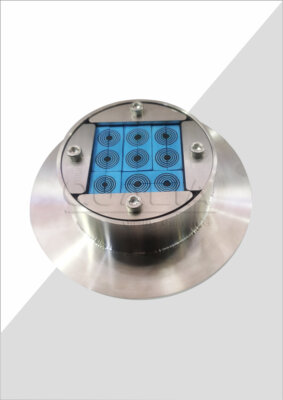
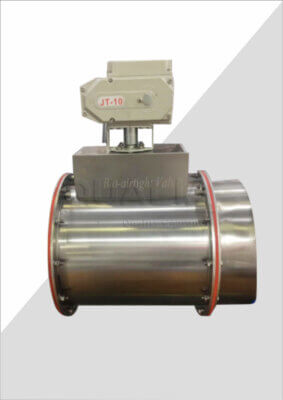
For high-potency APIs with operator exposure levels below 1 µg/m³, containment is non-negotiable. Isolators are the definitive solution, engineered for leak-tight integrity validated to international standards like ISO 10648-2:1994. Their closed processing design is purpose-built to prevent hazardous substances from escaping into the operator’s breathing zone. All material transfer occurs via validated closed systems, such as split butterfly valves or rapid transfer ports.
The Inherent Risk Profile of RABS
RABS offer excellent product protection from external contamination but are not designed as primary containment devices for highly hazardous substances. Potential door openings for interventions, material loading, and a reliance on operator technique for glove sleeve integrity present an inherent exposure risk. This makes them unsuitable as the sole barrier for the most potent, cytotoxic, or sensitizing compounds where even minimal exposure is unacceptable.
Making the Safety-Critical Choice
The selection becomes clear when operator safety is the priority. The sealed design of an isolator provides the highest practicable level of protection. The table below summarizes the performance divergence, which is critical for risk assessment.
| Containment Aspect | Isolator Performance | RABS Performance |
|---|---|---|
| Leak Integrity | Validated, leak-tight | Partial barrier |
| Operator Exposure Risk | Minimal | Inherent risk |
| Material Transfer | Validated closed systems | Procedural control |
| Suitable OEL Threshold | <1 µg/m³ | >1 µg/m³ |
Source: ISO 10648-2:1994. This standard classifies containment enclosures based on leak tightness and defines test methods, providing the critical performance criteria for evaluating isolator integrity for low OEL compounds.
Decontamination Compared: Automated VHP vs. Manual Cleaning
Methodology Defines Safety and Consistency
Decontamination is where operational safety and quality assurance visibly diverge. Isolators employ fully automated, validated VHP cycles. This ensures reproducible sterility assurance and chemical hazard neutralization without requiring operator entry—a critical advantage for clearing potent API residues. RABS primarily depend on manual cleaning and disinfection, which introduces human variability and poses a significant exposure risk when personnel must enter to remove potent residue.
Operational Impact on Scheduling and Labor
This fundamental difference dictates campaign scheduling and labor structures. Automated VHP offers unmatched consistency and documentation but creates fixed time bottlenecks for cycle execution and aeration. Manual methods offer the potential for faster changeover but require extensive staff training, increase validation complexity for residue clearance, and demand rigorous environmental monitoring to prove efficacy. For high-potency applications, the hands-off decontamination of an isolator is a major safety and quality advantage.
| Method | System | Key Characteristic | Operator Risk |
|---|---|---|---|
| Automated VHP | Isolator | Reproducible, validated | No entry required |
| Manual Cleaning | RABS | Human variability | Significant exposure |
| Changeover Speed | Fixed time bottleneck | Faster potential |
Source: Technical documentation and industry specifications.
HVAC & Environmental Control: Impact on Facility Design and Cost
The Background Environment Dictates Scale
The environmental control strategy is a major differentiator with profound facility implications. As previously noted, isolators maintain their critical ISO 5 environment independently, allowing installation in a lower-grade (Grade C/D) background. This drastically reduces the scale, airflow volumes, and energy intensity of the facility’s central HVAC system. Conversely, RABS must operate within a Grade B cleanroom, necessitating a larger, energy-intensive background environment with strict, costly gowning protocols and suites.
Lifetime Cost and Sustainability Impact
The lifetime cost impact of this HVAC dependency is substantial, making it a critical evaluation metric. The energy consumption difference alone can justify the higher CAPEX of an isolator over a multi-year period. For new facilities, the isolator’s ability to downgrade background classification enables more compact, efficient, and sustainable plant designs, directly impacting the building’s footprint and utility infrastructure.
Engineering Standards as a Guide
Facility planning must reference established engineering standards. ISO 14644-7:2004 specifies minimum requirements for the design and integration of separative devices like isolators, which directly informs HVAC and facility planning. The table below contrasts the core facility implications.
| System | Background Cleanroom Grade | HVAC Scale & Energy | Facility Design Implication |
|---|---|---|---|
| Isolator | ISO 8 (Grade C/D) | Smaller, efficient | Compact, sustainable design |
| RABS | ISO 7 (Grade B) | Larger, intensive | Extensive gowning suites |
Source: ISO 14644-7:2004. This standard specifies minimum requirements for separative devices like isolators, including their design and integration with environmental control systems, which directly informs HVAC and facility planning.
Regulatory Alignment: Which System Meets Modern GMP Expectations?
The Shift Toward Minimized Intervention
Modern regulatory guidance, particularly the revised EU GMP Annex 1, strongly encourages technologies that minimize human intervention in critical zones. Isolators align directly with this philosophy through their closed design and automated decontamination and processing. Their use is seen as a direct implementation of a risk-based Contamination Control Strategy that prioritizes engineering controls over procedural ones.
The Increased Justification Burden for RABS
Paradoxically, Annex 1’s explicit mention of RABS increases the compliance burden for its users. Manufacturers must now rigorously document risk assessments and justify why an isolator was not selected for higher-risk applications. Regulators increasingly question the use of RABS for new high-potency facilities, placing the burden of proof on the manufacturer to demonstrate that a RABS-based strategy is adequate. For new builds, isolators are increasingly viewed as the regulatory-expected standard for high-risk sterile and potent product manufacturing.
Building a Defensible Strategy
The key is to align the technology selection with the product risk profile and to document the decision logic exhaustively. Using RABS for a potent compound requires a robust, scientifically sound justification that addresses containment efficacy, intervention controls, and cleaning validation far beyond what is needed for an isolator-based process.
Operational Factors: Staffing, Maintenance, and Process Flexibility
Staffing Models and Skill Sets
Operational dynamics differ significantly. Isolators are designed for minimal intervention, which drives investment in automation and reduces human error sources. This creates a “zero-touch” ideal but requires staff skilled in automation oversight, robotics, and data monitoring rather than manual aseptic technique. RABS allow for more frequent, though controlled, interventions, offering adaptability for development or small-scale production but demanding a larger, highly trained aseptic operations team.
Maintenance and Service Complexity
This operational difference is giving rise to specialized service providers for advanced barriers. Isolators require expertise in VHP cycle validation, leak testing, and integrated sterile robotics. RABS maintenance focuses more on mechanical components, HEPA filter integrity, and procedural compliance audits. A common mistake is underestimating the specialized support and spare parts logistics required for isolator systems.
Integrating Digital Process Verification
To mitigate intervention risks in any system, a strategic imperative is integrating digital process verification. This includes sensors for glove integrity, pressure differentials, and VHP cycle parameters, and even AI-driven cameras to monitor manual steps in RABS or internal processes in isolators. This layer of digital oversight enhances sterility assurance and provides data-rich evidence for regulators, regardless of the core physical technology. For facilities requiring adaptable containment, exploring advanced OEB4 and OEB5 isolator solutions can provide the necessary flexibility within a closed system.
Decision Framework: How to Choose for Your HPAPI Facility
Grounding the Decision in Risk Assessment
A strategic decision must be grounded in a formal, risk-based assessment aligned with the product and facility lifecycle. The primary drivers are product potency (OEL), facility status (new vs. retrofit), and desired operational model (flexible vs. dedicated). There is no universal answer, only the most appropriate answer for a specific set of constraints and goals.
Applying a Clear Selection Matrix
The following framework synthesizes the analysis into actionable guidance. It prioritizes the non-negotiable factors of safety and regulation before considering operational and financial factors.
| Primary Driver | Recommended System | Justification / Use Case |
|---|---|---|
| OEL <1 µg/m³ | Isolator | Necessary for robust containment |
| New Facility Build | Isolator | Regulatory-expected standard |
| Retrofit Scenario | RABS | Lower CAPEX, easier integration |
| Process Flexibility | RABS | Adaptable for multi-product |
Source: EU GMP Annex 1. This guideline encourages technologies that minimize human intervention, placing a higher justification burden on RABS for high-risk applications, thus informing the strategic decision framework.
The Emergence of Hybrid Facility Designs
This analysis is leading to more sophisticated “flexible facility” designs. Manufacturers strategically deploy both technologies: RABS for lower-risk or multi-product development lines and isolators for dedicated, high-risk commercial production within the same plant. Ultimately, a CDMO’s barrier technology portfolio is becoming a key market differentiator, as sponsors seek partners whose capabilities match their product’s specific risk profile.
The decision pivots on three non-negotiable points: isolators are mandatory for OELs below 1 µg/m³, they are the regulatory-preferred choice for new facilities, and their total cost of ownership often favors them despite higher upfront cost. For retrofits or multi-product facilities with higher OELs, RABS remain a valid, justifiable option. Need professional guidance to implement the right containment solution for your specific HPAPI process? The experts at QUALIA can help you navigate this critical technical and strategic decision. For a direct conversation, you can also Contact Us.
Frequently Asked Questions
Q: How does the choice between an isolator and a RABS affect our facility’s HVAC design and long-term energy costs?
A: The choice dictates your required background cleanroom classification, which directly impacts HVAC scale and energy use. Isolators operate independently in an ISO 8 (Grade C/D) area, while RABS require a full ISO 5 zone within an ISO 7 (Grade B) cleanroom. This fundamental difference means RABS-based facilities incur significantly higher lifetime energy and monitoring costs. For new builds, selecting an isolator enables a more compact, energy-efficient plant design that aligns with sustainability goals and reduces total cost of ownership.
Q: What is the regulatory expectation for using RABS versus isolators for new high-potency API facilities?
A: Modern regulators, guided by documents like EU GMP Annex 1, strongly favor technologies that minimize human intervention. Isolators are increasingly seen as the expected standard for new high-risk facilities. Using a RABS now places a higher burden of proof on you to justify its adequacy through rigorous risk assessments. For new projects, an isolator-based contamination control strategy provides stronger regulatory alignment and simplifies your compliance narrative.
Q: For compounds with an OEL below 1 µg/m³, which containment system is necessary for operator safety?
A: Isolators are the definitive and necessary choice for robust operator protection against such potent compounds. Their leak-tight, fully sealed design, validated to standards like ISO 10648-2:1994, provides engineered primary containment. RABS are not designed for this purpose, as potential openings and reliance on operator technique present an inherent exposure risk. This means facilities handling cytotoxic or highly sensitizing APIs must prioritize isolators to ensure the highest level of personnel safety.
Q: How do decontamination methods differ and what are the operational implications for campaign changeover?
A: Isolators use automated, validated vaporized hydrogen peroxide (VHP) cycles, ensuring reproducible sterility and hazard neutralization without operator entry. RABS rely on manual cleaning, which introduces human variability and exposure risk during potent residue removal. Automated VHP creates predictable but fixed time bottlenecks, while manual methods offer faster changeover potential at the cost of increased training and validation complexity. If your process requires frequent campaign switches with high-potency compounds, the hands-off safety of an isolator often outweighs flexibility gains.
Q: When might a RABS be a justifiable choice over an isolator in an HPAPI context?
A: A RABS can be justified for compounds with higher OELs, in retrofit scenarios where integrating an isolator is impractical, or where extreme process flexibility for development and small-scale production is paramount. Its design allows for more frequent, controlled interventions. This means projects focused on multi-product pilot plants or upgrading existing lines with less potent APIs may find RABS offers a better balance of adaptability and capital cost.
Q: What key performance standards govern the design and testing of isolator containment integrity?
A: Isolator design and leak-tightness verification are governed by ISO 14644-7:2004 for separative devices and ISO 10648-2:1994 for containment enclosure classification. These standards establish minimum engineering requirements and define test methods for validating performance. When evaluating vendors, you should require evidence of compliance with these benchmarks, as they form the foundation of your containment assurance for low OEL compounds.
Q: How does the operational philosophy differ between isolator and RABS-based production lines?
A: Isolators enable a “zero-touch” paradigm, shifting the operator’s role to a system overseer who monitors automated processes, often supported by integrated robotics. RABS retain a more traditional, hands-on operational model with procedural access. This fundamental shift alters personnel skill and training requirements significantly. For processes where eliminating human error is the top priority, the isolator’s closed design is the strategic choice, though it may reduce flexibility for multi-product operations.
Related Contents:
- Unveiling the Best RABS for Your Facility
- Regulatory Compliance and Closed RABS in Pharmaceutical Production
- Maintaining Sterility: The Role of Closed RABS in cGMP Compliance
- Weighing the Costs and Benefits of Closed RABS Implementation
- Closed RABS: Revolutionizing Aseptic Processing in Pharmaceuticals
- Closed RABS in Biotech: Advancing Aseptic Processing
- Maintaining Sterility: The Critical Role of Closed RABS in Pharmaceutical Production
- Implementing Closed RABS: Ensuring Aseptic Processing Excellence
- Revolutionizing Manufacturing: Closed RABS Integration