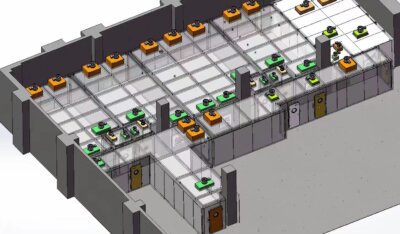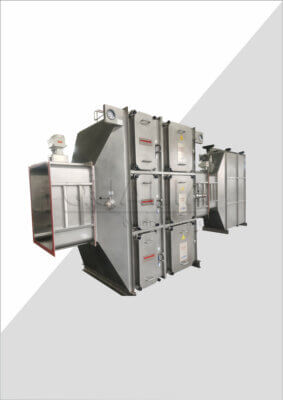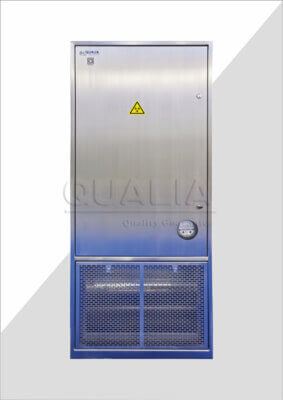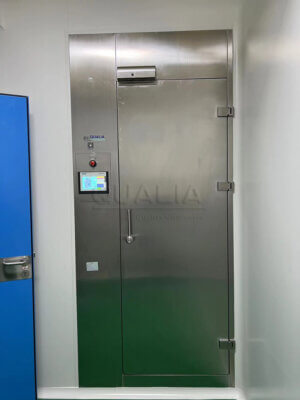
In the realm of precision and purity, clean rooms stand as bastions of controlled environments, where even the tiniest particle can make a significant difference. For industries like pharmaceuticals, electronics, and aerospace, maintaining the right level of cleanliness is not just a preference, but a necessity. At QUALIA, we understand the importance of these controlled spaces and the stringent standards they must adhere to. Let's delve into the world of ISO clean room classifications and uncover what each class means for your operations.
The ISO Clean Room Classification System
The International Organization for Standardization (ISO) has established a comprehensive system to classify clean rooms based on their particulate cleanliness. This system, outlined in ISO 14644-1, categorizes clean rooms from ISO 1 to ISO 9, with ISO 1 being the cleanest and ISO 9 the least clean.
Understanding the ISO Classes
ISO 1-3: The Ultra-Clean Environments
- These classes are reserved for the most critical applications. ISO 1, for instance, allows only up to 10 particles ≥ 0.1 micrometers per cubic meter, making it ideal for semiconductor manufacturing and aerospace. ISO 2 and ISO 3 are similarly stringent, with ISO 3 often used in pharmaceutical and biotechnology manufacturing.
ISO 4-5: Precision and Quality
- ISO 4 and ISO 5 clean rooms are common in advanced manufacturing. ISO 4 is used in pharmaceutical production and optics manufacturing, while ISO 5 is often found in electronics assembly and pharmaceutical compounding. These classes ensure a high level of cleanliness, with ISO 5 allowing up to 100,000 particles ≥ 0.1 micrometers per cubic meter.
ISO 6-7: Controlled but Less Stringent
ISO 6 and ISO 7 clean rooms are used in industries such as medical device manufacturing and packaging. These environments are still highly controlled but allow for slightly higher particle counts. For example, ISO 7 permits up to 352,000 particles ≥ 0.5 micrometers per cubic meter.
- ISO 8-9: General Cleanliness
- ISO 8 and ISO 9 clean rooms are the least stringent but still cleaner than typical office or residential spaces. ISO 8 is used in non-critical applications, while ISO 9 is comparable to a standard office environment.
Why ISO Classifications Matter
Product Quality
Maintaining the appropriate ISO class ensures the quality of the products being manufactured. Even a single particle can lead to defects in sensitive industries like electronics and pharmaceuticals.
Safety
In sectors like aerospace, the tiniest contamination can have catastrophic consequences. Adhering to the correct ISO class is crucial for safety and reliability.
Regulatory Compliance
Many industries are subject to strict regulatory guidelines. ISO standards help organizations meet these requirements and demonstrate a commitment to quality and safety.
Process Control
ISO classifications aid in controlling and monitoring manufacturing processes. For example, semiconductor manufacturing requires ISO Class 1 and 2 clean rooms to avoid defects in microchips.
Maintaining Your Clean Room
At QUALIA, we emphasize the importance of regular testing and maintenance to ensure your clean room meets the required ISO standards. Here are some key points:
- Testing: Conduct particle count tests every six months for ISO 5 or lower, and every 12 months for ISO 6 or higher. Air pressure difference and airflow tests are also necessary every 12 months.
- Air Changes: Control the air change rate to maintain the cleanliness level. The number of air changes per hour varies by class, with higher classes requiring more frequent air changes.
- Cleaning Procedure: Implement a rigorous cleaning procedure tailored to your clean room's classification to pass inspections and quality checks.
In conclusion, understanding the ISO clean room classifications is pivotal for any organization operating in precision-driven industries. By knowing your clean room's class and adhering to the corresponding standards, you ensure product quality, safety, and regulatory compliance. At QUALIA, we are committed to helping you achieve and maintain the highest levels of cleanliness in your controlled environments.