In the realm of precision and purity, clean rooms stand as the unsung heroes, ensuring that even the most minute particles do not compromise the integrity of sensitive processes. If you're curious about the specifics of a 10000 clean room level, you're in the right place. Let's dive into the world of clean rooms and explore what makes a Class 10000 clean room tick.
The Clean Room Classification System
Clean rooms are classified based on international standards set by the International Organization for Standardization (ISO). The ISO 14644-1 standard defines these classifications, ranging from ISO 1 (the cleanest) to ISO 9 (the least clean). A Class 10000 clean room, also known as an ISO 7 clean room, falls somewhere in the middle of this spectrum.
What Defines a Class 10000 Clean Room?
A Class 10000 clean room is designed to maintain a specific level of air cleanliness. Here are the key metrics:
- Particle Count: This environment allows a maximum of 10,000 particles (0.5 micrometers or larger) per cubic foot of air.
- Air Changes: To achieve this level of cleanliness, the room must have 30-60 air changes per hour, which is significantly lower than the more stringent classes but still rigorous.
Advanced Filtration Systems
The backbone of any clean room is its filtration system. Class 10000 clean rooms rely on High-Efficiency Particulate Air (HEPA) filters, which remove at least 99.97% of airborne particles as small as 0.3 micrometers.
Cleanroom Architecture and Airflow
The architecture of a Class 10000 clean room is crucial for maintaining cleanliness. These rooms often feature modular, hard-sided walls and utilize laminar airflow to ensure uniform and efficient air circulation. This type of airflow moves in parallel lines, either vertically or horizontally, to minimize turbulence and particle movement.
Protective Requirements
Working in a Class 10000 clean room requires specific protective gear to prevent contamination. Personnel typically wear face masks, hair and beard covers, lab coats, and sometimes coveralls and gloves. The clothing is made from nonwoven fabrics to prevent shedding material fibers, and gloves are sterile and made from materials like latex or nitrile.
Applications and Industries
Class 10000 clean rooms are versatile and widely used across various industries, including:
- Medical Device Manufacturing: Ensuring the production of sterile and precise medical devices.
- Electronics Manufacturing: Protecting sensitive electronic components from dust and other contaminants.
- Pharmaceutical Compounding: Maintaining a clean environment for the preparation of pharmaceuticals.
- Aerospace Product Development: Supporting the production of precision aerospace equipment.
- Cosmetics Production: Keeping cosmetics free from airborne contaminants.
Maintenance and Testing
Maintaining a Class 10000 clean room is an ongoing process. It involves regular particle count testing, air pressure cascade testing, and airflow testing to ensure compliance with ISO standards. The frequency of cleaning, the materials used, and the procedures followed are all meticulously planned to keep the environment pristine.
QUALIA's Contribution to Clean Room Technology
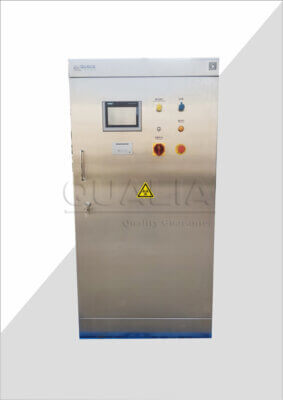
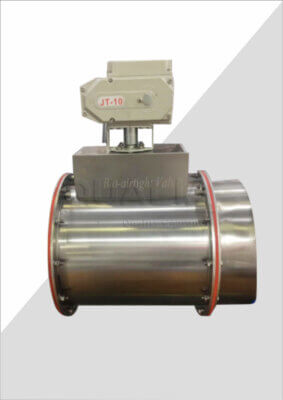
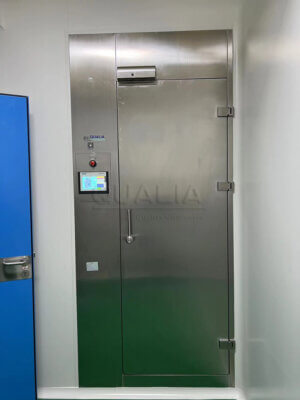
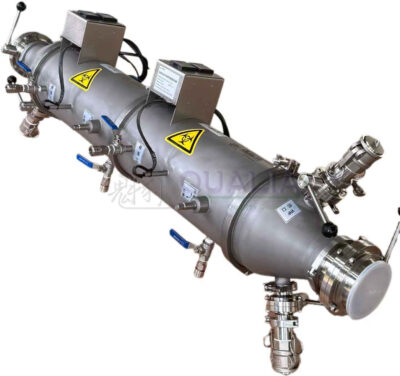
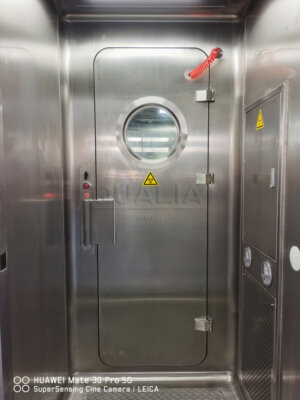
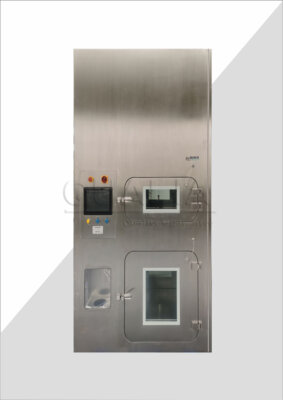
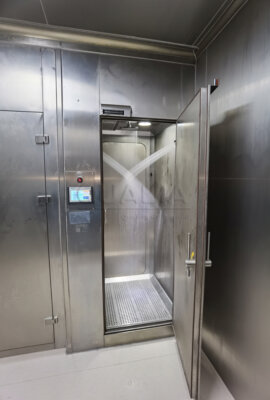
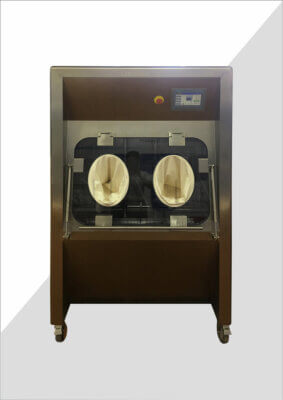
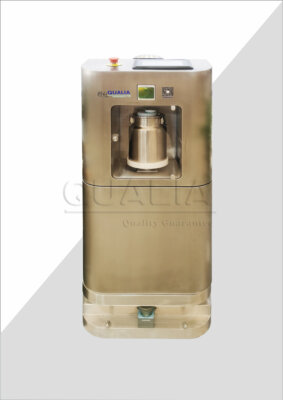
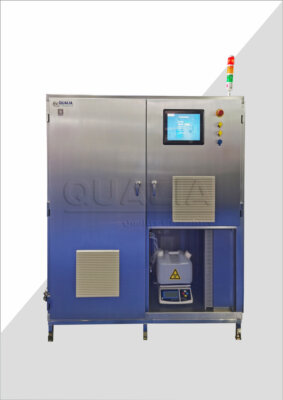
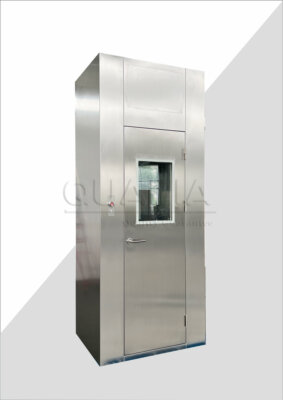
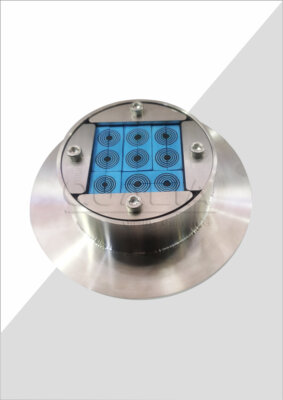
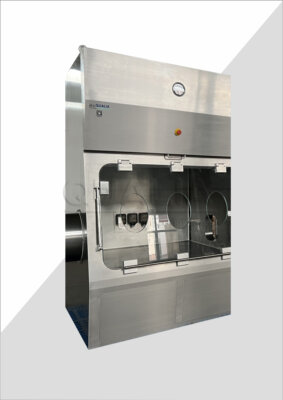
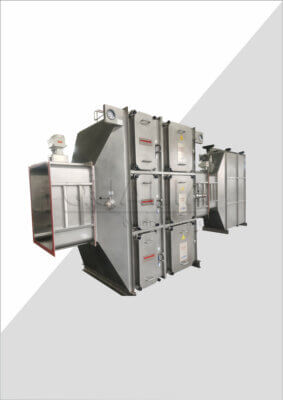
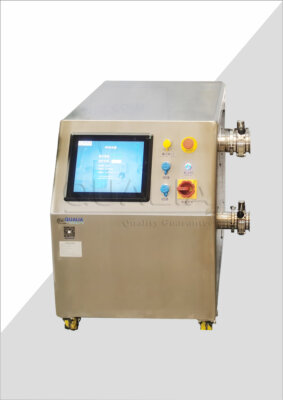
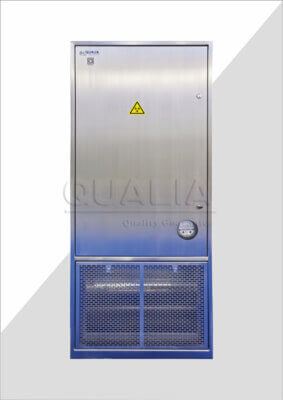
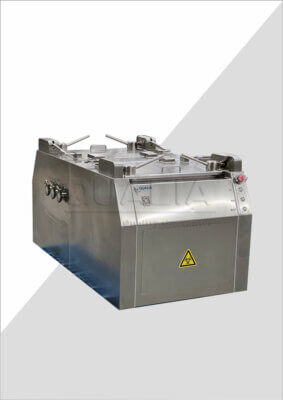
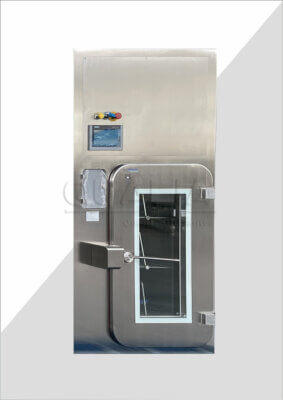
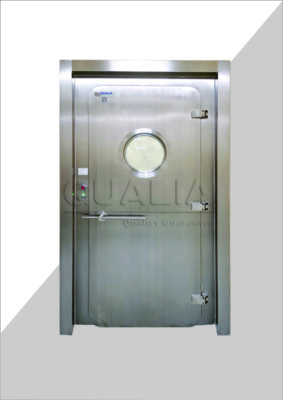
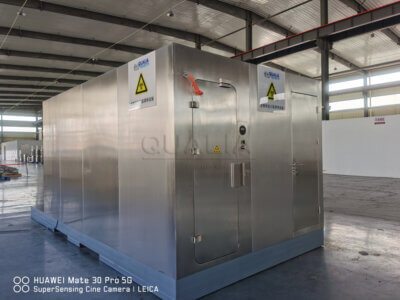
At QUALIA, innovation meets precision. With cutting-edge solutions like the Air Shower and the Bag in Bag Out (BiBo) system, QUALIA ensures that clean rooms remain at the highest levels of cleanliness. The Air Shower, crafted from high-quality stainless steel, removes surface particles from individuals and objects before they enter the controlled environment, enhancing efficiency and comfort.
In conclusion, a Class 10000 clean room is more than just a space; it's a highly controlled environment designed to protect sensitive processes from airborne contaminants. Whether you're in the medical, electronics, or aerospace industry, understanding the specifics of a Class 10000 clean room can be the difference between success and failure. With brands like QUALIA at the forefront of clean room technology, achieving and maintaining this level of cleanliness has never been more feasible.