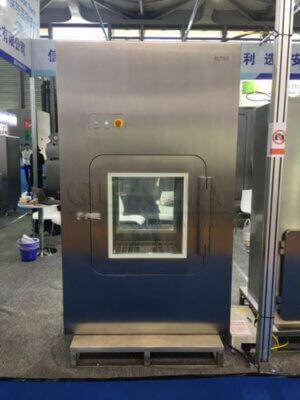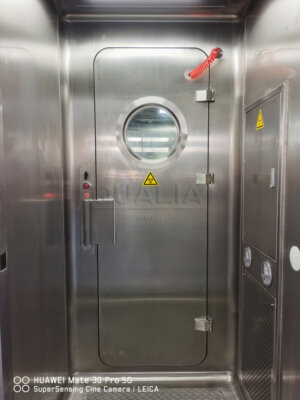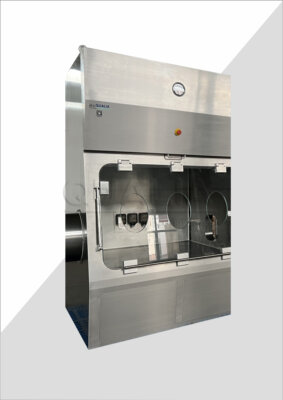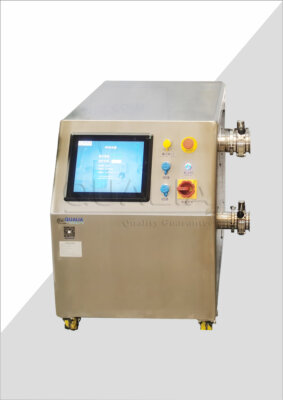
Investing in a VHP (Vaporized Hydrogen Peroxide) generator represents a significant financial commitment for healthcare facilities, pharmaceutical manufacturers, and research institutions. With initial costs ranging from $15,000 to $100,000+ depending on capacity and features, many organizations struggle to justify the investment without comprehensive cost analysis and ROI calculations.
The challenge extends beyond the purchase price. Hidden operational costs, maintenance requirements, and consumable expenses can dramatically impact the total cost of ownership over a system’s 10-15 year lifespan. Additionally, varying sterilization volumes, different facility requirements, and evolving regulatory standards make it difficult to predict actual returns on investment.
This comprehensive analysis provides the financial framework, comparison tools, and ROI calculations you need to make informed decisions about VHP generator cost investments. We’ll examine real-world pricing data, operational expenses, and proven methodologies for calculating returns while addressing the key factors that influence long-term profitability.
What Factors Drive VHP Generator Cost Variations?
Understanding the primary cost drivers helps organizations budget accurately and identify the most cost-effective solutions for their specific needs. QUALIA Bio-Tech has analyzed thousands of installations to identify the key factors that influence pricing.
Generator Capacity and Output
The fundamental cost driver is the system’s hydrogen peroxide generation capacity, typically measured in grams per minute or total room volume capability. Entry-level portable units handling 100-500 cubic meters cost $15,000-$35,000, while high-capacity systems for large spaces or multiple concurrent cycles range from $50,000-$100,000+.
Capacity directly correlates with cycle efficiency and throughput. A 2022 industry study found that facilities using higher-capacity generators achieved 40% faster cycle times, translating to significant operational cost savings over time. However, oversizing equipment for actual needs results in unnecessary capital expenditure and higher maintenance costs.
Technology and Feature Complexity
Advanced features significantly impact pricing. Basic systems offer standard cycle programs and manual controls, while premium models include automated validation, real-time monitoring, integration capabilities, and customizable cycle parameters. These features typically add $10,000-$25,000 to base costs but can reduce labor requirements by 30-50%.
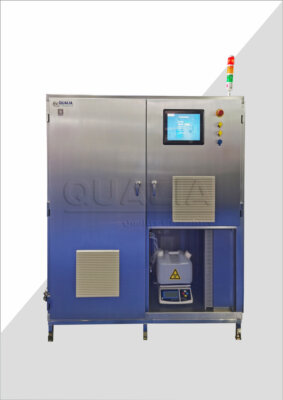
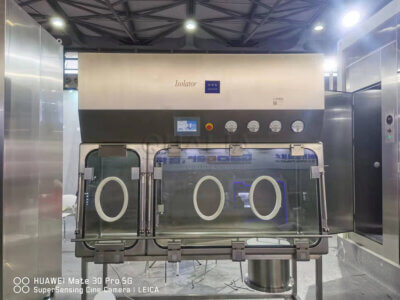
Integration with building management systems, data logging capabilities, and remote monitoring features are increasingly important for regulatory compliance and operational efficiency. The SpaceVHP portable generator exemplifies how advanced features can justify higher initial costs through improved operational efficiency.
Regulatory Compliance and Validation
FDA, EPA, and international regulatory requirements significantly influence both initial costs and ongoing operational expenses. Systems designed for pharmaceutical or medical device manufacturing include extensive validation documentation, qualification protocols, and compliance features that can add 20-40% to base equipment costs.
| Compliance Level | Additional Cost | Validation Time | Annual Compliance Cost |
|---|---|---|---|
| Basic Commercial | $2,000-$5,000 | 2-4 weeks | $1,000-$2,000 |
| Healthcare Grade | $8,000-$15,000 | 6-12 weeks | $3,000-$6,000 |
| Pharmaceutical | $15,000-$30,000 | 12-24 weeks | $8,000-$15,000 |
How to Calculate VHP Generator ROI Accurately?
Accurate ROI calculation requires comprehensive analysis of both costs and benefits over the equipment’s operational lifespan. The most reliable approach uses total cost of ownership (TCO) modeling combined with quantified operational benefits.
Total Cost of Ownership Framework
TCO analysis includes initial capital investment, installation costs, training expenses, consumables, maintenance, utilities, and eventual disposal costs. Industry data shows that initial equipment costs typically represent only 40-60% of total 10-year ownership costs.
Capital Costs: Equipment purchase price, installation, initial training, and validation expenses typically range from $25,000-$75,000 for most applications.
Operational Costs: Annual consumables (hydrogen peroxide, filters, replacement parts) average $3,000-$8,000 depending on usage volume. Maintenance contracts cost $2,000-$5,000 annually but significantly reduce unplanned downtime risks.
Utility Costs: Electrical consumption and compressed air requirements add $500-$2,000 annually based on cycle frequency and local utility rates.
Quantifying Operational Benefits
The most significant ROI drivers include labor cost reduction, improved efficiency, reduced contamination risks, and enhanced regulatory compliance. A pharmaceutical facility case study demonstrated annual savings of $85,000 through reduced manual cleaning labor and faster room turnovers.
Labor Efficiency: Automated VHP systems reduce cleaning and decontamination labor by 60-80% compared to manual methods. For facilities with dedicated cleaning staff, this translates to $25,000-$60,000 annual savings.
Cycle Time Reduction: Faster decontamination cycles increase facility utilization. Research facilities report 25-40% improvement in room availability, enabling additional revenue-generating activities.
Risk Mitigation: Contamination incidents can cost $50,000-$500,000+ in lost production, regulatory penalties, and remediation expenses. Consistent VHP sterilization significantly reduces these risks.
Portable Sterilization ROI Calculator
A practical portable sterilization ROI calculator should include these key variables:
- Initial investment and installation costs
- Annual operational expenses (consumables, maintenance, utilities)
- Labor cost savings from automation
- Productivity improvements from faster cycles
- Risk reduction value from improved contamination control
- Tax benefits from equipment depreciation
Most facilities achieve 18-36 month payback periods when properly accounting for all cost savings and productivity improvements.
What Are the Hidden Costs in VHP System Investments?
Beyond obvious expenses, several hidden costs can significantly impact total investment returns. Understanding these factors prevents budget overruns and ensures accurate ROI projections.
Installation and Infrastructure Requirements
VHP systems require specific environmental conditions, ventilation modifications, and utility connections that aren’t always included in equipment quotes. Installation costs typically range from $5,000-$20,000 depending on facility requirements and local labor rates.
Electrical upgrades, compressed air systems, and ventilation modifications can add substantial costs. In our experience, facilities should budget an additional 15-25% of equipment costs for installation and infrastructure requirements.
Training and Certification Expenses
Proper operator training is essential for safe, effective operation and regulatory compliance. Initial training costs $2,000-$5,000 per facility, with annual refresher training adding $500-$1,500 ongoing expenses.
Regulatory environments may require certified operators, adding salary premiums of $3,000-$8,000 annually. However, proper training significantly reduces operational errors and maintenance costs.
Consumable Cost Variations
Hydrogen peroxide consumption varies significantly based on room volume, cycle frequency, and environmental conditions. While manufacturers provide estimates, actual consumption often exceeds projections by 15-30% during initial implementation.
Replacement parts and consumables represent ongoing expenses that can impact ROI calculations. Annual consumable costs typically range from $0.50-$2.00 per cubic meter treated, but this varies based on cycle parameters and environmental factors.
How to Compare VHP Generator Price Options Effectively?
Effective VHP generator price comparison requires standardized evaluation criteria that account for both initial costs and long-term operational factors. Simple price comparison often leads to suboptimal decisions that increase total ownership costs.
Standardized Comparison Framework
Compare systems based on cost per cubic meter of treatment capacity, cycle time efficiency, and annual operational costs rather than just initial purchase price. This approach reveals true value differences between options.
Create standardized scenarios that reflect actual operational requirements. Include typical cycle frequencies, room sizes, and operational parameters to generate realistic cost projections for each system under consideration.
Performance-Based Evaluation
Evaluate systems based on validated performance metrics rather than manufacturer specifications. Request performance data from similar applications, including actual cycle times, consumable usage rates, and maintenance requirements.
Key Performance Indicators for comparison include:
- Cycle time per cubic meter treated
- Hydrogen peroxide consumption per cycle
- Annual maintenance requirements
- Operator training complexity
- Integration capability with existing systems
Long-Term Value Assessment
Consider manufacturer support quality, parts availability, and technology upgrade paths. Systems from established manufacturers may cost 10-20% more initially but offer superior long-term value through reliable support and parts availability.
The advanced VHP generator systems that include remote monitoring and predictive maintenance capabilities often justify higher initial costs through reduced downtime and optimized operational efficiency.
What Financing Options Optimize VHP Equipment Investments?
Strategic financing can significantly improve cash flow and ROI for VHP generator investments. Multiple financing structures offer different advantages depending on organizational priorities and financial constraints.
Capital Purchase vs. Leasing Analysis
Direct purchase provides maximum long-term value for organizations with available capital and long-term operational requirements. Tax depreciation benefits and full ownership rights make purchase attractive for established facilities with stable operational needs.
Leasing options preserve working capital and include maintenance packages that reduce operational risks. Operating leases offer 100% expense deduction benefits while eliminating residual value risks. Financial leases provide ownership benefits with improved cash flow management.
Rental and Service Models
Short-term rental agreements suit project-based requirements or facilities evaluating technology before permanent investment. Rental costs typically range from $2,000-$5,000 monthly for portable systems, making them cost-effective for temporary applications.
Full-service agreements combine equipment, consumables, maintenance, and operator training into predictable monthly costs. These models reduce operational complexity while providing guaranteed performance levels through professional service support.
| Financing Option | Monthly Cost | Ownership | Maintenance | Best For |
|---|---|---|---|---|
| Direct Purchase | Depreciation | Full | Separate Contract | Long-term, stable needs |
| Capital Lease | $800-$2,500 | Eventual | Included Options | Balanced cash flow |
| Operating Lease | $600-$2,000 | None | Often Included | Flexible, upgraded equipment |
| Rental/Service | $2,000-$5,000 | None | Included | Project-based, evaluation |
How to Maximize Return on VHP Generator Investments?
Maximizing ROI requires strategic operational optimization, proper maintenance, and continuous performance monitoring. Organizations achieving superior returns implement comprehensive optimization strategies from initial installation through equipment lifecycle.
Operational Optimization Strategies
Optimize cycle parameters for specific applications to minimize hydrogen peroxide consumption while maintaining effective sterilization. Proper cycle optimization can reduce consumable costs by 20-40% without compromising decontamination effectiveness.
Scheduling efficiency significantly impacts ROI through improved facility utilization. Implement automated scheduling systems that optimize cycle timing, reduce idle time, and maximize throughput during peak operational periods.
Cross-train multiple operators to ensure consistent operation and reduce dependency on individual personnel. Well-trained operators achieve 15-25% better efficiency while significantly reducing operational errors and maintenance requirements.
Preventive Maintenance Programs
Comprehensive preventive maintenance extends equipment life, reduces unexpected downtime, and maintains optimal performance. Facilities following structured maintenance programs report 30-50% lower annual maintenance costs and 90%+ uptime rates.
Regular calibration and validation ensure consistent performance while maintaining regulatory compliance. Automated monitoring systems provide early warning of performance degradation, enabling proactive maintenance that prevents costly failures.
Performance Monitoring and Optimization
Implement data logging systems that track cycle performance, consumable usage, and operational efficiency. Regular analysis of operational data identifies optimization opportunities and validates ROI projections.
Continuous improvement programs that analyze operational data and implement performance enhancements can improve ROI by 15-30% over equipment lifecycle. Document best practices and share knowledge across multiple facilities to maximize organizational learning.
What Are the Long-Term Cost Considerations?
Understanding long-term cost trends and technology evolution helps organizations make investment decisions that remain optimal throughout equipment lifecycle. Several factors influence long-term costs and should be considered in initial decision-making.
Technology Evolution and Upgrade Paths
VHP technology continues evolving with improved efficiency, automation, and integration capabilities. Systems with upgrade capability protect investments by enabling performance improvements without complete equipment replacement.
Emerging technologies including IoT integration, artificial intelligence optimization, and advanced sensor systems will likely become standard features. Selecting systems with expansion capability ensures long-term competitiveness and optimal performance.
Regulatory Trend Analysis
Increasing regulatory requirements for environmental monitoring, data integrity, and process validation will likely increase compliance costs over time. Systems designed with advanced compliance features position organizations for future regulatory requirements.
International harmonization of sterilization standards may require system modifications or upgrades. Equipment from manufacturers with global regulatory expertise provides better long-term compliance assurance.
Market Trends and Cost Projections
Industry consolidation and technology maturation are expected to stabilize equipment costs while improving performance and reliability. Consumable costs may decrease as hydrogen peroxide production scales and distribution improves.
Service and support costs are likely to increase as systems become more complex and require specialized expertise. Factor potential service cost increases into long-term financial projections.
How to Choose the Right VHP System for Your Budget?
Selecting the optimal VHP system requires balancing performance requirements, budget constraints, and long-term operational objectives. The most cost-effective choice isn’t always the lowest-priced option but rather the system that delivers the best value over its operational lifetime.
Needs Assessment and Sizing
Conduct thorough analysis of sterilization requirements including room volumes, cycle frequencies, and operational constraints. Oversized systems waste capital while undersized systems create operational bottlenecks that reduce overall efficiency.
Application-specific requirements such as material compatibility, residue acceptance, and cycle time constraints significantly influence optimal system selection. Match system capabilities precisely to operational requirements to maximize value.
Budget Allocation Strategy
Allocate budget across initial equipment costs, installation expenses, training requirements, and operational reserves. Most successful implementations dedicate 60-70% of total budget to equipment, 15-20% to installation and training, and 10-15% to operational reserves.
Consider total cost of ownership over 5-10 year periods rather than just initial costs. Systems with higher initial costs but lower operational expenses often provide superior long-term value.
Decision-Making Framework
Develop weighted scoring criteria that reflect organizational priorities including initial cost, operational efficiency, regulatory compliance, and long-term support quality. Quantify benefits and costs to enable objective comparison between options.
Stakeholder alignment ensures selected systems meet operational requirements while fitting budget constraints. Include facilities, operations, regulatory, and financial personnel in decision-making to address all organizational needs.
The VHP generator cost analysis demonstrates that strategic investment in appropriate sterilization technology delivers substantial returns through improved efficiency, reduced operational costs, and enhanced regulatory compliance. Organizations that conduct thorough analysis, optimize operations, and select appropriate systems typically achieve 18-36 month payback periods with ongoing operational benefits.
Successful VHP implementation requires comprehensive planning that addresses initial costs, operational requirements, and long-term objectives. The portable VHP systems available today offer advanced features and proven performance that justify investment through quantifiable operational improvements and risk reduction.
Consider your specific operational requirements, budget constraints, and long-term objectives when evaluating VHP generator options. The right system will provide years of reliable service while delivering measurable returns on investment through improved operational efficiency and reduced contamination risks.
Frequently Asked Questions
Q: What is a VHP generator and why is cost analysis important for portable sterilization systems?
A: A VHP (Vaporized Hydrogen Peroxide) generator is a device used to sterilize environments by distributing vaporized hydrogen peroxide to eliminate microbes. Cost analysis is crucial for portable sterilization systems because it helps organizations understand the initial investment, operating expenses, and potential savings. This ensures informed budgeting and aligns system features and capacities with financial goals, optimizing capital allocation and sterilization efficiency.
Q: How much does a typical VHP generator cost and what factors influence the pricing?
A: The cost of a VHP generator varies widely based on system capacity, automation level, and application needs. Entry-level models range from $15,000 to $35,000, mid-range systems cost between $45,000 and $85,000, and high-capacity automated setups can exceed $150,000. Additional premium features like remote monitoring or automated cycles can increase costs by 20-40% but may reduce labor expenses, improving overall ROI.
Q: What is the purpose of an ROI calculator in evaluating VHP generators for portable sterilization?
A: An ROI calculator helps quantify the financial return on investing in VHP generators by factoring in purchase costs, operational savings, labor reductions, and productivity improvements. It provides decision-makers with insight into how quickly the investment pays off, typically within 12-18 months for highly utilized systems, helping to justify upfront costs with long-term benefits.
Q: How do capacity and automation impact the overall value and ROI of VHP portable sterilization systems?
A: Capacity defines the size of the sterilized area, with larger volumes requiring more expensive units. Automation adds functionality like integrated monitoring and cycle optimization, which can increase initial costs but significantly cut labor requirements by 30-50%. Together, these enhance sterilization effectiveness and reduce ongoing operating expenses, substantially improving ROI over time.
Q: Can smaller facilities benefit from investing in portable VHP sterilization systems based on cost and ROI analysis?
A: Yes, smaller facilities with cleanrooms or isolators (less than 100 m³) can find entry-level VHP generators affordable and effective. While initial costs are lower, the ROI calculator still helps evaluate operational savings and productivity gains, ensuring that even smaller operations can optimize sterilization protocols while maintaining cost efficiency.
Q: What advanced features in VHP generators should be considered in a cost analysis for portable sterilization systems?
A: Advanced features include automated cycle development, real-time remote monitoring, and integration with facility management systems. These features increase the upfront cost by 20-40% but reduce manual labor and improve cycle consistency, which collectively contribute to faster ROI realization and greater long-term value for portable sterilization applications.
External Resources
- VHP Sterilizer/VHP generator-SUZHOU HJCLEAN TECH CO., LTD – Provides detailed specifications and key features of several VHP (Vaporized Hydrogen Peroxide) generator models used for sterilization, including information relevant for cost analysis and system selection.
- ROI Calculator | BIOIONIX® – Features an online ROI calculator for disinfection systems, offering examples and guidance on evaluating potential savings and payback periods, which could be adapted for portable sterilization solutions.
- The Use of Vaporous Hydrogen Peroxide for Building Decontamination – OSTI.GOV (PDF) – A technical report discussing the application, efficacy, and operational considerations of VHP for decontamination, providing insights valuable for cost and ROI assessments.
- Automation ROI Calculator – AMS Automated Machine Systems – Offers an ROI calculator tool specifically for evaluating automation investments in machinery, which can assist users in modeling returns for portable sterilization systems.
- Visual Inspection System Cost Breakdown & Calculating ROI – Explains how to break down costs and calculate ROI for specialized inspection and disinfection systems, with relevant methodologies that can be utilized for VHP generator projects.
- Portable Hydrogen Peroxide Vapor Generator – ResearchGate – Discusses the design and application of portable H2O2 vapor generators with considerations of operational efficiency, supporting technical cost-benefit analysis for sterilization systems.