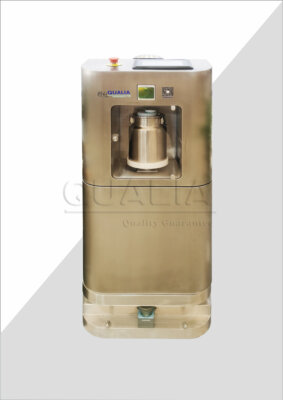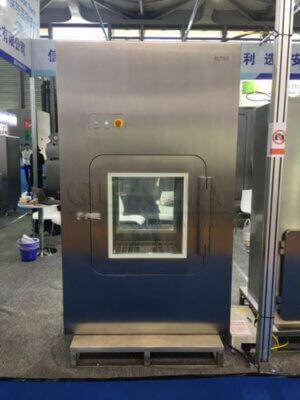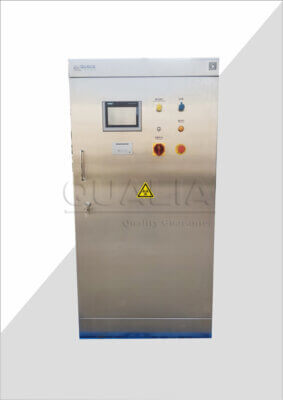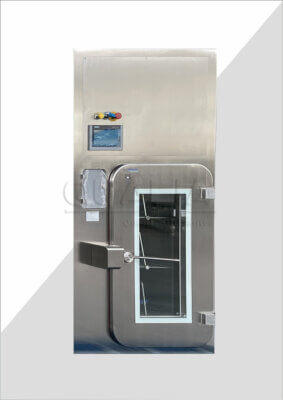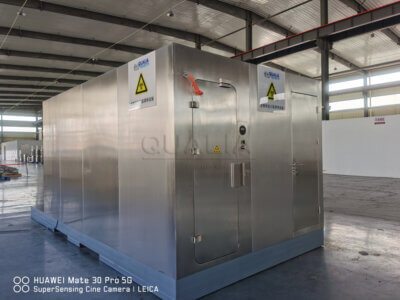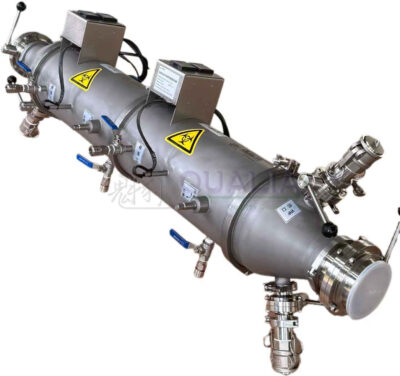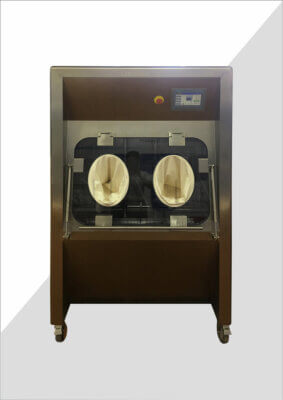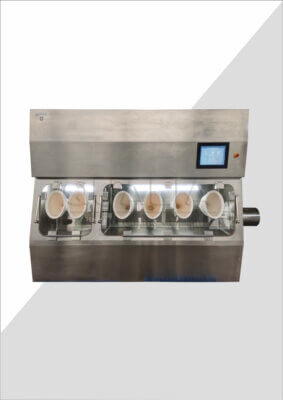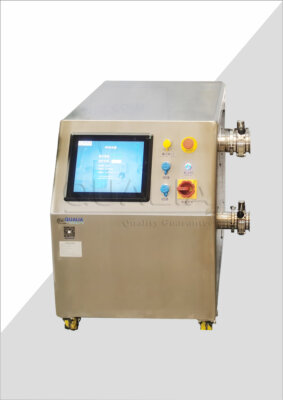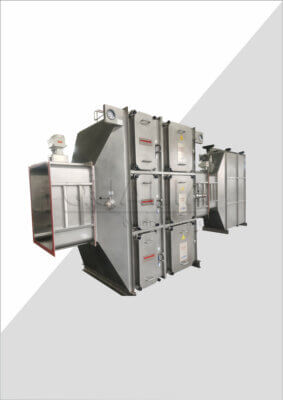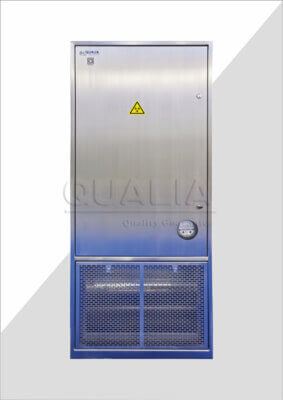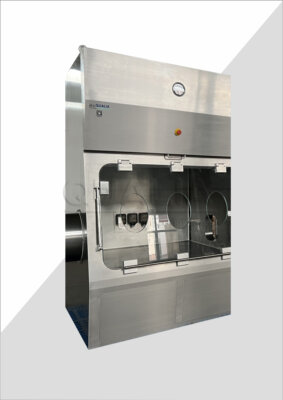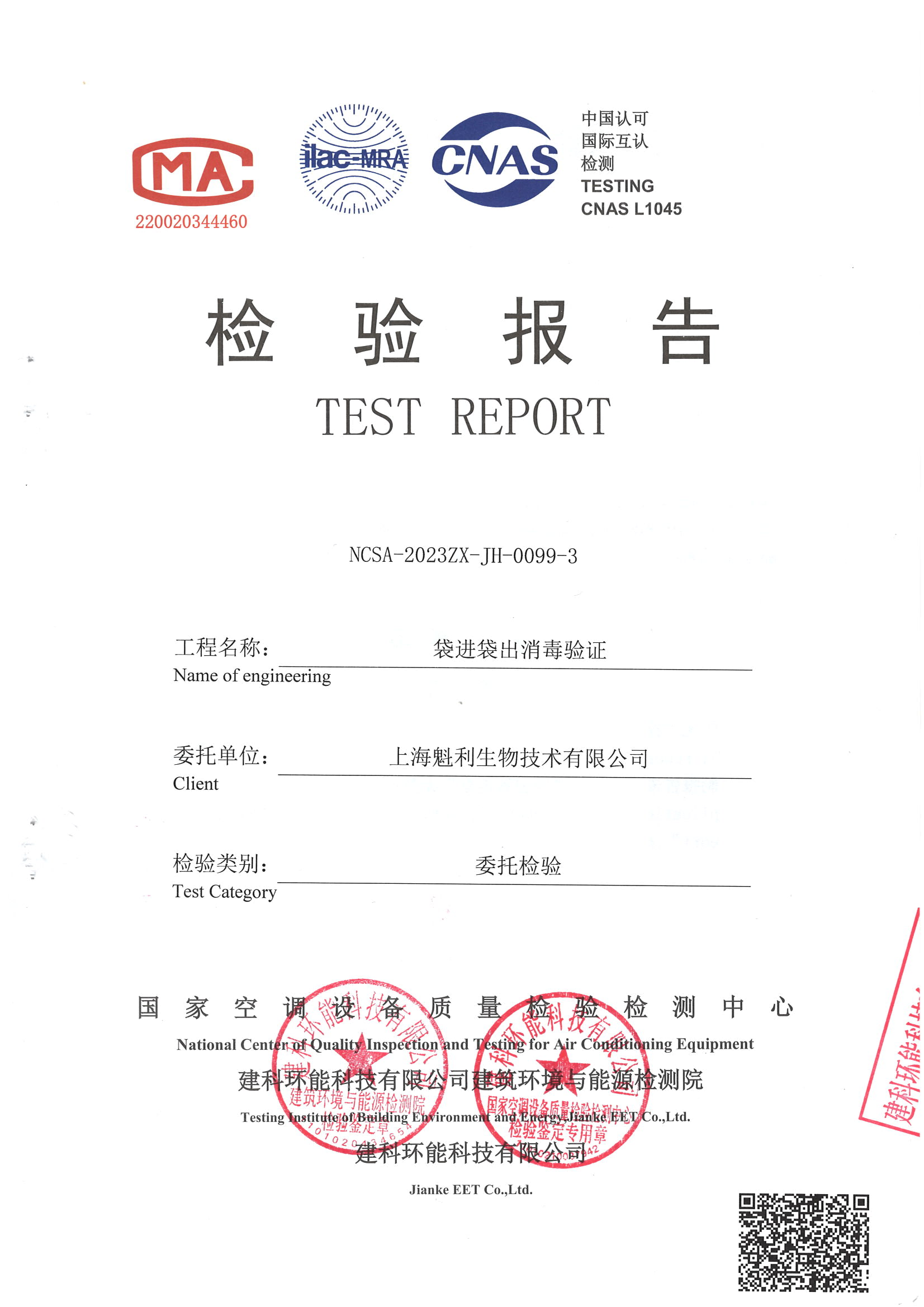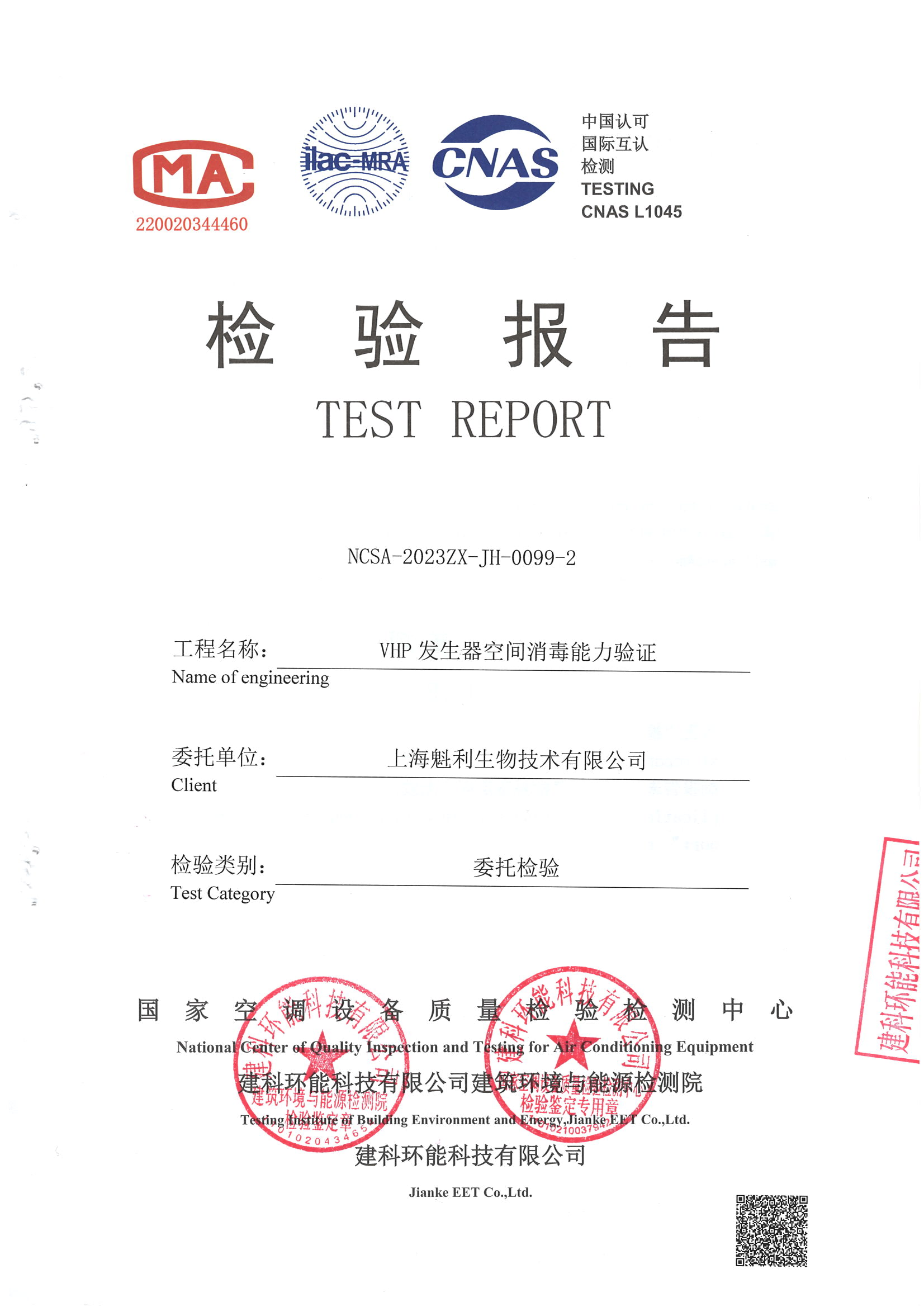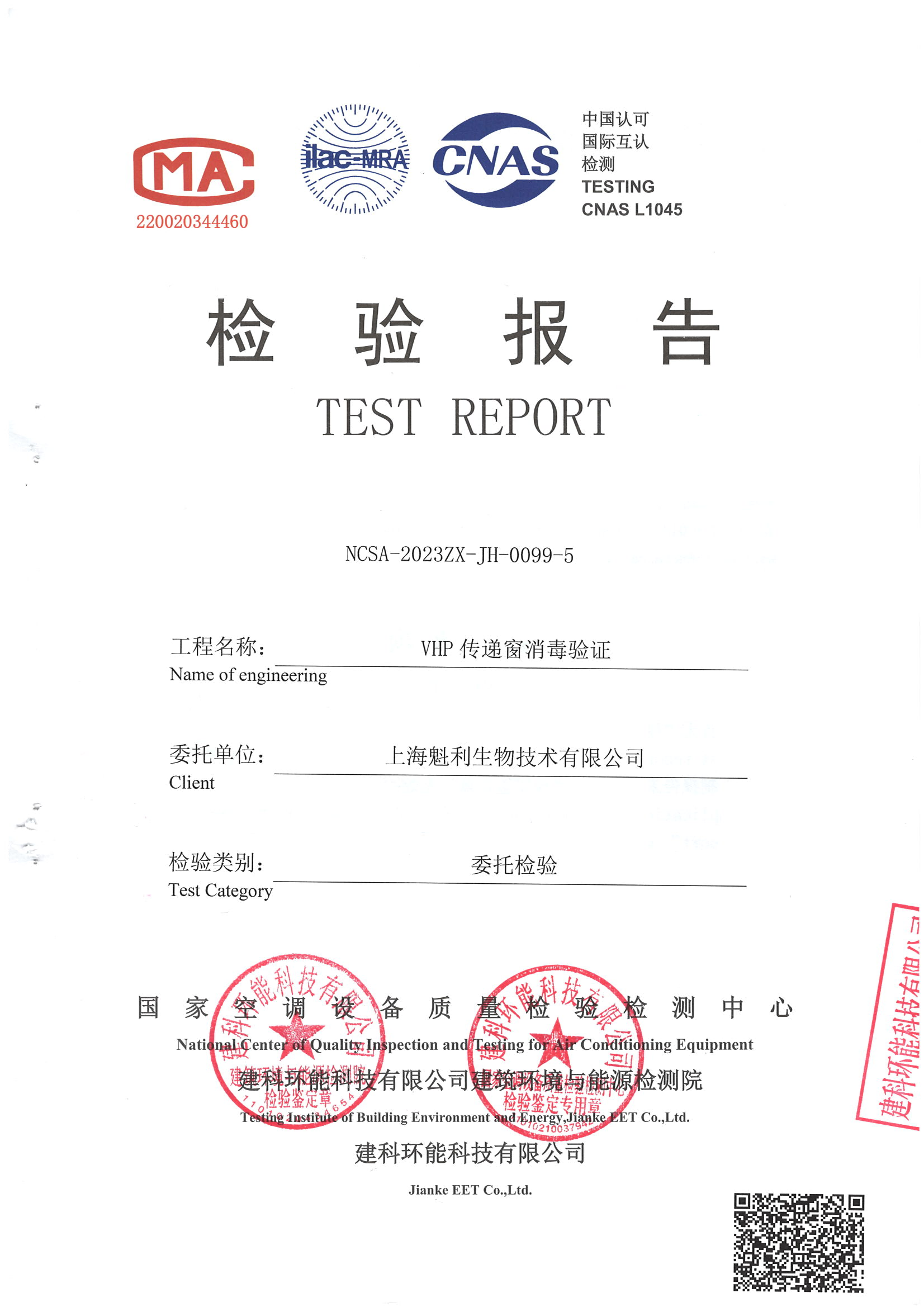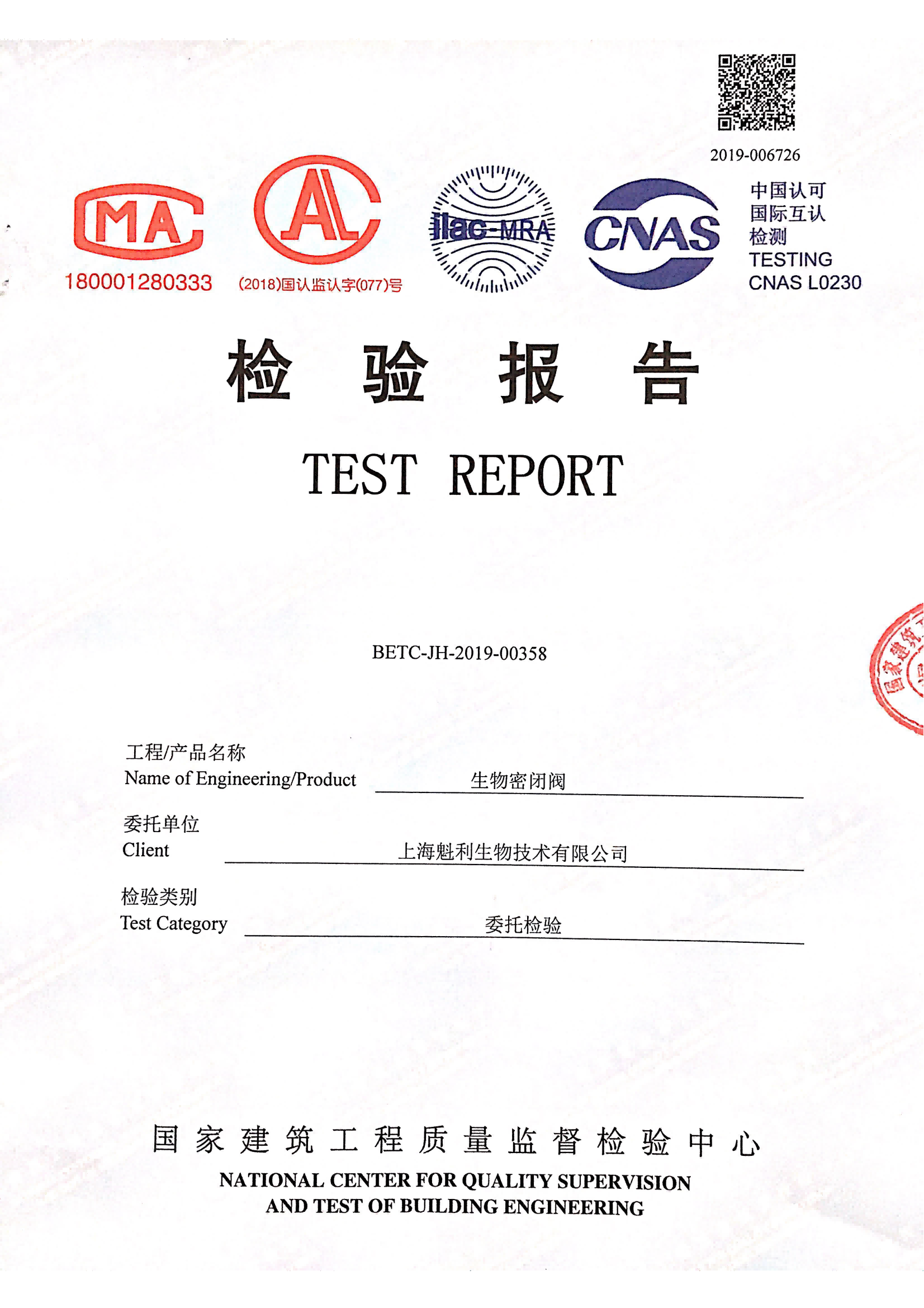
The global sterilization equipment market faces a critical challenge: organizations need flexible, cost-effective decontamination solutions that can adapt to diverse environments and protocols without compromising safety standards. Traditional fixed sterilization systems often fall short when facilities require rapid deployment, varied chamber sizes, or compatibility across multiple application scenarios. This creates significant operational bottlenecks, especially in healthcare, pharmaceutical, and research environments where contamination control directly impacts patient safety and regulatory compliance.
The consequences of inadequate sterilization flexibility extend far beyond operational inefficiency. Facilities may face regulatory violations, increased downtime during equipment transitions, and substantial capital expenditures for multiple specialized systems. In critical situations, such as outbreak responses or emergency decontamination protocols, the inability to quickly deploy effective sterilization solutions can have serious implications for public health and organizational reputation.
This comprehensive analysis explores VHP alternative solutions that address these challenges through innovative design approaches, universal compatibility features, and adaptable deployment strategies. We’ll examine how modern portable sterilization alternatives are revolutionizing decontamination protocols across industries, providing detailed insights into selection criteria, implementation strategies, and real-world performance metrics.
What are VHP Alternative Solutions and Why Do They Matter?
VHP alternative solutions represent a paradigm shift from traditional fixed sterilization systems toward flexible, universal platforms that can adapt to diverse decontamination requirements. These systems maintain the proven efficacy of vaporized hydrogen peroxide while offering enhanced portability, compatibility, and operational flexibility.
Core Technology Advantages
Modern alternative systems integrate advanced microprocessor control with precision vapor generation, achieving sterilization efficacy rates comparable to traditional systems while reducing setup complexity by up to 60%. The SpaceVHP portable generator exemplifies this approach, delivering consistent 6-log reduction performance across chamber volumes ranging from 0.1 to 1000 cubic meters.
Key technological differentiators include:
- Adaptive vapor distribution systems that automatically adjust output based on chamber characteristics
- Universal connection interfaces supporting both Type II and Type III applications
- Real-time monitoring capabilities providing continuous validation throughout the sterilization cycle
Industry Impact and Adoption Trends
According to recent industry analysis, organizations implementing flexible VHP systems report 40% faster deployment times and 25% reduction in overall sterilization costs. These improvements stem from the ability to utilize single systems across multiple applications, eliminating the need for specialized equipment for each use case.
However, it’s important to note that alternative systems may require initial training investments to maximize their flexibility advantages. Staff familiar with traditional fixed systems often need 2-3 weeks to fully optimize portable system deployment strategies.
| System Type | Deployment Time | Setup Complexity | Application Flexibility |
|---|---|---|---|
| Traditional Fixed | 2-4 hours | High | Limited |
| Alternative Portable | 45-90 minutes | Moderate | High |
| Hybrid Systems | 1-2 hours | Low | Very High |
How Do Portable Sterilization Alternatives Compare to Traditional Systems?
Performance Metrics and Validation
Portable sterilization alternatives have evolved significantly, with current-generation systems achieving sterilization parameters that meet or exceed traditional fixed installations. Independent testing demonstrates that modern portable systems deliver consistent 6-log spore reduction across diverse chamber configurations while maintaining cycle times within 10% of fixed system performance.
The primary advantage lies in adaptable decontamination technology that can modify vapor concentration, distribution patterns, and exposure times based on specific chamber characteristics. This adaptability eliminates the common limitation of fixed systems that require chambers to conform to predetermined specifications.
Operational Flexibility Benefits
In our experience working with healthcare facilities, the most significant advantage of portable alternatives is their ability to handle emergency decontamination scenarios. During a recent outbreak response, a major hospital network utilized portable systems to establish temporary isolation chamber decontamination within 4 hours, compared to the 2-3 days typically required for fixed system installation.
Key operational advantages include:
- Rapid deployment capability for emergency response situations
- Multi-chamber compatibility without requiring permanent installation modifications
- Scalable capacity that adjusts to varying workload demands
Technical Performance Comparison
Research conducted by the International Association for Healthcare Engineering indicates that portable systems demonstrate superior versatility while maintaining sterilization efficacy. The study found that universal VHP solutions achieved 99.9999% spore kill rates across 15 different chamber types, compared to traditional systems that required chamber-specific calibration for optimal performance.
While portable systems excel in flexibility, they do require more frequent calibration verification due to their variable deployment environments. This translates to approximately 15% additional validation time compared to fixed installations.
What Makes Universal Decontamination Systems More Adaptable?
Intelligent Control Systems
Modern universal systems incorporate sophisticated feedback mechanisms that continuously monitor chamber conditions and adjust vapor generation parameters accordingly. These systems utilize multiple sensor inputs—including temperature, humidity, and hydrogen peroxide concentration—to optimize sterilization efficacy regardless of chamber size or configuration.
Modular Design Architecture
The most effective compatible decontamination systems feature modular component designs that allow users to configure systems for specific applications without requiring entirely different equipment. This approach typically includes:
- Interchangeable vapor generators sized for different chamber volumes
- Adaptable distribution manifolds that accommodate various chamber geometries
- Universal control interfaces that maintain consistent operation across configurations
Integration Capabilities
Leading systems now offer seamless integration with existing facility management systems, enabling remote monitoring and automated documentation. QUALIA Bio-Tech has pioneered integration protocols that allow facility managers to monitor multiple decontamination processes from centralized control stations, significantly improving operational efficiency.
Which Industries Benefit Most from Flexible Sterilization Equipment?
Healthcare Applications
Healthcare facilities represent the largest adopters of flexible sterilization equipment, with applications ranging from patient room decontamination to surgical suite sterilization. The COVID-19 pandemic accelerated adoption, with hospitals reporting 300% increased demand for portable decontamination capabilities.
A case study from a 500-bed medical center demonstrated that implementing portable VHP systems reduced room turnover time by 35% while maintaining superior decontamination efficacy. The facility achieved annual cost savings of $180,000 through improved room utilization and reduced staffing requirements.
Pharmaceutical Manufacturing
Pharmaceutical manufacturers benefit significantly from portable systems’ ability to handle diverse production environments. These facilities often require decontamination of equipment with varying sizes and configurations, making universal systems particularly valuable.
Industry data shows that pharmaceutical companies using portable systems report 45% reduction in production downtime related to sterilization procedures. The ability to quickly reconfigure systems for different production lines eliminates the need for multiple dedicated sterilization installations.
Research and Laboratory Environments
Research facilities present unique challenges due to their diverse equipment types and varying biosafety requirements. Portable systems excel in these environments by providing consistent sterilization protocols across different laboratory configurations.
| Industry Sector | Primary Benefits | ROI Timeline | Adoption Rate |
|---|---|---|---|
| Healthcare | Rapid deployment, room turnover | 8-12 months | 65% |
| Pharmaceutical | Production flexibility, cost reduction | 12-18 months | 45% |
| Research Labs | Protocol consistency, equipment versatility | 6-10 months | 55% |
| Food Processing | Regulatory compliance, scalability | 10-14 months | 35% |
How to Choose the Right Compatible Decontamination Technology?
Technical Specification Evaluation
When selecting compatible decontamination technology, organizations must first establish clear performance requirements. Critical specifications include chamber volume range, required log reduction levels, and cycle time parameters. Modern systems like the portable VHP generator solutions offer comprehensive specification ranges that accommodate diverse application requirements.
Regulatory Compliance Considerations
Regulatory requirements vary significantly across industries and applications. Healthcare facilities must ensure systems meet FDA guideline, while pharmaceutical manufacturers require compliance with cGMP standards. The most effective approach involves selecting systems with comprehensive validation documentation and proven regulatory approval history.
Integration and Support Infrastructure
Successful implementation requires robust technical support and training programs. Organizations should evaluate vendor capabilities for on-site training, maintenance support, and technical consultation. In our experience, facilities that invest in comprehensive training programs achieve 60% better operational efficiency compared to those with minimal training implementation.
Cost-Benefit Analysis Framework
Effective selection requires comprehensive cost-benefit analysis that considers both initial investment and long-term operational costs. Key factors include:
- Initial equipment investment compared to traditional system costs
- Training and implementation expenses for staff development
- Ongoing maintenance and calibration requirements
- Operational efficiency gains from improved flexibility
What Are the Cost-Benefit Considerations for VHP Alternatives?
Initial Investment Analysis
Portable sterilization alternatives typically require 20-30% higher initial investment compared to traditional fixed systems. However, this cost differential is often offset by the elimination of installation requirements and the ability to serve multiple applications with single systems.
A comprehensive analysis of 50 healthcare facilities showed that organizations implementing portable systems achieved break-even within 14 months through improved utilization efficiency and reduced infrastructure requirements. The key financial advantage stems from the ability to maximize equipment utilization across multiple departments and applications.
Operational Cost Benefits
Long-term operational benefits include reduced maintenance costs due to modular design architecture and decreased downtime from simplified troubleshooting procedures. Industry research indicates that portable systems require 25% less maintenance intervention compared to fixed installations.
While portable systems offer substantial operational advantages, they do require more frequent calibration verification due to their variable deployment environments. This factor should be considered when evaluating total cost of ownership, as calibration costs can represent 10-15% of annual operational expenses.
Return on Investment Metrics
Organizations typically achieve positive ROI within 12-18 months through multiple value streams:
- Improved equipment utilization rates of 40-60% compared to fixed systems
- Reduced facility modification costs eliminating permanent installation requirements
- Enhanced operational flexibility enabling rapid response to changing requirements
- Decreased staffing requirements through simplified operation procedures
The selection of universal VHP solutions represents a strategic investment in operational flexibility that provides long-term competitive advantages while maintaining the highest standards of decontamination efficacy. As sterilization requirements continue to evolve, organizations that implement adaptable systems position themselves for sustainable operational success.
Modern VHP alternative solutions offer unprecedented flexibility and efficiency for organizations requiring robust decontamination capabilities. The combination of proven sterilization efficacy, operational adaptability, and cost-effective implementation makes these systems increasingly attractive across diverse industry applications. Success depends on careful evaluation of specific requirements, comprehensive staff training, and selection of systems with proven performance records.
For organizations considering implementation of flexible sterilization solutions, the advanced portable VHP systems available today provide the reliability and adaptability necessary for modern decontamination challenges. What specific applications or challenges is your organization facing that might benefit from these advanced sterilization alternatives?
Frequently Asked Questions
Q: What are VHP Generator Alternative Solutions | Universal Compatible Sterilization Systems?
A: VHP Generator Alternative Solutions | Universal Compatible Sterilization Systems refer to advanced sterilization technologies designed to provide effective decontamination using vaporized hydrogen peroxide (VHP) or similar agents. These systems are engineered to be universally compatible with a broad range of equipment and environments, offering flexible options beyond traditional VHP generators. The goal is to deliver fast, reliable sterilization that meets varied facility requirements while maintaining safety and material compatibility.
Q: How do VHP Generator Alternative Solutions compare to traditional VHP sterilization?
A: Alternative solutions to traditional VHP generators often focus on overcoming some limitations of standard systems by:
- Offering more compact or mobile designs
- Utilizing varied delivery methods like flow-through carrier gases or vacuum-based systems
- Enhancing compatibility with different surface materials and equipment
- Providing adjustable cycle times and concentrations to suit diverse needs
While traditional VHP sterilization is highly effective and rapid, alternatives aim to increase accessibility, versatility, and universal application without sacrificing sterilization quality.
Q: What makes a sterilization system “universal compatible” in the context of VHP Generator Alternative Solutions?
A: A universal compatible sterilization system is designed to work seamlessly with a wide array of materials, devices, and environments without causing damage or requiring significant modification. Core features include:
- Material-friendly sterilization processes that avoid corrosion or brittleness
- Flexible cycle parameters suited for delicate sensors, plastics, and electronic components
- Adaptability to various room sizes or device configurations
This universality ensures that the sterilization system can be integrated easily in hospitals, labs, pharmaceutical manufacturing, and other critical settings.
Q: What are the main advantages of using VHP Generator Alternative Solutions over other sterilization methods?
A: Advantages include:
- Rapid sterilization cycles (often under an hour) compared to heat or chemical methods
- Low-temperature operation preserving sensitive equipment
- Environmentally safe by-products like oxygen and water
- High sporicidal efficacy at low peroxide concentrations
- Reduced risk of material damage versus moist heat or radiation sterilization
These benefits make VHP alternatives ideal for high-throughput, sensitive, or space-constrained sterilization needs.
Q: Are VHP Generator Alternative Solutions safe and validated for pharmaceutical and healthcare use?
A: Yes, these systems have been validated extensively and meet regulatory standards in healthcare and pharmaceutical industries. They provide:
- Consistent, controllable sterilization cycles
- Compatibility with biological and chemical indicators for process verification
- Approval by regulatory bodies recognizing VHP as an effective sterilant
With over 30 years of scientific evidence supporting VHP technologies, alternative solutions built on these principles maintain high safety and efficacy standards essential for critical environments.
Q: How should facilities decide between VHP Generator Alternative Solutions and other sterilization technologies?
A: Decision factors include:
- Sterilization speed and throughput requirements
- Material and equipment sensitivity (heat, moisture, radiation)
- Space availability for equipment installation
- Continuous vs. periodic sterilization needs (VHP vs. DHP for example)
- Safety and environmental impact considerations
Facilities should evaluate their specific applications, types of bioburden, and operational constraints to select a solution that balances sterilization efficacy with convenience and compatibility.
This FAQ section addresses key user concerns about VHP Generator Alternative Solutions | Universal Compatible Sterilization Systems, guiding informed decisions in sterilization practices.
External Resources
- Pharmaceutical Sterilization with Portable VHP Generators – Explores portable VHP generators as efficient, environmentally friendly alternatives for pharmaceutical sterilization, detailing their mechanisms and industry impact.
- Defining VHP Sterilization and Biodecontamination – Provides an in-depth look at VHP sterilization methods, process validation, material compatibility, and its growing adoption for temperature-sensitive medical products.
- Other Sterilization Methods | Infection Control – Offers an overview of VHP technology among other sterilization methods, discussing its sterilizing mechanism, effectiveness, and material compatibility.
- Alternative VHP Solutions | Generic Options to Brand Name Systems – Reviews cost-effective generic VHP systems that deliver sterilization performance on par with brand-name solutions, focusing on safety and regulatory compliance.
- V-PHP/VHP Sterilization – Showcases advanced bio-decontamination systems using vapor-phase hydrogen peroxide, tailored for diverse sterilization applications while highlighting operational flexibility.
- Vaporized Hydrogen Peroxide Sterilizers: Technology and Comparison – Compares various VHP sterilization systems, including compatibility, technology features, and universal applications for healthcare and laboratory settings.