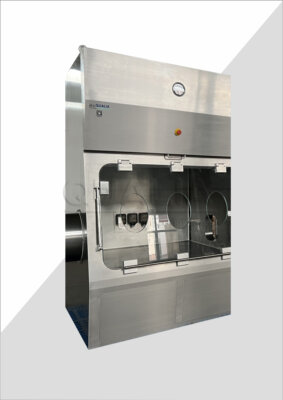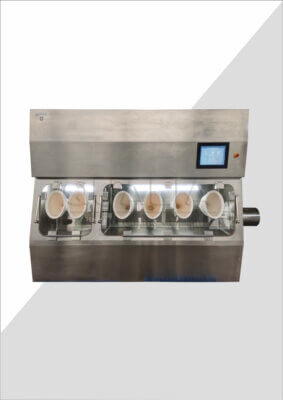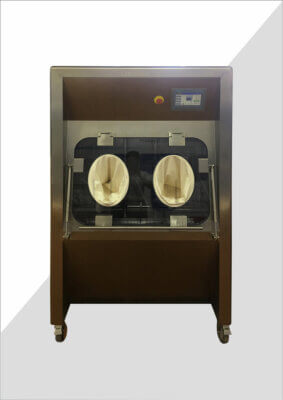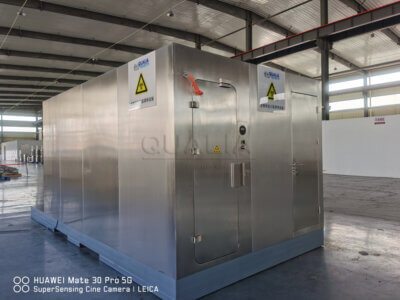

For pharmaceutical manufacturers handling Highly Potent Active Pharmaceutical Ingredients (HPAPIs), verifying containment system performance is a non-negotiable safety and compliance requirement. Yet, traditional methods using the actual API are fraught with risk, cost, and logistical complexity. This creates a critical gap: how can you obtain empirical, defensible proof that your engineering controls will protect operators during OEB 4-5 operations without introducing hazardous materials into your facility?
The answer lies in surrogate powder testing, a performance-based verification methodology that has evolved from a best practice to a strategic imperative. Sophisticated sponsors now mandate dynamic surrogate test data as a prerequisite for awarding high-value HPAPI projects, moving beyond facility claims to verified performance. This shift makes understanding and implementing rigorous surrogate testing not just a technical exercise, but a core component of business qualification and risk management.
The Role and Fundamentals of Surrogate Powder Testing
Defining the Methodology
Surrogate powder testing is the definitive, risk-free approach for empirically verifying containment systems designed for OEB 4 and 5 materials. It uses a non-hazardous, easily detectable powder to simulate an API during dynamic, worst-case process operations. This performance-based verification provides data-driven confidence in engineering controls, which is critical for operator safety, regulatory compliance, and informed risk management. Its role is to bridge the gap between theoretical design and proven operational safety.
Strategic Importance in Vendor Selection
The strategic value of this testing has escalated. In my experience reviewing CDMO capabilities, the absence of recent, comprehensive surrogate test data is now a significant red flag for sponsors. Empirical proof of containment capability is a key differentiator, establishing surrogate testing as a non-negotiable criterion for qualifying for high-value OEB 4-5 work. It transforms safety from a claim into a verifiable credential, directly impacting partnership decisions and project awards.
Core Objectives and Outcomes
The primary objective is to generate a holistic operational risk profile. A well-executed test doesn’t just confirm average containment performance; it identifies exposure spikes during high-risk interventions like filter changes or bag-out procedures. This complete data matrix is essential for designing effective procedural controls and Personal Protective Equipment (PPE) regimens, providing a comprehensive view of system performance under realistic stress conditions.
Core Methodology: Test Design and Protocol Selection
Foundation: Surrogate and Protocol Standards
A rigorous test is built on standardized components to ensure meaningful, reproducible results. The foundation is selecting an appropriate surrogate compound, such as undiluted lactose or sodium naproxen. These are chosen for their physical and aerodynamic properties—like particle size distribution and cohesiveness—to challenge containment similarly to a typical potent powder. The testing must conform to established industry guidelines, primarily the ISPE Good Practice Guide, which provides a standardized methodology for evaluation.
Executing the Test Protocol
Effective protocols deliberately use challenging powders to simulate a worst-case scenario. This validates that engineering controls possess sufficient performance margin to handle pure API incidents. Testing is typically executed at key stages: Factory Acceptance Testing (FAT) serves as a formal Operational Qualification, while Site Acceptance Testing (SAT) acts as Performance Qualification, confirming performance in the actual user environment. The test environment itself is meticulously controlled—the room is cleaned, environmental conditions are stabilized, and access is restricted to ensure results are not skewed by external factors.
Key Components of a Defensible Test Design
The table below outlines the core components that form the backbone of a methodologically sound surrogate test protocol.
Essential Test Design Components
| Test Component | Key Specification / Standard | Purpose / Stage |
|---|---|---|
| Surrogate Compound | Undiluted lactose, sodium naproxen | Simulates worst-case API |
| Protocol Standard | ISPE Good Practice Guide | Ensures defensible results |
| Test Stage | Factory Acceptance Testing (FAT) | Formal Operational Qualification |
| Test Stage | Site Acceptance Testing (SAT) | Performance Qualification |
| Test Environment | Cleaned, stabilized, restricted access | Prevents skewed results |
Source: ISPE Good Practice Guide: Assessing the Particulate Containment Performance of Pharmaceutical Equipment. This guide provides the standardized methodology (SMEPAC) for evaluating containment performance, directly informing the selection of test protocols and surrogate compounds for reliable, industry-aligned results.
Performance Verification: Sampling Strategy and Analysis
Designing a Comprehensive Sampling Plan
The heart of verification is a sampling plan designed to capture all potential exposure pathways. This involves deploying dozens of air and surface samples throughout the simulated operation. Relying solely on general area testing is insufficient; a full exposure assessment requires a multi-point strategy that reveals the true operational risk profile by identifying not just average containment but exposure spikes.
Types and Targets of Sampling
Air sampling includes personal breathing zone (PBZ) samples to directly simulate operator exposure—measuring both Time-Weighted Averages (TWA) for chronic exposure and Short-Term Exposure Limits (STEL) for peak events. General area samples are placed near potential emission points like valve stems or bag ports. Surface swab testing assesses cleanliness and pinpoints exact locations of containment failure, which is critical for post-test corrective actions.
Strategic Sampling Framework
The following table details the different sample types and their strategic purpose in building a complete picture of containment performance.
Sampling Strategy for Holistic Risk Assessment
| Sample Type | Measurement Target | Strategic Purpose |
|---|---|---|
| Personal Breathing Zone | Time-Weighted Average (TWA) | Simulates operator chronic exposure |
| Personal Breathing Zone | Short-Term Exposure Limit (STEL) | Captures exposure spikes |
| General Area Air | Airborne concentration (µg/m³) | Identifies emission points |
| Surface Swab | Surface mass (µg) | Assesses cleanliness, failure points |
| Multi-Point Strategy | Dozens of air/surface samples | Holistic operational risk profile |
Source: Technical documentation and industry specifications.
Interpreting Results and Correlating to OEB 4-5 Standards
Translating Data to Exposure Bands
Analytical results are quantified as airborne concentrations (µg/m³) and surface mass (µg). For OEB 4-5 verification, target concentrations are extremely low. OEB 4 typically corresponds to an airborne concentration range of 1–10 µg/m³, while OEB 5 is defined as <1 µg/m³. For highly potent compounds, OEB 5 targets often extend into the nanogram range (0.1–0.01 µg/m³). A successful test for an OEB 5-capable system shows all personal and area sampling results significantly below these stringent thresholds.
The Conservative Default Strategy
A common challenge arises with new compounds lacking a defined Occupational Exposure Limit (OEL). The strategic, risk-averse approach is to default to the most conservative OEB—typically OEB 5—for initial containment design and testing. This prioritizes safety and allows for later downward adjustment if toxicological data permits, rather than risking dangerous under-containment. This decision establishes a higher initial capital and operational cost baseline that must be factored into early-stage program budgeting.
OEB Concentration Targets and Sensitivity
Understanding the correlation between OEB levels and analytical sensitivity is crucial for setting pass/fail criteria and selecting appropriate analytical methods.
Correlation of OEB Levels to Analytical Targets
| Occupational Exposure Band (OEB) | Airborne Concentration Target | Analytical Sensitivity Level |
|---|---|---|
| OEB 4 | 1 – 10 µg/m³ | Microgram range |
| OEB 5 | < 1 µg/m³ | Sub-microgram range |
| OEB 5 (Stringent) | 0.1 – 0.01 µg/m³ | Nanogram range |
| Initial Design (No OEL) | Default to OEB 5 | Conservative risk-averse approach |
Source: Technical documentation and industry specifications.
Note: OEL = Occupational Exposure Limit.
Integrating Surrogate Testing into Qualification Lifecycles
Alignment with Validation Frameworks
Surrogate testing is not a standalone activity; it is a cornerstone of the equipment validation lifecycle, directly aligning with the DQ/IQ/OQ/PQ framework. It provides the empirical evidence required for Performance-Based Level of Exposure Classification (PBLEC) and directly informs process risk assessments. The data from FAT and SAT serve as formal OQ and PQ evidence, respectively, confirming the system performs as specified in both controlled and operational environments.
Documentation and Audit Readiness
This integration creates documented proof of capability that is indispensable for both internal safety reviews and external client or regulatory audits. The test report, including raw data, sampling locations, and analytical certificates, forms a critical part of the validation dossier. In modern potent compound safety strategy, this documentation is as important as the physical equipment itself, providing traceable evidence of due diligence and engineering control efficacy.
Catalyzing a Specialized Market
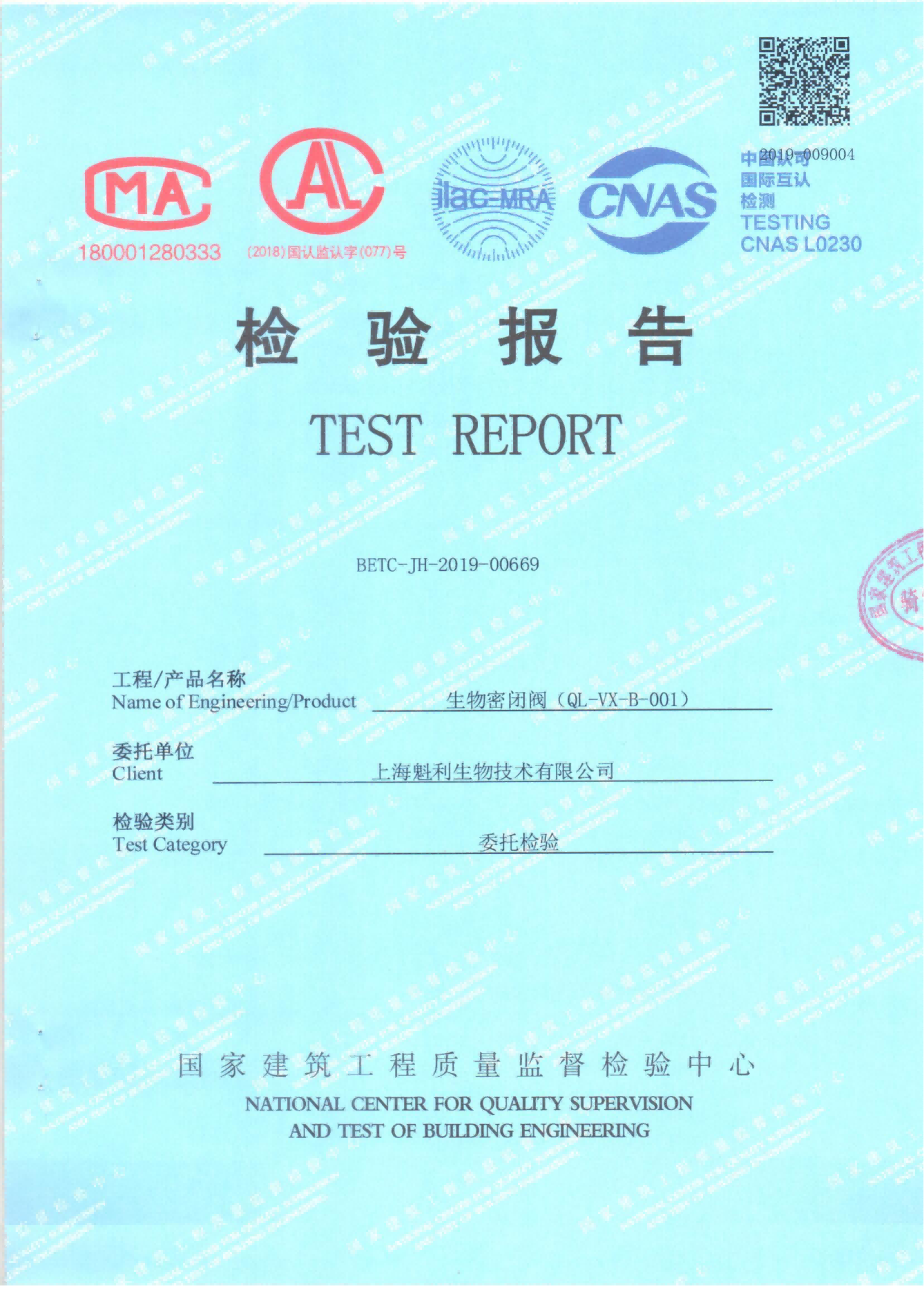
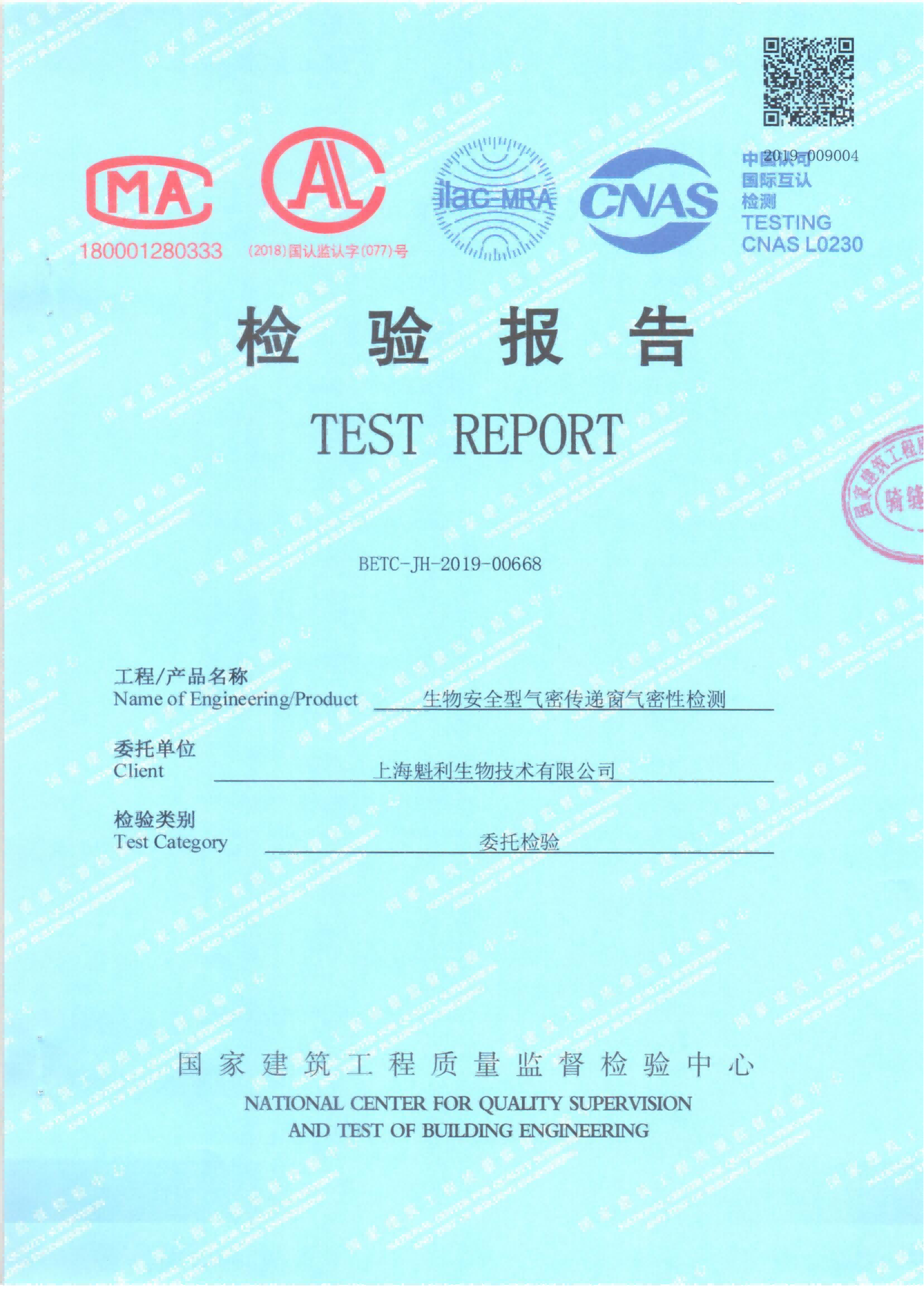
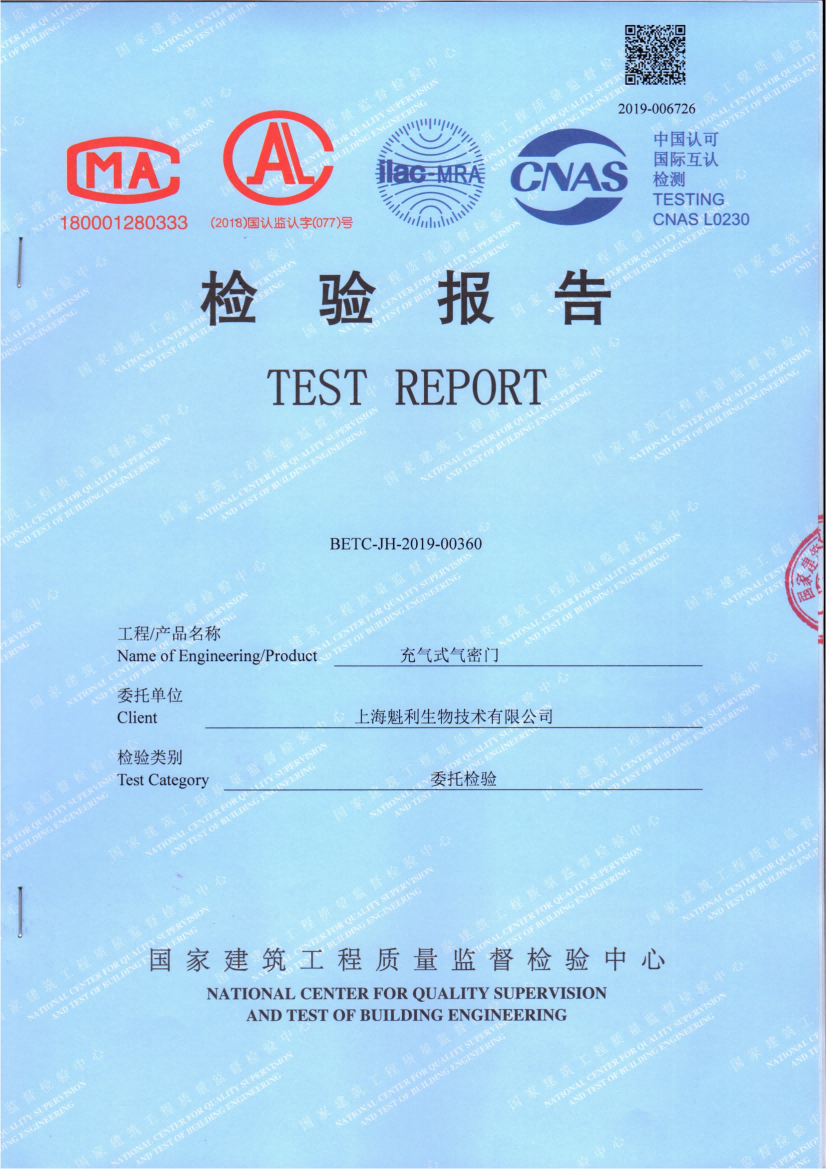
The complexity and regulatory importance of this testing have catalyzed a specialized market for third-party accredited labs offering certified testing and equipment certification services. Pharmaceutical firms must vet and integrate these partners into their quality management systems with the same rigor applied to key material suppliers. Their external validation is critical for liability management and maintaining client confidence in a audit-heavy environment.
Key Criteria for Selecting a Surrogate Test Provider
Foundational Competencies
Selecting a qualified test provider is critical for generating defensible, audit-ready data. The primary criterion is demonstrable adherence to recognized industry guidelines like those from ISPE and the American Industrial Hygiene Association (AIHA). The provider must also hold specific accreditations for the relevant analytical methods, such as HPLC for lactose analysis, ensuring the validity of the reported nanogram-level results. Experience specifically with OEB 4-5 containment systems is non-negotiable.
Methodological Rigor and Strategic Alignment
Beyond credentials, evaluate their methodological rigor. They must employ comprehensive multi-point sampling strategies and use analytically challenging surrogates like lactose with demonstrably low Limits of Quantification (LOQ). As industry standards evolve toward more prescriptive protocols, select partners who anticipate and align with these emerging standards to avoid costly re-validation cycles later. Their approach should be proactive, not merely reactive to current minimum requirements.
Provider Qualification Framework
The selection process should be systematic, treating the test provider as a critical partner whose work directly impacts operational safety and regulatory standing.
Framework for Selecting a Test Provider
| Selection Criteria | Key Requirement | Strategic Rationale |
|---|---|---|
| Protocol Adherence | ISPE & AIHA guidelines | Defensible, audit-ready data |
| Analytical Accreditation | Relevant method certification | Ensures result validity |
| Surrogate Challenge | Lactuse, low LOQ | Tests true containment margin |
| Sampling Strategy | Comprehensive multi-point | Full exposure pathway capture |
| Partner Qualification | Rigorous as key supplier | Manages liability, client confidence |
Source: ISPE Good Practice Guide: Assessing the Particulate Containment Performance of Pharmaceutical Equipment. Adherence to this guide is a primary benchmark for provider competency, ensuring their testing methodology meets the industry standard for performance assessment of pharmaceutical containment equipment.
Common Pitfalls and How to Avoid Them in Testing
Pitfalls in Test Execution
Common mistakes during test execution can completely undermine validity. These include inadequate surrogate selection, such as using an overly free-flowing powder that doesn’t adequately challenge containment. Another critical error is insufficient sampling during transient but high-risk tasks like liner changes or filter swaps, which often represent peak exposure moments. Poor environmental control, leading to background contamination, can also skew results, making strict room cleaning and access control essential.
The Holistic Design Fallacy
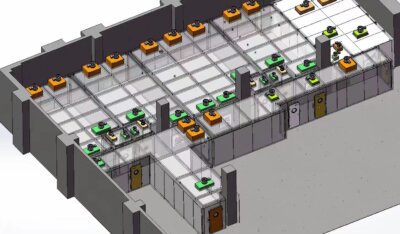
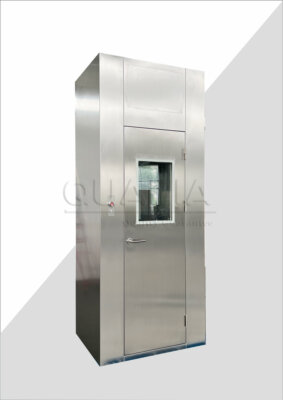
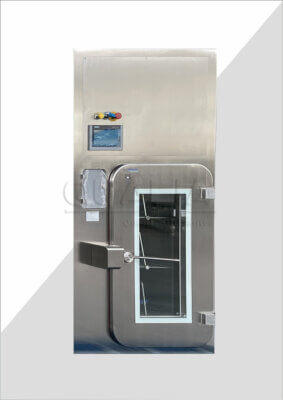
A more strategic pitfall is designing facilities that focus solely on primary containment equipment while neglecting the integrated facility controls required for OEB 4-5. Verified containment requires a layered defense-in-depth system. This includes single-pass air handling, proper pressure cascades, airlocks, and HEPA filtration on exhaust streams—principles detailed in standards like ISO 14644-7. A holistic engineering review that considers the entire containment envelope is essential from the project’s inception.
Avoiding Costly Retrofit Decisions
The table below categorizes common pitfalls and their mitigation strategies, highlighting the importance of integrated planning.
Common Testing and Design Pitfalls
| Pitfall Category | Specific Example | Mitigation Strategy |
|---|---|---|
| Surrogate Selection | Overly free-flowing powder | Use challenging powder (e.g., lactose) |
| Sampling Gap | Missing high-risk tasks | Sample during liner/filter changes |
| Environmental Control | Background contamination | Strict room cleaning, access control |
| Facility Design Focus | Primary containment only | Implement defense-in-depth system |
| Retrofit Cost | Prohibitively expensive | Consider greenfield/dedicated wing |
Source: ISO 14644-7: Cleanrooms and associated controlled environments — Part 7: Separative devices. This standard specifies requirements for containment devices like isolators, underpinning the holistic, integrated facility controls (air, pressure, filtration) necessary to avoid the pitfall of focusing on primary containment alone.
Establishing a Continuous Performance Verification Program
Moving Beyond a Single Test
A single surrogate test provides a snapshot, not a guarantee of long-term safety. A robust Continuous Performance Verification (CPV) program includes periodic re-testing, especially after significant maintenance, procedural changes, or equipment modifications. This should be supplemented by an ongoing environmental monitoring program for potent compounds, creating a trendable data set that signals containment performance drift before it becomes a safety issue.
Adapting to Technological Shifts
The CPV program must adapt to technological adoption. The growing use of single-use gloveboxes and film isolators directly tackles the downtime and validation burden of cleaning fixed systems. This disposable containment technology prioritizes operational flexibility and eliminates cleaning validation, but it shifts the cost structure to a recurring consumable model. It also demands new verification approaches to ensure integrity of each new assembly.
Strategic Implications for Business Models
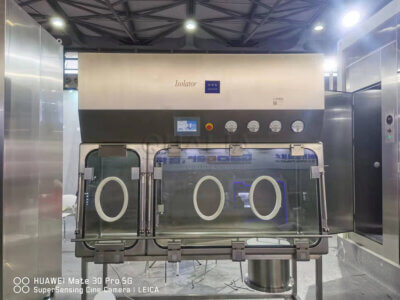
For Contract Development and Manufacturing Organizations (CDMOs), extreme potency fundamentally reshapes business models. The paramount concern for cross-contamination drives a trend toward dedicated suites and complete product segregation. This may justify premium pricing for verifiably segregated capacity and could drive CDMO specialization in specific potency bands. The strategic implication is that containment verification is no longer just an operational concern—it’s a core determinant of manufacturing strategy and market positioning. Implementing a CPV program ensures that the performance of critical high-containment isolator systems is maintained throughout their lifecycle, safeguarding both personnel and product integrity.
Verifying OEB 4-5 containment is a multi-phase commitment that begins with rigorous, protocol-driven surrogate testing and extends into a lifecycle of continuous verification. The core decision points involve selecting a defensible test methodology, a qualified provider, and integrating the results into a holistic facility design that employs defense-in-depth principles. Implementation priority must be given to establishing a CPV program that adapts to new technologies like single-use isolators, ensuring sustained performance.
Need professional guidance on designing and verifying a containment strategy for your potent compound pipeline? The experts at QUALIA specialize in translating complex containment requirements into operable, safe, and compliant manufacturing solutions. Contact us to discuss your specific HPAPI handling challenges.
Frequently Asked Questions
Q: How do you design a surrogate powder test to verify OEB 5 containment capability?
A: You must design a worst-case scenario test using a challenging, non-hazardous surrogate powder like undiluted lactose. The protocol should follow industry guidelines, such as the ISPE Good Practice Guide, and include comprehensive air and surface sampling to measure concentrations down to the nanogram per cubic meter range. For projects targeting OEB 5, you should budget for this rigorous testing during Factory Acceptance Testing to establish a defensible performance baseline before equipment installation.
Q: What sampling strategy is required for a complete containment risk assessment?
A: A complete assessment requires a multi-point strategy combining personal breathing zone samples, general area samples, and surface swabs. This approach captures both time-weighted averages and short-term exposure spikes during high-risk interventions like filter changes. If your goal is to design effective procedural controls and PPE regimens, you must move beyond simple area monitoring to this holistic exposure profile.
Q: How do you correlate surrogate test results to specific OEB classifications?
A: You correlate results by comparing measured airborne concentrations to established OEB thresholds: OEB 4 corresponds to 1–10 µg/m³, while OEB 5 is below 1 µg/m³, often at nanogram levels. A system verified for OEB 5 will show all results significantly under these limits. This means for new compounds without a defined OEL, you should default to designing for the most conservative OEB to prioritize safety, which establishes a higher initial cost baseline.
Q: When should surrogate testing be integrated into the equipment qualification lifecycle?
A: Integrate it as empirical evidence within the DQ/IQ/OQ/PQ framework, with Factory Acceptance Testing serving as Operational Qualification and Site Acceptance Testing as Performance Qualification. This provides documented proof for safety reviews and client audits. For audit readiness, you must qualify your third-party test provider with the same rigor as a key material supplier, as their validation is critical for liability management.
Q: What are the key pitfalls in surrogate testing for high-containment systems?
A: Common pitfalls include using an inadequately challenging surrogate powder, insufficient sampling during critical tasks, and poor environmental control causing background contamination. A major strategic error is focusing solely on primary equipment while neglecting integrated facility controls like pressure cascades and HEPA filtration. This means retrofitting an existing facility for OEB 4-5 often proves so costly that dedicated new construction becomes the more viable option.
Q: How do you establish a continuous performance verification program after initial qualification?
A: Establish a program that mandates periodic re-testing after maintenance or procedural changes and includes ongoing environmental monitoring. The program must adapt to technologies like single-use isolators, which trade capital expense for recurring material costs. If your operation requires multi-product manufacturing flexibility, you should plan for this shift in cost structure and the associated waste stream management.
Q: What criteria should we use to select a qualified surrogate testing provider?
A: Select a provider with demonstrated adherence to ISPE and AIHA guidelines, accreditation for relevant analytical methods, and extensive OEB 4-5 experience. They must use comprehensive multi-point sampling and analytically challenging surrogates. To avoid future re-validation, choose a partner who anticipates evolving industry standards, as their external certification is essential for maintaining client confidence in your containment claims.
Related Contents:
- OEB 3 vs OEB 4 vs OEB 5: Equipment Requirements and Containment Strategy Differences
- How to Choose the Right OEB Isolator: Expert Guide
- How to Calculate Required Containment Level for API and HPAPI Using Toxicology Data
- What Are OEB Levels in Pharmaceutical Manufacturing and How Are They Determined?
- Testing Sterile Antibiotic Powders in Isolators
- How to Validate OEB4 and OEB5 Isolators: Step-by-Step
- OEB Containment Systems for Pharmaceutical Manufacturing: Complete 2025 Implementation Guide from Level Selection to Validation
- 5 Common OEB Isolator Mistakes and How to Avoid Them
- OEB Level 1-5 Classification and Equipment Selection Matrix: Matching Hazard Bands to Containment Solutions