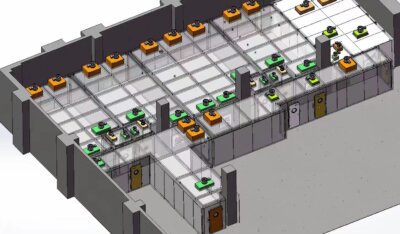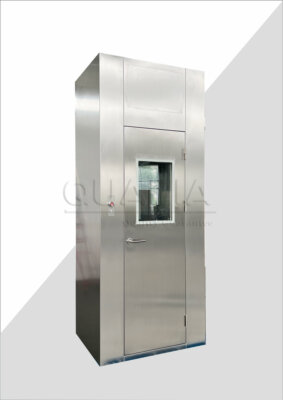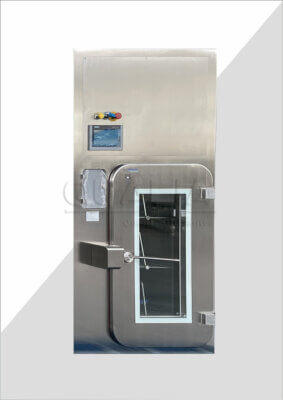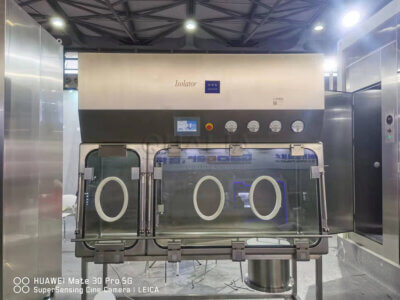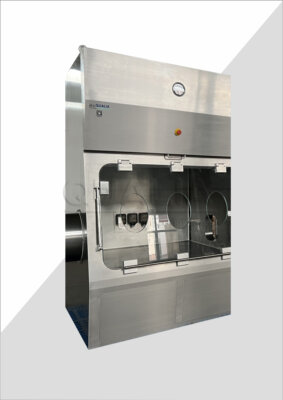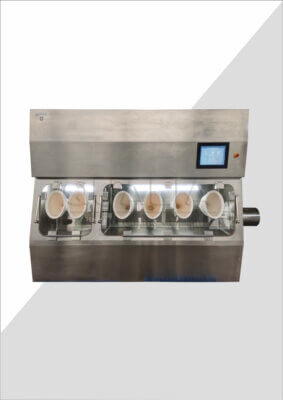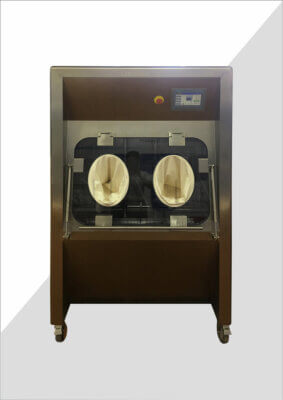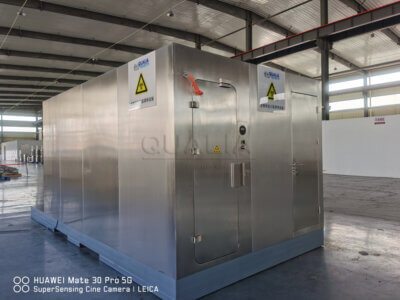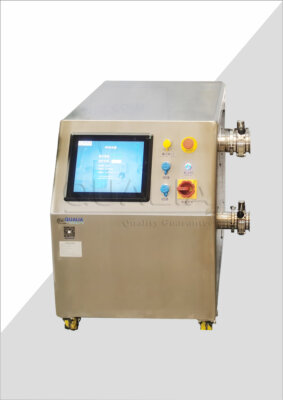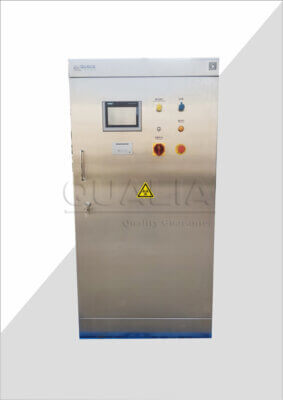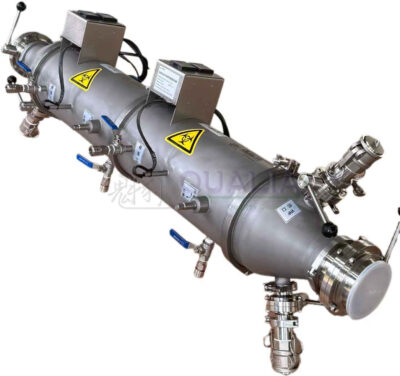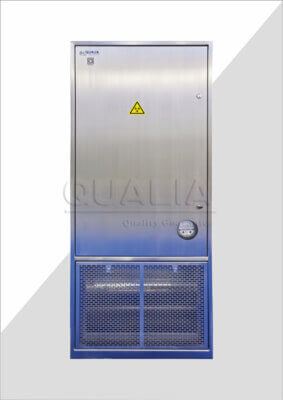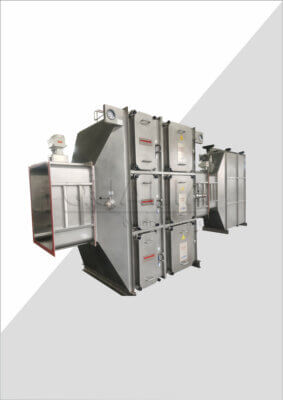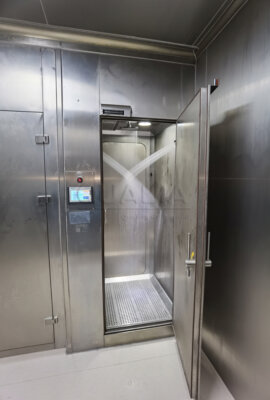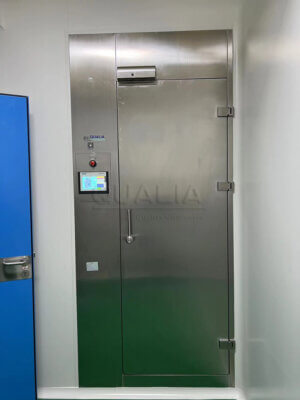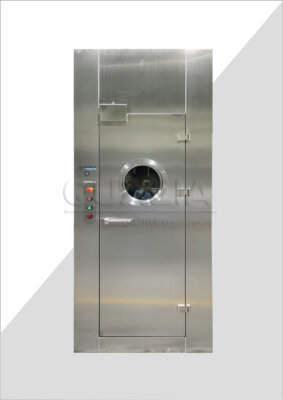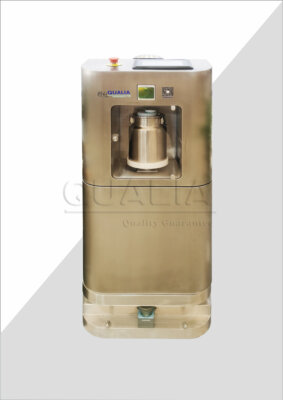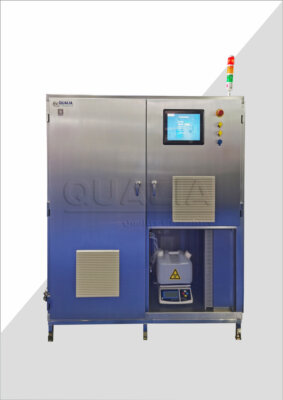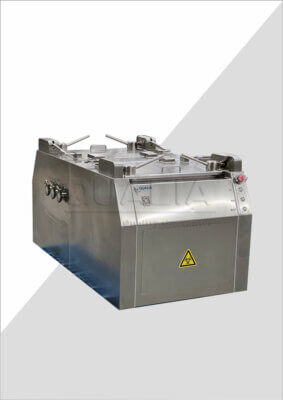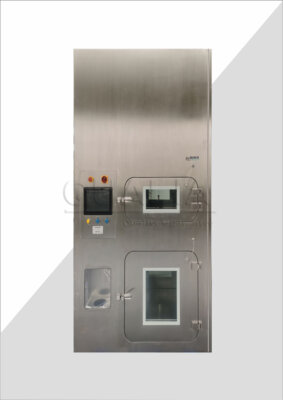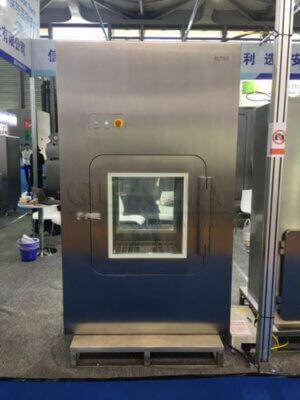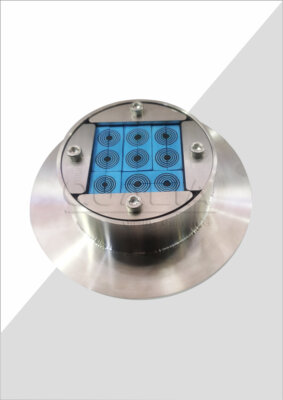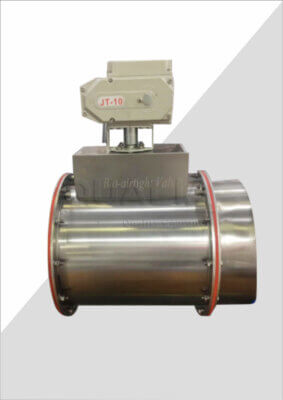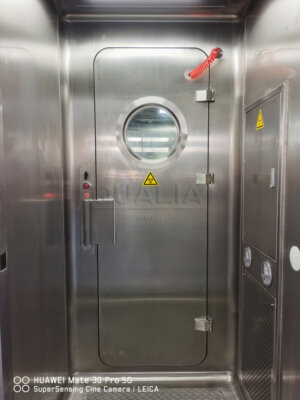
Modern healthcare facilities face increasingly complex sterilization challenges as medical procedures become more sophisticated and regulatory requirements stricter. Traditional chemical disinfection methods often fall short when dealing with complex equipment geometries, sensitive electronics, and critical environments requiring validated decontamination processes. VHP generator applications have emerged as the gold standard for addressing these challenges, offering superior microbial efficacy while maintaining material compatibility across diverse healthcare settings.
The consequences of inadequate sterilization extend far beyond compliance issues. Healthcare-associated infections affect millions of patients annually, resulting in extended hospital stays, increased mortality rates, and billions in additional healthcare costs. Laboratory cross-contamination can invalidate months of research, while incomplete decontamination of medical devices poses direct patient safety risks.
This comprehensive guide explores how portable VHP (Vaporized Hydrogen Peroxide) generators provide validated solutions for hospital sterilization, laboratory decontamination, and specialized medical facility applications. We’ll examine technical specifications, real-world case studies, and emerging applications that position VHP technology as an indispensable tool for modern healthcare infrastructure.
What Are the Primary VHP Generator Applications in Healthcare Settings?
QUALIA Bio-Tech has identified three primary application categories where VHP generators deliver exceptional results: direct patient care environments, laboratory facilities, and specialized medical equipment processing.
Hospital Room and Surgical Suite Decontamination
Hospital sterilization solutions utilizing VHP technology excel in terminal disinfection of patient rooms, operating theaters, and intensive care units. Unlike UV-C systems that require line-of-sight exposure, VHP vapor penetrates complex geometries, reaching shadowed areas and crevices where pathogens typically survive conventional cleaning.
Recent studies demonstrate VHP achieves 6-log reduction of C. difficile spores within 90 minutes, compared to 4-log reduction with traditional chemical sprays. The vapor’s ability to distribute uniformly throughout room volumes ensures consistent microbial kill rates regardless of surface complexity or accessibility.
Laboratory and Research Facility Applications
Research laboratories require validated decontamination processes that don’t compromise sensitive equipment or experimental integrity. VHP generators provide residue-free sterilization of biosafety cabinets, isolators, and entire laboratory suites without the corrosive effects associated with formaldehyde or chlorine dioxide systems.
A 2023 pharmaceutical industry survey revealed that 78% of laboratories using VHP generators reported improved operational efficiency due to reduced downtime between experiments and elimination of lengthy aeration periods required by traditional fumigation methods.
Medical Equipment and Device Sterilization
Complex medical devices containing electronics, optics, and heat-sensitive materials require specialized sterilization approaches. VHP generators offer precise control over vapor concentration and exposure time, enabling validated sterilization cycles for devices that cannot withstand steam sterilization or ethylene oxide processing.
| Application Type | Cycle Time | Log Reduction | Material Compatibility |
|---|---|---|---|
| Patient Rooms | 60-90 min | 6-log | Excellent |
| BSC Decontamination | 30-45 min | 6-log | Superior |
| Medical Devices | 45-120 min | 6-log | Outstanding |
| Isolation Rooms | 75-120 min | 6-log | Excellent |
How Do Laboratory Decontamination Equipment Systems Work?
Understanding VHP generation and distribution mechanisms is crucial for optimizing decontamination effectiveness. Modern portable systems employ flash evaporation technology to convert liquid hydrogen peroxide into vapor phase, ensuring consistent concentration delivery throughout target environments.
Vapor Generation and Distribution Technology
The core technology involves precisely controlled evaporation of 35% hydrogen peroxide solution, creating vapor concentrations between 140-1400 ppm depending on application requirements. Advanced systems incorporate real-time monitoring sensors that adjust generation rates based on environmental conditions and vapor consumption patterns.
In our experience working with major healthcare systems, facilities achieving optimal results typically maintain vapor concentrations above 250 ppm during the exposure phase, with distribution uniformity exceeding 95% throughout treated volumes. This level of control requires sophisticated feedback systems that continuously monitor and adjust vapor output.
Cycle Development and Validation Parameters
Laboratory decontamination equipment validation requires comprehensive cycle development addressing four critical phases: conditioning, decontamination, aeration, and verification. Each phase must be optimized for specific facility conditions, including temperature, humidity, and air exchange rates.
Recent regulatory guidance emphasizes biological indicator placement strategies that challenge the most difficult-to-reach locations within treated spaces. Successful validation protocols typically employ Geobacillus stearothermophilus spores as biological indicators, achieving complete kill across all test locations within validated cycle parameters.
Environmental Monitoring and Control Systems
Modern VHP generators integrate sophisticated environmental monitoring systems that track temperature, humidity, and vapor concentration throughout decontamination cycles. These systems provide real-time feedback enabling automatic cycle adjustments to maintain optimal conditions regardless of external variables.
As infection control specialists note, “The ability to maintain consistent vapor distribution while adapting to changing environmental conditions represents a significant advancement over fixed-parameter systems that may fail under varying operational scenarios.”
What Makes Medical Facility VHP Systems Superior to Traditional Methods?
Comparative analysis reveals significant advantages of VHP technology over conventional sterilization approaches, particularly in terms of efficacy, safety, and operational efficiency.
Efficacy Comparison with Traditional Disinfectants
VHP systems demonstrate superior sporicidal activity compared to liquid chemical disinfectants, achieving 6-log reduction of resistant organisms including C. difficile, Bacillus subtilis, and Aspergillus niger. Traditional cleaning protocols typically achieve 2-3 log reduction, requiring multiple applications to approach VHP efficacy levels.
| Disinfection Method | C. difficile Kill | Contact Time | Residue |
|---|---|---|---|
| VHP Vapor | 6-log | 15-30 min | None |
| Bleach Solution | 3-log | 10 min | Significant |
| Quat Compounds | 1-2 log | 10 min | Moderate |
| UV-C Light | 2-4 log | 30-60 min | None |
Safety Profile and Occupational Health Benefits
Unlike formaldehyde or ethylene oxide systems, VHP decomposes into water vapor and oxygen, eliminating concerns about toxic residues or occupational exposure limits. This safety profile enables deployment in patient care areas without extensive safety protocols or specialized ventilation requirements.
However, it’s worth noting that VHP systems require proper cycle validation to ensure complete vapor breakdown before personnel re-entry. Facilities must implement appropriate monitoring protocols to verify safe atmospheric conditions post-treatment.
Operational Efficiency and Cost Considerations
Medical facility VHP systems typically demonstrate 40-60% reduction in labor costs compared to manual disinfection protocols. Automated cycles eliminate variability associated with manual application while providing comprehensive documentation for regulatory compliance.
While initial capital investment may exceed traditional chemical systems, operational cost analysis reveals significant long-term savings through reduced labor requirements, eliminated consumable costs, and improved operational efficiency.
Which Healthcare Sterilization Applications Benefit Most from VHP Technology?
Specific healthcare applications demonstrate exceptional compatibility with VHP technology, delivering measurable improvements in safety, efficacy, and operational efficiency.
Infectious Disease Isolation and Containment
Isolation rooms housing patients with highly communicable diseases require validated terminal disinfection protocols. VHP generators provide comprehensive decontamination of all surfaces, including complex medical equipment, HVAC systems, and previously inaccessible areas.
A recent case study from a major medical center showed VHP treatment of COVID-19 isolation rooms achieved complete viral inactivation within 45 minutes, compared to 4-6 hours required for manual cleaning and disinfection protocols. This efficiency improvement enabled 300% increase in room turnover rates during peak demand periods.
Surgical and Procedural Suite Decontamination
Operating rooms contain sophisticated equipment requiring validated sterilization without material damage. Advanced VHP systems provide precise control over vapor concentration and exposure time, ensuring complete microbial kill while maintaining equipment integrity.
The technology’s ability to penetrate complex geometries makes it particularly valuable for decontaminating surgical robots, imaging equipment, and other high-value medical devices that cannot be easily relocated for processing.
Emergency Response and Outbreak Management
During infectious disease outbreaks, healthcare facilities require rapid deployment of effective decontamination capabilities. Portable VHP generators enable immediate response to contamination events, providing validated microbial kill within hours rather than days required for traditional fumigation methods.
Pharmaceutical and Compounding Facilities
Sterile compounding operations require maintenance of aseptic conditions throughout production areas. VHP systems provide routine decontamination of cleanrooms, isolators, and transfer chambers without introducing particulate contamination or chemical residues that could compromise product quality.
How Should Clinical Environment Decontamination Protocols Be Implemented?
Successful VHP implementation requires comprehensive protocol development addressing facility-specific variables, regulatory requirements, and operational constraints.
Protocol Development and Validation Requirements
Clinical environment decontamination protocols must address facility design, environmental conditions, and specific contamination risks. Initial protocol development typically requires 4-6 weeks of testing and validation to establish optimal cycle parameters for each application type.
Key validation parameters include biological indicator challenge studies, chemical indicator response verification, and environmental monitoring data collection. Facilities must demonstrate consistent performance across varying conditions including temperature fluctuations, humidity changes, and air exchange rate variations.
Personnel Training and Certification Programs
Effective VHP deployment requires comprehensive training programs addressing equipment operation, safety protocols, and troubleshooting procedures. Training curricula should encompass both theoretical knowledge and hands-on experience with actual equipment systems.
In our experience, facilities achieving optimal results typically implement certification programs requiring annual recertification and quarterly competency assessments. This ensures consistent protocol adherence and maintains high operational standards.
Quality Assurance and Documentation Systems
Regulatory compliance requires comprehensive documentation of all decontamination cycles, including process parameters, biological indicator results, and any deviations from standard protocols. Modern VHP systems provide automated documentation capabilities that streamline compliance processes while ensuring data integrity.
According to industry research, facilities implementing automated documentation systems report 85% reduction in compliance-related administrative burden while improving audit readiness and regulatory confidence.
What Are the Latest Innovations in VHP Generator Technology?
Emerging technological developments continue expanding VHP application capabilities while improving operational efficiency and user experience.
Advanced Automation and Integration Capabilities
Next-generation VHP systems incorporate artificial intelligence algorithms that optimize cycle parameters based on real-time environmental feedback. These systems can automatically adjust vapor generation rates, cycle timing, and distribution patterns to maintain optimal conditions regardless of external variables.
Integration with facility management systems enables remote monitoring, automated reporting, and predictive maintenance capabilities that reduce operational burden while improving system reliability.
Emerging Applications and Future Developments
Research into novel VHP applications continues expanding technology adoption across healthcare segments. Emerging applications include ambulance decontamination, pharmaceutical manufacturing support, and integration with building automation systems for routine facility maintenance.
While VHP technology offers exceptional versatility, facilities must consider ventilation requirements and cycle time constraints when evaluating implementation strategies. Some applications may require facility modifications to accommodate optimal vapor distribution and safe aeration processes.
Conclusion
VHP generator applications represent a transformative approach to healthcare sterilization, offering superior microbial efficacy, enhanced safety profiles, and improved operational efficiency compared to traditional methods. The technology’s ability to provide validated sterilization of complex environments while maintaining material compatibility makes it indispensable for modern healthcare operations.
Key advantages include 6-log sporicidal efficacy, residue-free processing, and comprehensive penetration of complex geometries. These capabilities directly address critical challenges in hospital sterilization, laboratory decontamination, and specialized medical facility operations.
For healthcare facilities evaluating sterilization solutions, VHP technology offers proven performance with measurable improvements in safety, compliance, and operational efficiency. Consider facility-specific requirements including space design, ventilation capabilities, and operational workflows when developing implementation strategies.
The future of healthcare sterilization increasingly depends on technologies that balance efficacy, safety, and operational practicality. VHP generators deliver on all three requirements while providing scalable solutions for diverse healthcare applications.
Ready to implement advanced sterilization solutions in your facility? Explore comprehensive VHP systems designed specifically for healthcare applications, offering the reliability and performance your organization requires.
How will your facility benefit from implementing validated VHP sterilization protocols? What specific applications would deliver the greatest operational impact for your organization?
Frequently Asked Questions
Q: What are the main applications of Portable VHP Generators in hospital and laboratory sterilization?
A: Portable VHP generators are widely used in hospitals and laboratories to ensure thorough sterilization of equipment, rooms, and sensitive materials. Their primary applications include:
- Decontaminating surgical instruments and reusable medical devices
- Sterilizing patient rooms and isolation wards
- Sanitizing laboratories, cleanrooms, and pharmaceutical production areas
- Reaching complex and hard-to-access surfaces where traditional methods may fail
These generators offer flexibility and rapid sterilization without leaving harmful residues, making them ideal for diverse healthcare and lab environments.
Q: How does a Portable VHP Generator work and why is it preferred for sterilization solutions?
A: Portable VHP generators convert liquid hydrogen peroxide into vaporized hydrogen peroxide that acts as a potent sterilizing agent. The vapor penetrates surfaces and kills bacteria, viruses, fungi, and spores effectively. They are preferred because they:
- Operate at low temperatures, safe for heat-sensitive instruments
- Leave no toxic residue, breaking down into water vapor and oxygen
- Shorten sterilization cycle times compared to traditional methods
- Are eco-friendly and safer for both users and patients
This combination of efficacy, safety, and environmental benefit makes portable VHP generators a top choice in sterilization solutions.
Q: What advantages do Portable VHP Generators offer over traditional sterilization methods in hospitals and labs?
A: Compared to methods like steam sterilization or ethylene oxide, portable VHP generators provide several key advantages:
- Portability for use in multiple locations without permanent installations
- Ability to sterilize heat-sensitive and delicate equipment
- No harmful chemical residues or carcinogenic byproducts
- Faster cycle times, increasing operational efficiency
- Better penetration into complex geometries and difficult-to-reach areas
Such benefits allow healthcare and laboratory facilities to maintain high sterilization standards with greater flexibility and safety.
Q: Are Portable VHP Generators suitable for pharmaceutical sterilization in laboratory environments?
A: Yes, portable VHP generators are highly suitable for pharmaceutical sterilization, as they ensure the elimination of pathogens without affecting product integrity. They:
- Provide rapid, residue-free sterilization critical for drug manufacturing
- Maintain sterile environments in cleanrooms and isolators
- Help comply with strict regulatory standards
- Reduce energy consumption compared to heat-based methods
Their versatility and effectiveness make them integral in pharmaceutical labs requiring stringent sterilization.
Q: What recent advancements have improved Portable VHP Generators for hospital and laboratory sterilization?
A: Recent upgrades in portable VHP technology include:
- Enhanced vaporization rates for quicker, more efficient sterilization cycles
- Improved safety and control features for ease of use and monitoring
- Increased portability with compact and lightweight designs
- Advanced connectivity options for remote operation and data logging
These improvements allow healthcare and laboratory professionals to achieve higher sterilization efficacy with user-friendly, adaptable devices.
Q: How should hospitals and laboratories integrate Portable VHP Generators into their sterilization protocols?
A: To maximize benefits, healthcare and laboratory facilities should:
- Identify sterilization needs for spaces and equipment suitable for VHP treatment
- Train staff in safe operation and maintenance of portable VHP generators
- Incorporate VHP cycles alongside other sterilization methods for comprehensive coverage
- Regularly validate and monitor sterilization efficacy to meet compliance standards
By integrating portable VHP generators strategically, institutions can enhance infection control and operational flexibility efficiently.
External Resources
- Cleanroom Sterilization: Portable VHP Generator Guide – This resource details the unique benefits and technical advantages of portable VHP generators for cleanroom sterilization, including efficacy comparison tables and use cases in sensitive environments.
- Pharmaceutical Sterilization with Portable VHP Generators – Explains how portable VHP generators revolutionize sterilization in pharmaceutical settings by providing rapid, residue-free, and effective decontamination for various applications.
- Portable VHP Generators: Sterilization Simplified – QUALIA – Offers a comprehensive overview of VHP sterilization technology, comparing it to traditional methods, and discusses safety, versatility, and application in healthcare and laboratories.
- Top VHP Sterilization Equipment for 2025 – QUALIA – Reviews the latest advancements in portable VHP sterilization equipment, highlighting new features such as enhanced efficiency, real-time monitoring, and expanded applications for hospital and laboratory settings.
- Vaporized Hydrogen Peroxide (VHP) Sterilization in Laboratories – Discusses how VHP generators are applied in laboratory sterilization, with emphasis on effectiveness against microorganisms and practical deployment in research environments.
- Portable VHP Sterilizers for Hospitals & Healthcare – Explores the role of portable VHP sterilizers in hospitals, detailing features, operational benefits, and their contribution to infection prevention and control.
Related Contents:
- 8 Benefits of Hydrogen Peroxide Vapor in 2025
- Revolutionizing Sterilization: Portable VHP Generators vs Traditional Methods
- Portable VHP Generators: A Game-Changer in Decontamination
- VHP Generators in Healthcare Settings | Hospital Decontamination Solutions
- Portable VHP Generators: Sterilization Simplified
- VHP Sterilization in Healthcare: 2025 Best Practices
- Hospital Decontamination: Portable Solutions 2025
- Portable VHP Generators: Revolutionizing Sterilization
- VHP vs Traditional Sterilization: 2025 Comparison