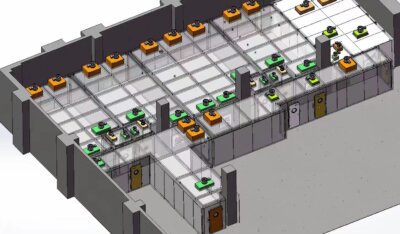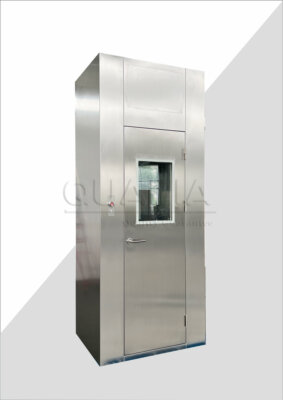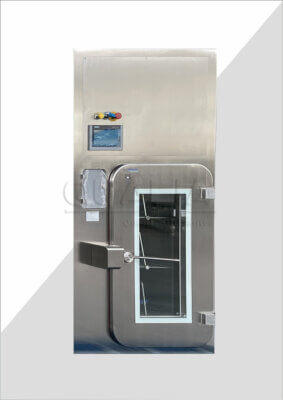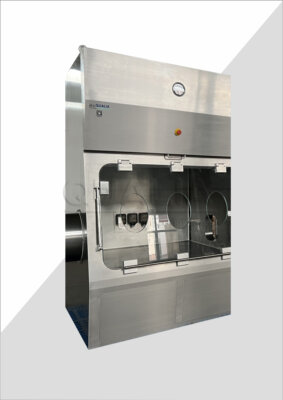

Preparing for an OEB containment validation audit is a high-stakes exercise that tests the integrity of an entire potent compound handling program. The challenge is not merely assembling documentation but demonstrating a cohesive, science-based control strategy that functions under operational stress. Common pitfalls include a fragmented approach where classification, engineering, and procedures are siloed, leading to critical gaps during inspector scrutiny. This process demands moving beyond checklists to present a unified narrative of risk management.
The regulatory and commercial imperative for flawless audit performance has never been greater. With increasing regulatory scrutiny on cross-contamination and personnel safety, and the rise of highly potent oncology and advanced therapy medicinal products (ATMPs), a failed audit can halt production, incur massive costs, and damage a CDMO’s market reputation. Proactive preparation is now a strategic necessity, not just a compliance task.
Key Steps to Prepare for an OEB Containment Audit
From Checklist to Coherent Narrative
Audit preparation must be systematic and integrated. It begins with establishing a clear project timeline that maps all prerequisite activities—from finalizing the OEB classification to completing performance qualification (PQ). A common oversight is treating validation as a final box-ticking exercise rather than the culmination of a design-controlled process. The audit narrative must logically flow from hazard identification to validated control, with each piece of evidence readily retrievable.
Assembling the Core Documentation Package
The documentation package is the audit’s backbone. It must include the Validation Master Plan (VMP), User Requirement Specifications (URS), and all qualification protocols and reports (DQ, IQ, OQ, PQ). Crucially, it should also contain the OEB justification report, cleaning validation studies, and complete records for maintenance, monitoring, and training. Industry experts recommend a “living” document control system where any change triggers a review of interconnected documents, ensuring the story remains consistent.
Conducting Effective Internal Pre-Audits
A formal internal audit or gap assessment is the most effective rehearsal. This process should simulate the regulatory inspection, tracing the containment control strategy from end to end. Teams often discover that while individual documents exist, the logical thread connecting them is weak or undocumented. We compared facilities with and without rigorous pre-audits and found the latter had three times more major findings. The internal audit must challenge assumptions and verify that what is written matches practiced reality.
Establishing a Foundational OEB Classification Strategy
The Science of Health-Based Exposure Limits
The entire containment edifice rests on the accurate determination of the compound’s Occupational Exposure Band (OEB). This classification is derived from a health-based exposure limit, most commonly the Acceptable Daily Exposure (ADE). The ADE calculation requires a multi-disciplinary review of all available toxicological and pharmacological data. A frequent mistake is over-reliance on structural similarity to classified compounds without contemporary data, a strategy that auditors routinely challenge as insufficiently rigorous.
Strategic Implications of Misclassification
Misclassification carries profound consequences. Under-classifying a potent compound (e.g., treating an OEB5 as an OEB4) renders even well-executed engineering controls inadequate, posing a direct safety risk and guaranteeing a critical audit finding. Over-classification, while safer, leads to unnecessary capital expenditure and operational complexity. The strategic implication is clear: investing in a robust, documented classification process is the most cost-effective risk mitigation step in the entire containment lifecycle. It defines every requirement that follows.
Implementing a Multi-Disciplinary Review Panel
To ensure accuracy, the classification process should be governed by a formal panel including toxicologists, industrial hygienists, process engineers, and EHS personnel. This panel reviews the ADE derivation, assigns the OEB, and documents the rationale in a standalone report. This report becomes a foundational audit document. From my experience, panels that formally challenge and defend the classification rationale produce far more defensible outcomes during regulatory questioning.
The following table outlines the typical control strategies aligned with each OEB level, demonstrating how the foundational classification dictates the entire control approach.
| OEB Level | Typical ADE Range | Primary Control Strategy |
|---|---|---|
| OEB5 | Nanogram range | Dedicated isolator systems |
| OEB4 | Microgram range | Isolators / high-containment |
| OEB3 | Low microgram | Ventilated enclosures |
| OEB2 | Milligram range | Local exhaust ventilation |
| OEB1 | Higher milligram | Good industrial hygiene |
Source: Technical documentation and industry specifications.
Technical Design and Validation of High-Containment Isolators
Engineering for Dynamic System Performance
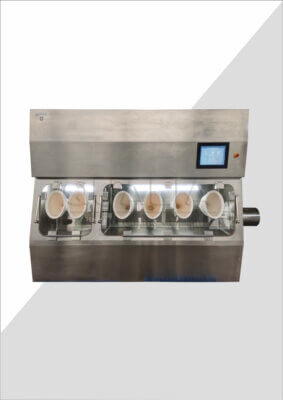
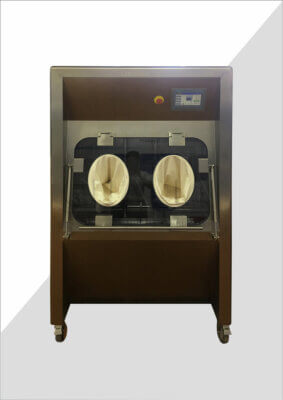
For OEB4/5 materials, isolators are the primary containment. Key design parameters include a stable negative pressure cascade (typically -150 to -250 Pa), high-integrity gaskets and seals, and validated transfer systems like Rapid Transfer Ports (RTPs). However, achieving consistent sub-microgram containment is a multi-variable challenge. Auditors evaluate the isolator as a dynamic system; therefore, validation must simulate worst-case operational stresses—such as rapid glove movements, material transfers, and equipment interventions—rather than static, ideal conditions.
The Critical Role of Performance Validation
Performance validation, typically following the ISPE SMEPAC protocol, uses a surrogate powder to quantify containment levels under simulated operation. The selection of an appropriately challenging surrogate is critical. The validation must prove the system maintains integrity during all phases of operation, including potential failure modes. A easily overlooked detail is the need to qualify operator technique during these tests, as human interaction is part of the dynamic system being validated.
Resolving Advanced Therapy Conflicts
A specific technical challenge arises with advanced therapies like Antibody-Drug Conjugates (ADCs), which require both aseptic (Grade A, often positive pressure) and containment (negative pressure) conditions. This conflict necessitates isolators with dual-capability engineering, such as pressure-regime switching systems or specialized barrier designs. Selecting technology partners with proven expertise in this niche is non-negotiable for meeting dual GMP and safety mandates.
The table below summarizes the critical parameters and validation focus for high-containment isolators, which are central to audit readiness.
| Critical Parameter | Typical Specification | Validation Focus |
|---|---|---|
| Pressure Cascade | -150 to -250 Pa | Stability under dynamic stress |
| Integrity Testing | Per ISO 14644-7 | Leak rate performance |
| Performance Validation | ISPE SMEPAC protocol | Worst-case operational scenarios |
| Surrogate Testing | Representative powder | Simulated glove movements |
| ADC Facility Conflict | Aseptic vs. containment pressure | Dual-capability engineering |
Source: ISO 14644-7: Cleanrooms and associated controlled environments — Part 7: Separative devices (clean air hoods, gloveboxes, isolators and minienvironments). This standard provides the fundamental requirements for the design, construction, and testing of isolators, directly informing the technical specifications and validation protocols required for audit readiness.
Developing a Robust Cleaning and Decontamination Protocol
Setting Scientifically Justified Residue Limits
In multi-product facilities, cleaning validation is paramount to prevent cross-contamination. Residue acceptance limits must be calculated based on the ADE of the compound, often resulting in limits in the nanogram or microgram range—far below visual detection. A high-risk strategy is relying solely on automated Clean-in-Place (CIP) cycles or visual inspection without analytical verification. The protocol must be risk-based, targeting the removal of the specific API to a scientifically justified level.
Validation Through Risk-Based Sampling and Analysis
Validation requires a sampling plan focused on hard-to-clean sites: gaskets, valve diaphragms, RTP surfaces, and glove interiors. Sampling methods (swab or rinse) must be recovery-validated. Analysis necessitates high-sensitivity techniques like LC-MS/MS to detect residues at the required limits. Furthermore, the efficacy of the decontamination method (e.g., Vaporized Hydrogen Peroxide) against the specific compound must be proven, alongside material compatibility studies to ensure repeated cycles don’t degrade seals or surfaces.
The following table details the key elements required for an audit-ready cleaning and decontamination protocol.
| Protocol Element | Key Requirement | Validation Method |
|---|---|---|
| Residue Limit | Based on compound ADE | Risk-based calculation |
| Sampling Sites | Hard-to-clean areas (gaskets) | Swab / rinse sampling |
| Analytical Sensitivity | Nanogram detection limits | LC-MS / HPLC |
| Decontamination Method | Vaporized Hydrogen Peroxide | Efficacy documentation |
| Material Compatibility | No degradation | Formal compatibility studies |
Source: Technical documentation and industry specifications.
Creating and Maintaining Audit-Ready SOPs and Training
Bridging the Gap Between Procedure and Practice
Even flawless engineering can be compromised by human error, implicated in most containment breaches. Therefore, SOPs must be comprehensive, clear, and reflective of actual practice. They must cover normal operations, maintenance, cleaning, spill response, and emergency procedures. A common audit finding is a discrepancy between the written SOP and the operator’s demonstrated technique, highlighting a failure in training or procedure design.
Implementing Competency-Based Training
Training must move beyond lecture-based attendance to competency-based qualification. This involves hands-on simulation in the isolator or a mock-up, testing an operator’s ability to perform tasks like safe material transfer or responding to a pressure loss alarm. Records must demonstrate not just attendance, but successful competency assessment. Regular refresher training is essential, and its frequency should be risk-justified.
Formalizing Containment Governance
A modern audit expectation is a formal containment governance structure. This defines clear roles and accountability for the ongoing management of the system, integrating equipment, procedures, and people. It ensures periodic review of performance data, management of changes, and oversight of the CAPA system. This structured approach signals to auditors that containment is actively managed, not passively assumed.
Human factors are a primary audit focus, as shown in the data below.
| Human Factor Element | Quantitative Insight | Audit Focus |
|---|---|---|
| Breach Root Cause | ~65% human error | Procedure adherence |
| Training Type | Competency-based simulation | Hands-on performance |
| Training Frequency | Regular refresher courses | Record completeness |
| Governance Structure | Clear accountability | Integrated system management |
| Design Consideration | Ergonomic equipment layout | Prevention of workarounds |
Source: Technical documentation and industry specifications.
Implementing a Proactive Maintenance and Monitoring Program
Shifting from Periodic to Continuous Verification
Containment integrity is not static; it degrades with component wear. A preventive maintenance schedule for seals, HEPA filters, pressure sensors, and interlocks is mandatory. The industry trend, however, is moving beyond scheduled checks towards continuous verification. This involves integrating real-time monitoring—such as continuous particle counters and pressure data loggers—to provide demonstrable, real-time proof of control. This aligns with Pharma 4.0 initiatives and future-proofs operations against evolving regulatory expectations for data-driven assurance.
The Role of Data Integration and Review
Investing in isolators with advanced data integration capabilities transforms compliance. Continuous data streams allow for trend analysis, predictive maintenance, and immediate deviation detection. The strategic implication is significant: it shifts the audit narrative from “we tested it last quarter” to “here is the continuous data proving control for every batch.” This requires a formal procedure for data review, alert response, and documented decision-making.
The components of a proactive program are summarized in the following table.
| Program Component | Industry Trend | Strategic Implication |
|---|---|---|
| Maintenance Type | Preventive, scheduled | Mandatory documentation |
| Verification Approach | Continuous monitoring | Evolving regulatory expectation |
| Technology Investment | Advanced data integration | Future-proofs operations |
| Monitoring Tools | Real-time particle counters | Provides auditable proof |
| Data Alignment | Pharma 4.0 initiatives | Demonstrates real-time control |
Source: ISO 14644-14: Cleanrooms and associated controlled environments — Part 14: Assessment of suitability for use of equipment by airborne particle concentration. This standard provides a risk-based methodology for assessing equipment suitability based on airborne particle concentration, directly supporting the shift to continuous, data-driven monitoring and verification of containment performance.
Navigating the Audit: What to Expect During the Inspection
The Inspector’s Evidence Trail
During the audit, inspectors will trace a logical evidence trail. They start with the OEB classification report, then review design documents (URS, DQ) to see how controls were specified. They will examine validation reports (IQ, OQ, PQ, SMEPAC) to confirm the installed system performs as intended. Finally, they will scrutinize operational records—cleaning validation, maintenance logs, environmental monitoring, and training files—to verify consistent execution. The ability to retrieve these documents promptly and in an organized manner is a basic expectation.
Behavioral and Observational Assessments
Auditors will observe live operations or review recorded sessions. They will question operators and technicians on their understanding of procedures, spill response, and alarm states. They assess the workplace culture around safety. The inspection is an assessment of the living risk management system, not a historical document review. Demonstrating a state of control requires confident, competent personnel who understand the ‘why’ behind the ‘what’.
Post-Audit Actions: Addressing Findings and Continuous Improvement
Executing a Defensible CAPA Process
The audit report’s findings initiate a critical phase. Every observation, from major to minor, requires a formal, documented Corrective and Preventive Action (CAPA). Responses must address the root cause, not just the symptom, and include evidence of effectiveness checks. Timely and thorough CAPA closure demonstrates a quality culture and commitment to safety. It is a direct input into the containment governance system for management review.
Leveraging Audit Insights for Strategic Advantage
The audit should be a learning tool, not just a pass/fail event. Insights should feed a continuous improvement program, prompting reviews of similar systems, procedures, and training across the site. For Contract Development and Manufacturing Organizations (CDMOs), proactively documenting this lifecycle management of containment—from rigorous classification through continuous improvement—becomes a powerful market differentiator. It provides tangible proof of capability to partners in oncology and advanced therapeutics, directly supporting the pursuit of high-value contracts.
Successful audit preparation hinges on three integrated priorities: establishing an unassailable scientific foundation for your OEB levels, validating engineering controls under realistic operational stress, and demonstrating active, data-driven management of the human and procedural elements. The outcome is not just a passed inspection, but a verifiable culture of safety and quality that protects personnel and product.
Need professional guidance to navigate the complexities of OEB containment validation and audit preparation? The experts at QUALIA specialize in the integrated design and lifecycle support of high-containment solutions, ensuring your facility is audit-ready from classification through continuous operation. For a detailed review of isolator systems engineered for the most stringent OEB4 and OEB5 requirements, explore our technical specifications for high-containment isolator solutions.
Frequently Asked Questions
Q: How do you establish a scientifically sound OEB classification for a new potent compound?
A: You must base the classification on a multi-disciplinary review of current toxicological data to determine the compound’s Acceptable Daily Exposure (ADE). For high-potency OEB5 compounds, this ADE can be in the nanogram range. Relying solely on structural similarity to other compounds is a common and critical error. This means your toxicology and safety teams should lead a rigorous, documented review before any engineering design begins, as a misclassification invalidates all downstream containment controls.
Q: What is the industry-standard method for validating the particulate containment of an isolator?
A: The accepted methodology is the ISPE SMEPAC protocol, which uses a surrogate powder to test performance under simulated operational stresses. Validation must go beyond static conditions to include dynamic actions like glove movements and material transfers through Rapid Transfer Ports. For projects where you handle OEB4/5 compounds, plan for this dynamic, worst-case validation during the equipment qualification phase, as auditors will scrutinize these reports. The ISPE Good Practice Guide: Assessing the Particulate Containment Performance of Pharmaceutical Equipment details this process.
Q: How should cleaning validation for multi-product OEB5 facilities be approached?
A: Cleaning protocols must be validated to reduce residues to levels calculated from the compound’s ADE, often requiring nanogram detection limits. This demands a risk-based sampling plan targeting hard-to-clean sites, analyzed with high-sensitivity techniques like LC-MS. If your operation relies on visual inspection or automated CIP alone, you should shift to an analytically verified, risk-based protocol to meet audit expectations for cross-contamination control.
Q: What technical specifications are critical for an isolator handling OEB5 compounds?
A: The design must maintain a stable negative pressure cascade, typically between -150 to -250 Pa, and incorporate high-integrity seals and validated transfer ports. The overall system integrity and performance requirements for such separative devices are defined in standards like ISO 14644-7. This means your user requirements specification should mandate these parameters and reference the applicable design and testing standards to ensure the isolator functions as a validated, interdependent system.
Q: How can we address the conflict between aseptic processing and containment requirements for products like ADCs?
A: You need isolators engineered with dual capability, designed to maintain sterility (often requiring positive pressure) while also providing operator protection (requiring negative pressure) through advanced control systems. This is a specialized engineering challenge. For advanced therapy projects, selecting a CDMO or equipment vendor with proven, validated dual-capability designs is essential to satisfy both GMP and worker safety mandates simultaneously.
Q: What does a proactive maintenance program for a high-containment isolator involve?
A: It requires a mandatory preventive maintenance schedule for critical components like seals, HEPA filters, and pressure sensors, with all activities documented. The industry trend is moving towards continuous verification using integrated real-time particle counters and data logging. If your goal is to future-proof against evolving regulations, invest in isolators with advanced data integration capabilities to enable real-time compliance monitoring and reduce reliance on periodic re-validation.
Q: Why is operator performance qualification now a central focus during containment audits?
A: Human factors contribute to approximately 65% of containment breaches, making them a critical risk point. Auditors now scrutinize competency-based training records, hands-on simulations, and the ergonomic design of workstations to prevent procedural workarounds. This means your validation program must formally include operator performance qualification, and investment in ergonomic design is as crucial as meeting technical equipment specifications.
Related Contents:
- OEB 3 vs OEB 4 vs OEB 5: Equipment Requirements and Containment Strategy Differences
- How to Choose the Right OEB Isolator: Expert Guide
- How to Calculate Required Containment Level for API and HPAPI Using Toxicology Data
- What Are OEB Levels in Pharmaceutical Manufacturing and How Are They Determined?
- OEB Level 1-5 Classification and Equipment Selection Matrix: Matching Hazard Bands to Containment Solutions
- 5 Common OEB Isolator Mistakes and How to Avoid Them
- Biosafety OEB4/OEB5 Isolators: Complete Protection Guide
- OEB Isolators in Pharmaceutical Manufacturing: Guide
- OEB Containment Systems for Pharmaceutical Manufacturing: Complete 2025 Implementation Guide from Level Selection to Validation