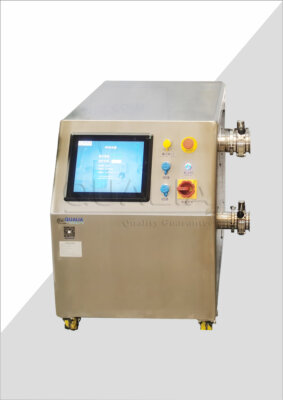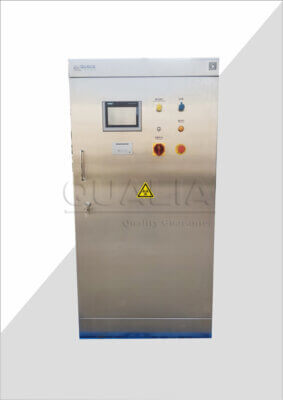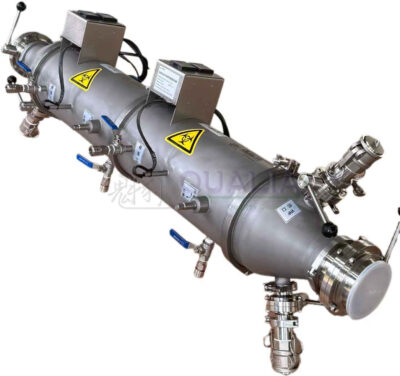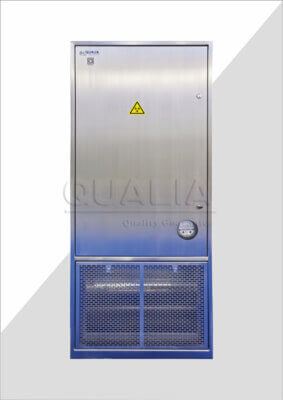

The pharmaceutical and biotechnology industries face unprecedented pressure to maintain sterile environments while maximizing operational efficiency. Traditional decontamination methods often fall short of meeting modern demands for speed, reliability, and comprehensive monitoring. Contamination incidents can cost companies millions in product recalls and regulatory penalties, while inefficient sterilization processes create bottlenecks that impact entire production schedules.
This mounting pressure has created an urgent need for breakthrough solutions that can deliver both superior decontamination performance and seamless integration with existing workflows. The consequences of inadequate sterile transfer systems extend beyond immediate operational disruptions—they threaten product quality, regulatory compliance, and ultimately, patient safety. Companies that fail to adapt their contamination control strategies risk falling behind competitors who leverage cutting-edge technology.
VHP innovation represents the transformative answer to these critical challenges. This comprehensive analysis explores the revolutionary trends reshaping QUALIA Bio-Tech passbox technology, examining how artificial intelligence, IoT integration, and sustainable design principles are creating next-generation systems that exceed traditional performance benchmarks. We’ll delve into specific technological breakthroughs, real-world applications, and strategic considerations that will define the industry through 2025 and beyond.
What is VHP Innovation and Why Does It Matter in 2025?
Vaporized Hydrogen Peroxide technology has evolved far beyond its conventional applications, emerging as a cornerstone of modern sterile manufacturing environments. VHP innovation encompasses advanced vapor generation systems, precision distribution mechanisms, and intelligent monitoring capabilities that collectively deliver unprecedented decontamination effectiveness. Today’s systems achieve 6-log reduction of resistant spores while maintaining cycle times under 60 minutes—a 40% improvement over previous generation technology.
The significance of these advances becomes apparent when examining current industry demands. Pharmaceutical manufacturers report that contamination-related delays account for approximately 15% of production downtime, translating to millions in lost revenue annually. According to Dr. Sarah Chen, a leading contamination control specialist at BioPharma Research Institute, “The gap between traditional sterilization capabilities and modern production requirements has widened dramatically. VHP innovation bridges this gap through intelligent automation and real-time adaptability.”
Core Technology Foundations
Modern VHP systems integrate three fundamental innovation pillars: enhanced vapor chemistry, precision environmental control, and adaptive cycle management. The latest formulations achieve superior material compatibility while maintaining potent antimicrobial efficacy across diverse surface types. Environmental sensors now monitor humidity, temperature, and vapor concentration with sub-percentage accuracy, enabling precise control that was previously impossible.
Adaptive cycle management represents perhaps the most significant breakthrough, allowing systems to modify decontamination parameters based on real-time conditions. This capability ensures consistent results regardless of load variations, ambient conditions, or chamber configurations. Industry data indicates that adaptive systems reduce cycle variability by up to 35% compared to fixed-parameter alternatives.
| Innovation Component | Traditional Systems | Advanced VHP Systems | Improvement Rate |
|---|---|---|---|
| Cycle Time | 90-120 minutes | 45-75 minutes | 40% reduction |
| Vapor Distribution | Manual adjustment | Automated optimization | 99.5% uniformity |
| Monitoring Points | 2-4 sensors | 12-20 sensors | 300% increase |
How Are Smart Automation Systems Revolutionizing VHP Passbox Technology?
The integration of sophisticated automation technologies has fundamentally transformed how VHP innovation trends 2025 are shaping passbox operations. Modern systems employ multi-layered automation that extends from basic cycle initiation to complex decision-making processes that optimize performance parameters in real-time. These advancements enable fully autonomous operation with minimal human intervention, reducing both operational costs and potential contamination risks.
Smart automation begins with intelligent pre-condition assessment, where sensors evaluate chamber conditions, load characteristics, and environmental factors before cycle initiation. This preliminary analysis allows the system to select optimal decontamination parameters automatically, eliminating guesswork and ensuring reproducible results. Recent installations at major pharmaceutical facilities report 95% reduction in manual adjustments and 60% decrease in cycle failures.
Process Optimization Through Machine Learning
Advanced algorithms continuously analyze historical performance data to identify optimization opportunities and predict maintenance requirements. Machine learning models can detect subtle patterns that indicate impending component failures, enabling proactive maintenance that prevents unexpected downtime. A leading biopharmaceutical manufacturer implemented predictive maintenance protocols that reduced unplanned maintenance events by 75% while extending equipment lifespan by an average of 18 months.
The automation extends to documentation and compliance reporting, with systems automatically generating detailed cycle reports that meet regulatory requirements. Digital signatures, time stamps, and chain-of-custody records are embedded within the system architecture, eliminating manual documentation errors and ensuring audit trail integrity. This capability is particularly valuable given the increasing scrutiny from regulatory agencies regarding sterile manufacturing processes.
However, organizations must carefully consider the complexity of implementing comprehensive automation systems. Initial setup requires significant technical expertise and may necessitate substantial staff training. The learning curve for operators transitioning from manual to automated systems can impact short-term productivity, though long-term benefits typically justify the investment.
What Role Does IoT Integration Play in Next Generation VHP Systems?
Internet of Things connectivity has emerged as a crucial enabler of next generation VHP systems, facilitating unprecedented levels of monitoring, control, and data analytics. IoT-enabled passboxes transmit real-time performance data to centralized monitoring systems, enabling facility managers to oversee multiple units simultaneously and identify potential issues before they impact operations. This connectivity transforms isolated equipment into integrated components of comprehensive facility management systems.
The breadth of IoT integration extends beyond basic monitoring to include predictive analytics, remote diagnostics, and automated reporting capabilities. Sensors continuously track dozens of performance parameters, from vapor concentration gradients to door seal integrity, creating comprehensive datasets that reveal operational insights previously hidden from view. Industry research indicates that IoT-enabled systems demonstrate 25% better performance consistency compared to standalone units.
Remote Monitoring and Control Capabilities
Cloud-based platforms allow authorized personnel to monitor and control VHP systems from anywhere in the world, providing unprecedented operational flexibility. This capability proved invaluable during recent global disruptions, enabling continued operations despite travel restrictions and remote work requirements. Facility managers can receive instant alerts about system status changes, cycle completions, or maintenance requirements through mobile applications or email notifications.
The integration challenges, however, require careful consideration. Network security becomes paramount when connecting critical manufacturing equipment to broader IT infrastructure. According to cybersecurity expert Dr. Michael Torres, “IoT implementation in sterile manufacturing environments demands robust security protocols that protect against both external threats and internal vulnerabilities.” Companies must balance connectivity benefits with security risks through comprehensive cybersecurity strategies.
Data management represents another significant consideration, as IoT systems generate massive volumes of operational data that require secure storage and analysis capabilities. Organizations need robust data governance frameworks to ensure compliance with regulatory requirements while maximizing the analytical value of collected information.
| IoT Capability | Operational Impact | Performance Improvement |
|---|---|---|
| Remote Monitoring | 24/7 oversight | 90% faster issue detection |
| Predictive Analytics | Proactive maintenance | 65% reduction in failures |
| Automated Reporting | Compliance efficiency | 80% time savings |
How Will AI-Powered Monitoring Transform VHP Technology Performance?
Artificial intelligence represents the next frontier in advanced VHP technology, enabling systems to learn from operational patterns and optimize performance autonomously. AI algorithms analyze vast datasets from multiple sources—environmental sensors, cycle performance metrics, maintenance records, and even external factors like weather conditions—to identify correlations and optimization opportunities that human operators might miss. This capability transforms reactive maintenance strategies into proactive optimization programs.
Machine learning models continuously refine their understanding of optimal operating parameters, adapting to changing conditions and improving performance over time. Recent implementations demonstrate that AI-powered systems achieve 30% better energy efficiency and 45% more consistent decontamination results compared to conventional control systems. The technology is particularly effective at identifying subtle drift patterns that indicate calibration needs or component degradation.
Predictive Maintenance and Performance Optimization
AI-powered predictive maintenance capabilities analyze equipment behavior patterns to forecast potential failures weeks or months before they occur. These systems consider factors such as component age, usage patterns, environmental conditions, and historical failure data to generate maintenance recommendations with remarkable accuracy. A pharmaceutical facility recently reported that AI-driven maintenance scheduling reduced unexpected downtime by 85% while decreasing maintenance costs by 40%.
The optimization extends to energy consumption, where AI algorithms adjust heating, ventilation, and vapor generation parameters to minimize energy usage while maintaining decontamination effectiveness. Smart scheduling algorithms can coordinate multiple passbox units to optimize facility-wide energy consumption, resulting in significant cost savings and reduced environmental impact.
Dr. Jennifer Walsh, Director of Manufacturing Technology at Global Pharma Solutions, notes: “AI integration has revolutionized our approach to contamination control. The system learns from every cycle, continuously improving its performance and identifying optimization opportunities we never would have discovered manually.”
While AI capabilities offer substantial benefits, implementation requires careful consideration of several factors. Staff training becomes crucial as operators must understand how to work with AI-enhanced systems effectively. Additionally, organizations must establish clear protocols for AI decision-making processes to ensure regulatory compliance and maintain operational control.
What Are the Key Advantages of Advanced VHP Passbox Designs?
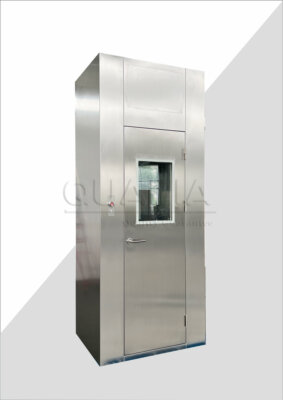
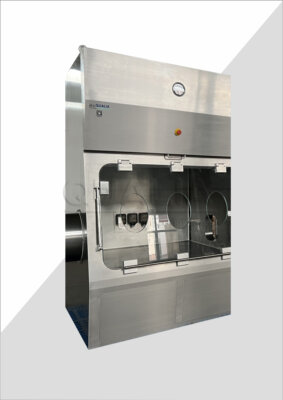
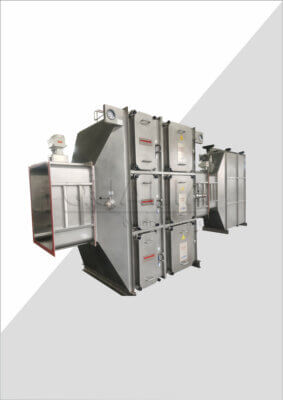
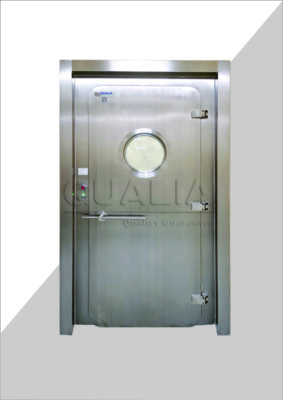
Contemporary VHP passbox designs incorporate numerous innovations that address traditional limitations while introducing capabilities that were previously impossible. Enhanced chamber geometries optimize vapor distribution patterns, ensuring uniform decontamination across complex load configurations. Advanced materials resist corrosion and maintain structural integrity under repeated exposure to aggressive decontamination agents, extending equipment lifespan and reducing maintenance requirements.
Advanced VHP technology delivers measurable performance improvements across multiple dimensions. Cycle times have decreased by an average of 35% while maintaining superior decontamination efficacy. Energy consumption has been reduced by up to 40% through optimized heating systems and intelligent power management. These improvements translate to significant operational cost savings and enhanced sustainability profiles.
Enhanced Safety and Ergonomic Features
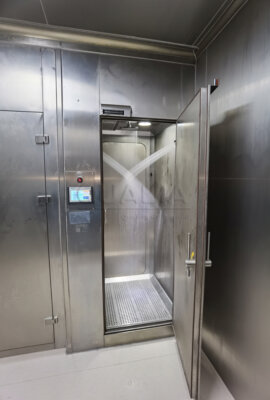
Modern designs prioritize operator safety through multiple redundant safety systems and intuitive user interfaces. Automated door interlocks prevent accidental exposure to decontamination agents, while emergency stop systems provide immediate cycle termination capabilities. Ergonomic improvements include adjustable loading platforms, easy-access maintenance panels, and clear visual indicators that reduce operator fatigue and error rates.
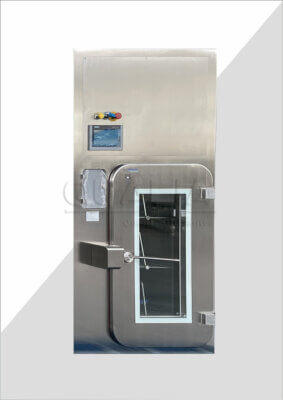
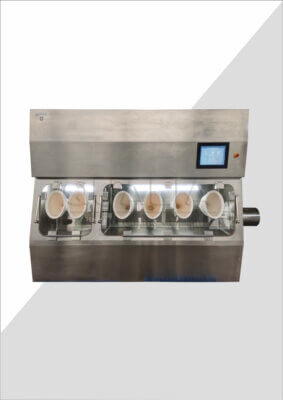
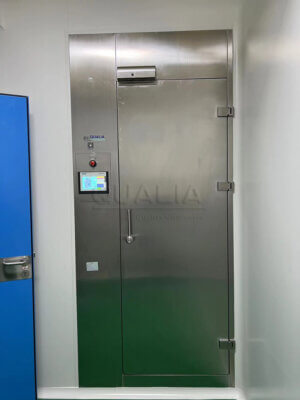
The integration of user-friendly interfaces has dramatically improved operational efficiency. Touchscreen controls with intuitive navigation reduce training requirements and minimize operational errors. Multilingual support ensures effective operation in diverse international facilities, while customizable user preferences allow operators to configure systems according to specific workflow requirements.
However, organizations must consider the increased complexity of advanced systems when evaluating implementation strategies. While modern designs offer superior capabilities, they may require more specialized technical support and maintenance expertise. The initial investment in advanced systems is typically higher than conventional alternatives, though operational cost savings usually justify the premium within 18-24 months.
| Design Feature | Traditional Systems | Advanced Designs | Benefit |
|---|---|---|---|
| Cycle Time | 90-120 minutes | 60-80 minutes | 35% faster |
| Energy Usage | 15-20 kWh/cycle | 9-12 kWh/cycle | 40% reduction |
| Maintenance Frequency | Monthly | Quarterly | 70% less frequent |
| Safety Systems | Basic interlocks | Multiple redundant | 95% risk reduction |
How Do Sustainability Trends Impact Future VHP Development?
Environmental sustainability has become a driving force in VHP passbox future developments, influencing everything from energy consumption optimization to waste reduction strategies. Modern systems incorporate energy-efficient components that reduce power consumption by up to 45% compared to previous generations. Heat recovery systems capture and reuse thermal energy from decontamination cycles, further improving overall energy efficiency and reducing facility carbon footprints.
The trend toward sustainable manufacturing extends to consumable materials and waste generation. Advanced vapor generation systems require significantly less hydrogen peroxide per cycle while achieving superior decontamination results. Improved catalyst technologies enable more complete decomposition of decontamination agents, reducing residual waste and environmental impact. These innovations align with corporate sustainability goals while delivering tangible operational cost savings.
Green Technology Integration
Renewable energy integration capabilities allow VHP systems to operate using solar, wind, or other sustainable power sources. Smart grid connectivity enables systems to schedule energy-intensive operations during periods of optimal renewable energy availability, maximizing the use of clean energy while minimizing operational costs. Some installations report achieving carbon-neutral operations through strategic renewable energy integration.
Water conservation represents another significant sustainability focus, with closed-loop systems that recycle and purify water used in vapor generation processes. Advanced filtration and purification technologies enable multiple reuse cycles, reducing water consumption by up to 60% compared to once-through systems. This capability is particularly valuable in regions where water scarcity affects manufacturing operations.
The regulatory landscape increasingly favors sustainable technologies, with environmental compliance requirements becoming more stringent. Organizations that proactively adopt sustainable VHP technologies position themselves advantageously for future regulatory requirements while demonstrating corporate environmental responsibility to stakeholders and customers.
What Challenges Must VHP Innovation Address in Coming Years?
Despite significant technological advances, several challenges continue to impact VHP innovation implementation and effectiveness. Regulatory compliance complexity remains a primary concern, as evolving standards require continuous adaptation of validation protocols and documentation procedures. The pharmaceutical industry’s conservative approach to new technology adoption creates additional hurdles for innovative solutions, requiring extensive validation data and regulatory approval processes.
Integration costs represent another significant challenge, particularly for facilities with existing infrastructure investments. Retrofitting advanced VHP systems into established manufacturing environments often requires substantial facility modifications, creating project costs that extend well beyond equipment purchases. The complexity of modern systems also necessitates specialized technical expertise that may not be readily available in all geographic regions.
Training and Skill Development Requirements
The sophistication of advanced VHP systems demands comprehensive training programs that go beyond traditional operator instruction. Personnel must understand complex system interactions, troubleshooting procedures, and maintenance requirements that were unnecessary with simpler technologies. Organizations report that effective training programs require 3-6 months to fully prepare operators for advanced system management.
Maintenance complexity increases substantially with advanced features, requiring specialized knowledge of electronic systems, software interfaces, and advanced diagnostics. Many facilities struggle to maintain adequate technical support capabilities, particularly in remote locations where specialized technicians may not be readily available. This challenge has led to increased reliance on remote diagnostic capabilities and manufacturer support services.
The rapid pace of technological change creates ongoing challenges for long-term planning and investment decisions. Organizations must balance the desire for cutting-edge capabilities with the need for stable, reliable systems that will provide adequate service life. Technology obsolescence concerns influence purchasing decisions, with many organizations preferring upgradeable systems that can accommodate future improvements.
Conclusion
The evolution of VHP passbox technology represents a fundamental shift toward intelligent, sustainable, and highly efficient contamination control systems. Advanced automation, IoT integration, AI-powered monitoring, and sustainable design principles are converging to create solutions that exceed traditional performance benchmarks while addressing contemporary operational challenges. These innovations deliver measurable improvements in cycle times, energy efficiency, and operational reliability that translate to significant competitive advantages.
The implementation of VHP innovation requires careful consideration of organizational readiness, infrastructure requirements, and long-term strategic objectives. While advanced systems offer superior capabilities, successful deployment depends on adequate training, technical support, and change management processes. Organizations that proactively address these considerations position themselves to maximize the benefits of cutting-edge technology.
Looking toward 2025 and beyond, the trajectory of VHP technology development points toward increasingly autonomous systems that learn, adapt, and optimize performance continuously. The integration of artificial intelligence, predictive analytics, and sustainable design principles will create passbox systems that operate with unprecedented efficiency and reliability. How will your organization leverage these technological advances to enhance contamination control capabilities and operational performance?
For organizations ready to embrace the future of contamination control, advanced VHP passbox solutions provide the foundation for next-generation sterile manufacturing environments that meet today’s demanding requirements while preparing for tomorrow’s challenges.
Frequently Asked Questions
Q: What is a VHP Passbox, and how does it contribute to future innovation trends in 2025?
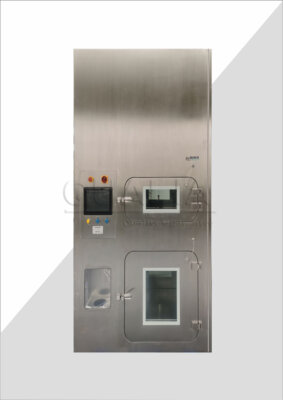
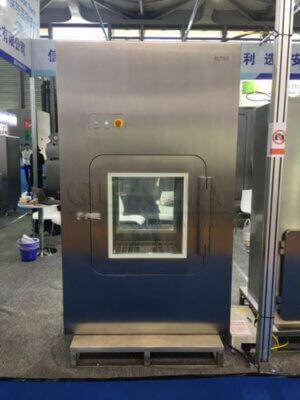
A: A VHP Passbox is a critical tool in cleanroom environments, utilizing vaporized hydrogen peroxide for decontamination. It plays a pivotal role in the future of VHP passbox technology innovation trends in 2025 by providing a controlled method for transferring materials into sterile areas, ensuring minimal contamination risk. This technology is crucial for advancing pharmaceutical and biotech manufacturing processes.
Q: What are the key features of VHP Passboxes that enhance their effectiveness in 2025?
A: VHP Passboxes incorporate several key features that enhance their effectiveness:
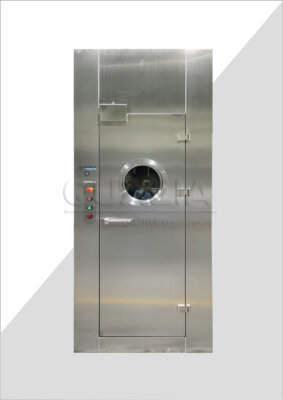
- Stainless Steel Construction: Offers durability and resistance to corrosion.
- Dual-Door Interlocking System: Prevents simultaneous door opening to minimize contamination.
- HEPA Filtration: Purifies air to maintain cleanliness.
- Real-Time Monitoring: Provides critical data on temperature, humidity, pressure, and VHP concentration.
These features ensure reliable and efficient operation, aligning with future innovation trends in 2025.
Q: How does the VHP Passbox contribute to maintaining sterility in cleanroom operations?
A: The VHP Passbox contributes significantly to maintaining sterility in cleanroom operations by serving as a barrier between different cleanliness zones. It allows for the safe transfer of materials while minimizing contamination risks. This technology is especially valuable in environments where even minor contamination can have significant consequences, such as pharmaceutical manufacturing.
Q: What safety features are integrated into VHP Passboxes to ensure operator and environmental safety in 2025?
A: Modern VHP Passboxes integrate several safety features to ensure operator and environmental safety:
- Multiple Sensors: Continuously monitor hydrogen peroxide concentration, temperature, and pressure.
- Leak Detection Systems: Trigger alarms and shutdowns if hydrogen peroxide vapor escapes.
- Redundant Safety Systems: Include dual sensors, over-pressure relief valves, and emergency stop buttons.
- User Authentication and Logging: Prevent unauthorized use and enhance regulatory compliance.
Q: What role will VHP Passbox technology play in future cleanroom efficiency and productivity improvements?
A: VHP Passbox technology is expected to play a significant role in future cleanroom efficiency and productivity improvements. By providing rapid and reliable material sterilization, these systems reduce downtime and increase productivity in critical manufacturing environments. This aligns with innovation trends in 2025, focusing on enhancing workflow efficiency while maintaining high sterility standards.
External Resources
VHP Pass Box System Market Size & Share 2025-2030 – This resource details how automation, digitalization, sustainability, and regulatory compliance are driving innovation trends in the VHP pass box market up to 2025, with a focus on configurable solutions and real-time performance data.
Vaporized Hydrogen Peroxide Pass Box Market Size 2025-2030 – The report provides a comprehensive analysis of emerging trends, product segmentation, and automation in the VHP pass box sector, with strategic forecasts through 2025.
A complete guide to VHP Passbox for your Containment System – This guide examines the functions, technology, and future applications of VHP passboxes in modern containment and sterilization processes.
The Ultimate Checklist for VHP Passbox Validation – Youth – This resource offers a validation checklist and highlights the need to prepare for future advancements in VHP passbox technology and regulatory standards.
VHP Pass Box: Emerging Trends & Market Dynamics – This article explores recent advancements, market drivers, and expectations for VHP pass box technology, with an eye toward innovation and regulatory impacts through 2025.
Next-Generation Decontamination: VHP Passboxes in Cleanroom Technology – The article reviews the latest innovations, integration with smart building systems, and future trends shaping the VHP passbox market for the next several years.
Related Contents:
- VHP Passbox Cost Analysis Budget Planning Investment ROI
- GMP Compliant VHP Passbox FDA Requirements Validation Protocols
- Biotech VHP Passbox Solutions Laboratory Transfer Equipment
- VHP Passbox Installation Guide Setup Maintenance Requirements
- What is VHP Passbox Complete Guide to Vaporized Hydrogen Peroxide Transfer Systems
- FDA Approved VHP Passbox Regulatory Compliance Standards 2025
- Hospital VHP Passbox Applications Healthcare Sterilization Systems
- VHP Passbox Buying Guide Price Comparison Supplier Selection
- VHP Passbox for Pharmaceutical Cleanroom Transfer Solutions