
For medical device manufacturers and sterilization service providers, the choice between hydrogen peroxide and ethylene oxide sterilization extends far beyond efficacy. It’s a strategic decision with profound implications for environmental compliance, operational sustainability, and long-term liability. The core challenge lies in moving beyond a simple technical comparison to a holistic evaluation of total environmental impact, regulatory trajectory, and carbon footprint.
This analysis is critical now as tightening environmental regulations and a sharp focus on ESG (Environmental, Social, and Governance) metrics place sterilization methods under unprecedented scrutiny. Selecting a technology that aligns with both current performance needs and future sustainability mandates is no longer optional—it’s a business imperative for resilience and competitive advantage.
Hydrogen Peroxide vs EO: Core Environmental Differences
Chemical Nature and Breakdown Pathways
The fundamental environmental distinction is rooted in chemistry. Hydrogen peroxide (H₂O₂) acts as an oxidizing agent, breaking down into water vapor and oxygen after the sterilization cycle. This benign decomposition leaves no toxic chemical residues in the chamber or on processed devices. In contrast, ethylene oxide (EO) is an alkylating agent and a classified human carcinogen. Its use creates a hazardous waste stream that must be managed, and the agent itself requires destruction post-cycle.
Regulatory and Infrastructure Burden
This chemical reality dictates the required facility infrastructure. EO sterilization demands complex, energy-intensive abatement systems to catalytically destroy the toxic gas before it can be emitted. Hydrogen peroxide systems avoid this secondary destruction step entirely. The regulatory burden follows suit: EO facilities face stringent permitting as major sources of hazardous air pollutants, while H₂O₂ operations contend with a lighter direct regulatory load for emissions. From my experience validating both systems, the capital and operational overhead for EO abatement is a significant, often underestimated, line item.
A Foundational Comparison
To understand the operational implications, a direct comparison of core properties is essential. The following table outlines the primary environmental differentiators between the two sterilants, based on the requirements for characterizing a sterilizing agent.
| Chemical Agent | Primary Action | Post-Process Breakdown |
|---|---|---|
| Hydrogen Peroxide | Oxidizing agent | Water and oxygen |
| Ethylene Oxide | Alkylating agent | Toxic residues |
| Regulatory Burden | Secondary Systems | Waste Stream |
| Hydrogen Peroxide | Minimal abatement required | No chemical residue |
| Ethylene Oxide | Complex, energy-intensive abatement | Hazardous material handling |
Source: ISO 14937:2009 Sterilization of health care products — General requirements for characterization of a sterilizing agent. This standard mandates characterization of sterilizing agent properties, including degradation pathways and residues, which is foundational for understanding the core environmental differences in breakdown products and waste streams between these two agents.
Carbon Footprint Comparison: Energy Use vs Emissions
Primary Footprint Drivers
The carbon footprint profiles diverge sharply. For hydrogen peroxide sterilization, the footprint is predominantly tied to the electrical energy consumed by the generator, vaporization system, and vacuum pumps. Its efficiency is thus linked to the cleanliness of the local power grid. For EO, the footprint is dual-faceted: energy is required not only for the cycle itself but, more significantly, for the mandatory abatement of the sterilant and for extended aeration times to remove residuals.
The Hidden Cost of Hazard Mitigation
This creates a critical differentiator. EO carries the indirect energy cost of mitigating its own hazard. The abatement process itself often generates CO₂ as a byproduct of destroying the EO molecule. Therefore, while both methods consume energy, EO’s total carbon output includes direct emissions from abatement plus the embodied carbon in the greater energy consumption. Industry analyses consistently show that when abatement energy is factored in, EO’s per-cycle carbon footprint can be substantially higher.
Analyzing the Carbon Equation
A side-by-side analysis clarifies the distinct sources of environmental impact for each technology. This comparison highlights why the carbon footprint calculation must extend beyond simple wall-plug energy use.
| Factor | Hydrogen Peroxide | Ethylene Oxide |
|---|---|---|
| Primary Footprint Source | Electrical energy consumption | Energy for abatement & aeration |
| Secondary Footprint Source | Local grid cleanliness | Direct CO₂ emissions from destruction |
| Cycle Time Impact | Faster cycles | Longer cycles & aeration |
| Efficiency Position | Inherently carbon-efficient | Dual energy burden |
Source: Technical documentation and industry specifications.
Atmospheric Emissions: Toxic Byproducts vs Benign Decomposition
Regulated Air Pollutants
Atmospheric emissions represent the most decisive environmental factor. Hydrogen peroxide systems produce no regulated toxic air pollutants as a chemical byproduct of the process. EO facilities, however, are classified as potential major sources of hazardous air pollutants under regulations like the US Clean Air Act. This mandates continuous emission monitoring systems (CEMS) and strict reporting, even with 99.9%+ abatement efficiency.
Fugitive Emissions and Community Impact
The risk profile differs completely. The consequence of a fugitive emission—a leak—from an H₂O₂ system is minimal. The same event from an EO system constitutes a significant environmental, safety, and community relations incident. This ongoing risk of fugitive emissions from valve seals, door gaskets, or during cartridge change-outs is a persistent concern for EO operations absent from H₂O₂ use. It directly influences facility siting, insurance costs, and community acceptance.
Emissions Profile Breakdown
The stark contrast in emissions output and management is detailed below. This profile is a primary driver of compliance costs and long-term operational sustainability.
| Emission Type | Hydrogen Peroxide | Ethylene Oxide |
|---|---|---|
| Regulated Air Pollutants | None produced | Major source |
| Primary Byproduct | Water vapor, oxygen | CO₂ from destruction |
| Fugitive Emission Risk | No ongoing concern | Continuous monitoring required |
| ESG Alignment | High strategic advantage | Significant compliance costs |
Source: Technical documentation and industry specifications.
Operational Costs and Total Environmental Impact
Beyond Direct Emissions: Waste and Residue
Total environmental impact encompasses waste streams and secondary effects. H₂O₂ decomposition leaves no chemical residue requiring environmental remediation on devices or within the chamber. EO processing generates spent chemical cartridges classified as hazardous waste and involves handling concentrated hazardous material throughout the supply chain. The downstream environmental liability of EO residue, though minimized through aeration, remains a consideration for device manufacturers.
The Full Cost of Compliance
Validation and monitoring are non-negotiable for both, but the scale differs. The regulatory and safety overhead for EO is substantially higher, encompassing abatement system maintenance, exhaustive emission reporting, toxic gas detection systems, and enhanced worker safety protocols. When evaluating total cost of ownership, the lower long-term regulatory and environmental liability of H₂O₂ systems often offsets their capital expenditure. We’ve observed that facilities transitioning from EO frequently reallocate abatement maintenance budgets toward advanced process control or sustainability initiatives.
Comprehensive Cost Analysis
A holistic view of operational impact must account for all downstream costs and liabilities. The following table contrasts key cost and impact categories.
| Cost/Impact Category | Hydrogen Peroxide | Ethylene Oxide |
|---|---|---|
| Chemical Residue Remediation | Not required | Environmental remediation needed |
| Waste Management | Simple | Spent hazardous cartridges |
| Regulatory & Safety Overhead | Lighter burden | Substantially higher |
| Long-Term Liability | Lower environmental liability | Higher ongoing liability |
Source: Technical documentation and industry specifications.
Which Is Better for Medical Device Sterilization?
The Material Compatibility Trade-Off
There is no universal “better” option. EO offers broader compatibility with certain dense polymers (e.g., some polycarbonates), liquid-filled devices, and complex assemblies with long lumens. Hydrogen peroxide is compatible with a wide range of plastics, metals, and electronics sensitive to EO, but can be challenged by cellulose-based materials and excessive organic soil. The decision is a trade-off: EO’s extensive material validation history versus H₂O₂’s operational and environmental advantages.
Enabling Distributed Sterilization Models
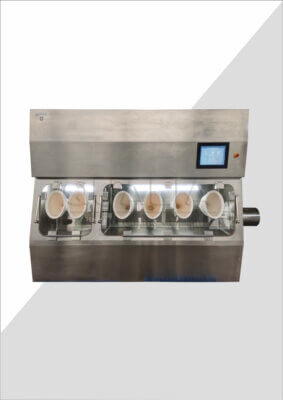
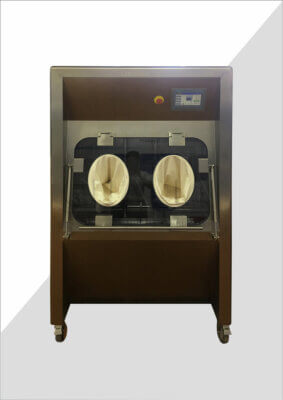
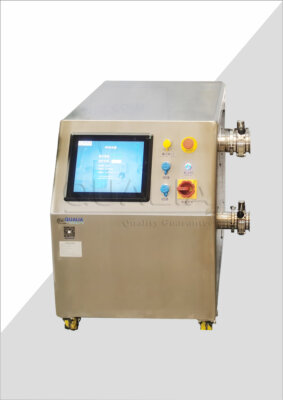
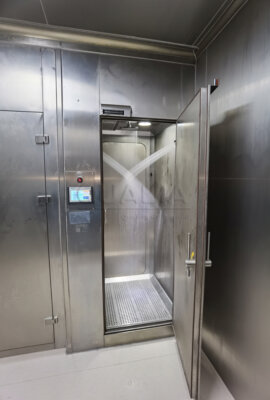
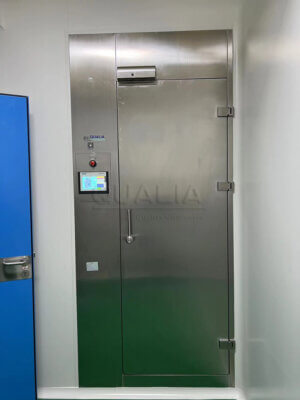
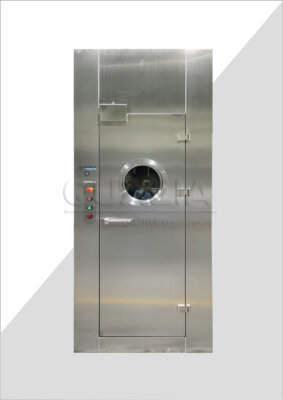
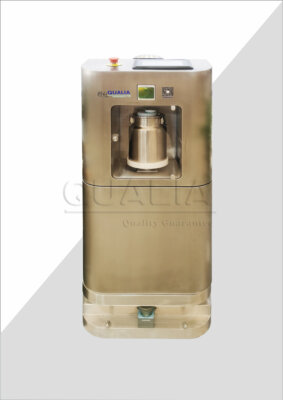
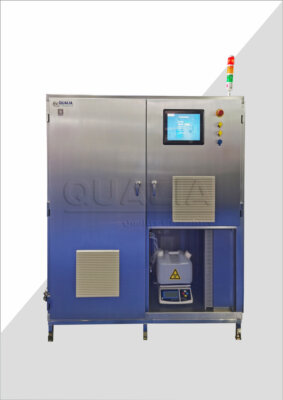
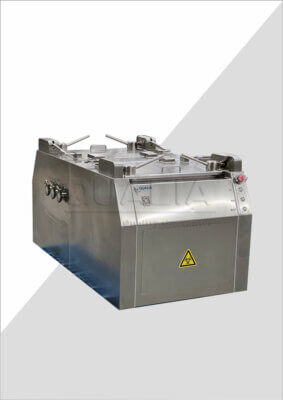
For devices designed with H₂O₂-compatible materials, the technology presents a compelling case. Its smaller physical footprint, faster cycle times, and lack of toxic emissions enable more distributed sterilization networks. This reduces supply chain risks and transportation carbon miles associated with centralized EO megafacilities. A modern low-temperature vaporized hydrogen peroxide generator can be deployed closer to point-of-use, supporting just-in-time processing and enhancing healthcare system resilience.
Safety and Regulatory Considerations for Each Method
Diverging Regulatory Landscapes
The regulatory landscapes are diametrically opposed. EO is heavily regulated as both an air pollutant and a workplace carcinogen, driving stringent facility permitting, continuous emission monitoring, and strict occupational exposure limits (OELs). Hydrogen peroxide, with its benign breakdown products, faces a lighter direct regulatory burden for environmental emissions, though process validation to standards like ISO 22441:2022 is rigorously required.
Strategic Risk Assessment
Operationally, both require robust safety protocols, but the consequences of failure differ significantly. An EO leak necessitates emergency response and reporting; an H₂O₂ leak primarily requires ventilation. This divergence informs strategic planning. Increasing regulatory scrutiny on EO emissions, including potential area-source regulations, may accelerate a shift toward safer alternatives. Organizations must weigh current compliance infrastructure against the future-proof regulatory trajectory clearly favoring technologies with lower toxicological profiles.
Regulatory Framework Comparison
The table below summarizes the key safety and regulatory drivers for each method, which are critical for facility planning and risk management.
| Consideration | Hydrogen Peroxide | Ethylene Oxide |
|---|---|---|
| Agent Classification | Benign breakdown products | Human carcinogen, VOC |
| Primary Regulation Driver | Process validation | Air pollutant & carcinogen |
| Facility Requirements | Standard protocols | Stringent permitting & monitoring |
| Future Regulatory Trajectory | Favorable, future-proof | Increasing scrutiny |
Source: Technical documentation and industry specifications.
Future Trends in Sustainable Sterilization Technology
Efficiency and Integration
The future points toward smarter, more integrated systems. Advancements will focus on improving the energy efficiency of H₂O₂ generators and optimizing cycle parameters to further reduce the carbon footprint per cycle. A key trend is the integration of sterilization systems as data nodes within smart facilities. Automated H₂O₂ systems generate digital logs for cycle parameters, agent consumption, and room use, enabling predictive maintenance and analytics for infection prevention resource allocation.
Hybrid Models and Ambient Control
The move toward hybrid infection prevention models is becoming a clinical standard. This combines meticulous manual cleaning with periodic, automated no-touch room decontamination using technologies like hydrogen peroxide fogging. Furthermore, the concept of continuous ambient air disinfection is gaining traction. This evolution values sterilization and disinfection not just for biocidal efficacy, but for their role in data-driven operational intelligence and holistic environmental hygiene.
Choosing the Right Technology: A Decision Framework
A Multi-Factor Evaluation
Selecting a sterilization method requires a structured, multi-factorial decision framework. First, conduct a thorough device material compatibility and sterilization efficacy assessment, guided by the principles in ISO 14937:2009. Second, evaluate total environmental impact, prioritizing technologies with lower carbon footprints and negligible toxic emissions. Third, analyze the operational model: weigh the resilience of distributed H₂O₂ capacity against centralized EO, and budget for the full spectrum of validation and monitoring costs.
Strategic Integration
Fourth, integrate the technology into a layered infection prevention strategy. Determine how terminal room decontamination complements continuous ambient control. Finally, factor in regulatory trends and the strategic imperative for sustainable operations. This structured approach ensures the chosen technology aligns with immediate technical needs, supply chain logistics, and long-term organizational goals for safety and sustainability.
The Decision Matrix
A practical framework helps navigate this complex decision. The following table outlines the critical factors and key questions to address during the technology selection process.
| Decision Factor | Key Question | Priority Metric |
|---|---|---|
| 1. Device Compatibility | Material tolerance? | Sterilization efficacy (ISO 14937) |
| 2. Environmental Impact | Carbon & toxic emissions? | Footprint, negligible emissions |
| 3. Operational Model | Centralized vs distributed? | Cycle time, supply chain resilience |
| 4. Infection Prevention Strategy | Layered approach? | Integration with ambient control |
| 5. Strategic Goals | Sustainable operations? | Regulatory trends, TCO |
Source: ISO 14937:2009 Sterilization of health care products — General requirements for characterization of a sterilizing agent. This standard provides the foundational principles for assessing the first critical factor—sterilization efficacy and material compatibility—which is essential for any informed technology selection.
The optimal sterilization strategy balances uncompromising efficacy with forward-looking environmental and operational stewardship. For many applications, hydrogen peroxide technology offers a path to meet stringent microbiological standards while reducing carbon footprint, eliminating toxic emissions, and mitigating long-term regulatory risk. Its compatibility with distributed models enhances supply chain resilience. Need professional guidance on implementing a sustainable, effective sterilization or disinfection solution? The experts at QUALIA can help you navigate the technical and strategic considerations specific to your facility and device portfolio. For a detailed consultation, you can also Contact Us.
Frequently Asked Questions
Q: How do the environmental compliance burdens differ between hydrogen peroxide and ethylene oxide sterilization?
A: The regulatory landscapes are fundamentally different. EO is regulated as a hazardous air pollutant and carcinogen, requiring complex permitting, continuous emission monitoring, and extensive worker safety protocols. Hydrogen peroxide, which decomposes into water and oxygen, faces a much lighter direct regulatory burden for atmospheric emissions. This means facilities prioritizing ESG goals and aiming to minimize long-term compliance overhead should strongly consider H₂O₂ systems to reduce environmental liability.
Q: What factors determine the total carbon footprint of a low-temperature sterilization process?
A: The primary driver differs by technology. For hydrogen peroxide systems, the carbon footprint is almost exclusively tied to the electrical energy consumed for vapor generation and cycle control. For EO, the footprint is significantly larger due to the mandatory, energy-intensive destruction of the toxic sterilant in abatement systems, plus longer cycle times. This means your facility’s carbon impact depends heavily on the local energy grid’s cleanliness if using H₂O₂, while EO carries an unavoidable, high energy penalty for hazard mitigation.
Q: How do ISO standards support the environmental assessment of hydrogen peroxide sterilization?
A: ISO standards provide the foundational framework for characterizing and controlling the process, which is essential for impact assessment. ISO 14937:2009 mandates the characterization of the sterilizing agent’s properties, including its degradation pathways. Furthermore, ISO 22441:2022 specifies requirements for validating and routinely controlling a VHP process, ensuring its efficiency and safety. This structured approach enables facilities to systematically evaluate and minimize the agent’s environmental footprint through optimized process parameters.
Q: When is ethylene oxide still the necessary choice over hydrogen peroxide for medical devices?
A: EO remains necessary for devices where material compatibility is a constraint, particularly certain dense polymers and complex, lumen-based assemblies that may not tolerate H₂O₂. Its long history of validation and broad material acceptance can be decisive. This means if your device portfolio includes legacy materials not validated for oxidative agents, you must plan for the higher operational and environmental costs associated with EO sterilization and its abatement infrastructure.
Q: What are the key operational cost drivers beyond capital expenditure for these sterilization technologies?
A: Beyond equipment costs, key drivers include ongoing validation, monitoring, and regulatory compliance. For EO, substantial added costs come from maintaining and fueling abatement systems, hazardous waste management for spent cartridges, and emission reporting. H₂O₂ systems avoid these chemical hazard costs but require investment in cycle validation and monitoring. This means the total cost of ownership analysis must factor in the lower long-term environmental and regulatory liability of H₂O₂, which can offset its initial capital outlay.
Q: How does the choice of sterilization technology affect supply chain resilience?
A: The technology influences operational scale and location. H₂O₂ systems typically have a smaller footprint and faster cycle times, enabling more distributed, point-of-use sterilization networks. Centralized EO megafacilities, while high-throughput, create single points of failure and logistical complexity. This means organizations seeking to de-risk their supply chain and move sterilization closer to the point of care should evaluate H₂O₂ for its potential to support a more resilient, distributed model.
Q: What role do chemical indicators play in ensuring the environmental efficiency of a sterilization process?
A: Validated chemical indicators are critical for confirming process efficacy on the first attempt, as defined in ISO 11140-1:2014. By providing immediate visual confirmation of sterilant exposure and cycle parameters, they prevent failed cycles that would require re-processing. This directly contributes to environmental stewardship by reducing the waste of energy, sterilant, and packaging associated with unnecessary re-sterilization runs, ensuring optimal resource use.
Related Contents:
- 8 Benefits of Hydrogen Peroxide Vapor in 2025
- Sterilization with Hybrid Hydrogen Peroxide 2025
- Sterilization with Hydrogen Peroxide Vapor 2025
- Comprehensive Hybrid Hydrogen Peroxide Systems
- Advanced Hydrogen Peroxide Vapor Tech 2025
- Innovative Hybrid Hydrogen Peroxide Tech 2025
- Comprehensive Hydrogen Peroxide Vapor Systems
- VHP vs Traditional Sterilization: 2025 Comparison
- Hybrid Hydrogen Peroxide Validation Guide 2025