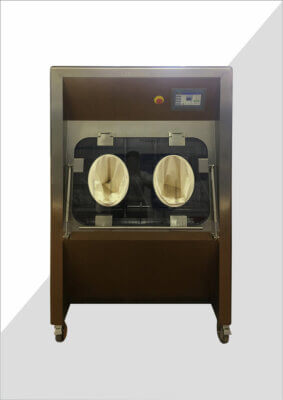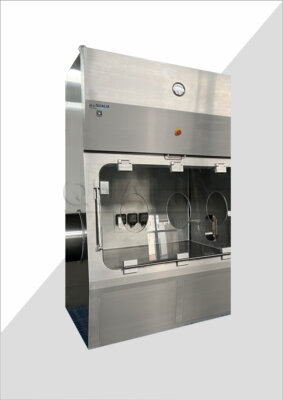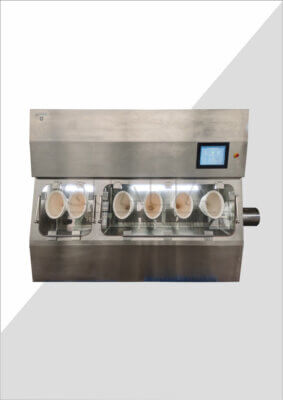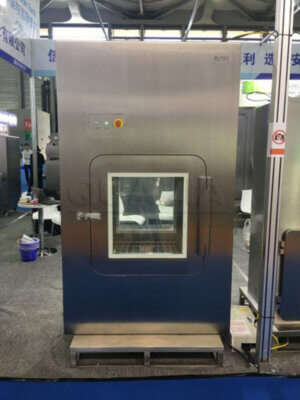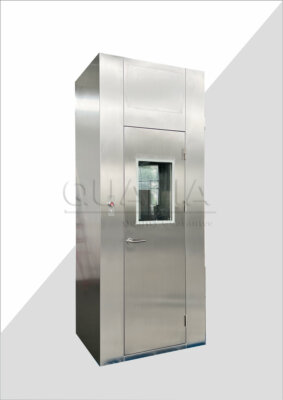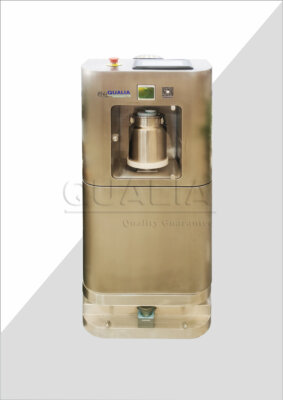

In the high-stakes world of laboratory and medical research, maintaining stringent biosafety standards is not just a necessity, but a lifeline. This is where the Biosafety Pass Box from QUALIA steps in, revolutionizing the way we transfer items between areas of varying biological safety levels.
The Heart of Biosafety: What is a Biosafety Pass Box?
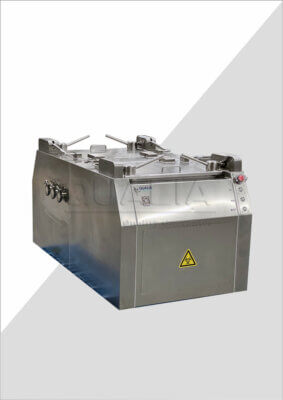
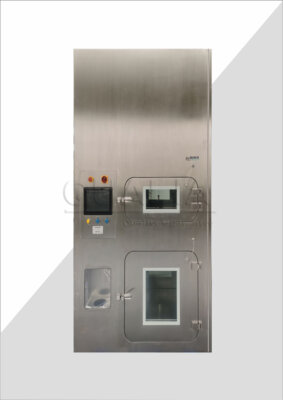
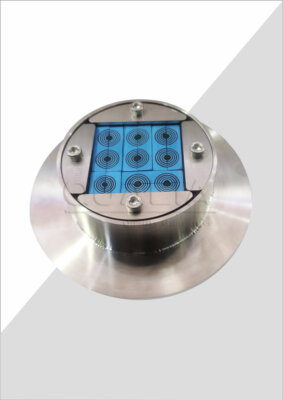
Imagine a device that acts as a robust barrier, preventing the contamination of clean areas while ensuring the safe transfer of items. The Biosafety Pass Box is precisely that – a sophisticated tool designed to safeguard your laboratory environment. This innovative device is equipped with an interior that can be disinfected using ultraviolet (UV) lamps, chemical disinfectants, or even advanced vaporized hydrogen peroxide (VHP) disinfection ports.
Advanced Disinfection Methods
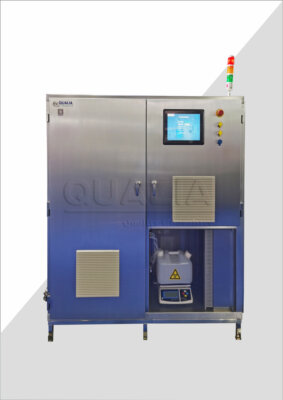
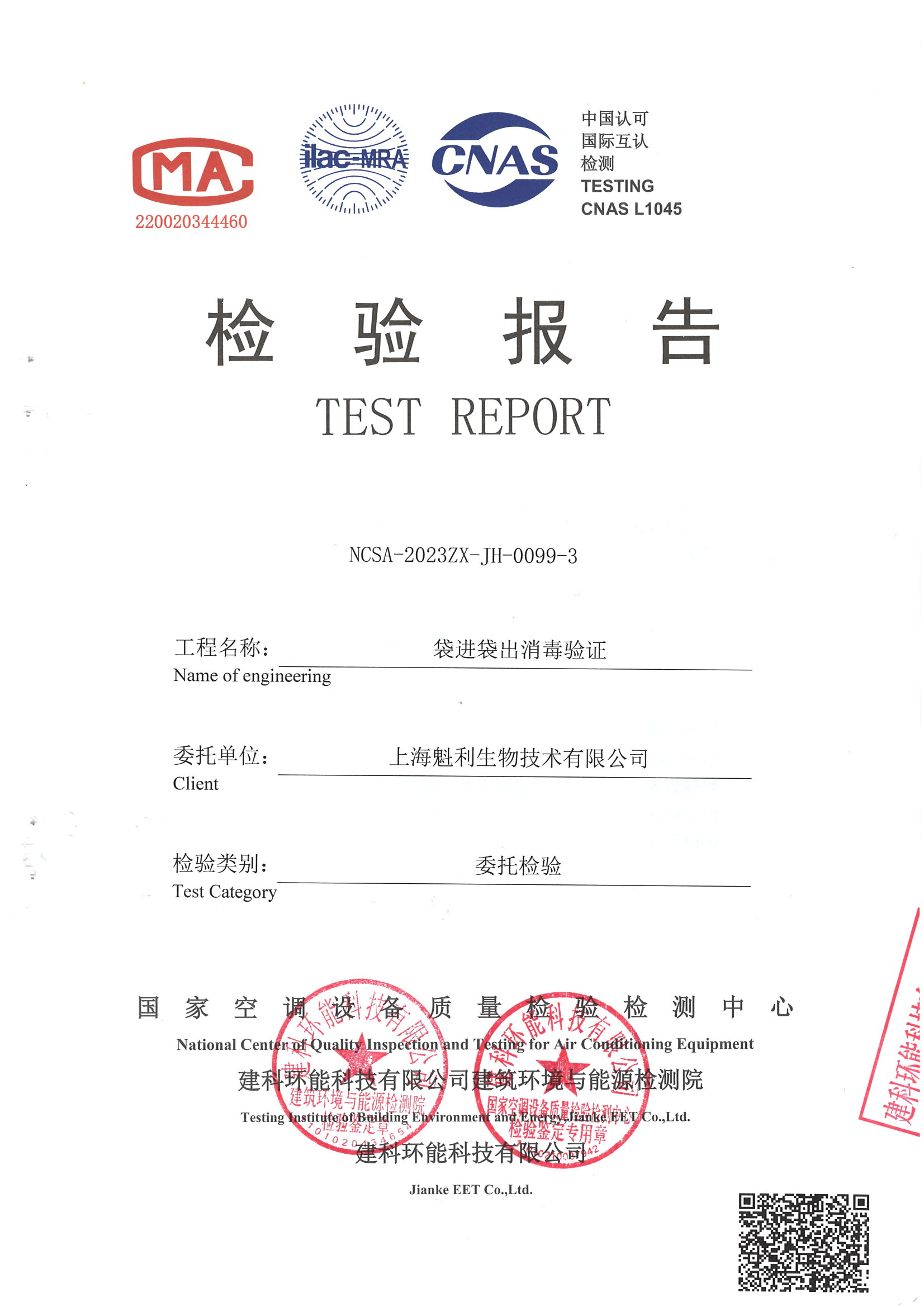
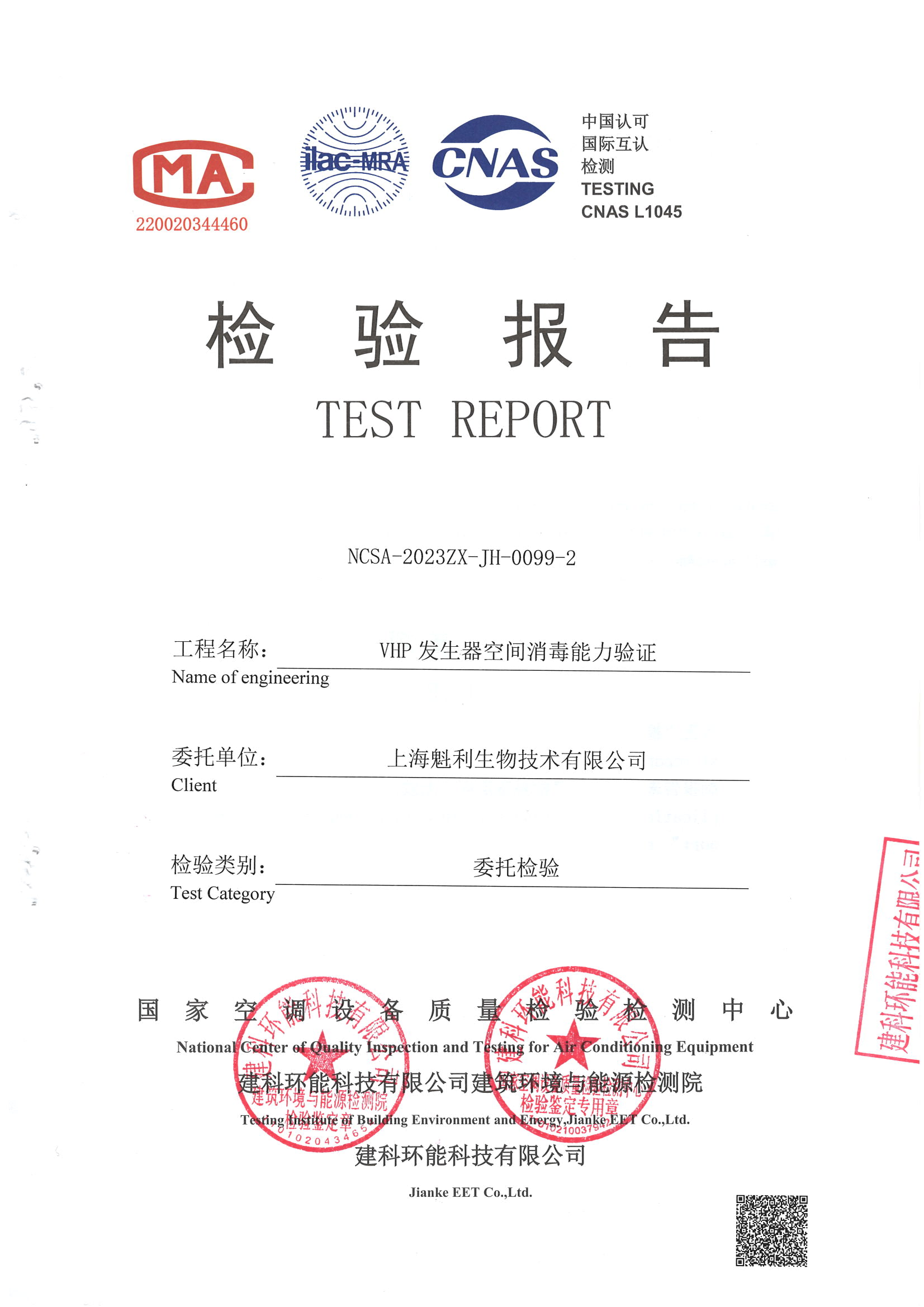
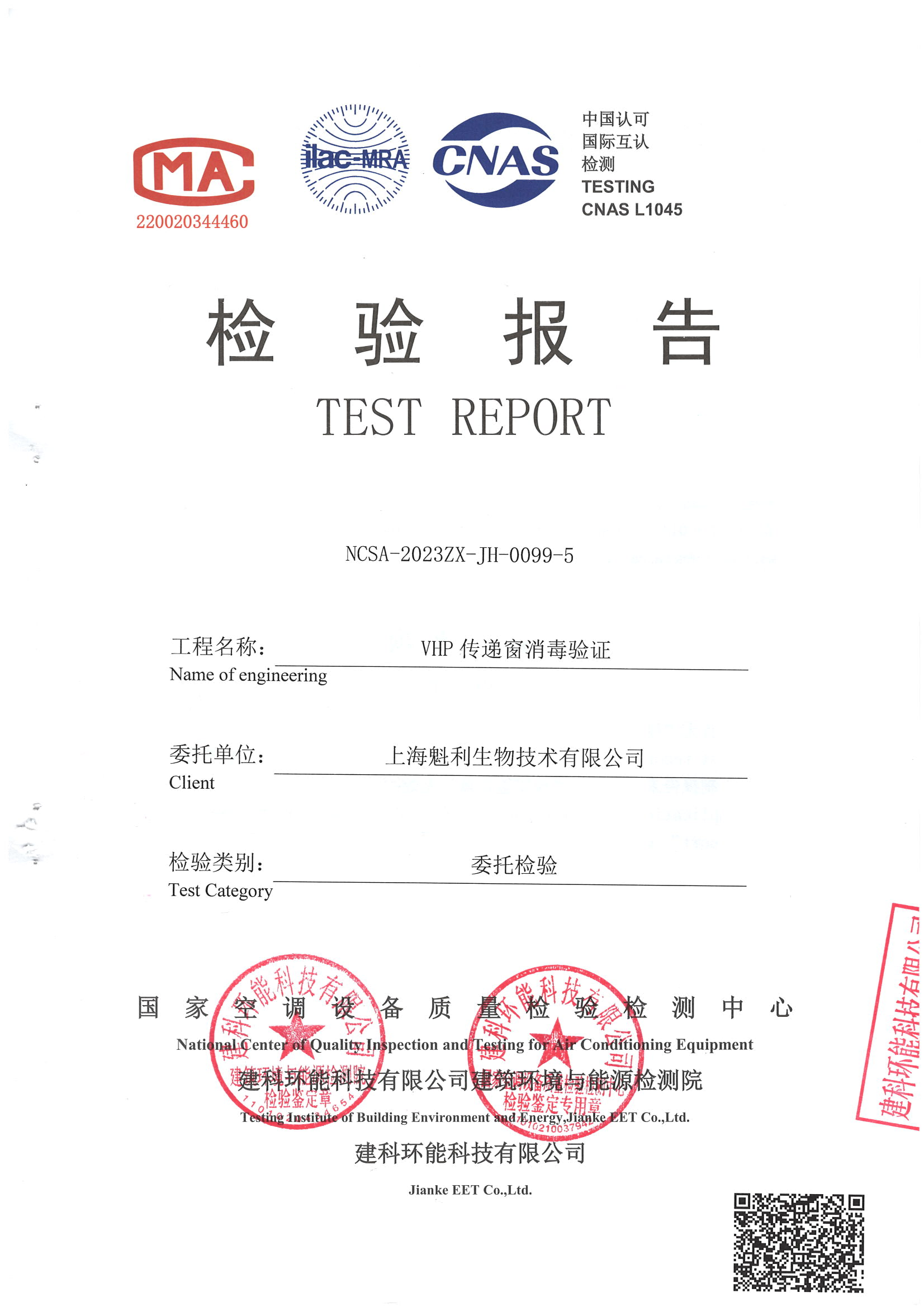
QUALIA's Biosafety Pass Box doesn't just stop at basic disinfection. It employs VHP disinfection, a method that generates a hydrogen peroxide mist, effectively killing a wide range of microorganisms including bacteria, viruses, fungi, and spores. This ensures that the items transferred are thoroughly sterilized without the need to open the doors, making it an indispensable asset for high-biosafety level laboratories and production environments.
Unmatched Seal Integrity
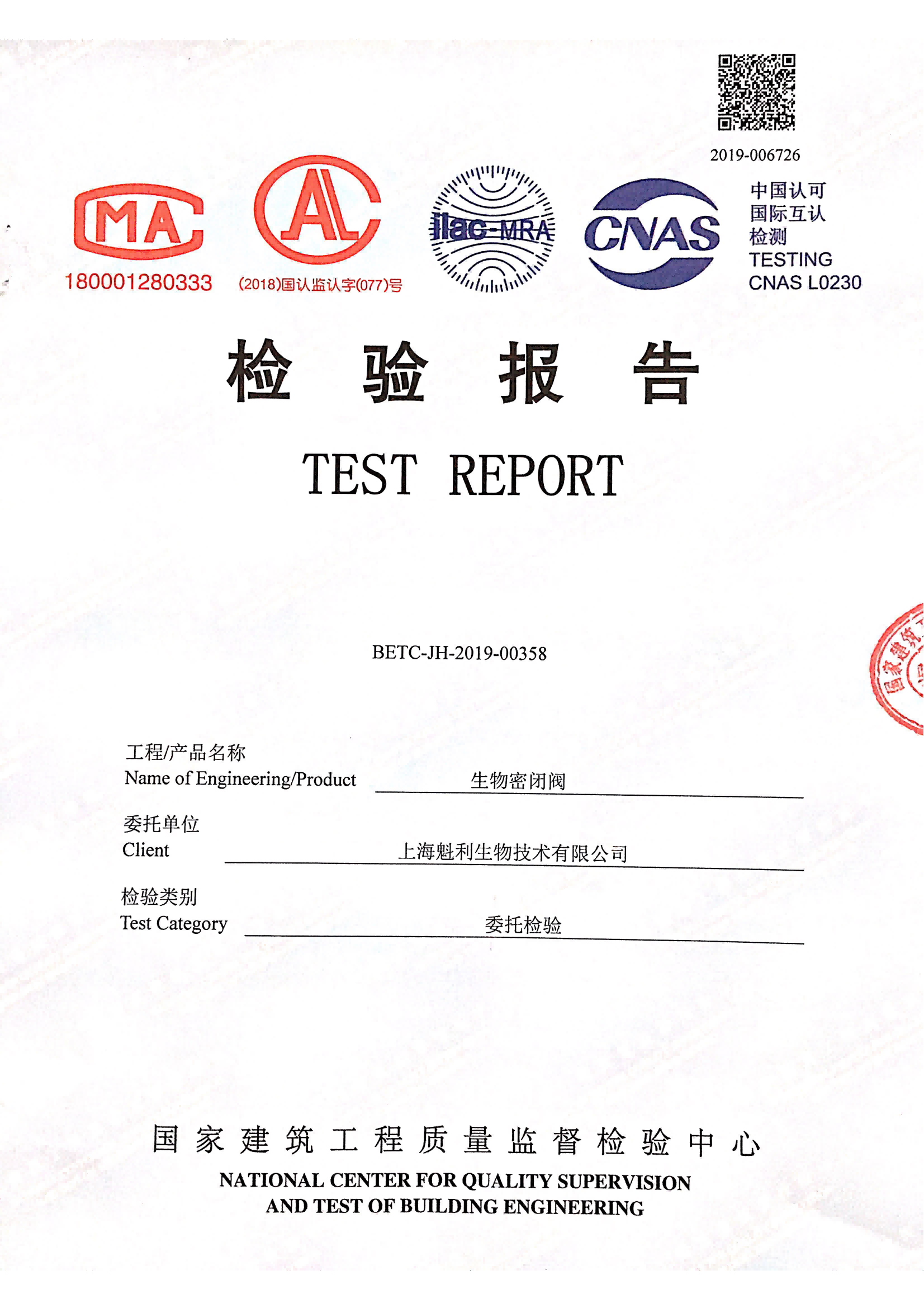
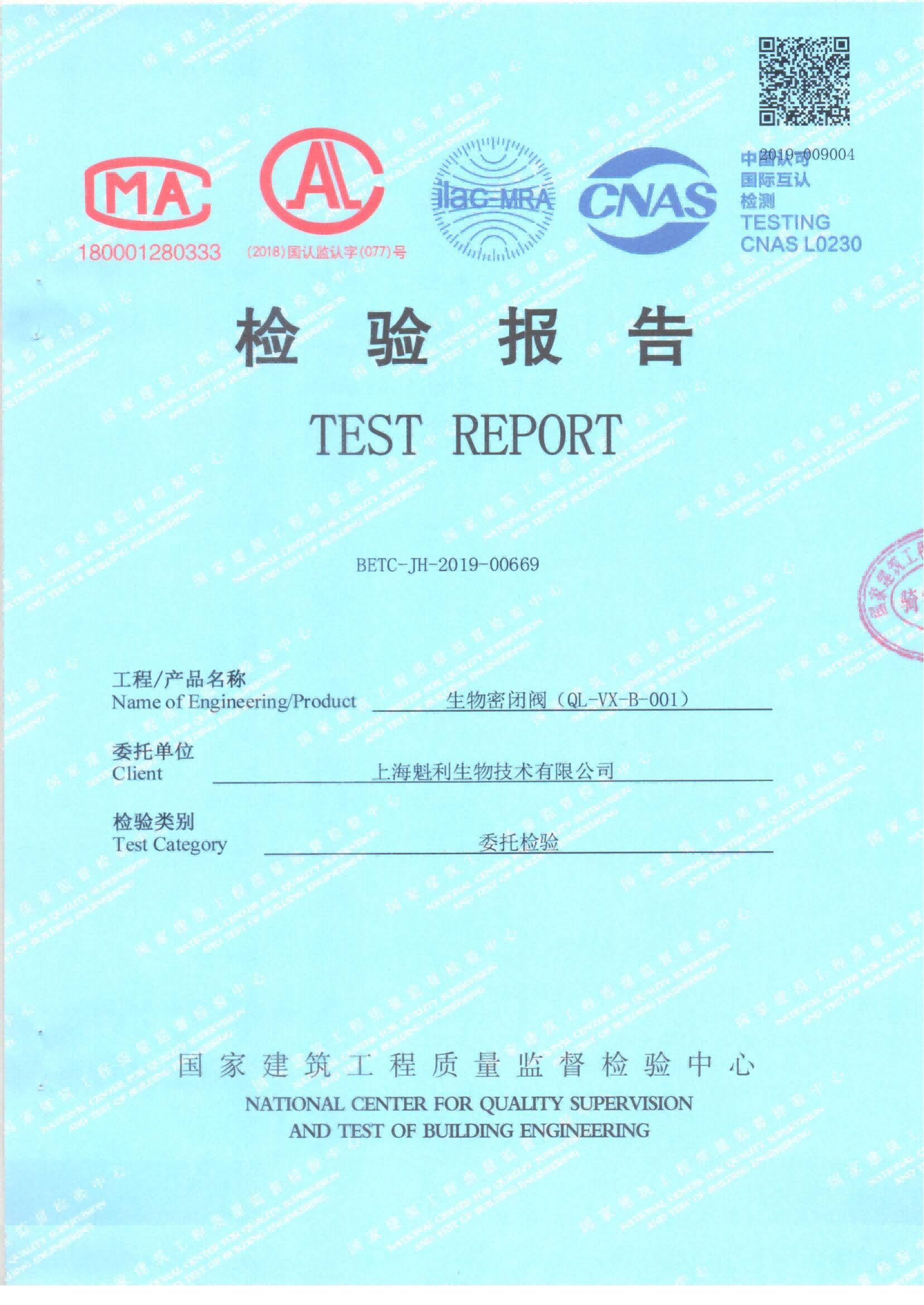
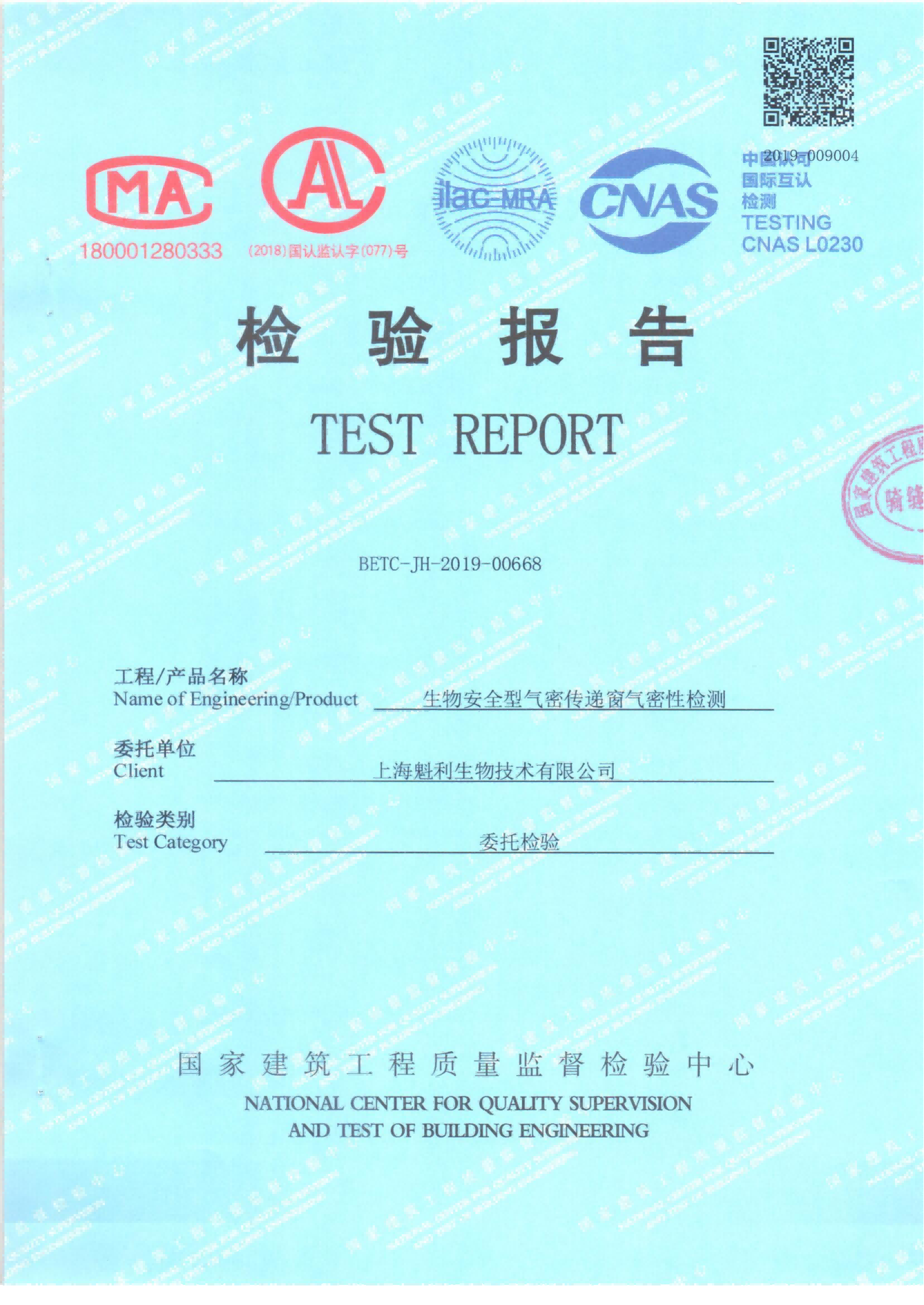
One of the standout features of QUALIA's Biosafety Pass Box is its superior seal integrity. With a pressure decay of less than 0.5% Vol/h at ±2000Pa over 20 minutes, it far exceeds industry standards. The inflatable seal, made from high-density Ethylene Propylene Diene Monomer (EPDM) imported from the Netherlands, boasts a hardness of 60±5° Shore A, ensuring durability and longevity. This is a significant improvement over competitors, whose seals may last only 1-3 years compared to QUALIA's ≥5 years.
Robust Construction and Safety Features
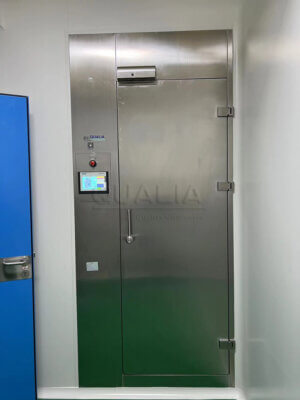
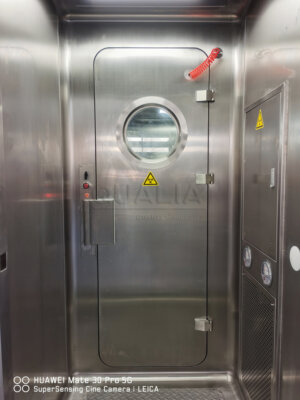
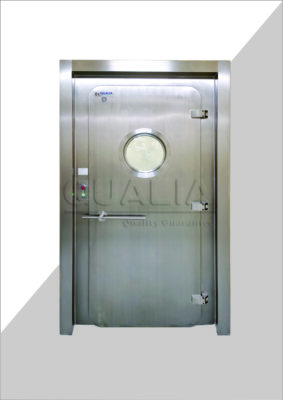
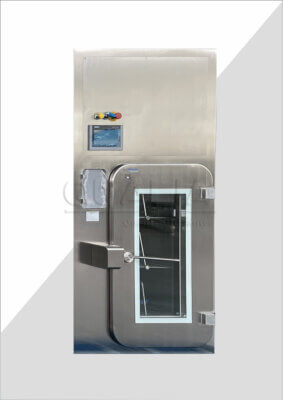
The Biosafety Pass Box is built to last, with doors made from fully welded 3.0mm stainless steel and middle sections fitted with double-layer 5mm tempered glass. The design includes concentric circle corners with inner rounded arc welds and thorough sanding, ensuring user safety and minimizing the risk of breakage. The doors are also equipped with protective handles to prevent accidental pressure rebound injuries, particularly in the inflatable pressure model.
Versatile Functionality
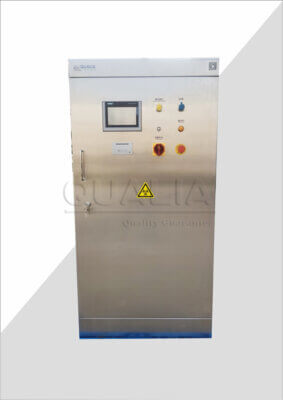
QUALIA's Biosafety Pass Box is not just about disinfection; it's about flexibility. It features a functionality switch that allows you to toggle between VHP sterilization and standard self-cleaning UV modes via a touchscreen. This versatility is complemented by optional temperature control, keeping temperature variations within ≤3℃, which is crucial for delicate transfers such as serum.
Integration and Efficiency
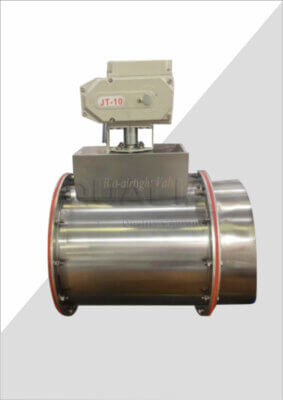
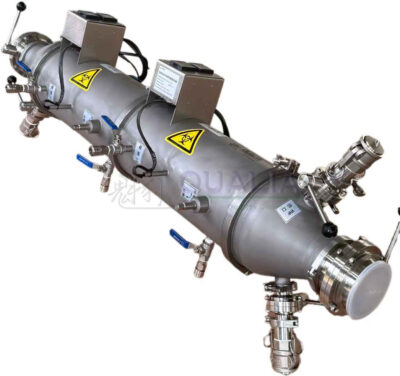
The device is designed for seamless integration with Building Management Systems (BMS), enabling online and remote printing, as well as data storage capabilities. The sterilization cycle is efficient, taking as little as 30 minutes, which is a significant reduction compared to other market offerings. The VHP generator uses a multi-channel labyrinth module to prevent condensation and fogging, ensuring an environmentally friendly and efficient decontamination process.
Conclusion
In the pursuit of maintaining the highest biosafety standards, QUALIA's Biosafety Pass Box stands out as a beacon of innovation and reliability. With its advanced disinfection methods, superior seal integrity, robust construction, and versatile functionality, it is an essential tool for any laboratory or medical environment. Whether you are transferring sensitive biological materials or ensuring the cleanliness of your workspace, the Biosafety Pass Box from QUALIA is your trusted ally in the fight against contamination.