
Integrating a Class III Biosafety Cabinet into a BSL-4 containment suite is a capital project, not an equipment purchase. The primary challenge is reconciling the cabinet’s absolute physical containment requirements with the facility’s architectural, mechanical, and safety systems. A common misconception is that installation is primarily about placement and connection; in reality, it is a foundational systems integration exercise where the cabinet becomes a permanent, custom-engineered subsystem of the suite itself.
Attention to this integration is critical now due to evolving global standards, increasing cyberbiosecurity threats to networked control systems, and a trend toward highly integrated cabinet “lines” that lock facilities into long-term operational partnerships. The total cost of ownership, heavily weighted toward rigorous maintenance, validation, and eventual component replacement, is often underestimated during initial planning, making early, detailed design essential for sustainable operation.
Fundamental Design and Performance Parameters of Class III BSCs
Defining the Absolute Containment Enclosure
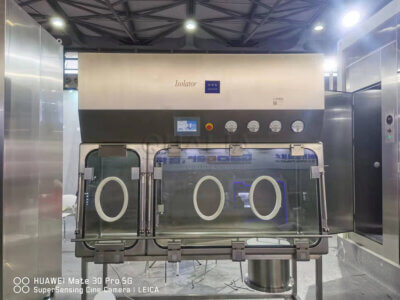
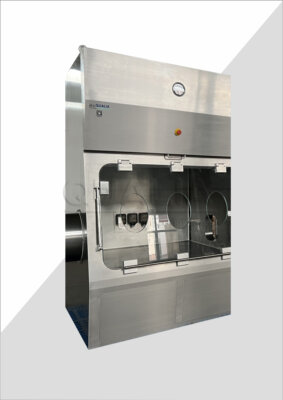
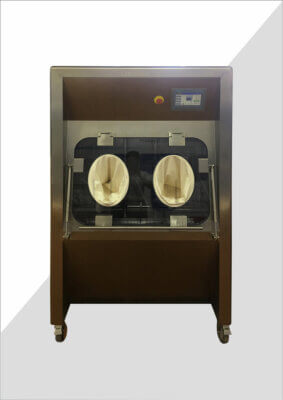
A Class III Biosafety Cabinet is a gas-tight, negative-pressure enclosure designed for work with Risk Group 4 agents. Its defining characteristic is absolute physical separation between the operator and the work zone, achieved through a sealed stainless-steel shell and operation via attached heavy-duty rubber gloves. The cabinet operates under a constant negative pressure of approximately 0.5 inches of water gauge, maintained by a dedicated exhaust system. This is not a flexible workspace but a high-containment isolator, a distinction that fundamentally shapes all subsequent integration decisions.
The Redundant Filtration Imperative
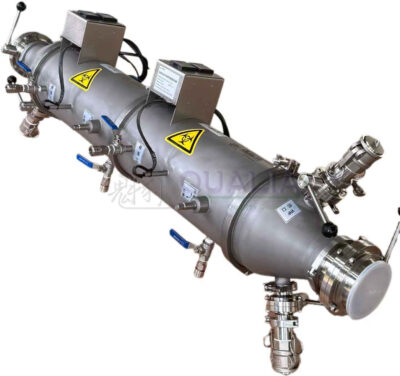
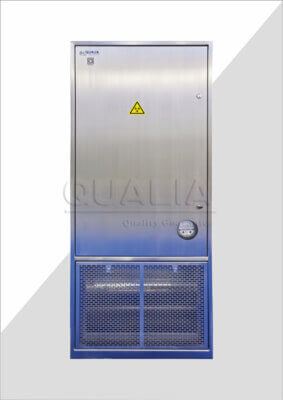
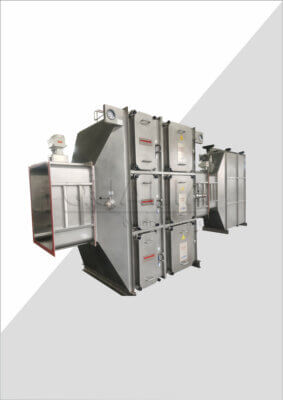
The non-negotiable technical differentiator is redundant exhaust filtration. Exhaust air must pass through two HEPA filters in series or a HEPA filter followed by an air incinerator. This fail-safe design ensures containment integrity even in the event of a primary filter failure. Supply air is also HEPA-filtered before entry. This requirement transforms the cabinet from a standalone unit into a node within the facility’s specialized HVAC architecture, demanding permanent mechanical support for filter maintenance and change-out protocols.
Procurement as a Capital Project
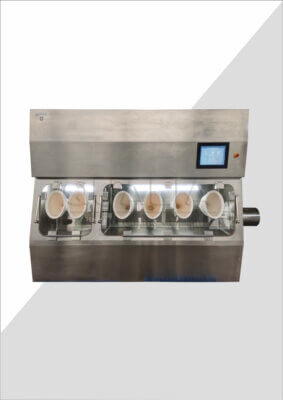
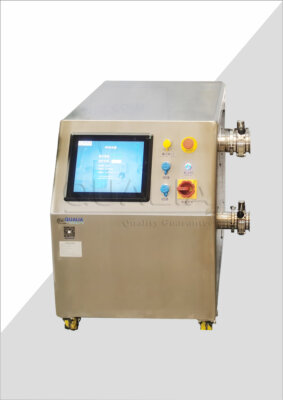
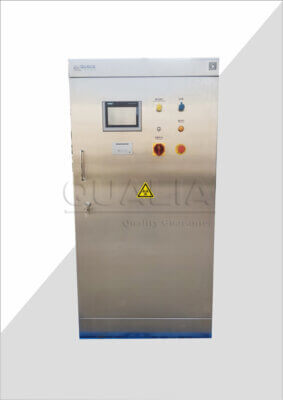
Consequently, Class III BSCs are custom-engineered systems, often fabricated as integrated lines with embedded equipment. This shifts procurement from a simple purchase order to a capital-intensive design-build project. Industry experts recommend engaging the manufacturer as a design partner during the earliest facility planning phases. Extended lead times for fabrication and certification are the norm, not the exception. We compared traditional procurement timelines with those for integrated containment lines and found the latter can extend project schedules by 6-12 months, necessitating advanced planning.
Planning Facility Integration and Critical Access Points
Treating the Cabinet as an Architectural Subsystem
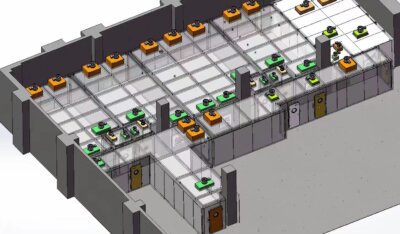
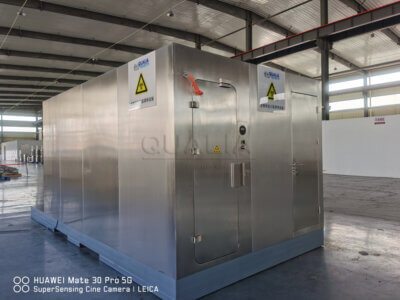
Integration requires treating the cabinet as a core architectural element. Positioning must account for structural load-bearing, service corridors for maintenance, and seamless linkage to other containment equipment like autoclaves. The trend toward custom cabinet lines effectively turns the modern BSL-4 suite into a single integrated containment organism, with the BSC as its operational core. This design philosophy prioritizes workflow efficiency and containment integrity over component flexibility.
Managing Material Transfer and Interchanges
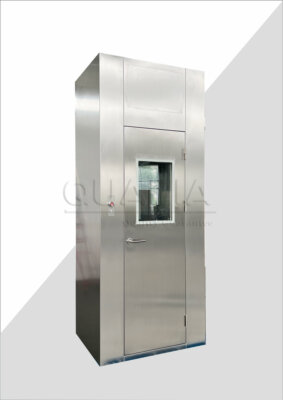
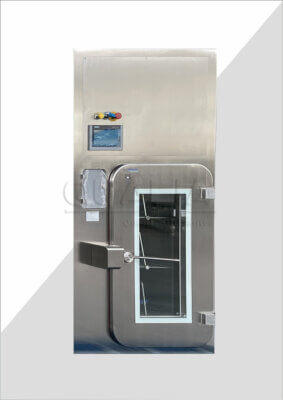
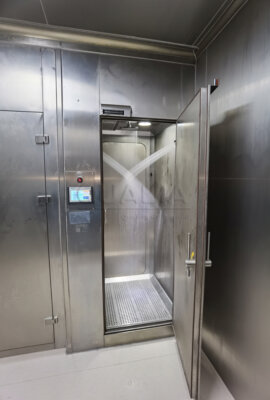
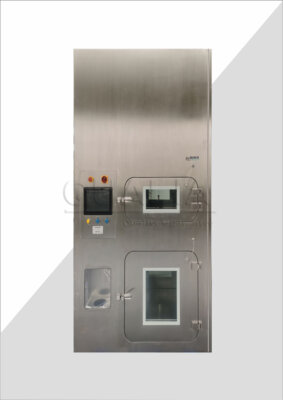
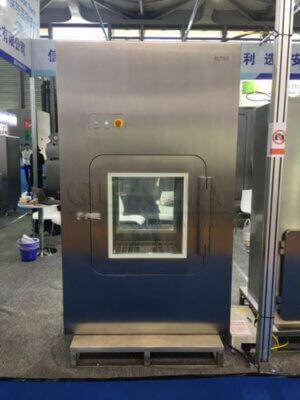
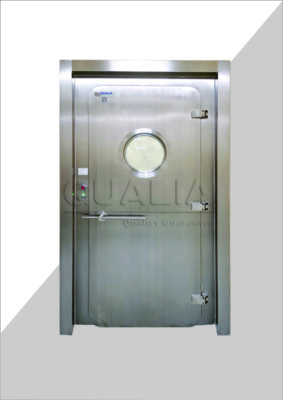
Primary material transfer relies on integrated, secured double-door pass-through autoclaves or chemical dunk tanks. Placement of these interchange systems is critical for workflow and must allow for decontamination cycles between uses. Easily overlooked details include the spatial requirements for loading and unloading these chambers from both the cabinet and room sides, as well as the integration of their control systems with the cabinet’s operational status.
Navigating the Standards Landscape
A significant integration hurdle is reconciling guidelines from authorities like the CDC’s Biosafety in Microbiological and Biomedical Laboratories (BMBL) with standards like NSF/ANSI 49-2022. These documents can present contradictory requirements for clearances and utilities. Organizations must establish a clear hierarchy of standards adoption during the design phase to avoid compliance gaps and ensure the final installation meets all regulatory obligations for the intended research.
Designing Dedicated Exhaust and Supply Air Systems
Engineering the Independent Exhaust Lifeline
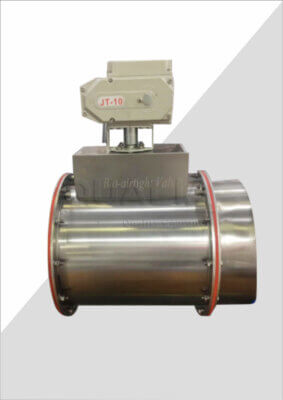
The dedicated exhaust system is the cabinet’s lifeline, responsible for maintaining constant negative pressure and directing contaminants through filtration. The exhaust fan should be located outside the containment suite, typically on the building roof, and must feature redundancy and failure alarms. This design ensures that any failure or maintenance activity on the fan does not compromise the containment zone. The entire duct run must be constructed of sealed, cleanable materials compatible with gaseous decontamination.
Balancing Supply Air for Operational Stability
Supply air, HEPA-filtered before entry, should be ducted to a distribution manifold within the cabinet to minimize turbulent airflow in the work zone. The overarching challenge is balancing this dedicated system with the BSL-4 suite’s own HVAC to maintain proper directional airflow. The facility’s negative pressure gradient must be meticulously coordinated with the cabinet’s internal pressure regime. This intricate balance underscores that installation is a critical integration of containment and mechanical systems.
Accounting for the Full Operational Lifecycle
The facility’s mechanical design must permanently support the rigorous maintenance of these complex systems. The table below outlines key design requirements and their long-term operational implications.
| System Component | Key Design Requirement | Operational Consideration |
|---|---|---|
| Exhaust Fan Location | Outside containment suite | Often on building roof |
| Exhaust Fan Feature | Redundancy and failure alarms | Mandatory for safety |
| Supply Air Delivery | Ducted to distribution manifold | Minimizes turbulent airflow |
| System Balance | Precise HVAC integration | Maintains directional airflow |
| Filter Maintenance | Permanent facility support | High-cost operational lifecycle |
Source: Technical documentation and industry specifications.
The high-cost operational lifecycle for filter changes and system validation is a significant, often underestimated, portion of the total cost of ownership for a BSL-4 suite.
Ensuring Structural Sealing and Penetration Management
Identifying and Securing Every Penetration
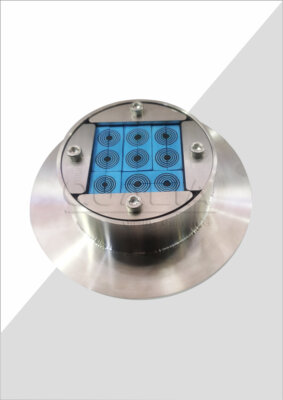
Every penetration into the gas-tight cabinet shell represents a potential containment breach. This includes conduits for electrical power, data lines, plumbing, and gases. All such penetrations must be sealed with certified, gas-tight fittings that can withstand negative pressure and decontamination cycles. Similarly, the physical connections to exhaust ducting and pass-through chambers require sealed, gasketed interfaces. The integrity of the all-welded stainless-steel seams and the viewing window seal is equally vital and is validated through pressure decay testing.
Validating Seal Integrity
The standard method for validating this gas-tight integrity is the pressure decay test, as defined in containment standards. This test verifies that the entire enclosure, including all seals and penetrations, meets the required leak-tightness classification for safe operation with hazardous aerosols.
| Penetration Type | Sealing Requirement | Validation Method |
|---|---|---|
| Electrical/Data Conduits | Certified gas-tight fittings | Pressure decay test |
| Plumbing & Gas Lines | Sealed, gasketed interfaces | Pressure decay test |
| Exhaust Duct Connection | Sealed, gasketed interface | Integral to certification |
| Viewing Window | Permanent, airtight seal | Visual & pressure testing |
| Cabinet Seams | All-welded construction | Visual inspection & testing |
Source: ISO 10648-2:1994. The standard defines the leak-tightness classification and associated test methods required to validate the integrity of all seals and penetrations in a containment enclosure.
Addressing the Cyberbiosecurity Parallel
In an era of digital integration, physical security measures are now paralleled by cybersecurity concerns. Modern BSCs with networked digital controls and alarms create a hybrid threat vector. A cyber breach could disable containment monitoring or manipulate pressure logs. Therefore, facility design must allocate resources for cyberbiosecurity, often mandating air-gapped control systems to protect this critical physical barrier from digital compromise.
Implementing Pressure Monitoring and Control Systems
Establishing Continuous Monitoring Zones
Continuous pressure monitoring is non-negotiable for verifying real-time containment integrity. Sensors must monitor multiple zones: the cabinet interior, the interstitial spaces between HEPA filters, the exhaust ducting, and the room pressure relative to the cabinet. This multi-point data feed provides a comprehensive picture of system health, ensuring the inward leakage barrier is maintained and offering early warning of filter loading or system failures before a containment breach occurs.
Integrating Dynamic Alarm and Control Response
This data feeds a central control system with distinct visual and audible alarms for any deviation from set parameters. The implementation must account for evolving standards. For instance, recent revisions to NSF/ANSI 49-2022 have drastically reduced allowable power failure response times for alarm systems. This dynamic compliance landscape turns facility design into a moving target, necessitating a proactive process for monitoring standards updates to avoid technical obsolescence upon installation.
Designing for Human Response
The alarm systems must be integrated into the facility’s central safety monitoring architecture. However, their ultimate effectiveness depends on human response. Alarm setpoints and protocols must be clearly defined, and personnel must be trained to respond appropriately to each alarm condition. The control system should provide clear, unambiguous diagnostics to expedite troubleshooting and emergency response, turning data into actionable intelligence.
Planning for Decontamination and Validation Protocols
Facilitating Gaseous Decontamination Cycles
Prior to initial use and after any maintenance breaching containment, the entire cabinet and its filter housings must undergo full gaseous decontamination, typically with vaporized hydrogen peroxide (VHP). The installation must be designed to facilitate this process, with dedicated ports for gas introduction and distribution to ensure uniform concentration and contact time throughout the complex interior and filter plenums. The design must also manage condensation and gas neutralization.
Executing High-Risk Filter Change-Outs
Filter change-out is itself a high-risk operation requiring a planned decontamination cycle. The facility design must provide safe access to filter housings, often requiring bag-in/bag-out (BIBO) containment devices to be integrated into the ductwork. Procedures must be established for safely removing, transporting, and disposing of contaminated HEPA filters. The support ecosystem for these maintenance activities is as critical as the cabinet itself.
Validating Efficacy and Documenting Procedures
Validation of decontamination efficacy is a critical component of the certification protocol, using biological indicators placed at challenging locations. These rigorous requirements contribute significantly to the perpetual operational costs. In my experience, institutions often underestimate the frequency, duration, and resource intensity of these decontamination and validation cycles, which directly impact laboratory throughput and long-term operating budgets.
Coordinating Rigorous Performance Certification Testing
Executing Exhaustive Field Certification
Following installation, the cabinet must undergo exhaustive field certification by qualified, independent personnel. This is not a manufacturer’s checkout but a formal verification against performance standards. The certification process includes a battery of tests to ensure the installed system performs as designed and meets all safety requirements.
Adhering to a Structured Testing Regime
The certification follows a structured regime of physical and aerodynamic tests. Each test type has a defined methodology and required frequency, as outlined below.
| Test Type | Method / Standard | Frequency |
|---|---|---|
| Pressure Decay Integrity | Gas-tightness verification | At installation, post-service |
| HEPA Filter Integrity | Aerosol challenge (e.g., PAO) | At installation, annually |
| Airflow Rate Verification | Inflow/exhaust measurement | At installation, annually |
| Glove Port Integrity | Leak testing | At installation, annually |
| Documentation | Certified test report | Required for compliance |
Source: EN 12469:2000. This European standard establishes the rigorous performance criteria and testing framework for microbiological safety cabinets, providing the foundational protocols for field certification of containment and filtration integrity.
Navigating Global Standards Divergence
The process is complicated by global standards divergence. Differences between NSF/ANSI 49 (U.S.) and EN 12469 (EU) involve different test parameters and third-party certifiers. This regulatory friction can impact international research collaboration and may influence where global consortia site maximum containment facilities. Organizations operating transnationally must develop dual-compliance strategies, potentially requiring certification to multiple standards.
Integrating with Overall BSL-4 Suite Safety Architecture
Embedding the Cabinet into Central Safety Systems
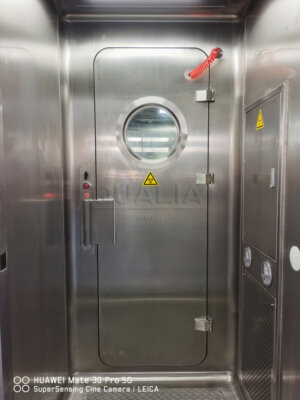
The Class III BSC must function as a core component within the multi-layered BSL-4 safety architecture. Its alarms must be integrated into the facility’s central monitoring system for a unified safety response. Its electrical supply should be on emergency backup power to maintain negative pressure during a utility failure. Access to the cabinet room itself must be strictly controlled via card readers, interlocks, or biometric systems, creating a defense-in-depth approach.
Prioritizing Ergonomic Design for Procedural Security
Integration directly influences safety outcomes beyond engineering controls. Poor ergonomic design of glove ports, work surface height, and internal equipment placement can increase user fatigue and error rates, indirectly elevating procedural risk. Facility design must incorporate ergonomic analysis to mitigate use-related breaches. The human interface with this high-containment technology must be as secure as the engineering controls, ensuring personnel can work effectively and safely for extended periods.
Establishing a Culture of Specific Training
All personnel require specific, hands-on training on the particular cabinet system installed. This training must cover operational limits, emergency response procedures (e.g., glove tear protocols), and decontamination cycles. Training should be competency-based and recur annually. The cabinet is only as safe as the personnel using it, making comprehensive training the final, critical layer of integration within the BSL-4 safety architecture. For facilities considering an integrated containment line, evaluating the technical specifications and integration support offered by manufacturers is a necessary step in the planning process.
Successful integration hinges on three priorities: treating the cabinet as a capital project requiring early manufacturer partnership, designing for the full 30-year lifecycle cost of maintenance and validation, and embedding human factors and training into the core safety architecture. This approach moves beyond mere compliance to create a resilient, operable containment system.
Need professional guidance on designing or specifying a containment system for your high-risk facility? The integration experts at QUALIA can provide the consultative support required to navigate these complex design and procurement challenges.
Frequently Asked Questions
Q: What are the critical performance parameters that define a Class III biosafety cabinet for BSL-4 work?
A: A Class III cabinet is a gas-tight, negative-pressure enclosure with a sealed shell, non-opening view window, and glove ports for all manipulations. It must maintain a negative pressure of approximately 0.5 inches of water gauge (~125 Pa) and feature redundant HEPA filtration on its exhaust, typically two filters in series or a filter followed by an incinerator. This means procurement is a custom design-build project requiring early manufacturer engagement, not a standard equipment purchase.
Q: How should we plan the facility integration for a Class III cabinet line to ensure workflow and compliance?
A: Treat the cabinet as a core architectural subsystem, positioning it for structural support and linking it to secured double-door pass-through autoclaves or dunk tanks for material transfer. You must reconcile potentially conflicting guidance from standards like the CDC BMBL and NSF/ANSI 49-2022, establishing a clear hierarchy of standards adoption during design. For projects aiming for seamless workflow, plan for an integrated “containment organism” approach, which may create long-term dependencies on a single manufacturer for support and upgrades.
Q: What are the key considerations for designing the dedicated ventilation system for a Class III BSC?
A: The independent exhaust system, ideally with a redundant fan located outside the containment area, is critical for maintaining constant negative pressure. Supply air must be HEPA-filtered and ducted to a manifold to prevent turbulence, while the entire HVAC system requires precise balancing with the BSL-4 suite’s airflow. This integration dictates that facility design must permanently account for the high-cost, complex maintenance and eventual replacement of redundant filter sets, a major and often underestimated component of total ownership cost.
Q: What validation is required to ensure a Class III cabinet’s structural integrity and leak tightness?
A: Following installation, qualified personnel must perform a pressure decay test to verify the gas-tight integrity of the cabinet shell, window seals, and all penetrations. This test is a core part of the exhaustive field certification protocol, which also includes HEPA filter integrity challenges and airflow verification. Facilities must plan for this rigorous annual certification, and those operating internationally should develop strategies to address standards divergence between frameworks like NSF/ANSI 49-2022 and EN 12469:2000.
Q: How do you manage the cybersecurity risks associated with modern Class III cabinet control systems?
A: Modern cabinets with digital controls and networked alarms introduce cyberbiosecurity threats, where a breach could disable containment monitoring. Mitigation requires designing air-gapped control systems or other network security measures specifically for this critical equipment. This means facility budgets must now allocate resources to protect the digital integrity of physical barriers, treating cybersecurity as a parallel requirement to physical penetration sealing validated by standards like ISO 10648-2:1994.
Q: What operational protocols are necessary for decontaminating a Class III cabinet before maintenance?
A: Full gaseous decontamination, using an agent like vaporized hydrogen peroxide, is mandatory before any service that breaches containment. The cabinet design must include dedicated ports for gas introduction and distribution to ensure effective treatment of the interior and filter housings. This requirement highlights that the support ecosystem for safe decontamination and high-risk filter change-outs is a permanent, high-cost operational necessity that must be projected over the facility’s decades-long lifecycle.
Q: How should pressure monitoring systems be configured to ensure containment safety?
A: Continuous sensors must monitor pressure inside the cabinet, in interstitial spaces between HEPA filters, and in the exhaust ducting, with all data feeding a central alarm system for any deviation. Implementation must account for evolving standards, such as recent reductions in allowable power failure response times. This creates a dynamic compliance landscape, so facilities need a proactive process for monitoring standard revisions to prevent system obsolescence and ensure ongoing safety integration.
Related Contents:
- Class III Biosafety Isolators: Ultimate Protection
- Class III Biosafety Cabinet vs Class II BSC: 12 Critical Differences for BSL-3 and BSL-4 Containment Selection
- Biosafety Cabinet Installation: What You Need to Know
- Class II Type B2 Biosafety Cabinets: Total Exhaust
- Class III vs Class II Biosafety Cabinet Airflow Performance: CFM and Containment Data Comparison
- Class III Biosafety Cabinets for Maximum Protection
- Biosafety Cabinet Exhaust Systems Explained
- Biosafety Cabinet Sizes: Finding the Perfect Fit
- When to Upgrade from Class II to Class III Biosafety Cabinet: BSL-4 Risk Assessment Criteria