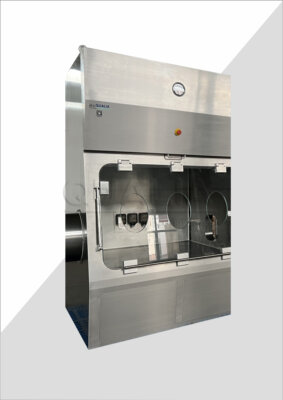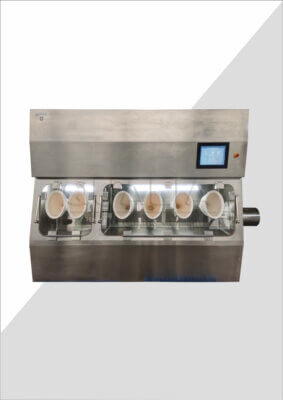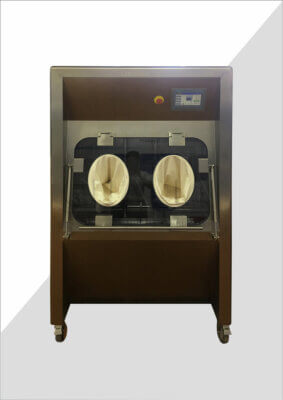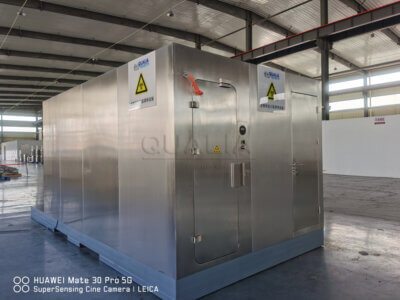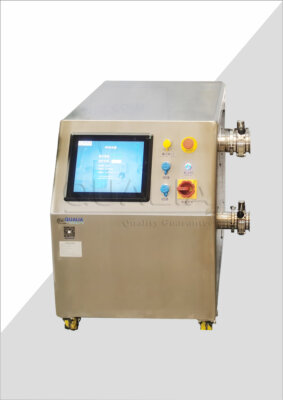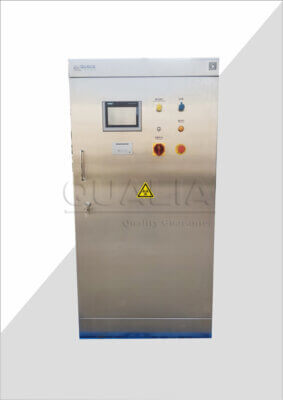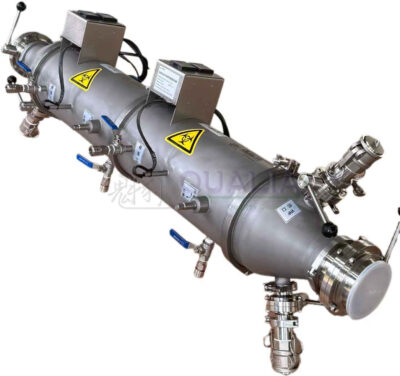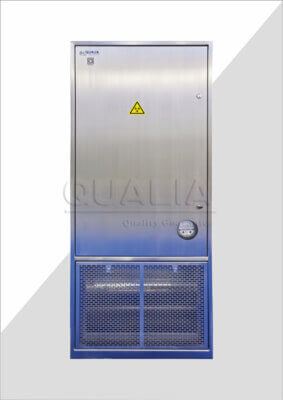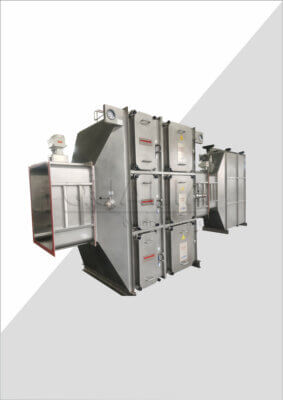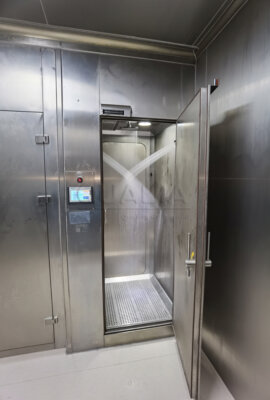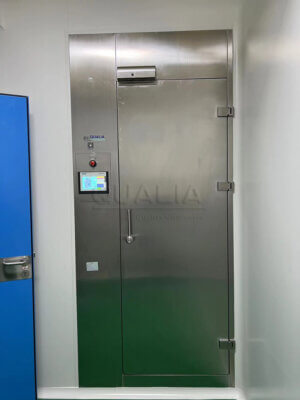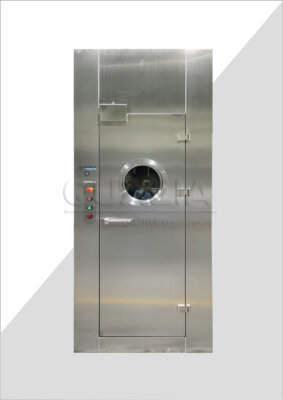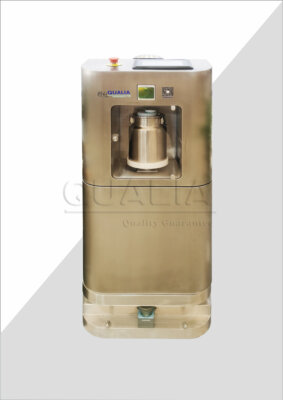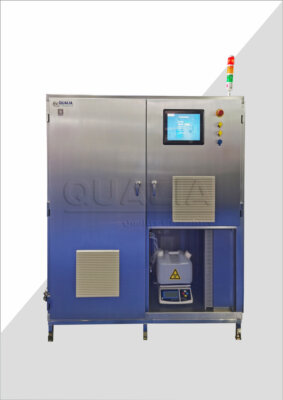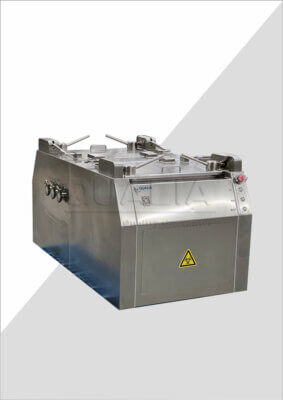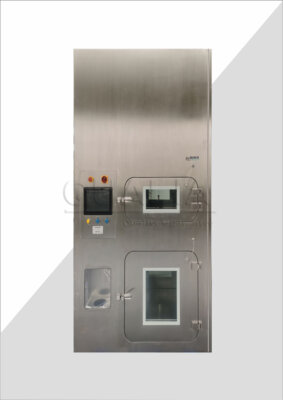
Within a BSL-4 maximum containment laboratory, the effluent decontamination system (EDS) is not a utility but a critical engineered barrier. Its failure represents an unacceptable breach of primary containment. The core challenge for facility directors and biosafety officers is selecting and implementing an EDS that transcends basic functionality to deliver absolute reliability. This requires navigating a complex matrix of technologies, redundancy philosophies, and validation protocols, where common misconceptions about cost and simplicity can introduce catastrophic risk.
Attention to EDS design is paramount now due to the proliferation of high-containment research and the increasing scrutiny of biorisk management frameworks like ISO 35001:2019. The system must be an integrated, fail-safe component of the overall containment strategy, not an afterthought. Every design decision, from core technology to component redundancy, directly impacts the facility’s operational integrity and regulatory standing.
Core EDS Technologies: Thermal vs. Chemical vs. Hybrid
Defining the Technological Landscape
The inactivation method forms the technological foundation of any EDS. The choice dictates operational parameters, utility dependencies, and long-term cost structures. Thermal systems are the most prevalent, but chemical and hybrid approaches offer distinct strategic advantages and constraints. According to research from industry validation studies, a common mistake is selecting a technology based on upfront capital cost alone, without modeling the total cost of ownership or secondary waste implications.
Application and Operational Realities
Batch thermal systems collect waste in a sealed vessel, heating it to 121-150°C. Their efficacy hinges on validated agitation to ensure thermal uniformity. Continuous flow thermal systems, while requiring higher initial investment, offer superior operational economics through integrated heat exchangers that recover 80-95% of energy. Chemical systems using sodium hypochlorite achieve sterilization through concentration and contact time, but their validation is intrinsically tied to a specific bleach brand and formulation, making supply chain security a direct biosafety variable. In our analysis of failure modes, we found that hybrid thermochemical systems provide a unique advantage: they allow for automatic parameter compensation if one inactivation mode (heat or chemical) underperforms, mitigating single-mode failure risk within a single vessel.
Impact on Facility Risk Profile
The selected technology directly shapes the facility’s risk profile. A chemical EDS, for instance, introduces a secondary waste stream requiring neutralization, adding operational hazard. A thermal system with poor agitation may fail to treat solids-laden waste. The strategic implication is clear: waste stream characterization is a non-negotiable prerequisite for technology selection. The system must be matched to the waste, not the other way around.
Redundancy Design: N+1, Dual-Train, and Component-Level
The Non-Negotiable Principle of Redundancy
In a BSL-4 context, redundancy is engineered fault tolerance to eliminate single points of failure. It is a configurable feature, not a standard offering, and must be explicitly defined in the facility’s biosafety risk assessment. Omitting adequate redundancy creates a vulnerability where a single pump failure or tank malfunction could halt all effluent processing, threatening containment integrity. The CWA 15793:2011 biorisk management framework mandates the identification and control of risks through such engineered controls.
Methods for Implementing Fault Tolerance
Redundancy can be architected at multiple levels. N+1 design involves multiple treatment tanks sized so that remaining capacity handles full waste flow if one unit is offline. Dual-train systems provide the highest reliability with fully independent parallel processing streams, including separate utilities. Component-level redundancy duplicates critical items like pumps and heaters. For space-constrained facilities, the inherent flexible redundancy of a hybrid system—where one inactivation mode can compensate for another—presents a sophisticated alternative to multi-tank configurations.
Decision Framework for Selecting a Model
The choice among redundancy models involves a strategic balance. Dual-train offers maximum reliability but at a significant cost and footprint. N+1 provides a balance of capacity assurance and cost. Component-level redundancy targets specific high-failure-rate items. The decision framework must weigh the consequence of a total system stoppage against available budget and physical space. Industry experts recommend that the redundancy design be driven by the facility’s risk assessment, not vendor standard offerings.
Redundancy Design: N+1, Dual-Train, and Component-Level
| Redundancy Model | Core Principle | Key Consideration |
|---|---|---|
| N+1 | Multiple treatment tanks | Remaining capacity handles full flow |
| Dual-Train | Fully independent parallel streams | Maximum reliability, separate utilities |
| Component-Level | Duplicates pumps, heaters, sensors | Balances fault tolerance vs. budget |
| Hybrid System | Inherent flexible redundancy | Sophisticated space-constrained alternative |
Source: CWA 15793:2011 Laboratory biorisk management standard. This biorisk management framework requires the identification and control of risks through engineered controls, directly supporting the implementation of redundancy designs to eliminate single points of failure in critical systems like the EDS.
Fail-Safe Controls and Automated Process Assurance
The Role of the Programmable Logic Controller
The Programmable Logic Controller (PLC) is the operational brain enforcing containment integrity. It provides fail-safe controls through hardware interlocks on tank lids and valves, preventing access or discharge unless safe conditions are met. This automation transforms procedural compliance into continuous digital assurance. A easily overlooked detail is the need for the PLC to have its own uninterruptible power supply to maintain control during utility failure.
Automated Monitoring and Response
Continuous monitoring of temperature, pressure, and chemical concentration is fundamental. The PLC prevents discharge unless all setpoints are met for the validated duration. Upon any fault—a temperature drop, a pump failure—the system automatically diverts incoming effluent to a secure quarantine tank. This contained diversion is the first and most critical automated emergency response, ensuring untreated waste never reaches the drain.
Data as Proof of Process
Integrated data logging creates immutable records for every treatment cycle. These time-temperature-concentration profiles serve as the primary “proof of process,” satisfying regulatory auditors and providing a forensic trail. This elevates the EDS from a utility to a smart, data-generating asset. The software’s ability to provide verification and traceability now rivals the hardware’s importance in risk mitigation.
Fail-Safe Controls and Automated Process Assurance
| System Component | Function | Key Feature/Output |
|---|---|---|
| Programmable Logic Controller (PLC) | Enforces containment integrity | Lid and valve interlocks |
| Continuous Monitoring | Tracks temperature, pressure, concentration | Prevents invalid discharge |
| Automatic Fault Response | Diverts effluent on failure | Secure quarantine tank |
| Integrated Data Logging | Creates immutable records | “Proof of process” for regulators |
Source: ISO 35001:2019 Biorisk management for laboratories and other related organisations. The standard requires the implementation of operational controls and monitoring to ensure the effectiveness of risk mitigation measures, which is achieved through automated EDS controls and data logging for verification.
Biological Validation and Proof of Process Requirements
The Scientific Basis of Validation
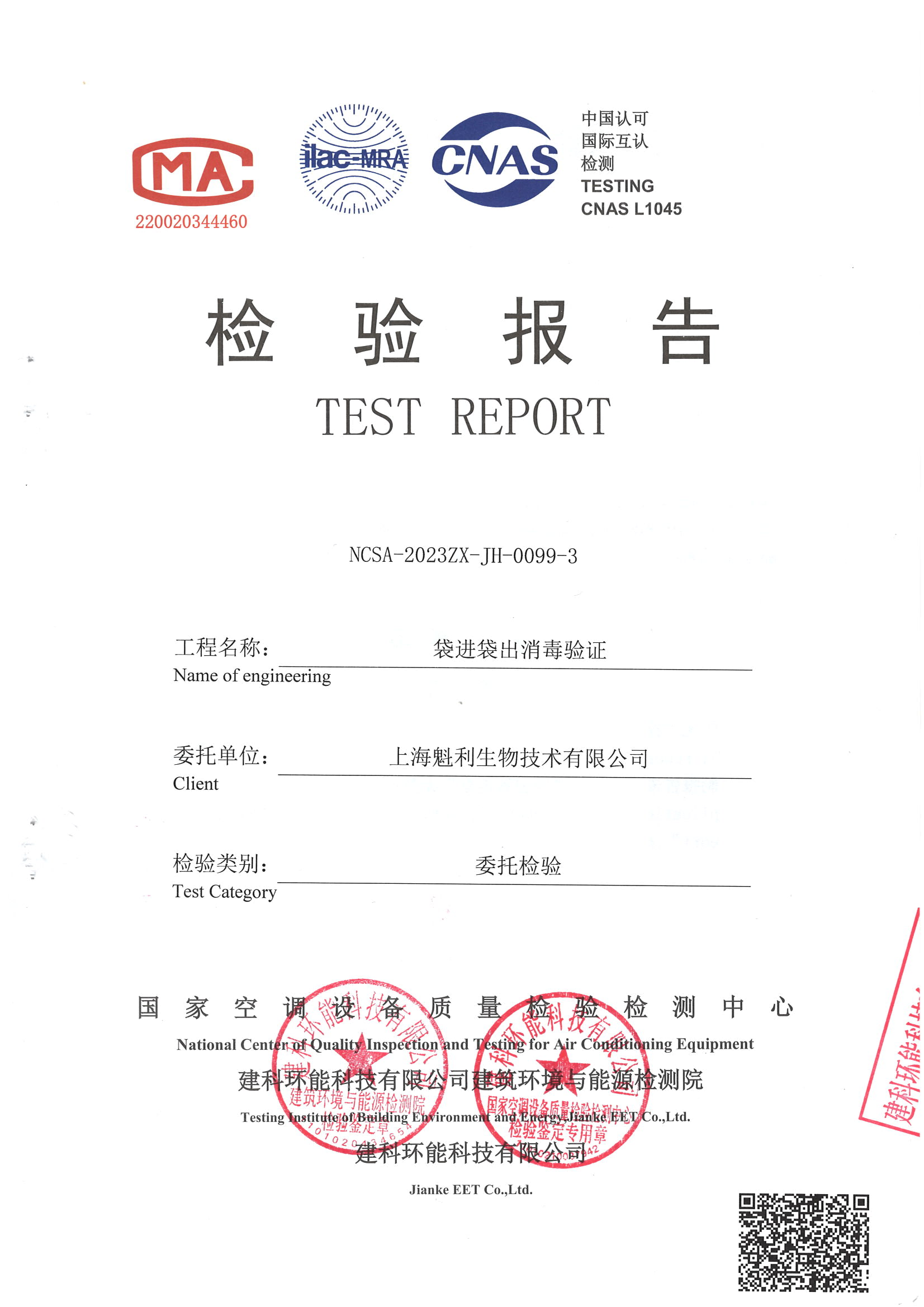
Validation provides scientific proof that the EDS consistently achieves a >6-log reduction of resistant biological indicators (BIs). It must be performed under “worst-case” conditions, such as maximum organic load and minimum chemical concentration. A critical vulnerability exists for chemical systems: standard commercial BI strips can fail as spores may detach, yielding false negatives. This necessitates using custom, lab-prepared spore packets within dialysis tubing for reliable results.
Routine Proof of Process
Post-validation, routine operation relies on the PLC’s archived data as proof of process for each batch. The recorded parameters must demonstrably equal or exceed the validated conditions. This evidence-based approach closes dangerous compliance blind spots. Relying solely on mechanical cycle completion without parametric data is an unacceptable risk in a BSL-4 setting.
The Re-Validation Imperative
Any change to the system—a new chemical supplier, a different waste stream, a modified component—triggers a mandatory re-validation requirement. This rigorous change control process is often underestimated. It ensures the EDS remains a validated cornerstone of containment, with documentation supporting both operational safety and regulatory audits throughout its lifecycle.
Emergency Protocols for Decontamination Failures
Primary Automated Responses
Despite robust design, protocols for EDS failure are essential. The first line of defense is the automated containment and diversion system. Effluent from a failed cycle is held within the sealed primary tank or diverted to a designated backup quarantine tank for reprocessing. This protocol ensures no untreated waste is released due to a process parameter fault.
Secondary Decontamination for Breaches
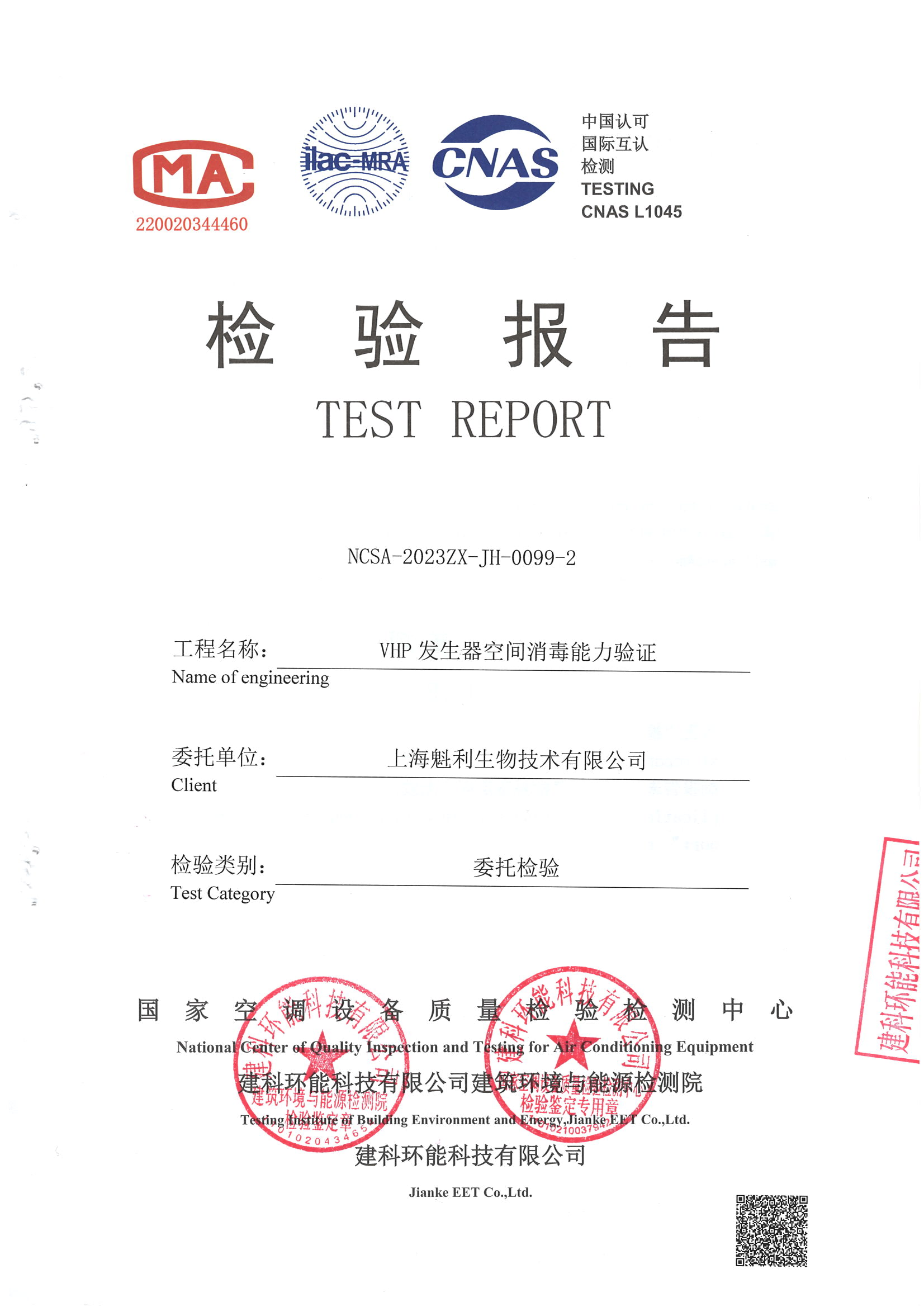
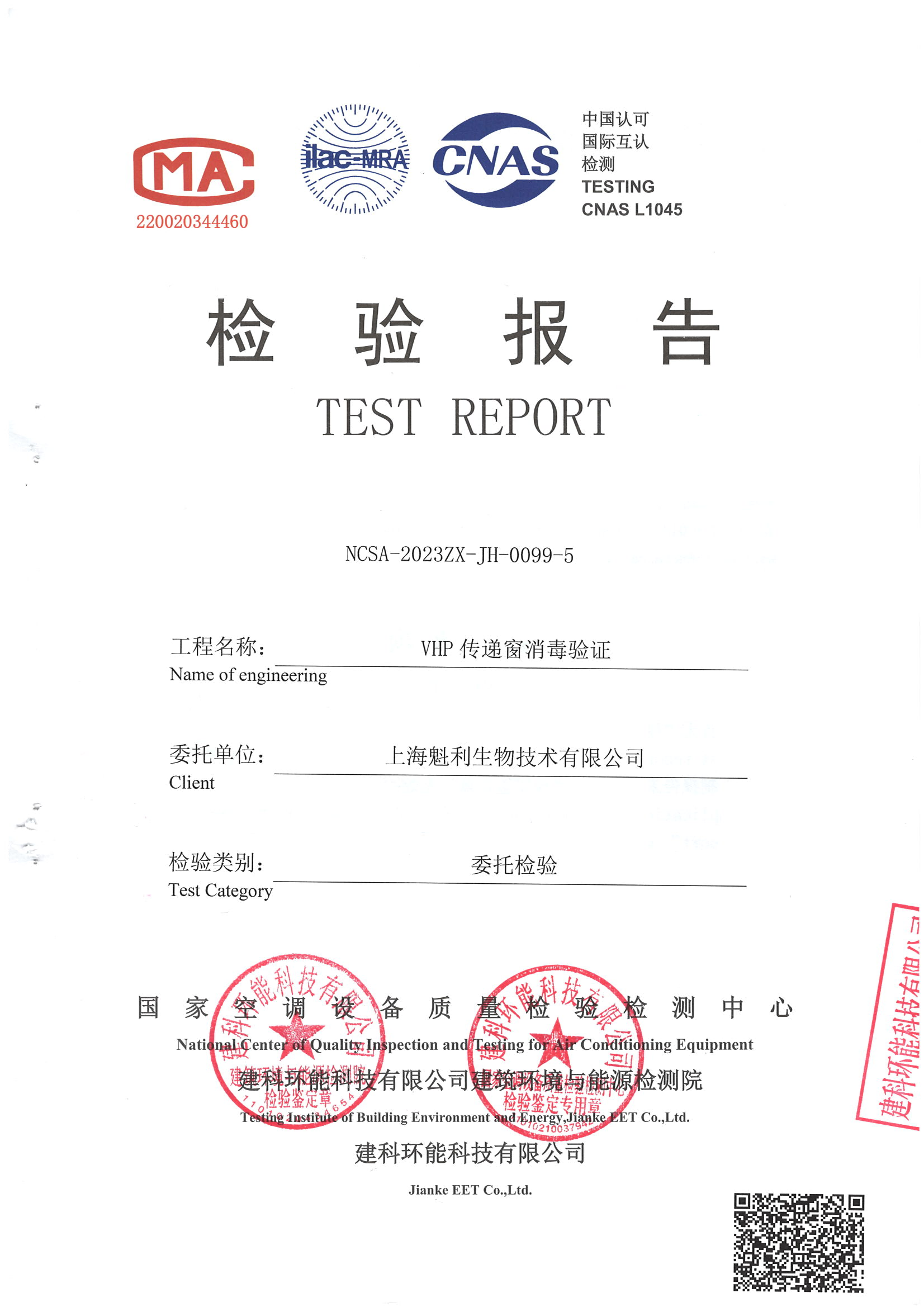
For a major internal breach or maintenance requirement, the EDS itself may require decontamination. This is typically achieved through gaseous methods like vaporized hydrogen peroxide (VHP) or liquid chemical fumigation. These protocols treat the EDS interior as a potential contamination zone, maintaining the chain of containment.
Integration with Facility-Wide Emergency Plans
Spills of untreated waste within the lab activate standard BSL-4 spill protocols, with all cleanup wastewater directed back into the EDS for processing. Personnel emergency egress and shower effluent must also be captured. These measures ensure the EDS is fully integrated into the facility’s holistic emergency response, providing a final, guaranteed treatment barrier even during crisis events.
Key Decision Factors: Cost, Waste Stream, and Facility Fit
Moving Beyond Capital Expenditure
Cost analysis must be strategic, encompassing total cost of ownership. For thermal systems, energy consumption is dominant; continuous systems with heat recovery offer long-term savings. For chemical systems, the ongoing cost and supply chain security of validated bleach, plus the cost and hazard of neutralizing the secondary waste stream, can negate upfront capital savings. A lifecycle cost model is non-negotiable.
The Dictates of Waste Composition
Waste stream composition is the primary technical driver. Solids-laden waste from animal studies or production requires robust agitation technology, such as mechanical stirrers or tangential steam injection. Purely liquid waste streams offer more technology flexibility. Characterizing the waste—including pH, protein load, and solids content—is a prerequisite that prevents catastrophic under-design.
Physical and Operational Integration
Facility fit considers physical footprint, utility demands (steam, power, water), and integration complexity. A greenfield build allows for optimized layout. A retrofit into a legacy facility often requires bespoke engineering solutions to tie into existing containment barriers and drainage. The need for a validated, fail-safe effluent decontamination system for high-containment labs must be balanced against these spatial and infrastructural constraints.
Key Decision Factors: Cost, Waste Stream, and Facility Fit
| Decision Factor | Critical Sub-Factor | Operational Impact |
|---|---|---|
| Total Cost of Ownership | Energy & chemical consumption | Negates upfront capital savings |
| Waste Stream Composition | Solids-laden vs. liquid | Dictates agitation technology need |
| Chemical EDS Output | Creates secondary waste stream | Requires neutralization, adds hazard |
| Facility Integration | Greenfield vs. retrofit build | Drives bespoke engineering requirements |
Source: Technical documentation and industry specifications.
Implementing and Maintaining a BSL-4 Compliant EDS
Foundation: The User Requirements Specification
Implementation begins with a detailed User Requirements Specification (URS). This document, informed by the facility’s risk assessment and waste profile, translates operational needs into technical and performance specifications. It serves as the master plan for procurement, design, and validation, ensuring the delivered system meets the actual containment need.
Proactive Maintenance Regimen
Maintenance must be proactive, not reactive. It includes scheduled testing of redundant components, regular calibration of all sensors, and execution of automated Clean-in-Place (CIP) cycles to prevent biofilm buildup that could shield pathogens. This regimen ensures sustained reliability and prevents drift from validated performance parameters.
Governance Through Change Control
A rigorous change control process is mandatory. Any modification—a new pump model, a different detergent for CIP, a change in waste source—necessitates a review and likely a re-validation. This governance structure, aligned with biorisk management standards, ensures the EDS remains a controlled and verified asset throughout its operational life.
Implementing and Maintaining a BSL-4 Compliant EDS
| Lifecycle Phase | Critical Activity | Compliance Requirement |
|---|---|---|
| Implementation | User Requirements Specification | Informed by facility risk assessment |
| Maintenance | Scheduled redundant component testing | Proactive reliability assurance |
| Maintenance | Automated Clean-in-Place (CIP) cycles | Prevents biofilm formation |
| Change Control | Any system or waste stream modification | Mandates full re-validation |
Source: CWA 15793:2011 Laboratory biorisk management standard. The standard’s process-based approach to biorisk management necessitates documented procedures for implementation, maintenance, and change control to ensure continuous system effectiveness and compliance.
Future Trends in Maximum Containment Effluent Treatment
Modularization and Rapid Deployment
The rise of modular and mobile BSL-4 labs is fragmenting the market. Demand is growing for compact, skid-mounted, pre-validated EDS units that can be rapidly deployed. This shifts competition toward standardized, plug-and-play systems that reduce onsite installation complexity and validation timelines for temporary or emergency facilities.
Sustainability and Efficiency Drivers
Pressure to reduce environmental footprint is advancing technologies for water recycling within labs and reducing chemical or energy consumption. Future EDS designs may incorporate more advanced heat recovery or alternative chemical agents with lower environmental impact. Efficiency is becoming a driver alongside absolute safety.
The Data-Centric System
Digital integration is deepening. Future systems will leverage advanced analytics on process data for predictive maintenance, forecasting component failures before they occur. This shift toward data-centric operation enhances operational intelligence and uptime, making the EDS a fully integrated component of the facility’s digital ecosystem.
Core EDS Technologies: Thermal vs. Chemical vs. Hybrid
| Technology | Key Operational Parameter | Primary Strategic Implication |
|---|---|---|
| Batch Thermal | 121-150°C temperature range | Uniformity requires tank agitation |
| Continuous Thermal | 80-95% energy recovery | High throughput, lower utility cost |
| Chemical (Bleach) | 5700+ ppm for 2+ hours | Brand-specific validation required |
| Hybrid Thermochemical | ~93°C with chemicals | Flexible, automatic parameter compensation |
Source: ISO 35001:2019 Biorisk management for laboratories and other related organisations. This standard provides the overarching biorisk management framework, mandating that the selection and validation of decontamination technologies like EDS are based on a risk assessment that considers operational parameters and failure modes.
Implementing a BSL-4 EDS requires prioritizing absolute reliability over cost minimization, integrating redundancy from the initial design phase, and governing the system through a rigorous lifecycle of validation and change control. The technology selection must be dictated by a characterized waste stream, and operational assurance must be rooted in automated, data-verified proof of process for every batch.
Need professional guidance on specifying and validating a fail-safe effluent decontamination system? The engineers at QUALIA specialize in integrating advanced EDS solutions into high-containment facility designs, ensuring compliance with the stringent requirements of maximum containment laboratories. Contact Us to discuss your project’s specific risk profile and technical requirements.
Frequently Asked Questions
Q: How do you validate a chemical-based EDS when standard biological indicators are unreliable?
A: Validating a chemical EDS requires using custom-prepared spore packets sealed within dialysis tubing, as standard commercial BI strips can produce false negatives when spores detach in liquid. This method challenges the system under worst-case conditions, such as high organic load, to prove a consistent >6-log reduction. This means your validation plan must budget for specialized biological indicator preparation and testing, which adds complexity and cost but is essential for closing dangerous compliance blind spots.
Q: What are the practical differences between N+1 and dual-train redundancy for a BSL-4 EDS?
A: N+1 redundancy uses multiple treatment tanks sized so the remaining units can handle full waste flow if one fails, while a dual-train system provides two completely independent processing streams with separate utilities. Component-level redundancy duplicates critical items like pumps and sensors within a single train. For projects where space and budget are constrained but fault tolerance is critical, a hybrid thermochemical system can offer inherent flexible redundancy as a sophisticated alternative to traditional multi-tank configurations.
Q: How does an automated PLC system provide “proof of process” for regulatory compliance?
A: A Programmable Logic Controller (PLC) enforces containment and process integrity by controlling interlocks and monitoring critical parameters like temperature and chemical concentration for the validated duration. It automatically creates immutable data logs for every treatment cycle, serving as the primary digital evidence of successful decontamination. This transforms compliance from manual checks to continuous assurance, meaning your facility’s documentation for audits will rely on this automated data logging, making software selection as critical as hardware. This operational assurance aligns with the systematic approach required by frameworks like ISO 35001:2019.
Q: What hidden operational costs should we evaluate when comparing thermal and chemical EDS technologies?
A: Your total cost of ownership analysis must extend beyond capital expenditure to include long-term energy use, chemical consumption, and secondary waste management. Chemical systems using sodium hypochlorite create an effluent that often requires neutralization, adding operational hazard and cost that can negate any upfront savings. This means facilities prioritizing operational simplicity and predictable long-term costs should model the lifetime utility savings of a continuous flow thermal system with energy recovery, despite its higher initial investment.
Q: What emergency protocols are triggered by an automated EDS failure during a cycle?
A: The primary automated response is contained diversion, where effluent from the failed cycle is held within the sealed system or a dedicated quarantine tank for reprocessing. For a major internal breach, the entire EDS may require gaseous or liquid chemical decontamination. This integrated approach ensures that even during a failure, multiple layers of containment prevent environmental release, so your facility’s holistic emergency plan must explicitly define roles and procedures for interfacing with these automated EDS protocols.
Q: Why is a rigorous change control process mandatory for maintaining EDS compliance?
A: Any modification to the system—including changes to the chemical brand, waste stream composition, or physical components—invalidates the original biological validation and necessitates re-validation. A formal change control process ensures all modifications are documented, assessed for risk, and approved before implementation. This means your operational SOPs must treat the EDS as a validated asset, where even minor changes require management review to maintain the integrity of your biorisk management system.
Q: How should waste stream composition influence the selection of agitation technology in a thermal EDS?
A: Effective treatment of solids-laden waste requires robust agitation to ensure thermal uniformity, making your facility’s waste characterization a critical prerequisite for design. Technologies range from mechanical stirrers to tangential steam injection systems. If your operations generate viscous or particulate-heavy effluent, you should prioritize agitation effectiveness in your User Requirements Specification, as inadequate mixing creates a major validation and operational risk.
Related Contents:
- BioSafe EDS: Thermal Systems for Effluent Treatment
- Waste Effluent Stream Management: BioSafe EDS
- BioSafe EDS: Batch-Continuous Treatment Systems
- Sterile Effluent Cooling: BioSafe’s EDS Technology
- Effluent Decontamination System Requirements for BSL-2, BSL-3, and BSL-4 Laboratories: CDC and NIH Design Standards
- Thermal vs Chemical vs Thermochemical Effluent Decontamination: 8 Critical Performance Differences for BSL-3 and BSL-4 Facilities
- Safeguarding Health: Advanced Effluent Decontamination Systems
- Thermochemical EDS Operating Below 98°C: Energy Savings and Maintenance Benefits for Pharmaceutical Manufacturing Plants
- Effluent Decontamination System | What Is EDS Technology | Basics Guide