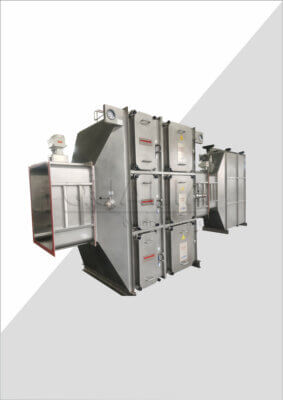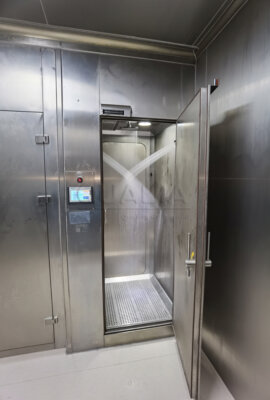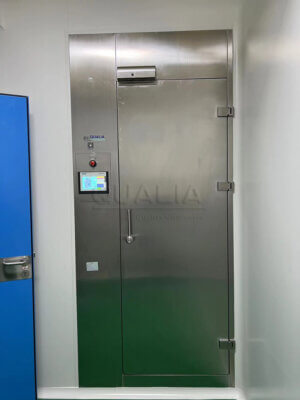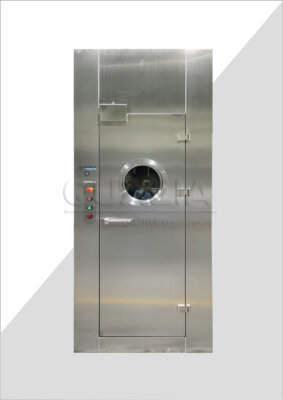
Effluent decontamination is a critical containment function, yet its integration into BSL-3 facility design is often an afterthought. This oversight creates vulnerabilities where the primary barrier—the piping network—and the operational reliability of the treatment system itself are compromised. The consequence is not merely a compliance gap but a tangible risk of pathogen escape from autoclave drains and other liquid waste streams.
The shift toward performance-based validation and the increasing scrutiny of liquid waste treatment protocols make proper system specification and installation a current imperative. A correctly implemented Effluent Decontamination System (EDS) is not just another piece of equipment; it is the final, fail-safe containment envelope for all liquid waste, demanding the same rigorous design approach as HVAC and primary containment systems.
Key Design Considerations for BSL-3 EDS Piping
Defining the Piping as a Containment Barrier
The piping network transporting untreated effluent must be designed as a primary biocontainment barrier, not standard plumbing. Its sole function is to convey hazardous liquid waste from all source points—autoclaves, sinks, floor drains, animal cage washers—to the EDS without a single point of failure or pathogen release into the laboratory environment. This requires a fundamental shift in perspective from facility engineers, where every joint, material choice, and pressure state is a containment decision.
Material and Integration Requirements
To meet this standard, specific design mandates are non-negotiable. Piping must be constructed of corrosion-resistant materials like Type 316L stainless steel. Welded joints are strongly preferred over mechanical connections to eliminate gasket failure points. The entire pathway must be maintained under negative pressure or within sealed, ventilated chases. This is especially critical for pass-through autoclaves, where the drain line’s bioseal integrity is paramount. Gravity drainage to a sealed collection sump with disinfectant-filled P-traps is the standard to prevent backflow. In our review of system failures, compromised piping interfaces were a common root cause, highlighting that the most robust EDS unit is ineffective if the feed line fails.
Validating the Piping Design
The design rationale for each component must be traceable to a specific containment risk. The following table outlines the key requirements and their underlying safety logic.
Key Piping Component Specifications
| Piping Component | Material/Design Requirement | Key Rationale |
|---|---|---|
| Primary Material | Type 316L Stainless Steel | Corrosion resistance |
| Joints | Welded joints preferred | Eliminates gasket failure |
| Pressure State | Maintained negative pressure | Prevents pathogen escape |
| Drainage | Gravity to sealed point | Prevents backflow |
| P-Traps | Disinfectant-filled | Blocks pathogen egress |
Source: Technical documentation and industry specifications.
Backup Power Requirements for EDS Reliability
The Non-Negotiable Need for Continuity
An EDS is a process system, not a static piece of equipment. A power interruption halts treatment mid-cycle, potentially leaving a volume of unprocessed, infectious effluent within the system. The fail-safe state of valves and controls during an outage is therefore a critical design parameter. The system must default to a configuration that maintains containment, preventing the release of untreated waste into the municipal sewer.
Implementing a Layered Power Strategy
A comprehensive strategy employs multiple layers. An Uninterruptible Power Supply (UPS) provides immediate bridging power for control systems and critical sensors, allowing for an orderly shutdown or maintenance of essential functions. A facility backup generator must then take over to power all operational components for sustained outages: pumps, agitators, and, crucially, the autoclaves or other equipment feeding waste into the EDS to complete their cycles safely. For maximum reliability, redundancy in the kill process itself, such as dual kill tanks, should be considered.
Ensuring Uninterrupted Decontamination
| System Component | Power Solution | Critical Function |
|---|---|---|
| Immediate Bridge | Uninterruptible Power Supply (UPS) | Maintains control power |
| Sustained Operation | Facility backup generator | Powers pumps, agitators |
| Critical Feed Source | Power to autoclaves | Completes safe cycles |
| Valve Control | Fail-safe default positions | Maintains containment |
| High-Reliability Option | Dual kill tanks | Ensures continuous processing |
Source: Technical documentation and industry specifications.
Thermal vs. Chemical EDS: Which Is Right for Your Facility?
Core Mechanisms and Validation Dependencies
The choice between thermal and chemical decontamination is a strategic one with long-term operational implications. Thermal systems, typically using steam, achieve kill through validated temperature-time parameters (e.g., ≥121°C for 30-60 minutes). Chemical systems rely on high-concentration bleach (≥5700 ppm) with a prolonged contact time. A critical, often overlooked detail is that chemical validation is intrinsically tied to a specific, EPA-registered germicidal bleach product, creating a significant supply chain vulnerability.
Analyzing Total Cost of Ownership
The decision cannot be based on capital cost alone. A 10-15 year Total Cost of Ownership (TCO) analysis is essential. Thermal systems incur ongoing steam generation costs but have predictable utility expenses. Chemical systems carry recurring costs for bleach procurement, neutralization chemicals, and the disposal of large volumes of neutralized waste. Furthermore, the handling and storage of concentrated bleach present additional safety and operational burdens.
Strategic Comparison: Thermal vs. Chemical
| Decision Factor | Thermal EDS | Chemical EDS |
|---|---|---|
| Kill Mechanism | Steam heat | High-concentration bleach |
| Key Parameter | ≥121°C for 30-60 min | ≥5700 ppm, 2-hour contact |
| Validation Dependency | Temperature-time profile | Specific EPA-registered bleach |
| Long-Term Cost Driver | Steam energy | Bleach procurement, disposal |
| Strategic Analysis Period | 10-15 year TCO | 10-15 year TCO |
Source: Technical documentation and industry specifications.
Installation Planning: Space, Utilities, and Integration
Assessing Physical and Utility Demands
Effective installation requires meticulous upfront planning. Batch thermal EDS units (kill tanks) require significant footprint for the vessel, ancillary pumps, chemical dosing systems, and maintenance access. Utilities are substantial: high-quality plant steam or a dedicated steam generator, cooling water for post-treatment cooling, robust electrical feeds with dedicated circuits for the backup strategy, and often compressed air for valve actuation. Underestimating these demands leads to costly change orders and delays.
Choosing Centralized vs. Distributed Architecture
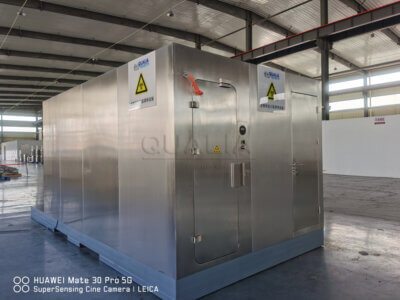
The system architecture dictates complexity. A centralized external kill tank consolidates effluent from multiple sources but requires extensive, complex containment piping. Point-of-use solutions, like internal HEPA filters on individual autoclaves or emerging compact, sink-integrated thermal EDS units, simplify plumbing but treat smaller volumes. The trend toward mobile, containerized BSL-3 modules with integrated EDS demonstrates that with proper utility hookups, high-containment capacity can be deployed with minimal fixed infrastructure, offering flexibility for retrofits or temporary facilities.
Validation and Compliance for BSL-3 Effluent Systems
Moving Beyond Basic Biological Indicators
Post-installation biological validation is mandatory to prove the system achieves the required log-reduction (e.g., 6-log kill) under worst-case conditions. However, industry experts are raising a critical concern: standard commercial spore strips can release spores into the liquid matrix, potentially leading to a false validation pass if spores are not uniformly exposed. A more rigorous method uses laboratory-prepared spore suspensions contained within dialysis tubing packets, which better simulates the inactivation of microbes within liquid waste.
Establishing a Defensible Data Trail
Validation is not a one-time event but the foundation of ongoing compliance. All critical cycle parameters—time, temperature, pressure, chemical concentration—must be permanently logged by the EDS control system. This data trail is essential for audits and provides continuous assurance. The principles of performance verification seen in standards like NSF/ANSI 49 Biosafety Cabinetry are analogous here, emphasizing the need for evidence-based, repeatable testing protocols to confirm system efficacy.
Critical Validation Parameters and Methods
| Validation Aspect | Requirement/Standard | Key Consideration |
|---|---|---|
| Performance Target | e.g., 6-log kill | Log-reduction of indicators |
| Test Condition | Worst-case scenario | Proves system efficacy |
| Indicator Method (Risky) | Commercial spore strips | Risk of false validation |
| Indicator Method (Rigorous) | Lab spore packets | Liquid-matrix-specific testing |
| Data Requirement | Permanent parameter logging | Essential for audit trail |
Source: NSF/ANSI 49 Biosafety Cabinetry. While focused on biosafety cabinets, this standard’s foundational principles for performance verification and field certification are directly analogous to the rigorous, evidence-based validation methodologies required for BSL-3 effluent decontamination systems.
Ongoing Maintenance and Operational Best Practices
From Reactive to Predictive Maintenance
Sustained performance requires a disciplined maintenance regimen beyond simple checklist compliance. Regular inspection of steam traps, pump seals, pressure sensors, and containment jacket integrity is essential. For chemical systems, strict SOPs for bleach sourcing, handling, and neutralization waste management are paramount. The goal is to shift from reactive repairs to predictive maintenance, using system data to forecast component failures before they impact containment.
Leveraging Data for Smart Biosafety
Modern EDS units with digital interfaces generate valuable operational data. This positions the EDS as a central node for smart containment monitoring, tracking utility consumption, cycle efficacy, and component health. Transforming this data into actionable insights is the first step toward AI-driven biosafety management, where compliance evolves from a periodic audit to a continuous, data-verified state of operational control and assurance.
Selecting an EDS Vendor: Key Criteria and Questions
Evaluating Technical Depth and Partnership
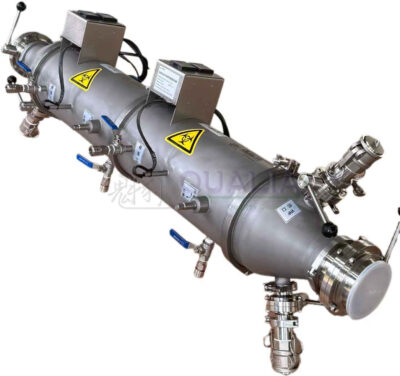
Vendor selection requires assessing technical capability and long-term partnership potential. Prioritize vendors with a proven track record in BSL-3/4 applications and a clear, detailed understanding of containment piping integration and backup power design. Crucially, interrogate their validation methodology. Do they rely solely on commercial biological indicators, or do they understand and support more rigorous liquid-matrix testing protocols? For thermal batch systems, evaluate the agitation mechanism; patented tangential steam injection offers more uniform heating and significantly reduced noise compared to older sparge pipe designs.
Essential Questions for Due Diligence
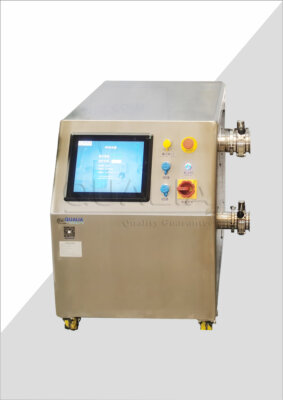
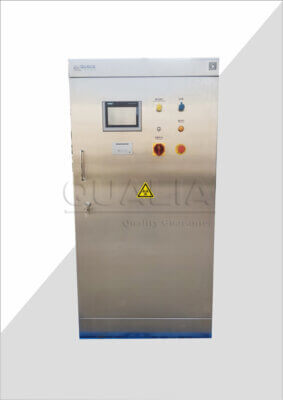
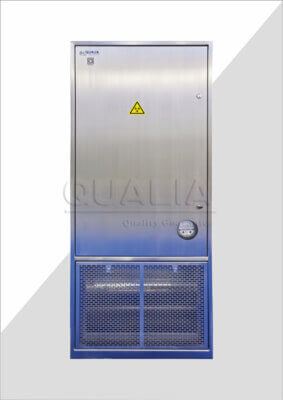
Prepare a rigorous question set. For chemical systems, probe their bleach sourcing strategy and request validation data tied to specific EPA-registered products. For all systems, ask about redundancy options, data logging capabilities, cybersecurity for connected systems, and lifecycle support terms. The vendor must demonstrate they are a partner in achieving and maintaining long-term compliance, not merely an equipment supplier. A quality vendor will provide a comprehensive effluent decontamination system for high-containment labs that addresses these integration and validation challenges from the outset.
Next Steps: From Specification to Operational Handover
The Phased Implementation Pathway
Transitioning from concept to a fully operational EDS follows a disciplined, phased process. It begins with a detailed User Requirements Specification (URS) grounded in the facility’s specific risk assessment and inventory of effluent sources. Engaging architects, engineers, and the selected vendor during early design phases is critical to seamlessly integrate space, utility, and piping needs.
Critical Phases: Installation, Validation, and Training
During installation, insist on witnessing pressure and leak tests of all containment piping. The biological validation phase is the ultimate proof of performance; ensure it is conducted under worst-case conditions (e.g., maximum load, minimum temperature) using scientifically sound methods. Finally, comprehensive operator training and the development of detailed SOPs for routine use, maintenance, and alarm response are essential before system handover. A successful project delivers not just equipment, but a validated, staff-trained, and documentation-backed containment system.
The core decision points hinge on treating effluent piping as primary containment, implementing a layered backup power strategy, and selecting a decontamination technology based on a rigorous TCO and validation analysis. Prioritize vendors whose validation methodologies align with the most current, evidence-based practices for liquid waste treatment.
Need professional guidance on specifying and integrating a compliant effluent decontamination system? The experts at QUALIA can help you navigate the complexities of BSL-3 liquid waste management from design through validation.
For a direct consultation on your project requirements, you can also Contact Us.
Frequently Asked Questions
Q: What are the critical design requirements for the effluent piping network in a BSL-3 lab?
A: The piping must act as a primary containment barrier, constructed from corrosion-resistant materials like Type 316L stainless steel with welded joints to prevent leaks. The entire pathway must operate under negative pressure or within sealed, ventilated chases to contain pathogens, with gravity drainage to a sealed collection point. This means your facility’s plumbing design is a core biosafety feature, not ancillary infrastructure, and requires integration planning from the earliest architectural stages.
Q: How should we design backup power for an EDS to ensure continuous containment?
A: A layered strategy is essential, combining an Uninterruptible Power Supply (UPS) for immediate bridging and a facility backup generator for sustained operation. This system must power all critical components, including the EDS controls, pumps, agitators, and connected autoclaves, with controls defaulting to fail-safe valve positions. For projects where operational uptime is critical, you should budget for and design in system redundancies, such as dual kill tanks or backup pumps, to maintain the facility’s biosafety envelope during any outage.
Q: What are the key long-term cost and operational factors when choosing between thermal and chemical EDS?
A: The decision hinges on a strategic total cost of ownership analysis over 10-15 years. Thermal systems, using steam for validated kill cycles, have higher initial capital and steam energy costs. Chemical systems rely on a specific, EPA-registered high-concentration bleach, creating ongoing procurement, neutralization, and waste disposal expenses and supply chain risk. If your operation requires predictable long-term costs and avoids chemical handling, a thermal system is often the more reliable strategic choice.
Q: What is the most rigorous method for biologically validating a liquid effluent decontamination system?
A: You must move beyond standard commercial spore strips, which can release spores and risk false passes, to a more stringent protocol. A superior method uses laboratory-prepared spore packets sealed within dialysis tubing to simulate the liquid matrix accurately. This evidence-based approach, aligning with principles of rigorous performance verification like those in NSF/ANSI 49 field certification, is becoming the expected standard; facilities should adopt it now to ensure defensible validation and future audit readiness.
Q: What should we look for in a vendor’s validation methodology during EDS selection?
A: Probe deeply into their biological validation protocols. A qualified vendor will understand and support rigorous, liquid-matrix-specific testing, not just rely on standard commercial spore indicators. Ask for evidence of validation using methods like spore packets in dialysis tubing under worst-case conditions. This means your selection process must treat validation expertise as a critical differentiator, ensuring your partner can deliver a system proven to meet the required log-reduction target with scientific defensibility.
Q: How can operational data from a modern EDS enhance facility biosafety management?
A: Modern systems with digital interfaces transform the EDS from a utility into a central data node for smart containment. This data enables predictive maintenance, tracks utility consumption, and provides continuous, logged verification of every decontamination cycle’s parameters. For operations aiming to exceed basic compliance, this data foundation is essential for shifting to a continuous, data-verified state of operational control and enabling future AI-driven biosafety management protocols.
Q: What are the primary space and utility planning considerations for installing a batch thermal EDS?
A: You must allocate significant floor space not only for the kill tank vessel but also for associated pumps, maintenance access, and potential redundancy equipment. Critical utilities include a reliable source of high-quality steam, cooling water, robust electrical feeds with backup circuits, and possibly compressed air. This means your integration planning with architects and engineers must start early in the design phase to ensure adequate space and utility capacity are allocated, avoiding costly retrofits.
Related Contents:
- BioSafe EDS: Thermal Systems for Effluent Treatment
- Waste Effluent Stream Management: BioSafe EDS
- BioSafe EDS: Batch-Continuous Treatment Systems
- Sterile Effluent Cooling: BioSafe’s EDS Technology
- Safeguarding Health: Advanced Effluent Decontamination Systems
- Effluent Decontamination System | What Is EDS Technology | Basics Guide
- BioSafe EDS: Advanced Liquid Waste Treatment
- BioSafe EDS: Biological Warfare Agent Decontamination
- The Complete Effluent Decontamination System Guide for Biosafety and Biopharmaceutical Facilities: 2025 Standards and Implementation