
For facility managers and engineers designing high-containment laboratories, specifying the correct door system is a critical but often underestimated decision. The wrong choice can compromise containment integrity, fail validation protocols, and create persistent operational vulnerabilities. This challenge is compounded by a market where technical specifications can be opaque, and the performance differences between Biosafety Levels are not always clearly defined.
Understanding the precise design, validation, and integration requirements for BSL-2, BSL-3, and BSL-4 inflatable seal doors is essential for project success. This technical breakdown provides the decision framework needed to align door specifications with regulatory mandates, long-term operational needs, and total cost of ownership.
Key Design Differences: BSL-2 vs. BSL-3 vs. BSL-4 Doors
Defining the Containment Hierarchy
The fundamental design philosophy of an inflatable seal door shifts dramatically with each ascending Biosafety Level. This is not merely a matter of incremental improvement but a complete re-evaluation of risk tolerance and system redundancy. BSL-2 doors focus on creating a reliable, cleanable barrier for moderate-risk agents. BSL-3 design mandates verified, testable containment of airborne aerosols, while BSL-4 incorporates non-negotiable fail-safe redundancy for handling the most dangerous pathogens.
From Operational Efficiency to Absolute Safety
The escalation in requirements directly impacts system complexity and cost. A BSL-2 door prioritizes operational efficiency with simpler controls. In contrast, a BSL-3 door must integrate with facility pressure cascades and withstand aggressive fumigation cycles. Industry experts note that the most common specification error is underestimating the control and interlock complexity required for true BSL-3 compliance. BSL-4 represents the premium tier, where every component, from power supplies to seal systems, must have a backup.
The Strategic Impact of Tiered Selection
Selecting a door that merely meets the minimum standard for a BSL can create long-term liability. According to research from facility validation reports, doors specified without adequate safety margins for their intended BSL are a frequent point of failure during re-certification. The table below clarifies the core design distinctions that inform this tiered, risk-based approach.
The following table outlines the fundamental performance and design evolution across biosafety levels:
| Feature | BSL-2 | BSL-3 | BSL-4 |
|---|---|---|---|
| Primary Design Goal | Cost-effectiveness & cleanability | Verified aerosol containment | Non-negotiable redundancy |
| Seal Integrity | Basic airtightness | Mandatory verified airtightness | Redundant double seals |
| Control System | Simple, basic monitoring | Interlocks for pressure cascade | Advanced PLC with fail-safes |
| Decontamination | Withstands cleaning | Robust fumigation resistance | Extreme fumigation resistance |
| Risk Profile | Moderate-risk agents | Serious airborne pathogens | Most dangerous exotic agents |
Source: Technical documentation and industry specifications.
Core Components of an Inflatable Seal Door System
The Hermetic Operating Cycle
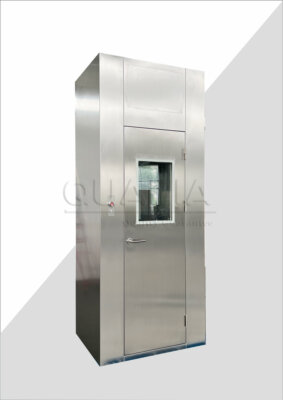
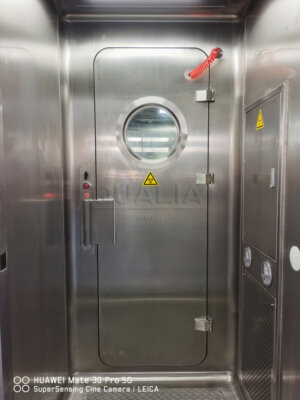
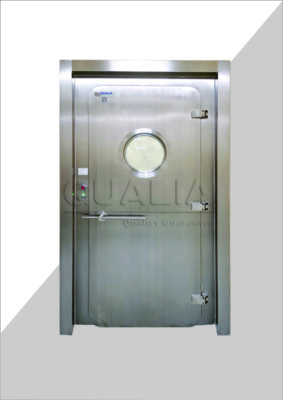
The system’s function hinges on a precise sequence: door closure, mechanical locking, seal inflation, and finally, controlled deflation for egress. The hollow silicone or EPDM gasket is the active component, expanding with compressed air to create a uniform seal against the machined door frame. A fully deflated seal retracts completely to eliminate friction and wear during opening—a detail often overlooked in lower-quality systems that can lead to premature seal failure.
Material Choices Dictate Lifecycle Cost
While the door leaf and frame are typically 304 or 316 stainless steel for chemical resistance, the seal material is a critical procurement decision. Standard silicone offers a service life of 1-3 years under frequent use and decontamination. A premium EPDM seal, however, can last ≥5 years. In our comparisons of long-term operational budgets, the higher upfront cost of EPDM is consistently offset by reduced replacement frequency and lower maintenance downtime, making it a strategic choice for high-usage facilities.
The Support System: Pneumatics and Controls
The reliability of the seal cycle depends on clean, dry compressed air supplied through concealed tubing and regulated by solenoid valves. This pneumatic system is managed by a Programmable Logic Controller (PLC), which automates the sequence and integrates with door interlocks. The shift toward PLCs with Building Management System (BMS) communication ports reflects the industry’s move from isolated components to centrally monitored containment infrastructure.
Material Selection for Durability and Decontamination
Surfaces Engineered for Cleanability
Material selection is driven by the need to survive repeated, aggressive decontamination. Stainless steel surfaces are polished to a surface roughness of <0.6Ra to prevent microbial adhesion and enable effective wipe-down. Seamless welds and concealed pneumatic lines are not aesthetic choices; they eliminate crevices where disinfectants cannot penetrate or where pathogens could harbor, directly addressing a key vulnerability in containment perimeter design.
Beyond Metal: The Seal Longevity Equation
The seal is the system’s consumable component, and its lifespan directly impacts operational reliability. Beyond the silicone vs. EPDM decision, design features like lift-off hinges facilitate single-person seal replacement, minimizing downtime. Easily overlooked details include the compatibility of seal materials with vaporized hydrogen peroxide (VHP) and chlorine-based disinfectants, which can degrade inferior compounds over time.
The following table compares key material specifications and their performance impact:
| Component | Material/Finish | Key Performance Metric |
|---|---|---|
| Door & Frame | 304/316 Stainless Steel | Corrosion resistance |
| Surface Finish | Polished stainless steel | <0.6Ra surface roughness |
| Primary Seal (Standard) | Silicone | 1-3 year service life |
| Primary Seal (Premium) | EPDM | ≥5 year service life |
| Design Feature | Seamless welds & concealed tubing | Easy decontamination |
Source: Technical documentation and industry specifications.
Validating Performance: Leakage Rates and Pressure Testing
The Quantitative Benchmark of Integrity
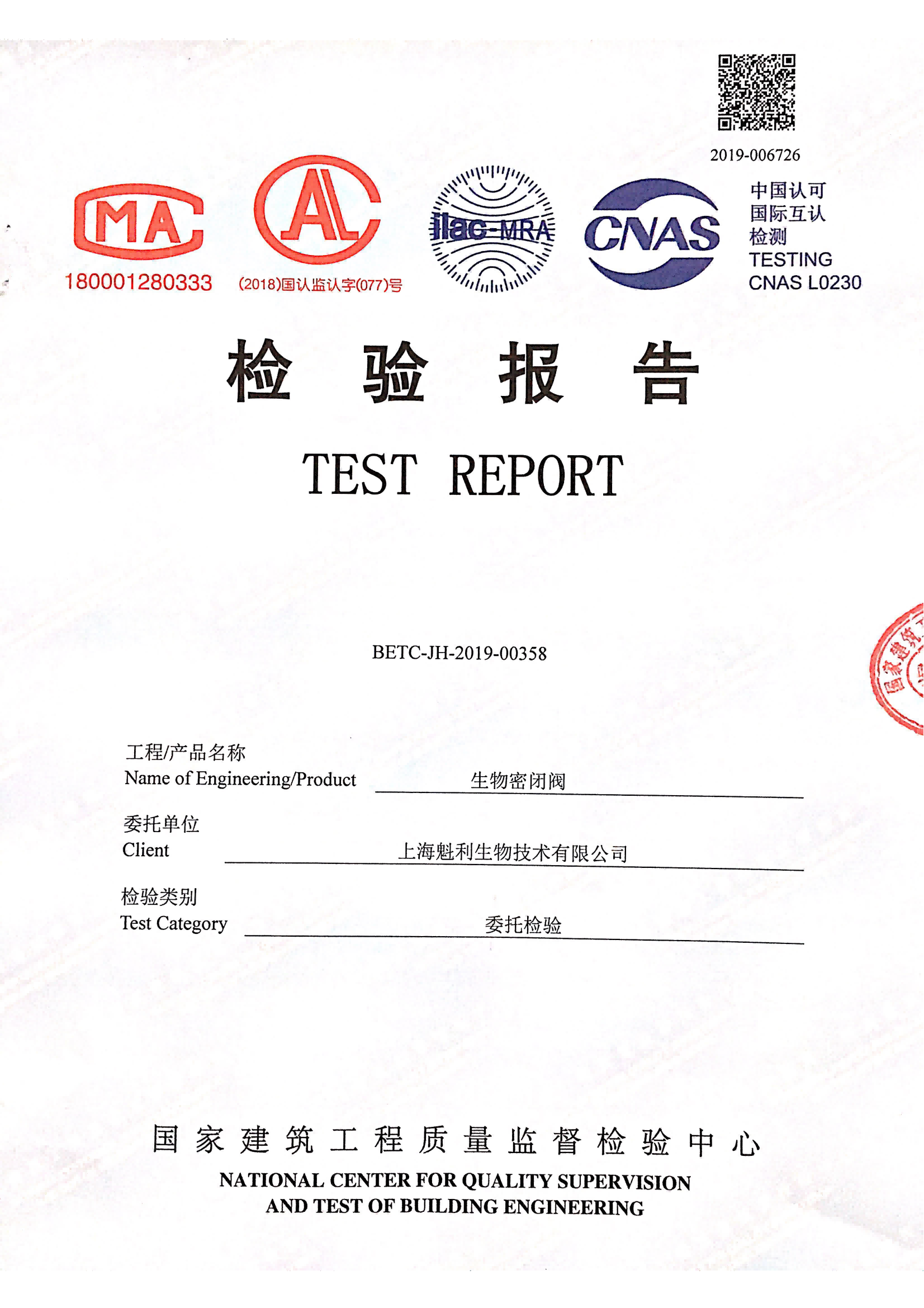
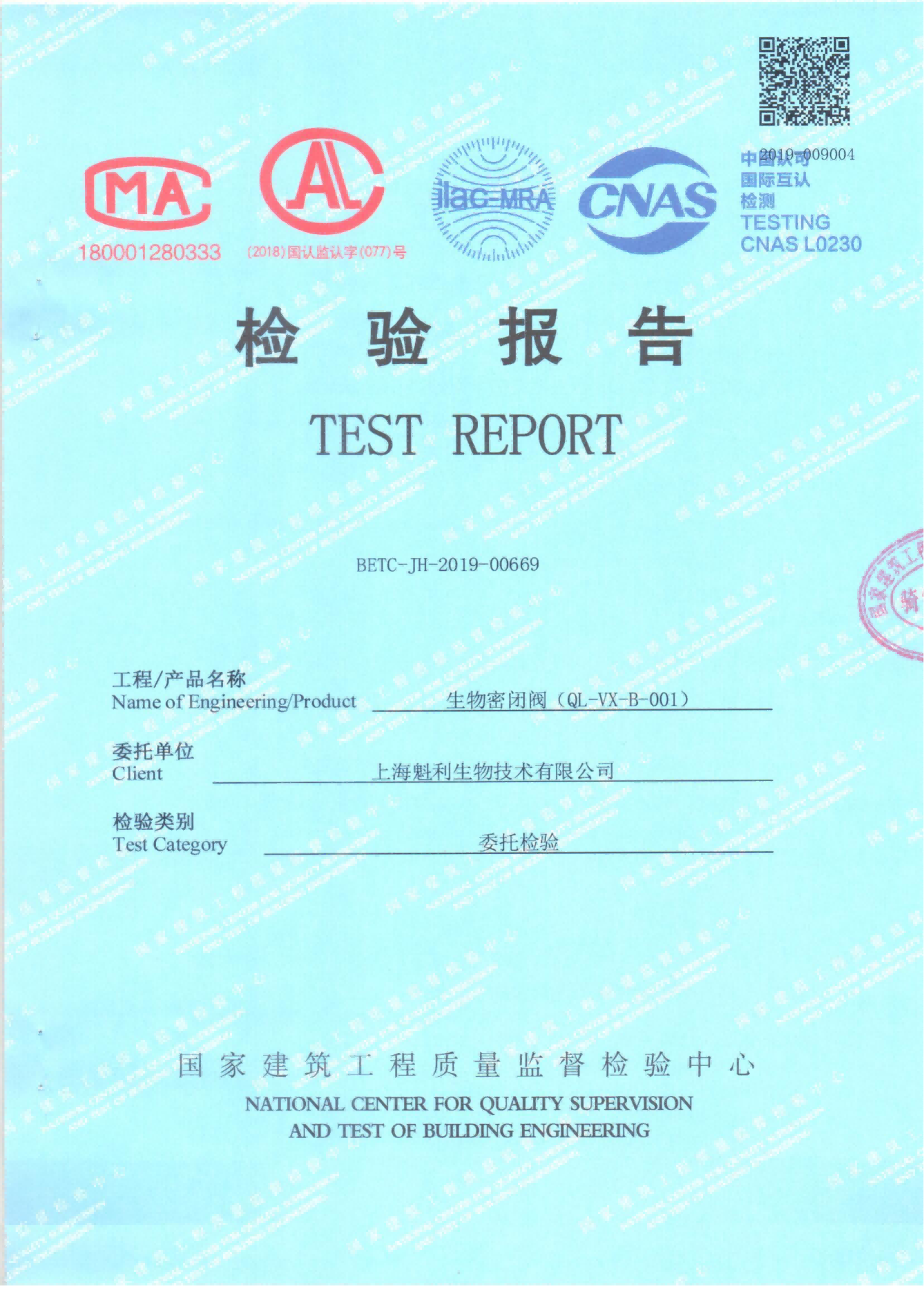
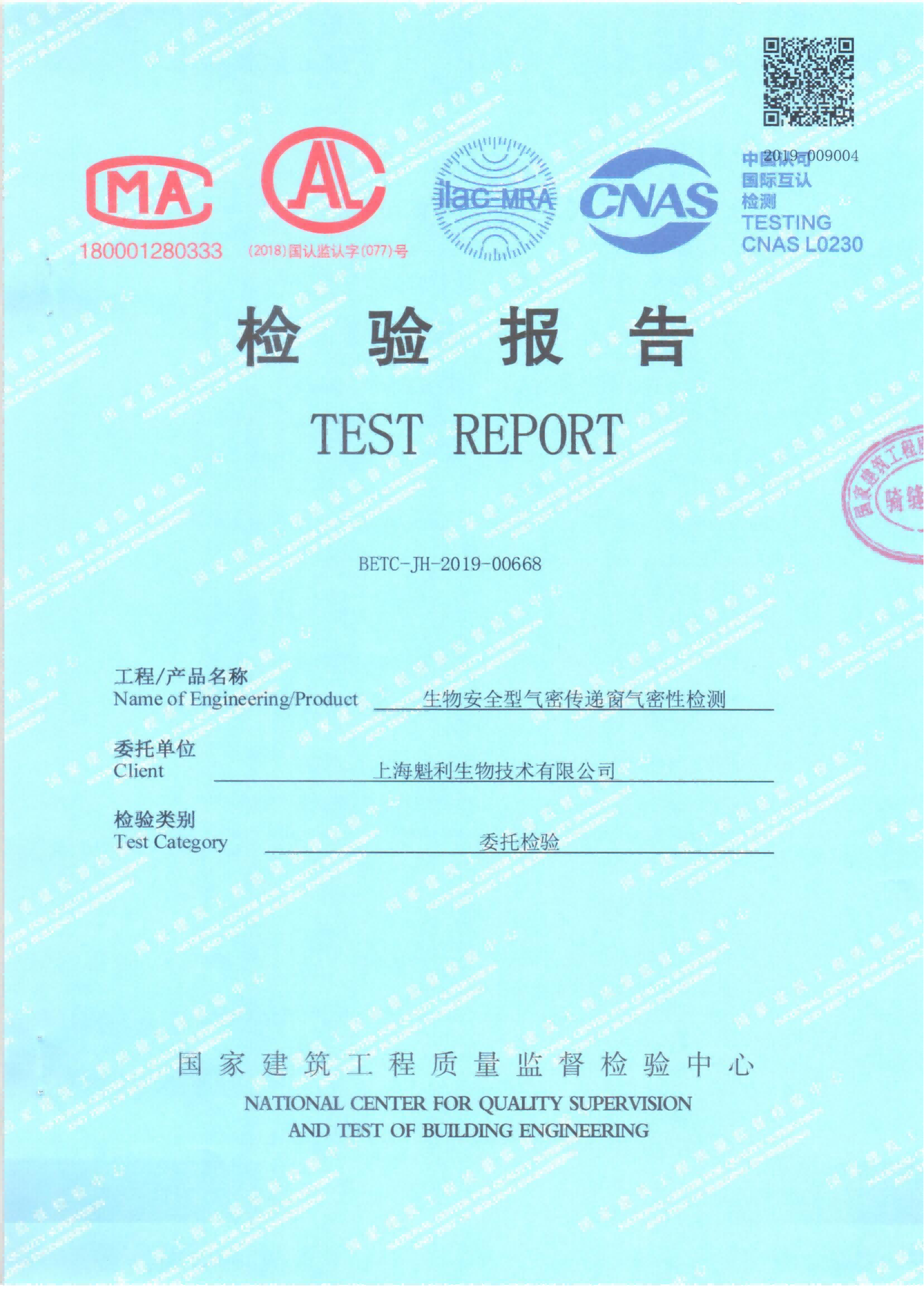
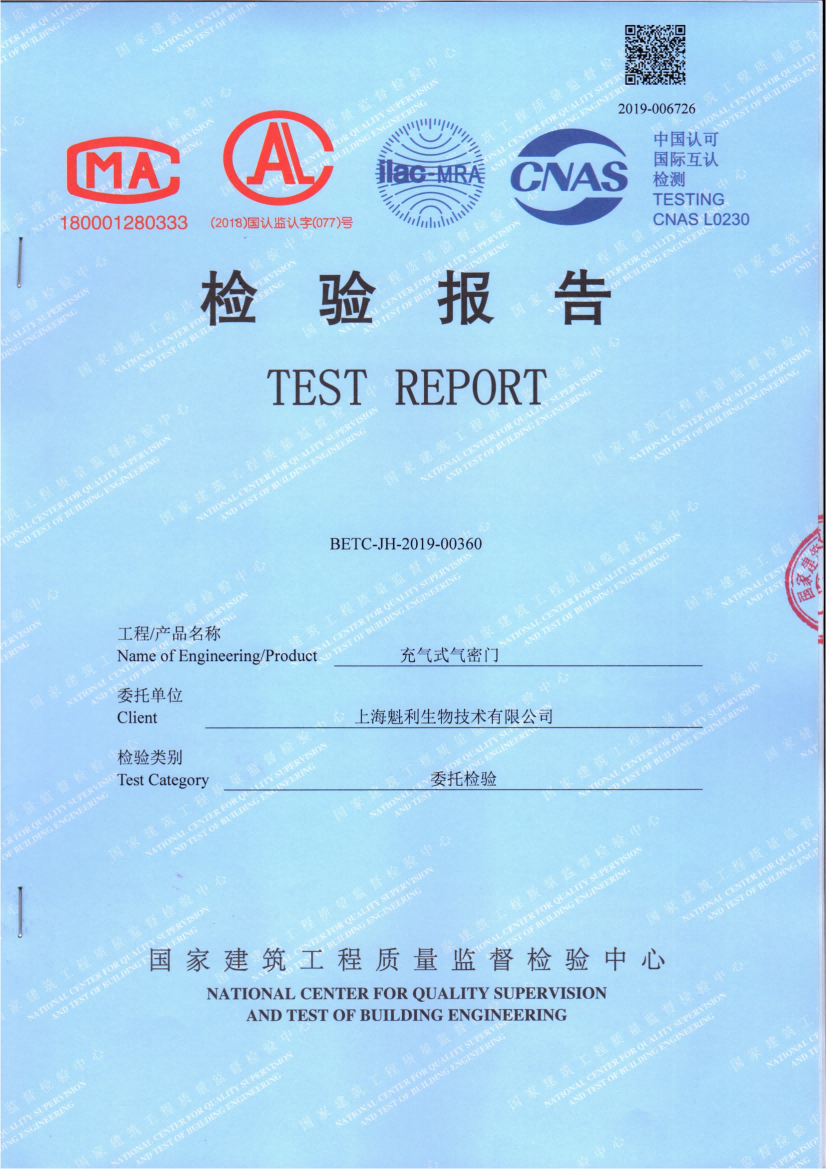
Performance claims are meaningless without quantitative validation. The definitive metric is the door’s leakage rate, measured as a percentage of the enclosed volume lost per hour under a sustained pressure differential. For high-containment applications, doors must demonstrate leakage rates below 0.25% to 0.5% per hour when tested at pressures relevant to their BSL, often between ±500 Pa and ±2000 Pa. This testing, performed over a minimum duration, provides the data required for regulatory compliance.
Aligning Test Protocols with Standards
Validation protocols should be grounded in recognized international standards. The methodology defined in ISO 10648-2:1994 Containment enclosures provides the fundamental classification for leak tightness and associated test methods. It establishes a verifiable benchmark that moves procurement discussions beyond qualitative claims. Facility managers must insist on receiving certified pressure decay test results for each door assembly, not just generic model data.
From Factory Test to Facility Validation
A critical gap often exists between factory test conditions and final installed performance. Installation tolerances, wall flex, and sealing surface alignment can affect results. Therefore, post-installation validation testing is a non-negotiable step for BSL-3 and BSL-4 facilities. This final site test is the only true confirmation that the door system performs as an integrated component of the containment envelope.
The following table outlines the key parameters for validating door performance:
| Parameter | Standard Range | Performance Benchmark |
|---|---|---|
| Leakage Rate | 0.25% – 0.5% / hour | Of enclosed volume |
| Test Pressure | ±500 Pa to ±2000 Pa | Sustained pressure differential |
| Test Duration | Minimum period | Pressure decay measurement |
| Compliance Use | Regulatory verification | BSL-3/4 requirement |
Source: ISO 10648-2:1994 Containment enclosures. This standard provides the fundamental classification for leak tightness, defining maximum allowable leakage rates and specifying test methods. It is the core basis for validating the quantitative performance of BSL doors.
Control Systems, Interlocks, and Safety Monitoring
Automated Sequencing for Reliability
Modern control systems replace manual, error-prone procedures with automated reliability. A PLC ensures the door operates in a strict sequence: the door must be fully closed and mechanically locked before the seal can inflate, and the seal must be fully deflated before the lock disengages. This sequencing is vital for protecting the seal from shear damage and ensuring containment integrity is never bypassed.
Integrating with Facility-Wide Containment
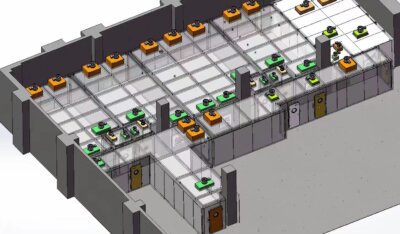
For BSL-3 and above, the door control system must interlock with adjacent doors to maintain critical pressure cascades. The PLC communicates with other door controllers or the facility BMS to prevent two interlocked doors from being open simultaneously, which would collapse the pressure differential. The trend is toward networked systems that provide real-time status monitoring of seal pressure, lock position, and fault codes to a central dashboard.
User Interface and Operational Feedback
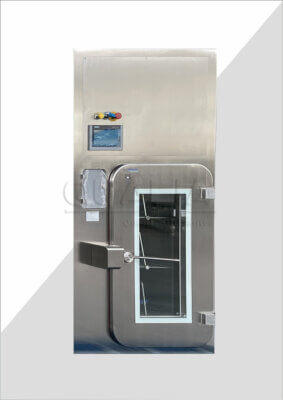
The human-machine interface is designed for clarity under stressful conditions. Configurable button panels with unambiguous LED indicators (e.g., green for safe to open, red for sealed) provide immediate operational feedback. Advanced systems may include touchscreen displays for status overview and diagnostic access. This focus on intuitive operation reduces training burden and prevents procedural errors.
BSL-4 Requirements: Redundant Seals and Fail-Safes
The Principle of Redundant Barriers
BSL-4 design philosophy mandates that no single point of failure can compromise containment. This is most evident in the double inflatable seal system. Two independent seals run parallel within the door leaf, with the interstitial space between them monitored. If the primary seal’s integrity is breached, the monitoring system detects the change in the interstitial space, and the secondary seal remains active as a backup barrier. This redundancy is the cornerstone of BSL-4 security.
Fail-Safe Power and Egress Systems
Electrical and pneumatic systems are also built with redundancy. An Uninterruptible Power Supply (UPS) ensures the PLC remains operational during a power outage. A Power Loss Upgrade system utilizes stored pneumatic energy or battery-backed pumps to maintain seal inflation temporarily. Crucially, emergency deflation valves—operable from both sides of the door without power—guarantee personnel egress under any failure scenario, balancing safety with life safety codes.
Budgeting for Core Safety Components
These redundant systems are not optional accessories but integral to BSL-4 compliance. Project budgeting must prioritize them as core safety infrastructure. Attempting to value-engineer these features out of a specification fundamentally undermines the facility’s risk profile and will be flagged during rigorous certification audits by bodies adhering to the strictest interpretations of containment guidelines.
The following table details the essential redundant systems required for BSL-4 containment:
| System Component | BSL-4 Requirement | Safety Function |
|---|---|---|
| Seal System | Double inflatable seals | Primary seal failure backup |
| Seal Monitoring | Interstitial space monitoring | Integrity breach detection |
| Power System | Uninterruptible Power Supply (UPS) | PLC operation during outage |
| Emergency Feature | Power Loss Upgrade | Maintains seal pressure |
| Egress Guarantee | Emergency deflation valves | Guaranteed personnel exit |
Source: Technical documentation and industry specifications.
Integrating Inflatable Seal Doors into Facility Design
Early Engagement Avoids Costly Modifications
Successful integration requires the door supplier’s involvement during the architectural planning phase. The choice of mounting method is dictated by wall construction and has major implications for installation cost and schedule. A Cast-In Frame, embedded during concrete pour, eliminates post-installation welding and grouting, saving significant time and labor. Conversely, retrofitting a Bolted Sub-Frame to an existing stud wall may be the only viable option for renovation projects.
Supporting Operational Workflow
The physical design of the installed door must support laboratory workflow. A flush door frame and flush floor threshold are critical for enabling the smooth passage of wheeled equipment like biosafety cabinets or incubators, and for eliminating tripping hazards. This seems basic, but a protruding threshold can become a major operational nuisance and a contamination risk if it impedes cleaning or equipment movement.
The following table compares common door mounting methods and their benefits:
| Mounting Method | Wall Construction | Key Installation Benefit |
|---|---|---|
| Bolted Sub-Frame | Stud or block walls | Post-construction attachment |
| Cast-In Frame | Poured concrete | Eliminates welding & grouting |
| Cast Sub-Frame | Concrete | Embedded frame system |
| Frame Design | Flush door frame | Eliminates tripping hazard |
| Threshold Design | Flush floor threshold | Smooth equipment traffic |
Source: Technical documentation and industry specifications.
Coordination with Allied Trades
Final installation requires tight coordination. Electricians must run conduit for power and communication to the PLC location. HVAC contractors must ensure the room’s pressure control system can communicate with the door interlocks. Pneumatic lines must be installed with proper filtration and drying to protect the seal valves. A single coordinated installation diagram, developed early, is essential to de-risk this process.
Selecting the Right Door for Your Biosafety Level
Starting with a Clear Risk Assessment
The selection process begins by definitively establishing the required BSL based on the agents and procedures planned for the lab. This risk assessment, not budget, must drive the initial specification. Every performance mandate—from leakage rate and interlock requirements to seal redundancy—flows from this determination. Attempting to use a BSL-2 rated door in a BSL-3 application is a fundamental safety violation.
Evaluating the Total Cost of Ownership
With technical requirements defined, the evaluation shifts to lifecycle cost. This analysis must include initial purchase, installation, expected seal replacement cycles, preventive maintenance costs, and potential downtime. A door with a higher upfront cost but a longer-lasting EPDM seal and a more reliable PLC may offer a lower total cost over a 10-year period. Facility managers should model these costs based on their specific operational tempo.
The Critical Role of Vendor Partnership
The door is a dynamic mechanical system that will require calibration, parts, and service. The vendor’s long-term support ecosystem is therefore as important as the product specification. Inquire about Planned Preventative Maintenance (PPM) programs, spare parts inventory, lead times, and regional service technician availability. For global projects, verify the manufacturer has a consistent quality system and that their products carry necessary national certifications. The right partner for your high-containment pneumatic seal door needs will demonstrate a commitment to supporting the product throughout its entire service life.
The decision framework for BSL doors prioritizes verified performance over generic claims, lifecycle cost over initial price, and integrated safety over standalone components. First, mandate quantitative leakage test data aligned with ISO 10648-2 to validate containment integrity. Second, model the total cost of ownership, factoring in seal material lifespan and maintenance programs. Third, select a vendor with a proven service ecosystem to ensure long-term operational reliability.
Need professional guidance to specify and integrate the correct containment door system for your facility? The engineering team at QUALIA provides technical consultation based on project-specific risk profiles and operational requirements. Contact us to discuss your BSL door specifications and integration challenges.
Frequently Asked Questions
Q: What are the validated leakage rate requirements for a BSL-3 or BSL-4 inflatable seal door?
A: High-containment doors must maintain a leakage rate below 0.25% to 0.5% of the room’s volume per hour when tested under differential pressures ranging from ±500 Pa to ±2000 Pa. This quantitative benchmark, which aligns with principles in ISO 10648-2:1994, is the definitive metric for airtight integrity. This means your facility validation protocol and supplier selection must be based on documented pressure decay test results that meet this specific performance standard.
Q: How does material selection for the inflatable seal impact long-term operational costs?
A: The choice between standard silicone and EPDM seals is a major lifecycle cost driver. While silicone is common, EPDM can offer a service life exceeding five years, compared to one to three years for silicone, directly affecting maintenance budgets and facility downtime. This strategic procurement decision requires evaluating total cost of ownership, not just initial purchase price. For projects with aggressive decontamination cycles, the longer-lasting material reduces long-term labor costs and containment risks.
Q: What specific redundancy features are mandatory for a BSL-4 compliant door system?
A: BSL-4 doors require a double inflatable seal system where the space between the two independent seals is monitored for breaches. Safety systems are also critical infrastructure, including UPS for controls, Power Loss Upgrade systems to maintain seal pressure during outages, and emergency deflation valves on both sides for guaranteed egress. These are not optional add-ons but essential safeguards. Your budgeting must prioritize these core components to meet the highest operational risk standards for exotic agents.
Q: How should we integrate door control systems with our broader facility management for optimal safety monitoring?
A: Modern doors use PLCs to automate sequencing and interlocks, but the key trend is their integration with the facility Building Management System (BMS). This enables real-time remote monitoring of seal pressure and door status for centralized safety oversight and data logging. When selecting a door, ensure its control system offers BMS communication readiness. This integration is becoming a standard expectation, making your lab’s future-proof design dependent on this supporting data infrastructure.
Q: What are the key installation considerations for integrating an inflatable seal door into a new concrete wall?
A: For new concrete construction, specify a Cast-In frame, which is embedded during the pour to eliminate post-installation welding and grouting. This method directly reduces installation time, complexity, and skilled labor dependency compared to bolted alternatives. You should engage with your door supplier during the architectural planning phase to select this optimal frame type. This early coordination de-risks construction schedules and avoids costly on-site modifications.
Q: Beyond the door itself, what factors are critical when selecting a vendor for a high-containment door system?
A: Vendor selection is as important as product specs, focusing on their long-term service ecosystem. Given these are dynamic systems requiring ongoing calibration, you must verify the availability of Planned Preventative Maintenance programs and a reliable spare parts supply chain. For global projects, also conduct rigorous factory audits to mitigate supply chain variability. This comprehensive evaluation is integral to ensuring long-term containment integrity and operational uptime.
Q: How do control system interlocks function to maintain laboratory pressure cascades?
A: Door interlocks, managed by the system’s PLC, prevent adjacent doors from being open simultaneously, which is crucial for maintaining directional airflow and the specified pressure differentials between zones. This automated sequencing ensures the containment envelope remains intact during personnel and material movement. If your facility handles airborne pathogens, these interlocks are a non-negotiable requirement for meeting BSL-3 and BSL-4 containment protocols that protect both personnel and the environment.
Related Contents:
- APR Door Seal Installation | Technical Specifications & Performance
- Pharmaceutical APR Door Sealing | Cleanroom Applications & Standards
- Understanding Pneumatic APR Door Seal Technology
- Mechanical Seal APR Door Systems | Installation Guide & Setup
- What Are APR Door Pneumatic Seals and How They Work
- Buy Mechanical Seal APR Doors | Quote Request & Pricing Comparison
- BSL-3 Airlocks: Door Specs for Lab Security
- Mechanical Seal APR Door Cost Analysis | ROI Calculator & Pricing
- Mechanical Seal APR Doors | Pressure Control & Safety Principles