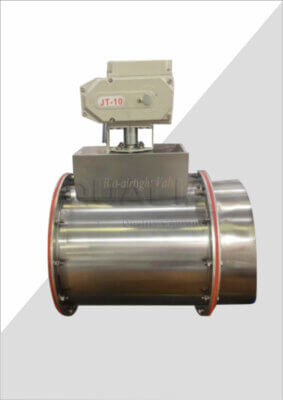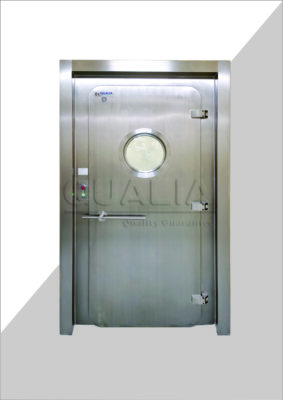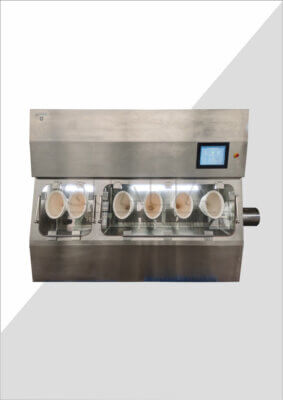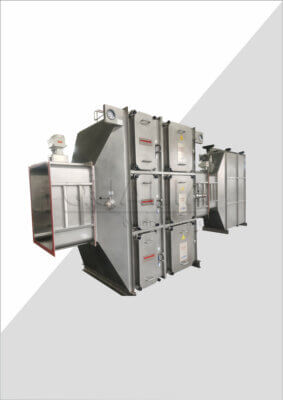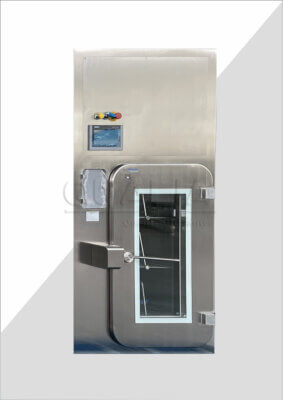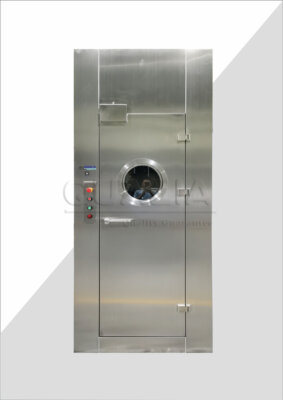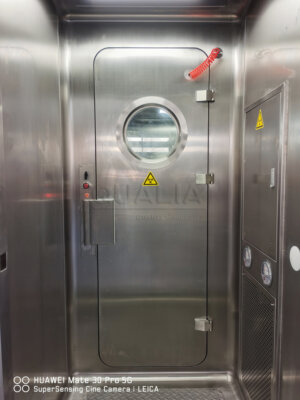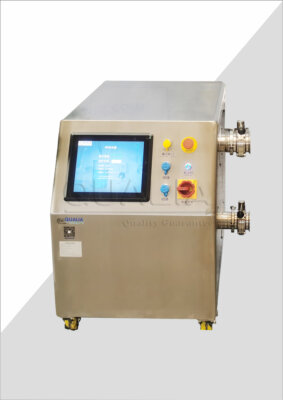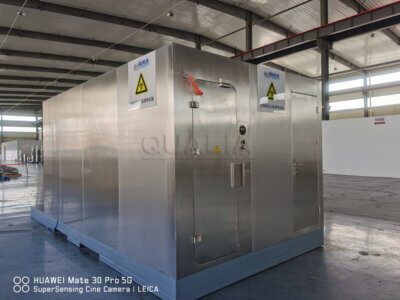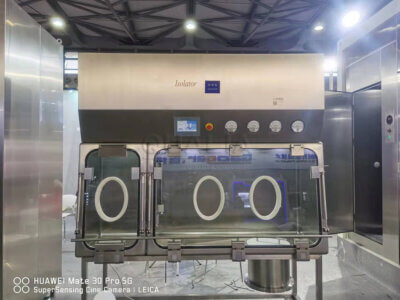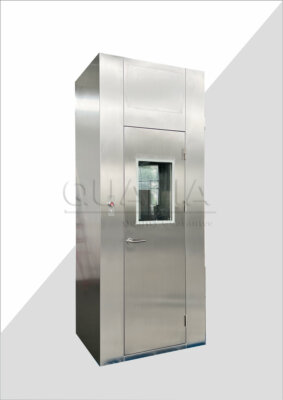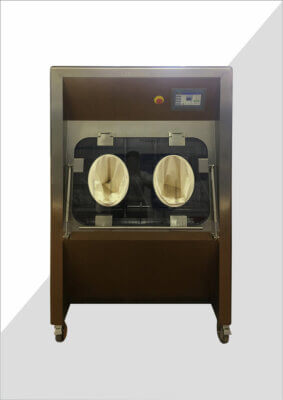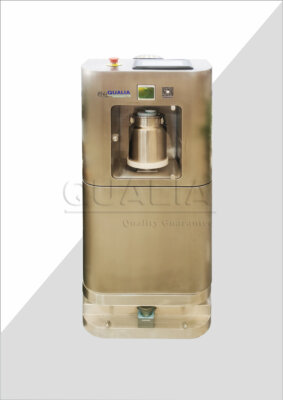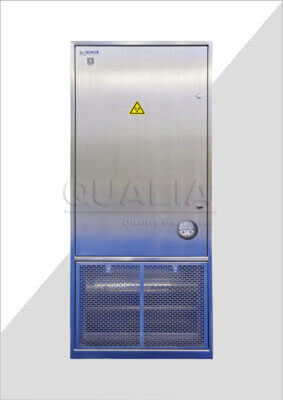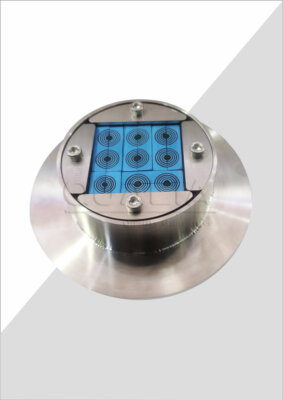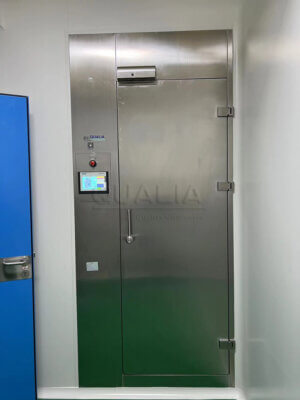


In the face of sudden biosafety risks, rapid deployment of high-containment laboratories is crucial. QUALIA’s Mobile BSL-3/BSL-4 Module Laboratories provide a comprehensive solution for emergency responses. Here’s why these mobile labs are essential.
Key Features of Mobile BSL-3/BSL-4 Module Laboratories
1. Modular Design
The modular design allows these labs to be quickly assembled and disassembled. This flexibility enables rapid deployment in crisis areas.
2. Compact Footprint
These labs occupy minimal space, making them easy to transport and set up in various locations without compromising functionality.
3. Reusable Structure
QUALIA’s mobile labs are designed for multiple uses. Their durable construction ensures they can withstand frequent deployments, providing a cost-effective solution.
4. Independent Ventilation
Each mobile lab features an independent ventilation system. This system maintains internal air quality, preventing contamination and ensuring a sterile environment.
5. Easily Transportable
The labs are easily transportable to different locations. This portability is essential for field research and emergency responses in remote areas.
How to Use Mobile BSL-3/BSL-4 Module Laboratories
1. Rapid Deployment
Deploy the mobile lab swiftly in emergency areas. Connect it to essential utilities like power and water immediately upon setup.
2. Temporary Biocontainment
Utilize the lab for temporary biocontainment needs during outbreak responses. Ensure all safety protocols are followed to manage pathogens effectively.
3. Field Research
Set up the lab in remote locations for on-site research. The self-contained structure supports operations without extensive external infrastructure.
Applications in Emergency Response
1. Immediate Outbreak Response
QUALIA’s mobile labs provide rapid containment during outbreaks. Their quick setup and efficient design help manage pathogen spread promptly.
2. Fieldwork in Remote Locations
Conduct field research in underserved or remote areas. Mobile labs offer a controlled environment for conducting accurate and safe studies.
3. Temporary Laboratory Setups
Use mobile labs during renovations or construction of permanent facilities. They ensure continuity in research and biocontainment without interruption.
Complementary Products by QUALIA
Enhance your facility’s efficiency and safety with these top products from QUALIA:
- Biosafety Isolator
- OEB4 / OEB5 Isolator
- Aseptic Isolator/ Sterility Test Isolators
- Biological Wastewater Treatment System
- In Situ Pipeline HEPA
- VHP Robot
Why Choose QUALIA?
QUALIA is a leader in providing cleanroom and biosafety solutions. Our Mobile BSL-3/BSL-4 Module Laboratories combine advanced technology with practical design, ensuring optimal performance in emergency scenarios.
Key Advantages
1. Industry Expertise
With extensive experience, QUALIA offers solutions tailored to meet your biosafety requirements.
2. Cutting-Edge Technology
Our modules incorporate the latest advancements, ensuring reliability and safety in high-containment environments.
3. Comprehensive Support
From consultation to installation and maintenance, QUALIA provides full support to ensure seamless operations.
Conclusion
Choosing QUALIA’s Mobile BSL-3/BSL-4 Module Laboratories for emergency response ensures readiness for any biosafety crisis. Their modular design, compact footprint, and robust features make them indispensable for outbreak response and field research. For more details on how QUALIA’s solutions can benefit your facility, visit QUALIA. Optimize your emergency response with our state-of-the-art technology, ensuring safety, compliance, and efficiency.