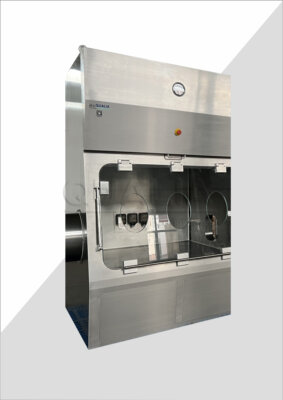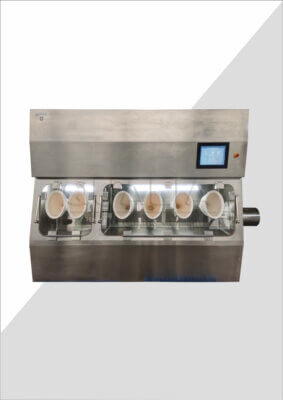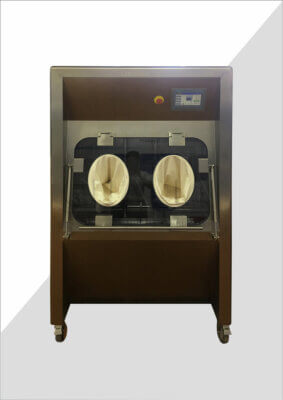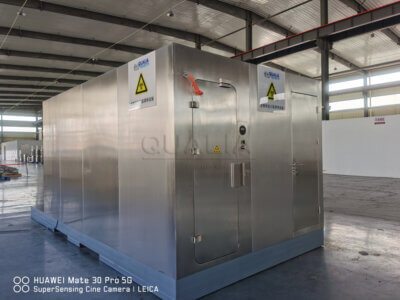

For laboratory managers and biosafety officers, maintaining BSL-2/3 compliance is a non-negotiable operational mandate. The annual biosafety cabinet (BSC) certification is not a simple maintenance task but a rigorous, standards-based validation of your primary containment barrier. Misunderstanding its scope or treating it as a generic service can lead to critical compliance gaps, failed audits, and compromised safety. The process is governed by precise engineering protocols, and the stakes of getting it wrong are measured in personnel risk and institutional liability.
The regulatory landscape is evolving. Revisions to the foundational NSF/ANSI 49 standard are introducing stricter specifications, transforming certification from a periodic check into a continuous compliance practice. Simultaneously, the increasing complexity of cabinet fleets—mixing recirculating and hard-ducted types—demands more sophisticated service planning. Proactive management of this annual cycle, including budgeting for unplanned recertification events, is essential for uninterrupted research and robust safety program integrity.
NSF/ANSI 49 Certification: What Annual Testing Involves
The Multi-Point Validation Framework
Annual certification under NSF/ANSI 49-2024 is a comprehensive audit of a cabinet’s containment integrity. It quantitatively and qualitatively verifies the three core protections: personnel, product, and environment. The process is not a single test but a suite of interdependent measurements. Each parameter, from inflow velocity to filter efficiency, must meet the standard’s minimum performance thresholds to achieve a passing certification. Industry experts emphasize that skipping or inadequately performing any single test invalidates the entire certification, leaving the cabinet non-compliant.
Core Technical Procedures Explained
The technical execution involves specific, repeatable methods. The Inflow Velocity Test measures the air entering the front opening to ensure the personnel protection barrier is intact, with target values differing by cabinet type. The Downflow Velocity Test assesses the uniformity and velocity of laminar airflow over the work surface for product protection. The most critical procedure is the HEPA/ULPA Filter Integrity Test, which uses a polydisperse aerosol challenge to scan the filter media and sealants for leaks, ensuring 99.99% efficiency. Easily overlooked details include the calibration status of the technician’s anemometer and photometer, as uncalibrated instruments render all data invalid.
The Evolution Toward Stricter Specificity
The standard’s trajectory shows a clear shift from generic guidance to precise, enforceable language. The 2024 revision exemplifies this, replacing ambiguous terms with exact numerical tolerances and incorporating formal risk assessment frameworks. This evolution means laboratories can no longer rely on historical interpretations. Certification now demands documented adherence to the latest test protocols, performed by personnel trained on the current edition. In my experience consulting with core facilities, the transition between standard editions often catches labs off guard, requiring service scope adjustments.
Key Certification Tests for BSL 2/3 Cabinet Compliance
Validating the Three Protections
Each mandated test correlates directly to a specific safety function. The Inflow Velocity Test validates the personnel protection barrier. The Downflow Velocity Test ensures product protection by maintaining laminar airflow uniformity. The HEPA/ULPA Filter Integrity Test is the non-negotiable cornerstone for all three protections; a compromised filter breaches containment entirely. For cabinets with external exhaust, such as Types B1, B2, and C1, exhaust flow verification and interlocking control checks are added to validate environmental protection. This structured approach means every test has a definitive pass/fail criterion tied directly to a safety outcome.
The Challenge of Manufacturer-Specific Protocols
A critical strategic layer complicating third-party certification is the reliance on manufacturer-specific alternate test methods. NSF listings for many cabinet models certify inflow velocities using the “manufacturer’s recommended alternate method,” which often involves proprietary fixtures or correction factors. This creates a technical dependency. A generic service provider may lack the specific training or equipment to perform these alternate methods correctly, potentially yielding non-compliant results. Consequently, laboratories with diverse cabinet fleets must vet providers for competency with each manufacturer’s protocols or risk invalid certifications.
A Suite of Mandatory Checks
The full test suite forms the technical backbone of BSL-2/3 compliance. Beyond the primary airflow and filter tests, visual smoke pattern tests confirm containment qualitatively, while checks on alarms, vibration, lighting, and electrical safety round out the assessment. According to research from NSF/ANSI 49-2022, the standard specifies this comprehensive suite to ensure no single point of failure goes undetected. The table below outlines the core tests and what they validate.
Core Test Functions and Validations
| Core Test | Validates Protection For | Critical Notes |
|---|---|---|
| Inflow Velocity Test | Personnel | Barrier integrity |
| Downflow Velocity Test | Product | Laminar airflow uniformity |
| HEPA/ULPA Filter Integrity | All three (Personnel, Product, Environment) | Non-negotiable containment |
| Exhaust Flow Verification (Types B/C1) | Environment | External exhaust requirement |
| Visual Smoke Pattern | Containment | Qualitative airflow check |
| Manufacturer’s Alternate Methods | Specific cabinet models | May require OEM service |
Source: NSF/ANSI 49-2022. This standard specifies the design, construction, and performance requirements for Class II BSCs, defining the suite of tests like inflow, downflow, and filter integrity that are mandatory for validating BSL-2/3 compliance.
Annual Schedule vs. Event-Driven Recertification Triggers
The Baseline 12-Month Cycle
Adherence to a strict annual recertification cycle, not exceeding 12 months from the last certification date, is the universal baseline for continuous compliance. This scheduled maintenance should be a fixed line item in the laboratory’s operational budget. The interval is based on risk assessment, accounting for normal filter loading, seal degradation, and potential airflow balance drift. Letting this date lapse, even by a short period, creates an immediate compliance gap that can halt research involving biohazards and trigger findings during inspections.
Mandatory Unscheduled Recertification Events
Certification is fundamentally a multi-trigger requirement. NSF/ANSI 49 mandates immediate recertification after any event that could compromise cabinet integrity or airflow balance. These triggers are absolute: relocation (even within the same room), HEPA filter replacement, any internal repair or maintenance, and exposure to mechanical shock or damage. This creates a dynamic compliance calendar where routine lab operations directly dictate certification schedules. A single lab renovation involving cabinet moves can necessitate multiple unplanned certifications.
Financial and Operational Impacts
The event-driven model has significant budgetary implications. While the annual cost is predictable, the triggers represent variable, unbudgeted expenses. For mobile research programs or growing labs with frequent reconfigurations, these costs can accumulate quickly and strain financial planning. The table below contrasts the planned and unplanned triggers.
Planned and Unplanned Certification Triggers
| Recertification Trigger | Schedule Implication | Financial Planning Impact |
|---|---|---|
| Annual Compliance Cycle | ≤ 12 months | Budgeted, fixed cost |
| Cabinet Relocation | Immediate | Unbudgeted, variable expense |
| HEPA Filter Replacement | Immediate | Unbudgeted, variable expense |
| Internal Repair/Maintenance | Immediate | Unbudgeted, variable expense |
| Mechanical Shock/Damage | Immediate | Unbudgeted, variable expense |
| Initial Installation | One-time | Capital project cost |
Source: Technical documentation and industry specifications.
Selecting the Right Class II Cabinet Type for Your Lab
A Decision with Long-Term Facility Implications
Selecting a Class II BSC type is a strategic decision that commits the laboratory to specific infrastructure. The primary distinction is between Type A cabinets (A1, A2), which recirculate filtered air back into the lab, and Types B1, B2, and C1, which require hard-ducted exhaust to the outside. This choice is dictated by the biological agents and chemicals used. Type B2, a total-exhaust cabinet, is specifically required for work with volatile chemicals or radionuclides. According to NSF/ANSI 49-2018, which defines these types, the exhaust requirement creates a permanent placement constraint, severely limiting future relocation flexibility without significant HVAC modification.
The Pitfall of Configurable Platforms
Many modern cabinet platforms are globally configurable, meaning a single model can be certified under multiple voltages, with different sash types, or with various accessories. This flexibility is a double-edged sword. The unit delivered must match the exact configuration listed in its NSF certification report. Buyers must specify these requirements precisely during procurement. A common mistake is assuming a generic model number guarantees a specific performance profile, only to discover during annual certification that an undocumented configuration change invalidates the original certification data.
Navigating the Infrastructure Commitment
Changing cabinet types post-installation is a major capital project. Transitioning from a recirculating Type A to a ducted Type B requires installing exhaust ductwork, balancing building HVAC systems, and potentially upgrading room ventilation—costs that far exceed the price of the cabinet itself. Therefore, the selection process must forecast future research needs for the cabinet’s entire operational lifespan, often 10-15 years. The table below summarizes key selection drivers.
Cabinet Type Selection Drivers
| Cabinet Type | Airflow / Exhaust Key Feature | Primary Application Consideration |
|---|---|---|
| Type A1, A2 | Recirculates to lab | No external ducting required |
| Type B1, B2, C1 | Hard-ducted exhaust | Volatile chemical/radionuclide work |
| Type B2 | Total exhaust to outside | Maximum chemical hazard containment |
| Configurable Platforms | Multiple power/accessory options | Must specify exact configuration at purchase |
| Change from A to B | Requires HVAC modification | Major infrastructure commitment |
Source: NSF/ANSI 49-2018. This standard defines the design and performance requirements for different Class II BSC types (A1, A2, B1, B2), including their fundamental airflow patterns and exhaust requirements which dictate their application suitability.
Documentation & Audit Readiness for Safety Compliance
The Certification Report as Legal Proof
The physical label on the cabinet is only the surface indicator. The detailed test report is the legal documentation proving compliance. This report must include all measured data, instrument calibration certificates, identified deficiencies, corrective actions taken, and a definitive pass/fail statement signed by the certifier. It serves as essential evidence for audits against institutional biosafety committee policies, NIH/CDC guidelines, and OSHA regulations. Incomplete or vague reports are a red flag for inspectors and can result in a cabinet being taken out of service until proper documentation is provided.
The Shift Toward Digital Asset Management
The trend is toward digitization and higher data integrity. Revisions to NSF/ANSI 49 now note the availability of downloadable wiring diagrams via barcode, signaling a move toward digital asset management. The logical progression is toward cabinets with embedded sensors and digital logs for continuous monitoring of parameters like inflow velocity and filter pressure drop. This evolution will transform maintenance from an annual preventive snapshot to a predictive, data-driven model, providing real-time compliance assurance and alerting to performance drift between certifications.
Preparing for the Audit
Audit readiness requires organized, accessible records. Laboratories should maintain a dedicated binder or digital folder for each cabinet, containing all historical certification reports, service tickets, decontamination records, and user manuals. During an inspection, the ability to immediately produce the most recent full certification report for any cabinet in use demonstrates rigorous program management. I’ve observed that labs with centralized, standardized documentation systems resolve audit findings far more quickly than those with scattered, incomplete files.
Cost Factors for Annual BSC Certification Services
Primary Drivers of Service Fees
The cost is not a flat rate per cabinet. Cabinet type is the primary driver; complex, hard-ducted Type B or C1 cabinets require more time and expertise to test exhaust flows and interlocks than recirculating Type A units. The need for manufacturer-specific test methods may necessitate specialized technicians or direct OEM services, which often command a premium. Furthermore, the geographic location and the service provider’s travel requirements can add significant cost, especially for labs in remote areas or with single cabinets.
The Impact of Evolving Standards
Compliance with the latest standard edition introduces cost variables. For example, the NSF/ANSI 49-2024 revision reduces the allowable power failure disconnection time from 1 hour to 5 minutes. Older cabinets that cannot meet this new baseline may require control board upgrades or complete replacement to remain certifiable, impacting capital budgets. Each new edition can subtly change test protocols, requiring technician retraining and potentially new calibration equipment, costs that are ultimately passed through in service fees.
A Bifurcated Service Market
This complexity is fostering a stratified service market. Basic providers may competently handle common Type A2 cabinets but lack the capability for complex fleets mixing multiple manufacturers and ducted types. Premium specialists, often with direct OEM partnerships, are required for these sophisticated environments. Laboratories must accurately assess their fleet complexity when soliciting bids to avoid underqualified providers or overpaying for simple services. The table below outlines key cost factors.
Variables Influencing Certification Cost
| Primary Cost Driver | Impact on Service Fee | Example / Rationale |
|---|---|---|
| Cabinet Type (A vs. B/C1) | High | Hard-ducted types more complex |
| Manufacturer-Specific Methods | Medium to High | May require OEM premium |
| Standard Revision Compliance | Variable | e.g., 2024 power failure rule |
| Cabinet Fleet Complexity | High | Mixed types require specialists |
| Service Provider Tier | Variable | Basic vs. premium specialist |
| Unplanned Event Recertification | High | Unbudgeted contingency cost |
Source: Technical documentation and industry specifications.
Note: The 2024 revision’s reduction of allowable power failure disconnection time from 1 hour to 5 minutes is a specific example of a standard change impacting compliance costs for older cabinets.
How to Prepare Your Lab for Certification Day
Pre-Service Decontamination and Clearing
Effective preparation minimizes technician downtime and ensures a smooth, efficient process. First, decontaminate the cabinet interior and work surface according to your lab’s validated protocol, typically using an appropriate disinfectant with sufficient contact time. This protects the service technician. Next, remove all samples, equipment, trays, and clutter from inside the cabinet and from the immediate surrounding area. Full access to the cabinet interior, top exhaust plenum, and external blower is required for testing. A cluttered workspace can delay the start or prevent certain tests from being performed.
Coordination and Information Access
Notify all lab personnel of the service schedule and post signs indicating the cabinet is out of service. Ensure the cabinet is powered on and operational before the technician arrives. Have the cabinet’s user manual, previous certification report, and any unique configuration notes readily available. For ducted cabinets, confirm with facilities management that the building exhaust system is operational. Proactive communication prevents the most common delay: a technician waiting for a cabinet to be cleared or for exhaust system activation.
Integrating Certification with Facility Logistics
Preparation should be integrated into broader facility planning. Schedule certifications to coincide with other maintenance downtimes. If a cabinet relocation is planned, coordinate the post-move recertification immediately with the movers’ schedule. Maintaining a lab equipment management platform that tracks certification dates, service history, and links to digital reports transforms preparation from a reactive scramble into a systematic, compliant operation. This proactive approach is the hallmark of a mature safety culture.
Next Steps: Request a Quote or Schedule Service
Qualifying Your Service Provider
Taking action requires qualifying providers against your lab’s specific needs. Given the market stratification, laboratories must vet providers for demonstrated competency with the exact cabinet types and manufacturers in their inventory. Request references from similar institutions. Ask if their technicians are certified by bodies like the International Association of Nanotechnology (IANT) or receive factory-direct training from cabinet OEMs. A generic certifier may lack the proprietary fixtures or software needed for valid alternate method testing on your specific models.
Information to Provide for an Accurate Quote
When requesting a quote, provide detailed information to avoid scope gaps and change orders. Essential details include: cabinet make, model, type (A2, B2, etc.), serial number, quantity, and the nature of any exhaust connections (thimble, direct duct). Note any unique configurations like UV lights, pass-throughs, or special electrical requirements. Specify which standard edition you require for testing (e.g., NSF/ANSI 49-2024). Ask for a sample report to assess data completeness and format. For organizations managing certified biosafety cabinet validation across multiple sites, advocate for providers familiar with global standards to harmonize protocols and reduce compliance complexity.
Scheduling and Contingency Planning
Schedule your annual certification well in advance of the due date, as qualified providers often book up weeks or months ahead. Build a contingency budget for unplanned recertification events triggered by relocation or repair. Consider negotiating a service contract for your cabinet fleet, which can lock in pricing, guarantee priority scheduling, and simplify budgeting. The goal is to transform certification from a recurring administrative burden into a managed, predictable component of your laboratory’s operational excellence.
Effective BSC certification management hinges on three priorities: understanding the technical and regulatory specifics of your cabinet fleet, planning for both scheduled and unscheduled recertification events, and maintaining impeccable, accessible documentation. The process is a critical investment in personnel safety, research integrity, and institutional compliance, not a discretionary expense.
Need professional guidance to navigate the complexities of NSF/ANSI 49 compliance for your specific laboratory environment? The experts at QUALIA can help you develop a strategic certification schedule, qualify service providers, and ensure your containment controls meet the latest standards. Contact our team to discuss your biosafety cabinet management plan.
Frequently Asked Questions
Q: What specific tests are performed during annual NSF/ANSI 49 certification?
A: Annual certification involves a suite of quantitative and qualitative tests to validate personnel, product, and environmental protection. Key procedures include measuring inflow and downflow air velocities, performing a HEPA/ULPA filter integrity scan with a polydisperse aerosol, and confirming proper airflow patterns with smoke visualization. This rigorous process, detailed in the standard’s field test annex, transforms compliance into a documented engineering practice requiring skilled technicians and precise records. For facilities maintaining BSL-2/3 containment, you must ensure your service provider is qualified to execute this full battery of tests according to the current NSF/ANSI 49-2024 protocol.
Q: Is annual recertification the only trigger for testing a biosafety cabinet?
A: No, an annual schedule is the baseline, but mandatory recertification is also required after any event that could compromise integrity. Triggers include cabinet relocation, repairs affecting internal components, HEPA filter replacement, or exposure to mechanical shock. This creates a dynamic compliance calendar directly tied to lab operations. If your laboratory has an active research program with frequent equipment moves or maintenance, you should budget for these unplanned, event-driven certifications as significant variable expenses.
Q: How does the choice between a Type A and Type B Class II cabinet impact long-term facility planning?
A: The choice is a major strategic commitment with lasting facility implications. Type A cabinets recirculate air, while Type B and C1 models require hard-ducted exhaust to the outside, which dictates permanent placement and limits relocation flexibility. Selecting a Type B2 for volatile chemicals commits you to specific HVAC infrastructure. This means planning for future lab renovations or reconfigurations must account for the high cost of modifying exhaust systems if you later need to change cabinet types or locations.
Q: What documentation should we receive and retain after a BSC certification?
A: You must receive and archive two critical records: a physical pass/fail label affixed to the cabinet and a detailed test report. This report should include all measured data, instrument calibration dates, any deficiencies found, corrective actions taken, and a definitive compliance statement. It serves as essential audit evidence against institutional and regulatory guidelines like those from the NIH or OSHA. For audit readiness, your lab’s documentation system should securely store these reports and link them to the specific asset, as the standard evolves toward digital asset management.
Q: Why can costs for certification services vary significantly between cabinets?
A: Cost is driven by cabinet complexity, not just quantity. Hard-ducted Type B or C1 cabinets require more time and expertise to test exhaust flows and interlocks than recirculating Type A units. Furthermore, the need for manufacturer-specific alternate test methods may necessitate OEM-trained technicians at a premium. If your facility operates a mixed fleet with complex, ducted cabinets, you should expect to engage with premium specialist providers rather than basic service vendors, impacting your annual operational budget.
Q: How do we prepare our lab to minimize downtime during certification day?
A: Effective preparation requires clearing the cabinet and surrounding area of all materials and decontaminating the interior work surface according to your lab’s protocol. Ensure the cabinet is powered on, have the manual and prior reports available, and confirm building exhaust is operational for ducted units. Proactively integrating this prep with your facility’s move and maintenance schedules helps avoid compliance gaps. For labs with tight research timelines, scheduling certification during planned experiment breaks is crucial to minimize workflow disruption.
Q: What should we specify when requesting a quote for certification services?
A: Provide the service provider with detailed information: cabinet manufacturer, model, type (e.g., A2, B2), quantity, and any unique configurations or exhaust connections. Explicitly ask which edition of the standard they will use for testing, such as NSF/ANSI 49-2022 or the current 2024 version, and request a sample report format. This vetting process is essential because a generic certifier may lack competency for the proprietary test methods required by your specific cabinet models, potentially invalidating the results.
Q: How do recent revisions to NSF/ANSI 49, like the 2024 update, affect existing cabinets?
A: Revisions often introduce stricter requirements that can render older cabinets non-compliant unless upgraded. For example, the 2024 standard reduces the allowable time for a cabinet to disconnect from power during a failure from one hour to just five minutes. This means facilities with cabinets certified to older versions like NSF/ANSI 49-2018 may face mandatory control system upgrades or replacement to meet the new baseline, impacting capital planning cycles and long-term asset management strategies.
Related Contents:
- Ducted Biosafety Cabinets: Enhanced Lab Safety
- NSF/ANSI 49: Biosafety Cabinet Standard Explained
- Biological Safety Cabinet Selection for BSL 2/3/4 Labs: Class I, II, III Comparison & NSF/ANSI 49 Compliance Requirements
- Class II Type B2 Biosafety Cabinets: Total Exhaust
- Class II Type A2 vs B2 Biosafety Cabinets for BSL-3 Applications: Exhausting Requirements Explained
- Biosafety Cabinet Installation: What You Need to Know
- NSF/ANSI 49 Class III Biosafety Cabinet Certification: Complete Field Testing and Compliance Requirements Guide
- Biosafety Cabinet Certification: Why It’s Crucial
- EN 12469: Biosafety Isolator Performance Standard