Developing an Animal Biosafety Level 3 (ABSL-3) laboratory is a monumental strategic decision for any pharmaceutical organization. The complexity extends far beyond constructing a secure box; it involves integrating specialized engineering, rigorous operational protocols, and a culture of safety into the very core of a research program. Missteps in design, partner selection, or compliance management can lead to catastrophic safety failures, project delays, and unsustainable financial burdens.
The accelerating threat landscape of zoonotic diseases and the critical need for in vivo efficacy data for vaccines and therapeutics make ABSL-3 capability non-negotiable for serious infectious disease R&D. This article provides a decision-focused analysis of the key considerations, from capital investment to operational integration, for pharmaceutical leaders evaluating their ABSL-3 strategy.
Key Design & Safety Features of ABSL-3 Pharmaceutical Labs
The Foundation of Containment: Airflow and Access
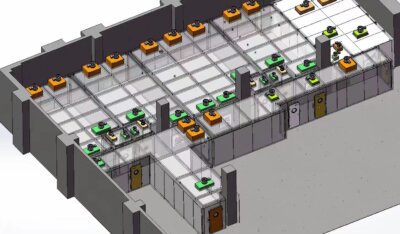
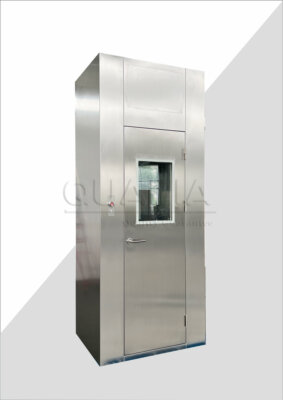
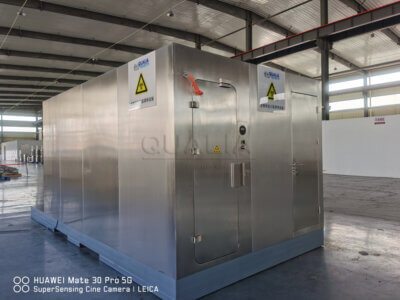
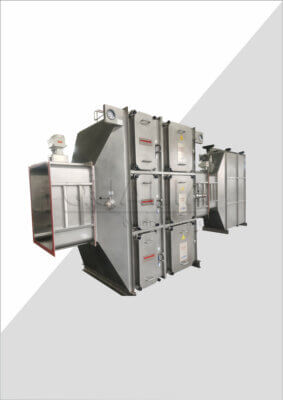
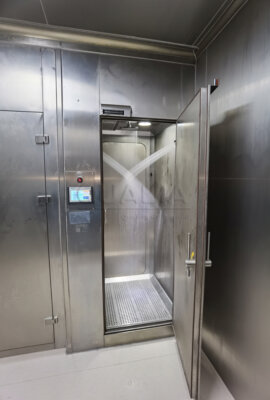
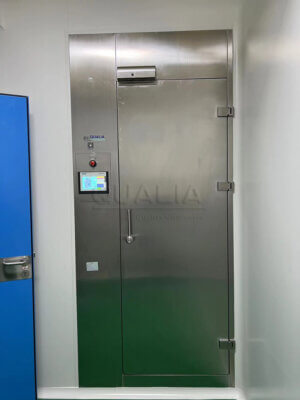
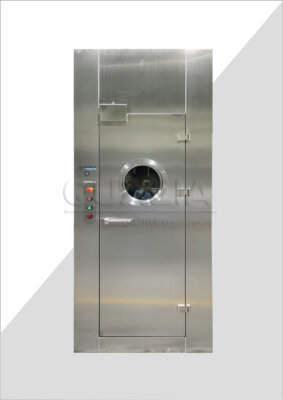
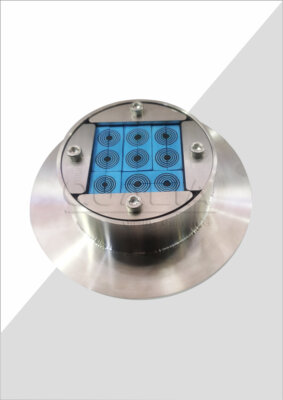
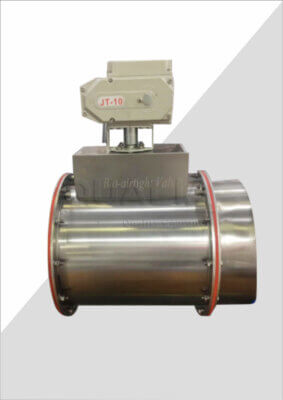
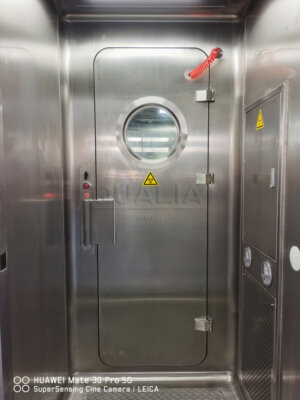
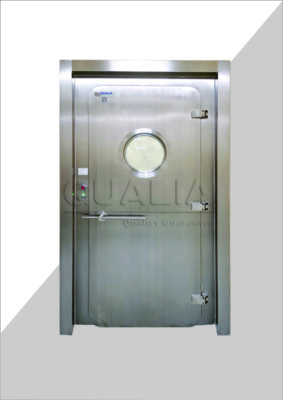
The absolute priority in an ABSL-3 facility is maintaining containment integrity. This is achieved through a multi-layered engineering approach. A mandatory inward directional airflow is maintained via a negative pressure cascade, ensuring air flows from “clean” corridors into the laboratory space. All exhaust air passes through HEPA filtration before discharge. Access is strictly controlled through interlocked vestibules, preventing simultaneous door openings and acting as a physical and procedural airlock. The entire structure must be sealed to allow for space decontamination, a requirement that fundamentally shapes construction materials and methods.
Specialized Adaptations for Animal Housing
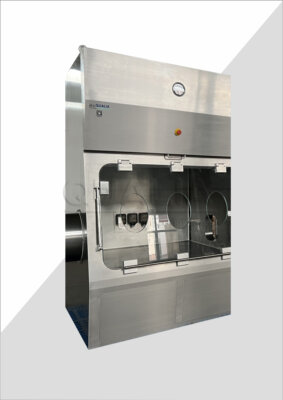
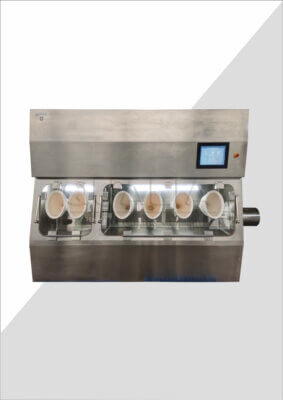
Introducing live, infected animals transforms the containment challenge. Standard BSL-3 practices are insufficient. The primary adaptation is the use of specialized caging, most commonly Individually Ventilated Cage (IVC) systems. These provide HEPA-filtered air directly to each cage, containing pathogens at the source and managing the significant heat and humidity load generated by animal colonies. This secondary layer of containment within the primary lab barrier is critical for protecting personnel during daily husbandry and ensuring animal welfare and study reproducibility.
Integrated Safety and Decontamination Systems
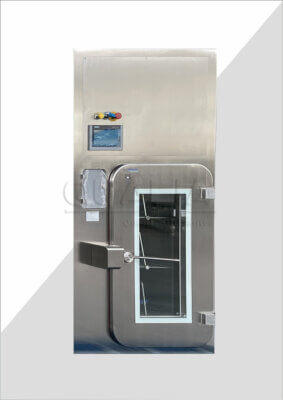
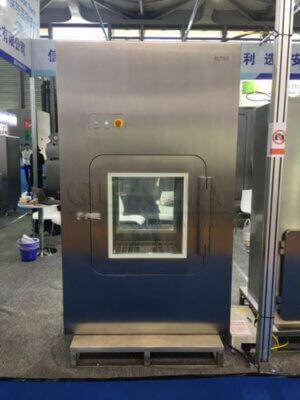
Safety is engineered into every operational touchpoint. All aerosol-generating procedures—necropsy, tissue homogenization, vortexing—must occur within a Class II Biosafety Cabinet. Emergency eyewash stations and hands-free sinks are strategically placed for immediate response. Crucially, waste management is a contained process; internal pass-through autoclaves allow for the sterilization of all biohazardous waste within the lab boundary before it is removed for disposal. This closed-loop system eliminates a major potential vector for pathogen escape.
| Feature Category | Key Specification / Equipment | Operational Purpose |
|---|---|---|
| Access Control | Interlocked vestibules | Strict personnel entry control |
| Airflow & Filtration | Negative pressure, HEPA exhaust | Inward directional air containment |
| Animal Housing | Individually Ventilated Cage (IVC) systems | Pathogen containment & heat management |
| Decontamination | Pass-through autoclaves | Waste sterilization before removal |
| Emergency Safety | Hands-free sinks, eyewash stations | Immediate exposure response |
Source: Biosafety in Microbiological and Biomedical Laboratories, 6th Edition (BMBL6). The BMBL provides the foundational requirements for BSL-3/ABSL-3 facility design, mandating features like controlled access, directional airflow, HEPA filtration, and specialized safety equipment for handling infectious agents.
Cost Analysis: Investment & Operational Expenses for ABSL-3 Labs
Understanding the Capital Barrier
The initial capital investment for a greenfield ABSL-3 facility is substantial, often reaching tens of millions of dollars. This high cost is driven by non-negotiable infrastructure: sealed construction, complex HVAC systems with redundant HEPA filtration, automated control systems, and specialized finishes. This financial barrier fundamentally shapes the market, favoring large pharmaceutical firms, government agencies, and well-funded non-profits. For most organizations, the build-versus-buy analysis immediately points toward outsourcing or collaborative use models.
The Reality of Recurring Operational Costs
Capital expenditure is only the beginning. Annual operational and maintenance costs are typically estimated at 10-15% of the initial build cost. This includes HEPA filter replacement, rigorous certification and validation cycles, utility consumption for maintaining negative pressure, and the premium cost of BSL-3-rated consumables and PPE. A common oversight is underestimating the cost of preventative maintenance; using corrosive disinfectants can degrade surfaces and equipment, leading to costly facility downtime and repairs. Strategic selection of EPA-registered disinfectants with validated material compatibility is a simple but critical cost-control measure.
| Cost Component | Typical Range / Figure | Financial Impact |
|---|---|---|
| Capital Investment | Substantial, multi-million USD | High barrier to entry |
| Annual Maintenance | 10-15% of build cost | Major recurring operational expense |
| Primary Entities | Large pharma, government, non-profits | Can absorb high capital costs |
| Smaller Entities | Outsourcing models | Avoids capital investment burden |
| Strategic Cost Control | EPA-registered disinfectant selection | Prevents corrosive infrastructure damage |
Source: Technical documentation and industry specifications.
ABSL-3 vs. BSL-3: Critical Differences for Animal Research
The Core Distinction: Dynamic Biological Systems
While both BSL-3 and ABSL-3 labs share core containment principles, the presence of infected animals introduces a layer of complexity that standard microbiological labs are not designed to handle. A BSL-3 lab manages static samples in controlled containers. An ABSL-3 lab manages dynamic, living systems that generate heat, allergens, unpredictable behaviors, and copious waste. The primary hazard shifts from solely aerosolized pathogens to include bites, scratches, and direct contact with contaminated bedding and excreta.
Specialized Infrastructure and Protocols
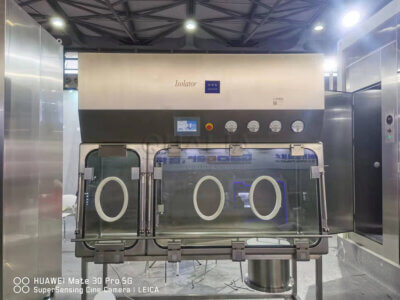
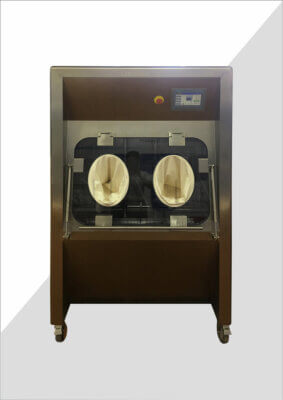
This distinction mandates specialized infrastructure. Beyond biosafety cabinets, ABSL-3 requires animal housing with primary containment, such as IVC systems or rigid isolators. Protocols expand to cover animal receipt, acclimation, handling, clinical observation, anesthesia, and necropsy. Waste management scales significantly and requires specific decontamination pathways for carcasses and soiled bedding. The veterinary care program must operate within the containment perimeter, requiring trained staff who understand both animal medicine and biosafety.
The Flexibility of Risk-Based Adaptations
A critical operational insight is that containment level is not always a binary, facility-wide designation. It can be task-dependent. For certain low-risk procedures with a known agent at low concentration, a risk assessment may justify enhanced BSL-2 practices (“BSL-2+”) within a dedicated space. This approach, endorsed by the WHO Laboratory Biosafety Manual, Fourth Edition, optimizes the use of high-containment resources. It allows lower-risk work to proceed without occupying precious ABSL-3 space, a key strategy for improving operational agility and cost-efficiency.
| Aspect | BSL-3 Laboratory | ABSL-3 Laboratory |
|---|---|---|
| Primary Focus | Microbiological agent handling | Infected live animal housing |
| Key Challenge | Aerosol containment | Animal-generated hazards (heat, allergens) |
| Core Equipment | Biosafety cabinets (BSCs) | BSCs + specialized caging (e.g., IVC) |
| Protocol Emphasis | Sample processing safety | Animal handling, necropsy, waste management |
| Operational Flexibility | Fixed containment level | Risk-based adaptations possible (e.g., BSL-2+) |
Source: Biosafety in Microbiological and Biomedical Laboratories, 6th Edition (BMBL6). The BMBL distinctly outlines the enhanced requirements for Animal Biosafety Level 3 (ABSL-3), including specialized housing, husbandry, and veterinary care practices beyond standard BSL-3 requirements.
Selecting the Right ABSL-3 Lab for Your Research Program
Matching Capabilities to Program Requirements
Selection begins with a precise alignment between your research program and the facility’s technical capabilities. Key criteria include the species-specific housing and handling expertise, the types and quantity of biosafety cabinets available, and the validated methods for decontaminating animal rooms and equipment (e.g., vaporized hydrogen peroxide cycles). The facility must support your specific animal model and route of infection. Overlooking these granular details can render a facility unsuitable, regardless of its certification.
Evaluating Accreditation and Management Systems
Basic compliance with the BMBL is a minimum. The differentiating factor is often the facility’s adoption of a systematic biorisk management framework. Accreditation to standards like ISO 35001: Biorisk management for laboratories and other related organisations demonstrates a proactive, holistic approach to safety and security that extends beyond checklist compliance. This structured system for risk assessment, continuous improvement, and competency assurance is increasingly a prerequisite for securing funding from global health organizations and for fostering trust in international collaborations.
Auditing the Integrated Supply Chain
Containment integrity is only as strong as the weakest link in the supply chain. The facility must have validated sources for all BSL-3-rated consumables—from sealed centrifuge rotors and transport media to appropriate personal protective equipment. An audit should verify that every material entering the containment zone is compatible with decontamination procedures and does not compromise the sealed environment. A partner with a fragile or opaque supply chain introduces unacceptable operational risk.
Essential Operational Protocols & Staff Training Requirements
The Protocol Matrix Governing Daily Work
Operational safety is codified in a comprehensive set of Standard Operating Procedures (SOPs). These govern every activity: donning and doffing PPE, entering and exiting the lab, animal handling and restraint, sample collection, waste bagging and autoclaving, and spill response. Aerosol-generating procedures are strictly confined to biosafety cabinets. Centrifuges must use sealed rotors or containment cups. The protocol for a simple cage change is as meticulously designed as that for a complex necropsy. This procedural rigidity is the human-layer counterpart to engineering controls.
Foundational and Sustained Training
Access is granted only after extensive, hands-on training specific to the ABSL-3 environment. This training covers theoretical biosafety principles, practical SOP execution, emergency response drills, and proper use of all safety equipment. Crucially, training is not a one-time event. Mandatory annual refreshers are required to maintain competency. Furthermore, a formal medical surveillance program monitors staff health, a non-negotiable requirement for personnel working with hazardous biological agents. In our experience, the depth of a facility’s training program is the most reliable indicator of its safety culture.
The Strategic Imperative for Therapeutic Development
These rigorous protocols are not merely administrative hurdles. They are the essential enabler for high-containment in vivo research. Without the guaranteed safety of an ABSL-3 environment, conducting challenge studies for zoonotic vaccine candidates or testing novel antivirals in relevant animal models is impossible. This capability directly determines a company’s ability to advance infectious disease pipelines from in vitro discovery to credible preclinical proof-of-concept.
Validating & Maintaining ABSL-3 Facility Compliance
Continuous Performance Verification
Compliance is a dynamic state, not a static certificate. It requires a scheduled regimen of validation activities. HEPA filters are certified annually for integrity and efficiency. The negative pressure cascade and directional airflow are continuously monitored and formally verified at regular intervals. Critical decontamination equipment, like autoclaves and effluent decontamination systems, undergo rigorous performance qualification to ensure sterilization cycles achieve the required log reduction of biological indicators.
Maintenance as a Capital Preservation Strategy
Preventative maintenance is a strategic function. The goal is to protect the multimillion-dollar capital investment from degradation and failure. This includes calibrating sensors, servicing blowers and dampers in the HVAC system, and inspecting seals on doors and penetrations. Adherence to a strict maintenance schedule prevents minor issues from escalating into catastrophic containment breaches or project-halting facility downtime. The systematic approach mandated by ISO 35001 turns this maintenance from a reactive chore into a core component of risk management.
| Validation Activity | Key Parameter / Standard | Frequency / Purpose |
|---|---|---|
| HEPA Filter Certification | Integrity & efficiency | Regular, periodic testing |
| Airflow Verification | Negative pressure cascade | Continuous monitoring & validation |
| Equipment Validation | Autoclave sterilization cycles | Regular performance qualification |
| Management Framework | ISO 35001 biorisk system | Ongoing competency demonstration |
| Strategic Goal | Prevent containment failure | Protect capital investment & uptime |
Source: ISO 35001: Biorisk management for laboratories and other related organisations. ISO 35001 provides the framework for establishing a systematic biorisk management system, which includes processes for the ongoing validation, maintenance, and performance review of containment facilities and equipment.
Integrating ABSL-3 Labs into the Drug Development Pipeline
Enabling Critical Preclinical Milestones
ABSL-3 facilities are not isolated research sites; they are integrated nodes in the development pipeline for biologics and antivirals. They enable the transition from in vitro assay hits to in vivo efficacy. Key preclinical activities conducted in these labs include immunogenicity testing of vaccine candidates, proof-of-concept challenge studies to demonstrate protection, and pharmacokinetic/pharmacodynamic studies of therapeutics in infected animal models. The data generated here de-risks the decision to advance a candidate into GMP manufacturing and clinical trials.
The Public-Private Partnership Model
The scale and cost of ABSL-3 work often necessitate collaboration. The evolution of facilities like the National Bio and Agro-Defense Facility (NBAF), with its dedicated Biologics Development Module, exemplifies a formalized public-private partnership model. Government agencies conduct foundational pathogen research and develop prototype vaccines, which industry partners can then license and scale for commercial production. This model, visible in the work on threats like African Swine Fever, accelerates the translation of basic research into market-ready countermeasures, leveraging public infrastructure for private sector development.
A Specialized Link in the Chain
The work within these high-containment walls feeds directly into downstream specialized pharmaceutical development and manufacturing processes. The transition from research-scale batches produced in an ABSL-3 lab to clinical and commercial-scale manufacturing requires partners who understand the unique containment, purification, and regulatory pathways for infectious disease products. This end-to-end continuity is essential for efficient translation.
Choosing a Partner: Criteria for ABSL-3 Laboratory Services
Assessing Technical and Operational Competency
When outsourcing, due diligence must extend far beyond a facility’s BSL-3 designation. The primary evaluation is pathogen- and model-specific experience. Has the partner successfully conducted studies with your specific agent in the intended animal model? Examine their operational flexibility: Can they implement risk-based protocols (BSL-2+) where justified to conserve resources? Their quality management system should be robust and audit-ready, ensuring data integrity for regulatory submissions.
Evaluating Strategic Position and Supply Chain
A partner’s role within national or international biosafety networks is a strong indicator of capability and reliability. Membership in a national BSL-3/4 network often implies access to surge capacity, shared expertise, and adherence to the highest standards. Scrutinize their supply chain integrity for all consumables and equipment. A partner that cannot guarantee the provenance and certification of every item entering containment introduces an untenable variable into your research timeline and safety assurance.
| Evaluation Criteria | Key Indicator / Requirement | Rationale |
|---|---|---|
| Pathogen & Model Experience | Specific agent and animal model expertise | Ensures relevant, validated study design |
| Operational Flexibility | BSL-2+ / BSL-3+ adaptation capability | Optimizes resource use for risk |
| Quality Management | Robust, audit-ready systems | Ensures data integrity & regulatory trust |
| Network Position | National BSL-3/4 network member | Indicates surge capacity & deep expertise |
| Supply Chain Integrity | BSL-3-certified consumables | Maintains containment integrity |
Source: WHO Laboratory Biosafety Manual, Fourth Edition. The manual promotes a risk-based approach to biosafety, which underpins the need for partner evaluation based on specific risk assessments, proven competency, and robust management systems rather than certification alone.
The decision to engage with an ABSL-3 facility—whether building, collaborating, or outsourcing—hinges on three priorities: aligning technical specifications with precise research needs, implementing a culture of rigorous validation and training, and selecting partners with demonstrated competency beyond basic certification. The financial and operational weight of these facilities demands a strategic, not just a tactical, approach.
Navigating this complex landscape requires a partner who understands that biosafety is the foundation, not an obstacle, for breakthrough research. Need professional guidance on integrating high-containment research into your infectious disease pipeline? Explore the specialized solutions and consultative approach at QUALIA.
Frequently Asked Questions
Q: What are the critical design differences between a standard BSL-3 and an ABSL-3 facility?
A: The primary distinction is the integration of specialized infrastructure for housing infected animals, which introduces unique engineering challenges. An ABSL-3 lab requires advanced caging like Individually Ventilated Cage (IVC) systems to manage heat, humidity, and aerosols, alongside rigorous protocols for animal handling and necropsy. This means research programs involving in vivo challenge studies must budget for these enhanced containment features, as a standard BSL-3 lab cannot safely accommodate the variables introduced by live subjects.
Q: How do you validate and maintain ongoing compliance for an ABSL-3 facility?
A: Continuous validation is mandatory and involves regular certification of HEPA filters, verification of directional airflow and negative pressure cascades, and validation of decontamination equipment like autoclaves. Adopting a structured biorisk management system, such as ISO 35001, provides a framework for demonstrating ongoing competency. For long-term pharmaceutical studies, you must plan for this recurring validation schedule and its associated costs, as it is essential for preventing catastrophic containment failure and project-delaying downtime.
Q: What are the major cost drivers for building and operating an ABSL-3 lab?
A: Capital investment is dominated by the stringent infrastructure for sealed construction, specialized HVAC with HEPA filtration, and interlocked access systems. Operational expenses are also substantial, with annual maintenance estimated at 10-15% of the initial build cost to protect the capital investment. This recurring cost model strongly favors outsourcing for smaller entities, while large organizations must integrate these high operational costs into their long-term program budgets.
Q: What criteria should we use when selecting an outsourcing partner for ABSL-3 work?
A: Look beyond basic certification to evaluate the partner’s specific experience with your pathogen and animal model, their operational flexibility for risk-based adaptations, and robust quality management systems. Their role within national biosafety networks and the integrity of their supply chain for all consumables are also crucial indicators. This means your selection process should prioritize partners who can act as a force multiplier, providing transparent, audit-ready processes to overcome the high barriers to entry.
Q: How does the presence of animals change the operational protocols in an ABSL-3 setting?
A: Animal work mandates comprehensive protocols for all aerosol-generating procedures, which must occur within a biosafety cabinet, and requires the use of sealed centrifuge rotors. Personnel must wear full PPE including respiratory protection (N95 or PAPRs) and participate in a medical surveillance program. For your team, this translates to mandatory, specialized training before access and annual refreshers, making staff competency a non-negotiable enabler for safe zoonotic therapeutic development.
Q: Why is air cleanliness classification important for an animal BSL-3 pharmaceutical facility?
A: Proper air classification is fundamental for contamination control in areas where products are handled or animals are housed, directly supporting data integrity and animal welfare. Standards like ISO 14644-1 provide the basis for designing and monitoring these controlled environments. This means your facility design must integrate particle concentration targets with the biosafety airflow requirements outlined in the Biosafety in Microbiological and Biomedical Laboratories (BMBL) to ensure both safety and process integrity.
Q: Can we perform lower-risk work in a high-containment ABSL-3 lab to optimize resources?
A: Yes, containment level is task-dependent, and organizations can implement risk-based assessments to use high-containment space efficiently. For instance, some convert BSL-2 labs to “BSL-2+” for low-concentration work using enhanced PPE and procedures. This operational flexibility is a critical lever for managing scarce resources, but it requires a mature risk assessment framework, as recommended by the WHO Laboratory Biosafety Manual, to ensure safety is never compromised.
Related Contents:
- BSL-4 Animal Research: Ensuring Handler Safety
- BSL-3 Animal Housing: Safe Containment Systems
- BSL-3 Animal Research: Facility Design Guide
- Biosafety Cabinets in Animal Research: Safety First
- Biosafety Isolators in Animal Research Facilities
- Modular BSL-4 Labs: Cutting Costs Without Compromising
- Installing Modular BSL-3 Labs: Expert Guide
- Animal BSL-3 Laboratory Technical Design Principles for Handling Aerosol-Transmissible Agents
- The Complete Animal BSL-3 Laboratory Guide for Research Facility Directors: 2025 Edition